متلازمة الأنف الفارغ هي مشكلة تنفسية متناقضة تظهر عادة بعد عمليات تصغير القرينات الأنفية؛ فعلى الرغم من أن داخل أنف المريض يكون مفتوحًا وواسعًا بالكامل من الناحية التشريحية، إلا أنه يعاني من ضيق شديد في التنفس وشعور بالجوع للهواء والإحساس بالاختناق. تتميز هذه الحالة، التي قد تتطور بعد جراحات الأنف، بعدم قدرة الأعصاب الموجودة في الغشاء المخاطي على إدراك الهواء المستنشق وانهيار نظام الترطيب الطبيعي. وعلى الرغم من عدم وجود أي عائق جسدي أو انسداد، فإن الدماغ لا يستطيع الشعور بعملية التنفس، مما يشير إلى فقدان التوازن الديناميكي الهوائي الحساس داخل الأنف بشكل دائم. وتمثل هذه الحالة مشكلة صحية محددة تهز جودة الحياة بعمق بسبب اختفاء الإحساس بالتنفس الطبيعي.
ما هي متلازمة الأنف الفارغ؟
لتوضيح الحالة بمثال من الحياة اليومية، تخيل أنك تقود سيارة على طريق سريع واسع وفارغ للغاية، ولكنك لا تشعر لا بالرياح ولا بالسرعة. هذه المتلازمة تحمل هذا التناقض بالضبط. ففي الظروف الطبيعية، عندما لا يستطيع الشخص التنفس، يُتوقع وجود انسداد جسدي أو تضخم في الأنسجة أو انحراف عظمي داخل الأنف. لكن الوضع لدى هؤلاء المرضى يكون عكس ذلك تمامًا. فقد أصبح الممر الداخلي للأنف واسعًا للغاية بعد التدخل الجراحي. ولم تعد هناك أي حواجز ميكانيكية تمنع مرور الهواء. ومع ذلك، يعبّر المرضى عن شعورهم بعدم وصول كمية كافية من الهواء إلى رئتيهم، وأنهم يعانون باستمرار من الجوع للهواء وضيق التنفس. وتُعرف هذه الحالة المتناقضة في الطب باسم الانسداد المتناقض. لقد تحول داخل الأنف إلى فراغ لا نهائي تقريبًا، لكن الدماغ لا يستطيع إدراك الهواء المار عبر هذا الفراغ. ولا تعني هذه الحالة مجرد نقص تشريحي، بل تعني انهيارًا كاملًا لقدرة الأنف على الإحساس بالهواء ومعالجته. يصبح تدفق الهواء داخل الأنف غير منضبط إلى درجة أن دماغ المريض يتوقف عن تلقي إشارات التنفس الطبيعية. باختصار، فإن هذه الفجوة الكبيرة بين اتساع الأنف والشعور بالانسداد هي السمة الأكثر وضوحًا وإثارة للدهشة في هذا المرض.
ما هي الوظائف التي تؤديها القرينات داخل أنفنا قبل تطور متلازمة الأنف الفارغ؟
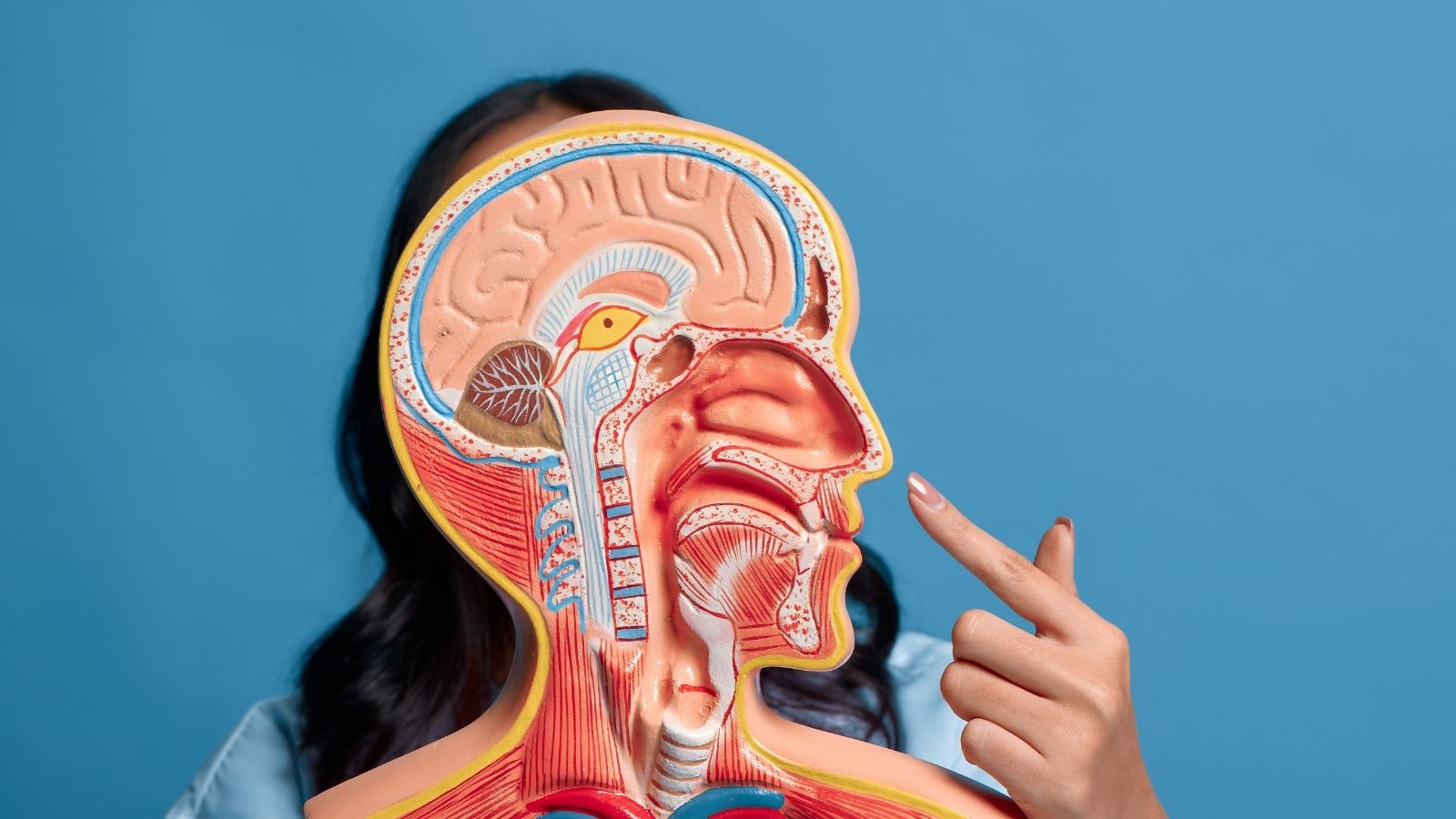
إن اعتبار أنفنا مجرد نظام أنابيب بسيط يقع في منتصف الوجه ويسمح بدخول الهواء هو خطأ كبير. في الواقع، يُعد أنفنا أكثر أنظمة التكييف الطبيعية تطورًا وحساسية وسرعة في العالم. وأهم أجزاء هذا النظام هي البنى التي تُعرف طبيًا باسم القرينات، ويُطلق عليها عامة الناس اسم اللحمية الأنفية. تقع هذه البنى على الجدران الجانبية لتجويف الأنف وتشبه رفوفًا إسفنجية غنية جدًا بالأوعية الدموية ومغطاة بطبقة خاصة من الغشاء المخاطي. يجب على الهواء الذي نستنشقه من الخارج أن يمر حتمًا بين هذه الرفوف قبل أن يصل إلى الرئتين. تخيل الهواء البارد جدًا الذي تتنفسه في يوم شتوي قارس. لو وصل هذا الهواء مباشرة إلى الرئتين لتضررت الأنسجة الرئوية الحساسة فورًا. لكن بفضل القرينات الأنفية، يتم تدفئة الهواء في جزء صغير جدًا من الثانية، ويصل إلى درجة حرارة الجسم، كما يتم ترطيبه بدرجة كبيرة في الوقت نفسه. إضافة إلى ذلك، تقوم هذه الأنسجة بترشيح الغبار والأوساخ والجزيئات الضارة الموجودة في الهواء. وتخلق القرينات الأنفية مقاومة خفيفة أمام الهواء أثناء التنفس، مما يؤدي إلى إبطاء الهواء قليلًا داخل الأنف وتكوين دوامات هوائية. وتُعد هذه المقاومة ذات أهمية حيوية لكي يلامس الهواء الغشاء المخاطي بشكل كافٍ ويتم معالجته بطريقة صحية.
كيف تتدهور البنية الديناميكية الهوائية للأنف لدى مريض يعاني من متلازمة الأنف الفارغ؟
في الأنف السليم، يعمل تدفق الهواء كتحفة هندسية دقيقة. يتحرك جزء من الهواء بخط مستقيم، بينما يصطدم جزء آخر بالقرينات الأنفية مكوّنًا دوامات صغيرة ومنضبطة. ويسمح هذا التدفق الدوامي للهواء بالوصول إلى النهايات العصبية ومناطق الشم داخل الأنف. تستشعر الحساسات الخاصة الموجودة على سطح الغشاء المخاطي، والتي تدرك التغيرات الحرارية، البرودة التي يخلقها الهواء وترسل باستمرار إلى الدماغ إشارات تدل على حدوث التنفس. لكن عندما يتم استئصال القرينات الأنفية بشكل مفرط، تنهار هذه البنية الديناميكية الهوائية المذهلة فورًا. ولأن داخل الأنف يتحول إلى نفق ضخم، فإن الهواء الداخل يتجه مباشرة وبسرعة كبيرة نحو الحلق دون أن يصطدم بأي عائق أو انحناء. وبما أن الهواء يمر دون احتكاك بسطح الغشاء المخاطي، فإن الحساسات داخل الأنف لا تستطيع إدراك هذا التدفق الهوائي المنعش. ونتيجة لذلك، لا يدرك الدماغ وجود الهواء حتى لو دخلت كميات هائلة منه، ويطلق إنذارًا شديدًا بعدم القدرة على التنفس. بالإضافة إلى ذلك، بسبب غياب القرينات الأنفية، لا تبقى مساحة سطح كافية لترطيب الهواء. ويؤدي ذلك إلى جفاف الغشاء المخاطي بسرعة وفقدانه لوظيفته وتحول تدفق الهواء داخل الأنف إلى عاصفة فوضوية وغير منتظمة وغير قابلة للسيطرة.
ما هي عوامل الخطر الأساسية التي تؤدي إلى ظهور متلازمة الأنف الفارغ بعد التدخلات الجراحية؟
إن العامل الأكبر والأكثر أساسية في ظهور هذه المتلازمة هو التدخل المفرط في القرينات الأنفية أثناء العمليات التي تُجرى بهدف إزالة انسداد الأنف. ويُعد تصغير حجم القرينات السفلية إلى مستوى لا يستطيع تلبية الاحتياجات الفسيولوجية للجسم عامل الخطر الأساسي. وكانت الطرق التي تعتمد على قطع القرين الأنفي بالكامل وإزالته، والتي كانت تُستخدم بكثرة في الماضي، تُعتبر اليوم السبب الأكبر لهذا المرض. ولا تقتصر المشكلة على عمليات القطع فقط، بل إن الإفراط في استخدام وسائل الحرق مثل الترددات الراديوية أو الكي لتصغير القرينات يؤدي أيضًا إلى أضرار حرارية عميقة في الأنسجة. وهذا الضرر الحراري يقضي على قدرة الغشاء المخاطي على التجدد. ومع مرور الوقت، تجف الطبقة التي تبطن داخل الأنف وتصبح أرق وتفقد حيويتها وتبدأ بالضمور. كما أن التدخل العدواني جدًا في الأجزاء الخلفية من القرين الأنفي القريبة من البلعوم الأنفي يُعد عامل خطر مهمًا آخر. ويؤدي فقدان الأنسجة في المنطقة الخلفية إلى جعل سرعة مرور الهواء نحو البلعوم غير قابلة للسيطرة. كما أن الفقدان غير القابل للعكس للأهداب المجهرية المسؤولة عن التنظيف الذاتي للأنف نتيجة الرضوض الجراحية يدمر صحة الأنسجة بالكامل. كما أن الاتساعات الأخرى الموجودة في البنية التشريحية للمريض تزيد من هذا الخطر بشكل مضاعف.
ما هي الأعراض الجسدية التي يواجهها مرضى متلازمة الأنف الفارغ في حياتهم اليومية؟
من أكثر الجوانب المثيرة للاهتمام في هذه الحالة أن الشكاوى لا تظهر عادة مباشرة بعد العملية، بل تظهر تدريجيًا بعد فترة صامتة قد تستمر أشهرًا أو حتى سنوات. وهذا الظهور المتأخر يجعل من الصعب جدًا على المرضى ربط المشكلات التي يعانون منها بعمليات الأنف السابقة. الشكوى الأساسية لدى المرضى، كما ذُكر سابقًا، هي الشعور بالاختناق والجوع للهواء رغم أن أنوفهم مفتوحة تمامًا. وإلى جانب هذه المشكلة الأساسية، تظهر العديد من الأعراض الجسدية التي تجعل الحياة اليومية للمريض لا تُطاق. وبما أن قدرة الأنف على الترطيب تضيع، يحدث جفاف دائم وتكوّن قشور وتلف في الأنسجة. ولأن الهواء لا يمكن توجيهه إلى المنطقة العلوية التي توجد فيها خلايا الشم، تحدث أيضًا تراجعات خطيرة في الحواس.
الأعراض الجسدية الشائعة هي كما يلي:
- جفاف شديد في الأنف
- حرقة في الحلق
- تكوّن كثيف للقشور
- رائحة كريهة
- ضيق في التنفس
- جوع للهواء
- فقدان حاسة الشم
- اضطراب حاسة التذوق
- انخفاض جودة النوم
- إرهاق مزمن
كل واحد من هذه الأعراض يهز جودة حياة المريض بعمق. وخاصة القشور التي تتكوّن داخل الأنف وتتسبب في رائحة كريهة تؤثر سلبًا أيضًا على الحياة الاجتماعية للمريض وقد تدفعه إلى العزلة عن المجتمع. وبما أن الجسم لا يستطيع الراحة بشكل كافٍ، يضطر المرضى إلى الصراع المستمر مع حالة من الإنهاك.
ما هي التأثيرات النفسية والعصبية التي تظهر لدى المرضى الذين تم تشخيصهم بمتلازمة الأنف الفارغ؟
بعيدًا عن شدة الأعراض الجسدية، فإن الضرر الذي تُحدثه هذه الحالة في الصحة النفسية للمرضى أعمق بكثير وأكثر إثارة للقلق. فالتنفس هو أكثر ردود البقاء الأساسية لدى الإنسان. إن شعور الشخص المستمر بأنه لا يستطيع التنفس وأنه يختنق يبقي مراكز الإنذار في الدماغ في حالة نشاط دائم. وهذا يؤدي إلى استجابة الجهاز العصبي وكأنه تحت تهديد مستمر. ووفقًا للبيانات الطبية، فإن نسبة كبيرة جدًا من هؤلاء المرضى تصاب مع مرور الوقت باضطرابات قلق شديدة ونوبات هلع وحالات اكتئاب عميقة. ويواجه المرضى صعوبة كبيرة في إقناع الأشخاص المحيطين بهم أو الأطباء بعبارة: أنفي مفتوح لكنني لا أستطيع التنفس. وعدم فهمهم ووصف شكاواهم بأنها نفسية يدفعهم إلى شعور كبير بالعجز والوحدة. وهذا الضغط المستمر الناتج عن الجوع للهواء قد يؤدي للأسف في الحالات المتقدمة إلى استنزاف طاقة الحياة بالكامل. كما تُظهر الأبحاث العلمية الحديثة أن هذا المرض ليس مجرد فراغ ميكانيكي، بل له أيضًا بُعد عصبي يتمثل في تضرر الأعصاب الحسية الأساسية داخل الأنف بشكل دائم. ويؤدي هذا الخلل في النهايات العصبية إلى زعزعة إدراك الدماغ للتنفس من أساسه، مما يجعل العبء النفسي الحالي أكثر تعقيدًا وصعوبة.
كيف يتم تأكيد تشخيص متلازمة الأنف الفارغ عندما تكون الاختبارات الموضوعية غير كافية؟
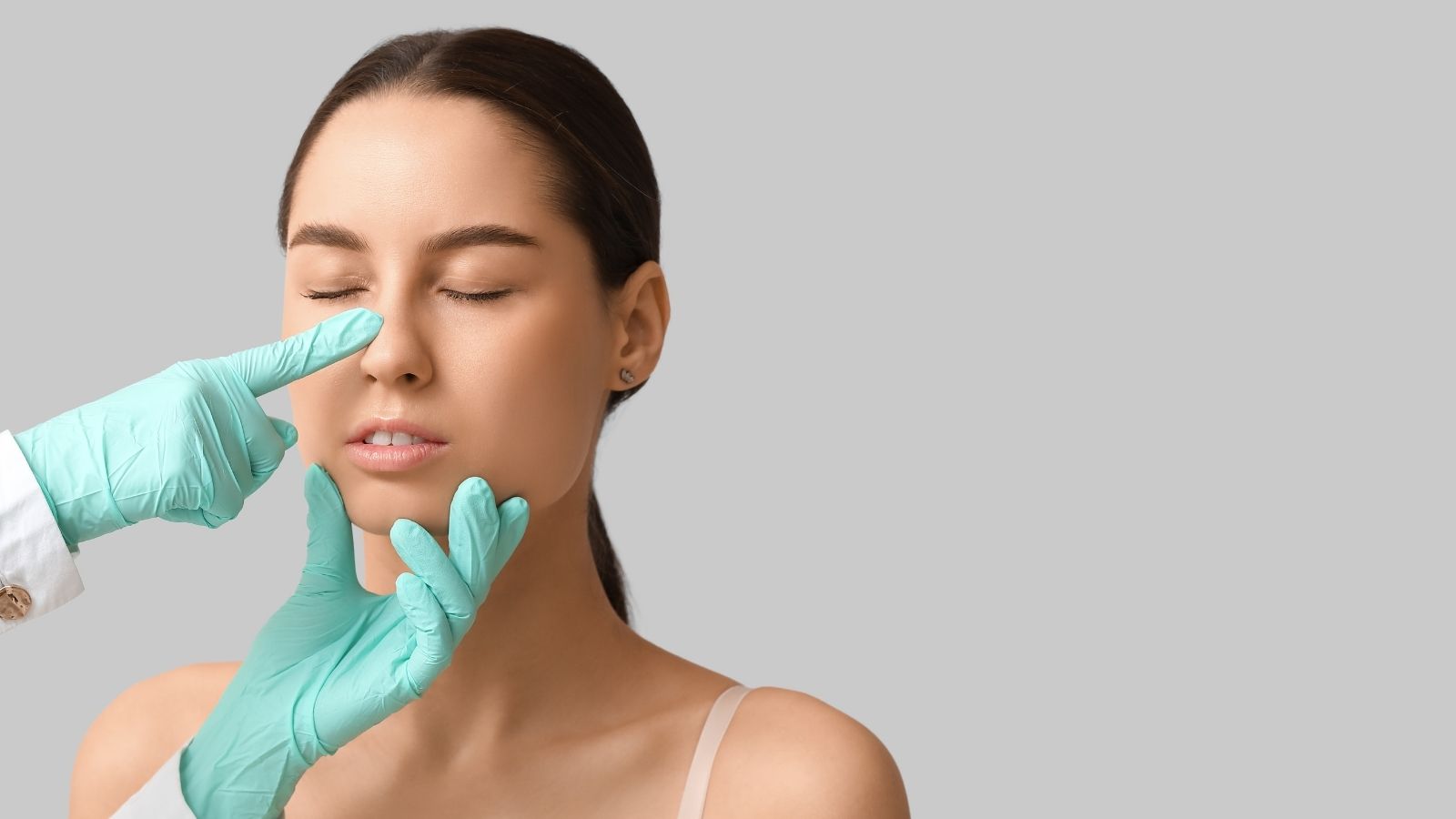
في عالم الطب يعتمد التشخيص عادة على بيانات ملموسة مثل التحاليل أو الصور أو القياسات. لكن في هذه المتلازمة، فإن الاختبارات التي يعتمد عليها الأطباء غالبًا ما تعطي نتائج طبيعية تمامًا أو حتى طبيعية أكثر من اللازم. فعلى سبيل المثال، عند فحص مريض عادي يشكو من انسداد الأنف، يتم البحث عن تورمات أو انحرافات عظمية أو زوائد لحمية داخل الأنف. لكن عند هؤلاء المرضى، عندما يتم إدخال كاميرا تنظير داخل الأنف، يُلاحظ وجود فراغ ضخم وجدران مستقيمة تمامًا وعدم وجود أي علامة على الانسداد. وتشكل شكوى المريض من ضيق التنفس مع هذا الانفتاح الكبير داخل الأنف تناقضًا واضحًا. وعند وضع التشخيص، تُعتبر قصة المريض والشكاوى الذاتية التي يشعر بها المعيار الذهبي. كما أن صور التصوير المقطعي المحوسب توجّه الطبيب بشكل كبير. ففي المقاطع الطبقية يُلاحظ بوضوح أن القرينات السفلية، التي من المفترض أن تملأ التجويف الأنفي، قد اختفت تمامًا أو بقيت كآثار صغيرة فقط. كما يتم اكتشاف شحوب لون الغشاء المخاطي المبطن للأنف وترققه وجفافه من خلال الفحص بالمنظار. وتعتمد عملية التشخيص على الاستماع بعناية للمريض وتحليل طبيعة شعور الاختناق الذي يصفه واستبعاد جميع الأمراض الأخرى المحتملة.
كيف يتم تطبيق اختبار SNOT-25 واختبار القطن لدى المرضى المشتبه بإصابتهم بمتلازمة الأنف الفارغ؟
لتجاوز الصعوبات الموجودة في عملية التشخيص وربط شكاوى المريض بقياس معياري، تُستخدم بعض أدوات التقييم الخاصة المعترف بها دوليًا. أول هذه الأدوات هو استبيان مفصل يُسمى SNOT-25. ويُعتبر هذا الاستبيان نسخة مطورة من النماذج القياسية المستخدمة في أمراض الأنف، حيث تم إثراؤه بأسئلة خاصة بهذه المتلازمة مثل الشعور بالاختناق وجفاف الأنف والشعور بأن الأنف مفتوح أكثر من اللازم. وتشكل الدرجات المرتفعة الناتجة عن إجابات المريض دعمًا قويًا للتشخيص.
أما الطريقة الأكثر عملية والأكثر استخدامًا في العيادات فهي اختبار القطن. ويعطي هذا الاختبار نتائج بسيطة للغاية لكنها مؤثرة جدًا. حيث يقوم الطبيب بوضع قطع صغيرة من القطن المبللة بالمحلول الملحي بعناية داخل الفراغات الموجودة في أنف المريض والتي كانت القرينات تشغلها سابقًا. والهدف من ذلك هو إنشاء جدار اصطناعي ومؤقت أو حاجز مقاومة بدلًا من القرين المفقود. وبعد وضع القطن يُطلب من المريض أن يتنفس ويُسأل عن شعوره. فإذا ذكر المريض أن تنفسه أصبح أكثر راحة رغم وجود القطن داخل أنفه، وأنه بدأ يشعر ببرودة الهواء وأن إحساس الاختناق قد خف، فإن التشخيص يُعتبر مؤكدًا إلى حد كبير. كما يُعد هذا الاختبار مؤشرًا مهمًا جدًا على نجاح إعادة البناء.
ما الذي يمكن فعله لتخفيف أعراض متلازمة الأنف الفارغ بالطرق غير الجراحية؟
للأسف، لا يوجد دواء سحري يمكنه القضاء على هذه المتلازمة بالكامل بجرعة واحدة أو بحبة واحدة. وتتمثل الخطوة الأولى والأهم في العلاج في السيطرة على الشكاوى الحالية، وإنعاش الأنسجة الجافة، ومنع المزيد من الضرر للغشاء المخاطي المتبقي. وفي هذه العملية، تتمثل المهمة الأكثر أهمية في الحفاظ على رطوبة داخل الأنف بشكل دائم. تساعد محاليل غسيل الأنف على تنظيف القشور الموجودة على الأنسجة وتمكين الغشاء المخاطي من التنفس براحة أكبر. وعندما لا يكون الغسيل وحده كافيًا، يتم استخدام زيوت ومراهم خاصة تغطي داخل الأنف وتمنع تبخر الرطوبة. وفي الحالات ذات الرائحة الكريهة التي يوجد فيها تكاثر بكتيري، يجب إضافة محاليل طبية مناسبة إلى العلاج.
المنتجات الأساسية التي يمكن استخدامها لهذا الغرض تحت إشراف الطبيب هي كما يلي:
- محلول ملحي متساوي التوتر
- بخاخات ماء البحر
- سوائل غسيل تحتوي على الزايليتول
- محاليل رينغر لاكتات
- قطرات تحتوي على فيتامين A
- زيوت قائمة على فيتامين E
- جلّات مرطبة مائية
- خلطات خاصة تحتوي على مضادات حيوية
يساعد الاستخدام المنتظم لهذه المنتجات على تخفيف الجفاف والشعور بالحرقة داخل الأنف. كما أن إجراء الغسيل بشكل منتظم كروتين يومي يهيئ بيئة مناسبة لشفاء الأنسجة ويزيد من مقاومة الغشاء المخاطي. وتقوم الفلسفة الأساسية للطرق غير الجراحية على كسب الوقت للأنسجة وإعادة إحياء البيئة الجافة من جديد.
ما هي التغييرات البيئية ونمط الحياة التي يجب اتباعها في علاج متلازمة الأنف الفارغ؟
إن استخدام المنتجات الطبية وحدها لا يكفي لتجاوز هذه العملية الصعبة. فجودة الهواء الذي يتنفسه المريض خلال اليوم والعادات الحياتية العامة تؤثر بشكل مباشر على عملية التعافي. ويُعد الحفاظ على نسبة رطوبة الهواء في المنزل ومكان العمل بين أربعين وخمسين بالمئة أمرًا بالغ الأهمية. ولمنع أجهزة التدفئة من تجفيف الهواء خلال فصل الشتاء، فإن تشغيل أجهزة البخار البارد في غرف النوم أثناء الليل يوفر راحة كبيرة. بالإضافة إلى ذلك، فإن شرب كميات كبيرة من الماء ضروري لترطيب الجسم من الداخل أيضًا. وتساعد التغييرات الصغيرة ولكن الفعالة في نمط الحياة على دعم صحة الغشاء المخاطي، بينما يجب التخلي تمامًا عن بعض العادات الضارة.
العناصر الأساسية التي يجب الابتعاد عنها وإزالتها من نمط الحياة هي كما يلي:
- دخان السجائر
- المشروبات الغنية بالكافيين
- الإفراط في تناول الكحول
- البيئات الجافة والمكيفة
- الهواء المليء بالغبار والتلوث
- الروائح الكيميائية القوية
يزيد دخان السجائر من سوء الحالة بشكل كبير لأنه يؤدي إلى موت الخلايا الهدبية المنظفة التي بالكاد استطاعت البقاء داخل الأنف. كما أن الكافيين والكحول يزيدان من جفاف الأنف لأنهما يسرّعان فقدان الماء من الجسم. بالإضافة إلى ذلك، يجب أن يكون الحصول على دعم نفسي احترافي لمساعدة المرضى على التعامل مع التوتر الشديد والقلق جزءًا لا يتجزأ من هذه التغييرات في نمط الحياة.
ما هي الطرق طفيفة التوغل المستخدمة لمتلازمة الأنف الفارغ قبل الجراحة؟
إذا لم تكن الغسولات اليومية والمرطبات والتغييرات في نمط الحياة كافية لتوفير الراحة التنفسية للمريض، يتم قبل الانتقال إلى جراحة كبيرة ودائمة تقييم حلول أكثر عملية يمكن تطبيقها في العيادات. ويتمثل الهدف الأساسي من هذه الإجراءات التي تُسمى طفيفة التوغل في استعادة حجم الأنسجة المفقودة داخل الأنف مؤقتًا من خلال تدخلات غير جراحية أو صغيرة جدًا. ومن أبرز هذه الطرق حقن حمض الهيالورونيك. حيث يتم حقن هذه المادة المالئة، المستخدمة بكثرة في تجميل الوجه، داخل بقايا نسيج القرين الأنفي لتوفير انتفاخ في المنطقة وتضييق مجرى الهواء. وبفضل قدرة المادة المالئة على الاحتفاظ بالماء، يتم ترطيب الغشاء المخاطي من الداخل في الوقت نفسه. ويستمر تأثيرها في المتوسط بين ستة واثني عشر شهرًا، كما أن الإجراء قصير نسبيًا.
خيار قوي آخر هو نقل الأنسجة الدهنية المأخوذة من جسم المريض نفسه إلى داخل الأنف. حيث يتم أخذ الدهون من منطقة البطن أو الفخذ ومعالجتها بطرق خاصة قبل حقنها تحت الغشاء المخاطي للأنف. وتتمثل أكبر ميزة لهذه الطريقة في أن الخلايا الجذعية والعوامل العلاجية الموجودة داخل الأنسجة الدهنية لا توفر الحجم فقط، بل تساعد أيضًا على تجديد الغشاء المخاطي المريض والجاف على المستوى الخلوي. وتُعتبر هذه الطريقة من أقوى الخطوات التي يمكن اتخاذها قبل العمليات الدائمة، سواء لتحسين الديناميكية الهوائية أو لإحياء الأنسجة.
ما هي العلاجات الجراحية والطُعوم المفضلة في الحالات المتقدمة من متلازمة الأنف الفارغ؟
في المرضى المقاومين الذين تنجح لديهم المواد المالئة المؤقتة ولكن يكون تأثيرها قصير الأمد، أو الذين يُظهرون استجابة إيجابية جدًا لاختبار القطن، يتم إجراء عمليات ترميمية تهدف إلى تصحيح تشريح الأنف بشكل دائم. وتعتمد الفكرة الأساسية لهذه العمليات على وضع مواد داعمة جديدة تحت الجدار الأنفي المتوسع بشكل مفرط من أجل تضييق الممر واستعادة مقاومة الهواء المفقودة بشكل دائم. يقوم الجراح بفتح نفق رقيق تحت بطانة الغشاء المخاطي داخل الأنف ويضع بعناية مواد تحاكي حجم القرين الأنفي المفقود داخل هذه الجيوب. وفي الحالات الشديدة جدًا التي يجف فيها الغشاء المخاطي بالكامل، يمكن أيضًا اللجوء إلى عمليات الإغلاق التي تعتمد على إغلاق الأنف بالكامل مؤقتًا لمنح الأنسجة فرصة للراحة.
فيما يلي الطعوم والمواد الأساسية المستخدمة لوضعها تحت الغشاء المخاطي أثناء الجراحة:
- غضروف الحاجز الأنفي
- غضروف صيوان الأذن
- غضروف الأضلاع
- زرعات طبية صناعية
- نسيج جلدي بشري منزوع الخلايا
يتم تحديد اختيار المادة المستخدمة وفقًا لحجم فقدان الأنسجة داخل أنف المريض والعمليات السابقة التي خضع لها. وتُعتبر غضاريف الجسم الذاتية الخيار الأول دائمًا، لأن قدرتها على التكيف ومقاومتها للعدوى أعلى بكثير مقارنة بالمواد الصناعية الخارجية. ويجب التخطيط لهذه الخطوات الجراحية بعناية فائقة.
ما هي الطرق الوقائية التي يجب تطبيقها في الممارسة الجراحية لتجنب الإصابة بمتلازمة الأنف الفارغ؟
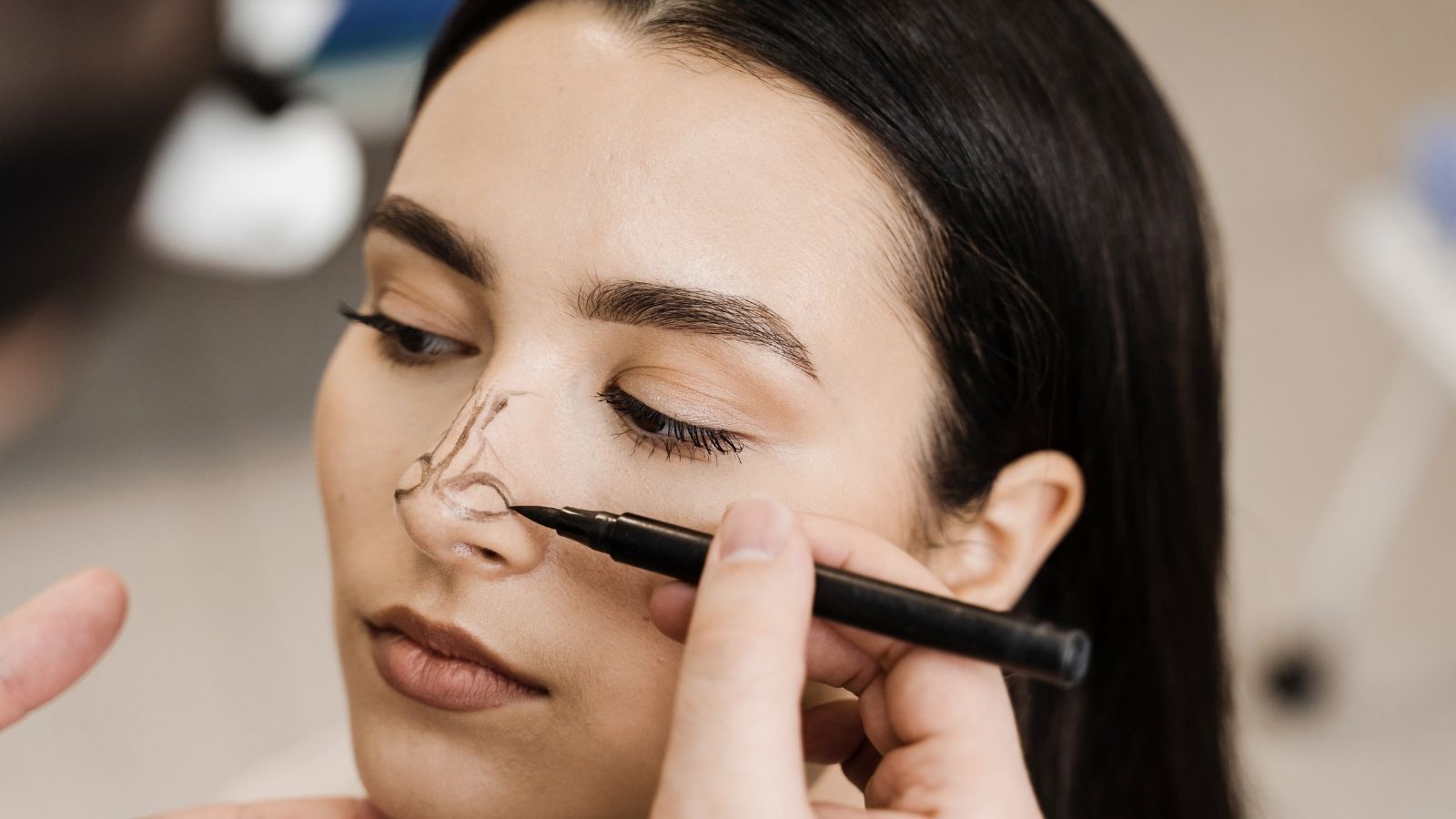
كما هو الحال في جميع مجالات الطب، فإن أفضل علاج لهذا المرض المعقد والمرهق هو منع حدوثه منذ البداية. والقاعدة الذهبية بالنسبة للمتخصصين في صحة الأنف هي الالتزام بمبدأ الحفاظ على أكبر قدر ممكن من الأنسجة أثناء التدخلات على القرينات الأنفية. لقد حلت الطرق الحديثة والتكنولوجية والمحافظة على الأنسجة بالكامل محل إجراءات القطع العدوانية التي كانت تُستخدم كثيرًا في الماضي. وعندما يكون من الضروري تصغير القرينات الأنفية، يتم استخدام أجهزة متطورة مثل الترددات الراديوية التي تذيب الأنسجة الداخلية فقط دون إلحاق أي ضرر بالغشاء المخاطي الوظيفي الخارجي.
وإذا كان هناك تضخم عظمي داخل الأنف، تُستخدم أدوات خاصة للحفاظ على سلامة الغشاء المخاطي ويتم التدخل فقط في النسيج العظمي. كما يمكن في المرضى المناسبين توسيع مجرى الهواء من خلال دفع الأنسجة بلطف نحو الخارج دون قطع أي جزء من القرين الأنفي. ويجب أن تُبنى القرارات المتخذة على طاولة العمليات ليس على مقدار الأنسجة التي ستُزال، بل على مقدار الأنسجة التي يجب الحفاظ عليها. فلا يمكن لأي مادة صناعية أن تحاكي بشكل كامل ذلك النظام المذهل الذي خلقته الطبيعة لتنقية الهواء وتكييفه.