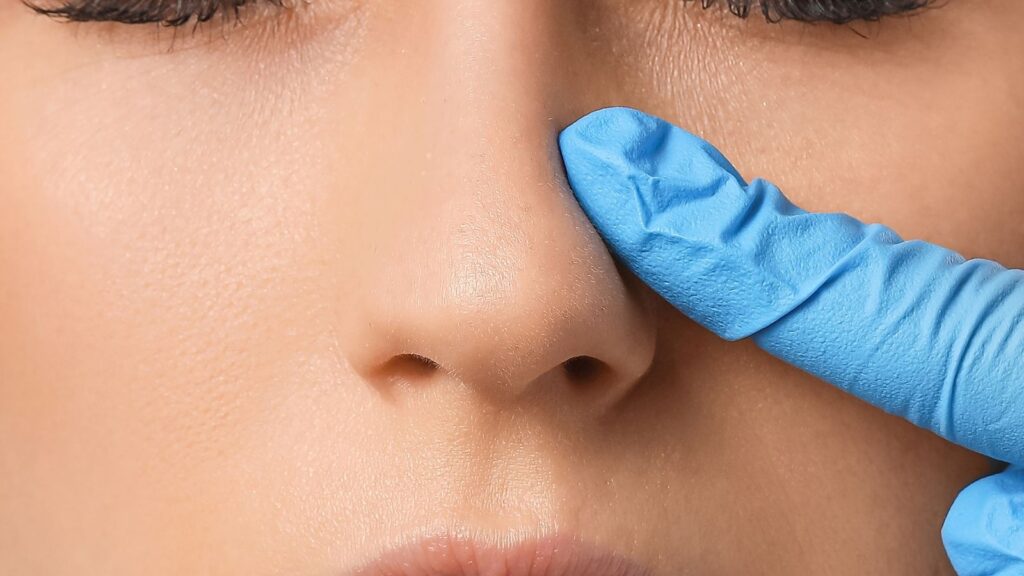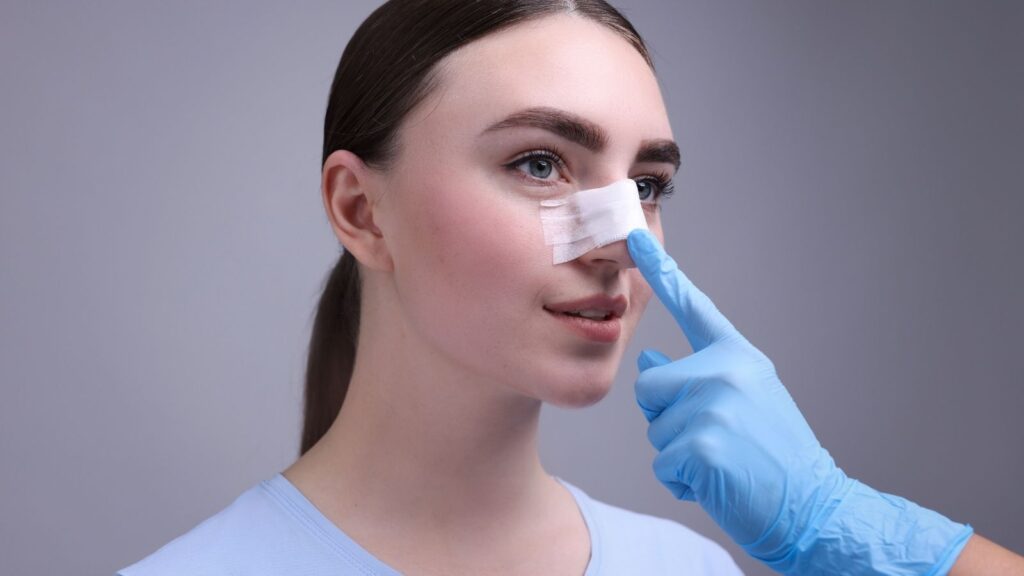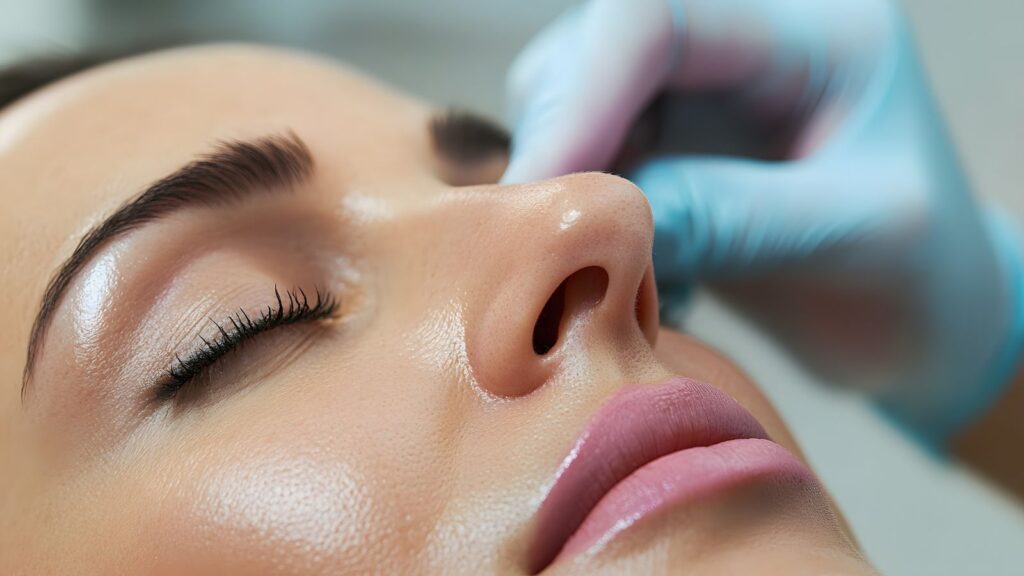
Desired features in men: nose-lip angle should be less upturned than women, a straight nasal ridge. If the back of the nose is too curved and the tip of the nose is too raised, a feminine (feminine) appearance appears.
Rhinoplasty, which was an operation preferred by women in the past, has become a highly preferred operation by men today. Our male and female ratio was almost equal to each other.
In female patients, a slightly raised nose tip and a slight curve on the back of the nose are desirable. The angle of the nose with the upper lip should be 95 degrees on average for men and 100 degrees for women.
While the lines are more pronounced and sharp in male patients, the passages should be softer in female patients. Sometimes, male patients may want only certain parts of their noses to be corrected. In fact, they don’t want much change.

For example; Just like removing the nasal bridge or lifting the low nasal tip very slightly. Since the skin of male patients is thicker and oily, the planning of the surgery should be done accordingly.
Depending on the condition of the thick skin, it may be necessary to give additional treatments before or after the surgery by consulting the skin doctors.
The amount of cartilage tissues left behind in men and women during aesthetic nose surgery varies. Post-operative bruising and swelling is more common in men and the final state of the nose occurs longer.
Frequently Asked Questions About Differences in Female and Male Rhinoplasty Surgeries
How do aesthetic goals differ between female and male rhinoplasty surgeries?
Female rhinoplasty often aims for a softer profile, refined tip, and a slightly elevated nasal angle. Male rhinoplasty usually focuses on preserving a stronger, straighter, and more defined appearance that complements masculine facial proportions.
Why is nasal tip refinement approached differently in female and male rhinoplasty procedures?
Surgeons typically create a more delicate and subtly defined nasal tip for female patients, while male patients often benefit from a broader and structurally stronger tip. The goal is to maintain facial harmony without altering gender-specific features.
How do facial proportions influence surgical planning for female versus male rhinoplasty?
Rhinoplasty planning considers forehead shape, jawline strength, cheek contours, and overall facial balance. Female and male faces often require different nasal dimensions to achieve natural-looking results that fit existing facial anatomy.
What role does skin thickness play in the differences between female and male rhinoplasty surgeries?
Male patients frequently have thicker nasal skin, which can affect tip definition and healing. Female patients may have thinner skin that reveals structural changes more clearly, requiring careful surgical adjustments for optimal aesthetic outcomes.
Are recovery timelines different for female and male rhinoplasty patients?
Recovery varies more by anatomy and surgical complexity than gender alone. However, differences in skin thickness, swelling patterns, and tissue characteristics may influence how quickly final contours become visible after surgery.
How does preserving masculine facial characteristics affect male rhinoplasty outcomes?
Male rhinoplasty prioritizes maintaining strong nasal lines and avoiding excessive refinement. Preserving masculine features helps ensure the nose remains proportionate to the chin, brow, and facial structure while still addressing cosmetic concerns.
Why is the nasal bridge shape often different in female and male rhinoplasty surgery?
Female rhinoplasty may include subtle bridge narrowing or gentle contouring for a softer appearance. Male rhinoplasty commonly preserves a straighter and more prominent bridge to maintain natural masculine facial aesthetics and balance.
Can functional breathing corrections be combined with gender-specific rhinoplasty goals?
Yes, surgeons frequently address breathing issues such as septal deviation while performing cosmetic refinements. This approach improves nasal function and appearance simultaneously, regardless of whether the patient seeks feminine or masculine results.
What psychological factors should patients consider when comparing female and male rhinoplasty results?
Patients should focus on realistic expectations and personal goals rather than trends. Successful rhinoplasty enhances confidence by creating facial harmony while respecting individual identity, anatomy, and desired aesthetic characteristics.
How can choosing an experienced rhinoplasty surgeon improve gender-specific surgical results?
An experienced surgeon understands the anatomical and aesthetic differences between female and male noses. Careful planning and advanced techniques help achieve natural outcomes that align with facial proportions and long-term patient satisfaction.