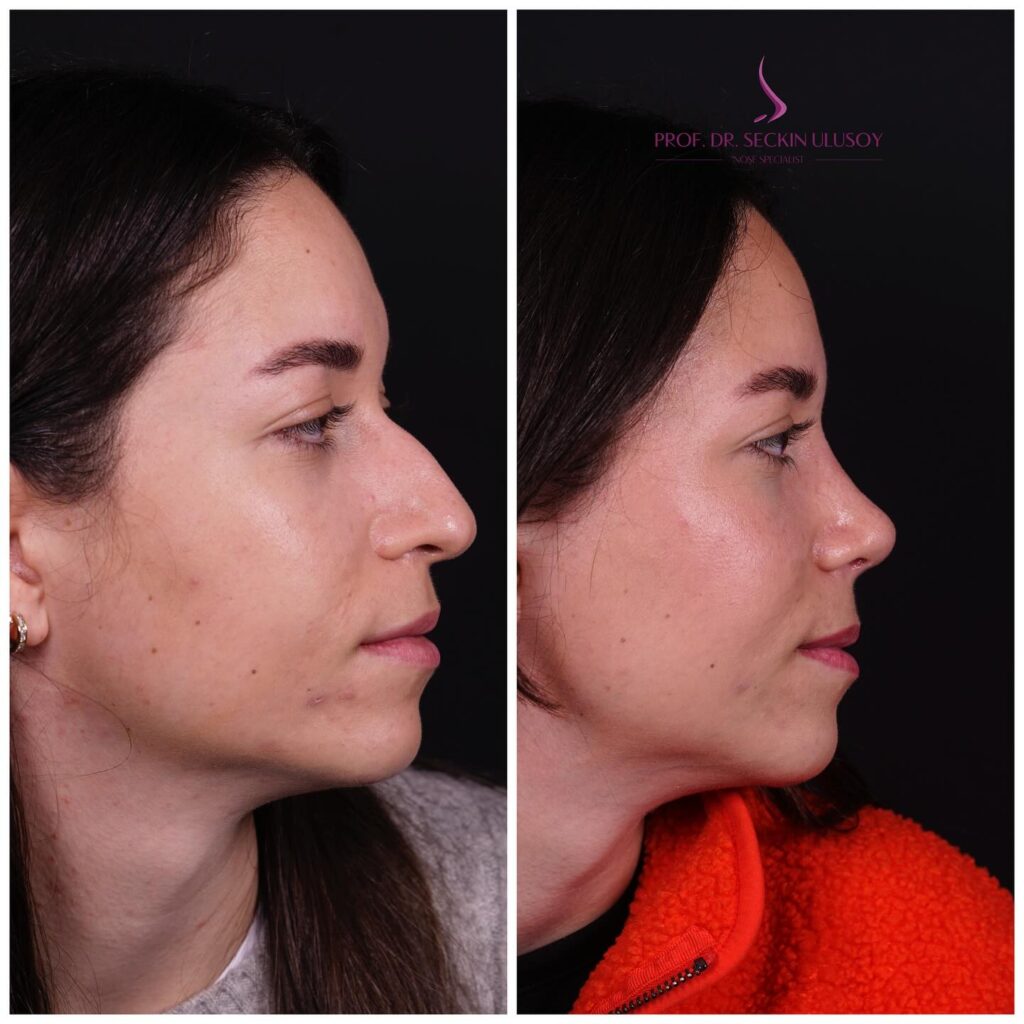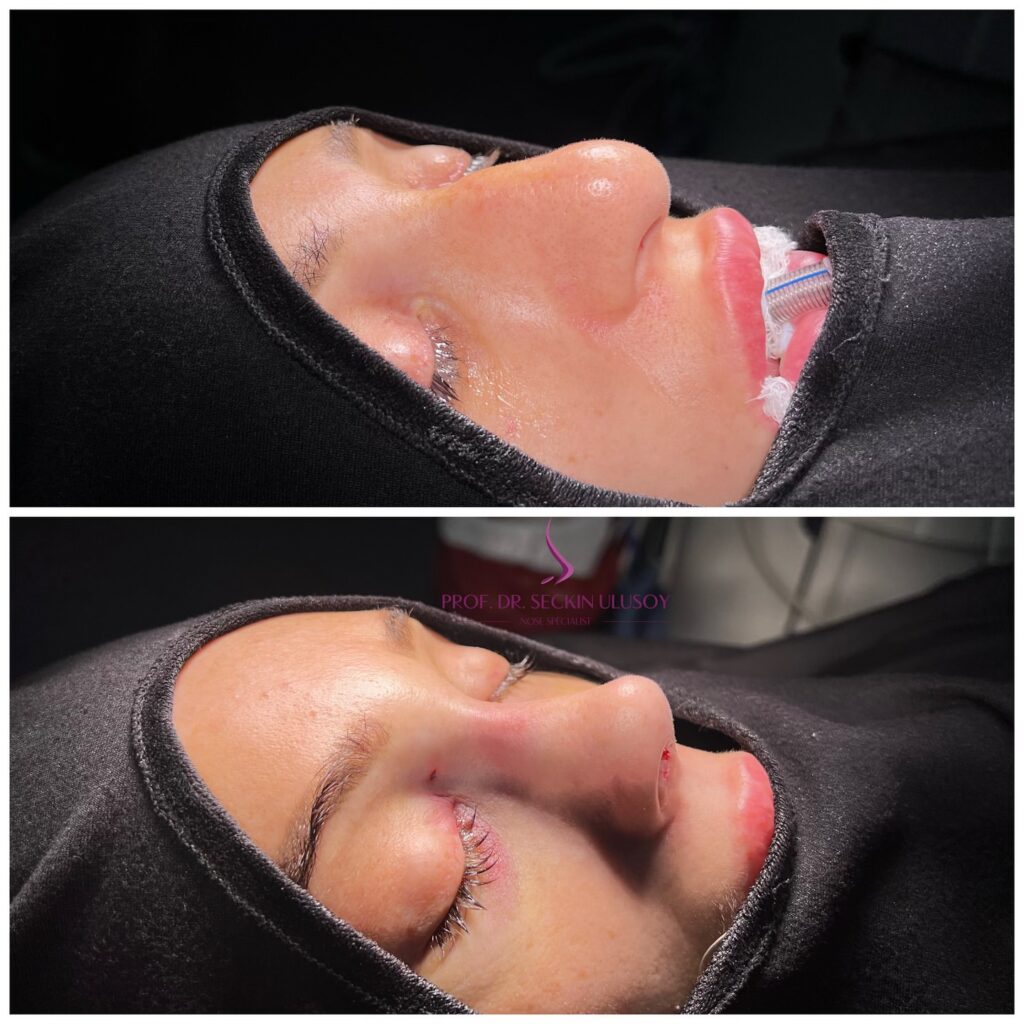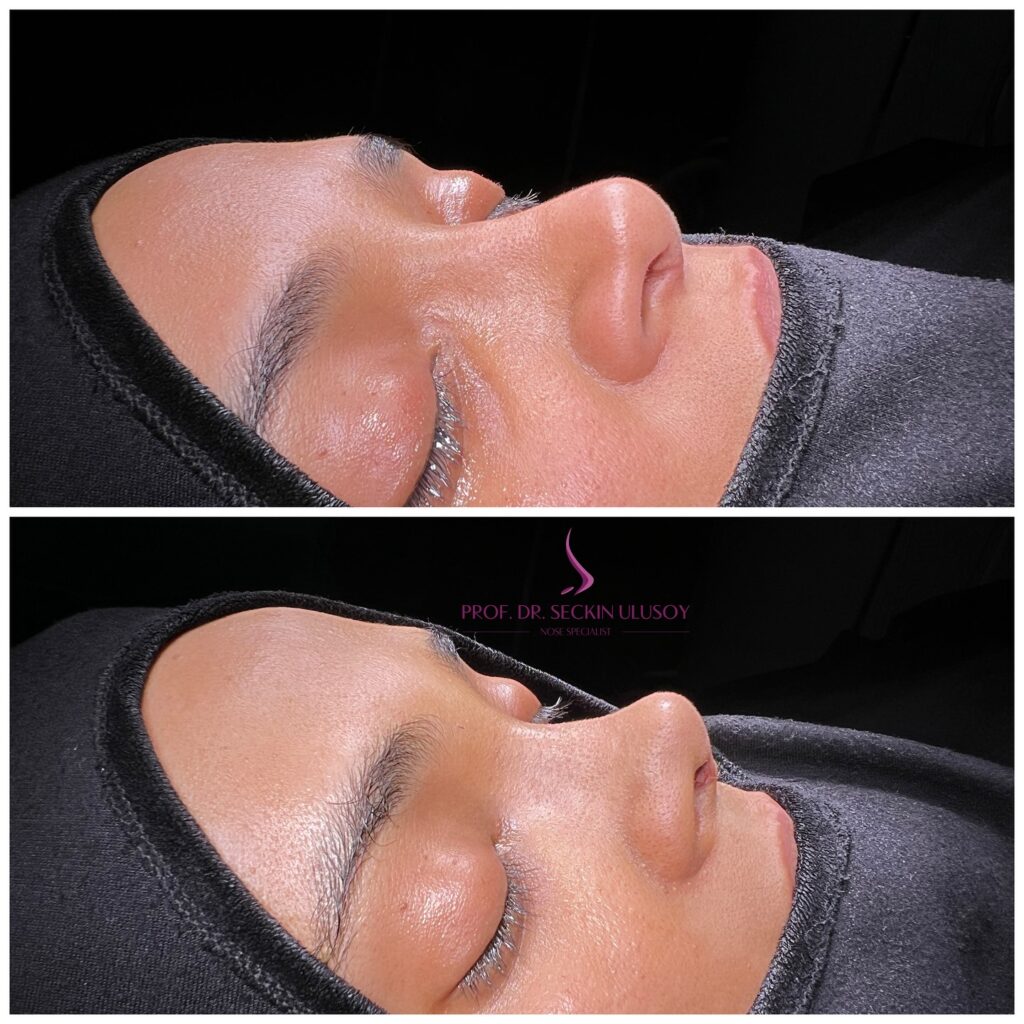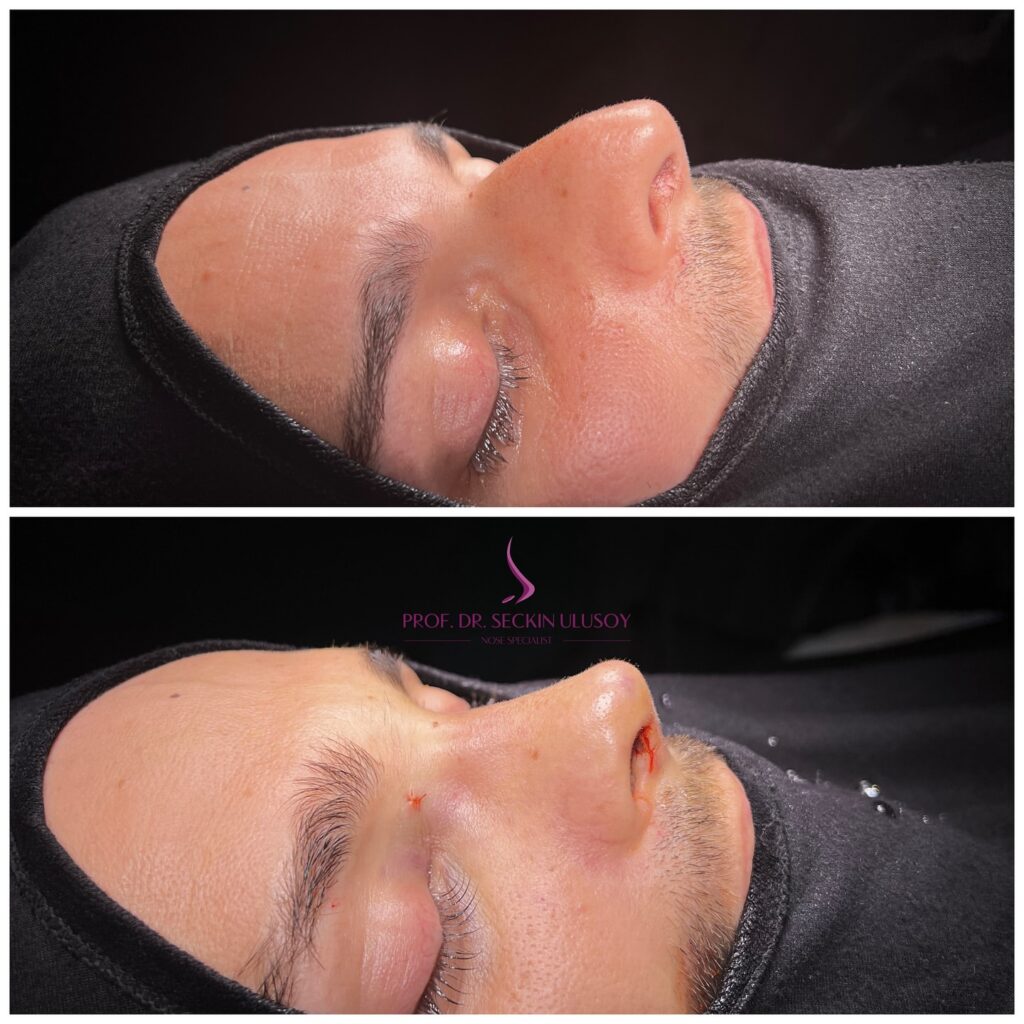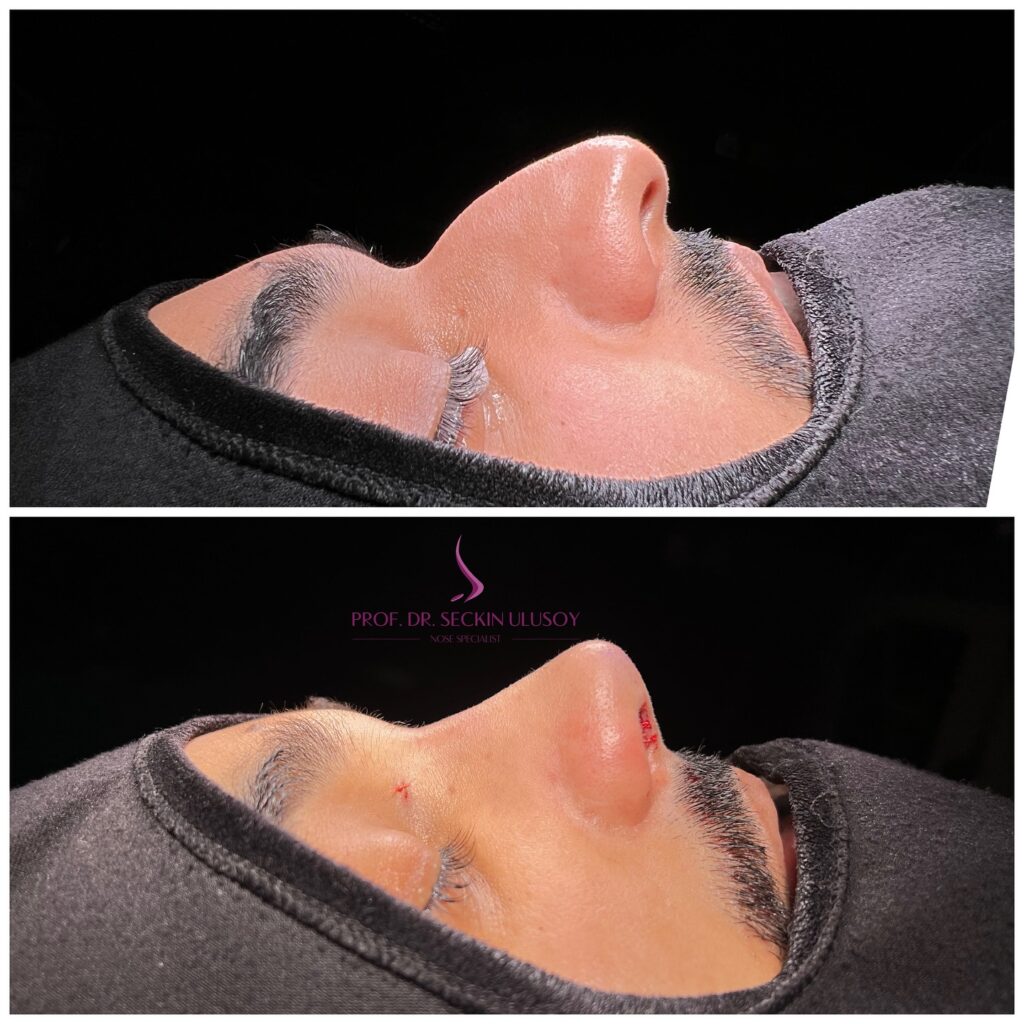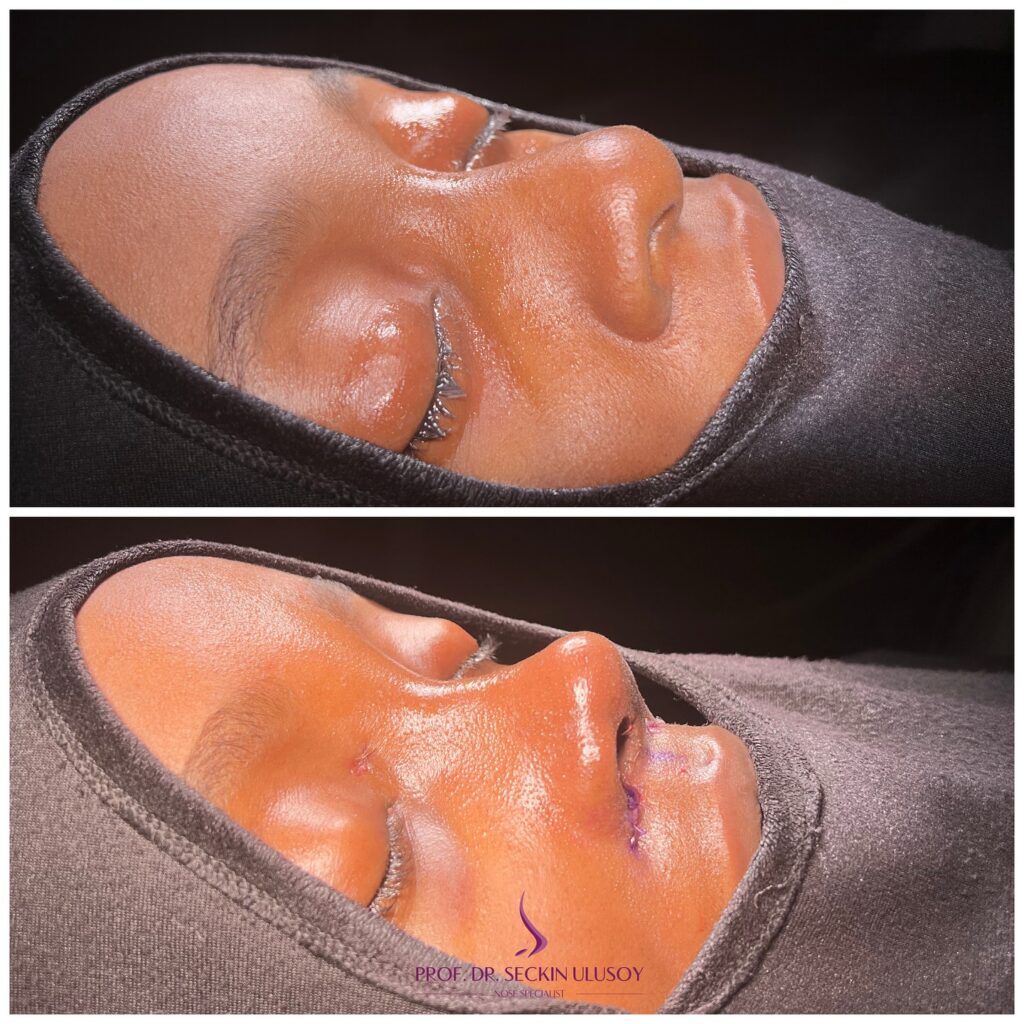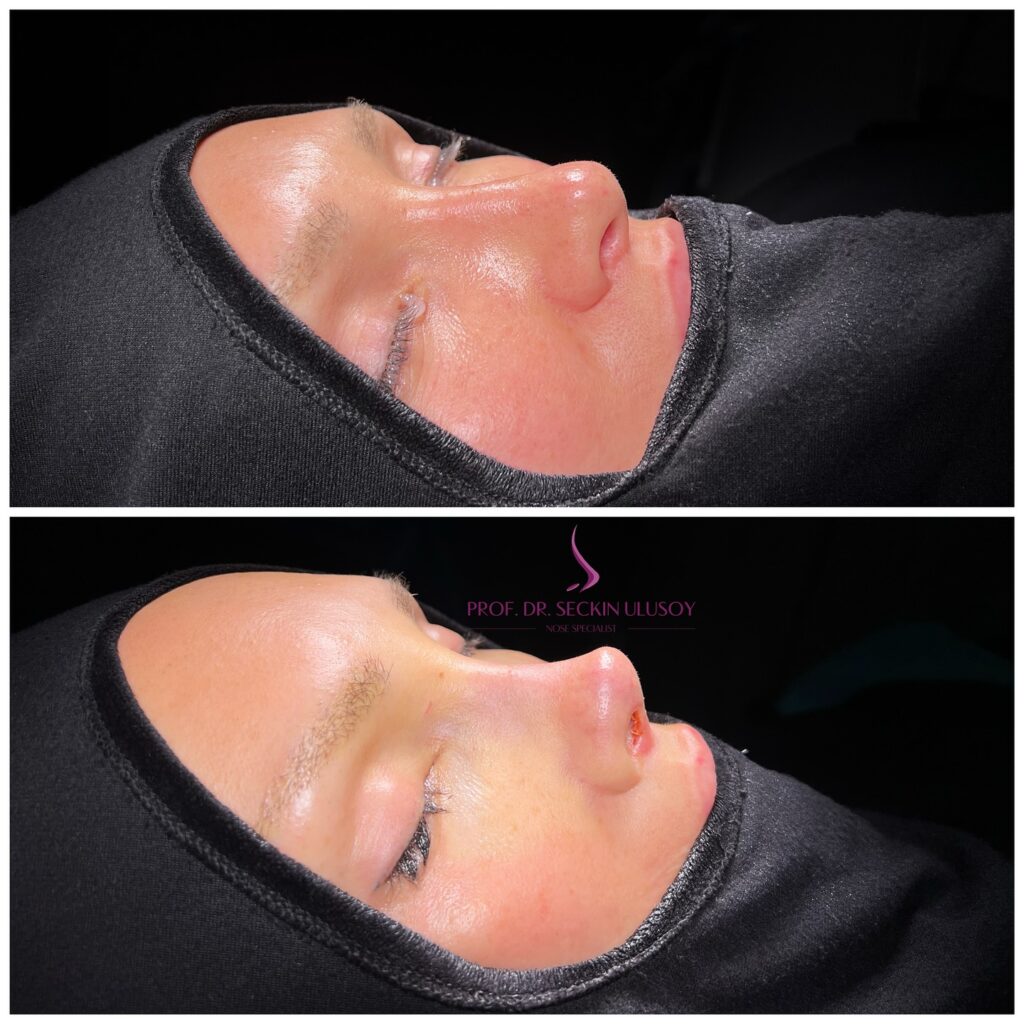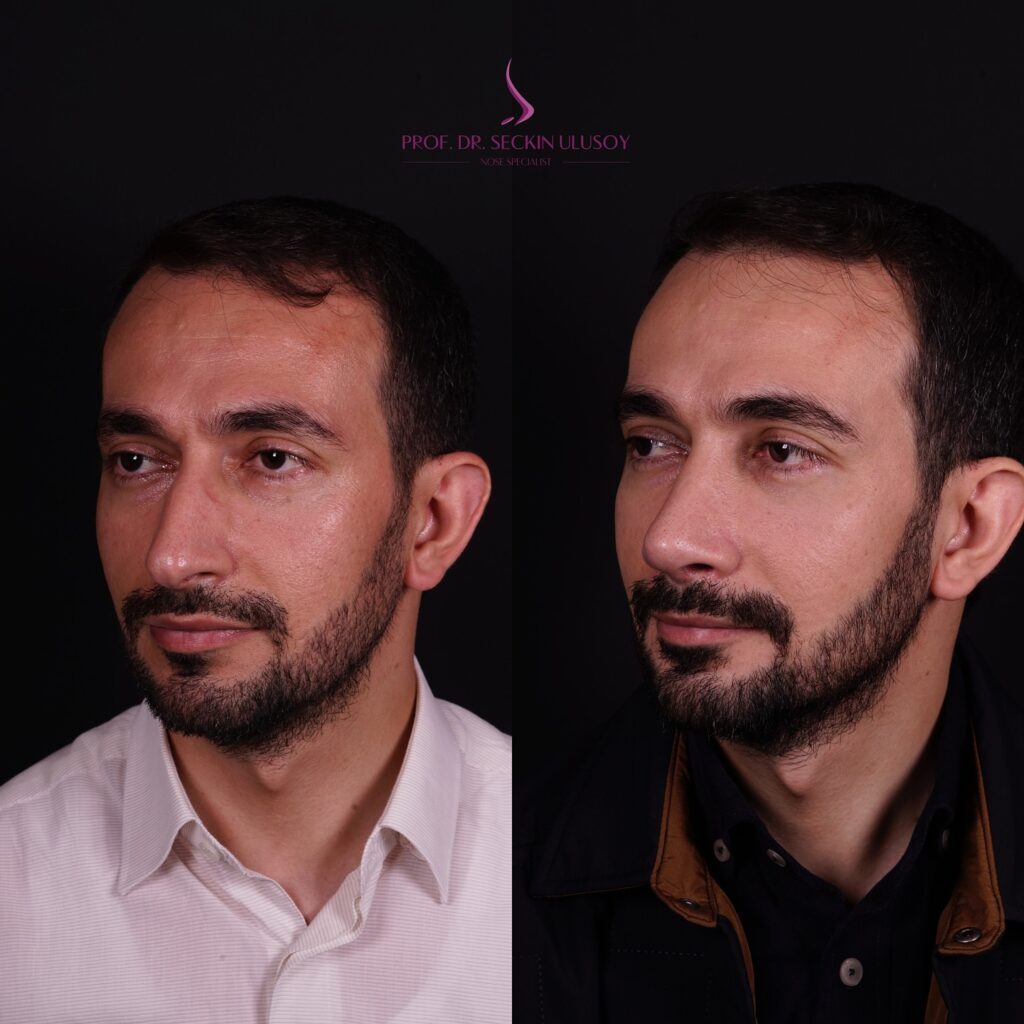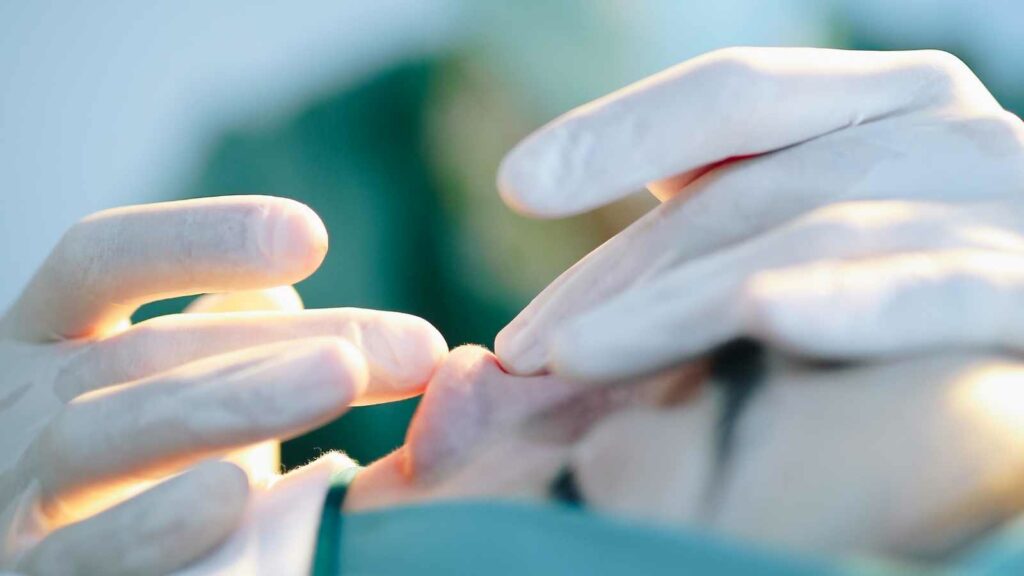
Wide nose rhinoplasty is a surgical procedure aimed at narrowing and refining a nose that appears broad due to wide nasal bones, a bulbous tip, or flared nostrils. The goal is to create a more proportionate nasal shape that complements the patient’s overall facial structure.
Wide nose rhinoplasty recovery process typically involves mild to moderate swelling and minimal bruising, with most patients resuming normal activities within a week. The nasal shape continues to refine over several months as tissues heal and swelling subsides.
Wide nose rhinoplasty benefits include improved facial balance, enhanced nasal definition, and a more harmonious profile. By addressing the width of the nose through precise bone and cartilage adjustments, the procedure delivers lasting aesthetic improvements.
Wide nose rhinoplasty candidates are individuals dissatisfied with the width of their nose due to genetic factors or previous injury. A detailed consultation and physical examination determine the most suitable surgical approach for optimal, natural-looking results.
What Aesthetic Concerns Can Wide Nose Rhinoplasty Address?
As its name suggests, wide nose rhinoplasty primarily targets a generally wide-appearing nose, but it is actually a versatile operation that addresses several specific problems. If one or more of the following situations sound familiar, this procedure may be a suitable option for you.
Your nasal bone, i.e., the nasal dorsum at the center of your face, may appear broad and flat when viewed from the front. Your nasal tip may have a round and undefined structure, described as “bulbous” or “ball-shaped.” Especially when you smile, wide nasal wings may spread out, occupying a disproportionate area of your face. Sometimes the issue is not just width, but a combination of width and length that requires correction. Wide nose rhinoplasty addresses each of these problems with an individualized plan, bringing more balance and aesthetic harmony to your face.
What Causes My Nose to Appear Wide, and How Does Wide Nose Rhinoplasty Correct This?
A wide nose rarely has a single cause. Usually, it results from a combination of anatomical features that are part of our genetic heritage. The first step in a successful wide nose rhinoplasty is to accurately identify these root causes.
The main anatomical factors that make your nose appear wide include:
- Wide nasal bones
- Large and round nasal tip cartilages
- Wide and flared nostrils
- Thick and oily skin tissue
- Low and flat nasal bridge
Surgical planning starts with analyzing which of these factors (or a combination) are present in your case. If the problem is the width of the bones, the intervention focuses on the bones. If the issue is the shape of the nasal tip or nostrils, then the cartilage and soft tissues are reshaped. This personalized approach is the key to achieving the most natural and satisfying results.
How Does Having Thick or Thin Skin Affect My Wide Nose Rhinoplasty Outcome?
Skin thickness is one of the most important factors directly affecting the results of wide nose rhinoplasty. Think of it this way: the surgeon reshapes the bone and cartilage framework beneath your nose during surgery. Your skin, in turn, acts as a cover over this new framework. The quality and thickness of this cover determine how much of the underlying structure will be visible.
If your skin is thick and oily, it may mask some of the fine details made to the underlying framework. While this may seem like a disadvantage, an experienced surgeon takes this into account when planning. In patients with thick skin, the goal is to build a strong and defined internal framework for the skin to drape over. Just like using sturdy poles to stretch a thick tent fabric, cartilage grafts may be used to support the nasal tip and dorsum. In patients with thick skin, it may take over a year for the final result to become apparent and for swelling to subside, making patience crucial during this process.
For patients with thin skin, the opposite is true. Thin skin reflects even the smallest change made to the underlying framework. This allows for a sharper and more defined result, but also means that even the smallest imperfection or asymmetry may be visible. Therefore, the surgeon must work with great care and precision.
What Do ‘Open’ and ‘Closed’ Techniques Mean in Wide Nose Rhinoplasty?
There are two main approaches to wide nose rhinoplasty surgery: open and closed techniques. The choice of technique depends on your nasal anatomy, the complexity of issues to be corrected, and the surgeon’s experience. The main difference lies in how the surgeon accesses the nasal framework.
Open Technique: In addition to incisions made inside the nostrils, a small incision is made in the strip of skin called the “columella,” which separates the nostrils. This allows the nasal skin to be fully lifted, giving the surgeon a direct view of all underlying bone and cartilage structures. This full exposure provides the surgeon with great control and precision, especially in cases requiring significant reshaping of the nasal tip or in revision surgeries. After healing, the scar on the columella is generally almost invisible.
Closed Technique: In this approach, all incisions are made inside the nostrils, leaving no visible external scar. Since it is less invasive, there is typically less postoperative swelling and bruising, and recovery may be somewhat faster. However, the surgeon’s field of view is more limited. Thus, the closed technique is preferred for cases where minimal corrections are sufficient and major structural changes are not required.
How Are Nasal Bones Narrowed in Wide Nose Rhinoplasty?
Since the main cause of a wide nasal dorsum is the bones themselves, permanent narrowing is achieved through surgical intervention on these bones, a process known as “osteotomy.” The common term “breaking the nose” can be intimidating, but in reality, this is not an uncontrolled breaking action but rather a highly controlled reshaping technique performed with millimeter precision.
The surgeon makes planned and precise cuts in the side walls of the nasal bones using special instruments. These cuts allow the bones to become mobile. The now-movable bone walls are then brought closer together to create a narrower, more elegant pyramid shape. This method results in a thinner and more harmonious contour for the upper part of the nose.
How Is a Bulbous Nasal Tip Shaped in Wide Nose Rhinoplasty?
One of the most frequently asked questions about “how to make a large nose smaller” is how the nasal tip is shaped. A bulbous or round nasal tip is reshaped through delicate interventions to the cartilage, a procedure known as “tip plasty.” The surgeon uses techniques most appropriate to your individual anatomy.
Some methods used to refine and define the nasal tip include:
- Suture techniques
- Removal (shaving) of excess cartilage tissue
- Support with cartilage grafts
- Thinning of excess subcutaneous soft tissue
The surgeon can create a more refined look by bringing the cartilages closer together or changing their shape with sutures. If the cartilages are excessively large, a small portion can be removed without compromising structural integrity. Especially in patients with thick skin or weak cartilage, small pieces of cartilage taken from the patient’s own septum may be used to define and support the nasal tip.
How Are Wide Nasal Wings Narrowed in Wide Nose Rhinoplasty?
Wide and flared nostrils can make the lower part of the face appear broader. The procedure to correct this is called “alar base reduction” or “alarplasty.” Contrary to popular belief, this procedure targets not the cartilage but the skin and subcutaneous soft tissue that form the nasal wings. The surgeon removes a small piece of tissue from the natural crease where the nostril meets the cheek or from the base of the nostril. Because the incisions are hidden in natural creases, scars are generally unnoticeable once healing is complete. This simple but effective touch narrows the base of the nose, bringing more balance to the face.
How Do I Know If I Am a Good Candidate for Wide Nose Rhinoplasty?
If you are considering wide nose rhinoplasty, it is important to assess whether you are a suitable candidate. An ideal candidate generally has the following features:
- Good overall health
- Facial bone development is complete (usually after age 16 for women and 18 for men)
- Does not smoke or has quit smoking at least one month before surgery
- Has realistic expectations from the surgery
- Is making the decision for themselves, not due to outside pressure
One of the most important factors is to have realistic expectations. This surgery can enhance and harmonize your nose with your face, but it cannot transform you into someone else or guarantee “perfection.” By clearly discussing your goals with your surgeon during your initial consultation, you can gain a realistic understanding of what is possible for you.
How Should I Prepare Before Wide Nose Reduction Surgery?
The preparation period before surgery is very important to ensure a safe and successful procedure. In addition to your surgeon’s personalized instructions, there are some general points to pay attention to.
What to do and avoid before surgery:
- Discontinue blood-thinning medications (aspirin, ibuprofen, etc.)
- Stop blood-thinning supplements (vitamin E, fish oil, ginseng, etc.)
- Stop smoking and all nicotine products at least 4 weeks before surgery
- Stop alcohol consumption at least one week before surgery
- Arrange for someone to accompany you on the day of surgery
- Do not eat or drink anything after midnight before surgery
Following these preparation steps will make your surgery safer and smoother, as well as positively contribute to your recovery process.
What Can I Expect During the Recovery Period After Wide Nose Rhinoplasty?
Recovery after wide nose rhinoplasty is a gradual process that requires patience. Although everyone’s recovery speed is different, the general timeline is as follows:
First Week: During this period, swelling and bruising around the nose and eyes is at its peak. A splint (plastic cast) will be on your nose. Mild pain and a feeling of congestion are normal. At the end of this week, your splint is removed and you see your new nose shape for the first time (although it will still be quite swollen).
2-4 Weeks: Most of the swelling and bruising rapidly subsides. Most patients can return to desk jobs and social life by the end of the second week. However, strenuous exercise should definitely be avoided.
1-3 Months: The majority of the swelling (80-90%) will have subsided, and the contours of your nose will begin to appear. You may still feel some firmness and numbness, especially at the nasal tip.
1 Year and Beyond: It may take a year for your nose to reach its final shape and for the tissues to completely soften. This period may be longer for patients with thick skin. Therefore, patience is necessary when evaluating the final result.
What Should I Pay Attention to for Home Care After Wide Nose Rhinoplasty?
The care you show in the postoperative period directly affects the quality of your results. To speed up recovery and make the process more comfortable, you need to follow some simple but important rules.
Things you should do at home to support your recovery:
- Sleep with your head elevated (with 2-3 pillows) for the first few weeks
- Apply cold compresses to the cheeks and around the eyes for the first 48 hours
- Avoid blowing your nose for at least 3 weeks
- Sneeze with your mouth open
- Use nasal sprays and ointments as recommended by your surgeon
- Avoid strenuous exercise and heavy lifting for 4-6 weeks
- Do not wear glasses for at least 2 months (if necessary, tape them to your forehead)
- Protect your nose from direct sunlight for at least 6 months (with high-factor sunscreen and a hat)
- Avoid salty foods and alcohol for a while
Does Wide Nose Rhinoplasty Have Risks Like Any Other Surgery?
Like any surgical procedure, wide nose rhinoplasty also has potential risks and complications. While it is very safe when performed by an experienced surgeon in this field, it is important to be aware of all possibilities.
Possible risks and complications may include:
- Bleeding
- Infection
- Reactions to anesthesia
- Persistent nasal obstruction
- Numbness or loss of sensation in the skin
- Unwanted scar formation
- Asymmetry or deformities
- Dissatisfaction with aesthetic results
- Need for revision surgery
The likelihood of these risks can be minimized by choosing the right surgeon, strictly following pre- and post-operative instructions, and maintaining good overall health. You can get detailed information about all these risks during your consultation with your surgeon.
Frequently Asked Questions
How does wide nose rhinoplasty improve overall facial balance and proportions?
Wide nose rhinoplasty aims to refine nasal width while maintaining harmony with surrounding facial features. By adjusting the bridge, nostrils, or nasal bones, surgeons can create a more balanced appearance that complements the patient’s natural anatomy.
What causes a nose to appear wider than desired and require rhinoplasty?
A wide nose may result from genetics, ethnic characteristics, thick skin, broad nasal bones, or previous trauma. A detailed evaluation helps identify the underlying factors and determine the most appropriate surgical approach for refinement.
Which surgical techniques are commonly used during wide nose rhinoplasty procedures?
Surgeons may perform nasal bone narrowing, bridge refinement, tip reshaping, or nostril reduction depending on the patient’s anatomy. The chosen techniques are tailored to achieve a narrower appearance while preserving natural facial proportions.
Can wide nose rhinoplasty reduce nostril size without affecting natural appearance?
Yes, nostril reduction techniques can decrease excessive width while maintaining symmetry and facial harmony. Careful surgical planning helps ensure the nostrils appear proportionate and natural rather than overly narrowed or artificial.
How does skin thickness influence the results of wide nose rhinoplasty?
Thicker nasal skin can affect how underlying refinements become visible after surgery. While excellent improvements are often achievable, patients with thicker skin may require additional time for swelling to resolve and contours to emerge.
Who is considered a good candidate for wide nose rhinoplasty surgery?
Healthy individuals who are concerned about excessive nasal width and have realistic expectations are often suitable candidates. A comprehensive consultation allows the surgeon to assess anatomy, goals, and potential treatment outcomes.
What is the recovery process like after wide nose rhinoplasty?
Most patients experience temporary swelling, bruising, and nasal congestion during the early healing phase. Visible improvements develop gradually as swelling decreases, with the nose continuing to refine over several months.
Can wide nose rhinoplasty improve breathing problems as well as appearance?
When structural issues such as a deviated septum or nasal valve narrowing are present, functional corrections can often be combined with cosmetic refinements. This approach may improve both breathing quality and nasal aesthetics.
How long does it take to see the final results of wide nose rhinoplasty?
Initial changes become noticeable once early swelling subsides, but final results can take many months to fully develop. Healing timelines vary according to skin thickness, surgical complexity, and individual recovery patterns.
How can patients choose the right surgeon for wide nose rhinoplasty?
Patients should review before-and-after photos, verify rhinoplasty experience, and discuss treatment goals in detail. Selecting a surgeon with expertise in nasal width reduction can help achieve natural-looking and proportionate results.