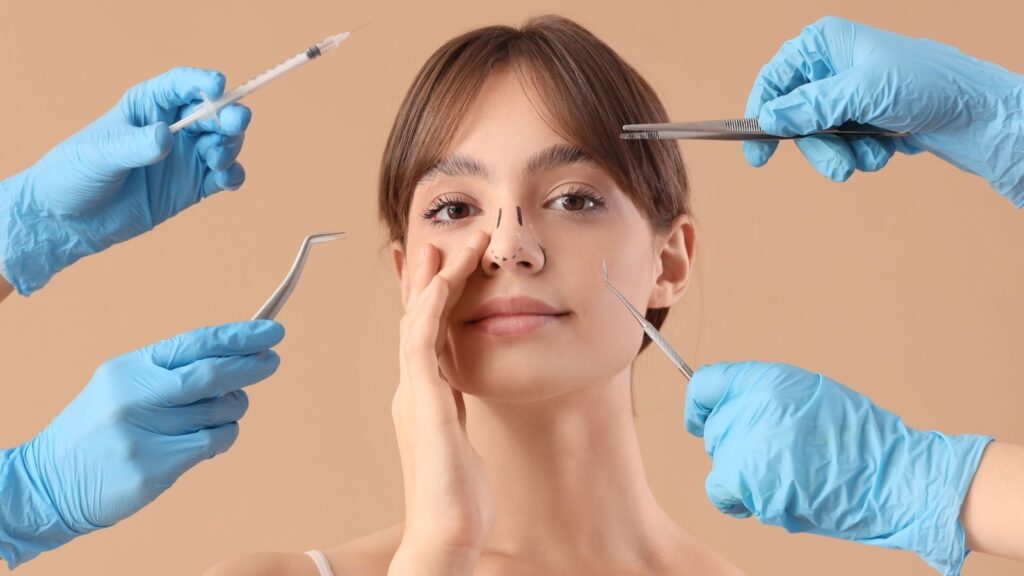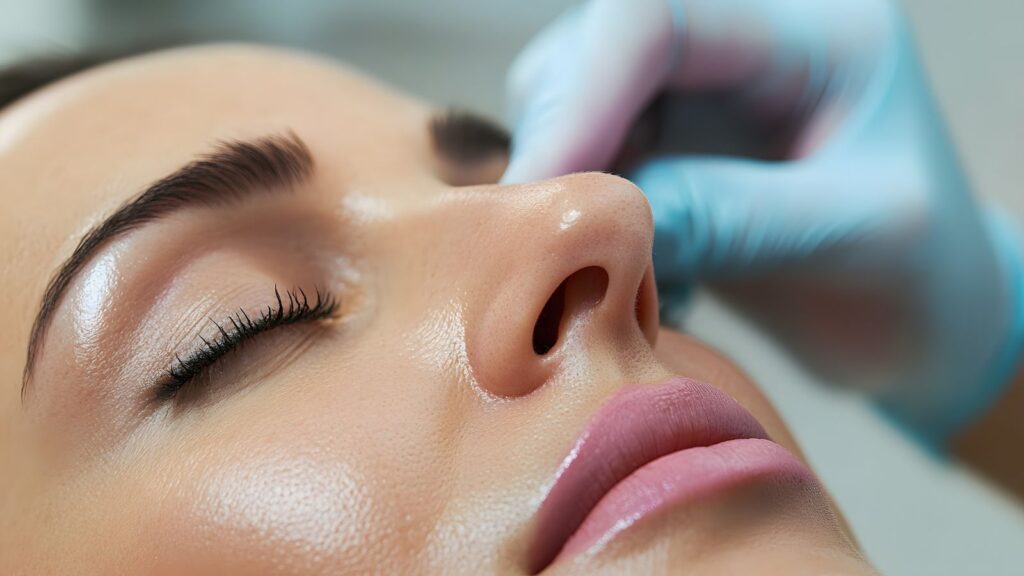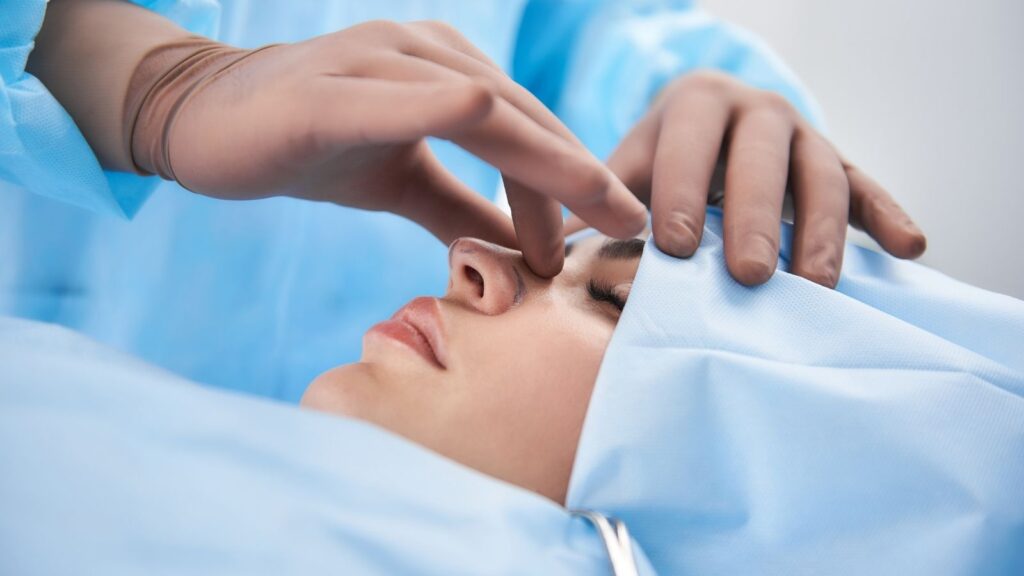
Did you know that Turkey has become a global hub for cosmetic surgery, attracting hundreds of thousands of international patients annually, with rhinoplasty, or nose jobs, being one of the most sought-after procedures? [Source: Turkish Ministry of Health, 2022 data analysis]. The allure of significantly lower costs compared to Western countries, coupled with claims of world-class expertise, makes this Mediterranean nation a compelling destination for those considering a nose reshaping. However, the burning question remains: is it truly safe to undergo this intricate surgery thousands of miles from home? This article delves deep into the safety, risks, benefits, and crucial considerations for anyone contemplating a rhinoplasty in Turkey.
Understanding Rhinoplasty: More Than Just Aesthetics
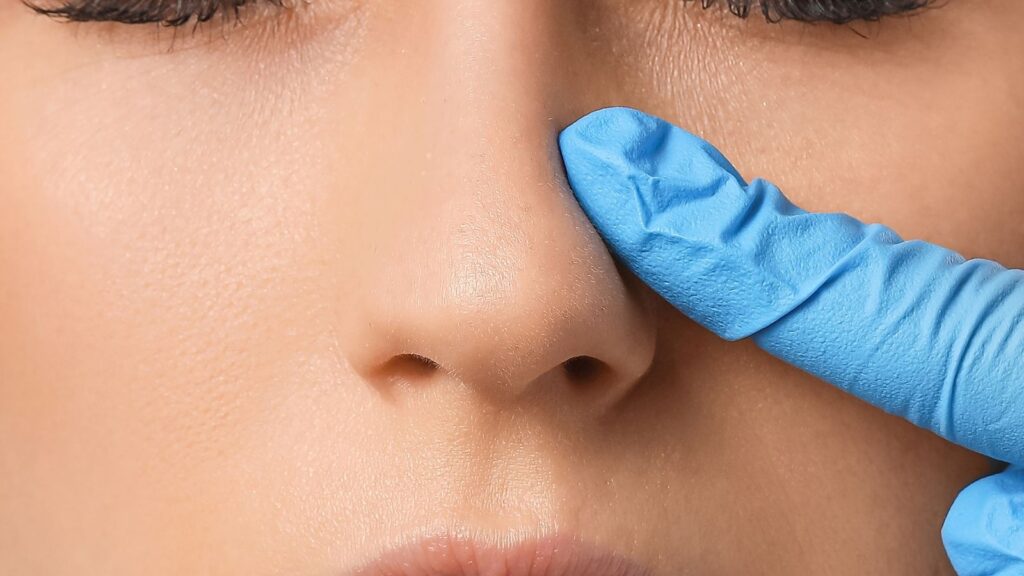
Rhinoplasty is a complex surgical procedure designed to alter the shape, size, and proportion of the nose, enhancing facial harmony. It can also correct breathing problems caused by structural defects in the nose. This isn’t a minor tweak; it’s a delicate operation requiring immense skill and precision from the surgeon. The nose’s central location on the face means any imperfections can be highly visible, making the outcome incredibly important to the patient. The procedure involves reshaping cartilage and bone, and the healing process is lengthy and critical for the final result.
The Rise of Medical Tourism in Turkey
Turkey’s ascent as a medical tourism powerhouse is no accident. Several factors contribute to its popularity:
- Cost-Effectiveness: Procedures in Turkey can be up to 70% cheaper than in the UK or US, a significant draw for many. This affordability allows individuals to achieve their desired aesthetic outcomes without incurring prohibitive expenses.
- Skilled Surgeons: Many Turkish surgeons have trained internationally and possess extensive experience, particularly in high-volume cosmetic procedures like rhinoplasty. They often specialize in specific techniques, leading to impressive results.
- State-of-the-Art Facilities: Numerous clinics and hospitals boast modern equipment, advanced technology, and international accreditation, offering a high standard of care. These facilities are designed to meet global safety and hygiene benchmarks.
- Geographic Location and Hospitality: Turkey’s strategic location bridging Europe and Asia, combined with its rich culture and renowned hospitality, makes it an attractive travel destination. Patients often combine their medical journey with a holiday.
This confluence of factors has created a robust medical tourism infrastructure, specifically catering to international clientele seeking cosmetic enhancements.
Evaluating the Safety of Rhinoplasty in Turkey: Key Considerations
The safety of any surgical procedure hinges on multiple variables. For rhinoplasty in Turkey, these include:
Surgeon’s Qualifications and Experience
This is arguably the most critical factor. A board-certified rhinoplasty surgeon with specialized training in facial rhinoplasty surgery and extensive experience in rhinoplasty is paramount.
- Board Certification: Ensure the surgeon is certified by a recognized Turkish or international rhinoplasty surgery board. This indicates they have met rigorous standards of training, ethics, and professional competence. Look for certifications from organizations like the Turkish Society of rhinoplasty, Reconstructive and Aesthetic Surgery (TSPRS).
- Specialization: Does the surgeon focus specifically on rhinoplasty? A surgeon who performs hundreds of nose jobs annually will likely possess a higher degree of skill and familiarity with various anatomical challenges than a general rhinoplasty surgeon.
- Experience: How long has the surgeon been practicing? How many rhinoplasties do they perform each year? Ask for statistics and evidence of their work.
- Before-and-After Gallery: Reviewing a comprehensive gallery of the surgeon’s previous rhinoplasty patients is essential. Look for consistency in results and a style that aligns with your aesthetic goals. Ensure these are real patient photos, not stock images.
- Patient Reviews and Testimonials: While not always a definitive measure, consistently positive reviews from verifiable patients can be a good indicator. Be wary of overly perfect or generic testimonials.
Clinic and Hospital Accreditation
The facility where the surgery takes place must meet stringent safety and hygiene standards.
- Accreditation: Look for hospitals or clinics accredited by international bodies like Joint Commission International (JCI) or national accreditation agencies. This signifies adherence to global quality and patient safety protocols.
- Hygiene Standards: The operating rooms and recovery areas must be impeccably clean. Inquire about their sterilization protocols and infection control measures.
- Emergency Preparedness: Does the facility have the necessary equipment and trained staff to handle surgical emergencies? This includes access to intensive care units (ICUs) if needed.
Anesthesia and Surgical Team
The safety of the anesthesia and the competence of the entire surgical team are vital.
- Anesthesiologist Qualifications: Ensure a qualified and experienced anesthesiologist oversees the anesthesia process. They should be readily available throughout the procedure.
- Surgical Team: The operating room should be staffed by a well-trained surgical team, including nurses and technicians experienced in rhinoplasty surgery.
Communication and Patient Care
Effective communication and comprehensive pre- and post-operative care are integral to safety and successful recovery.
- Language Proficiency: While many Turkish clinics cater to international patients and have English-speaking staff, ensure clear communication is possible with your surgeon and care team. Misunderstandings can lead to complications.
- Pre-Operative Consultation: A thorough consultation should assess your medical history, understand your goals, explain the procedure, discuss risks, and set realistic expectations. This should not be rushed.
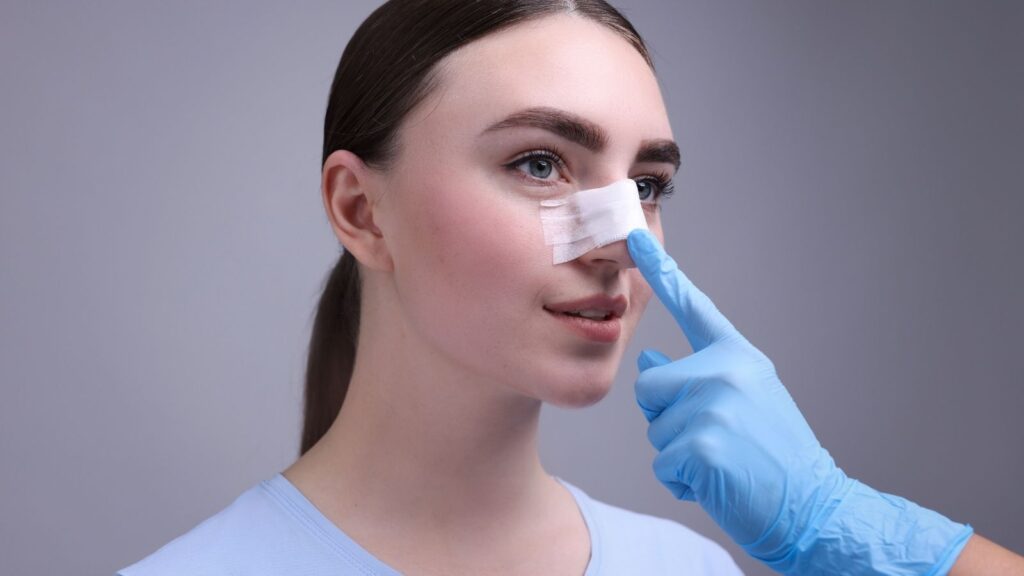
- Post-Operative Care Plan: A detailed plan for wound care, medication, follow-up appointments, and signs of complications to watch for is crucial. Is there a plan for managing complications if they arise after you return home?
- Follow-Up: How will follow-up appointments be managed, especially if you are back in your home country? Some clinics offer virtual consultations.
Potential Risks and Complications of Rhinoplasty
Like any surgery, rhinoplasty carries inherent risks, regardless of location. Understanding these is crucial for informed consent.
General Surgical Risks
These apply to all surgical procedures:
- Infection: Bacteria can enter the surgical site, leading to infection, which may require antibiotics or further treatment.
- Bleeding (Hematoma): Excessive bleeding during or after surgery can lead to a hematoma (a collection of blood), potentially requiring drainage.
- Anesthesia Complications: Adverse reactions to anesthesia, though rare, can occur.
- Scarring: While surgeons aim to minimize visible scarring, some degree of scarring is inevitable. Poor healing can lead to more prominent scars.
- Poor Wound Healing: Some individuals may experience delayed healing or wound separation.
- Numbness: Temporary or, in rare cases, permanent numbness around the surgical site can occur.
Specific Rhinoplasty Risks
These are unique to nose surgery:
- Asymmetry: The nose may heal unevenly, resulting in asymmetry.
- Unsatisfactory Aesthetic Outcome: The final appearance may not meet the patient’s expectations or the surgeon’s goals. This could involve issues with shape, size, or balance.
- Breathing Difficulties: Paradoxically, a rhinoplasty intended to improve breathing could worsen it if the internal structure is compromised.
- Nasal Septum Perforation: A hole can form in the septum (the wall dividing the nostrils), potentially causing crusting, bleeding, or a whistling sound.
- Skin Necrosis: In rare cases, the skin over the nose may not receive adequate blood supply, leading to tissue death.
- Need for Revision Surgery: A significant percentage of rhinoplasties require a secondary procedure to correct issues or refine the results. This is more common in complex cases or when initial results are suboptimal.