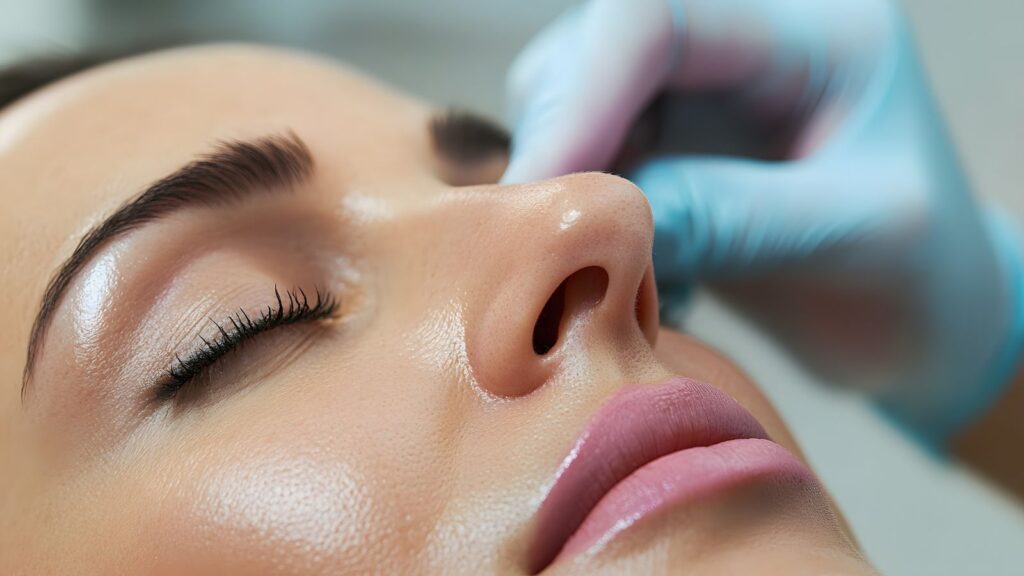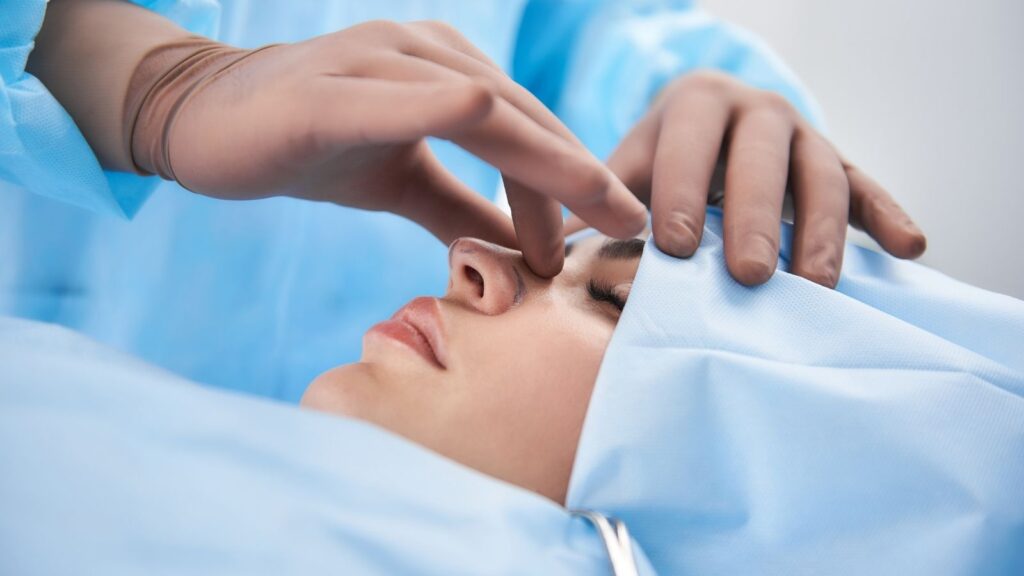
Those who experience nasal congestion know it well; not being able to breathe comfortably can seriously reduce your quality of life. Your sleep quality deteriorates, your daytime performance drops, and you live with a constant feeling of discomfort. One of the most common causes of this congestion is that your nasal turbinates (conchae) are larger than normal. So, what is the solution in this case? This is exactly where turbinate surgery comes into play.
What Is the Nasal Turbinate (Concha) and Why Might Surgery Be Necessary?
Inside our nose, on the side walls, there are three pairs of swollen tissues. These are called “concha,” or more commonly, “nasal turbinate.” These structures, referred to as the inferior, middle, and superior turbinates, work much like the fins of a radiator. Their function is to warm, humidify, and filter the air that passes through our nose. They also regulate airflow, ensuring that air circulates properly within the nasal cavity.
However, sometimes the tissue of these turbinates grows excessively or becomes swollen. We call this “turbinate hypertrophy.” This condition leads to narrowing in the nasal cavity and restriction of airflow. The result? Chronic nasal congestion, difficulty breathing, and a series of related discomforts.
Turbinate surgery is the procedure of surgically reducing or reshaping these enlarged nasal turbinates. The aim is to improve breathing quality by widening the airway inside the nose.
What Happens During the Surgical Process?
Turbinate surgery is a process that extends from the patient’s initial examination to the postoperative recovery period. Knowing what you will experience at each stage of this journey will help you go through the process with less stress.
- Initial Examination and Diagnosis
Everything starts with a visit to an ENT (Ear, Nose, and Throat) specialist. Your doctor first listens to your complaints: How long have you been experiencing nasal congestion? In which situations does it increase? Does it affect your sleep? Then, they perform an endoscopic examination to inspect the inside of the nose. This is done by inserting a thin tube with a small camera at its tip into your nose. Don’t worry—this procedure is usually painless and takes only a few minutes.
During the examination, your doctor evaluates the condition and size of the turbinates and the other structures in the nasal cavity. Sometimes, imaging methods such as CT (Computed Tomography) may also be requested to confirm the diagnosis.
- Preoperative Preparation
After the decision for turbinate surgery is made, your doctor will explain what you need to do before the operation. Generally, you may be asked to stop blood-thinning medications such as aspirin a week before surgery. You may need to fast on the day of surgery, especially if general anesthesia will be used.
Do not hesitate to share your concerns and questions with your doctor before the operation. The better informed you are, the more comfortable you will feel throughout the process.
- Day of Surgery
Turbinate surgery is generally a day-case procedure, meaning you can be discharged the same day. The operation may be performed under local or general anesthesia. With local anesthesia, only your nasal area is numbed, while with general anesthesia, you are put completely to sleep.
During the operation, the surgeon enters the nose using an endoscopic method (without making an external incision) and reduces the enlarged turbinates. Different techniques may be used for this procedure: radiofrequency, microdebrider, laser, or classical surgical methods. Which technique will be used depends on the condition of the turbinates and the surgeon’s preference.
The procedure usually takes 30–60 minutes and is most often performed on both sides of the nose.
- First Hours After Surgery
After the surgery, you will be kept under observation for a while. During this time, checks are made to see whether there is any nasal bleeding. If it was performed under local anesthesia, you will be discharged after a short rest. If general anesthesia was used, you will wait until the effects of anesthesia wear off.
You may have nasal packing or silicone splints in your nose. These are usually removed within 24–48 hours. It is normal to have slight bleeding and discharge from the nose on the first day. You will need to change the gauze provided to you regularly.
Medical Terminology and Clear Explanations
Knowing some medical terms related to turbinate surgery and their everyday equivalents will help you communicate more effectively with your doctor:
- Turbinate Hypertrophy: Excessive enlargement or swelling of the nasal turbinates
- Submucosal Resection: Removal of the inner part while preserving the outer mucosal layer of the turbinate
- Turbinoplasty: Reshaping of the turbinates
- Turbinectomy: Complete or partial removal of the turbinates
- Radiofrequency Ablation: Reduction of turbinate tissue using radio waves
- Septoplasty: Correction of a deviated nasal septum (Often performed together with turbinate surgery)
Transparency and Reliability
As with any surgical procedure, turbinate surgery also has risks and limitations. Knowing these will help you form realistic expectations:
Possible Risks and Complications
- Bleeding: Mild bleeding in the first days after surgery is normal, but severe or prolonged bleeding may require medical intervention.
- Infection: Although rare, it may require antibiotic treatment.
- Changes in the Sense of Smell: Usually temporary, but rarely may be permanent.
- Dryness: If the turbinates are reduced excessively, dryness and crusting inside the nose may occur.
- Empty Nose Syndrome: A very rare but serious complication. If the turbinates are removed excessively, paradoxically a sensation of nasal obstruction and chronic discomfort may develop.
Realistic Expectations
Turbinate surgery does not guarantee completely eliminating nasal congestion. Although most patients experience significant relief, complaints may partially persist in some patients. In addition, if there is an underlying condition such as allergic rhinitis, you may need to continue treatment after surgery as well.
Remember that every patient is unique, and the healing process may vary from person to person. Following your doctor’s recommendations will increase your chance of achieving a successful result.
When Is Turbinate Surgery Necessary?
Nasal congestion is something all of us experience from time to time. During colds or allergic reactions, our turbinates may temporarily swell. However, when this swelling becomes chronic and begins to affect your daily life, turbinate surgery becomes an option.
So, when will your doctor say, “Now surgery is necessary”? Here are the most common indications for turbinate surgery:
Chronic Nasal Congestion
The most common indication is nasal congestion that lasts for at least 3 months and does not respond to medical treatment. This congestion may be unilateral or bilateral and usually gets worse when lying down.
Recurrent Sinusitis Attacks
Enlarged turbinates can block drainage of the sinus cavities. This creates a predisposition to recurrent sinusitis attacks. If you have sinusitis 3–4 times a year, the underlying cause may be turbinate hypertrophy.
Snoring and Sleep Apnea
Nasal congestion can lead to mouth breathing and snoring. In some cases, it may contribute to obstructive sleep apnea syndrome. Turbinate surgery can also be performed in these patients to improve adherence to CPAP therapy.
Lack of Response to Medication Therapy
The first treatment option for turbinate hypertrophy is usually medications: nasal steroids, antihistamines, or decongestants. However, if these medications do not provide sufficient relief or if long-term use is not advisable, surgery becomes an option.
Chronic Rhinitis
In cases of allergic or vasomotor rhinitis (nasal discharge and congestion), if complaints persist despite medical treatment, turbinate surgery may be considered.
Preoperative Evaluation Process
Deciding on turbinate surgery is not a simple process. Your doctor performs a comprehensive evaluation to determine whether surgery is truly necessary.
Initial Consultation
At the first examination, your doctor evaluates the duration and severity of your complaints and their impact on your daily life. They also ask about the treatments you have tried before and how effective they were.
Physical Examination
Your doctor performs anterior rhinoscopy (examination with a nasal speculum) and nasal endoscopy to assess the inside of the nose. In this examination, the size, color, and position of the turbinates are examined. Coexisting problems such as septal deviation (a deviated septum) are also evaluated.
Vasoconstrictor Test
Sometimes, during the examination, your doctor may spray a decongestant into your nose. This spray temporarily reduces the size of the turbinates. If your breathing becomes significantly easier after the spray, this is a sign that you may benefit from turbinate surgery.
Imaging Methods
In some cases, CT (Computed Tomography) may be requested for detailed evaluation of the nose and sinuses. This is especially important in patients with sinusitis complaints or those who have had previous nasal surgery.
Allergy Tests
Allergies may be the cause of your nasal congestion. In that case, allergy tests may be performed before surgery. Because turbinate surgeries performed without treating allergic causes may be unsuccessful in the long term.
Factors Affecting the Surgical Decision
When deciding on turbinate surgery, many factors are taken into consideration. These factors affect the likelihood of success and possible risks of the surgery.
Patient’s Age
In children, turbinate surgery is evaluated more carefully than in adults. This is because turbinate hypertrophy in childhood is often associated with adenoid enlargement or allergic rhinitis, and these conditions should be treated first.
General Health Status
Chronic diseases such as heart disease, diabetes, or bleeding disorders can increase surgical risks. Therefore, your general health status is evaluated in detail before making a surgical decision.
Response to Previous Treatments
If medical treatments such as nasal steroids, antihistamines, or immunotherapy do not provide sufficient relief, turbinate surgery is considered as a surgical option.
Coexisting Nasal Problems
If there are other nasal problems such as septal deviation, nasal polyps, or sinusitis, these can be treated in the same session as turbinate surgery. In that case, a combined surgical approach is planned.
Lifestyle and Expectations
Smoking, occupational exposures (dust, chemicals), and environmental factors (air pollution, humidity) can affect surgical outcomes. In addition, the patient’s expectations from surgery should be realistic.
Risk and Benefit Assessment
As with any surgical procedure, turbinate surgery has potential benefits and risks. Evaluating this balance well will help you make the right decision.
Potential Benefits
- Significant reduction in nasal congestion
- Improvement in sleep quality
- Reduction in snoring complaints
- Reduction in the frequency of sinusitis attacks
- Reduction in the need for medication use
- Overall increase in quality of life
Possible Risks and Complications
- Postoperative bleeding (usually minor and self-limiting)
- Infection (rare)
- Temporary changes in the sense of smell
- Intranasal adhesions (synechiae)
- Excessive dryness and crusting
- Empty nose syndrome (as a result of excessive resection)
- Anesthesia risks
Your doctor will evaluate this risk–benefit balance according to your specific condition and recommend the most appropriate treatment plan for you.
Alternative Treatment Options
Turbinate surgery is not always the first treatment option. Before deciding on surgery, it is recommended to try the following alternative treatments:
Medical Treatment
- Nasal Steroid Sprays: Reduce inflammation in turbinate tissue and relieve swelling. Requires regular use for at least 2–4 weeks.
- Antihistamines: Especially effective in turbinate hypertrophy caused by allergic rhinitis.
- Decongestant Sprays: Provide short-term relief, but should not be used longer than 3–5 days (risk of rebound effect).
- Saline Sprays: Moisturize and cleanse the inside of the nose and may increase the effectiveness of medications.
- Immunotherapy: In the treatment of allergic rhinitis, it can provide a long-term solution.
Lifestyle Changes
- Reducing smoking and alcohol consumption
- Avoiding allergens (house dust mites, pollen, pet dander)
- Elevating the head of the bed
- Using a room humidifier
- Regular exercise and weight control
Minimally Invasive Methods
- Office-Based Radiofrequency Ablation: A method of reducing turbinate tissue that can be performed under local anesthesia in an outpatient setting.
- Laser Therapy: Reduction of tissue by applying laser to the turbinate surface.
- Cryotherapy: Reducing turbinate tissue by applying extreme cold.
These alternative treatments may provide sufficient relief for some patients and eliminate the need for surgery. However, if your complaints persist and significantly affect your quality of life, turbinate surgery may be the most effective solution.
How Does the Preoperative Preparation Process Work?
After the decision for turbinate surgery is made, it is important to go through a good preparation process for a successful outcome. This process helps you prepare for surgery both physically and psychologically.
Preoperative Evaluation
Preoperative evaluation is usually performed 1–2 weeks before surgery. In this evaluation, the following are carried out:
- Detailed Medical History: Your chronic diseases, medications you use, previous surgeries, and allergies are reviewed.
- Physical Examination: Your general health status is evaluated.
- Laboratory Tests: Complete blood count, coagulation profile, and other biochemical tests if necessary.
- Electrocardiogram (ECG): Especially requested in patients over 40 years of age or those with a history of heart disease.
- Anesthesia Consultation: The anesthesiologist determines the type of anesthesia to be applied and evaluates possible risks.
Patient Experience: From the First Consultation to the Day of Surgery
During the turbinate surgery process, patients generally go through the following stages:
Initial Consultation
At the first examination, your doctor listens to your complaints and performs an intranasal examination. During this examination, the inside of your nose is examined with a thin camera. This procedure may cause some discomfort but is generally painless.
After evaluating the condition of the turbinates, your doctor explains treatment options to you. If surgery is recommended, you are informed about how the procedure will be performed, expected results, and possible risks.
Surgical Decision and Planning
After the decision for surgery is made, a surgery date is determined. At this stage, you are given an information form that includes detailed information about the preoperative and postoperative process. It is important to read this form carefully and ask your doctor about any points you do not understand.
Preoperative Evaluation
Before surgery, the preoperative evaluation mentioned above is performed. This evaluation determines whether you are a suitable candidate for surgery and minimizes anesthesia risks.
Final Preoperative Check
1–2 days before surgery, you may have a final check appointment with your doctor. At this appointment, the surgical plan is reviewed and your final questions are answered.
Things to Pay Attention to Before Surgery
Before turbinate surgery, there are some points you should pay attention to for a successful result:
Medication Use
- Blood Thinners: Non-steroidal anti-inflammatory drugs (NSAIDs) such as aspirin, ibuprofen, and naproxen, and anticoagulants such as warfarin and clopidogrel should be discontinued at least 1 week before surgery. These drugs may increase the risk of bleeding.
- Herbal Supplements: Herbal supplements such as garlic, ginkgo biloba, and ginseng can also increase the risk of bleeding and should be discontinued 2 weeks before surgery.
- Regular Medications: Medications used for chronic diseases such as hypertension, diabetes, and thyroid disorders are generally continued until the morning of surgery. However, you should follow your doctor’s recommendations on this matter.
Dietary Recommendations
- Fasting Period: If general anesthesia will be used, solid food intake should be stopped 8 hours before surgery, and clear liquids should be stopped 2 hours before surgery.
- Local Anesthesia: In procedures performed under local anesthesia, you may have a light breakfast, but you should still follow your doctor’s recommendations.
Smoking and Alcohol Restrictions
- Smoking: Ideally, you should quit smoking at least 2 weeks before surgery. Smoking increases anesthesia risks and slows down the healing process.
- Alcohol: You should avoid alcohol consumption 48 hours before surgery. Alcohol may increase the risk of bleeding and may interact with anesthesia medications.
Practical Information for the Day of Surgery
When the day of surgery arrives, the following practical information will help you:
Arriving at the Hospital
- You are usually asked to be at the hospital about 2 hours before your surgery time. This time is necessary for registration procedures and preoperative preparations.
- You should bring your ID, insurance information, and, if available, the results of previous tests.
- It is recommended that you leave valuables at home.
Things You Should Bring With You
- A list of the medications you use
- A comfortable, front-button shirt or blouse (so you do not have to pull it over your head)
- Personal hygiene items
- If you wear glasses, a glasses case
- A mobile phone and charger
Need for a Companion
- Turbinate surgery is generally a day-case procedure, meaning you can be discharged the same day.
- However, it is not advisable to drive until the effects of anesthesia have completely worn off. Therefore, you need to have a companion who will take you home.
- It is also recommended that you do not stay alone at home for the first 24 hours.
Psychological Preparation and Expectation Management
Before turbinate surgery, it is important to prepare psychologically as well. Setting realistic expectations will increase your satisfaction after surgery.
Realistic Expectations
- Turbinate surgery can significantly reduce your nasal congestion, but it does not guarantee complete elimination.
- In the first days after surgery, you may temporarily feel more congestion due to swelling and crusting.
- It may be necessary to wait 4–6 weeks for full healing and evaluation of results.
Possible Challenges and Coping Methods
- Surgical Anxiety: Anxiety before surgery is normal. Relaxation techniques such as deep breathing and meditation can help.
- Pain Expectation: Modern turbinate surgeries are generally associated with minimal pain. Painkillers are sufficient to control discomfort.
- Healing Process: You should be patient during the healing process. Crusting and swelling inside your nose will pass on their own over time.
It is very important to communicate openly with your doctor before turbinate surgery. Do not hesitate to share your questions, concerns, and expectations. Being a well-informed patient will help you go through the surgical process more comfortably.
How Is Turbinate Surgery Performed and What Happens Afterwards?
Turbinate surgery is one of the most commonly performed procedures in modern ENT surgery. Thanks to technological advances, it has now become less invasive and more comfortable. So, what exactly happens during surgery and what can you expect afterwards? Here is a detailed look:
Surgical Techniques and Procedure Details
Several different techniques can be used for turbinate surgery. Your doctor will choose the most appropriate technique based on the condition of the turbinates and their own area of expertise.
Radiofrequency Turbinate Reduction
It is one of the most widely used modern techniques. A thin needle electrode is placed into the turbinate tissue and radiofrequency energy is applied. This energy creates controlled heat within the tissue, causing the turbinate to shrink. Advantages:
- Minimally invasive; the mucosal surface is preserved
- Low risk of bleeding
- Provides fast recovery
- Can usually be performed under local anesthesia
Submucosal Resection
In this technique, while the mucosal layer of the turbinate is preserved, the underlying bone and soft tissue are removed. A small incision is made to access the tissue inside the turbinate, and excess tissue is removed. Then the mucosal layer is closed again. This method can provide more permanent results.
Turbinate Reduction with a Microdebrider
A microdebrider is a special device that contains a rotating blade and a suction mechanism. It is used to remove turbinate tissue precisely. It may be preferred especially in large turbinates.
Laser Turbinate Reduction
Controlled damage is created in the turbinate tissue using a CO2 or diode laser. This damage causes the tissue to shrink over time. It causes minimal bleeding and provides fast recovery.
Cauterization
Damage is created in the turbinate tissue using electrocautery or chemical cautery. This causes scarring and shrinkage of the tissue. It is an older technique and is less preferred today.
Types of Anesthesia
Turbinate surgery can be performed in two ways depending on the type of anesthesia:
Local Anesthesia
Most turbinate surgeries can be performed under local anesthesia. In this case:
- An anesthetic spray is applied to your nose
- Then an anesthetic agent is injected into the turbinates
- You are awake during the procedure, but you do not feel pain
- You may feel a slight pressure or pulling sensation
- You can stand up immediately after the procedure
General Anesthesia
In some cases, especially if turbinate surgery will be performed together with other nasal surgeries (such as septoplasty), general anesthesia may be preferred. In this case:
- You are completely asleep during the procedure
- You are continuously monitored by the anesthesia team
- You will be observed for a while in the recovery room after the procedure
- Side effects related to general anesthesia such as nausea and sore throat may be seen
Duration of Surgery and Hospital Stay
- Turbinate surgery usually takes 15–30 minutes
- If it is performed together with other procedures, the duration may be longer
- Most patients can be discharged the same day (day-case surgery)
- If general anesthesia was used, you may be observed for 2–4 hours
What Happens During Surgery?
Knowing what you will experience as a patient during turbinate surgery can reduce your anxiety. Here is the step-by-step process:
Entering the Operating Room
- In the operating room, you are placed on the operating table
- An IV line is placed and monitors are attached
- The anesthesia team begins monitoring your vital signs (blood pressure, pulse, oxygen level)
Administration of Anesthesia
- With local anesthesia, a spray is applied to your nose and then an injection is given
- With general anesthesia, medications are given through the IV line and you fall asleep in a short time
Procedure Steps
- The surgeon visualizes the inside of the nose with the help of an endoscope
- Turbinate reduction is performed according to the selected technique
- The procedure is usually applied to both nostrils
- Bleeding control is performed
- If necessary, nasal packing is placed
Immediate Postoperative Care
- You are taken to the recovery room
- Your vital signs are monitored
- Bleeding control is performed
- Your pain level is assessed and pain medication is given if necessary
The First Hours and Days After Surgery
The first 24–48 hours after turbinate surgery are the most critical period of recovery. Knowing what you will experience during this time will help you go through the process more comfortably.
First 24 Hours
- Bleeding: Mild nasal bleeding is normal. You should change the gauze provided to you regularly.
- Pain: Usually mild to moderate pain occurs. The painkillers prescribed to you will be sufficient.
- Nasal Congestion: You may temporarily feel more congestion due to swelling and crusting after surgery.
- Packing: If nasal packing was placed, it is usually removed within 24–48 hours.
First Week
- Nasal Hygiene: You should clean your nose regularly with saline spray as recommended by your doctor.
- Crusting: There will be crusting inside the nose. You should not try to remove these crusts yourself.
- Swelling: Swelling in the turbinates will decrease over time. The first week is the most pronounced period.
- Activity Restriction: You should avoid heavy lifting, bending over, and strenuous physical activities.
Recovery Process and Home Care
Home care after turbinate surgery is very important to speed up recovery and prevent complications. Here are the points you should pay attention to:
Nasal Hygiene
- Clean your nose by using saline spray 3–4 times a day
- You can use nasal irrigation kits (nasal douche)
- Avoid blowing your nose; if necessary, wipe gently
- Do not pick inside your nose and do not tear off crusts
Medication Use
- Use prescribed antibiotics until you complete the course
- Take painkillers as recommended by your doctor
- Nasal steroid sprays are usually started 1–2 weeks after surgery
- Avoid blood-thinning medications (including aspirin) for at least 2 weeks
Activity Restrictions
- Avoid bending over and heavy lifting in the first week
- Avoid strenuous exercise for at least 2 weeks
- Be careful not to receive an impact to your nose
- Avoid traveling to high-altitude places (first 2 weeks)
- Avoid hot showers and baths (first 48 hours)
Nutrition and Lifestyle
- Drink plenty of water; keeping the inside of the nose moist is important
- Avoid spicy and hot foods (may increase bleeding risk)
- Stay away from smoking and alcohol (slows down healing)
- Humidify the room air (especially in dry climates)
Follow-Up Examinations and Long-Term Monitoring
Regular follow-up visits after turbinate surgery are important for monitoring recovery and early detection of possible complications.
First Follow-Up (Week 1)
- If packing has not been removed, it is removed at this visit
- Intranasal cleaning is performed
- Crusting and swelling are evaluated
- Signs of infection are checked
Second Follow-Up (Weeks 2–3)
- The recovery process is evaluated
- Intranasal cleaning is repeated if necessary
- Breathing function is evaluated
- Whether additional treatment is needed is determined
Long-Term Monitoring (Months 1–3)
- The success of the surgery is evaluated
- Breathing function is measured
- Patient satisfaction is assessed
- Additional treatments are planned if necessary
When Can You Return to Normal Life?
The return-to-normal-life timeline after turbinate surgery can vary from person to person. However, a general timeline is as follows:
Return to Work/School
- People with light-duty jobs: after 2–3 days
- People with jobs requiring physical activity: after 1–2 weeks
- Students: after 2–3 days
Sports and Exercise
- Light walking: after 3–4 days
- Light cardiovascular exercises: after 1–2 weeks
- Weightlifting and contact sports: after 3–4 weeks
- Swimming: after 4 weeks (due to infection risk)
Travel
- Short-distance car trips: after 1–2 days
- Long-distance car trips: after 3–4 days
- Air travel: after 1–2 weeks (due to cabin pressure changes)
Daily Activities
- Showering: after 24 hours (without wetting your head)
- Washing hair: after 2–3 days
- Applying makeup: after 1 week
- Wearing glasses: immediately (but in a way that does not put pressure on your nose)
- Using contact lenses: after 24 hours
Remember that these timeframes are a general guide and may vary depending on your personal healing process. You should always follow your doctor’s recommendations. If you experience unexpected bleeding, severe pain, high fever, or foul-smelling discharge, you should contact your doctor immediately.
When performed with the right indication and the appropriate technique, turbinate surgery is an effective surgical procedure that significantly reduces complaints of nasal congestion. Understanding the preoperative and postoperative processes well, setting realistic expectations, and following your doctor’s recommendations are the keys to achieving a successful result.
What Are the Risks of Turbinate Surgery and What Are the Expected Results?
As with any surgical procedure, turbinate surgery has certain risks and potential complications. Knowing these risks will help you make an informed decision. At the same time, understanding what you can expect from surgery will help you form realistic expectations.
Possible Risks and Complications
Although turbinate surgery is generally a safe procedure, it carries certain risks, as with any surgical intervention. These risks are as follows:
Bleeding
It is the most common complication. It is divided into two types:
- Early-Period Bleeding: Occurs within the first 24–48 hours after surgery. It is usually mild and stops on its own. However, rarely, it may be severe enough to require placement of packing.
- Late-Period Bleeding: May be seen 5–10 days after surgery, during the shedding of crusts. It usually stops on its own, but if severe, medical intervention may be required.
To reduce the risk of bleeding:
- Avoid blood-thinning medications before and after surgery
- Do not blow your nose
- Avoid excessive physical activity
- Stay away from hot drinks and foods
Infection
The risk of infection after turbinate surgery is low (1–2%). Its symptoms are as follows:
- Foul-smelling, yellow-green nasal discharge
- High fever
- Severe pain and swelling
- Facial redness
If an infection develops, antibiotic treatment is required. To reduce the risk of infection, use prescribed antibiotics regularly and pay attention to nasal hygiene.
Synechiae (Adhesion)
It is the formation of tissue bridges inside the nose between the septum and the turbinate. This can cause nasal obstruction. The risk of synechiae is approximately 2–3%. Treatment may require surgical separation of the adhesion and placement of silicone splints to prevent recurrence.
Mucosal Injury
If the mucosal layer covering the turbinate surface is damaged, dryness, crusting, and a feeling of discomfort may occur. In modern techniques, efforts are made to preserve the mucosa, but there is still a risk of injury.
Smell Disorders
Temporary smell disorders may be seen after turbinate surgery. This is usually related to postoperative swelling and crusting and improves over time. Permanent loss of smell is very rare.
Rare but Serious Complications
There are also very rare but potentially serious complications after turbinate surgery:
Empty Nose Syndrome
It is a paradoxical condition that occurs as a result of excessive resection of the turbinates. The patient experiences a constant sensation of obstruction even though the nasal passage is open. In addition, there is dryness, burning, and pain inside the nose. This syndrome results from non-physiological changes in airflow inside the nose due to excessive removal of turbinate tissue.
Empty nose syndrome is difficult to treat and can seriously affect the patient’s quality of life. In modern surgical techniques, reduction of turbinate tissue is preferred rather than complete removal, which reduces the risk of empty nose syndrome.
Orbital Complications
During turbinate surgery, very rarely, anatomical structures close to the eye socket may be damaged. This can cause symptoms such as swelling around the eyes, bruising, double vision, or vision loss. It requires urgent medical intervention.
CSF (Cerebrospinal Fluid) Leak
During turbinate surgery, very rarely, a defect may occur at the skull base while working close to this area. This causes a clear fluid to drain from the nose. A CSF leak requires urgent intervention because it carries a risk of meningitis.
Realistic Expectations for Surgical Outcomes
Understanding what to expect from turbinate surgery is very important for your satisfaction. Here is information to help you set realistic expectations:
Success Rates
When performed with the right indication and appropriate technique, turbinate surgery provides significant improvement in nasal congestion in 70–90% of patients. However, statements such as “complete cure” or “100% success” are not realistic.
Recovery Process
- First 1–2 weeks: Swelling, crusting, and mild discomfort are normal
- 2–4 weeks: Swelling decreases and breathing function begins to improve
- 1–3 months: The time required for full healing and evaluation of results
Patient Satisfaction
Studies show that patient satisfaction after turbinate surgery ranges between 70–85%. Satisfaction largely depends on preoperative expectations and the underlying cause of nasal obstruction.
Possibility That Symptoms Do Not Resolve Completely
In some patients, complaints of nasal congestion may partially persist after turbinate surgery. The reasons for this may include:
- Persistence of an underlying disease such as allergic rhinitis
- Presence of another accompanying problem such as septal deviation
- Insufficient turbinate resection
- Excessive scar tissue formation
Limitations of the Surgery
Although turbinate surgery is an effective treatment method, it has certain limitations. Understanding these limitations will help you set realistic expectations:
Expectations in the Presence of Allergic Rhinitis
If the cause of your nasal congestion is allergic rhinitis, turbinate surgery alone may not be sufficient. Although surgery reduces the size of the turbinates, allergic reactions will continue. In this case, you may need to continue anti-allergic treatment after surgery as well.
Coexisting Problems Such as Septal Deviation
Nasal obstruction usually occurs due to the combination of more than one factor. If there is another problem such as septal deviation in addition to turbinate hypertrophy, turbinate surgery alone may not be sufficient. In that case, a combined surgical approach (septoplasty + turbinate surgery) will be more effective.
Risk of Recurrence
After turbinate surgery, the turbinates may enlarge again over time. This is more common especially if there are underlying conditions such as allergic rhinitis or vasomotor rhinitis. The risk of recurrence also varies according to the surgical technique used. While the risk of recurrence is lower in more radical techniques such as submucosal resection, it is somewhat higher in more conservative techniques such as radiofrequency.
Long-Term Outcomes and Quality of Life
Understanding how turbinate surgery may affect your quality of life in the long term is important. Here are the potential long-term effects of the surgery:
Improvement in Breathing Quality
After a successful turbinate surgery, most patients experience a significant improvement in the quality of nasal breathing. This manifests as breathing more comfortably in daily life, having less difficulty during physical activity, and an overall sense of relief.
Effect on Sleep Quality
Nasal obstruction can seriously affect sleep quality. After turbinate surgery, most patients report benefits such as improved sleep quality, reduced snoring, and waking up more rested. If there is obstructive sleep apnea, turbinate surgery alone may not be sufficient, but it can improve adherence to CPAP therapy.
Impact on Daily Life
Relieving nasal obstruction can lead to many positive changes in your daily life:
- Breathing more comfortably during physical activity
- Improvement in the sense of smell and taste
- Less headache and a feeling of fullness in the facial area
- Less nasal discharge and sore throat
- Overall increase in quality of life
Options in Case of Failure
As with any surgical procedure, turbinate surgery may not always produce the expected result. If your complaints persist after surgery, the following options may be considered:
Indications for Revision Surgery
Revision surgery may be considered in the following situations:
- Insufficient turbinate resection
- Formation of postoperative synechiae (adhesion)
- Regrowth of the turbinates
- Another pathology overlooked during surgery
The decision for revision surgery should be made at least 3–6 months after surgery, once full healing has occurred.
Alternative Treatment Methods
If revision surgery is not suitable or is not preferred, the following alternative treatments may be considered:
- Medical treatment (nasal steroids, antihistamines)
- Immunotherapy (if allergic rhinitis is present)
- Intranasal moisturizing sprays
- Lifestyle changes (quitting smoking, avoiding allergens)
Importance of Getting a Second Opinion
If you are not satisfied with the surgical results, it may be helpful to get a second opinion from another ENT specialist. A different perspective can help your issue be understood better and alternative solutions be found.
Conclusion and Important Reminders
When performed with the right indications and in experienced hands, turbinate surgery is an effective surgical procedure that can significantly reduce complaints of nasal obstruction. However, each patient’s situation is different, and results may vary from person to person.
Before deciding on surgery, you should consider the following points:
- Have a comprehensive evaluation to understand the true cause of your nasal obstruction
- Try all medical treatment options before surgery
- Discuss the potential risks and benefits of the surgery in detail with your doctor
- Set realistic expectations
- Follow postoperative care recommendations meticulously
Remember that the information provided in this content is for general informational purposes and does not replace personal medical advice. If you have complaints of nasal obstruction, you should definitely consult an ENT specialist to have your condition evaluated.
Turbinate surgery is one of the most frequently performed procedures in modern ENT surgery and generally yields successful results. With the right patient selection, an appropriate surgical technique, and careful postoperative care, you can get rid of your nasal obstruction complaints and step into a higher-quality life.