How Long Does A Nose Job Take To Heal?
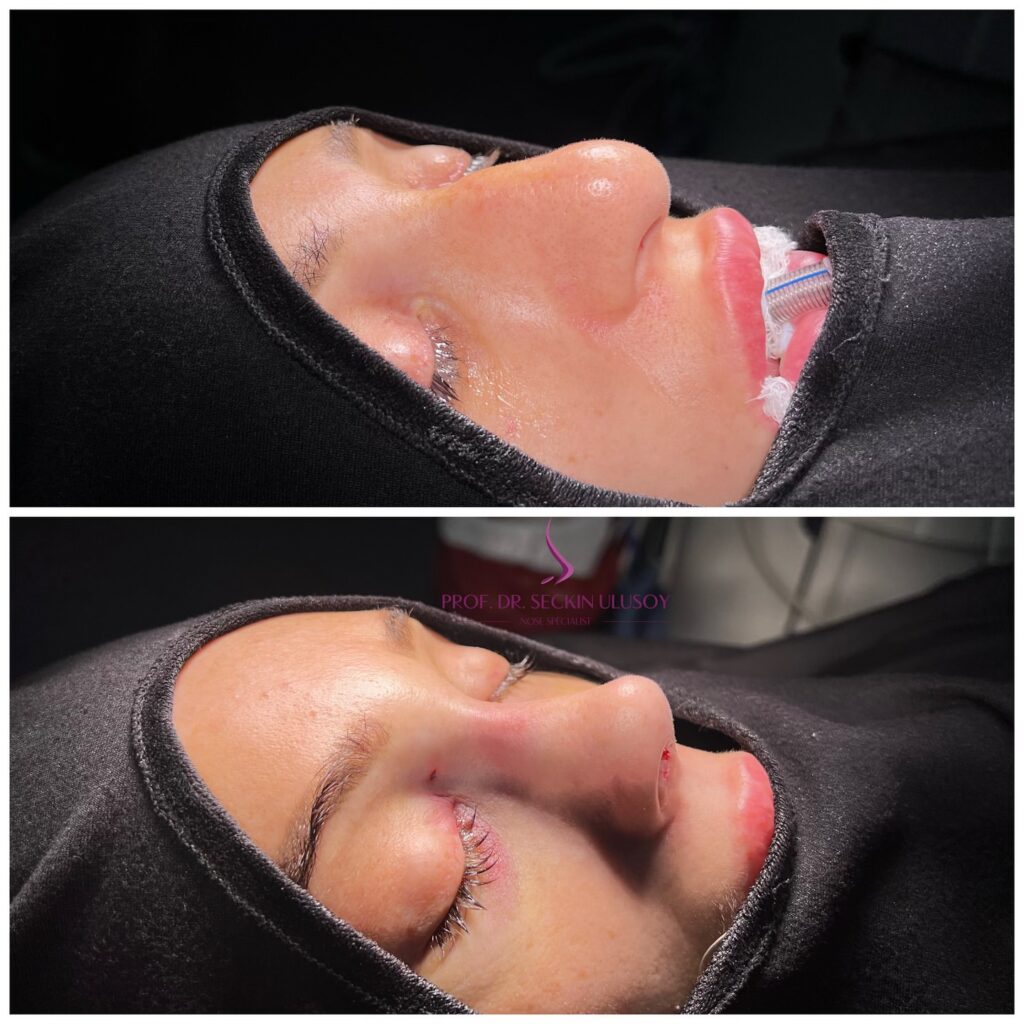
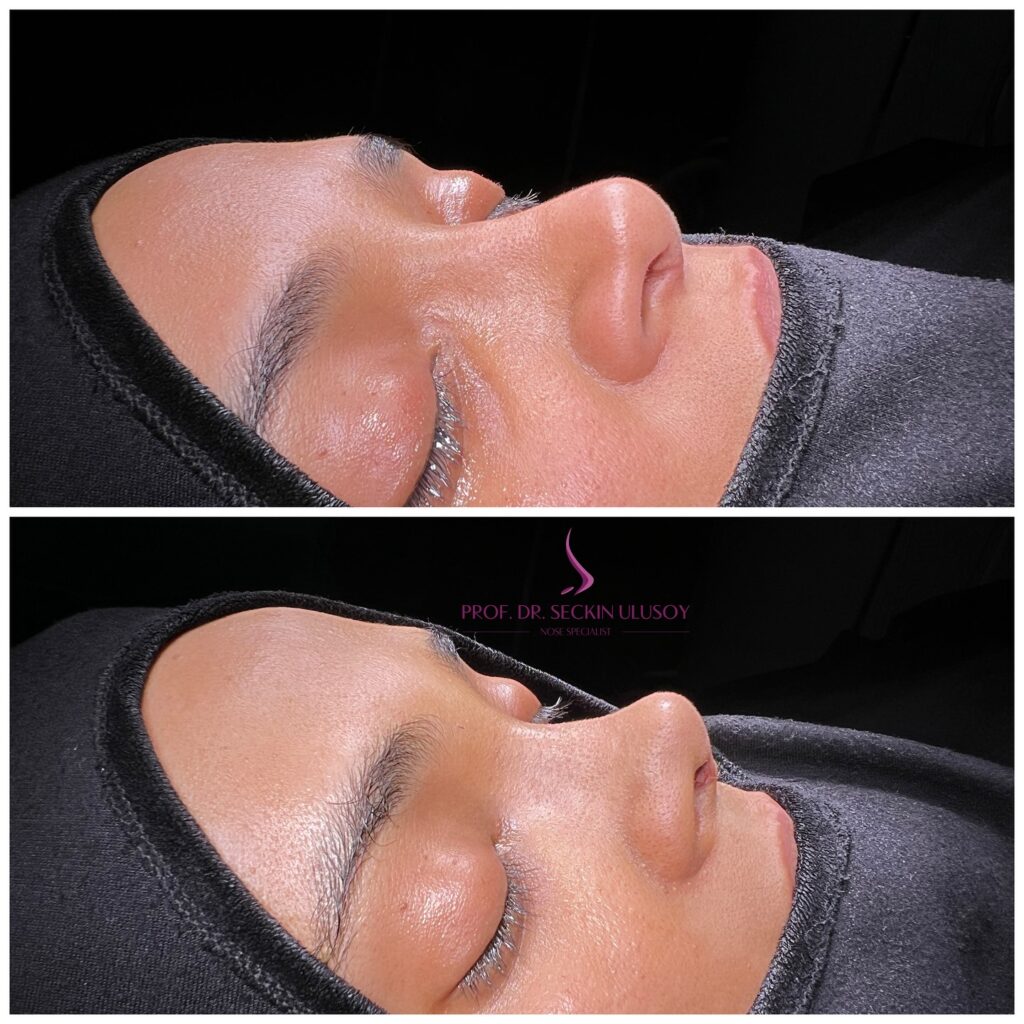
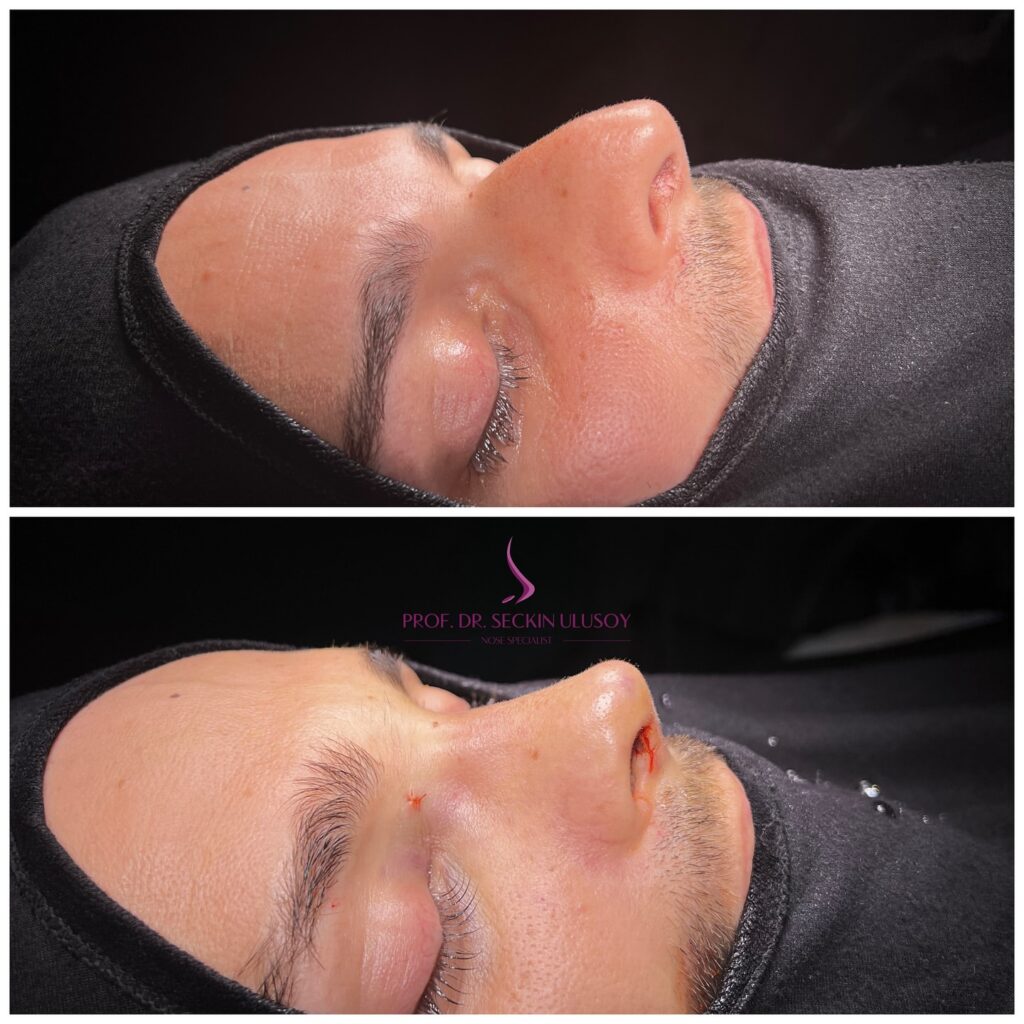
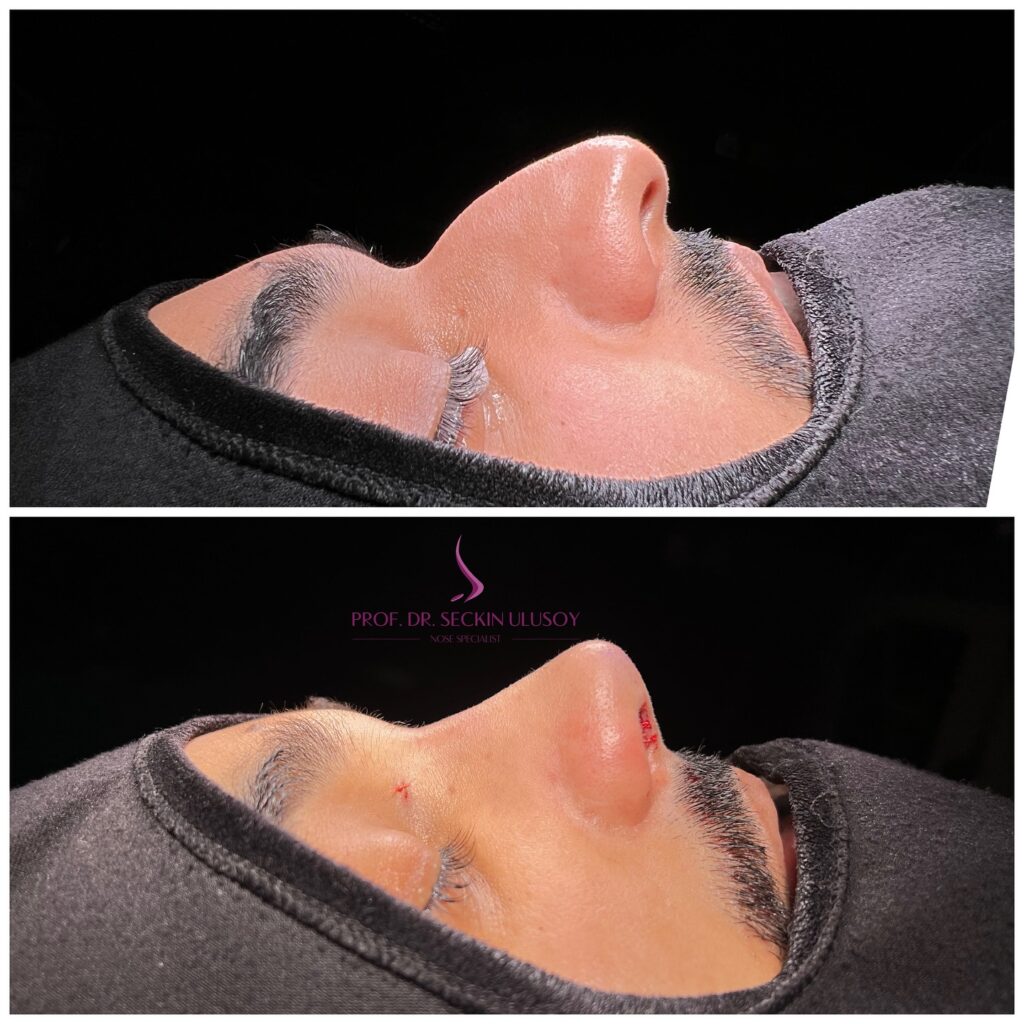
Initial healing after a nose job typically takes about 1 to 2 weeks, during which swelling and bruising gradually subside. Most patients return to daily activities within this period. However, full internal and external healing can take up to 12 months, as residual swelling—especially at the nasal tip—may persist and subtly change over time.
You can return to your office or homework on the day of the week ( 7-12 days of rhinoplasty surgery), and you can start sports activities in fitness style after two weeks. However, the ideal time for heavy sports activities at a more professional level (bodybuilding style) is the 6th week and beyond.
Generally, several days after the rhinoplasty, they would be an unnoticeable patient appearance. But, rhinoplasty healing time will continue for 4-6 months after the surgery. The final results of the surgery will appear after 8-12 months, but this means it should not be perceived as recovery at the end of this period. The early period (1-4 weeks) and late period (1-12 months) change the scales of this surgery, which are different.
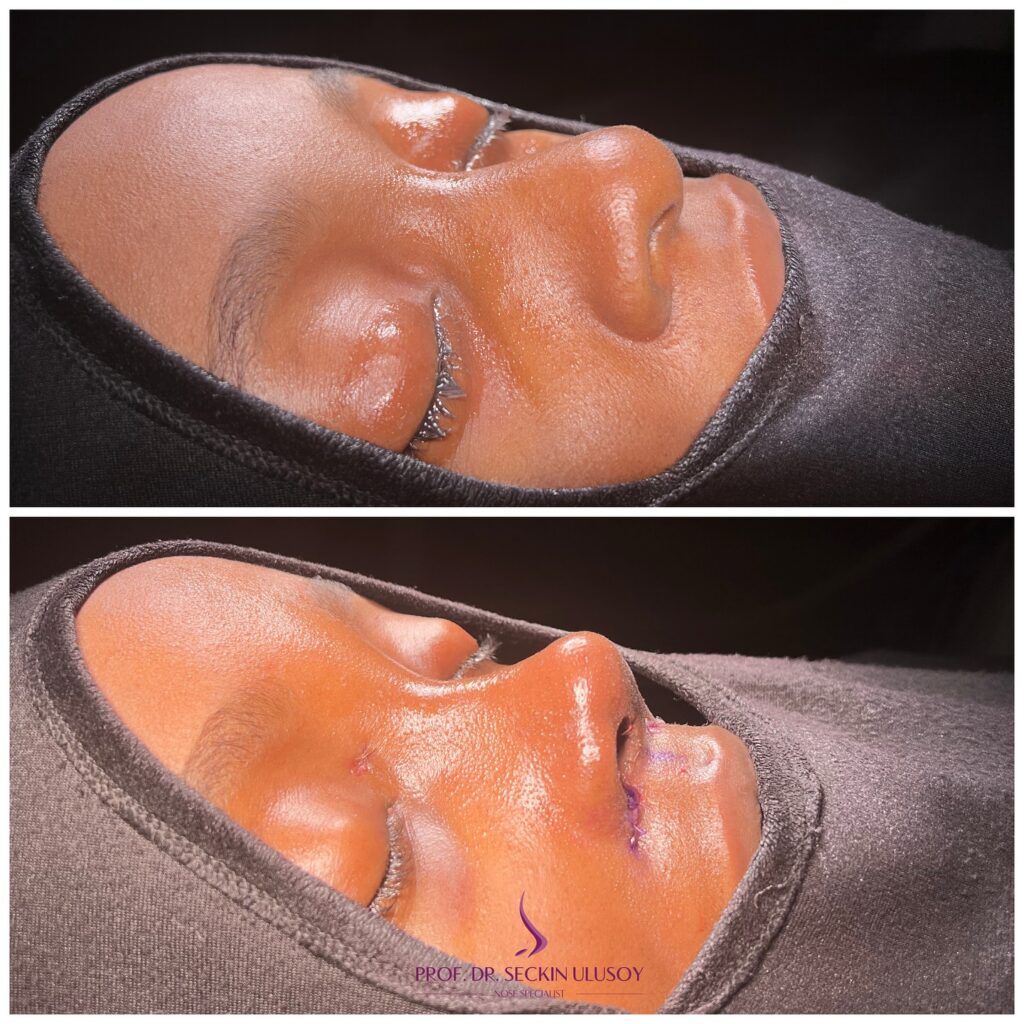
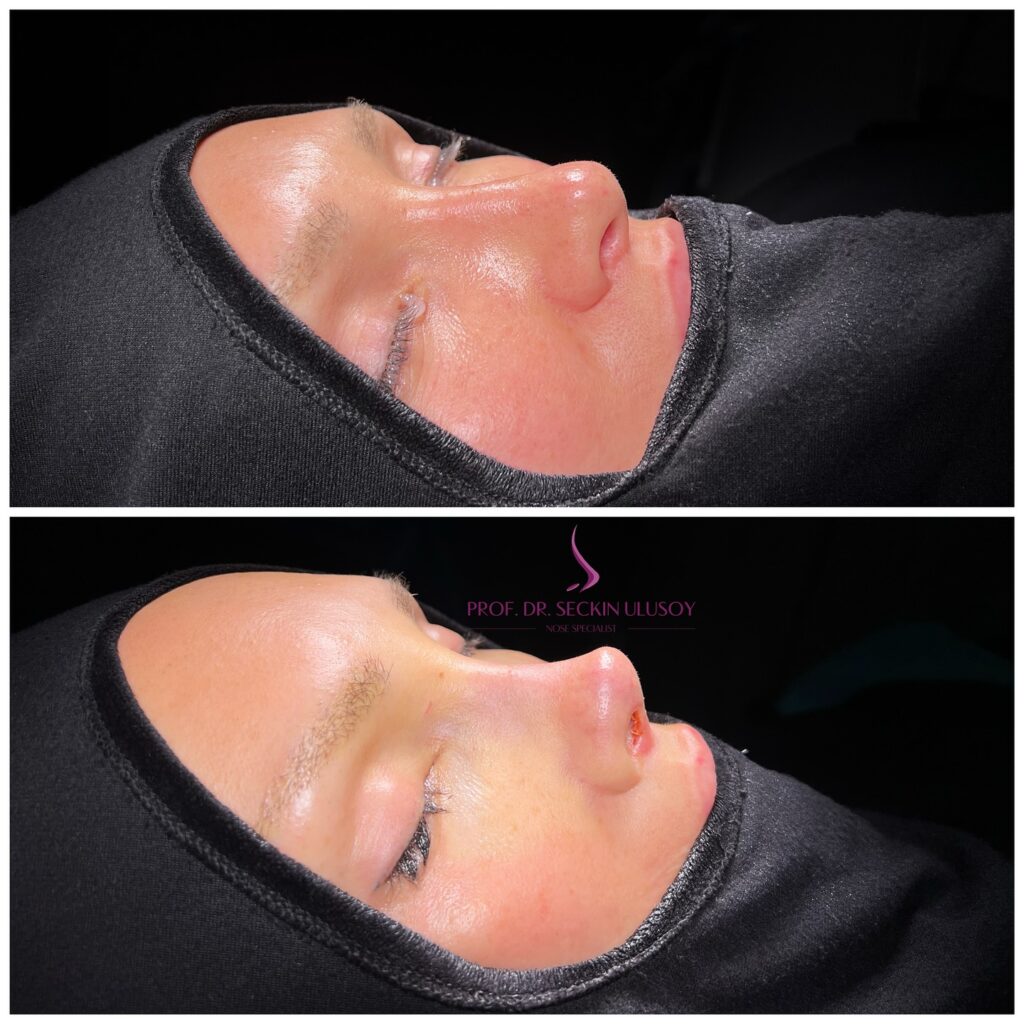
During the early recovery, most patients experience edema and slight bruising on the lower eyelid. Cold compress application in the first 48 hours of surgery is very useful for oedema and bruises. Within 6 weeks after the operation, sleeping on a high pillow on the back with a travel pillow, a low-salt diet is a very good idea and helps to reduce oedema rapidly. After the surgery, in my practice, I remove the splint and casts on the nasal dorsum between 5 days and seven days and apply a second plastering for 4-5 days, depending on the patient’s condition.
The patient can usually remove these second tapings during the shower at his home or hotel, and then his nose remains completely open. In the next period, we move on to the massage applications we have recommended and we control the healing process (we can do these controls face-to-face or with videoconferences) 1-year follow-ups.
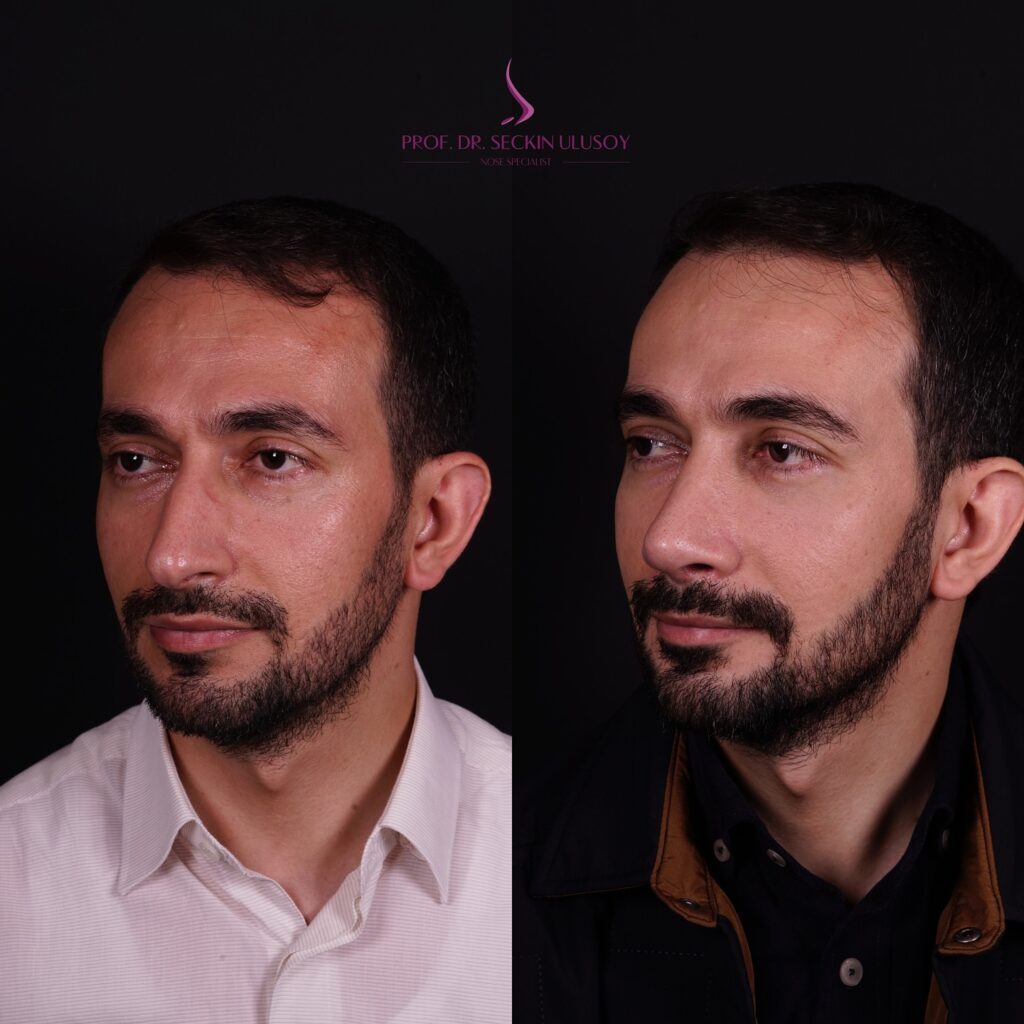
Due to the fact that the early recovery process is a rapid surgery, you get an image that many who see you on 10 to 14 days of the operation will not realize that you have rhinoplasty surgery, and you can return to your work during these periods.
This is the early reduce swelling recovery period , which is 70-80 percent of change would happen at th this period, and the remaining 20-30 percent microedema reduction process continues for 4-8 months, sometimes up to 1 year.
With the suggested massage techniques you will do in this period, it not only contributes to the reduction of edema but also helps a new nose shape to be as we want.
Rhinoplasty 1 month vs 1 year:
The healing process after rhinoplasty (rhinoplasty) surgery can extend up to 1 year, starting from the first few days. The changes to be experienced during this process are usually as follows:
1 Month After:
– Oedema and Bruises: Swelling and bruising are significantly reduced in the first two weeks. Towards the end of the weeks after surgery, many people may not realize that you have had surgery. However, it may take more time for the micro-edema, especially at the tip of the nose, to disappear completely.
– Breathing: The silicone tampons are usually removed 4-6 days after surgery. When the silicones in the nose are removed, patients feel great relief at first and state that they breathe very well from their nasal passage. However, after the silicones are removed, the inside of the nose becomes oedematous again, and crusts form. Therefore, mild nasal congestion may be experienced again after a few days. This process is entirely normal, and patients will recover quickly in a few weeks using seawater and nasal moisturizers.
–Nose blowing: You can only softly clean your nose for two weeks with ear port cotton. You can softly blow your nose two weeks later, but normally (Harder) in the 6th week.
– Facial Mimics and Recovery: Avoiding excessive use of facial mimics in the first several days after surgery is very beneficial in rapidly reducing edema and bruises.
1 Year After:
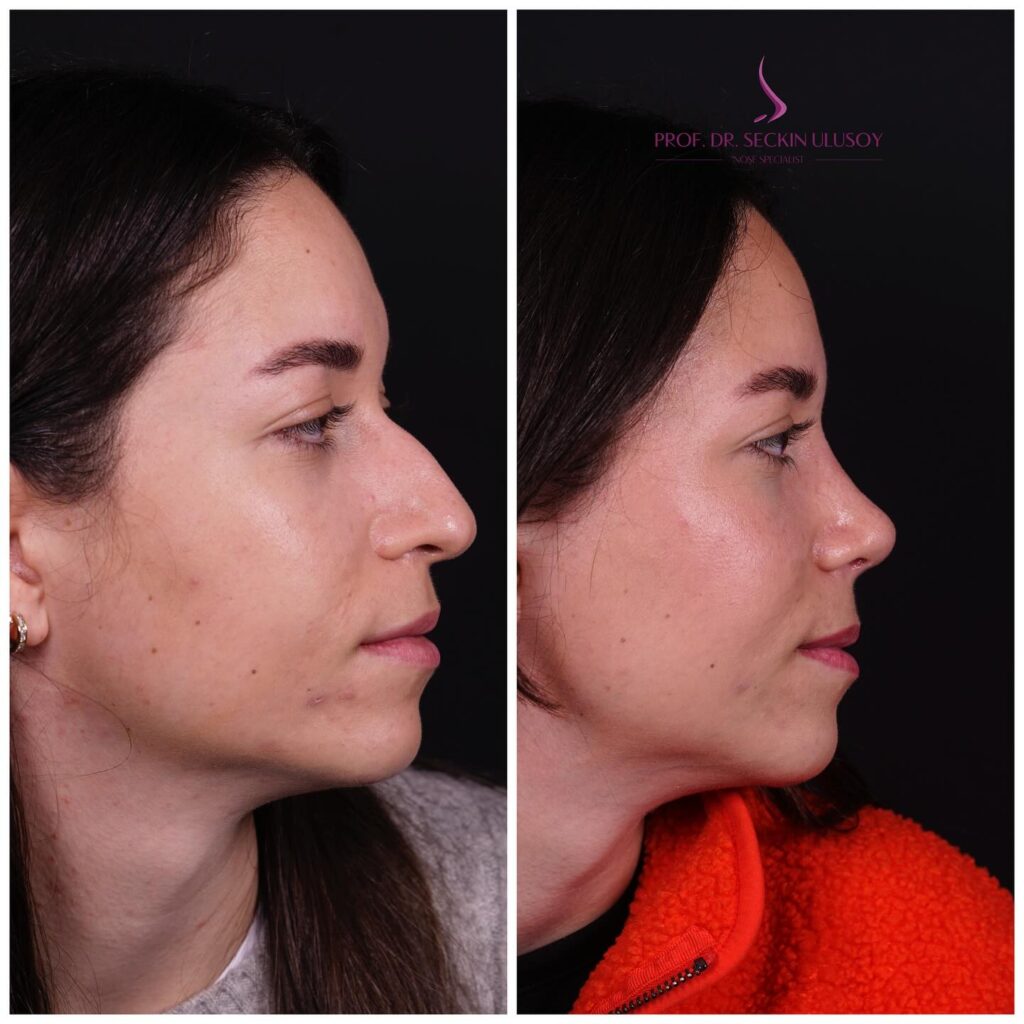
– Final Results: The final results after surgery usually occur between 6 months and one year. In this period, the final results are obtained slowly as edema decreases and the nasal skin settles on the underlying cartilage and bone.
– Nasal passage and function: Improvements in nasal breathing function continue for 6-12 weeks after surgery. In particular, two months after the operation, thanks to the improvement supported by sea water and nasal wash sprays, the nasal passage physiology works better; it expands, and patients breathe better.
– Tissue settlement and skin settlement: In the one-year postoperative period, the tissues completely settle and fit the underlying tissues. This helps the tip of the nose gain a more natural appearance.
In addition, each individual’s healing process is unique, and the specified timelines should be considered general. For the best and most accurate information, you should meet regularly with your surgeon, who manages the surgical process, and follow their recommendations.
Frequently Asked Questions
What can patients expect during the first week of rhinoplasty recovery?
The first week typically involves swelling, bruising around the eyes, nasal congestion, and mild discomfort. Most patients wear a nasal splint during this period and attend follow-up appointments to monitor healing and early surgical results.
How long does swelling last after rhinoplasty surgery and when does it improve?
Most visible swelling decreases significantly within the first few weeks, but subtle swelling can persist for several months. The final nasal shape gradually becomes more defined as tissues heal and adapt to the surgical changes.
What are the most important rhinoplasty recovery tips for faster healing?
Keeping the head elevated, avoiding strenuous activities, following medication instructions, and attending follow-up visits can support recovery. Proper hydration and a healthy diet may also contribute to a smoother healing process.
When can patients return to work or school after rhinoplasty surgery?
Many patients feel comfortable returning to work or school within one to two weeks, depending on their recovery progress. Timing varies according to the complexity of surgery, individual healing patterns, and occupational demands.
How can patients reduce bruising and swelling during rhinoplasty recovery?
Cold compresses during the early recovery phase, adequate rest, and avoiding excessive physical exertion may help minimize swelling and bruising. Following the surgeon’s post-operative instructions is essential for optimal healing.
What activities should be avoided during the rhinoplasty recovery timeline?
Patients are generally advised to avoid heavy exercise, contact sports, wearing pressure-inducing eyewear, and activities that increase the risk of nasal injury. These precautions help protect healing tissues and surgical results.
When is it safe to exercise again after rhinoplasty surgery?
Light walking is often encouraged early in recovery, while more intense exercise usually requires additional healing time. Patients should follow individualized guidance from their surgeon before resuming strenuous physical activities.
How does rhinoplasty recovery differ between thick skin and thin skin patients?
Patients with thicker nasal skin may experience prolonged swelling and a slower reveal of final contours. Those with thinner skin often notice structural definition sooner, although healing timelines vary from person to person.
What signs during rhinoplasty recovery should prompt a call to the surgeon?
Persistent bleeding, severe pain, unusual swelling, signs of infection, or sudden changes in breathing should be reported promptly. Early communication allows the medical team to evaluate concerns and provide appropriate guidance.
When are the final rhinoplasty results visible after surgery?
While early improvements appear within weeks, complete refinement may take a year or longer. The nose continues to settle gradually as swelling resolves, allowing the final shape and definition to become fully apparent.
In other words, I would like to point out that the closed protective rhinoplasty surgery technique we have applied is a very sensitive surgical method, especially to these massage methods.