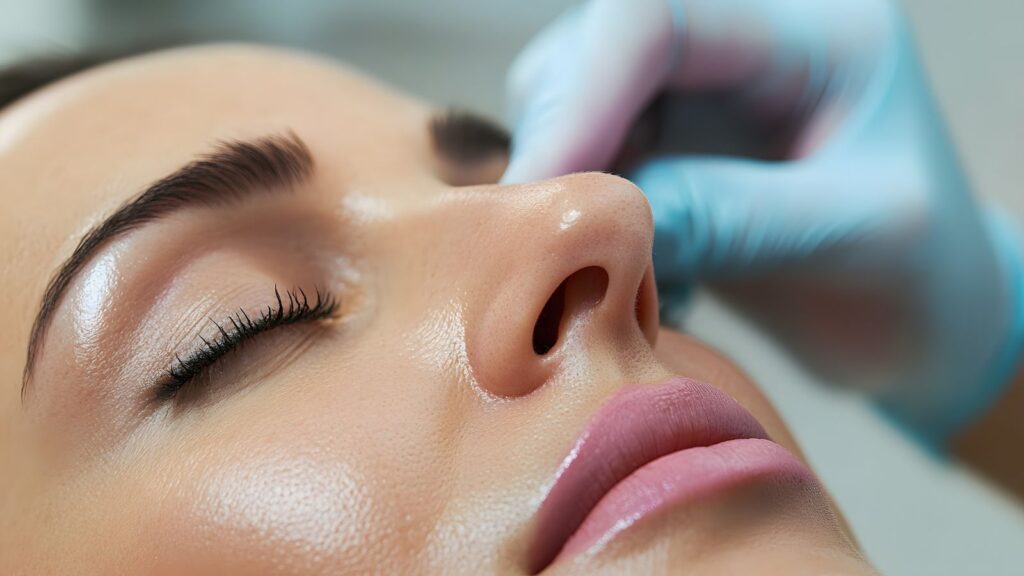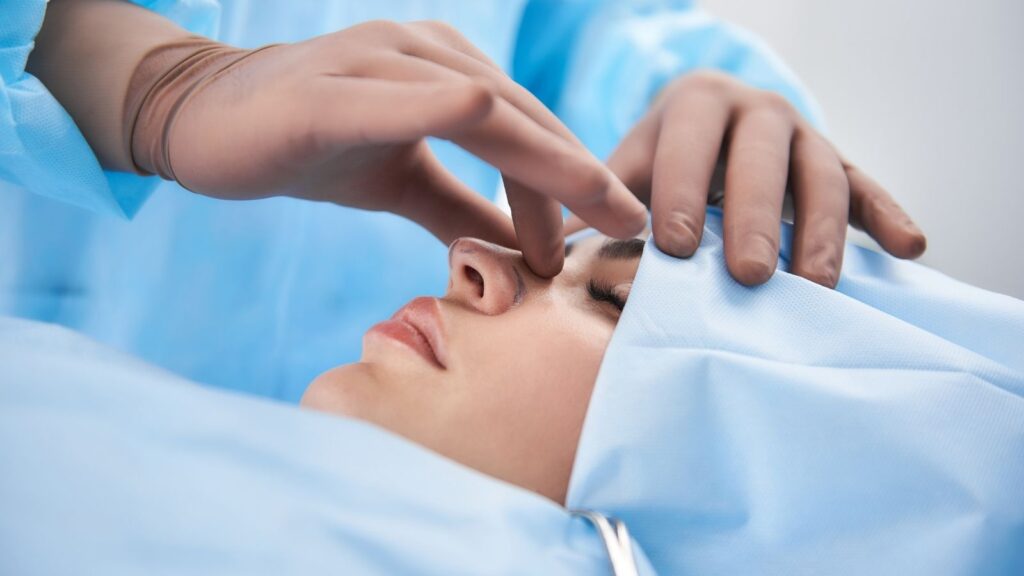
Smoking and alcohol consumption after rhinoplasty negatively affect the healing process. Smoking reduces tissue oxygenation, slowing wound healing and increasing the risk of infection. Alcohol, on the other hand, can increase edema and make it more difficult for swelling to subside.
Smoking causes constriction of blood vessels, preventing adequate blood flow to the sensitive tissues at the tip of the nose. This can prolong the healing process and lead to deterioration of the results. Surgeons recommend avoiding smoking for at least 2–4 weeks before and after surgery.
Alcohol consumption may interact with medications used after surgery and cause unwanted side effects. In addition, alcohol can increase fluid retention in the body, intensifying bruising and edema. Avoiding alcohol during the first weeks is beneficial for recovery.
During the healing process, both smoking and alcohol weaken the immune system, making the body more susceptible to infections. For a healthy recovery after rhinoplasty, avoiding these substances is important, also in terms of maintaining the permanence of the aesthetic result.
Why Is the Healing Process After Rhinoplasty Sensitive?
After rhinoplasty, a process of edema, sensitivity, and tissue repair begins in the nasal tissues. Bone, cartilage, and soft tissues need to heal together. During this process, blood circulation, oxygenation, and the immune system play an important role. Some habits that may seem minor from the outside can affect this biological process more than expected.
Patients usually experience swelling, bruising, and a feeling of dryness inside the nose during the first weeks. These are considered normal findings. However, when factors that slow down healing come into play, these symptoms may last longer or unwanted conditions may occur.
Effects of Smoking After Rhinoplasty
Smoking is one of the most frequently warned-about issues in the postoperative period. The main reason is the effects of nicotine and other substances contained in cigarettes on the vascular system.
Effects on Blood Circulation and Oxygenation
Nicotine causes constriction of blood vessels. This can reduce blood flow to the nasal tissues. Reduced blood flow means that the tissues do not receive sufficient oxygen and nutrients. Impaired oxygenation can slow down the healing process.
During this period, patients may notice that swelling or firmness at the tip of the nose persists longer. In some individuals, a feeling of paleness in the skin may occur. These situations do not occur in every patient, but the risk is known to increase.
Wound Healing and Risk of Infection
Smoking also negatively affects the body’s ability to heal wounds. After rhinoplasty, there are healing areas both externally and inside the nose. Smoking can delay healing in these areas.
Some patients report that sensitivity around the suture areas lasts longer or that crusting resolves later. In addition, it is known that the risk of infection may increase due to suppression of the immune system. For this reason, experts recommend avoiding smoking, especially in the early period.
When Should Smoking Be Stopped and When Should It Not Be Resumed?
The general approach is to stop smoking at least a few weeks before surgery and to avoid smoking for a certain period after surgery. The length of this period may vary depending on the individual, the extent of the procedure, and the speed of healing.
Some patients wonder whether “small amounts” of smoking are harmless. However, it should not be forgotten that nicotine affects blood vessels even at low doses. The most accurate guidance on this issue is provided by the surgeon performing the operation.
Effects of Alcohol After Rhinoplasty
Alcohol consumption is another issue that should be considered in the postoperative period. Although alcohol does not directly affect nasal tissue, it can indirectly influence the healing process.
Effects on Edema and Bruising
Alcohol can cause dilation of blood vessels. This can lead to an increase in edema that is already present after surgery. Some patients notice an increased feeling of fullness in the nose and facial area after consuming alcohol.
Delayed resolution of bruising or prolonged swelling can also make returning to daily life psychologically more difficult. Therefore, avoiding alcohol is recommended, especially during the first weeks.
Interaction With Medications Used
After rhinoplasty, painkillers, antibiotics, or edema-reducing medications may be prescribed. Alcohol can interact with these medications and cause unexpected side effects.
When alcohol is taken together with certain painkillers, stomach discomfort, dizziness, or additional strain on the liver may occur. Patients may think that alcohol consumption is not harmful when they feel better. However, at this point, it should always be considered whether medication use is still ongoing.
When Can Alcohol Be Consumed?
The time to return to alcohol consumption depends on the course of the postoperative recovery. Generally, the first weeks are considered more sensitive. The period when swelling has decreased, medication use has ended, and the physician has given approval is considered a safer timeframe.
There is no single time interval that applies to all patients. Some individuals heal faster, while others may experience edema and sensitivity for a longer time.
Frequently Asked Questions
Can I Smoke After Rhinoplasty Surgery?
Smoking is strongly discouraged after rhinoplasty because it can reduce blood flow, slow healing, and increase the risk of complications such as infection and poor wound recovery.
How Long Should I Avoid Smoking After Rhinoplasty?
Most surgeons recommend avoiding smoking for at least four to six weeks after surgery, although a longer smoke-free period may provide better healing outcomes.
Why Is Smoking Harmful During Rhinoplasty Recovery?
Nicotine constricts blood vessels, limiting oxygen delivery to healing tissues. This can delay recovery, increase swelling, and negatively affect surgical results.
Can Alcohol Be Consumed After Rhinoplasty Surgery?
Alcohol should generally be avoided during the early stages of recovery because it can increase swelling, interfere with medications, and slow the healing process.
How Long Should I Avoid Alcohol After Rhinoplasty?
Many surgeons recommend avoiding alcohol for at least one to two weeks after surgery, or until you have stopped taking prescription medications and received medical clearance.
Does Alcohol Increase Swelling After Rhinoplasty?
Yes, alcohol can cause blood vessels to dilate and may lead to increased swelling and bruising, which can prolong the recovery process.
Can Smoking Affect the Final Results of Rhinoplasty?
Yes, smoking can impair healing and increase the risk of complications that may impact the appearance and stability of the final surgical results.
What Happens If I Smoke or Drink Too Soon After Surgery?
Smoking or drinking alcohol too soon after rhinoplasty may increase the risk of delayed healing, excessive swelling, infection, bleeding, and other postoperative complications.
Are Nicotine Alternatives Safe After Rhinoplasty?
Many nicotine-containing products, including vaping devices and nicotine patches, may still affect blood circulation. Patients should consult their surgeon before using any nicotine products during recovery.
What Can I Do to Support Healing After Rhinoplasty?
Following your surgeon’s instructions, staying hydrated, eating a healthy diet, avoiding smoking and alcohol, and attending follow-up appointments can help promote a smooth and successful recovery.