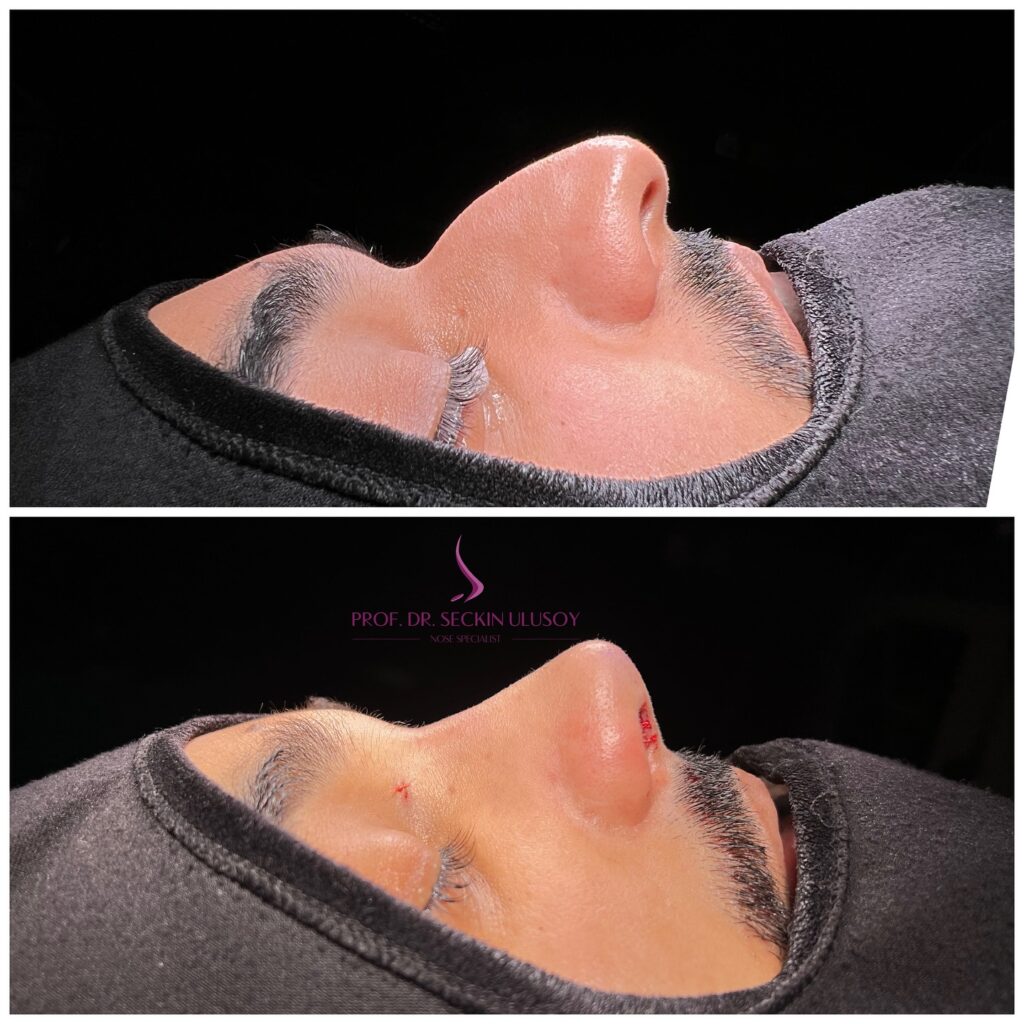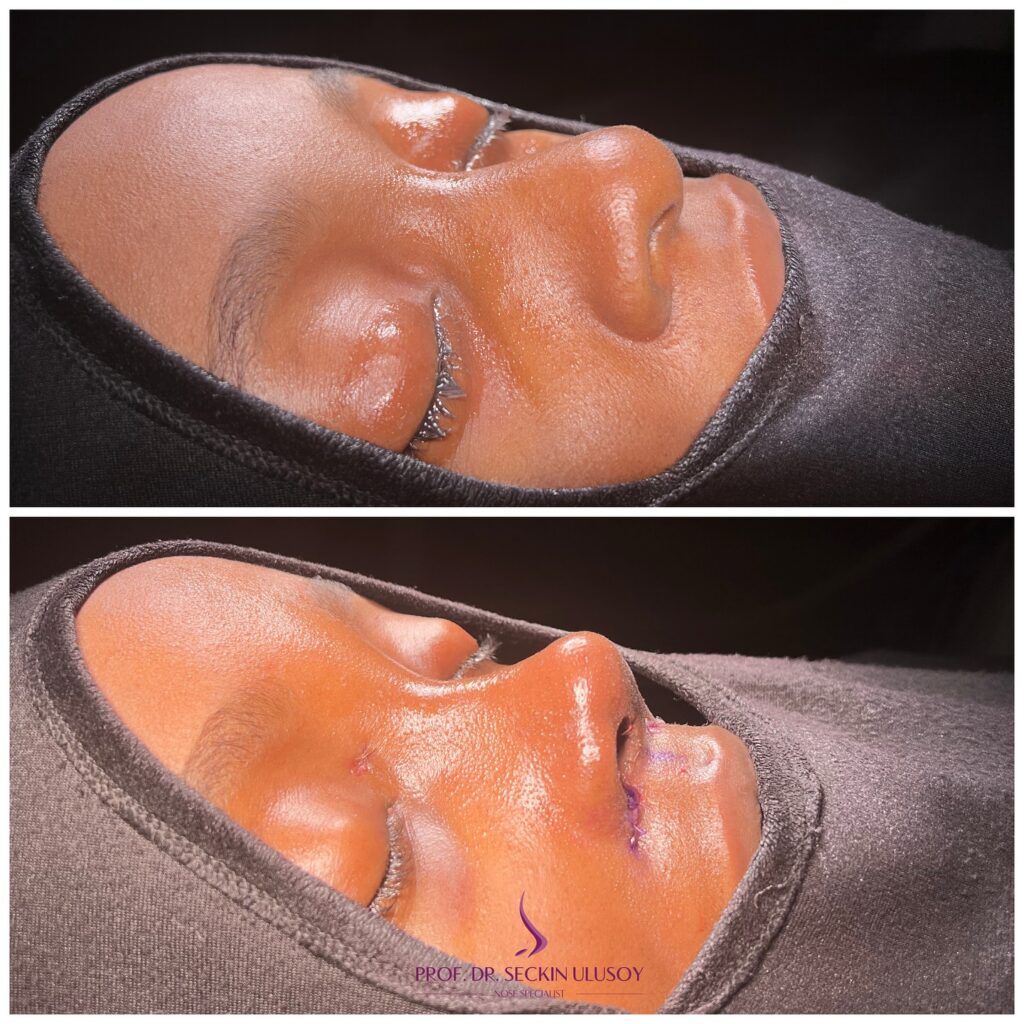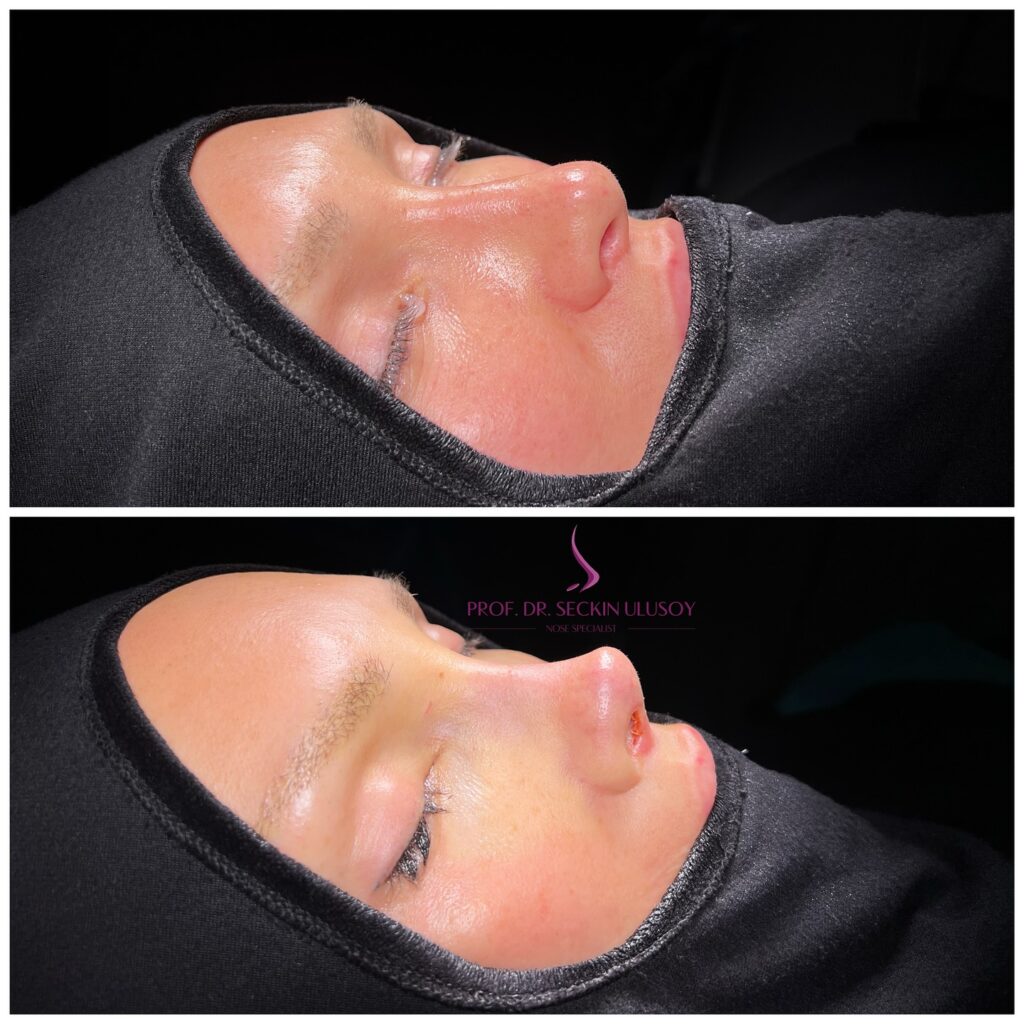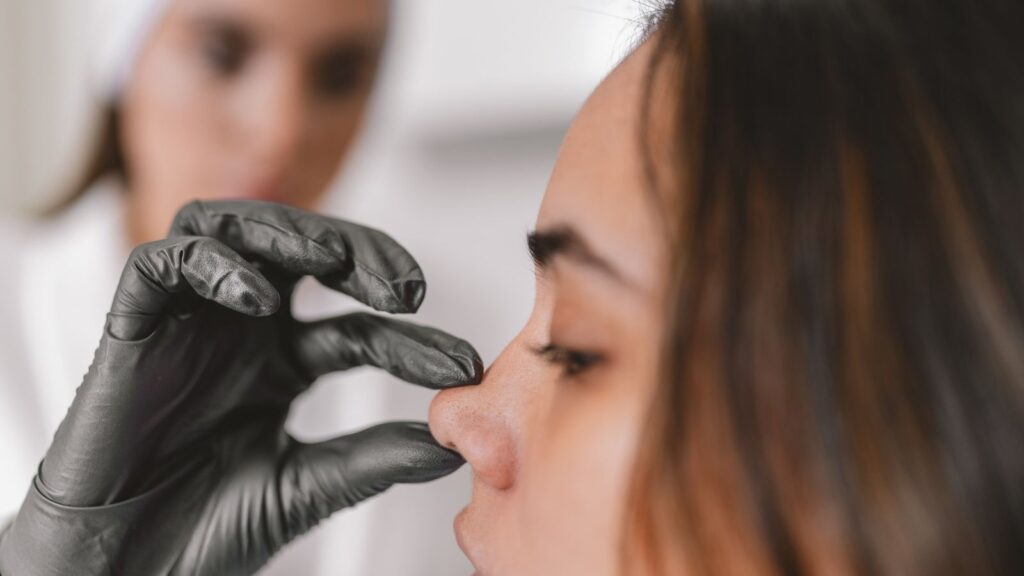
Empty Nose Syndrome is a paradoxical respiratory problem that usually occurs after turbinate reduction surgeries; although the inside of the patient’s nose is anatomically completely open and wide, the patient experiences severe shortness of breath, air hunger, and a feeling of suffocation. This condition, which can develop after nasal surgeries, is characterized by the inability of the nerves in the mucosa to perceive the inhaled air and the collapse of the natural humidification system. Although there is no physical obstruction or blockage, the brain’s inability to feel that breathing is taking place indicates that the delicate aerodynamic balance inside the nose has been permanently lost. This condition is a specific health problem that deeply disrupts quality of life along with the loss of the healthy sensation of breathing.
What Is Empty Nose Syndrome?
To explain the condition with an example from daily life, imagine driving on a very wide and empty highway but not feeling the wind or your speed at all. This is exactly the kind of contradiction this syndrome contains. Under normal circumstances, when a person cannot breathe, a physical blockage, tissue enlargement, or bone deviation inside the nose is expected. However, in these patients, the situation is exactly the opposite. The nasal passage has become excessively widened after the surgical intervention. There is no mechanical barrier left in front of them to prevent the passage of air. Despite this, patients state that not enough air reaches their lungs, that they constantly suffer from air hunger, and that they experience shortness of breath. In medical terminology, this contradictory condition is called paradoxical obstruction. The inside of the nose has almost turned into an endless cavity, but the brain cannot perceive the air passing through this cavity. This condition does not only mean an anatomical deficiency, but also the complete collapse of the nose’s ability to sense and process air. The airflow inside the nose becomes so uncontrolled that the patient’s brain stops receiving normal breathing signals. In short, this large gap between a widened nose and the feeling of obstruction is the most distinctive and most surprising feature of the disease.
What Functions Do the Turbinates Inside Our Nose Perform Before Empty Nose Syndrome Develops?
It is a great misconception to think of our nose merely as a simple pipe system located in the middle of our face that allows air to enter. In fact, our nose is the world’s most advanced, most sensitive, and fastest natural air-conditioning system. The most important parts of this air-conditioning system are the structures called turbinates in medical terminology and nasal flesh among the public. These structures, located on the side walls of our nasal cavity, resemble spongy shelves that are extremely rich in blood vessels and covered with a special mucosal layer. The air we take in from outside must pass between these shelves before reaching our lungs. Think of the freezing cold air you inhale from outside on a cold winter day. If this air went directly to your lungs, the sensitive lung tissue would be damaged instantly. However, thanks to the turbinates, the air is warmed in a very small fraction of a second, brought to body temperature, and at the same time highly humidified. In addition, dust, dirt, and harmful particles in the air are filtered by these tissues. The turbinates create slight resistance against the air while breathing, allowing the air to slow down somewhat inside the nose and form vortices. This resistance is vital for the air to sufficiently contact the mucosa and be processed in a healthy way.
How Is the Aerodynamic Structure of the Nose Disrupted in a Patient Who Develops Empty Nose Syndrome?
In a healthy nose, airflow works like a fine engineering marvel. While part of the air moves in a straight line, part of it hits the turbinates and creates small, controlled vortices. This turbulent flow allows the air to reach the nerve endings and olfactory areas inside the nose. Special sensors on the mucosal surface that detect temperature changes feel the coolness created by the air and constantly send the brain the information that breathing is taking place. However, when the turbinates are removed more than necessary, this magnificent aerodynamic structure collapses immediately. Since the inside of the nose turns into a huge tunnel, the air entering is directed straight and very rapidly toward the throat without hitting any obstacle or curve. Because the air passes without rubbing against the mucosal surface, the sensors inside the nose cannot perceive that cooling airflow. As a result, even if tons of air enter, the brain cannot become aware of the presence of this air and gives a severe alarm that breathing cannot be achieved. In addition, because of the absence of the turbinates, there is not enough surface area left to humidify the air. This causes the mucosa to dry rapidly, lose its function, and the airflow inside the nose to turn into a completely chaotic, irregular, and uncontrollable storm.
What Are the Main Risk Factors That Lead to the Development of Empty Nose Syndrome After Surgical Interventions?
The biggest and most fundamental factor in the emergence of this syndrome is excessive intervention on the turbinates during surgeries performed to relieve nasal obstruction. In particular, reducing the volume of the inferior turbinates so much that they can no longer meet the body’s physiological needs is the primary risk factor. Methods that were used quite frequently in the past and were based on completely cutting and removing the turbinate are now considered the biggest culprit of this disease. Not only cutting procedures but also the excessive application of burning procedures such as radiofrequency or cautery used to shrink the turbinate causes deep heat damage in the tissue. This thermal damage destroys the mucosa’s capacity to renew itself. Over time, the lining that covers the inside of the nose dries, thins, loses its vitality, and begins to atrophy. Another important risk factor is very aggressive intervention in the posterior parts of the turbinate near the nasopharynx. Tissue loss in the posterior region increases the speed of air passage to the nasopharynx to uncontrollable levels. The irreversible loss of the microscopic cilia that allow the nose to clean itself as a result of surgical trauma completely disrupts tissue health. Other widenesses in the patient’s anatomical structure also multiply this risk.
What Physical Symptoms Do Empty Nose Syndrome Patients Encounter in Daily Life?
One of the most interesting aspects of this condition is that complaints usually do not appear immediately after surgery, but gradually after a silent period lasting months or even years. This late onset makes it quite difficult for patients to associate the problems they experience with past nasal surgeries. The most basic complaint of patients, as mentioned before, is the feeling of suffocation and air hunger they feel despite their nose being completely open. In addition to this main problem, many physical findings that make patients’ daily lives unbearable are added to the picture. Since the humidification capacity of the nose is lost, constant dryness, crusting, and tissue damage occur. Because the air cannot be directed to the roof area where the olfactory cells are located, serious decreases in the senses are also experienced.
Frequently encountered physical symptoms are as follows.
- Severe nasal dryness
- Burning in the throat
- Intense crusting
- Bad odor
- Shortness of breath
- Air hunger
- Loss of smell
- Impaired taste
- Decrease in sleep quality
- Chronic fatigue
Each of these symptoms deeply disrupts the patient’s quality of life. In particular, crusting that forms inside the nose and causes bad odor can also negatively affect the patient’s social life and push the person toward isolation from society. Since the body cannot rest sufficiently, patients have to struggle with a constant state of exhaustion.
What Are the Psychological and Neurological Effects Seen in Patients Diagnosed with Empty Nose Syndrome?
Aside from the severity of the physical symptoms, the damage this condition causes to patients’ mental health is much deeper and more concerning. Breathing is the most basic survival reflex of a human being. A person’s constant feeling that they cannot breathe and are suffocating keeps the brain’s alarm centers constantly active. This causes the nervous system to react as if it is under constant threat. According to medical data, serious anxiety disorders, panic attacks, and severe depression develop over time in a very large proportion of these patients. Patients have great difficulty convincing the people around them or doctors of the sentence my nose is open but I cannot breathe. Not being understood and having their complaints labeled as psychological drag them into great helplessness and loneliness. This constant air hunger stress can unfortunately completely consume the person’s life energy in advanced cases. Recent scientific studies show that this disease is not only a mechanical emptiness, but also has a neurological dimension in which the basic sensory nerves inside the nose are permanently impaired. This dysfunction of the nerve endings shakes the brain’s perception of breathing to its foundation, making the existing psychological burden even more inextricable.
How Is the Diagnosis of Empty Nose Syndrome Confirmed When Objective Tests Are Insufficient?
In medicine, making a diagnosis is generally based on concrete data such as tests, imaging, or measurements. However, in this syndrome, the tests physicians rely on most often give completely normal, even overly normal, results. For example, in a standard patient presenting with nasal obstruction, swollen turbinates, bone deviations, or polyps are looked for when examining inside the nose. However, in these patients, when the inside of the nose is examined with an endoscopic camera, a huge cavity, straight walls, and no sign of obstruction are seen. The patient’s complaint of shortness of breath and the fact that the inside of the nose is so open create a great contradiction. When making the diagnosis, the story told by the patient and the subjective complaints felt by the patient are the gold standard. In addition, computed tomography imaging is very guiding. In tomography sections, it is clearly observed that the inferior turbinates, which should normally fill the nasal cavity, have either completely disappeared or remained as small remnants. Paleness, thinning, and drying findings in the color of the mucosal layer lining the inside of the nose are detected by endoscopic examination. The diagnostic process is based on carefully listening to the patient, analyzing the character of the suffocation sensation they describe, and excluding all other possible diseases.
How Are the SNOT-25 and Cotton Test Used in Patients Suspected of Empty Nose Syndrome?
Some special evaluation tools accepted internationally are used to overcome the difficulties in the diagnostic process and to connect the patient’s complaints to a standard measurement. The first of these is a detailed questionnaire called SNOT-25. This questionnaire is the enriched form of the standard forms used in nasal diseases, especially with questions specific to this syndrome such as a feeling of suffocation, nasal dryness, and an excessively open nose sensation. High scores obtained from the patient’s answers to the questions strongly support the diagnosis.
The most practical and most frequently used method in the clinic is the cotton test. This test gives results that are very simple but just as striking. The physician carefully places small pieces of cotton moistened with saline into the cavities in the patient’s nose where the turbinate used to be. The purpose here is to create an artificial and temporary wall, a resistance barrier, in place of the missing turbinate. After the cotton is placed, the patient is asked to breathe and asked how they feel. If the patient states that breathing has become easier despite the cotton in the nose, that they have begun to feel the coolness of the air, and that the feeling of suffocation has decreased, the diagnosis is largely confirmed. This test is also a very important indicator for reconstruction success.
What Can Be Done to Relieve Empty Nose Syndrome Symptoms with Non-Surgical Methods?
Unfortunately, there is no miraculous medical drug that can completely eliminate this syndrome with a single dose or a single pill. The first and most important step in treatment is to manage the existing complaints, revive the dried tissues, and prevent further damage to the remaining mucosa. In this process, the most critical task is to keep the inside of the nose constantly moist. Nasal irrigation solutions clean the crusts on the tissues and allow the mucosa to breathe comfortably. When irrigation alone is not sufficient, special oils and ointments that coat the inside of the nose and prevent moisture from evaporating come into play. In foul-smelling cases where bacterial growth is present, appropriate medical solutions must definitely be added to the treatment.
The basic products that can be used for this purpose under physician control are as follows:
- Isotonic saline solution
- Ocean water sprays
- Xylitol-containing irrigation fluids
- Ringer lactate solutions
- Vitamin A-containing drops
- Vitamin E-based oils
- Water-based moisturizing gels
- Special mixtures with antibiotics
Regular use of these products relieves the dryness and burning sensation inside. Performing the irrigation process without interruption as a daily routine lays the groundwork for tissue healing and increases the durability of the mucosa. The basic philosophy of non-surgical methods is to buy time for the tissue and to revive the dried environment.
What Should Environmental and Lifestyle Changes Be in the Treatment of Empty Nose Syndrome?
Using only medical products is not sufficient to overcome this difficult process. The quality of the air the patient breathes throughout the day and general lifestyle habits directly affect the healing process. In particular, keeping the humidity level of the air in home and work environments at forty to fifty percent is of vital importance. To prevent heaters operating in winter months from drying the air, running cool mist humidifiers in the rooms where one sleeps at night provides great relief. In addition, plenty of water consumption is essential to moisturize the body from within. Small but effective lifestyle changes support mucosal health, while some harmful habits must definitely be abandoned.
The basic elements that should be avoided and removed from the lifestyle are as follows:
- Cigarette smoke
- Highly caffeinated beverages
- Excessive alcohol consumption
- Dry and air-conditioned environments
- Dusty and polluted air
- Intense chemical odors
Cigarette smoke causes the death of the ciliated cleaning cells that have barely managed to survive inside the nose, making the condition much more severe. Caffeine and alcohol increase dryness inside the nose because they accelerate water excretion from the body. In addition, receiving professional psychological support so that patients can manage the severe stress and anxiety they experience should also be an inseparable part of these lifestyle changes.
Which Minimally Invasive Methods Are Used for Empty Nose Syndrome in the Pre-Surgical Period?
If daily irrigations, moisturizers, and lifestyle changes are insufficient to provide the patient’s breathing comfort, more practical solutions that can be applied under office conditions are evaluated before proceeding to a major and permanent surgery. The basic aim of these procedures, called minimally invasive, is to temporarily replace the lost tissue volume inside the nose without surgery or with very small interventions. Hyaluronic acid fillers are among the leading methods. This filler material, which is frequently used in facial aesthetics, is injected into the remaining turbinate tissue inside the nose, allowing that area to swell and the airway to narrow. Thanks to the water-retaining capacity of the filler, the mucosa is also moisturized from within. Its effect lasts an average of six to twelve months and the procedure is quite short.
Another strong option is the transfer of fat tissue taken from the patient’s own body into the nose. Fat taken from the abdomen or thigh area is injected under the nasal mucosa after being processed specially. The biggest advantage of this method is that the stem cells and healing factors found in the fat tissue not only provide volume but also help the diseased and dried mucosa renew itself at the cellular level. This method is one of the strongest steps that can be taken before transitioning to permanent surgeries, both to improve aerodynamics and to revitalize the tissue.
Which Surgical Treatments and Grafts Are Preferred in Advanced Empty Nose Syndrome Cases?
In resistant patients where temporary fillers work but their effect is short-lived, or where a very positive response is obtained from the cotton test, reconstructive surgeries are performed to permanently correct the anatomy of the nose. The basic logic of these surgeries is to narrow the passage by placing new support materials under the excessively widened nasal wall and to permanently restore the lost air resistance. The surgeon opens a thin tunnel under the mucosal covering inside the nose and carefully places materials that will mimic the missing turbinate volume into these pockets. In extreme cases where the mucosa is very severely and completely dried, closure surgeries based on suturing the nose completely closed for a while and resting the tissue are also among the options.
The main grafts and materials used to be placed under the mucosa in surgery are listed below.
- Septal cartilage
- Auricular cartilage
- Rib cartilage
- Synthetic medical implants
- Acellular human dermis tissue
The choice of material to be used is determined according to the size of the tissue loss inside the patient’s nose and the surgeries they have previously undergone. Although the body’s own cartilage is always the first choice, its potential for adaptation and resistance to infection are much higher than externally obtained synthetic materials. These surgical steps must be planned meticulously.
Which Preventive Methods Should Be Applied in Surgical Practice to Avoid Empty Nose Syndrome?
As in every field of medicine, the best treatment in this complex and exhausting disease is to prevent the condition from occurring at the very beginning. For specialists dealing with nasal health, the golden rule is to adhere to the principle of maximum tissue preservation in interventions to be performed on the turbinates. Aggressive cutting procedures that were frequently performed in the past have been completely replaced by modern, technological, and tissue-respecting methods. When it is necessary to reduce the turbinate, advanced devices such as radiofrequency, which melt only the tissue inside without causing any damage to the functional mucosal membrane on the outside, are used.
If there is a bone-related enlargement inside, the integrity of the mucosa is preserved using special instruments and only the bone tissue is intervened on. In suitable patients, the airway is widened by gently pushing the tissue outward without cutting any piece from the turbinate. Decisions made at the surgical table should be built not on how much tissue will be removed, but on how much must be preserved. No artificial material can fully imitate that magnificent air filter and air-conditioning system created by nature.