Snoring and Sleep Apnea Syndrome
Snoring and Sleep Apnea Syndrome;
Brain activity has two separate phases: sleep and wakefulness.
In the classification of sleep disorders, snoring and sleep apnea syndrome are defined under 4 main disease groups:
Dyssomnias:
The patient has difficulty initiating and maintaining sleep. Primary sleep disorders that cause complaints of insomnia or hypersomnia are included in this disease group. Dyssomnias, which constitute the largest group of sleep disorders, also include obstructive sleep apnea syndrome, central sleep apnea syndrome, and central alveolar hypoventilation. You can contact us for information about snoring and sleep apnea syndrome.
Parasomnias:
Parasomnias are arousal disorders that occur through activation of the central nervous system during sleep. Bruxism (teeth grinding during sleep), awakening due to nightmares, sleep enuresis, simple snoring without accompanying respiratory disorders such as apnea, and sudden deaths during sleep (Sudden Death Syndrome) are disorders belonging to this group.
Sleep disorders associated with psychological, neurological, or other medical diseases:
The sleep disorders observed in these patients are caused by another underlying condition. The sleep disorder constitutes only one of the symptoms. Conditions such as chronic lung disease, stomach ulcers, gastroesophageal reflux disease (GERD), Parkinson’s disease, dementia, alcohol dependence, and anxiety disorders are examined in this group.
Possible Sleep Disorders:
This includes sleep disorder problems such as sleeping less or more than necessary, which are not very pathological and for which there is insufficient information to classify them as a disease.
With the improvement in the general health and socioeconomic level of society, the number of patients consulting physicians with complaints of snoring and cessation of breathing during sleep (apnea) has increased. Following developments in the understanding of sleep physiology and its disorders, snoring and sleep apnea syndrome caused by airway obstruction have become frequently diagnosed conditions.
What Is the Relationship Between Sleep Apnea and Snoring:
Snoring:
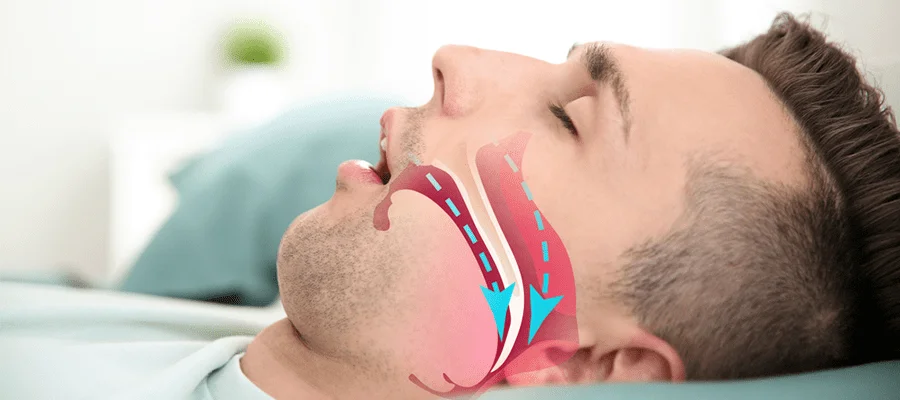
Noisy sleep caused by partial obstruction of the upper airway
Apnea:
Cessation of nasal and oral breathing for more than 10 seconds
Apnea Index:
The number of apneas observed during one hour of sleep
Hypopnea:
A 30-50% reduction in airflow lasting longer than 10 seconds. It can also be expressed as a decrease in respiratory movement or a reduction in blood oxygen saturation (O2 saturation).
RDI:
(Respiratory Disturbance Index) is the total number of apneas and hypopneas occurring in one hour
Sleep disorders related to the ENT field include simple snoring, upper airway resistance syndrome, and obstructive sleep apnea syndrome.
Do Sleep Apnea and Snoring Always Occur Together?
What Is Simple Snoring?
Simple snoring is defined in patients:
Whose RDI is below 5,
Whose blood oxygen saturation remains above 90% during sleep,
Whose pressure measured in the esophagus during breathing does not fall below –10 cm of water.
Upper Airway Resistance Syndrome:
RDI is below 5 per hour,
Oxygen saturation remains above 90%,
And the pressure measured in the esophagus falls below minus 10 cm H2O.
These patients have increased arousal periods and increased electrical activity in the diaphragm in addition to snoring.
Obstructive Sleep Apnea Syndrome:
It is defined by:
RDI being above 5 and
Oxygen saturation remaining below 90%.
Sleep apnea is classified according to the apnea index, meaning complete cessation of breathing:
If the apnea index is between 5-20, it is considered mild,
If it is between 20-40, it is considered moderate,
If it is above 40, it is considered severe sleep apnea.
Since hypopnea is also important in addition to apnea in these patients, using the RDI index, which is the total number of apneas and hypopneas, makes the classification more meaningful. Accordingly:
If the RDI is between 5-30, it is mild,
If it is between 30-50, it is moderate,
If it is higher than 50, it is considered severe sleep apnea.
If O2 saturation falls below 85%, it is considered moderate,
If it falls below 60%, severe sleep apnea is present.
Prevalence of Snoring and Sleep Apnea in Society:
With the increase in sleep research, snoring and sleep apnea have been found to be more common than expected. Frequently encountered simple snoring may actually be mild sleep apnea. According to a study conducted in Italy, snoring was found in 24% of men and 14% of women. While the rate of simple snoring is 10% in men under the age of thirty, it rises to 60% in men over the age of 60.
When the relationship between snoring and weight was investigated, it was shown that the frequency of snoring and apnea increased in people who were 15% above their ideal weight. In the United States, an apnea index of 5 or above was found in 24% of men and 9% of women between the ages of 30-60, meaning they were sleep apnea patients. Mild sleep apnea is common, while moderate and severe sleep apnea are less common. Moderate obstructive sleep apnea is seen in 2% of adult men, while severe sleep apnea is observed in 0.3% of men aged 35-60.
Symptoms of Snoring and Sleep Apnea:
There is daytime sleepiness that varies according to the severity of the disease. No matter how long patients sleep at night, they also experience sleep problems during the day. Since their nighttime sleep is poor, they wake up feeling unrested. Patients with very high apnea indexes and/or RDI may even fall asleep while talking or driving. Morning headaches that are prominent at first and then improve are seen in 20% of cases. Forgetfulness, reduced attention, and impaired concentration throughout the day are the main accompanying findings.
Patients with sleep apnea are 2-7 times more likely to have traffic accidents than healthy individuals.
The most important complaint that leads patients to consult a physician is snoring. The presence of the patient’s bed partner during the consultation is important for obtaining an accurate history.
Poor sleep quality may also lead to anxiety disorders, reduced cognitive abilities, aggression, and depression in patients. Sexual dysfunction is also frequently observed in patients with snoring and sleep apnea syndrome. Underlying sexual dysfunction are fatigue, lack of desire, psychological disorders, and hormonal changes caused by insomnia.
Frequent nighttime urination is a commonly observed finding in patients with sleep apnea. Especially in children, increased carbon dioxide levels in the blood may cause bladder contraction disorders and frequent urinary incontinence, while in adults it causes frequent nighttime urination.
As a result of the disturbances in fat metabolism frequently seen in these patients, they continue to gain weight. As the weight problem increases, metabolic changes become more pronounced, making it increasingly difficult for the patient to lose weight. Night sweating, which is especially noticeable in the chest and neck areas, is another finding seen in such patients.
In patients with sleep-related breathing disorders, gastroesophageal reflux disease (GERD) also becomes an issue with the increase in negative intrathoracic pressure. With treatment of reflux, polysomnographic improvements of up to 30% in apnea findings have been detected.
Problems such as high blood pressure, pulmonary hypertension, cardiac rhythm disorders, cardiovascular diseases, and stroke are also frequently encountered in patients with sleep apnea syndrome. The mortality risk of patients with an apnea index above 20 is also much higher than normal; therefore, patients should be treated as soon as possible.
Diagnosis and Differential Diagnosis of Sleep Apnea:
Sleep apnea syndrome can be a complex disorder involving many systems. The main diagnostic methods used in diagnosing patients are as follows:
General physical examination
ENT examination
Examination through the nose using a flexible fiberoptic endoscope
Imaging methods (Tomography, MRI, measurement of facial structures and airway passage dimensions – Cephalometric analysis)
Polysomnography (Sleep test) is the gold standard in the diagnosis of sleep apnea.
1. General Physical Examination:
Sleep apnea syndrome is a complex disease that can occur due to many different causes. Therefore, examining only the upper airways will not be sufficient for planning diagnosis and treatment. The patient’s alcohol consumption, whether they have gained significant weight in recent months, and metabolic status such as diabetes and thyroid diseases should be questioned, and biochemical tests should be performed when necessary. Considering that the patient’s emotional state may also worsen complaints, it should be asked whether the patient is depressed and whether they use sedative medications. The patient’s general condition, including obesity, position of the lower jaw, presence of upper jaw developmental disorders, and determination of the obstructed area in breathing are important in determining the choice and success of the treatment approach.
Many studies have shown a relationship between blood pressure and sleep apnea syndrome. Due to the increase in hormones that raise blood pressure, blood pressure remains high not only at night but throughout the day.
Height-Weight and Neck Circumference:
It is important to measure the height, weight, and neck circumference of patients who present with suspected sleep apnea.
In adult men, a neck circumference greater than 43.18 cm is considered a risk factor. Sleep apnea syndrome was detected in 30% of men in this group. In women, the critical value is 38.10 cm.
The most practical method for measuring the relationship between height and weight, which is an important parameter in snoring and sleep apnea syndrome, is calculating the body mass index (Body Mass Index – BMI), expressed as kg/m2. In adults over the age of 20, the average BMI is around 25.5 kg/m2. A BMI above 27.8 in men and 27.3 in women is considered obesity.
2. ENT Examination:
The upper airway consists of a rigid bone-cartilage framework and the soft tissues attached to them, beginning from the nose and lips and ending at the larynx. A detailed examination of the upper airway is required in patients presenting with suspected sleep apnea. Since the examination is not performed during sleep, the aim is not so much to diagnose sleep apnea syndrome through examination as to identify areas of obstruction and collapse.
Facial Skeletal Structure:
During the patient’s initial examination, the structure of the upper and lower jaws and the bite relationship of the teeth are roughly evaluated. Cephalometric analysis should be performed in patients thought to have a problem with the facial skeletal structure.
Insufficient development of the upper jaw and backward positioning of the lower jaw (retrognathism) should be evaluated. In patients with retrognathism, the tongue and soft tissues shift backward, causing obstruction at the level of the throat and tongue base.
Nasal Examination:
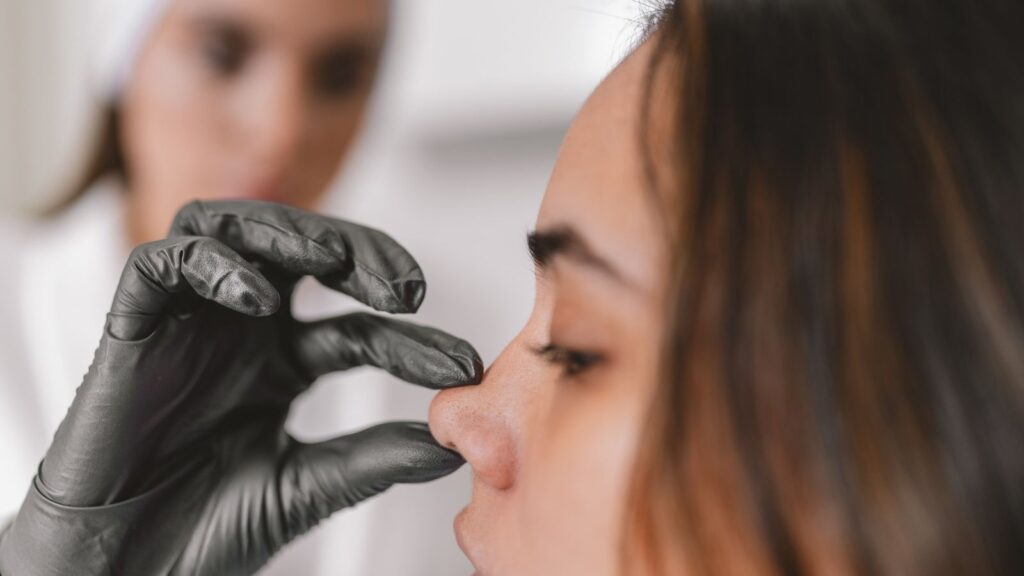
In addition to causing nasal obstruction, intranasal pathologies increase nasal resistance, thereby increasing the degree of negative pressure in the throat and leading to collapse and obstruction in this region. In addition, nasal anatomy must be evaluated and serious problems corrected in patients who will use a device providing continuous positive airway pressure during sleep, CPAP (Continuous Positive Air Pressure), for treatment. Otherwise, the desired result from the device cannot be achieved. During nasal examination, the external framework, nasal septum, internal nasal airflow channels (valves), and turbinates should be evaluated, and examination should be performed with rigid and/or flexible endoscopes when necessary.
Mouth and Throat Examination:
In the examination of the throat region, where the problem is usually located in sleep apnea patients, the area behind the palate and behind the tongue should be carefully evaluated. It is essential to examine the skeletal and soft tissue structures of these regions, where many surgical techniques are used in the treatment of sleep apnea syndrome, and determine how much they contribute to the problem during sleep.
Examination of the oral cavity begins with determining the natural position of the tongue and soft palate. The size and position of the tongue should be identified. Tongue placement should be evaluated according to the dental occlusal plane. A tongue of normal size and position lies below the occlusal plane. If the tongue is positioned above the dental occlusal plane, it can be considered enlarged. The Mallampati Classification is used in evaluating tongue position.
The region surrounded by the soft palate, tonsils, uvula, and posterior pharyngeal wall should be examined. The soft palate may have very different appearances structurally. It can be broadly classified as low, thick, bifid, or positioned close to the posterior wall.
If the size of the uvula exceeds 1 cm, it should be considered long.
The size of the tonsils is also important. Tonsils that narrow the throat and therefore the airway are responsible to varying degrees for snoring and sleep apnea. In particular, the degree of bulging of the upper part of the tonsil toward the throat should be evaluated.
Examination of the Tongue Base (Hypopharynx): This region is best evaluated using a flexible fiberoptic endoscope.
3. Flexible Fiberoptic Nasopharyngolaryngoscopy:
This constitutes one of the most important stages of the examination. During this examination, the regions behind the palate and behind the tongue can be evaluated by entering through the nose while the mouth is slightly open in its natural position.
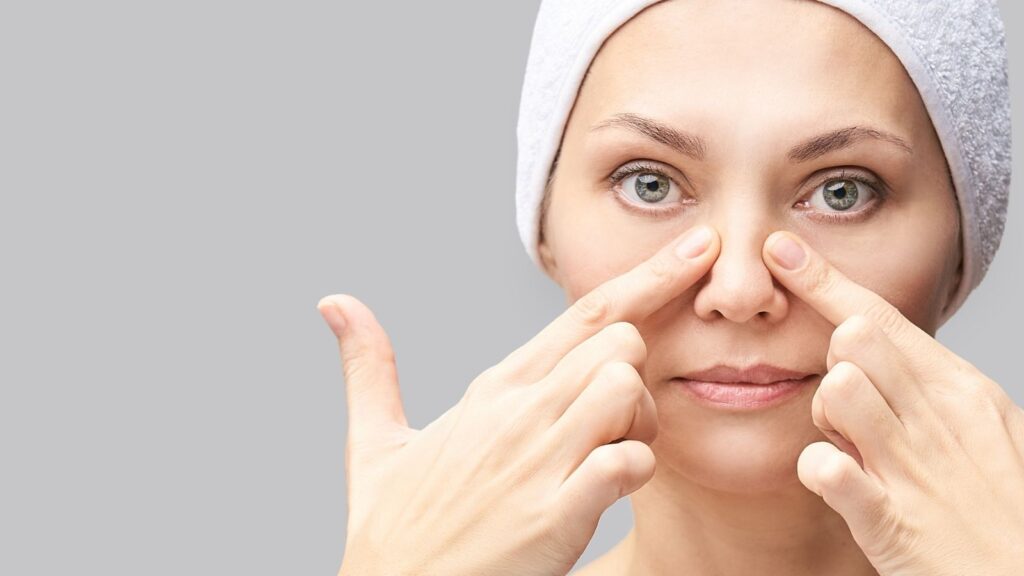
One of the most important parts of flexible fiberoptic nasopharyngolaryngoscopy is the Müller maneuver. After the nose, nasopharynx, retropalatal region, and retrolingual region are examined with endoscopy, the Müller maneuver is performed. With this maneuver, the regions of the throat that collapse under negative pressure and cause obstruction, as well as the severity of the collapse, are identified. The endoscope is advanced through the nose toward the nasopharynx, and the maneuver is applied when the region behind the palate is reached. During the maneuver, while the nostrils are closed by the physician, the patient is asked to close the mouth and then swallow or make a sucking movement. The Müller maneuver is repeated for the retropalatal and retrolingual regions, and the collapse occurring in these areas is evaluated. Changes in the retrolingual region can be detected by having the patient move the lower jaw forward during the maneuver. The collapsing part may vary depending on the patient’s position and during sleep.
4. Radiological Imaging Methods:
Conventional radiographs used for cephalometric analysis and CT-MRI are the main radiological imaging methods. Although CT and MRI are indispensable in the diagnosis of many diseases today, they have little role in sleep apnea syndrome outside scientific research. Cephalometric analysis: Cephalometry is a standard lateral radiograph widely used to evaluate the skeletal structure and soft tissues of the upper airway. It should be taken while the head is fixed and at the end of exhalation. Since the upper airway passage varies with the movement of soft tissues during inhalation and exhalation, the most appropriate result is obtained at the end of exhalation.
5. Sleep Analysis Test (Polysomnography):
While the previously mentioned examination methods are used to identify the location of obstruction, sleep analysis establishes the actual diagnosis. It is not possible to diagnose sleep apnea syndrome without polysomnographic examination. There are four important types of polysomnography:
In complete sleep analysis, called Level 1 and considered the gold standard for sleep apnea syndrome, EEG, electrooculogram, EMG, chest and abdominal movements, nasal and/or oral airflow, oximetry, ECG, and position are monitored. Sleep onset and stages, extremity movements, cardiac arrhythmias, obstructive and central apnea episodes, and the degree of desaturation are evaluated. The disadvantage of Level 1 polysomnography is the necessity of spending one night in a hospital environment and the need for trained personnel and an appropriate physical setting. Analysis of the obtained data has become considerably easier with newly developed software.
The Level 2 test is performed outside the hospital but includes examination of all parameters. The advantages of this test are that it is conducted in a more natural environment and is less costly. The problem with Level 2 polysomnography is that sufficient data may not be obtained and/or may be lost. This often leads to repetition of the test.
In Level 3 polysomnography, the patient again performs the test at home, but a limited number of parameters are examined, such as obstructive-central apneas, O2 saturation, bradycardia-tachycardia, and position changes. Since information about sleep stages and arrhythmias cannot be obtained, its value is limited.
In Level 4 polysomnography, only 1-2 parameters are reviewed, such as pulse and O2 saturation. Although it is a very inexpensive technique, patients with mild to moderate sleep apnea syndrome may be missed.
A sleep analysis lasting 3-4 hours and including REM (Rapid Eye Movement) and non-REM sleep is sufficient to diagnose sleep apnea syndrome. During REM sleep, the pharyngeal airway remains motionless (atonic), while during non-REM sleep, some tension remains despite being reduced (hypotonic). Therefore, upper airway collapse is more pronounced during REM sleep. Tests that do not include REM sleep should be repeated. Polysomnography is a highly sensitive test, and it has been found that repeating the test on consecutive nights does not change the diagnosis, but only causes slight fluctuations in RDI. From this perspective, it is more appropriate to reach a decision by repeating polysomnography 2-3 times.
Treatment of Snoring and Sleep Apnea:
In patients with snoring and sleep apnea syndrome, treatment includes very different alternatives depending on the severity of the disease and the location of the obstruction.
The treatment methods used in patients can be examined under the following headings:
A) General Measures;
B) Specific Treatments:
Medical Agents:
CPAP (continuous positive air pressure) device
Oral-nasal appliances
Surgical Methods:
Retropalatal region surgery
Retrolingual region surgery
Nasal surgery
Tracheotomy
A) General Measures:
The foremost general measure is weight loss. Most patients with snoring and sleep apnea syndrome are considerably above their normal weight. Losing weight cannot be achieved through diet alone; daily activity must also be increased, and this lifestyle must become routine. Otherwise, old problems will reappear once the diet is discontinued. At this stage, professional help should not be avoided, especially when regulating the diets of severely obese patients. There are also patients in whom continuous improvement cannot be achieved through weight loss. In patients of normal weight, greater emphasis should be placed on skeletal system pathology.
Snoring complaints and sleep apnea syndrome are more severe in patients who use alcohol and sedative medications. Patients should be advised to avoid alcohol as much as possible and stay away from medications with sedative effects.
Another point that should be emphasized is the sleeping position at night. It is generally stated by patients’ relatives that complaints increase when lying on the back. The side position is the recommended sleeping position. Methods such as placing a pillow behind the back or sewing a ball onto pajamas are recommended to avoid sleeping on the back.
Internal medical problems that may accompany the condition should also be identified and treated. Since diseases such as acromegaly and hypothyroidism may be major causes of apnea, their treatment is important. Allergic nasal obstruction or nasal obstruction caused by vascular dilation must be controlled because they increase the existing symptoms.
B) Specific Treatments:
1) Medications (Medical Agents):
Many medications such as acetazolamide, theophylline, buspirone, medroxyprogesterone, nicotine, and protriptyline have been used in snoring and sleep apnea, but considering their side effects, the prevailing opinion is that they have no place in a long-term treatment regimen. Theophylline may be used in patients with mild sleep apnea who cannot undergo surgery for various reasons and cannot use CPAP. Only acetazolamide has been found to reduce the hypopnea index. It has been stated that acetazolamide does not improve symptoms and is not very well tolerated. Protriptyline has been shown to improve symptoms but not change the apnea index. The aim of all these medications is to shorten REM time and prevent loss of muscle tone.
Recently, herbal medications that reduce surface tension have also been introduced to the market as a solution for snoring. These medications are sprayed into the mouth before bedtime, aiming to reduce friction by lubricating the throat region and decrease the intensity of the sound during snoring. While they can be easily used in cases of simple snoring, they do not have much effect on sleep apnea.
2) CPAP (Continuous Positive Air Pressure):
It is an alternative approach to surgery in patients with sleep apnea syndrome. In patients with sleep apnea, especially during REM sleep, negative pressure causes collapse of the upper airways. With CPAP, the aim is to keep the airway open by balancing the negative pressure that causes collapse during breathing with the positive pressure provided by the device. CPAP should be used in patients who do not accept surgery, have not benefited sufficiently from surgery, or cannot undergo surgery. It may also be used temporarily in patients being prepared for surgery.
To adjust the pressure to be applied, the patient is hospitalized for one night and placed under polysomnographic monitoring. The pressure is started at 4 cm H2O and gradually increased. The pressure at which snoring, hypopnea, and apnea disappear is determined. Since additional oxygen may be required in patients with chronic obstructive pulmonary disease, O2 saturation is monitored. The factor limiting CPAP use is patient compliance. Regular use of the device every night may cause swelling, dryness, and bleeding inside the nose. With the addition of these daily problems, patient compliance with CPAP remains between 60-80%. In some patients, surgery for obstructive intranasal problems may also be considered before CPAP use.
3) Intraoral-Nasal Appliances:
There are two main types of oral appliances that have come into use in many forms and varieties in recent years: those that pull the tongue forward and those that move the lower jaw forward. Moving the lower jaw forward increases the volume of the throat and tongue base, while moving the tongue forward creates expansion not only in the tongue base and throat but also in the region behind the palate. As a result of a review conducted by the American Sleep Disorders Association by compiling all research on this subject, it was found that 73-100% of patients with simple snoring benefited from such appliances (38). This study also stated that no appliance had a clear superiority over the others. In sleep apnea syndrome, they may be beneficial in mild to moderate cases, whereas they are thought to provide no benefit in severe cases. Apart from early side effects such as increased salivation, dry mouth, and difficulty adapting, the most important problem is temporomandibular joint disorders and occlusion problems caused by displacement of the teeth with long-term use. Due to these long-term complications, it is appropriate for the appliance to be fitted by a dentist. Patients with a highly arched palate, long uvula, and large tonsils cannot use such appliances comfortably; therefore, other treatment options should be evaluated in these patients.
In some cases of simple snoring, nasal appliances are also used to increase nasal airflow and reduce snoring complaints. They are meaningful only in patients with isolated intranasal deformity.
4) Surgical Methods:
Evaluation of the surgical approach in patients with snoring and sleep apnea depends on many factors. First, patients’ complaints may vary from simple snoring to a clinical picture accompanied by increased pulmonary blood pressure. At the same time, the area of obstruction causing the problem may not be localized to a single region, and several anatomical regions may contribute to the condition to varying degrees. The patient’s general condition and other medical problems may be decisive in making the surgical decision.
In this disease group, where a wide variety of surgical techniques can be used, the conditions affecting the decision for surgery are as follows:
RDI (Respiratory Disturbance Index) being above 20
Oxygen saturation being below 90%
Daytime sleepiness affecting daily life
Presence of a significant cardiac rhythm disorder
Presence of a significant anatomical problem in the patient
Failure to benefit from other treatment methods
Absence of a medical problem that would prevent surgery
Frequently Asked Questions
What Is Snoring and Sleep Apnea Syndrome?
Snoring is the sound produced by vibration of tissues in the upper airway during sleep. Sleep apnea syndrome is a serious sleep disorder characterized by brief cessation or significant reduction of breathing during sleep.
What Are the Causes of Snoring and Sleep Apnea?
Excess weight, nasal obstruction, enlarged tonsils and adenoids, jaw structure, alcohol use, smoking, and aging are among the most common causes of snoring and sleep apnea.
What Are the Symptoms of Sleep Apnea?
Loud snoring, pauses in breathing during sleep, waking up choking, excessive daytime sleepiness, morning headaches, lack of concentration, and fatigue are the most common symptoms.
Does Snoring Always Mean Sleep Apnea?
No, not everyone who snores has sleep apnea. However, if snoring is accompanied by pauses in breathing, excessive daytime sleepiness, or waking up tired in the morning, evaluation is important.
How Are Snoring and Sleep Apnea Diagnosed?
For diagnosis, the patient’s complaints are evaluated, a physical examination is performed, and when necessary, a sleep test (polysomnography) is used to examine breathing patterns during sleep.
How Are Snoring and Sleep Apnea Treated?
Treatment is planned according to the underlying cause. Weight loss, lifestyle changes, CPAP device use, oral appliances, and surgical treatment options may be applied when necessary.
What Happens If Sleep Apnea Is Not Treated?
Untreated sleep apnea may lead to serious health problems such as high blood pressure, heart disease, increased risk of stroke, diabetes, impaired concentration, and a significant reduction in quality of life.
Can Snoring and Sleep Apnea Occur in Children?
Yes, snoring and sleep apnea may occur especially in children with enlarged adenoids and tonsils. Early diagnosis and treatment are important for children’s growth and development.
Can Surgical Treatment Be Necessary for Sleep Apnea?
Yes, if anatomical problems such as nasal obstruction or enlarged tonsils or adenoids cause sleep apnea, surgical treatment may be an effective option in suitable patients.
Which Department Should Be Consulted for Snoring and Sleep Apnea?
People experiencing symptoms of snoring and sleep apnea are advised to consult an Ear, Nose and Throat (ENT) specialist or a healthcare center experienced in sleep disorders for evaluation and appropriate treatment planning.