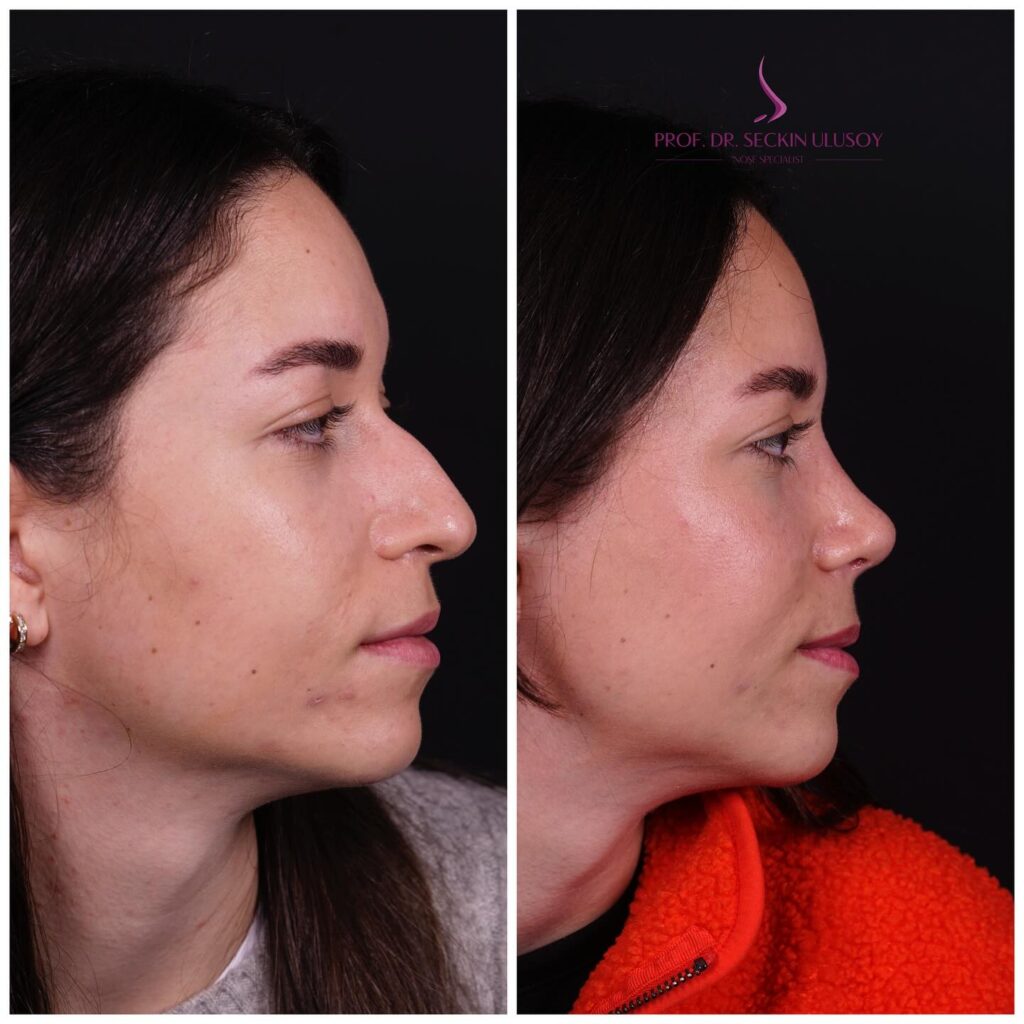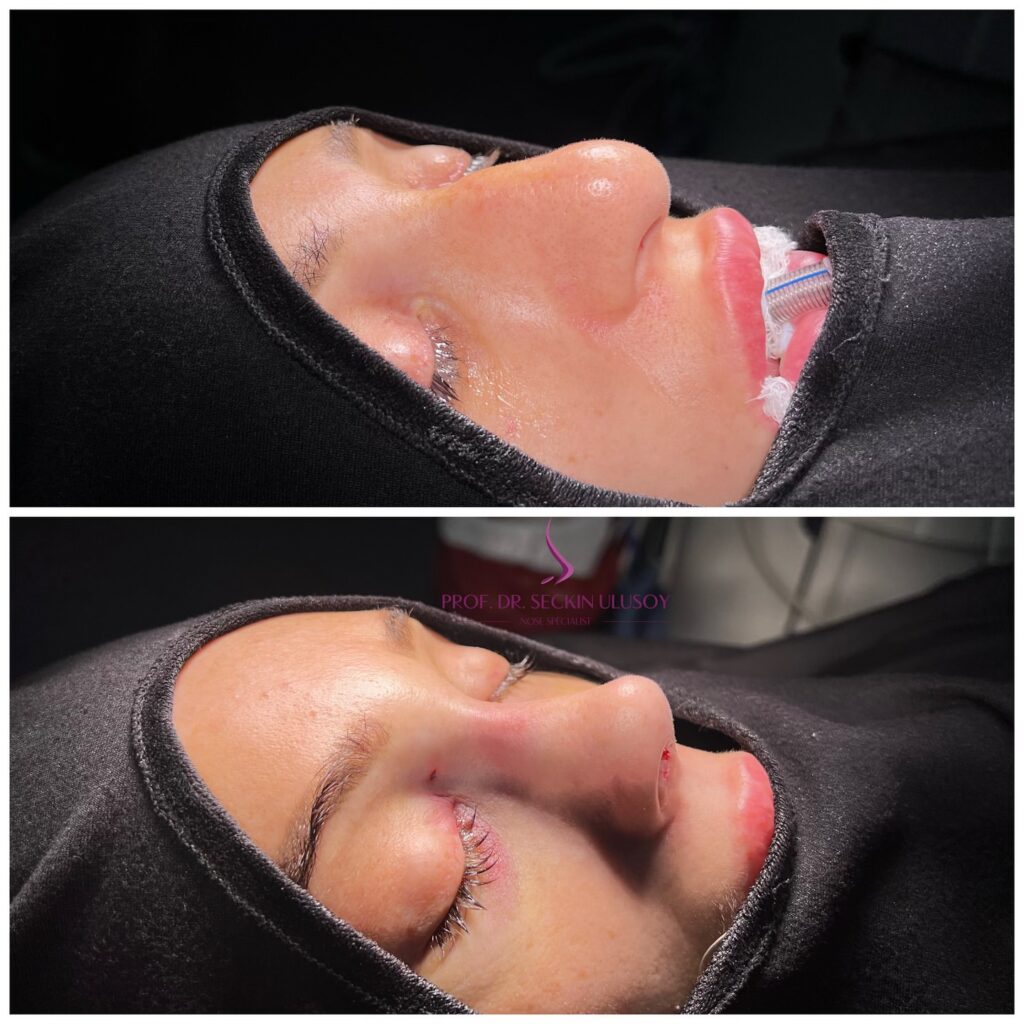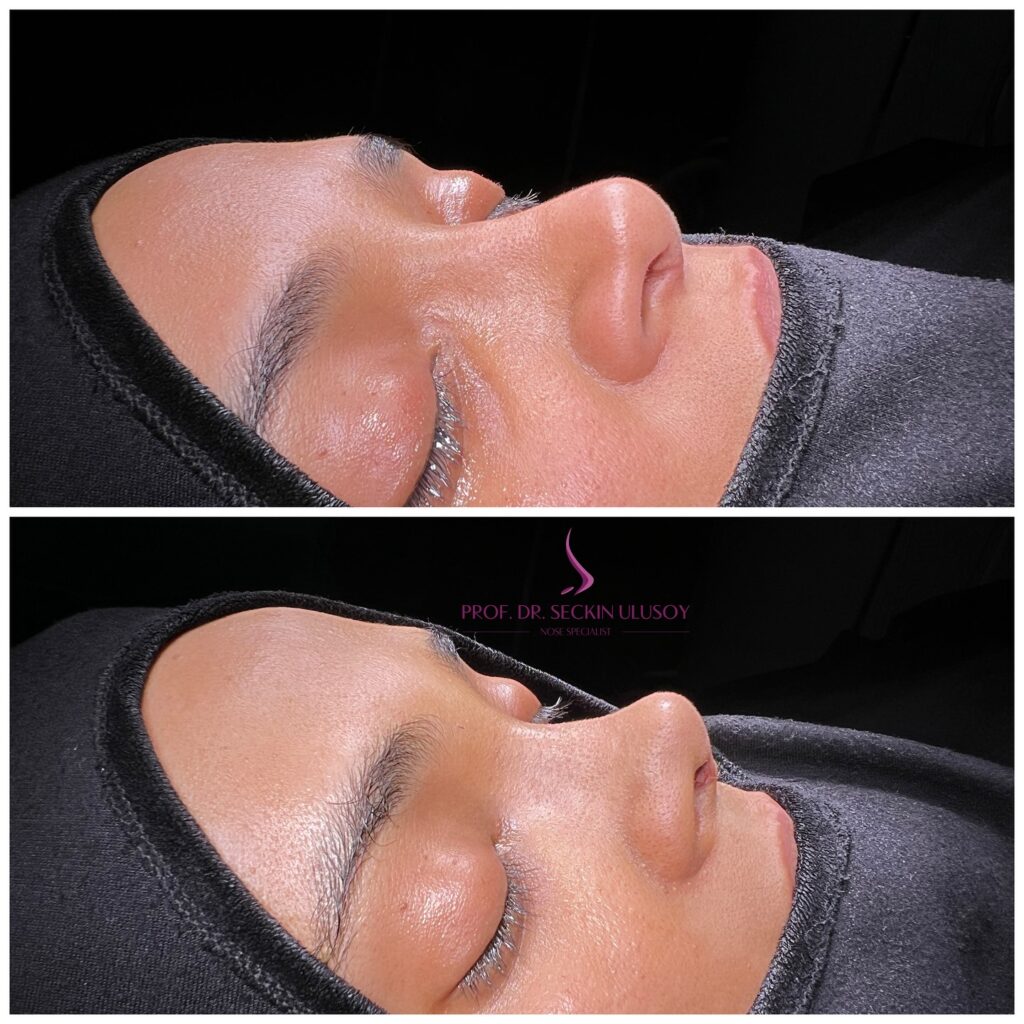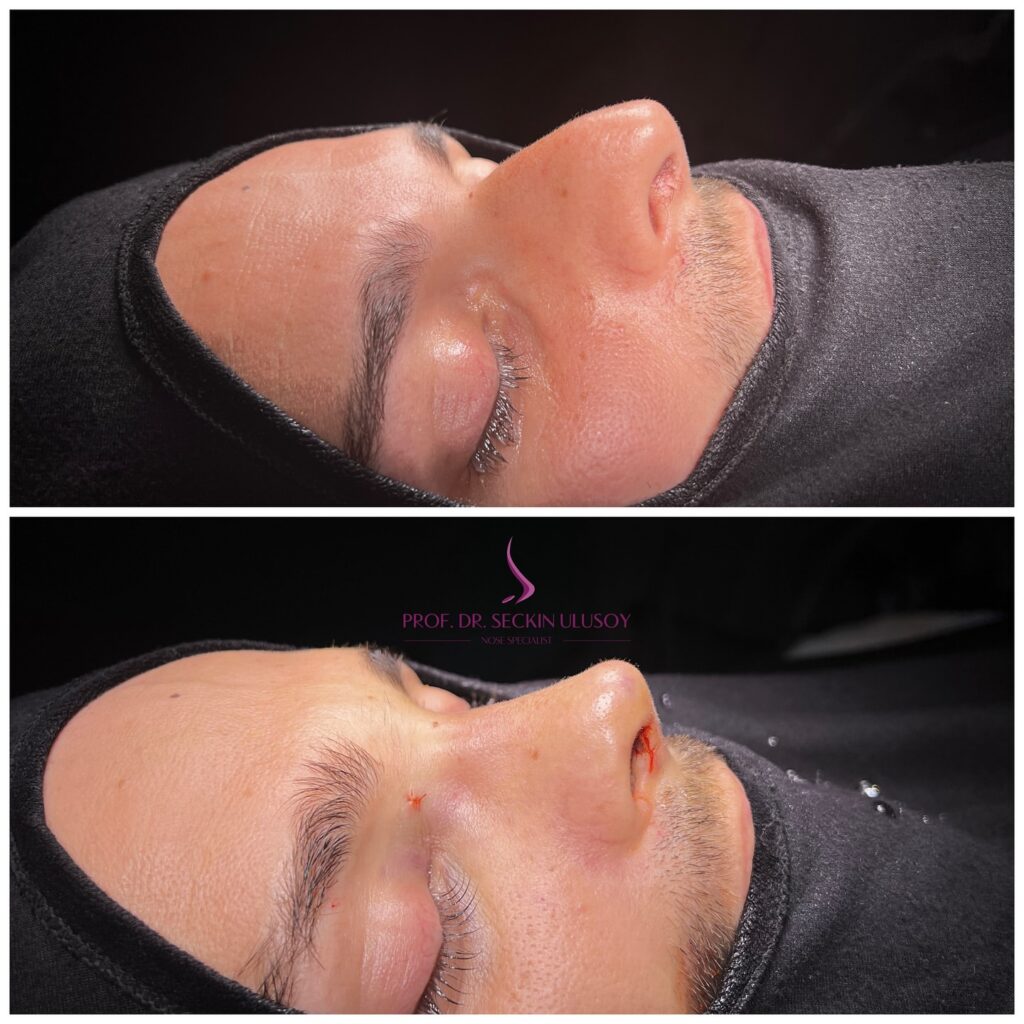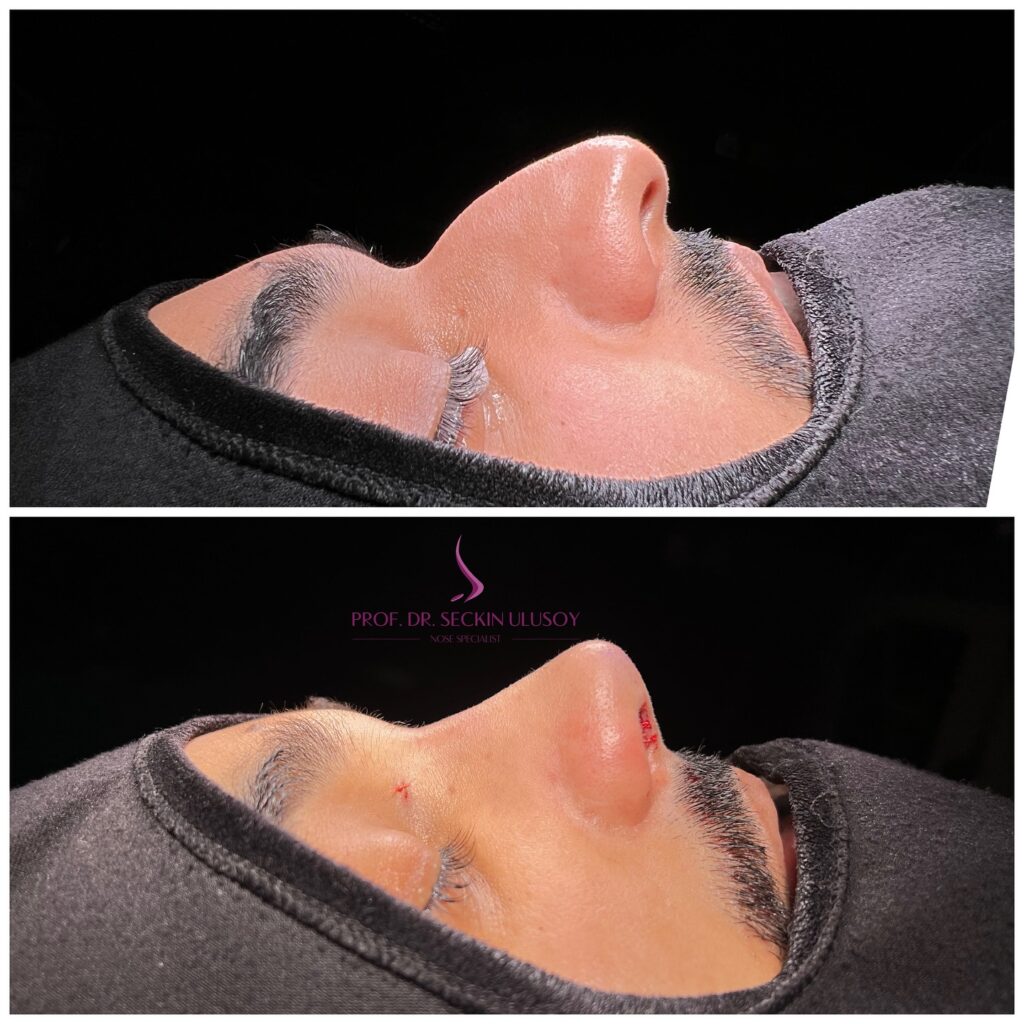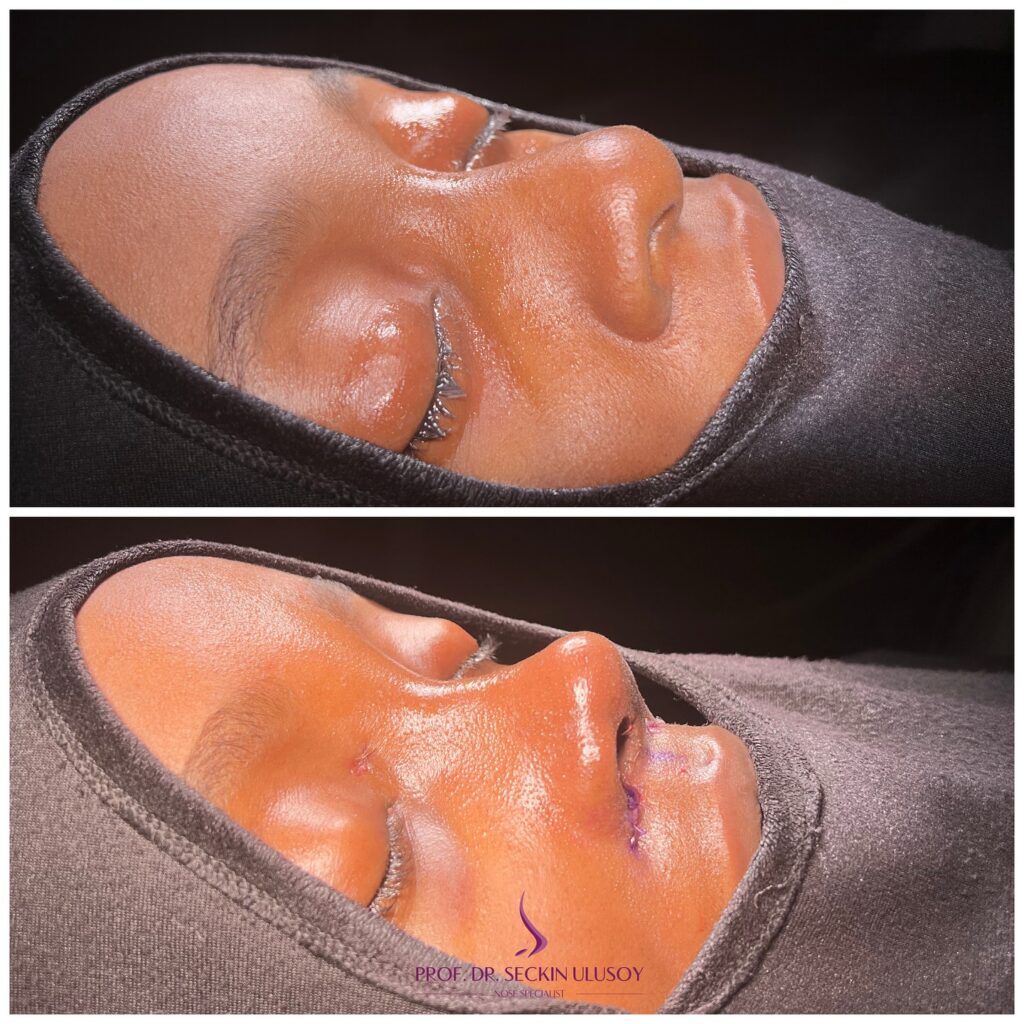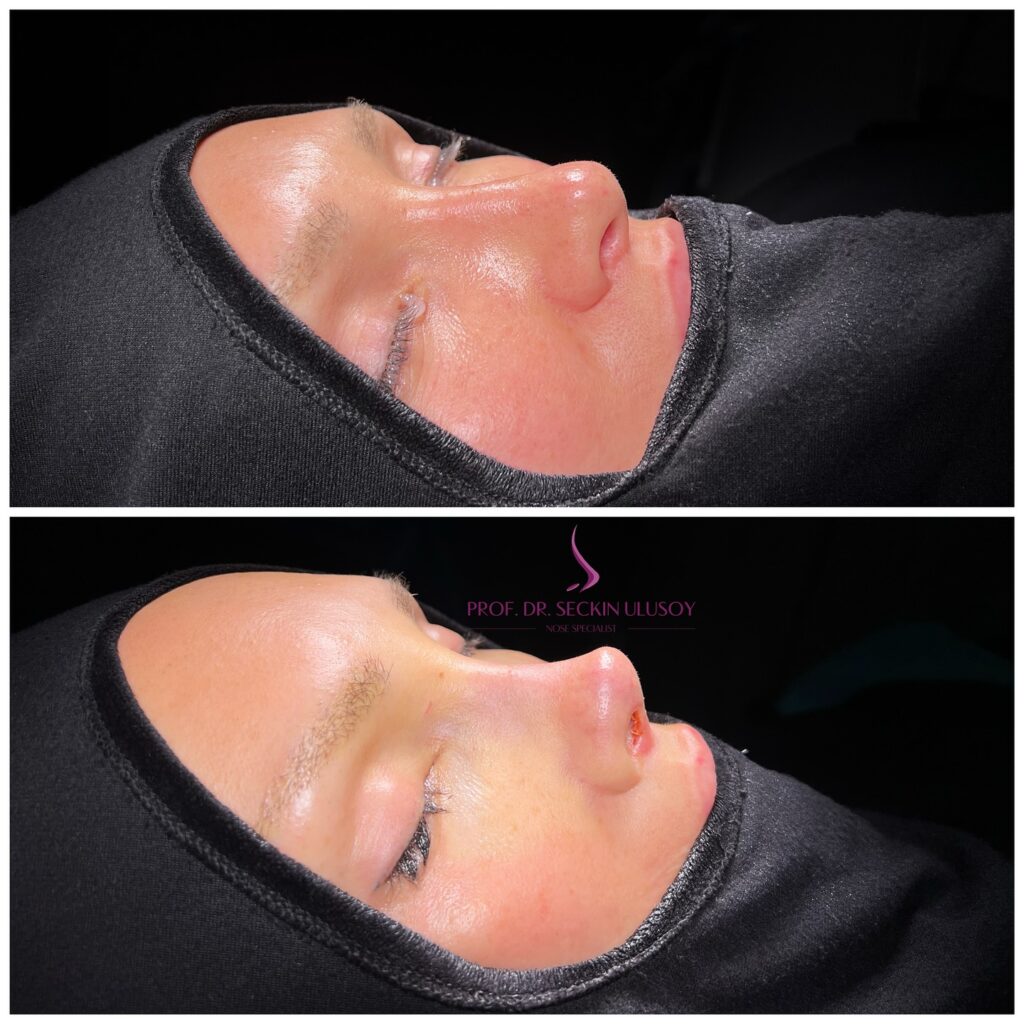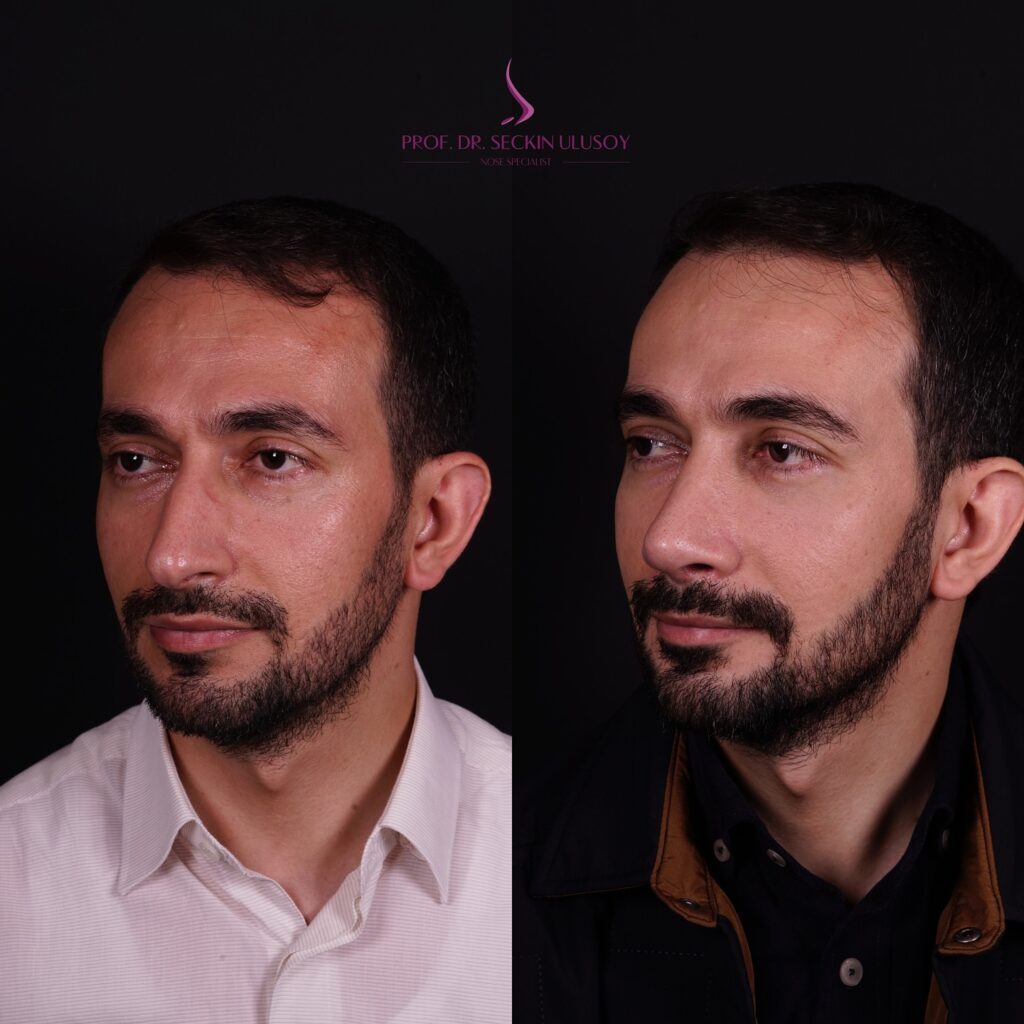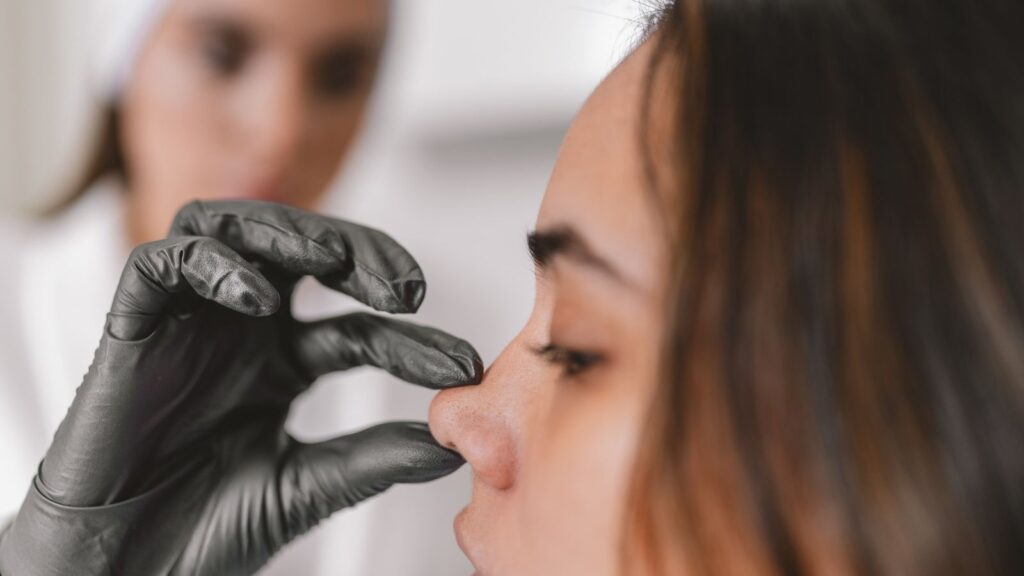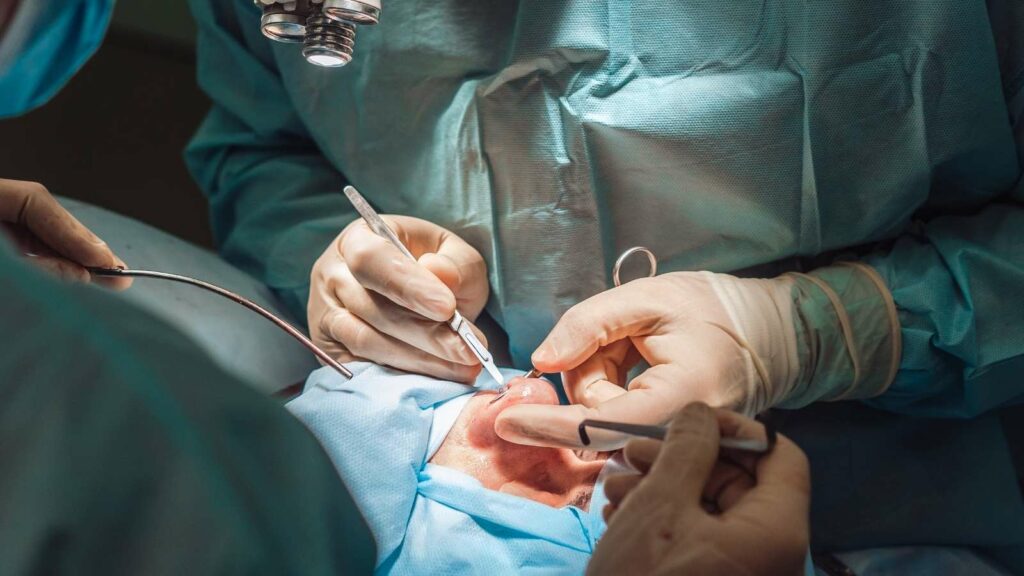
Nasal bone rasping surgery is an aesthetic procedure performed to reduce the hump structure on the nasal bridge. It is generally preferred in patients who are bothered by a prominent hump. A natural appearance is achieved while preserving the nasal tip and other structures.
The operation is usually performed under general anesthesia. The nasal bone is carefully rasped with special surgical instruments. Since shaping is achieved without breaking the bone, the recovery process is more comfortable. It is generally a short procedure and creates a noticeable difference in external appearance.
Mild swelling and tenderness may occur during the recovery period. Rapid results can be achieved when cold application and the doctor’s recommendations are followed. Rasping surgery provides an aesthetic appearance with minimal intervention while preserving the natural shape of the nose. The surgeon’s experience is critical for a successful result.
What Is Nasal Bone Rasping?
Nasal bone rasping is the process of correcting a protrusion or hump structure on the nasal bridge by thinning it with special surgical instruments. This intervention, which is generally performed for aesthetic purposes, aims to make the nasal profile smoother and more proportionate. It can be performed under local or general anesthesia and is mostly carried out as part of a rhinoplasty operation.
Why does the hump appearance requiring nasal rasping surgery occur?
One of the issues our patients are most curious about is the cause of this hump structure. There are basically two main reasons for the formation of a hump on the nasal bridge.
Genetic Factors: Most of the time, this condition is entirely inherited from the family. The facial and bone structure inherited from the family creates the basis for the formation of a natural protrusion on the nasal bridge. This hump may not always be noticeable during childhood; it usually becomes more prominent during adolescence, when the development of the nose and face is completed.
Trauma and Injuries: Another common cause is previous blows to the nose. Fractures resulting from a sports injury, accident, or fall may cause the bone and cartilage tissues to heal irregularly rather than as they should during the recovery process. This irregular healing may create a visible hump on the nasal bridge over time.
In addition to these, there is another concept that is very important for us during surgical evaluation: the “pseudo-hump.” Sometimes the problem is not an excess on the nasal bridge but a deficiency in other parts of the nose. For example, a nasal tip that is lower than normal or a sunken nasal root where the nose meets the forehead may create the illusion of a hump when viewed from the side. In this case, the correct intervention is not to rasp the hump but to lift the nasal tip or balance the profile by filling the nasal root.
Is nasal rasping surgery only an aesthetic procedure?
Although this surgery is primarily a procedure aimed at aesthetic goals, in some cases it may also provide functional benefits that improve the patient’s quality of life. The vast majority of humps on the nasal bridge do not directly affect breathing function on their own. The main source of nasal congestion is generally curvature of the nasal septum (septal deviation) or enlargement of the nasal turbinates. Therefore, the decision to remove the hump is generally based more on the person’s desire to eliminate dissatisfaction with their aesthetic appearance than on a medical necessity.
However, there are some exceptions. A very large and wide hump may physically narrow the airflow passages inside the nose and make breathing somewhat difficult. More importantly, many patients with a hump-shaped nose also have functional problems such as septal deviation. During rhinoplasty, the surgeon can correct these functional problems in the same session while correcting the hump. This combined approach enables the patient to have a nose that both looks more aesthetic and allows much easier breathing.
Who is the most suitable candidate for nasal rasping surgery?
The success of this surgery is directly related to selecting the right patient. It would not be correct to say that everyone is suitable for this surgery. When determining whether a person is an ideal candidate, we consider several important criteria. These criteria are necessary both for the safety of the surgery and for satisfaction with the result. The basic characteristics an ideal candidate should have are as follows:
- Having good general health
- Having completed facial and bone development
- Having realistic expectations from the surgery
- Being psychologically and emotionally ready for this process
- Not smoking or being willing to quit
- Making the decision based on personal desire rather than the influence of others
Is there an age limit for nasal rasping surgery?
Yes, there is an age limit for this surgery, and this limit is quite important. Rhinoplasty is a procedure that reshapes the bone and cartilage framework forming the foundation of the nose. Therefore, for the surgery to provide permanent and predictable results, this framework must have completed its growth and development. During adolescence, the face and nose continue to grow and change. An intervention performed before this process is completed may lead to undesirable changes in the shape of the nose in later years. Therefore, the generally accepted minimum age limits are 18 for women, whose bone development is completed earlier, and 22 for men.
How does skin thickness affect the results of nasal rasping surgery?
The thickness of the nasal skin is one of the most critical factors determining how the result of the surgery will appear externally. Think of it this way: If the nasal framework is a piece of furniture, the skin is the covering over it. The thickness of the covering determines how much of the furniture’s details will be visible.
Thick Skin: In people with thick and oily skin, the delicate shaping performed underneath is less noticeable externally. This skin type conceals sharp contours and details to some extent. In addition, postoperative swelling is greater and lasts longer in thick skin, meaning that the final result may take more than a year to appear.
Thin Skin: In patients with thin skin, the situation is the opposite. Even the smallest change made underneath is clearly visible externally. This requires the surgeon to work much more smoothly because even the slightest irregularity may become apparent beneath the skin.
Medium-Thickness Skin: This is generally considered the most ideal skin type for rhinoplasty. This is because it reflects the underlying structural changes sufficiently while also providing enough coverage to conceal minor imperfections.
What are the differences between the open and closed techniques for nasal rasping surgery?
The question of whether “nasal rasping with the closed technique” or the open technique should be used is frequently asked by our patients. Both techniques have their own advantages, and the choice is made according to the patient’s nasal structure and the extent of the intended change.
Open Technique: In this approach, a small incision that is generally difficult to notice is made on the strip of skin called the “columella,” which separates the two nostrils. Through this incision, the nasal skin is lifted like a flap, allowing all underlying bone and cartilage structures to be seen directly. This wide field of view provides the surgeon with great control, especially in complex cases, patients who have previously undergone surgery, or situations requiring significant intervention to the nasal tip.
Closed Technique: In this technique, all surgical incisions are made inside the nostrils. In this way, no visible scar remains when viewed externally. It is generally ideal for more limited corrections, for example, for patients who only have a small or medium-sized hump and do not have a major problem with the nasal tip. Offering a faster recovery process is also an important advantage.
Why is nasal rasping surgery performed with the Piezo technique different?
Ultrasonic (Piezo) rhinoplasty is a revolutionary technology that we use when shaping the nasal bones. Instead of instruments such as hammers and chisels used in traditional methods, this technique uses high-frequency sound waves that cut only bone tissue and do not damage surrounding soft tissues such as blood vessels, nerves, and mucosa.
The greatest advantages this technology provides to patients are as follows:
Less Trauma, Faster Recovery: Since soft tissues are preserved, postoperative swelling, bruising, and pain are significantly reduced. This allows patients to return to their social lives much faster.
Maximum Precision: The Piezo device works on bone almost like a sculptor, allowing millimetric and smooth cuts. This eliminates the risk of unwanted bone fractures.
Increased Safety: Preserving the surrounding tissues contributes to making the surgery safer overall.
What kind of preparation process is required before nasal rasping surgery?
The safety and success of the surgery also depend on how carefully you follow the preoperative instructions. This preparation process generally includes the following steps:
- Discontinuing aspirin, certain painkillers, vitamin E, fish oil, and herbal supplements that have the potential to thin the blood 1-2 weeks before surgery.
- Completely quitting smoking and other nicotine products, which seriously impair wound healing and increase the risk of infection, at least 3 weeks before surgery.
- Arranging for a relative to take you home on the day of surgery and accompany you during the first night.
- Obtaining the prescribed medications before surgery.
- Planning the recovery period by taking at least 1-2 weeks off from work or school.
How does the recovery process progress after nasal rasping surgery?
The recovery process is like a marathon and requires patience. “Reviews from those who have undergone nasal rasping” also generally emphasize the importance of this patience. The general timeline is as follows.
First Week: This is the period when swelling and bruising are most intense. When the splint and tapes on the nose are removed, the initial swollen appearance of the nose is seen. This is definitely not the final result.
Second Week: Most of the swelling and bruising subside. Most people can return to desk work or school.
- Month: Swelling decreases significantly and the nasal contours begin to become clearer. Light exercise may be started.
6-12 Months: The remaining fine swelling completely disappears and the final, permanent shape of the nose emerges. It is necessary to wait at least one year to evaluate the success of the surgery.
What should be considered after nasal rasping surgery?
There are some important rules to accelerate healing and preserve the result during the postoperative period:
- Applying cold compresses around the eyes and to the cheeks for the first 48 hours.
- Keeping the head above heart level with several pillows while sleeping and resting during the first week.
- Avoiding bending, straining, and heavy physical activities that increase blood pressure.
- Avoiding the use of glasses that may place pressure on the healing bones for approximately 6 weeks (contact lenses may be used).
- Avoiding contact sports that carry a risk of impact to the nose for at least 6 weeks.
What risks and complications does nasal rasping surgery involve?
Like every surgical procedure, this surgery also has potential risks. However, in the hands of an experienced surgeon, these risks are minimal. Possible situations our patients should be aware of are as follows:
- Swelling and bruising (expected and temporary)
- Temporary difficulty breathing (expected and temporary)
- Temporary loss of sensation in the nasal skin and tip
- Infection (rare)
- Bleeding (rare)
- Undesired aesthetic results or asymmetry
- Septal perforation (formation of a hole in the nasal septum, rare)
Why does an ‘inverted V’ deformity occur after nasal rasping surgery and how is it managed?
This is a condition in which, after the hump is removed, the upper lateral cartilages collapse inward, making the lower edge of the nasal bones prominent and creating the shadow of an inverted ‘V’ when viewed from the front. This is not only an aesthetic problem but also a serious complication that may lead to breathing difficulties. Modern rhinoplasty philosophy focuses on preventing this problem from occurring in the first place rather than treating it. The most frequently used and most effective method to prevent this is the use of cartilage pieces called “spreader grafts,” which support the middle vault like a wall.
Are the results of nasal rasping surgery permanent, and is there a risk of the hump forming again?
Yes, the results are permanent. It is biologically impossible for surgically removed bone and cartilage tissue to “grow back.” The removed hump is permanently eliminated.
However, very rarely, a thin callus layer may form in the area where the bone was rasped as a natural response of the body during the healing process. This does not mean that the hump has returned; it is only the healing tissue of the bone. Sometimes this tissue may be slightly more prominent than expected and may be felt as a mild irregularity on the nasal bridge. These minor irregularities can usually be easily managed with simple methods or, very rarely, with a minor revision procedure.
Nasal Bone Reduction Surgery: Procedure, Recovery, and Results , burun cerrahisi alanında uzman doktorlar tarafından uygun alt yapıya sahip özel hastanelerde ve devlet hastanelerinde yapılır. Nasal Bone Reduction Surgery: Procedure, Recovery, and Results olan hastaların yorumları için Google Maps veya Doktor Takvimi'ni ziyaret edebilirsiniz. Nasal Bone Reduction Surgery: Procedure, Recovery, and Results öncesi sonrası fotoğraflar için Instagram hesabımızı ziyaret edebilirsiniz. Nasal Bone Reduction Surgery: Procedure, Recovery, and ResultsYapan Doktorlar & Hastaneler
Nasal Bone Reduction Surgery: Procedure, Recovery, and Results Olanların Yorumları
Nasal Bone Reduction Surgery: Procedure, Recovery, and Results Öncesi Sonrası Fotoğraflar
Frequently Asked Questions
Is nasal rasping surgery difficult?
Nasal rasping is a more limited and generally simpler procedure compared to a complete rhinoplasty operation. We can compare it to painting only one wall of a room; it is easier than renovating the entire room. However, it is still a surgical procedure and requires millimetric precision. In other words, we can say that it is an operation that requires concentration and experience from the surgeon but is less complex and has a “lower degree of difficulty” than a complete rhinoplasty.
How long does recovery take after nasal rasping?
One of the best aspects of this procedure is that the recovery process is generally faster. Since bone-breaking procedures, as in a complete rhinoplasty, are often not performed, swelling and bruising are less. Our patients can usually return comfortably to their social lives within 1 week. Of course, although it takes several months for the nose to settle completely and take its final shape, the major and uncomfortable recovery period is quite short.
Who can undergo nasal rasping?
This procedure is a great option for people who are satisfied with the overall shape and tip of their nose but are bothered by the hump or protrusion on the nasal bridge. In other words, if you say, “Doctor, just remove this hump and do not touch anything else,” you are most likely a suitable candidate for nasal rasping. Our aim is to create a major difference with a small touch.
What is the difference between nasal rasping and rhinoplasty?
Let us think of it this way: Nasal rasping is like sanding only the rough part of a sculpture. We focus only on the hump on the nasal bridge. A complete rhinoplasty, on the other hand, means reshaping that sculpture from the beginning. In rhinoplasty, we can lift or reduce the nasal tip, narrow the bones, and resolve breathing problems. Rasping is only one part of this major operation and can also be performed on its own.
Is nasal rasping risky?
Although every surgical intervention has theoretical risks such as infection and bleeding, the risks of nasal rasping are quite low because the procedure is performed in a limited area. The most important risk is rasping the hump less or more than desired. This is minimized through the surgeon’s experience and precise work. In short, it is a very safe procedure in experienced hands.
At what age can nasal bone rasping be performed?
As with all nasal surgeries, it is essential to wait until bone and cartilage development is complete before performing this procedure. This prevents the nose from continuing to grow after surgery and its shape from becoming distorted. We generally accept 17 years of age for girls and 18 for boys as the minimum age limits. What is important is not chronological age but the completion of facial development.