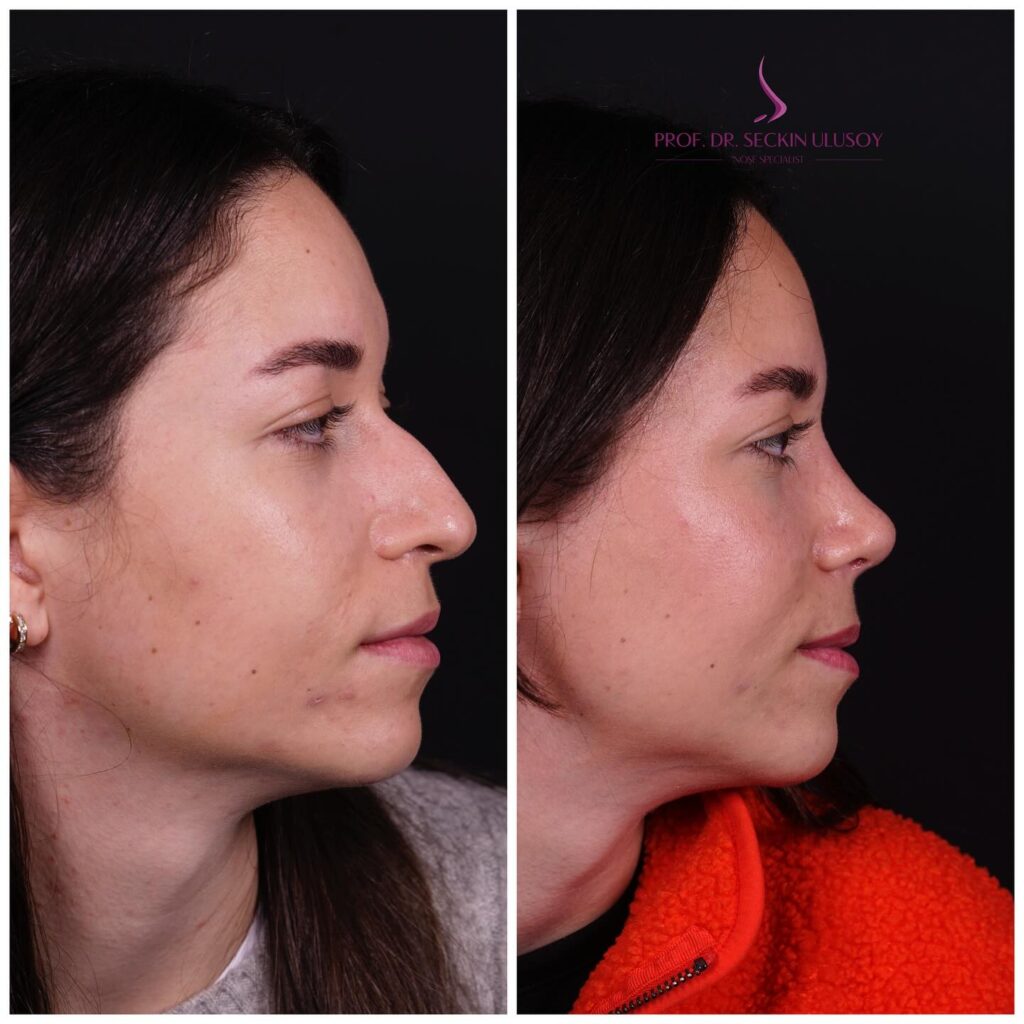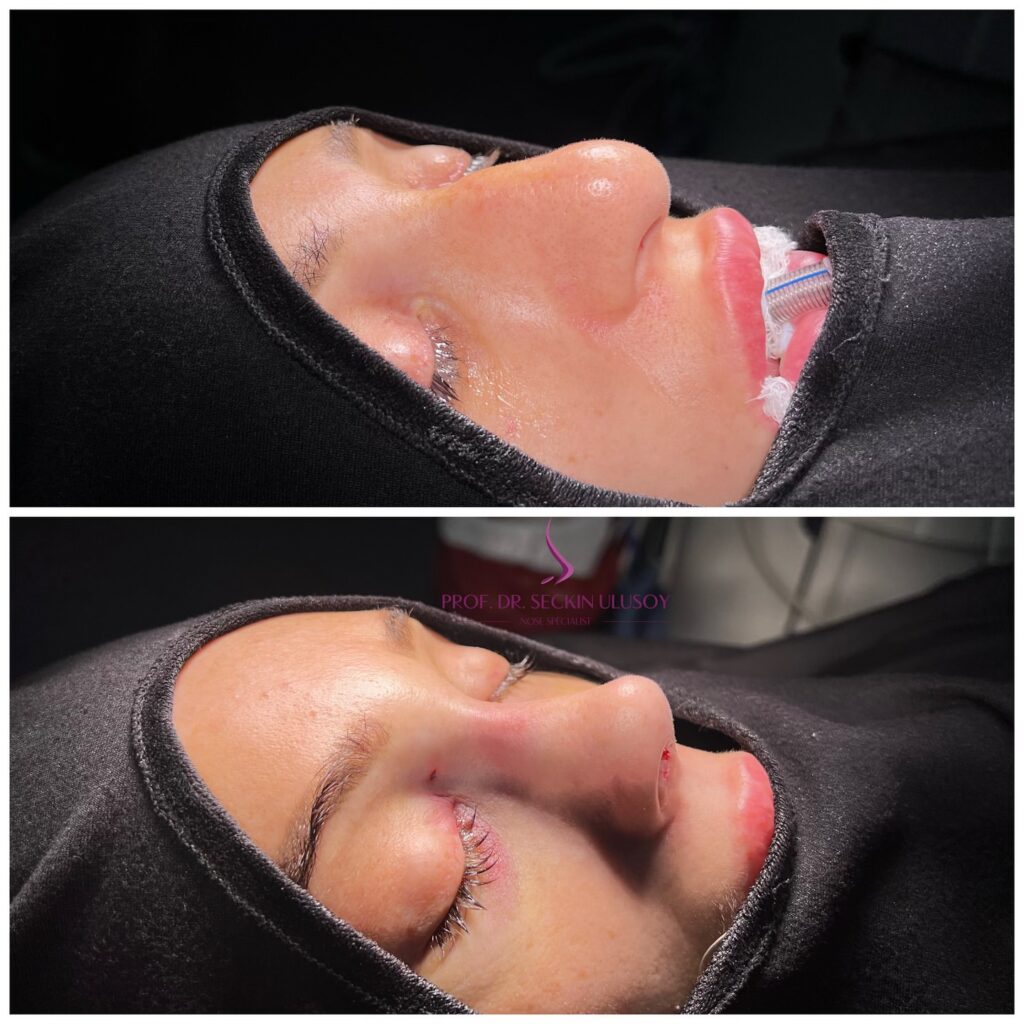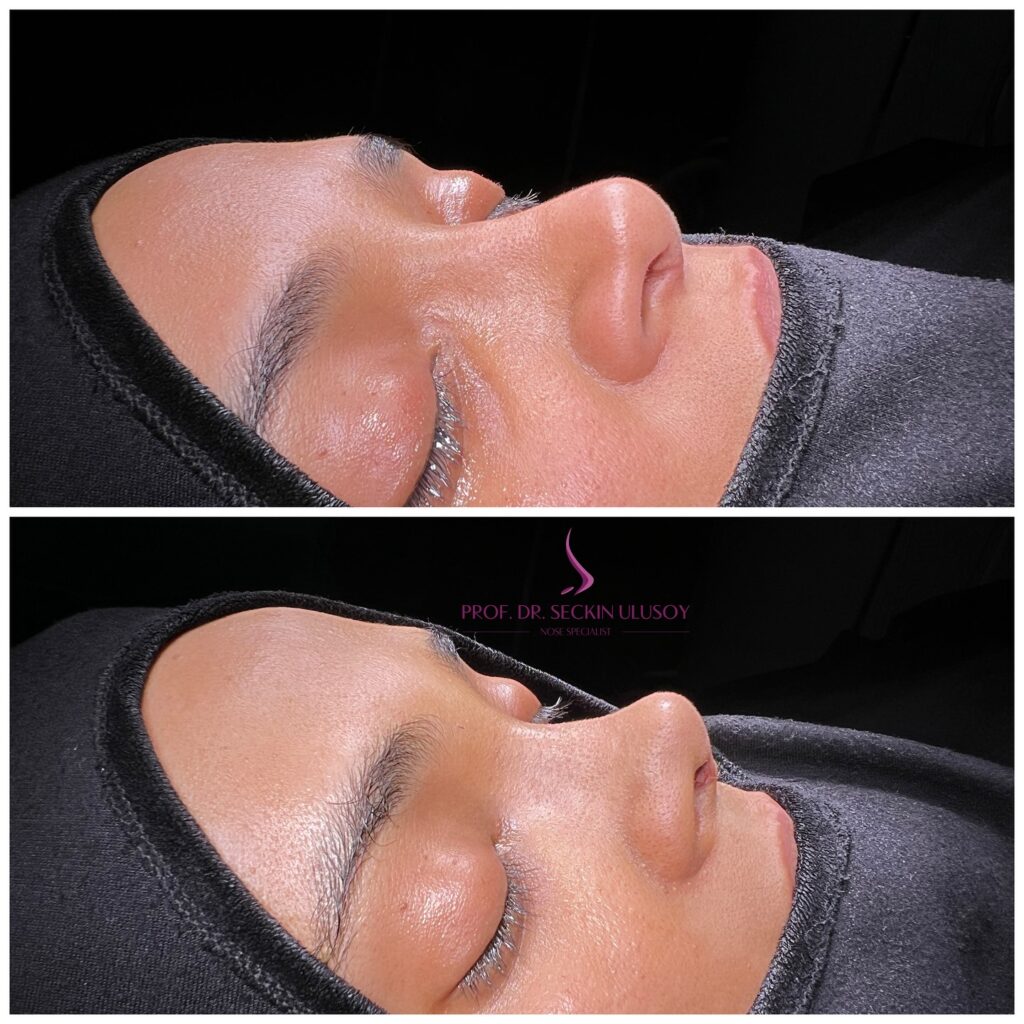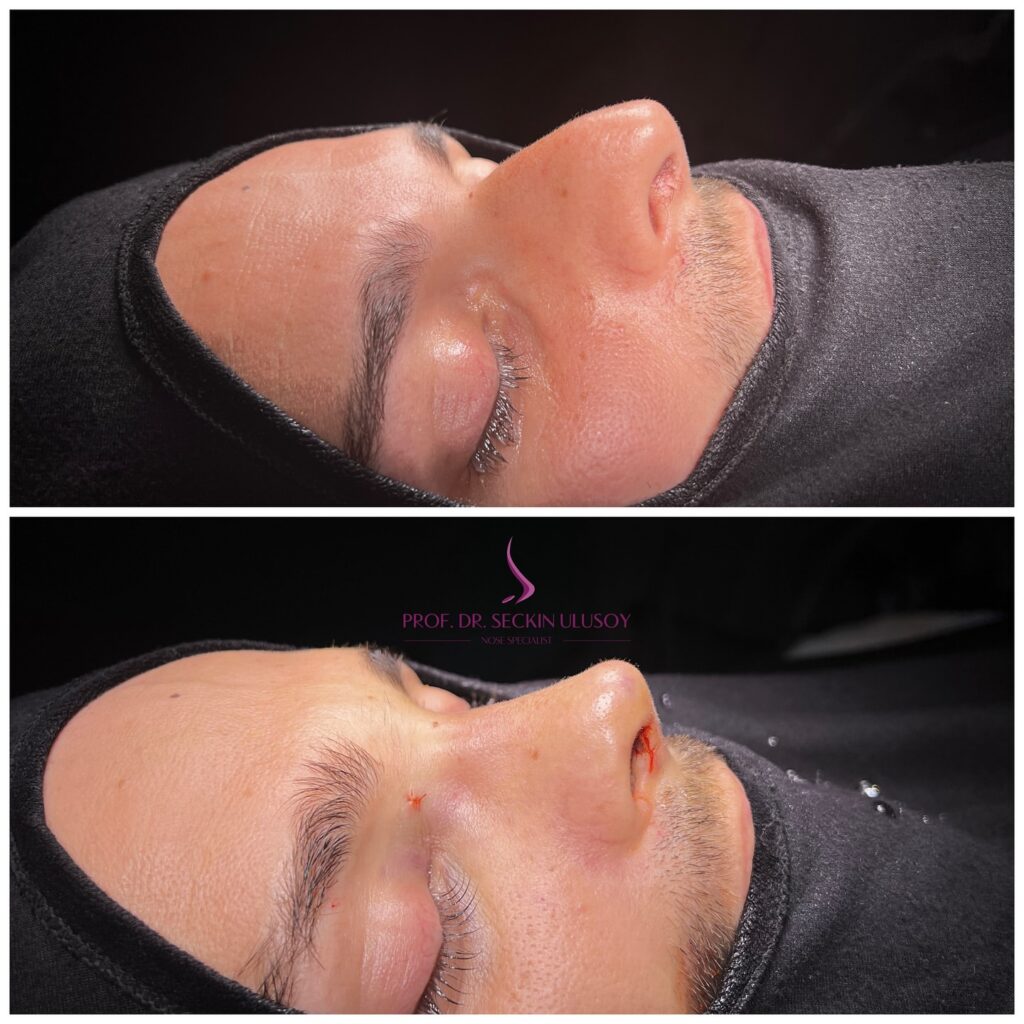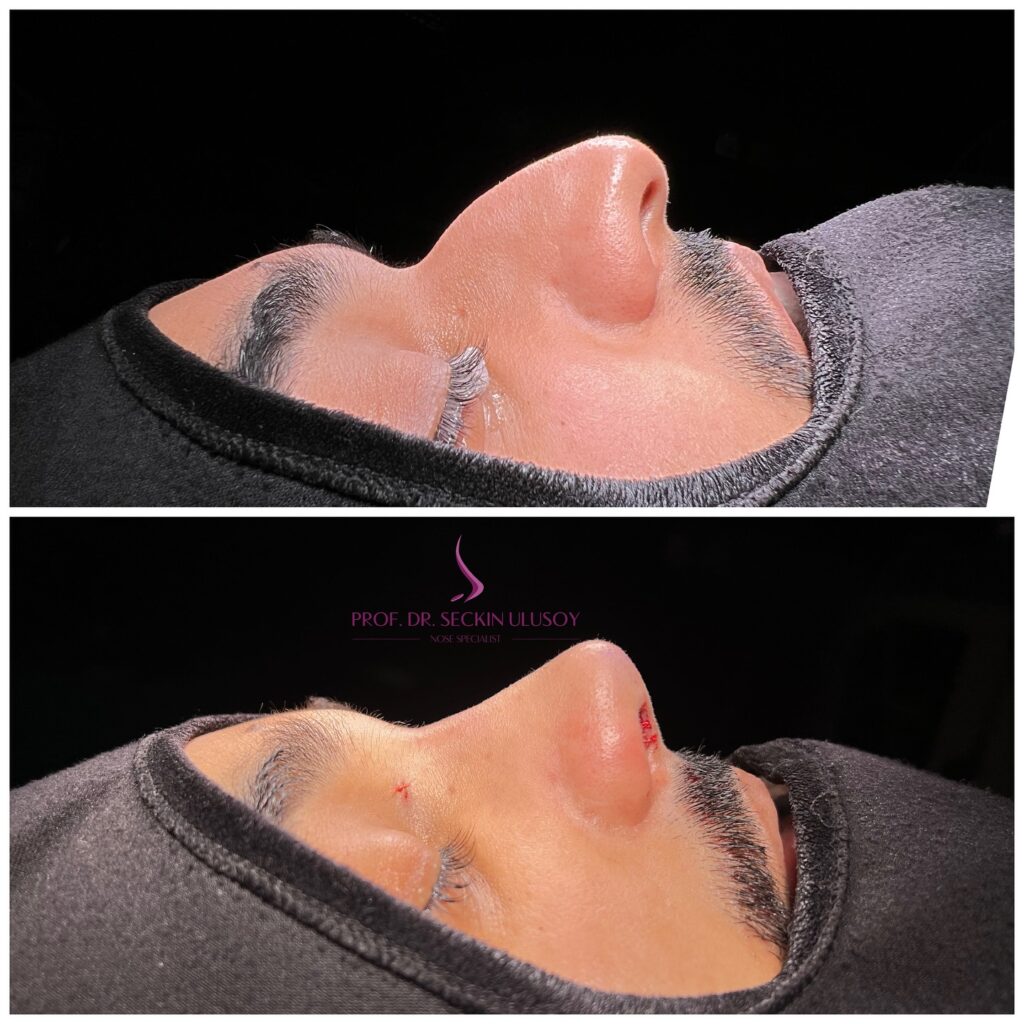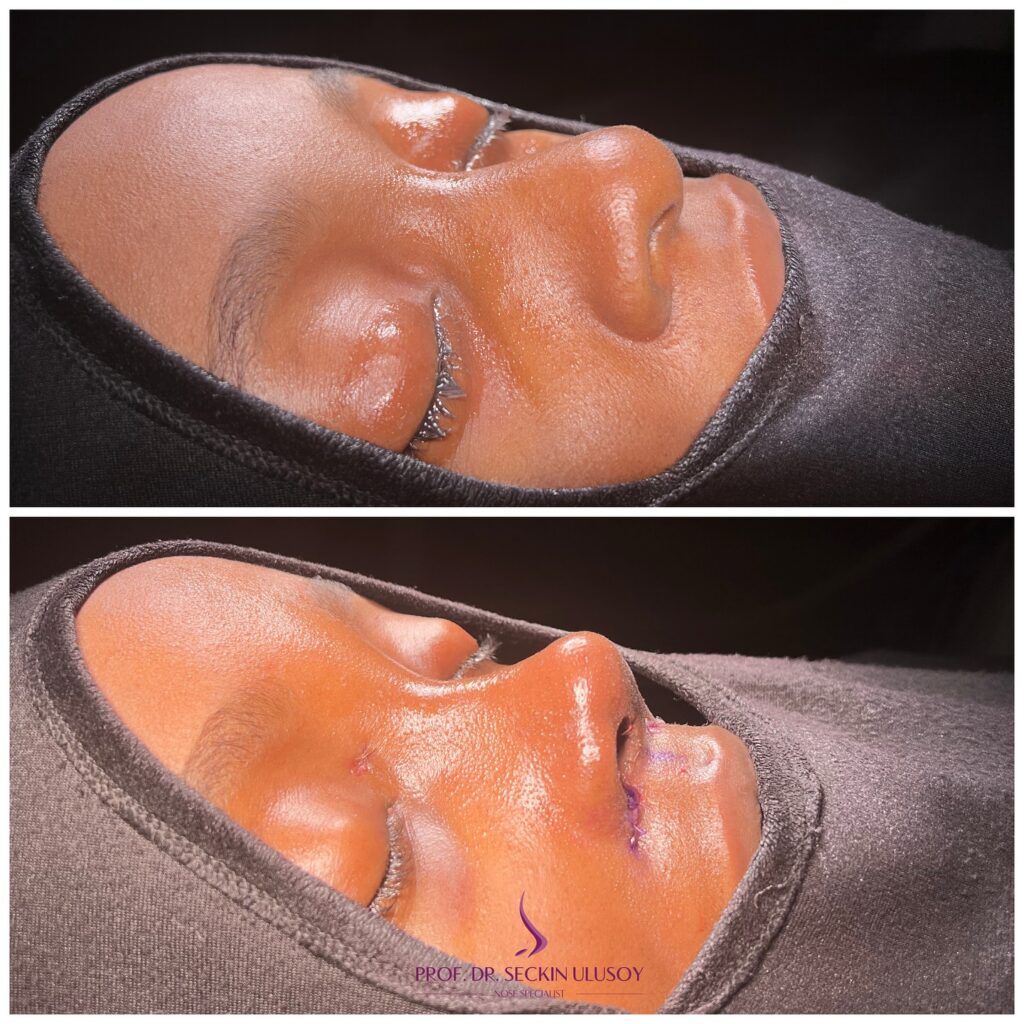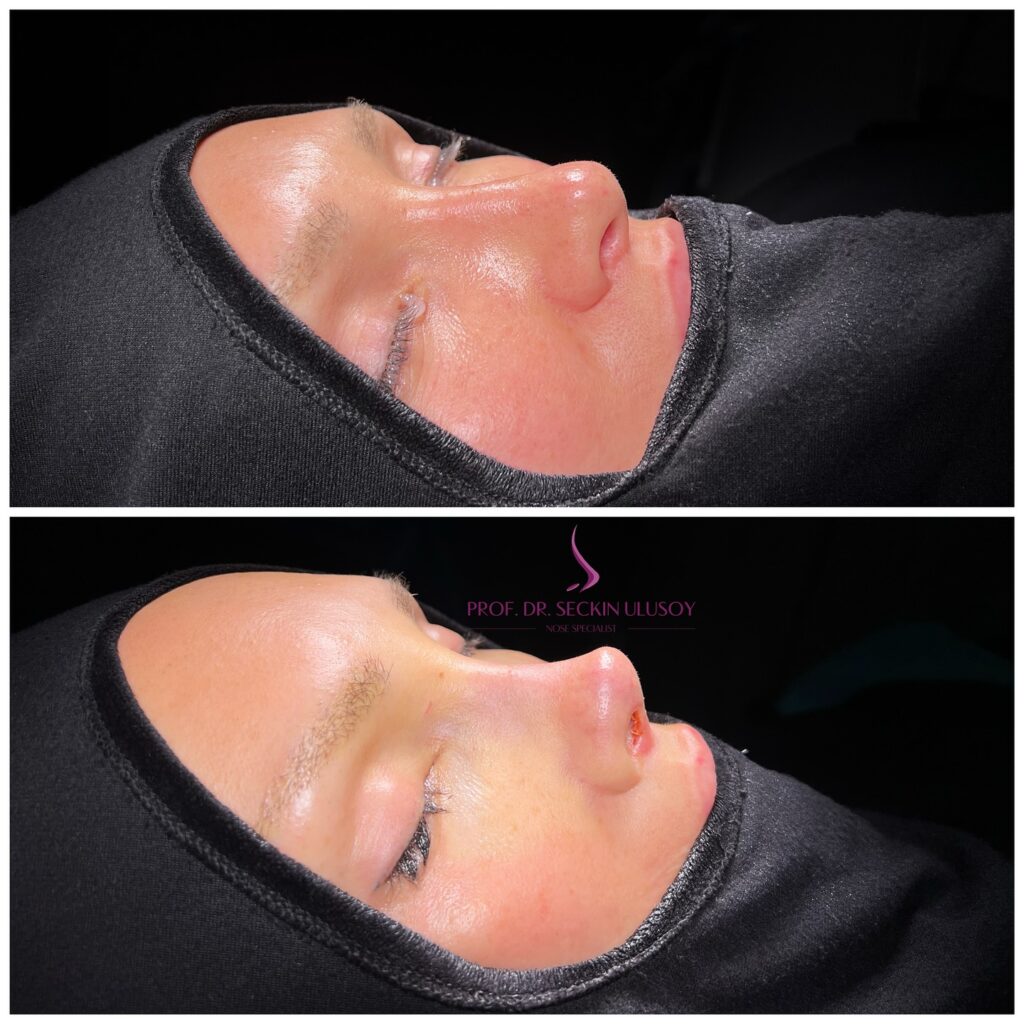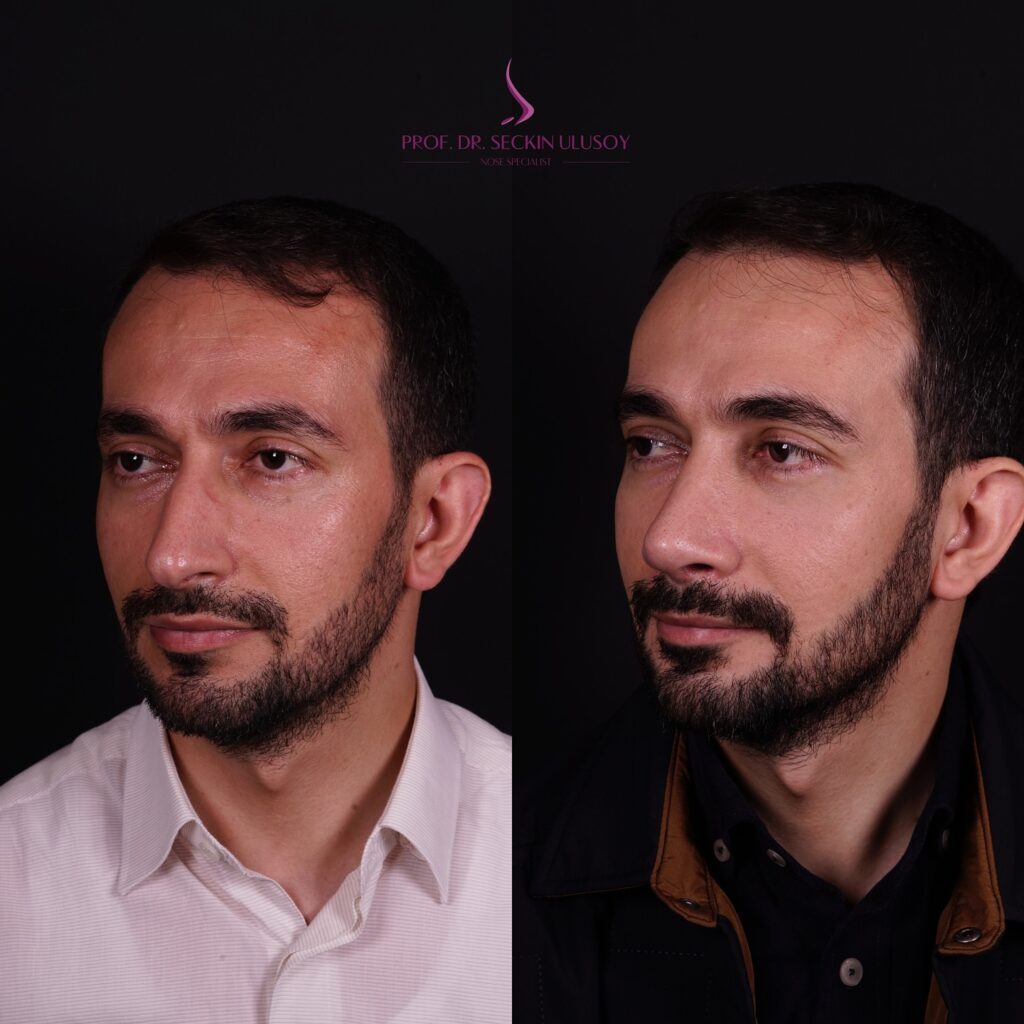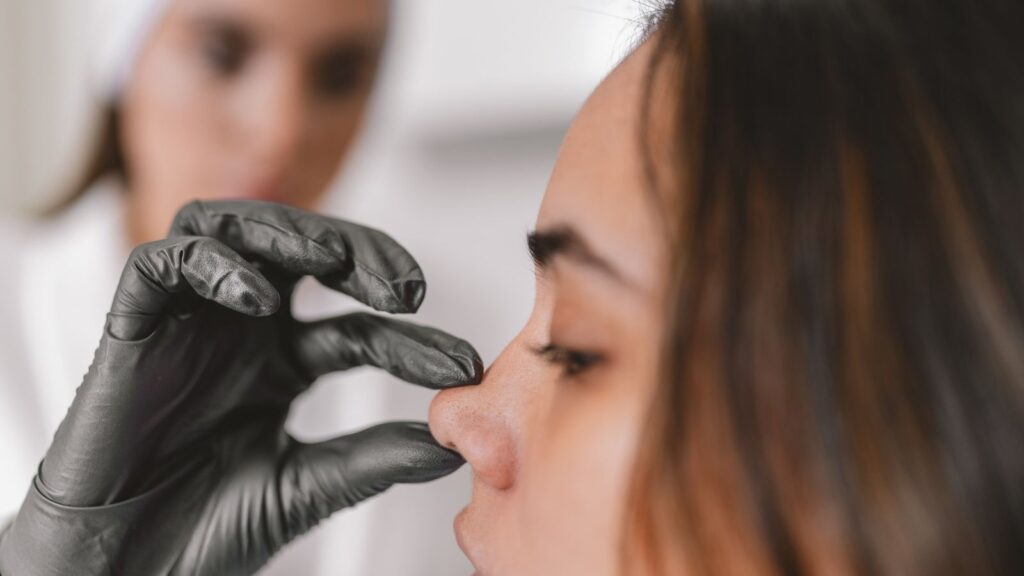
The warning “Never have rhinoplasty” applies only to outdated methods that do not respect the tissues and to an approach that disregards functional health. On the contrary, a rhinoplasty operation performed by a specialist surgeon in accordance with the philosophy of modern rhinoplasty is extremely safe. Today, the main goal is both to achieve a natural aesthetic appearance that is fully harmonious with the face and to maximize breathing quality. Operations carried out with this holistic approach have become a scientifically proven process that produces positive outcomes and improves individuals’ quality of life and self-confidence.
What Do Scientific Data Say About Satisfaction After Rhinoplasty?
One of the greatest curiosities for many people is the level of satisfaction after leaving the operating table. Questions such as “Will it be worth the time, effort, and money I spend? Will I truly be happy with the result?” occupy their minds. The good news is that we can now answer this question not only by looking at personal opinions or isolated examples, but through extensive scientific studies that bring together the experiences of thousands of patients.
In medicine, there are certain standardized and scientifically validated measurement tools that we use to assess the success of a treatment. For rhinoplasty, this tool is called the “Rhinoplasty Outcome Evaluation” (ROE) questionnaire. This questionnaire evaluates not only the appearance of the nose, but also many factors that directly affect quality of life, such as the patient’s self-confidence, comfort in social life, and breathing. In other words, it enables us to understand the real and holistic change in the patient’s life.
So, when viewed through this scientific scale, what do the numbers tell us? A very comprehensive meta-analysis published in 2024, combining the results of exactly 17 different scientific studies, clearly answers this question. Some of the striking findings revealed by this large study are as follows:
- Average preoperative satisfaction score (33.50/100)
- Score at the 6th postoperative month (69.60/100)
- Score at the 12th postoperative month (80.25/100)
- A record total increase of 47 points
At first glance, these numbers may seem somewhat technical, but their meaning is quite simple and powerful. A preoperative satisfaction score of only 33 out of 100 shows how dissatisfied patients were with their condition before surgery and how negatively it affected their lives. After surgery, the score rising above 80 is the clearest evidence of the enormous positive transformation that modern rhinoplasty creates in the lives of the overwhelming majority of patients. This is not merely a “slightly better” result, but a statistically “highly significant” leap in quality of life.
Another important lesson to be drawn from these data is the importance of patience. As you can see, even the satisfaction score at the 6th month is lower than the final score at the 12th month. The reason is that healing is a process. It takes time for the body to recover, for the swelling to completely subside, and for the nose to reach its final, most refined form. During this process, it is normal to look in the mirror and see minor asymmetries or swelling, and knowing that this is temporary allows you to go through the process much more peacefully. In conclusion, scientific data clearly show that when performed correctly, rhinoplasty is a highly satisfying and positive intervention that makes a meaningful difference in people’s lives.
How High Are the Risks of Rhinoplasty and the Need for Revision in Reality?
It must be honestly acknowledged that every surgical procedure carries certain inherent risks. Rhinoplasty is no exception. One of the issues that causes the greatest concern is “revision,” meaning the need for a second corrective operation. So, how realistic is this fear? Contrary to exaggerated claims such as “one in every three people needs another surgery,” scientific data present a much more reassuring picture.
First of all, there are several basic factors that affect the revision rate and must be known. These factors are as follows:
- Whether the operation is being performed for the first time (primary or secondary)
- How modern the surgical technique used is
- The materials preferred for reshaping the nose during surgery
- The surgeon’s experience and level of expertise in this field
Once we understand these factors, the numbers become more meaningful. For example, a large scientific review examining more than 9,000 patients undergoing rhinoplasty for the first time found that revision rates ranged between 1.5% and 2.7%. This means that only 2 or 3 out of every 100 people having their first operation may need a minor touch-up, which is much lower than the public perception. The frequently mentioned high rates of 10%-15% generally belong to much more complex corrective cases involving patients who have previously undergone one or more unsuccessful operations, whose nasal anatomy has been altered, and whose cartilage reserves have been reduced. Making this distinction is the first step in assessing the risk correctly.
Another critical factor affecting complications is the material used. Sometimes additional tissues are needed to support or reshape the nose. At this point, the surgeon’s preference directly affects the outcome. Scientific comparisons have shown that rib or ear cartilage taken from the patient’s own body has an overwhelming advantage over silicone implants, which are synthetic materials. When the patient’s own tissue is used, complication and secondary surgery rates can be up to 66% lower. This is proof that the body’s acceptance of its own tissue produces much safer and more permanent results in the long term.
To provide a more transparent picture, the specific complication risks and their frequencies in a large study involving 2,380 patients treated with a modern technique are as follows:
- Infection (quite rare)
- Visible irregularity on the nasal dorsum
- Revision surgery required for these reasons
- Excessive or prolonged nasal bleeding (temporary)
- Temporary changes in the sense of smell or taste
- Formation of a hole in the septum (septal perforation, very rare)
What Advantages Do Modern Rhinoplasty Techniques Offer Patients?
To understand why rhinoplasty operations in the past sometimes had a negative reputation, it is necessary to examine the surgical philosophy of that period. The traditional approach was largely based on the logic of “break, cut, remove, and reshape.” This meant a more aggressive intervention in the tissues, and the results could sometimes look artificial. Fortunately, medicine and technology do not stand still. Today’s modern understanding of rhinoplasty has left these old methods far behind thanks to two revolutionary approaches: the philosophy of Preservation Rhinoplasty and Ultrasonic (Piezo) Surgery technology.
Preservation Rhinoplasty: Protecting the Tissue Instead of Breaking It
This is more than just a technique; it is a change in philosophy. As the name suggests, the goal is to preserve the natural structures of the nose as much as possible. In the traditional method, the hump on the nasal dorsum was removed by rasping it down like a grater or cutting it away. Since this disrupted the natural roof of the nose, the roof then had to be rebuilt. In preservation rhinoplasty, however, the nasal dorsum is not touched at all. Instead, millimetric adjustments are made at the base of the nose, namely in the internal cartilages, and the entire nasal pyramid is lowered as a whole. It is like lowering a painting by moving the nail on the wall slightly downward instead of cutting its frame… The greatest advantages of this elegant approach are as follows:
- Much less tissue trauma
- Significantly less postoperative swelling
- Much less bruising under the eyes
- A considerably faster and more comfortable healing process
- Extremely natural results that look as though the nose had always been that way
- A lower long-term need for revision because the nose’s natural supporting structures are preserved
Ultrasonic (Piezo) Surgery: Technological Precision Instead of Brute Force
If preservation rhinoplasty is the philosophy, Piezo surgery is the high technology that brings this philosophy to life. In this system, instruments such as hammers and chisels are no longer used. They are replaced by a device that works with ultrasonic sound waves and touches the bone with precision. Like the fine tools used by a sculptor when shaping marble, the Piezo device cuts and shapes the bone with millimetric accuracy without breaking it. The scientifically proven benefits of this technology that are most important for patients include the following:
- Shaping the bone with millimetric precision and exactly at the desired point
- Complete preservation of surrounding soft tissues such as blood vessels, nerves, and mucosa
- Elimination of the risk of uncontrolled fractures and the resulting tissue damage
- Much less postoperative pain and reduced need for painkillers
- A healing process with minimal swelling and bruising
When these two modern approaches, namely the preservation philosophy and Piezo technology, come together, they represent the highest point reached by contemporary rhinoplasty. For patients, this means a safer operation, a much more comfortable healing process, and most importantly, a natural and functional result that blends harmoniously with their face.
Why Is Choosing the Right Surgeon Vital for a Successful Rhinoplasty?
After discussing all these scientific data, modern technologies, and patient satisfaction, we come to the most critical variable that brings them all together and determines the outcome of the equation: the surgeon. Choosing the right surgeon is not merely one part of a successful rhinoplasty; it is almost the foundation itself. So, who is the “right surgeon,” and why is this choice so vital?
Rhinoplasty differs from other aesthetic operations in one very important respect: it requires both aesthetic artistry and complex functional engineering. A nose that looks beautiful but cannot perform its breathing function is an unsuccessful result. Likewise, a nose that breathes very well but disrupts the aesthetic harmony of the face is also unacceptable. Therefore, the ideal rhinoplasty surgeon must have deep expertise in both of these areas. This expertise generally requires dual competence in the fields of Ear, Nose and Throat (ENT) and Facial Plastic Surgery.
The areas mastered and evaluated as a whole by an ideal rhinoplasty surgeon, namely an ENT and Facial Plastic Surgery specialist, are as follows:
- Internal nasal anatomy and physiology
- Functional problems such as septal deviation that obstruct breathing
- Turbinate problems caused by allergies or structural disorders
- Nasal valve stenosis frequently encountered in modern rhinoplasty
- Analysis of the golden proportions and aesthetic subunits of the face
- Detailed analysis of the patient’s skin type, thickness, and cartilage structure.