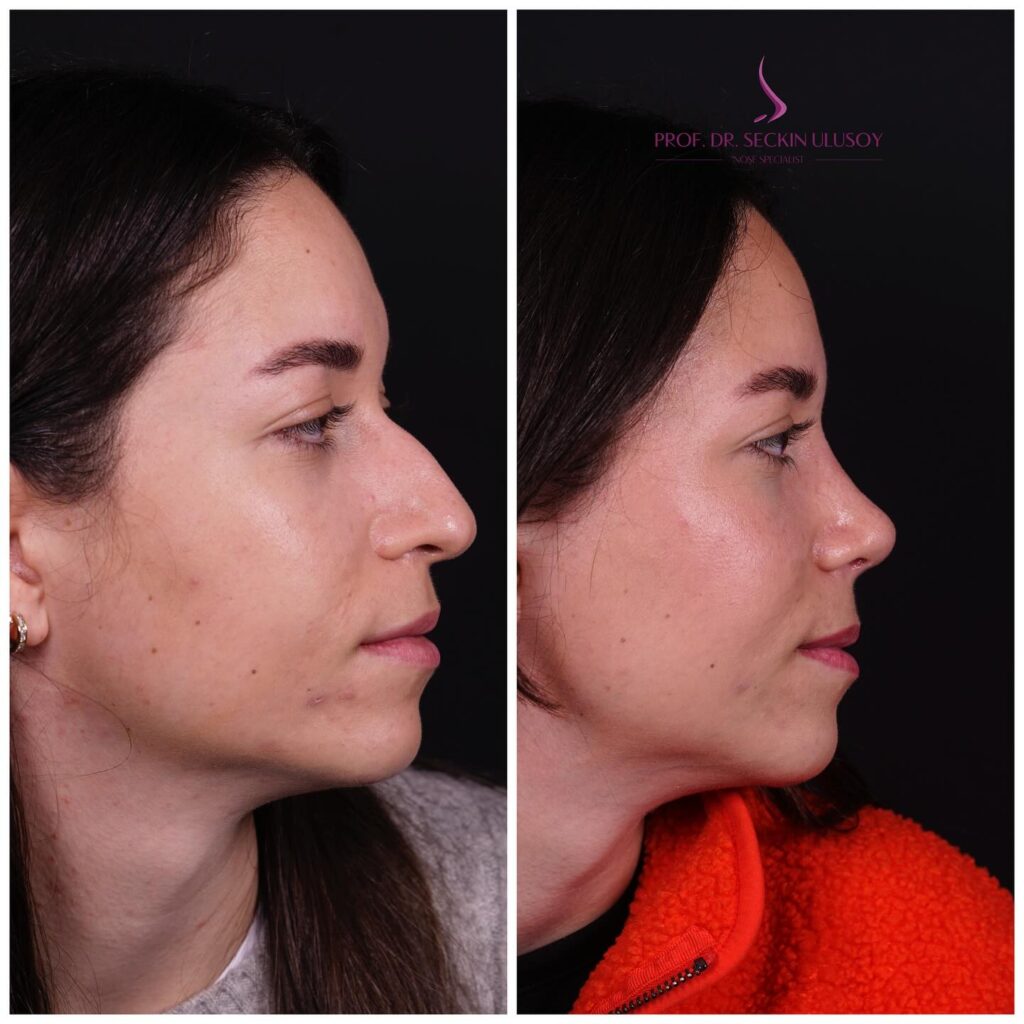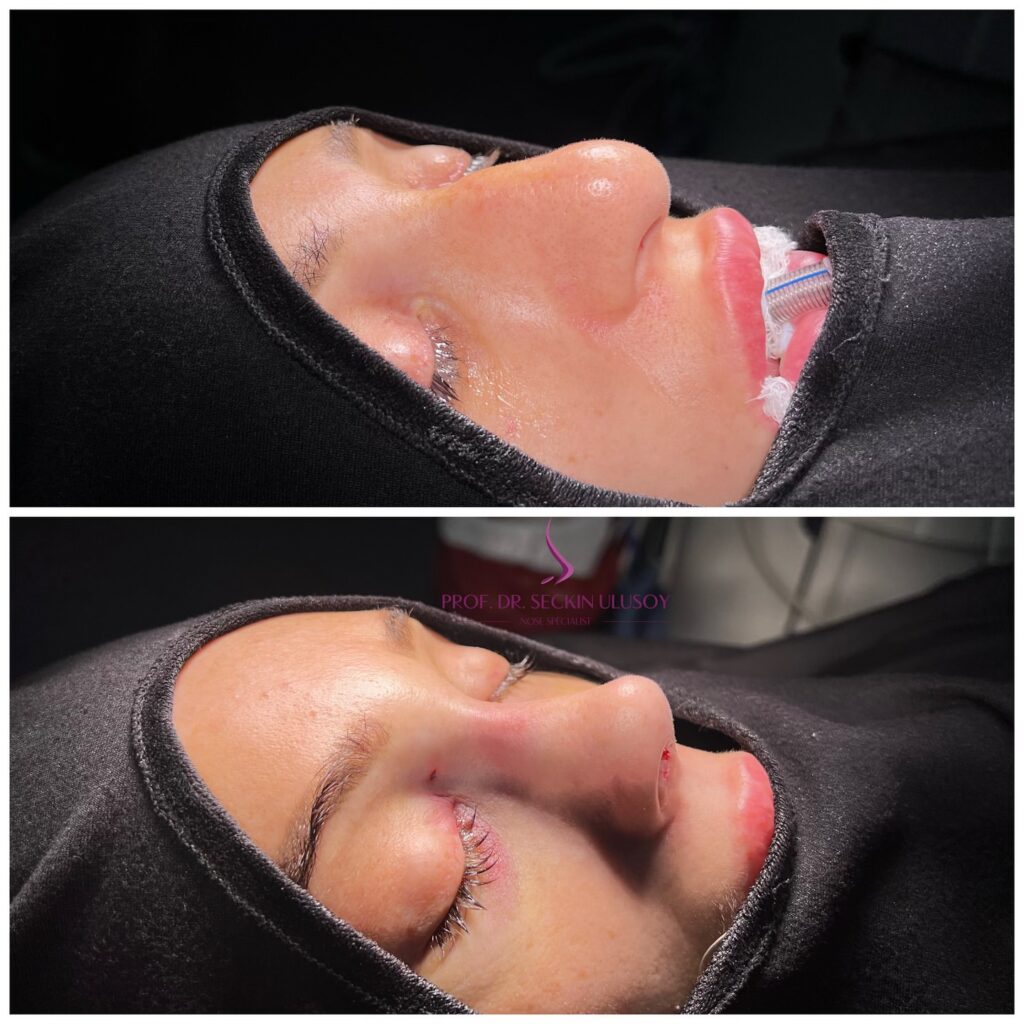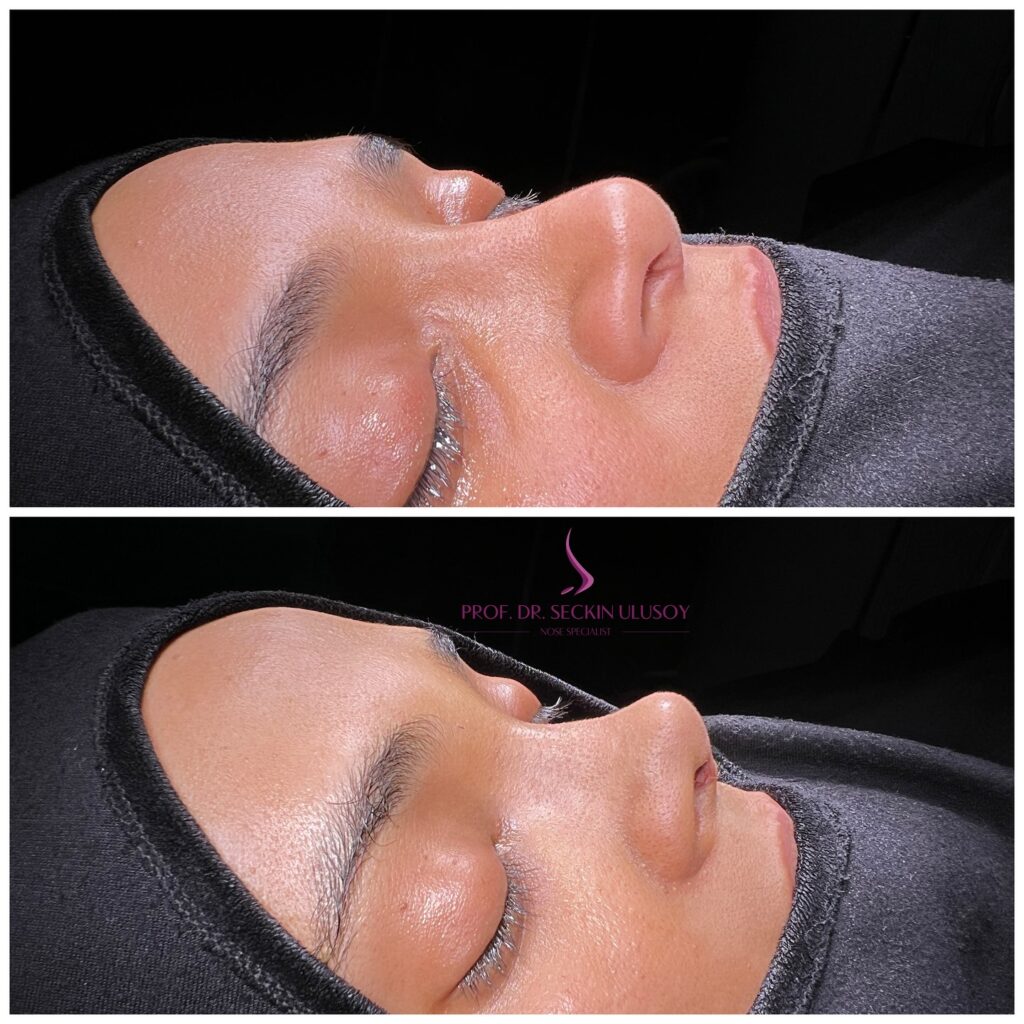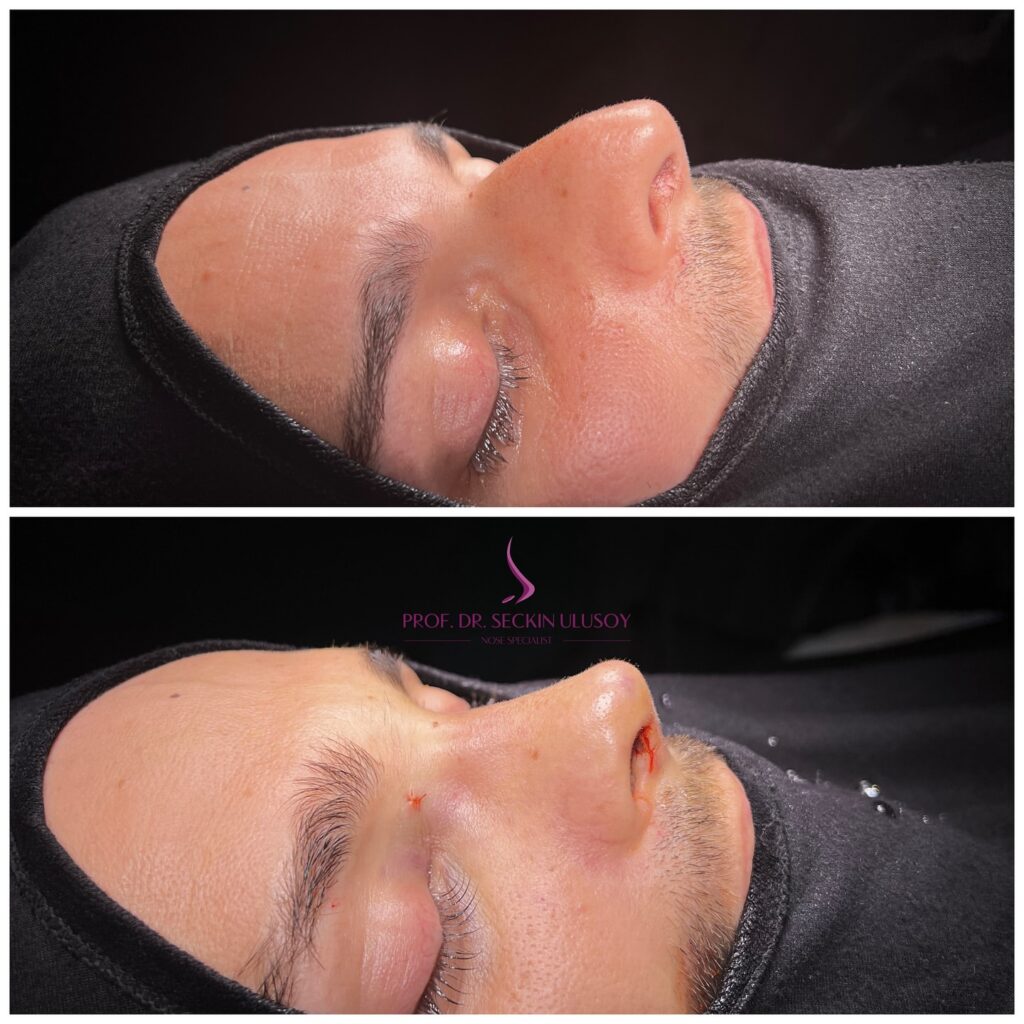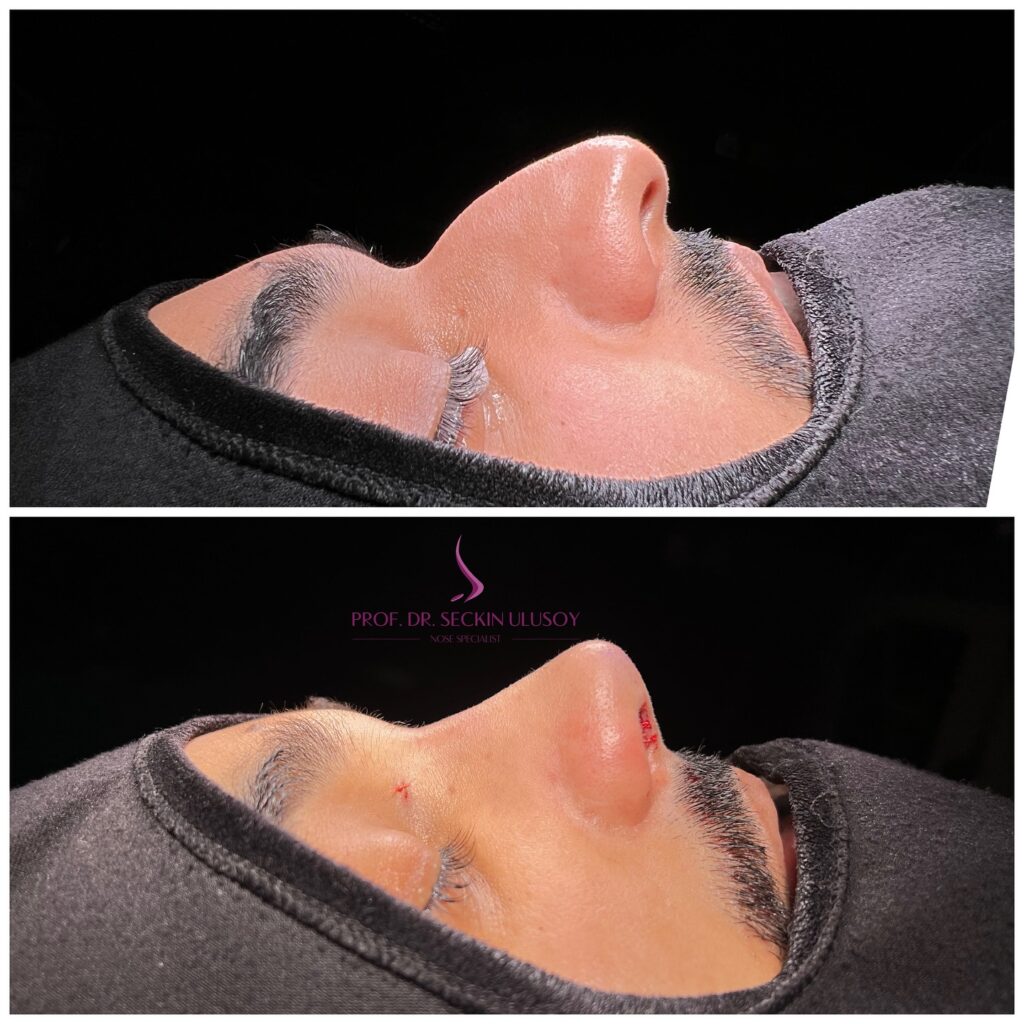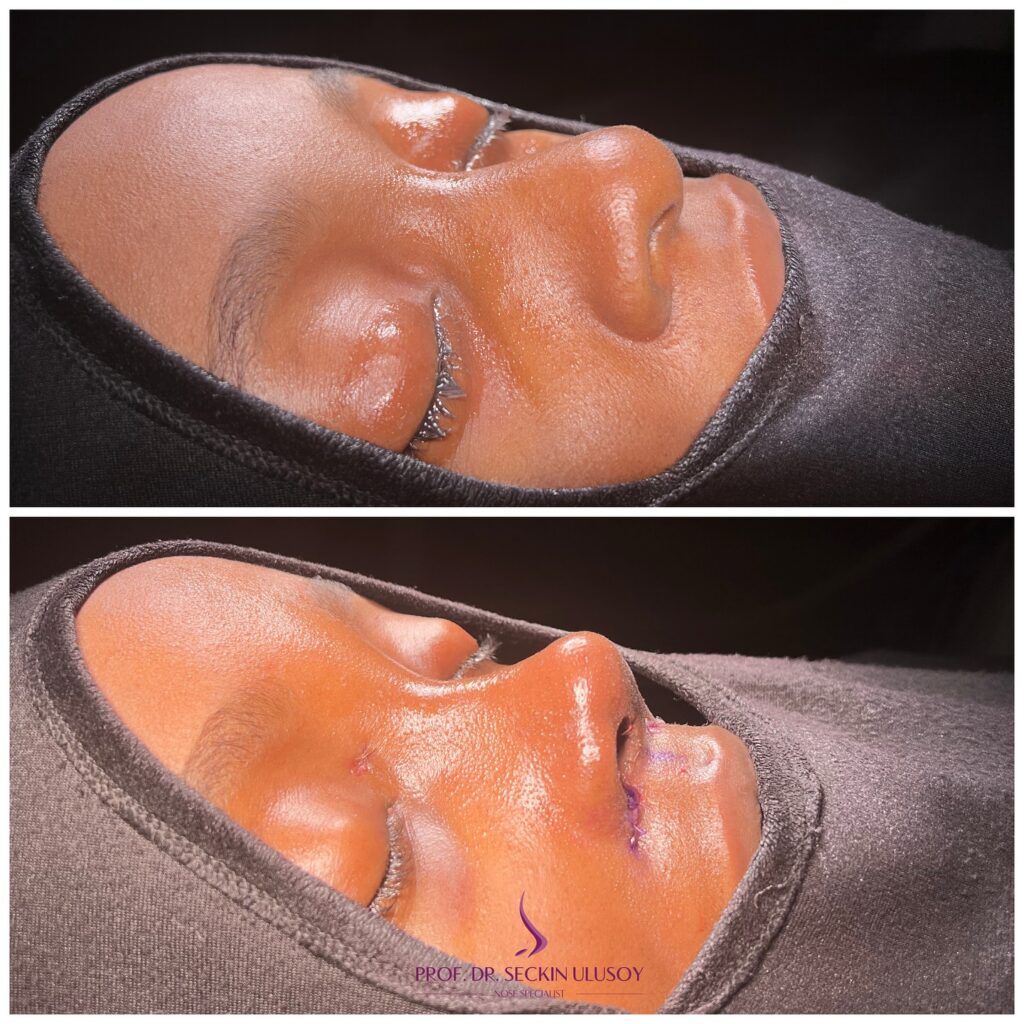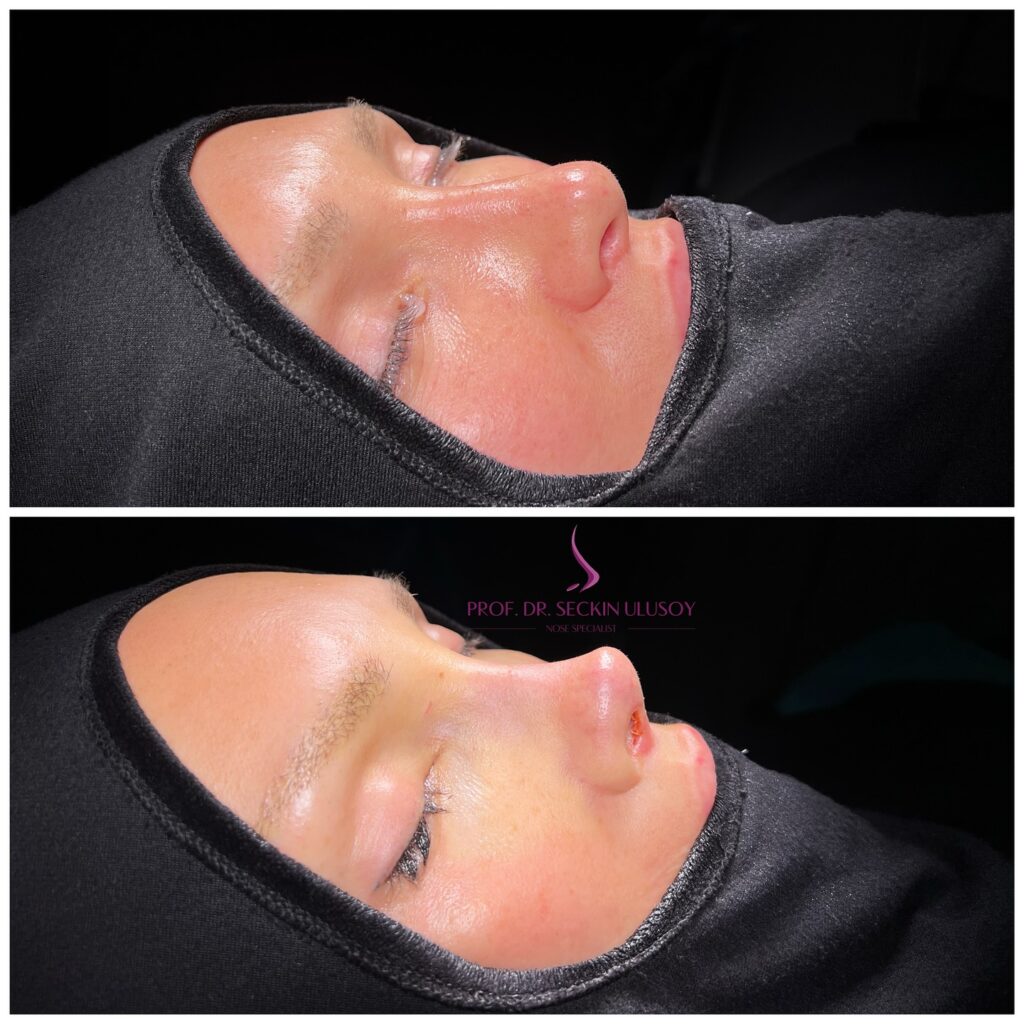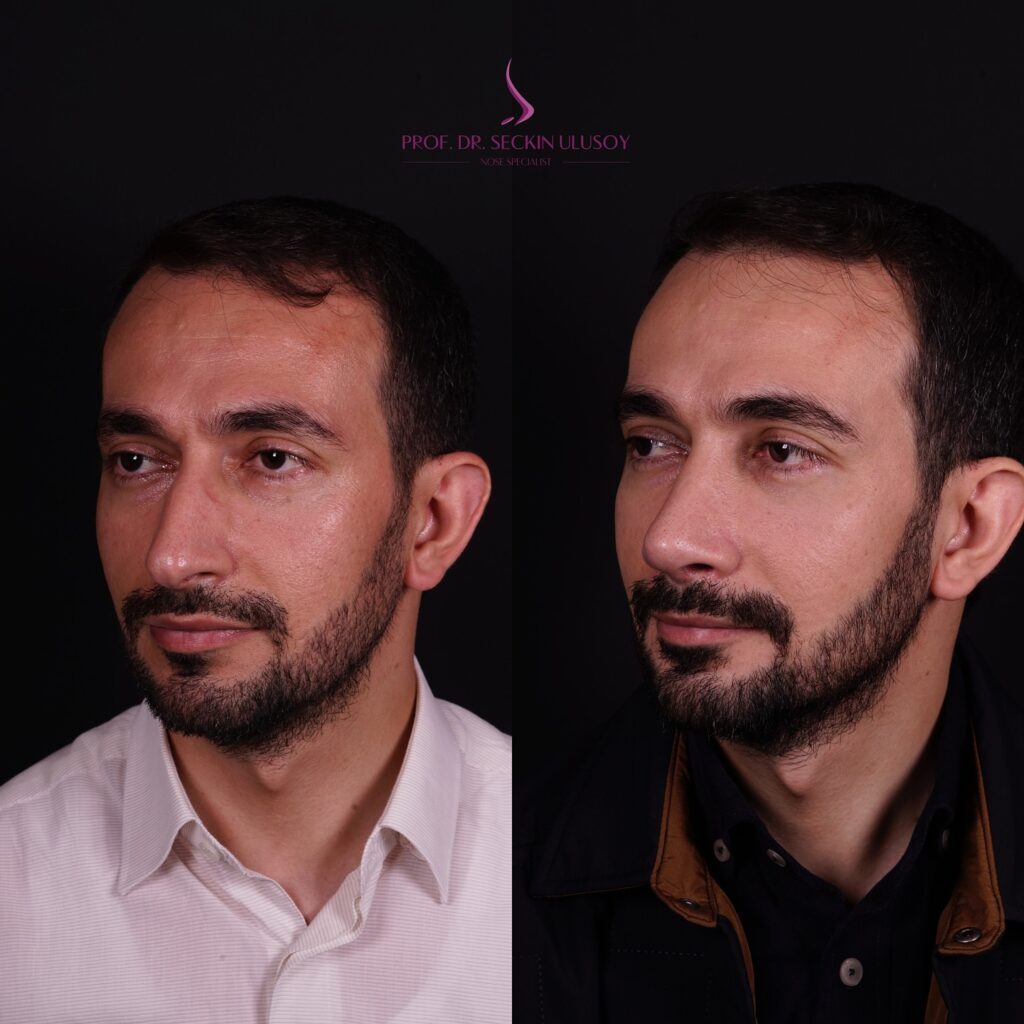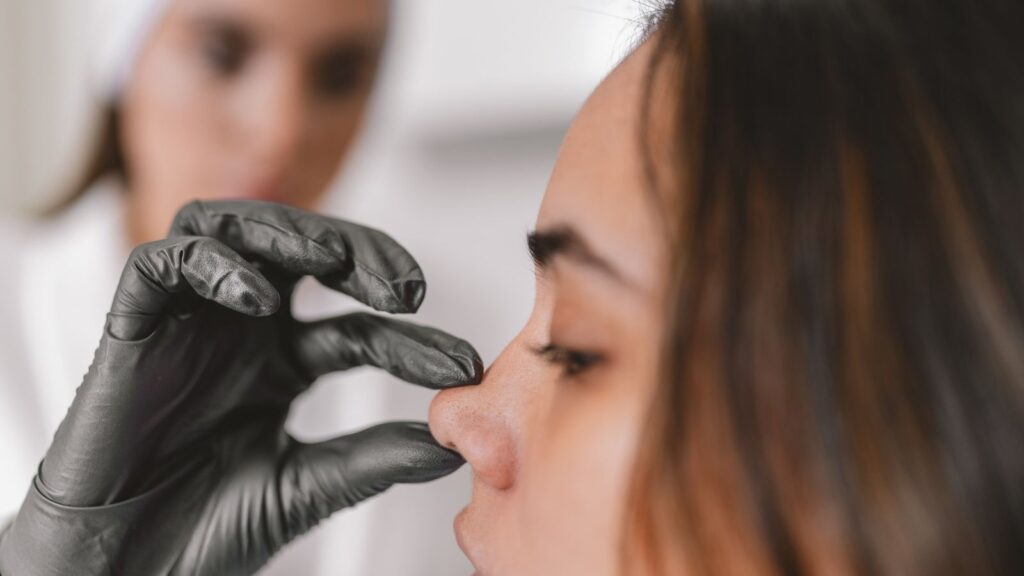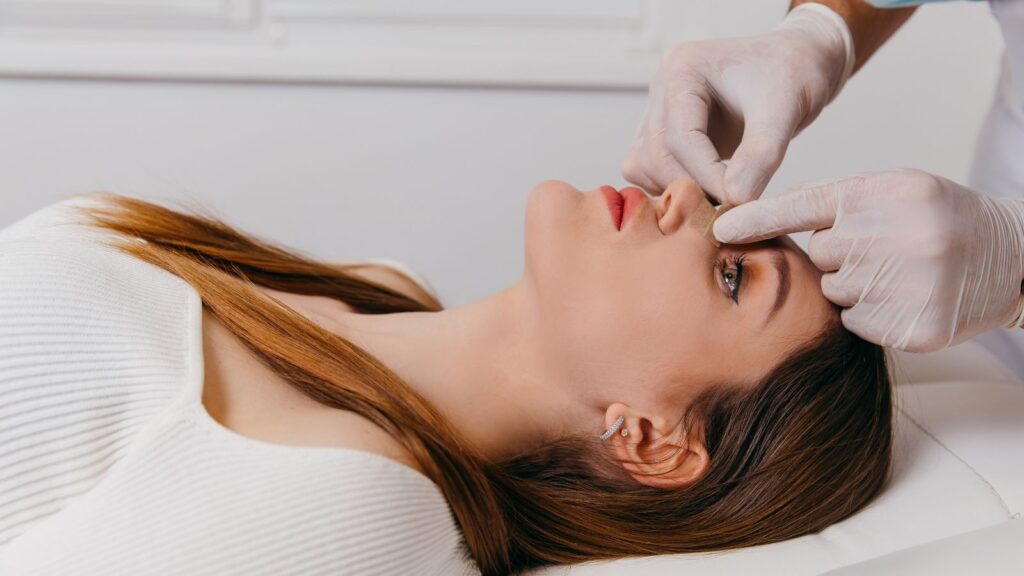
After rhinoplasty surgery, sutures are generally removed within 5 to 7 days. This period may vary depending on the healing rate of the skin and the suture material used. The sutures should be removed at the time deemed appropriate by the surgeon and in a sterile environment.
Sutures placed outside the skin are generally located at the nasal tip or in the area called the columella. Usually, no pain is felt while these sutures are being removed; only slight pressure or pulling may be noticed. Internal sutures are mostly self-dissolving.
Removing sutures too early or too late may affect the risk of scarring. Sutures that are not removed on time may leave marks on the skin, while those removed early may cause the wound to open. Therefore, it is important to have the procedure performed on the date determined by the doctor.
After suture removal, the nasal tip may be sensitive and mild redness may be observed. Keeping this area clean and protecting it from the sun helps prevent scar formation. If necessary, supportive treatment may be applied with topical creams recommended by the physician.
Why Are Sutures Used After Rhinoplasty?
In rhinoplasty surgeries, sutures allow the incisions made during surgery to be closed in a controlled manner. In rhinoplasty performed with the open technique, there is a small incision in the columella area beneath the nose, and this area is generally closed with sutures. In addition, dissolvable sutures or sutures that need to be removed may also be used while shaping the tissues inside the nose.
The main purpose of these sutures is to help the tissues heal in the correct position and reduce the risk of infection. The suture material used may vary according to the surgeon’s preference and the extent of the procedure performed.
Types of Sutures: Dissolvable and Removable Sutures
The sutures used after rhinoplasty are generally divided into two groups. Dissolvable sutures are absorbed by the body over time and do not need to be removed. These sutures are mostly preferred inside the nose. The healing process may be completed without the patient even being aware of the sutures.
Sutures that need to be removed are generally used in incision areas outside the nose. These sutures are removed by the physician in a controlled manner after a certain period. The type of suture to be used is related to the patient’s tissue structure, the surgical technique, and the surgeon’s clinical approach.
When Are Sutures Removed After Rhinoplasty?
The timing of suture removal may vary among patients. In most cases, sutures outside the nose are removed approximately 5–7 days after surgery. This period is considered sufficient for the tissues to complete the initial stage of healing. However, in some patients, the healing rate may be slower, and suture removal may be postponed for a few days.
If there are non-dissolvable sutures inside the nose, the time for their removal is also determined by the surgeon. It is not recommended for the patient to try to pull the sutures out or attempt to speed up this process. The timing must be determined through specialist evaluation.
How Is the Suture Removal Procedure Performed?
Suture removal is generally a short procedure completed in an outpatient clinic setting. Most patients describe this procedure as “a slight pulling sensation.” Anesthesia is generally not required during the procedure, but local anesthetic sprays may be preferred for patients with high sensitivity.
After the sutures are removed, the incision area is cleaned, and a protective cream may be recommended if necessary. The patient can return to daily life after the procedure, but is expected to be careful about contact with the nasal area.
Is Pain Felt While the Sutures Are Being Removed?
This question is one of the most frequently expressed concerns among patients who have undergone rhinoplasty. Most patients do not feel significant pain during suture removal. It is more commonly described as a brief stinging sensation or mild discomfort. Since pain perception varies from person to person, some patients may experience this process more sensitively.
If the patient experiences intense anxiety before the procedure, it may be helpful to share this with the physician. In this way, measures can be taken to increase comfort during the procedure.
What Should Be Considered After the Sutures Are Removed?
The removal of the sutures does not mean that the healing process is completely finished. After this stage, the nasal tissues remain sensitive for a while. Patients are generally advised to protect the nasal area from trauma and avoid harsh facial cleansing movements.
In addition, mild redness or crusting may be observed at the incision site. This condition is usually temporary. Regular use of the care products recommended by the physician may contribute to healthier healing of the scars. Sun protection is also important during this period.
Do Suture Scars Remain?
Suture scars after rhinoplasty are a matter of concern, especially for patients who undergo surgery with the open technique. Since the incision beneath the nose is generally very small, the scar often becomes unnoticeable once healing is complete. However, skin structure, genetic factors, and the care process may affect the appearance of the scars.
In some patients, the healing process may proceed with more noticeable scars. This condition differs for each patient, and it is not possible to make a definite prediction in advance. Evaluation of the scars and planning of additional applications if necessary should be carried out under the supervision of a specialist physician.
When Should a Doctor Be Consulted?
If symptoms such as more redness than expected, increasing pain, discharge, or a bad odor are noticed after the sutures are removed, a doctor should be consulted without delay. Such findings may be a sign of infection or disruption in the healing process.
In addition, specialist evaluation is important if the patient receives a blow to the nasal area or experiences an unexpected problem before the suture removal process. Every healing process is individual, and a standard course should not be expected.
Realistic Expectations About the Healing Process
The removal of sutures after rhinoplasty is generally a stage that makes patients feel that “the surgery is behind them.” However, complete healing of the nasal tissues may take months. With the removal of the sutures, the swelling should not be expected to disappear completely or the nose to take its final shape.
Being patient during this process, not neglecting physician check-ups, and following the recommendations contribute to healthy healing. Every step after rhinoplasty is shaped by individual healing dynamics, and clinical decisions are evaluated specifically for the patient.
The removal of sutures after rhinoplasty surgery is not as difficult a process as feared for most patients. With accurate information and specialist follow-up, this stage is generally completed without problems.
Frequently Asked Questions
When Do Sutures Fall Out After Rhinoplasty?
External sutures after rhinoplasty are generally removed within 5-7 days. Dissolvable sutures used internally disappear on their own. The healing period may vary depending on the patient’s skin structure and the procedure performed.
Where Are Sutures Placed During Nose Surgery?
In the closed technique, the sutures are located inside the nose. In open rhinoplasty, there is a small external suture in the columella area between the nostrils. Hidden sutures may also be used in internal cartilage adjustments.
When Do Nasal Sutures Heal?
The healing process of the sutures generally begins within the first 7-10 days. Although skin integrity is restored in a short time, complete tissue healing may take several weeks. It is important to protect the area during this process.
When Does a Dissolvable Suture in the Nose Dissolve?
Dissolvable sutures used inside the nose generally dissolve within 2-6 weeks. Some suture materials may take longer to disappear. This period depends on the patient’s healing rate and the type of thread used.
What Is a Suture Reaction After Nose Surgery?
A suture reaction is a local response of the body to the suture material. Redness, sensitivity, or small amounts of discharge may occur. Most cases are mild; intervention may rarely be required.
What Happens If a Non-Dissolvable Suture Is Not Removed?
If non-dissolvable sutures are not removed on time, scarring, infection, or irritation may develop on the skin. Therefore, follow-up and suture removal on the date specified by the doctor are important.