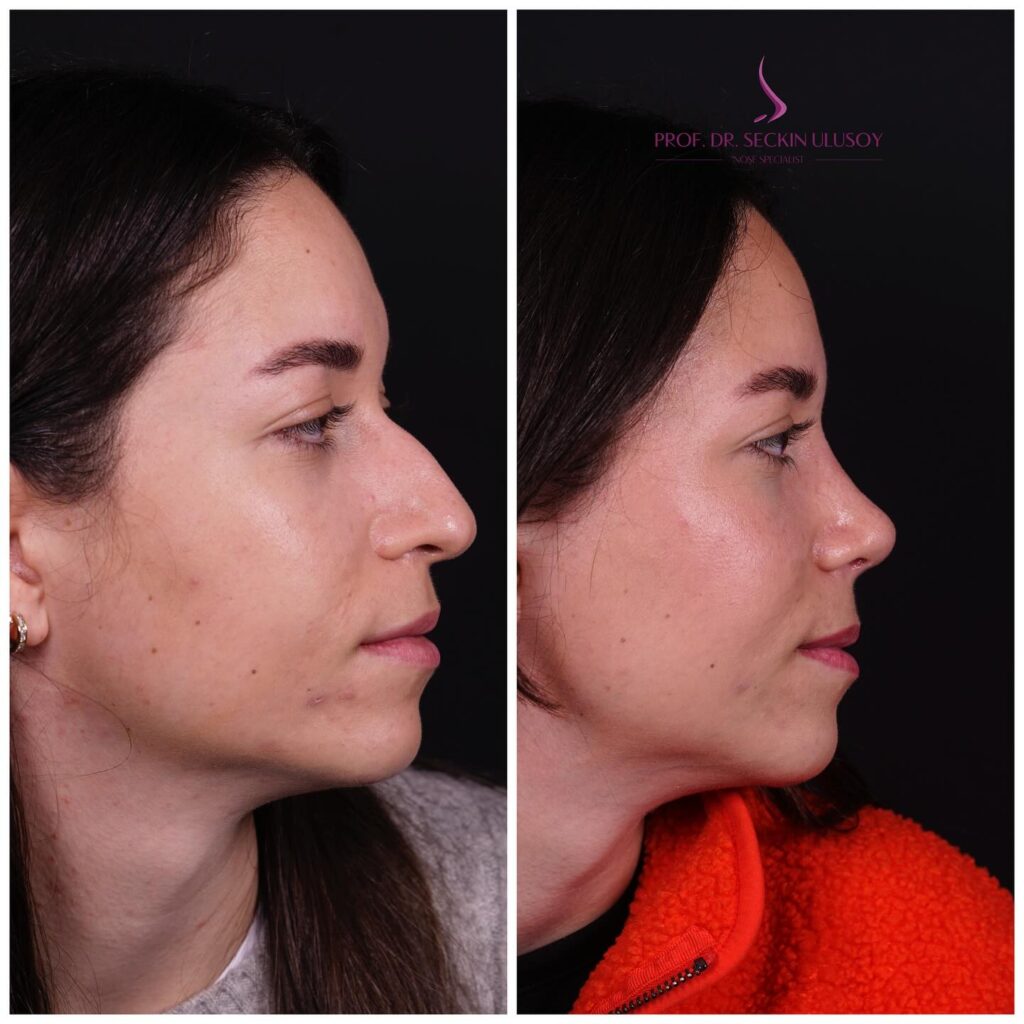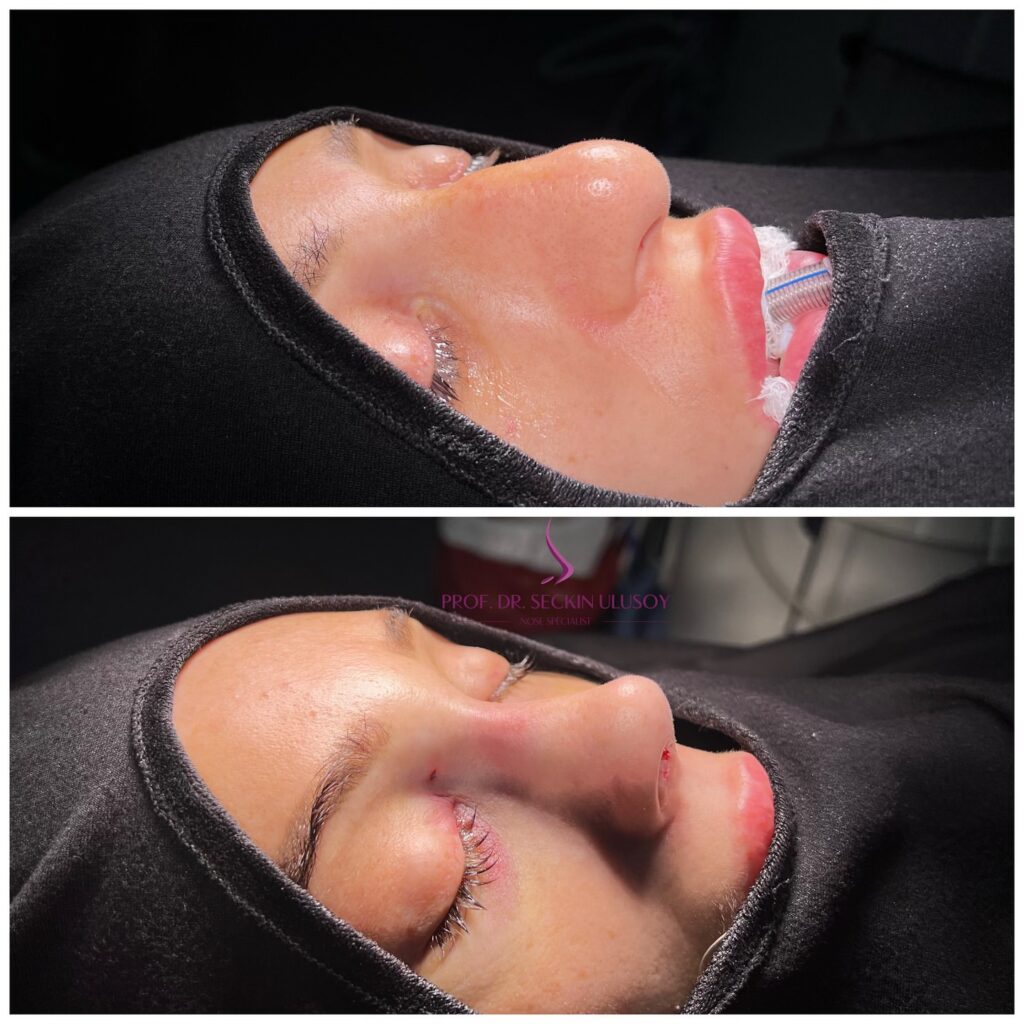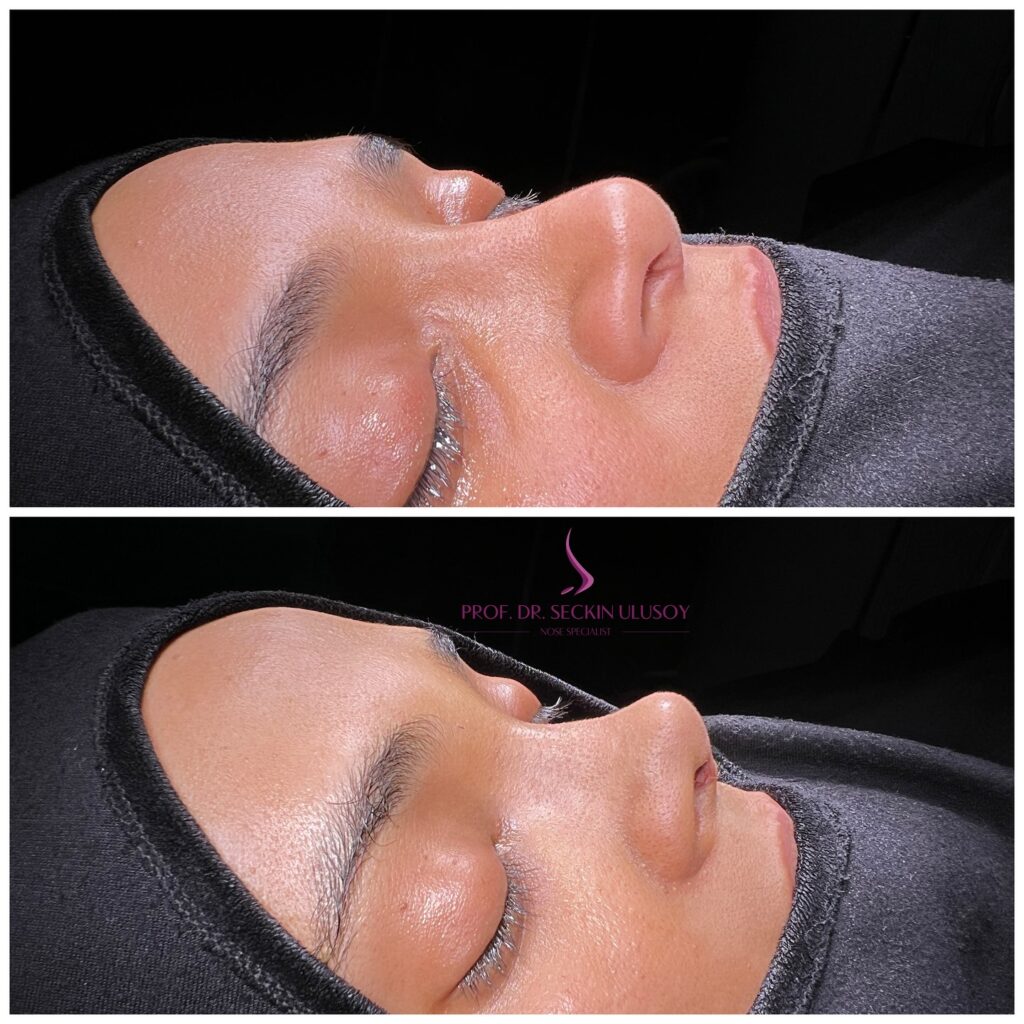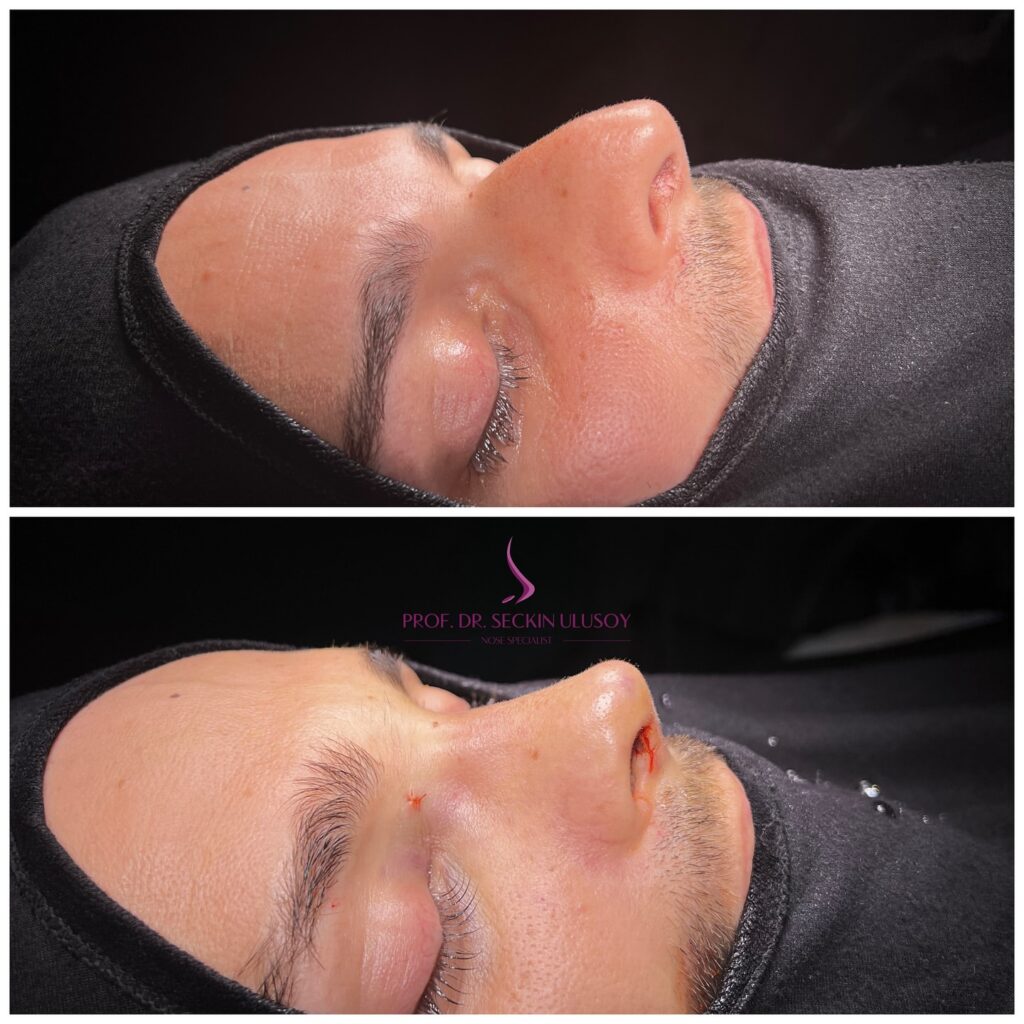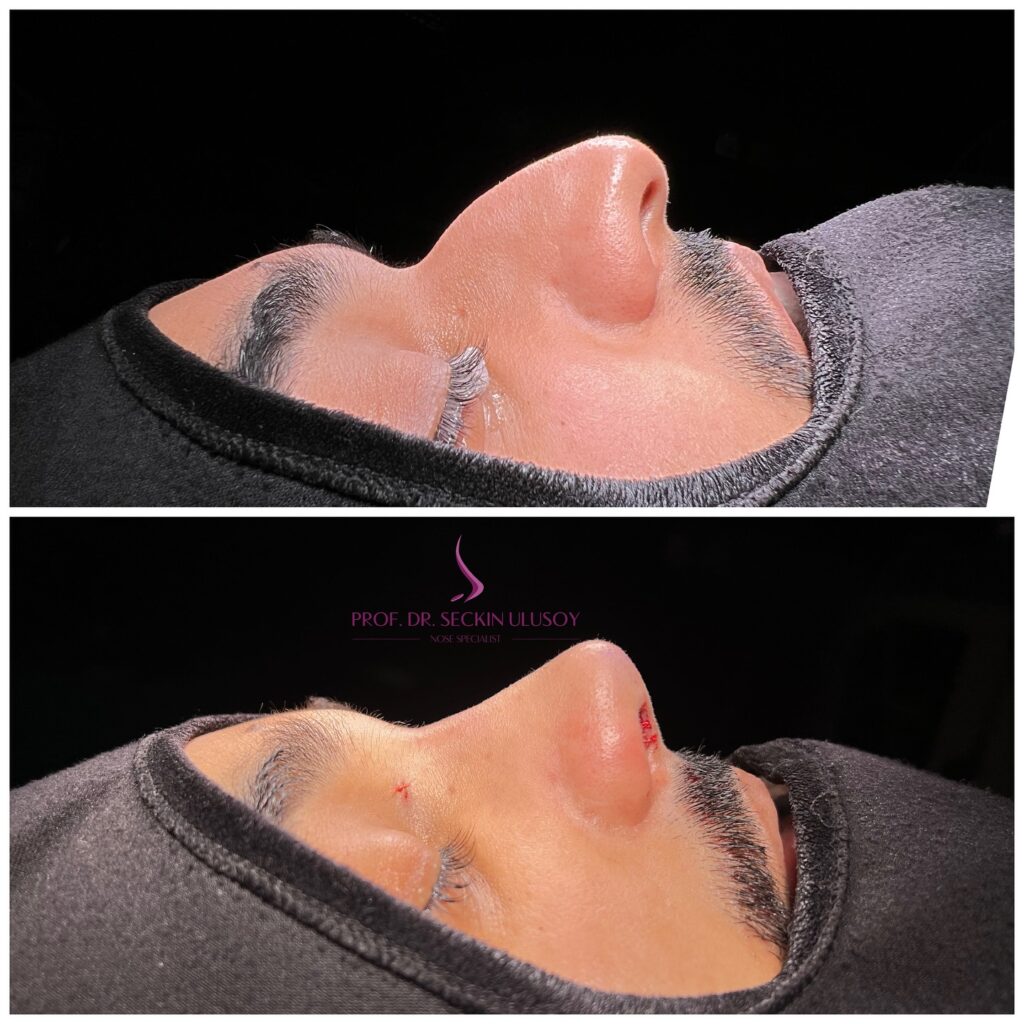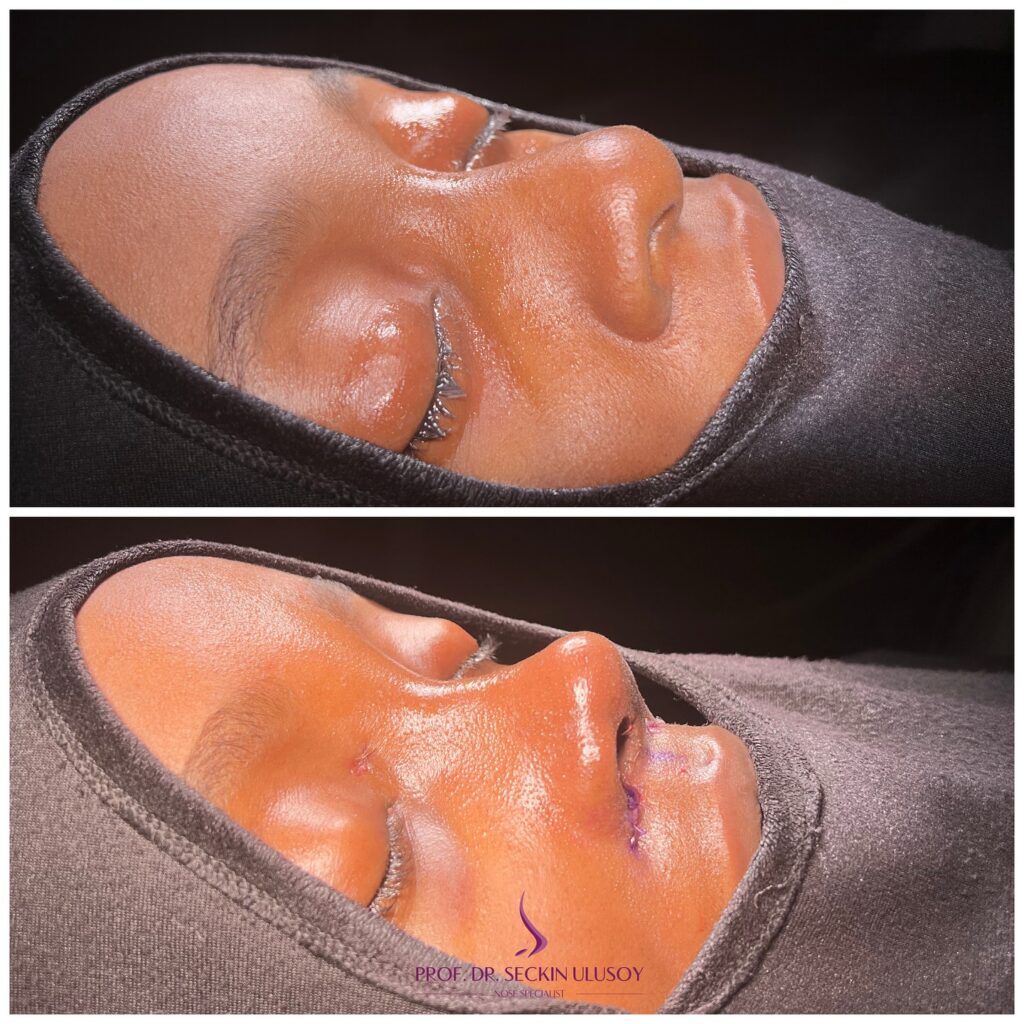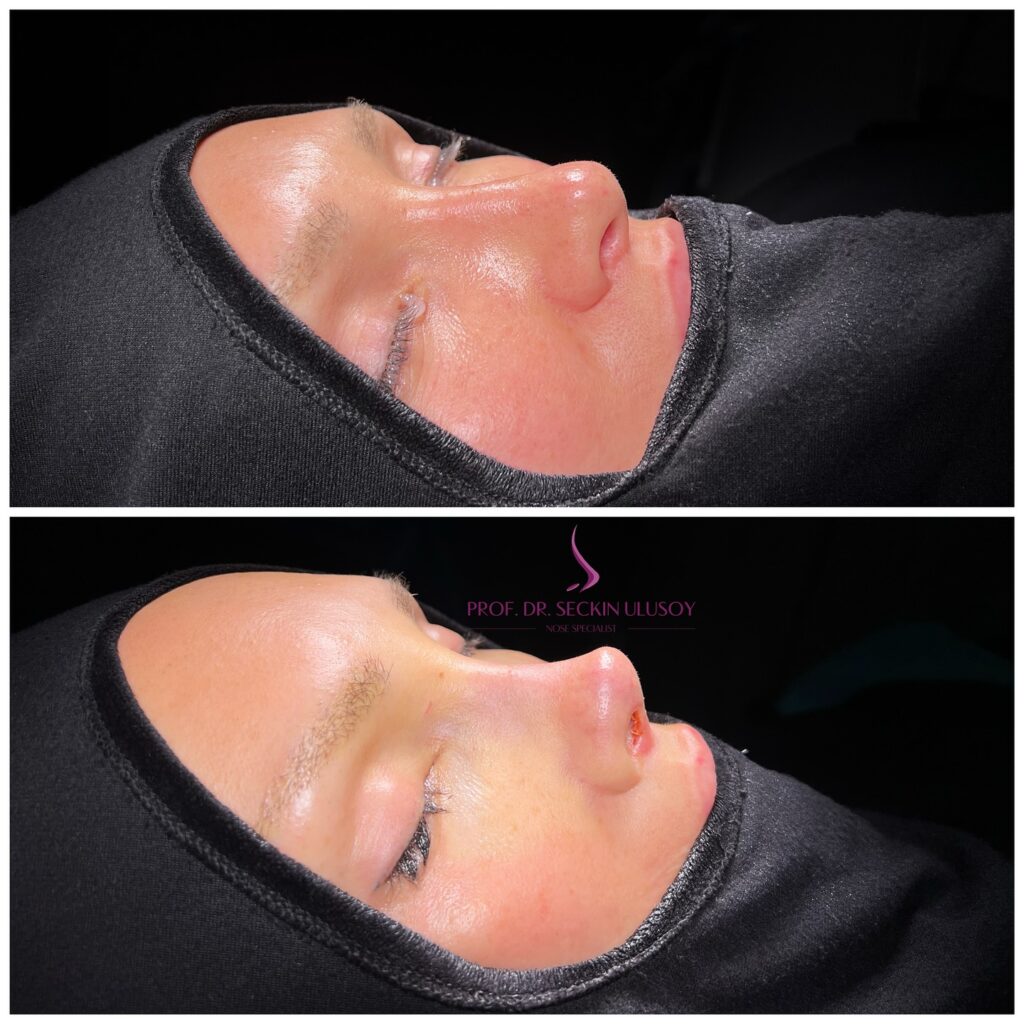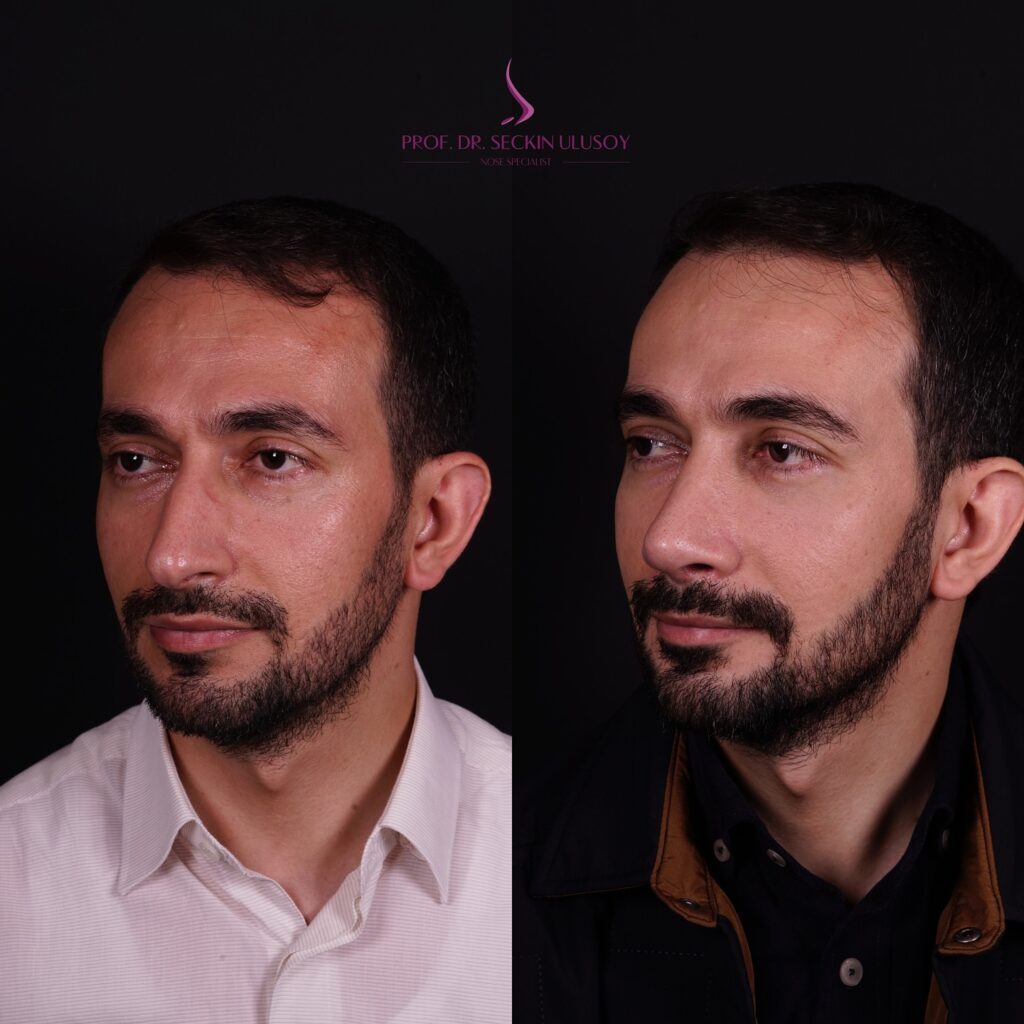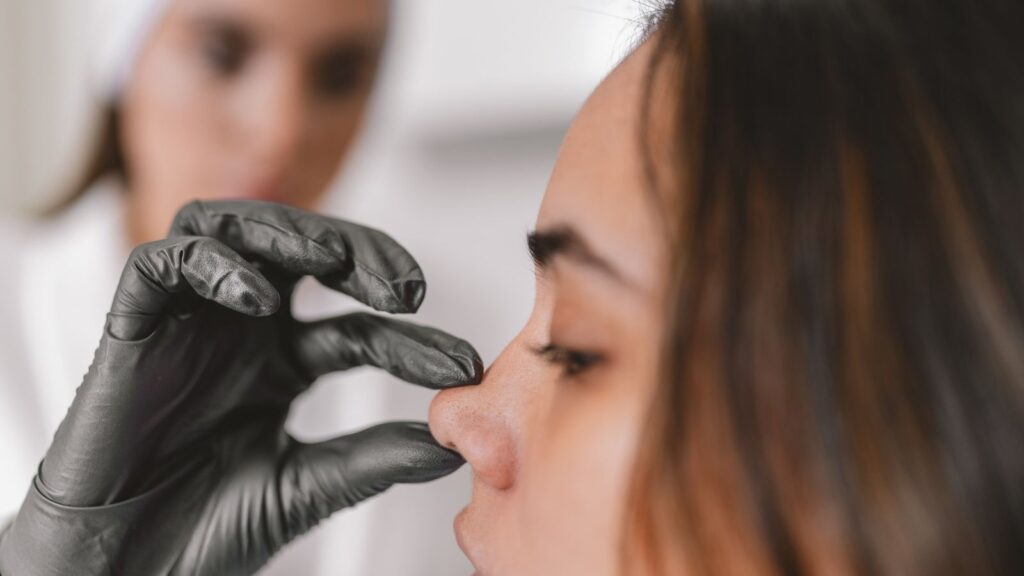
Bruising after nasal surgery usually becomes noticeable within the first week and largely improves within 10–14 days. These bruises around the eyes are more commonly seen, especially in patients whose bony structures have been treated. The healing process may vary from person to person.
Applying a cold compress within the first three days may reduce the severity of bruising. Keeping the head elevated and avoiding strenuous physical activities shorten the duration of bruising. The color of the bruises changes over time, turning yellow-green, and then disappears completely.
The duration of bruising may vary depending on skin type, age, genetic factors, and the surgical techniques used. It may heal more quickly in individuals with thin skin, while it may take slightly longer in those with sensitive skin. The use of blood-thinning medications may also affect the duration.
Adequate sleep, balanced nutrition, and avoiding smoking and alcohol are important for supporting the healing process. In addition, topical creams containing arnica, used upon the doctor’s recommendation, may help bruises resolve more quickly.
Why Does Bruising Occur After Nasal Surgery?
During rhinoplasty, the nasal bones and soft tissues are treated. This intervention may damage the surrounding small blood vessels. Blood leaking outside the vessels accumulates under the skin and appears as bruising. Bruises spreading toward the under-eye area and cheeks are more commonly observed, especially in procedures where the nasal bones are reshaped.
This condition is generally considered a natural healing response of the body. In other words, bruising is one of the natural consequences of the surgical procedure rather than an unexpected complication.
When Does Bruising Begin to Appear?
Bruising may not always be noticeable immediately after surgery. In most patients, darkening around the eyes is noticed within the first 24–48 hours. During this period, the bruises may be dark purple or blue. Mild swelling may also accompany them.
In some people, the bruising remains more limited, while in others it may spread from beneath the eyes toward the cheeks. This difference is entirely related to individual healing characteristics.
How Many Days Does Bruising Last After Nasal Surgery?
In general, most bruising after nasal surgery decreases significantly within 7 to 14 days. By the end of the first week, the colors begin to fade; purple tones may give way to yellow and greenish colors. This color change is an indication that the body is gradually absorbing the accumulated blood.
By the end of the second week, bruising in most patients decreases to a level that is not noticeable in daily life. However, this period may be slightly longer in people with sensitive skin or in those whose healing process progresses slowly.
Factors Affecting How Long Bruising Takes to Resolve
There is no single factor that determines how long bruising after nasal surgery will take to heal. The following factors may directly affect the process:
- Skin structure: Bruises may appear more noticeable in thin and fair skin.
- Surgical technique: The extent of intervention performed on the bones may affect the amount of bruising.
- Individual healing rate: The circulatory system and connective tissue structure determine the process.
- Smoking: It may slow tissue healing.
- Postoperative care: Following the doctor’s recommendations contributes to a faster reduction in bruising.
Since each of these factors is specific to the individual, the healing period should also be evaluated individually.
What Should Be Expected in the First Days Regarding Bruising?
The first few days after surgery are generally the period when swelling and bruising are most intense. During this process, patients may see a different appearance in the mirror than they expected. This condition is temporary and usually does not require concern.
It is also common for bruising not to be symmetrical during the first days. The area around one eye may appear darker than the other. These differences generally balance out within days.
General Approaches That May Help Reduce Bruising
The healing process of bruising after nasal surgery largely depends on the body’s natural mechanisms. However, some general practices recommended by the doctor may support the process. Cold applications, keeping the head slightly elevated, and resting may be included among these approaches.
However, since every patient’s condition is different, the recommendations of the specialist who performed the surgery must be considered before any application. Methods recommended without an individual evaluation may not be suitable for everyone.
When Does Bruising Disappear Completely?
A visible reduction in bruising generally occurs within two weeks. However, it may take 3–4 weeks for mild discoloration remaining beneath the skin to disappear completely. This is a stage of healing that may be noticed upon close examination but does not affect daily life.
Patients can easily conceal bruising with makeup during this period. Nevertheless, it should be remembered that the skin is sensitive, and care should be taken regarding the products used.
When Should a Specialist’s Opinion Be Sought?
Bruising after nasal surgery usually heals on its own. However, if the bruising is accompanied by severe pain, increasing swelling, or redness, this condition may require a different evaluation. It is also important to seek a specialist’s opinion if the bruising persists much longer than expected.
Every healing process is individual, and the periods considered normal may not be exactly the same for everyone. Therefore, the most accurate evaluation is made by the physician following the patient.
Realistic Expectations Regarding the Healing Process
Bruising after nasal surgery is a temporary part of the healing process. Most patients come to see over time that the appearance during the first weeks is not permanent. Being patient and allowing the process to follow its natural course may help make this period more comfortable.
It should be remembered that healing after rhinoplasty is not limited only to bruising visible from the outside. Complete healing of the nasal tissues may take months, and this process varies from person to person. Therefore, addressing all expectations individually and with a specialist’s evaluation is the healthiest approach.
Frequently Asked Questions
What Helps Bruising After Nasal Surgery?
Applying a cold compress during the first 48 hours is beneficial for reducing bruising after nasal surgery. Keeping the head elevated and using creams recommended by the doctor support healing. Bruising generally decreases significantly within 1-2 weeks.
Is It Normal for Bruising to Turn Yellow After Nasal Surgery?
The bruising changing from purple to yellow after surgery is a natural part of the healing process. This color change occurs as the blood beneath the skin breaks down and is absorbed, and it generally disappears completely within a few days.