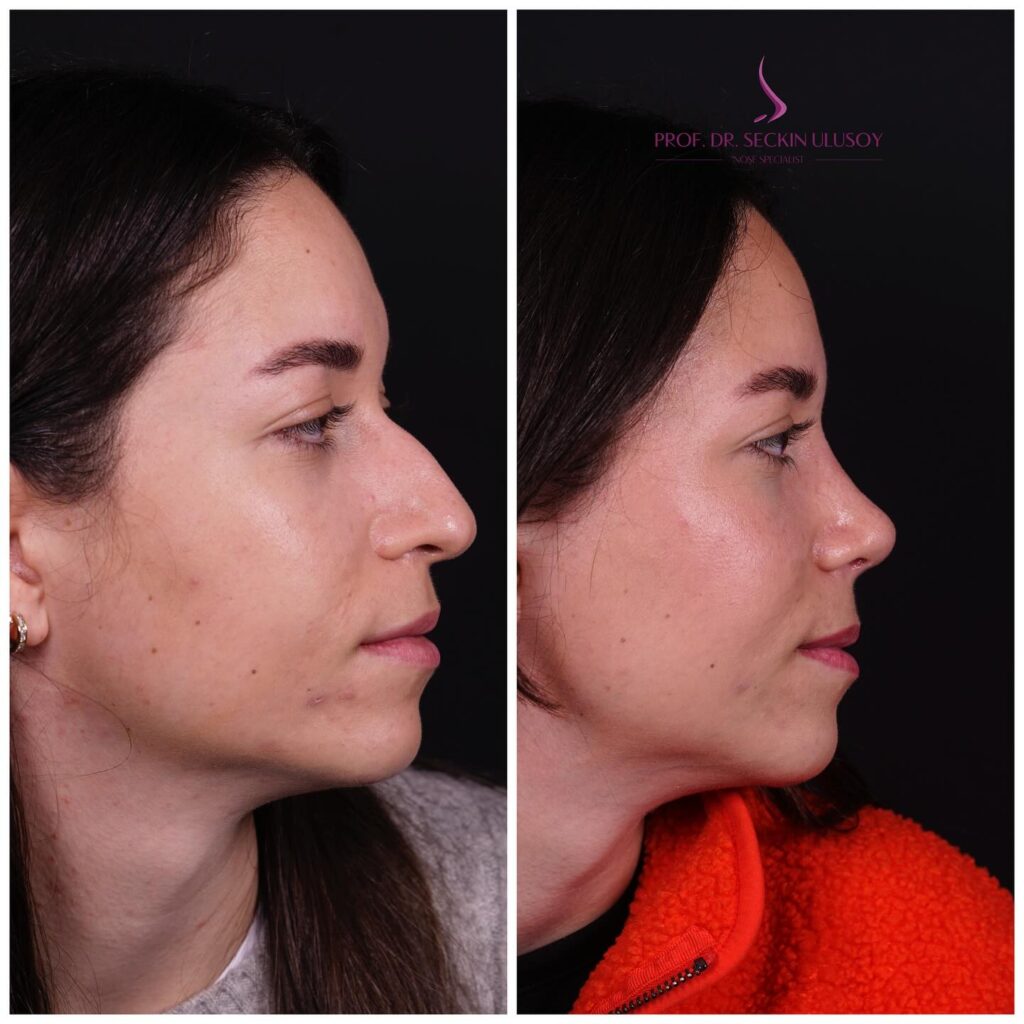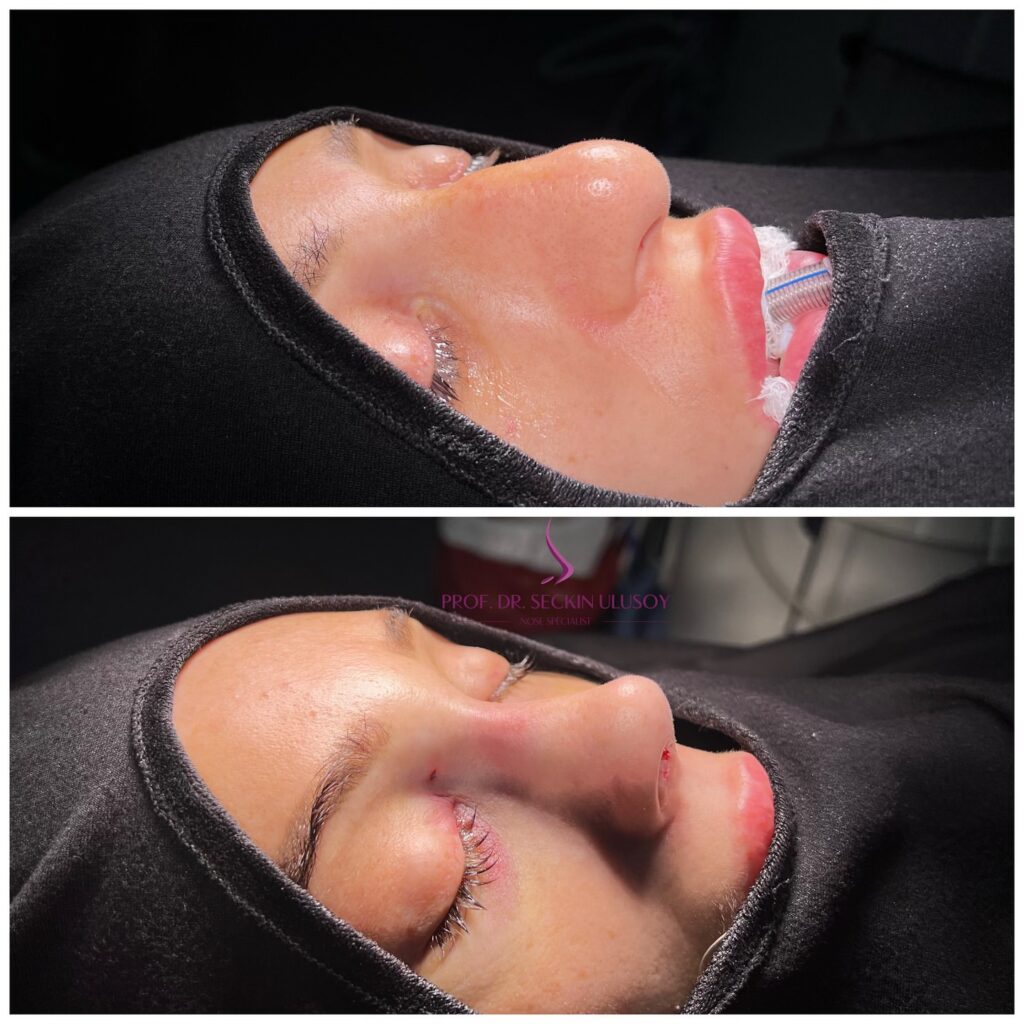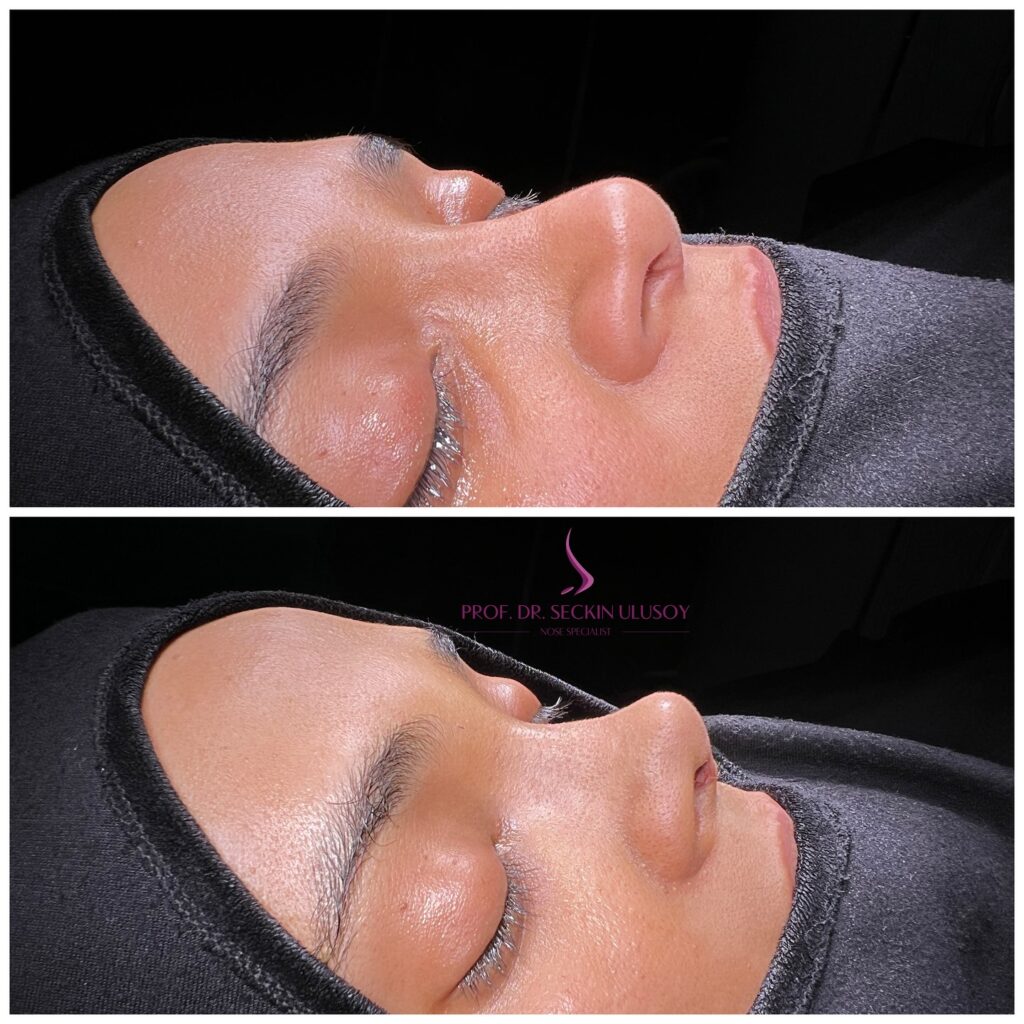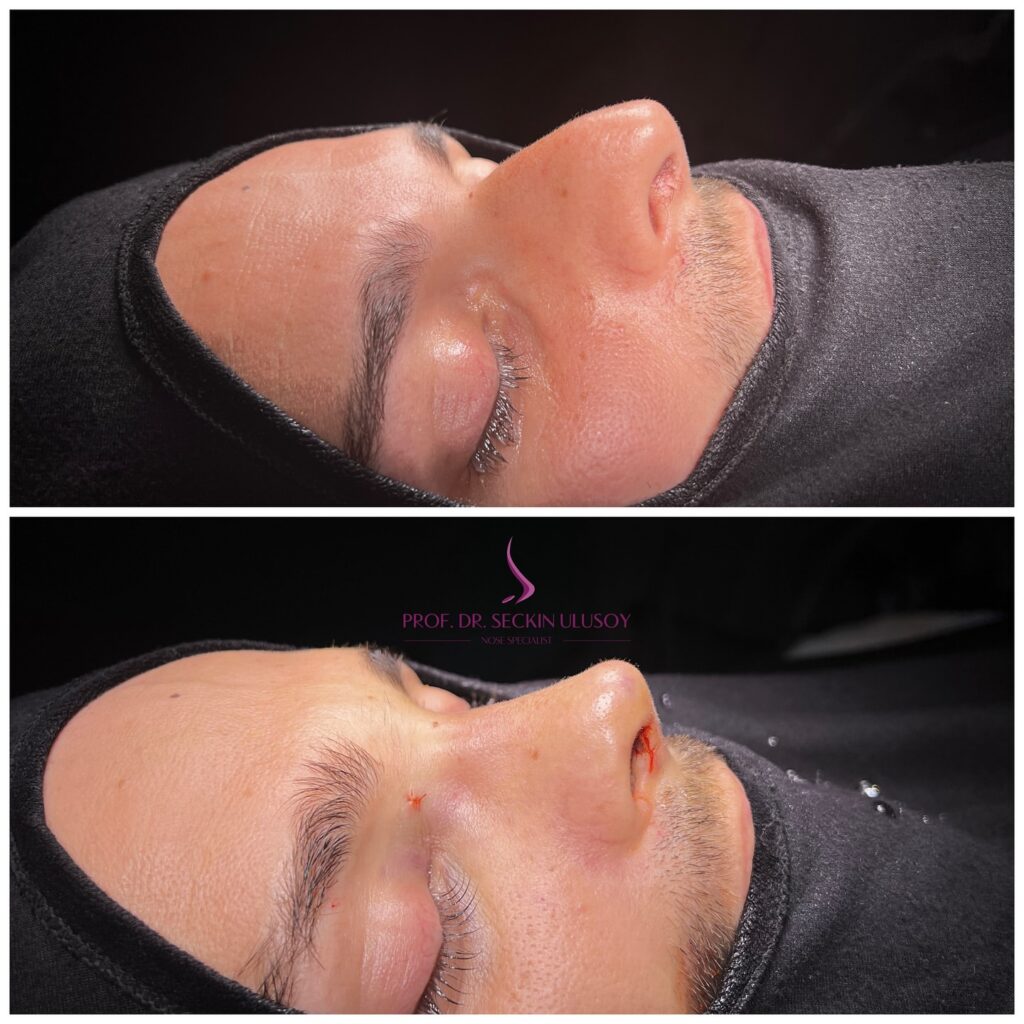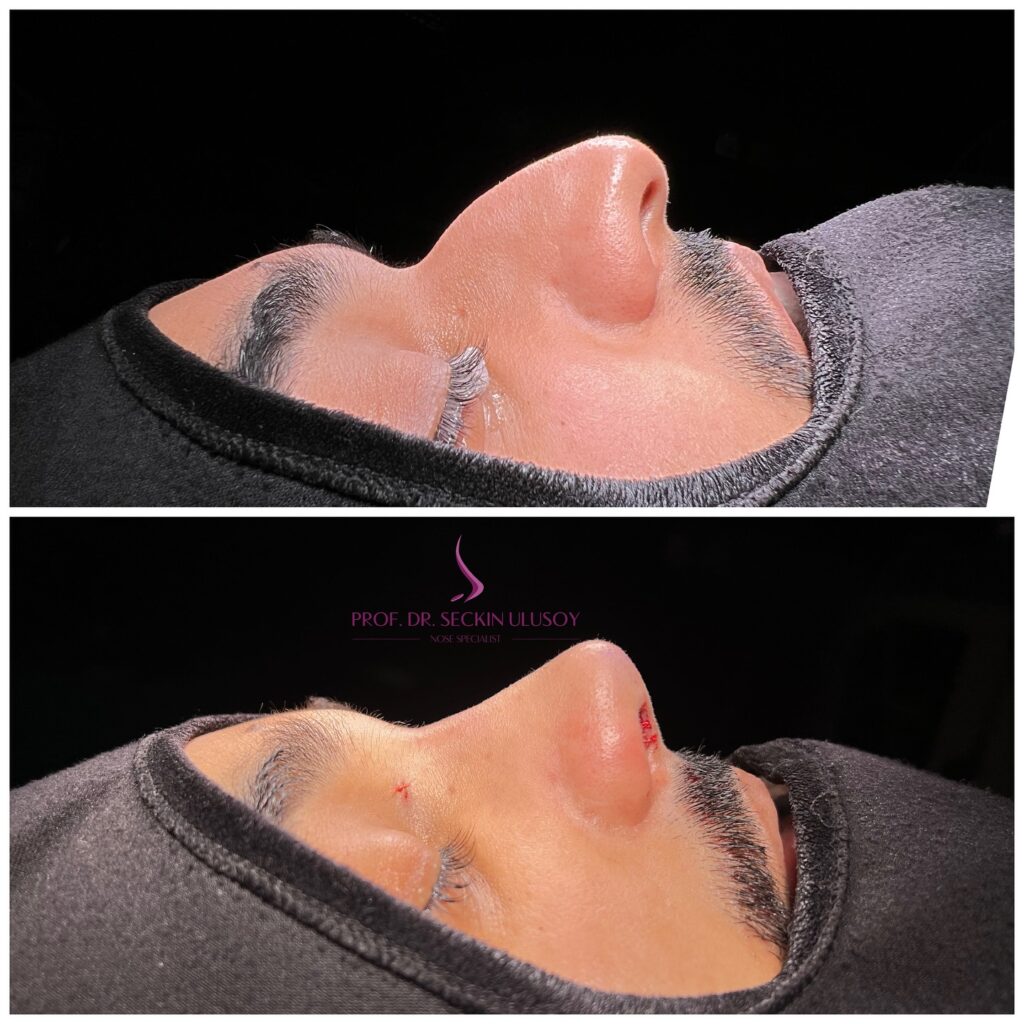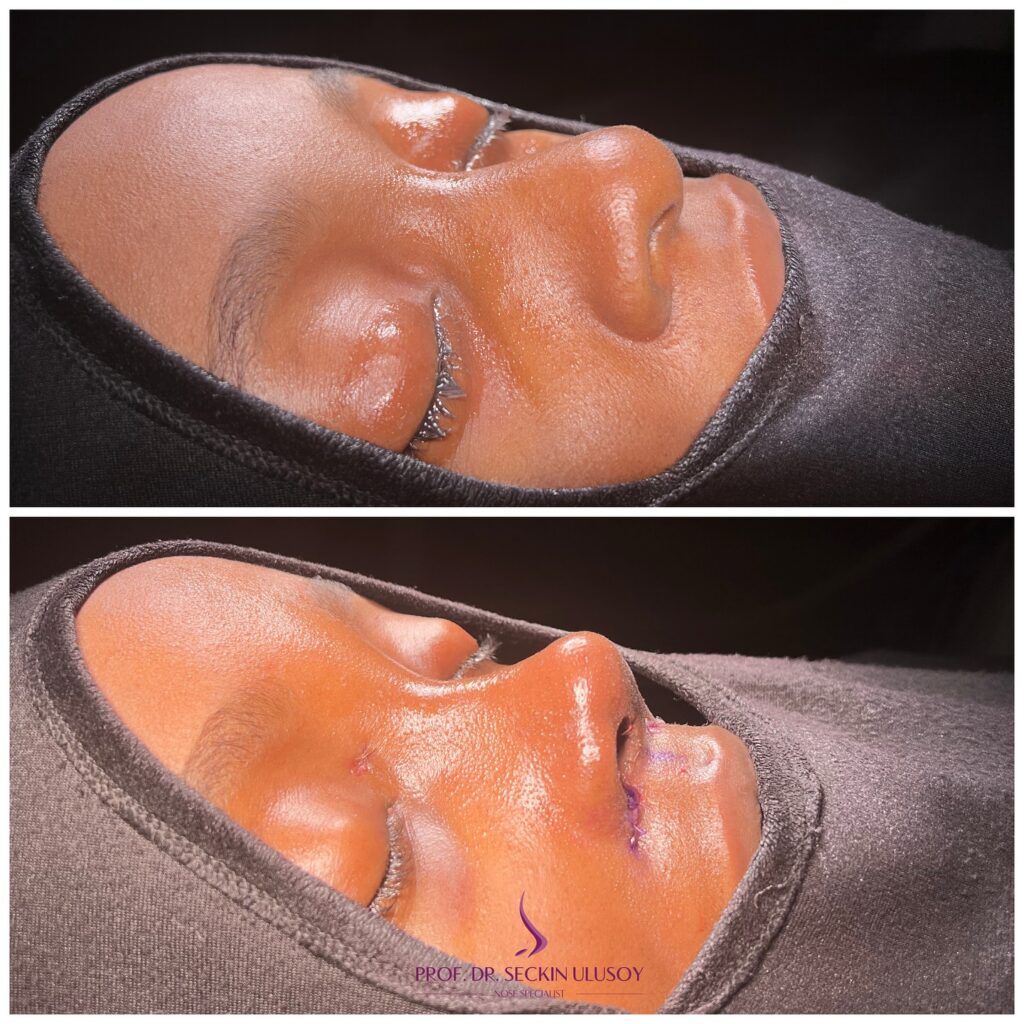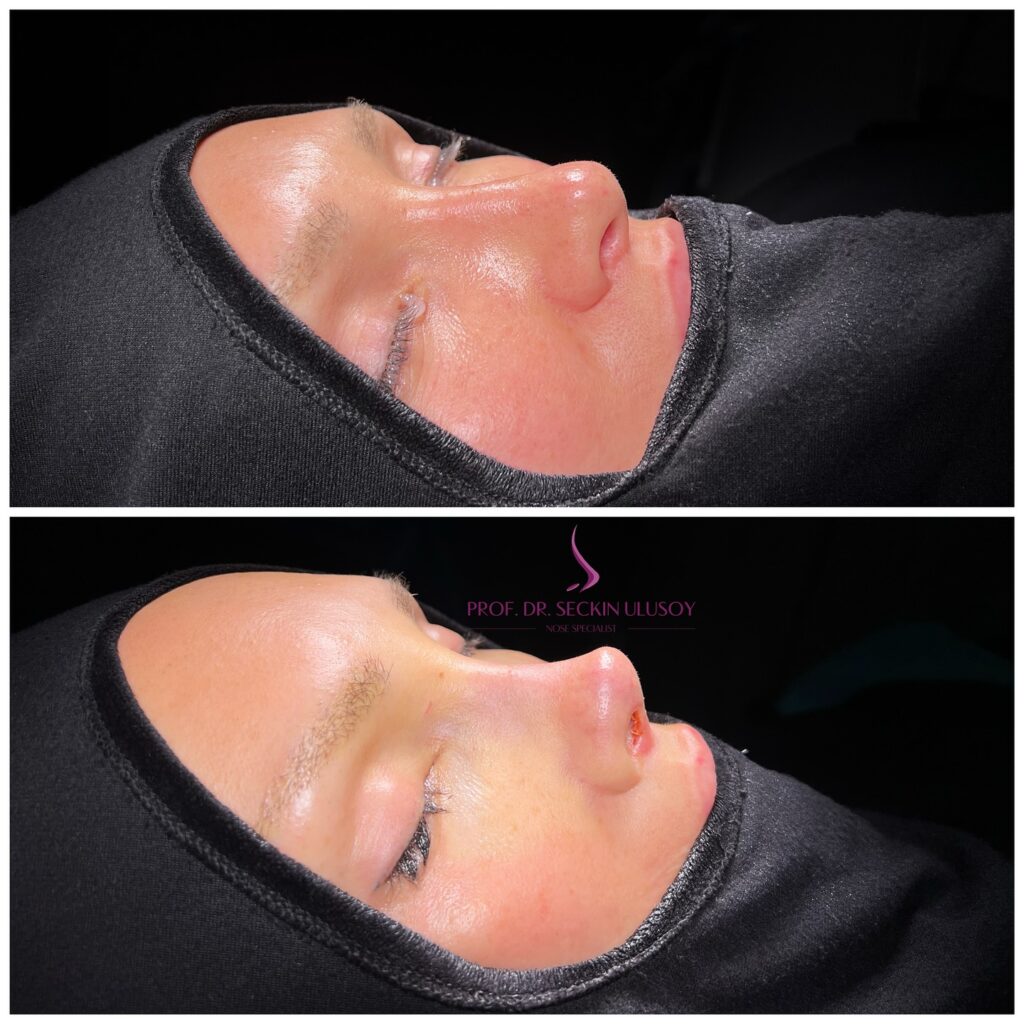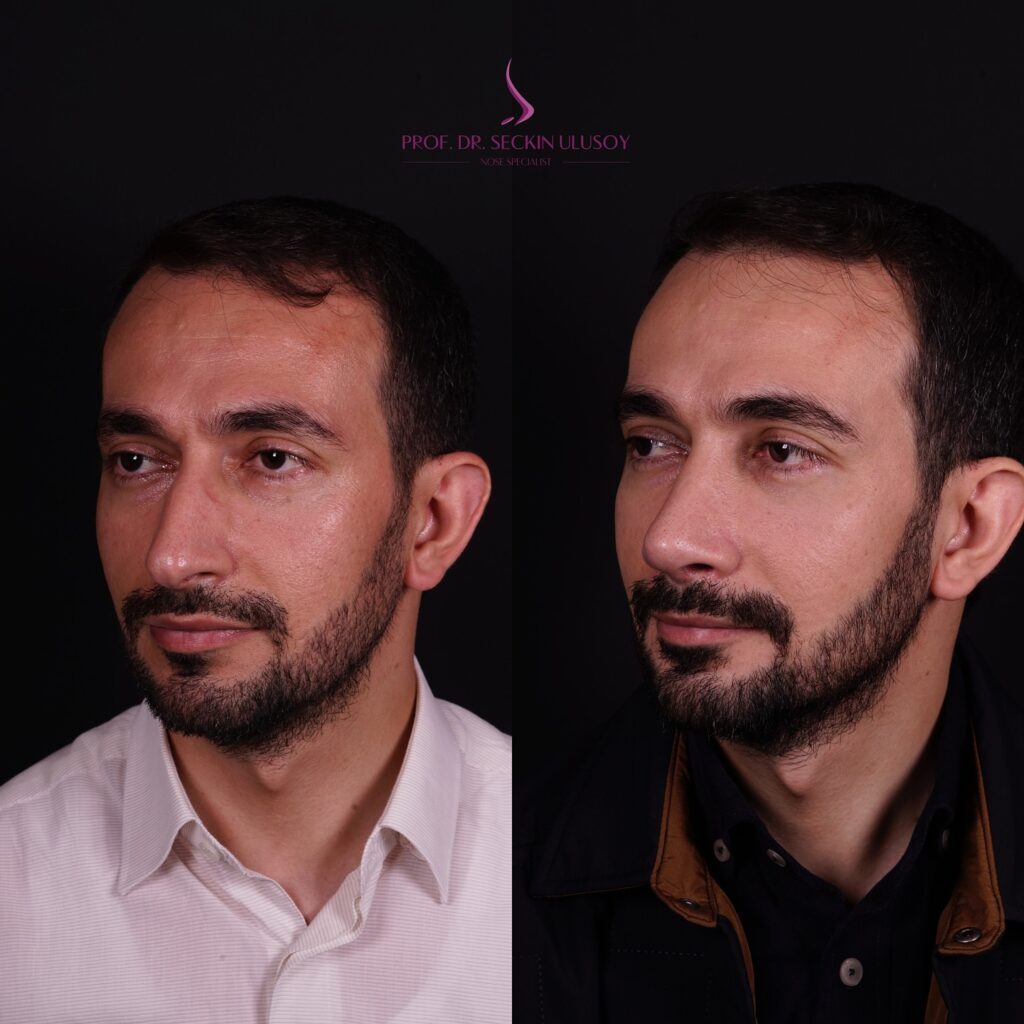
Intranasal wounds after nose surgery generally heal significantly within 2 to 4 weeks. The nasal mucosa has a high capacity for regeneration; therefore, when proper care and hygiene are provided, the healing process progresses quickly. However, complete healing may vary depending on individual factors.
During the first few days, symptoms such as crusting, mild soreness, and intranasal dryness may occur. Moisturizing sprays and antibiotic ointments recommended by the doctor help these wounds heal more comfortably and quickly. It is important to avoid picking the nose.
Occasional bleeding or discharge may occur while the wounds inside the nose are healing. This is usually normal, but heavy or foul-smelling discharge may be a sign of infection. In such cases, a physician should be consulted. Regular follow-up appointments should not be neglected.
Delayed wound healing may result from smoking, inadequate cleaning, or health problems such as diabetes. Therefore, a healthy lifestyle and full compliance with the doctor’s recommendations are effective in shortening the intranasal healing period.
Why Do Wounds Form Inside the Nose After Nose Surgery?
During rhinoplasty, while corrections are made to the bone and cartilage structures of the nose, the mucosa lining the inside of the nose is also treated. This mucosa is normally moist and sensitive tissue. After the surgical procedure, small incisions, suture lines, or superficial damage may occur in this tissue. In addition, tampons or silicone splints placed during surgery may also cause temporary irritation inside the nose.
Intranasal wounds are mostly considered a natural result of surgery. However, healing may not occur in the same way or within the same period in every patient. Tissue healing capacity, the extent of the surgery, and personal factors affect this process.
How Long Does It Take for Intranasal Wounds to Heal?
In general, most superficial wounds inside the nose recover significantly within 2 to 4 weeks. During this period, crusting decreases, sensitivity gradually subsides, and the inside of the nose becomes more comfortable. However, it should be remembered that complete tissue healing may take several months.
During the first 7–10 days, the wounds inside the nose may be felt more prominently. During this period, dryness, a stinging sensation, or discomfort while breathing are common. After the second week, the mucosa begins to regenerate and the complaints usually decrease.
When Do Crusting and Dryness Decrease?
Crusting inside the nose is quite common after surgery. This condition is related to both the surgical incisions and the temporary drying of the inside of the nose. The crusts usually soften and fall off on their own within the first 2–3 weeks. Forcibly removing them may cause bleeding and delay healing.
The feeling of dryness may last longer in some patients. This condition may be slightly more noticeable, especially in people who live in dry climates or have a habit of frequently cleaning their nose. As the inside of the nose becomes more moisturized, crusting gradually decreases.
What Factors Affect the Healing Period?
The time it takes for intranasal wounds to heal may vary from person to person. Some factors affecting this process are as follows:
- The extent of the surgery: The healing period may differ between superficial procedures performed only for aesthetic purposes and surgeries involving additional procedures such as septum correction (deviation).
- Personal healing capacity: The rate of tissue regeneration, age, and general health status are important at this point.
- Smoking: Smoking may slow healing by reducing blood flow to the intranasal tissues.
- Intranasal care: Following the care instructions recommended by the doctor positively affects the healing process.
Due to these factors, intranasal sensitivity may resolve within a few weeks in some patients, while it may last longer in others.
Which Complaints Are Considered Normal While Intranasal Wounds Are Healing?
During the postoperative period, some symptoms are generally considered part of the normal healing process. These include:
- Mild soreness or a burning sensation
- Crusting and dryness
- A feeling of fullness inside the nose
- Occasional mild bloody discharge
These types of complaints usually decrease gradually. However, conditions such as increasing pain, foul-smelling discharge, or noticeable swelling may require a different evaluation.
What Can Be Done to Help Intranasal Wounds Heal More Comfortably?
Postoperative care is important for the healthy recovery of intranasal tissues. Patients are generally advised to keep the inside of the nose moist. Saline sprays or moisturizing products deemed appropriate by the doctor may support the regeneration of the mucosa.
It is also recommended to avoid picking the inside of the nose, cleaning it harshly, and forcibly removing the crusts. Such behaviors may cause the healing tissue to become irritated again.
When Is Specialist Evaluation Required?
The healing process after nose surgery is unique to each person. However, in some cases, intranasal wounds may persist longer than expected or may be accompanied by different complaints. Especially if there is severe pain lasting more than a few weeks, persistent bleeding, or symptoms suggesting infection, it is important for the condition to be evaluated by a specialist.
Since every patient’s nasal structure and surgical process are different, the most accurate information about the healing process can be provided after a personal examination. Therefore, when there are concerns about intranasal wounds, seeking professional advice rather than making personal interpretations is a healthier approach.
Frequently Asked Questions
How Can I Clean the Crusts Inside My Nose After Surgery?
Crusts that form after nose surgery are generally softened and cleaned with saline sprays. Removing the crusts by hand may cause bleeding and delay healing. Regular moisturizing and doctor follow-up are important.
Why Does Intranasal Edema Occur After Nose Surgery?
Intranasal edema after surgery is a natural healing process that develops due to surgical trauma. Swelling is noticeable during the first weeks and decreases over time. Keeping the head elevated and following the treatments recommended by the doctor help the edema subside more quickly.