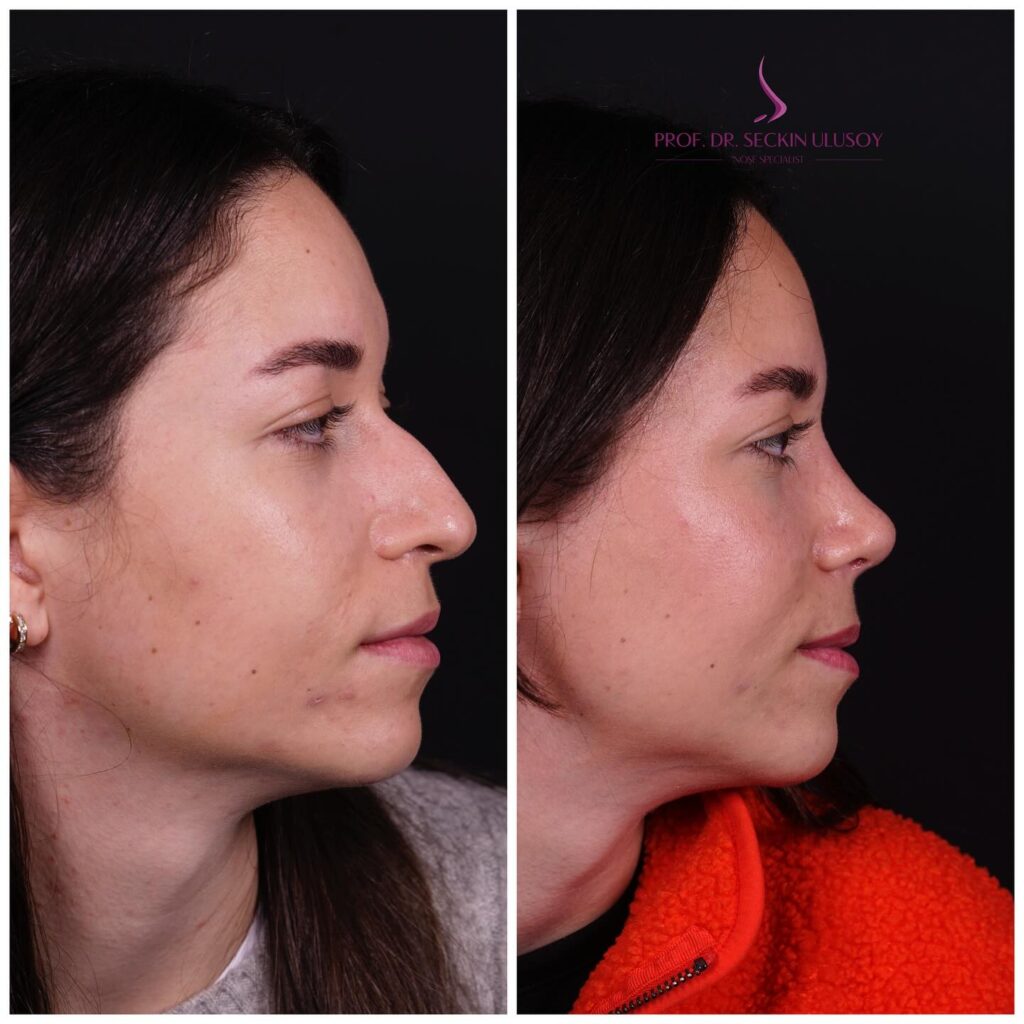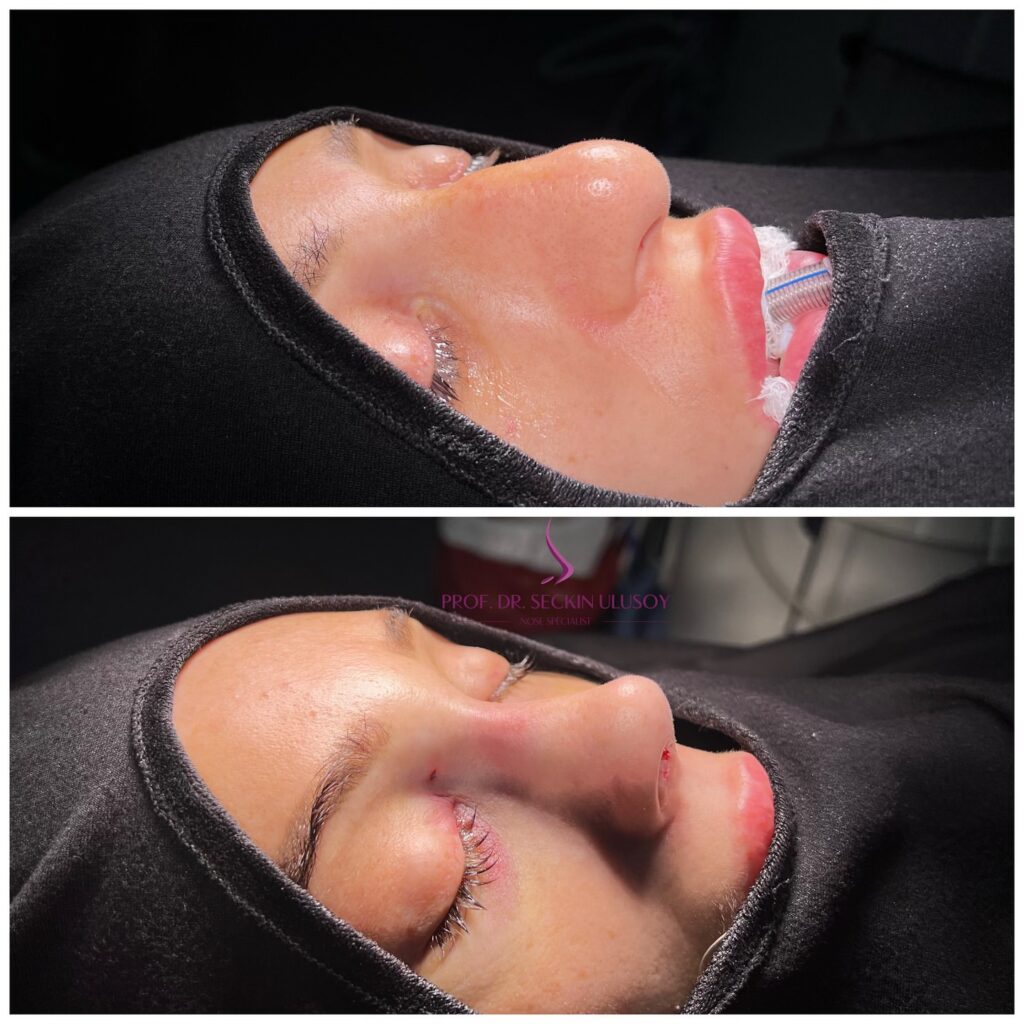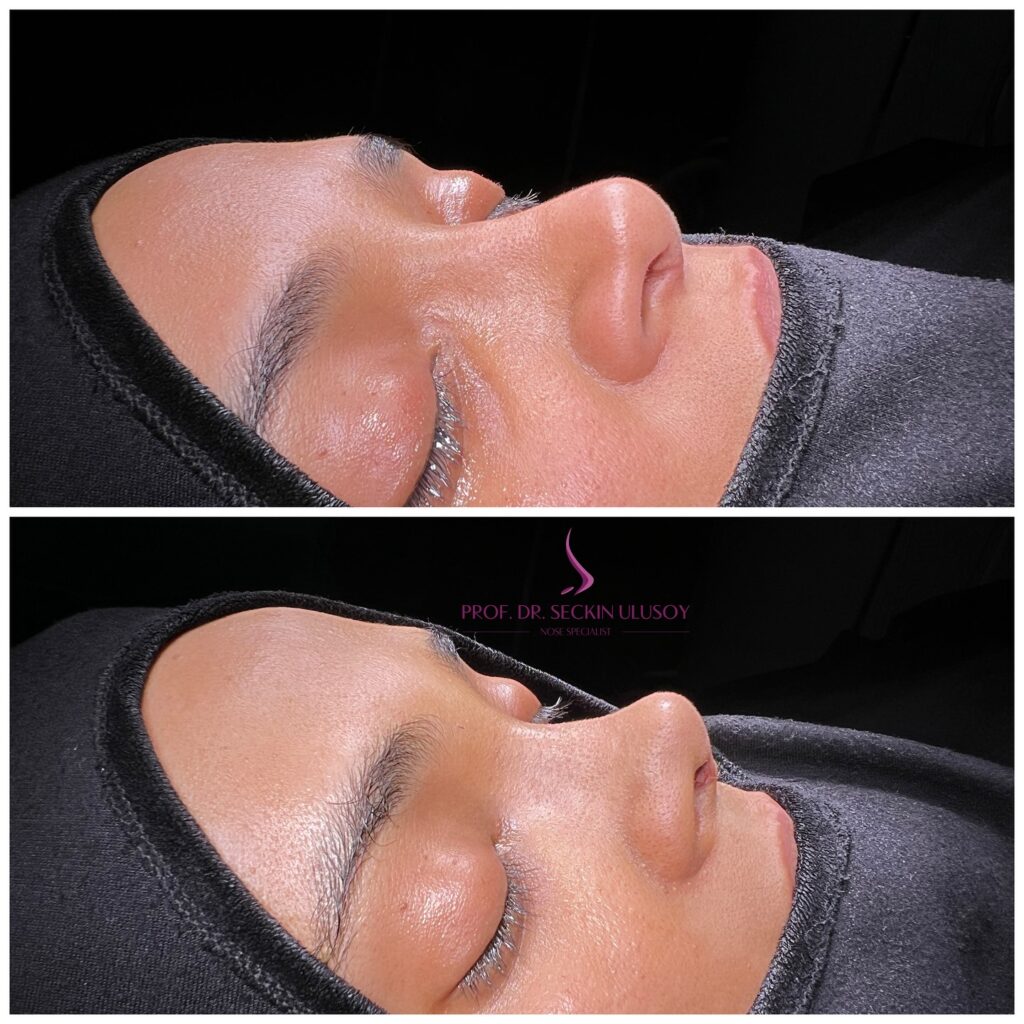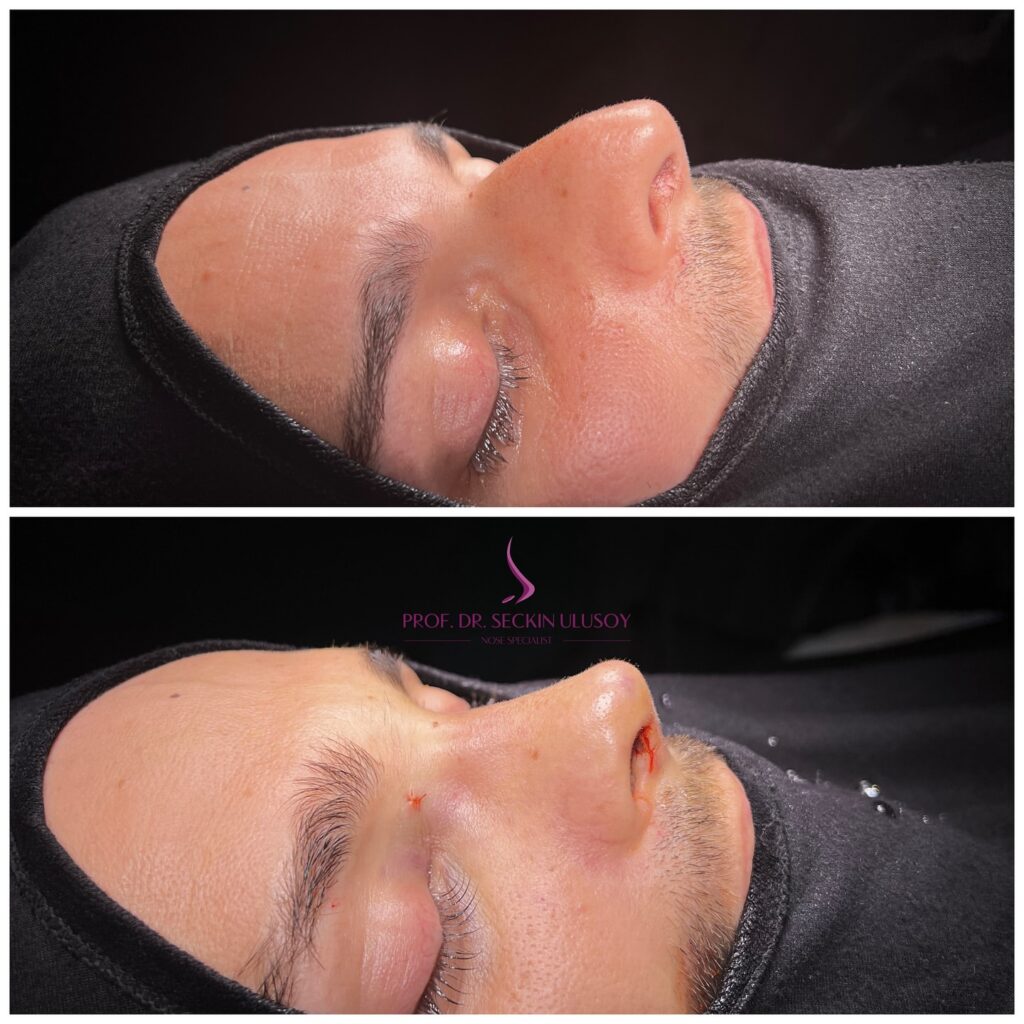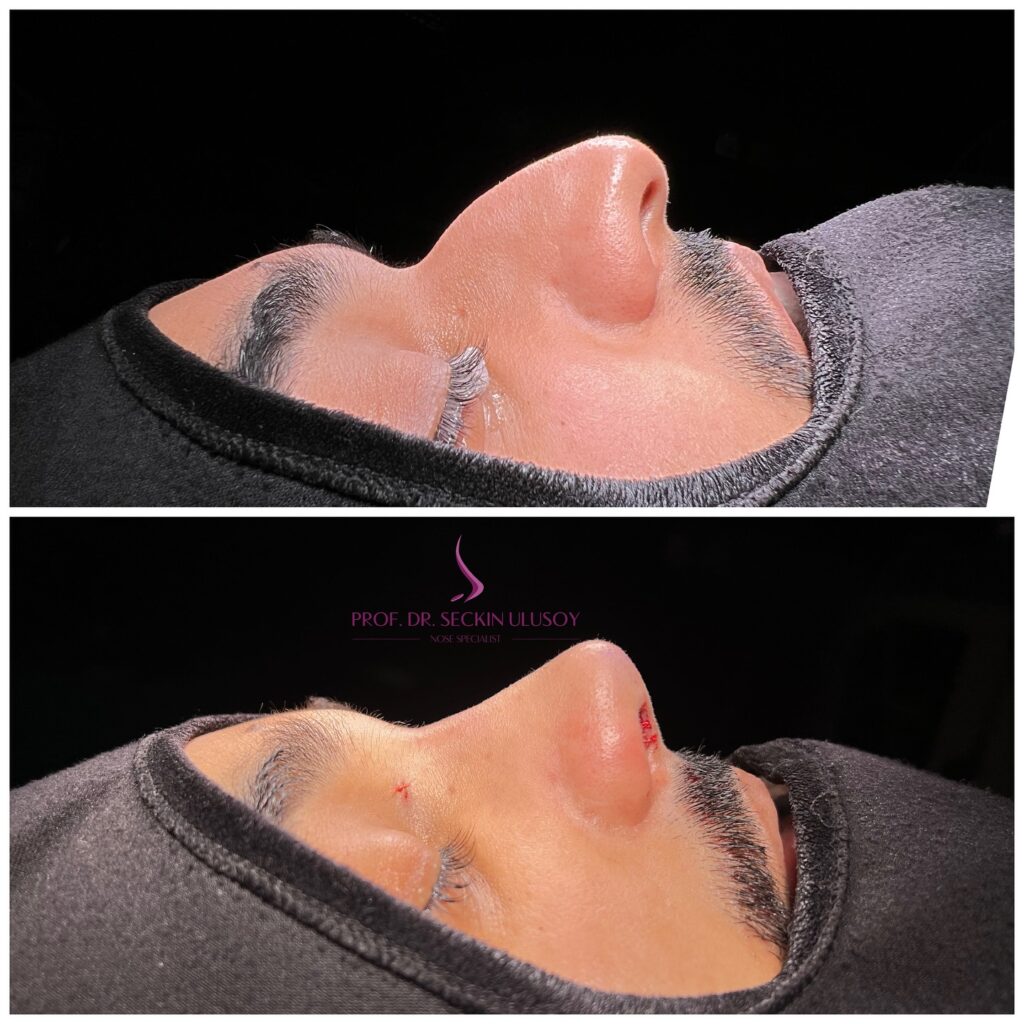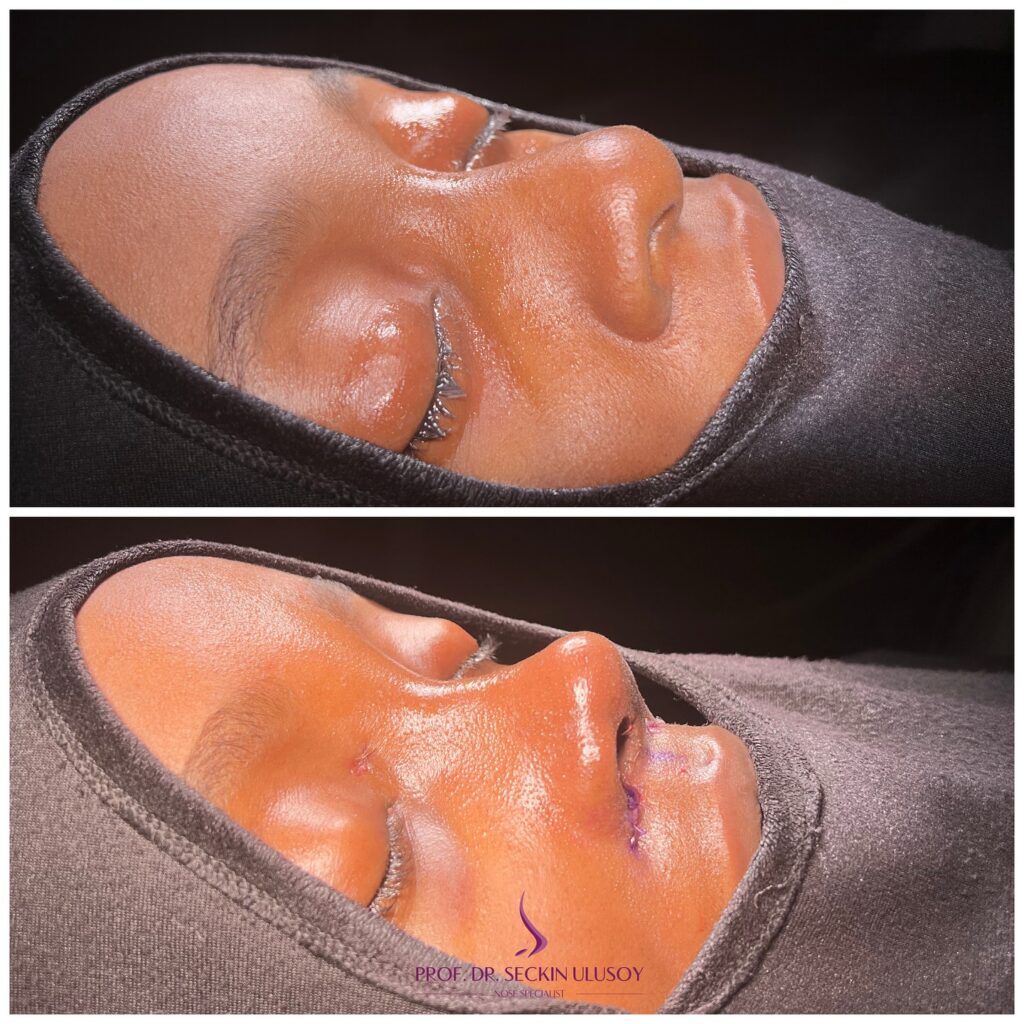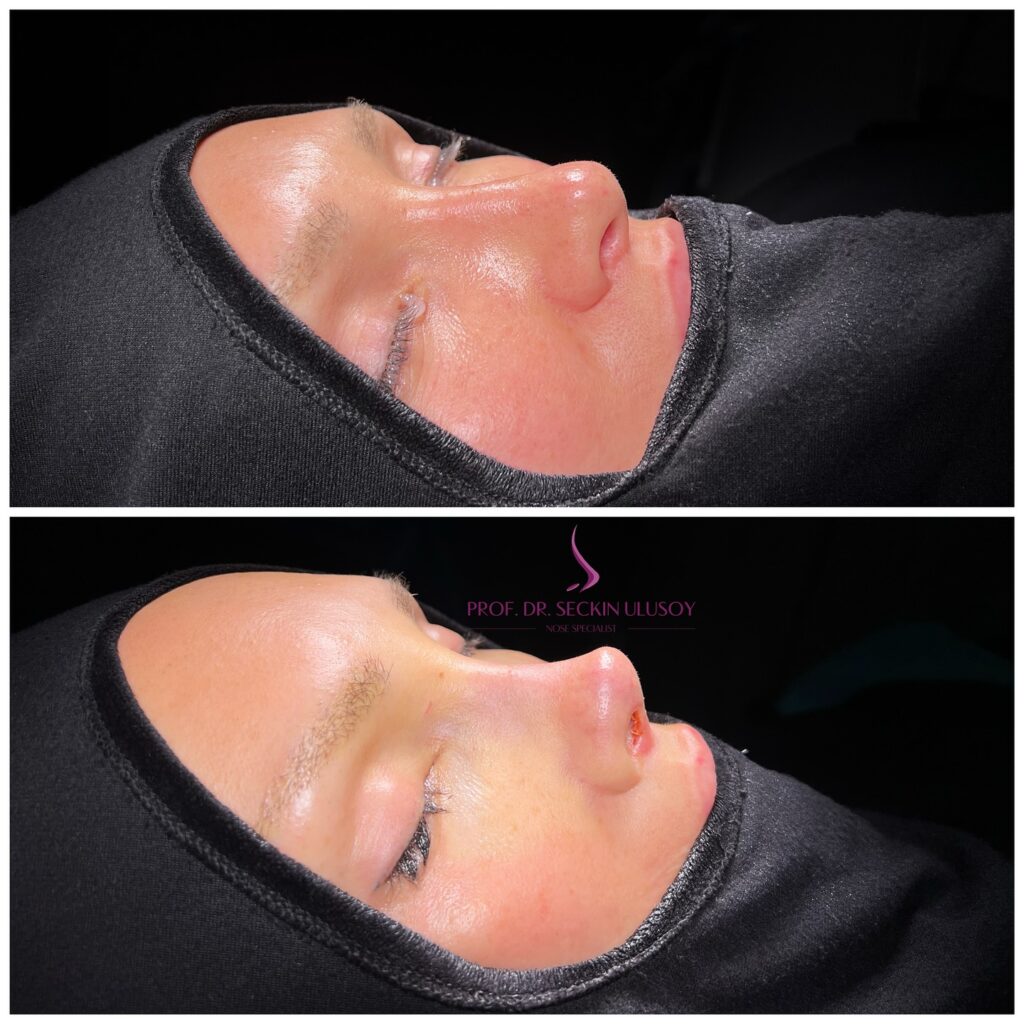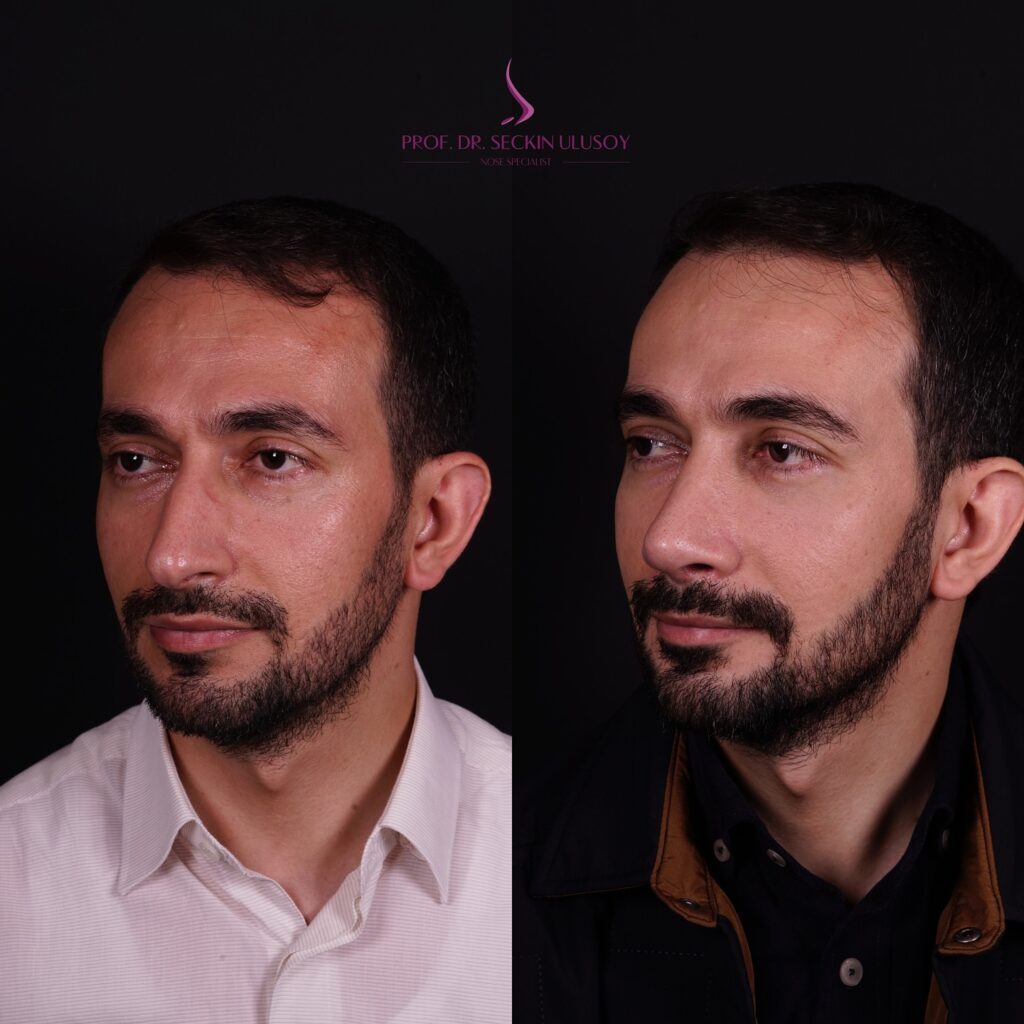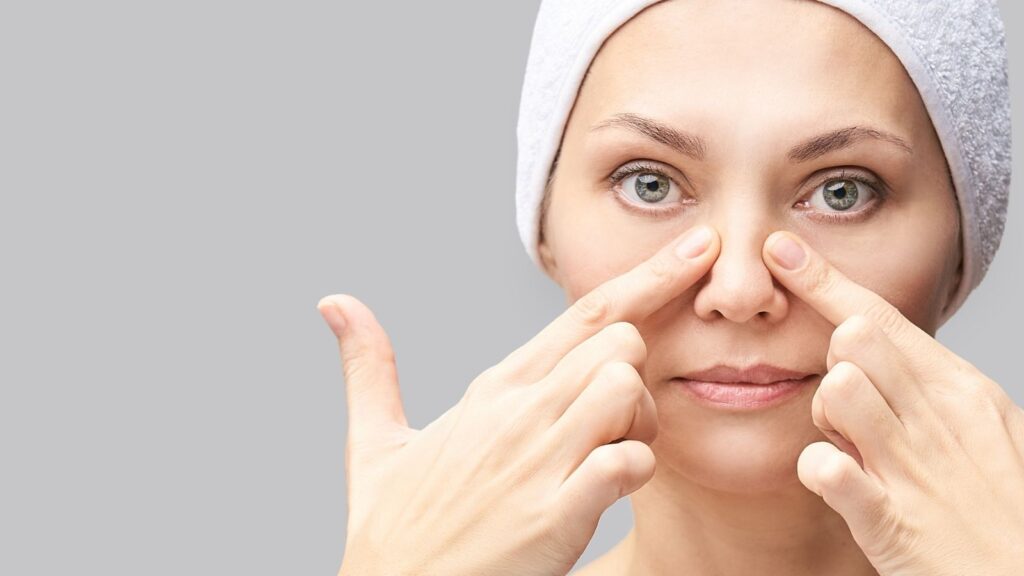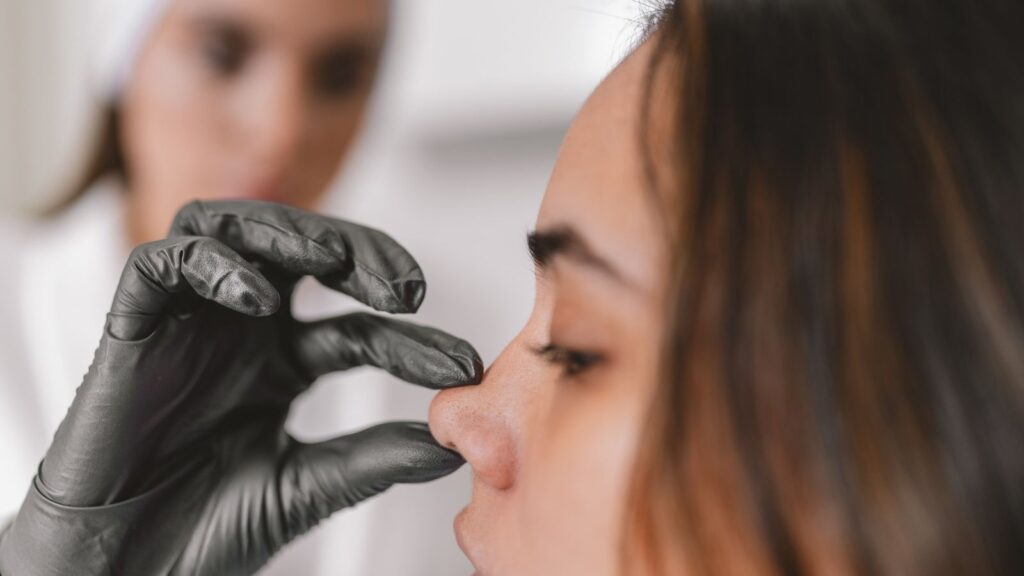
The main reason Türkiye is the first choice for rhinoplasty is its high surgical success rate and healthcare services that meet international standards. Thanks to experienced plastic surgeons, advanced technological infrastructure, and a patient-centered approach, safe and predictable results are achieved both functionally and aesthetically.
The cost advantage of rhinoplasty in Türkiye stands out by offering more accessible prices compared with Europe and the United States. An affordable pricing policy does not mean lower quality; on the contrary, high-standard healthcare services are provided through accredited hospitals and modern operating room conditions.
For international patients, the rhinoplasty process is managed professionally through comprehensive consultation and planning stages. Preoperative analysis, digital simulation applications, and personalized surgical planning techniques are among the important factors that increase patient satisfaction.
The recovery process after aesthetic surgery in Türkiye is supported by multidisciplinary follow-up protocols. Postoperative checkups, infection risk reduction, and functional breathing assessments are performed regularly; thus, both aesthetic appearance and nasal function are preserved.
What Are the Common Functional Problems Before Rhinoplasty?
A nose that looks perfect cannot be considered the result of a fully successful surgical intervention if it does not allow its owner to breathe comfortably. The nose functions almost like the body’s natural air conditioner; it warms and humidifies inhaled air, filters the particles within it, and delivers it to the lungs at the most ideal quality. It is frequently observed that many people who visit clinics with aesthetic concerns actually experience serious breathing difficulties, sleep problems, or chronic headaches in the background. An external deviation or a prominent hump on a patient’s nose is generally the clearest physical sign that something is also wrong with the internal airways.
The main structural problems that obstruct the airways and reduce quality of life are as follows:
- Septal deviation
- Turbinate hypertrophy
- Nasal polyp
- Nasal valve insufficiency
- Chronic sinusitis
- Allergic rhinitis
Each of these problems may cause serious fatigue in daily life. For example, deviation of the nasal septum to the right or left may cause air to pass with difficulty through one or both sides. Having to sleep with the mouth open at night and waking up in the morning with a dry throat and an unrested body are among the most typical consequences of these anatomical disorders. Similarly, enlargement of the structures known as the nasal turbinates beyond normal due to allergies or structural causes may narrow the air passages and make breathing almost unbearable. The inward collapse of the nasal wings during breathing is another important problem that may cause a person to feel short of breath, especially during exertion or exercise. Detecting all these problems and creating a detailed map not only of the external appearance but also of the internal structure is the most fundamental requirement of a successful operation.
Why Is the Role of ENT Expertise Important in Rhinoplasty Operations in Türkiye?
The perspectives of medical disciplines are highly important during the planning and implementation stages of aesthetic operations. One of the main reasons why the surgical approach in Türkiye is so highly appreciated worldwide is that the principles of Ear, Nose, and Throat (ENT) and facial aesthetic surgery are addressed as an inseparable whole. This integrated approach offers the patient the opportunity to achieve both health and the appearance they desire on a single operating table and under a single anesthesia process. Opening the obstructed airways and improving the external appearance are not opposing procedures; on the contrary, they are stages that complement and support each other.
During the operation, cartilage tissues removed while correcting deviations in the nasal septum are never wasted. These cartilages are used as the most valuable building blocks to construct the new aesthetic form of the nose, support the nasal tip, or strengthen weak areas. The use of the patient’s own tissue eliminates the need for any artificial material from outside. This completely eliminates undesirable long-term risks such as tissue rejection or infection. A surgical approach with complete command of intranasal anatomy calculates well in advance how the tissues will heal after surgery and how the dynamics of airflow will change. Thus, lasting results are achieved that preserve both their aesthetic form and provide comfortable breathing like the first day, even as the years pass. Türkiye is currently the most trusted destination internationally because it has transformed this functional aesthetic philosophy into a standard protocol.
How Does Piezo (Ultrasonic) Technology Work in Rhinoplasty Operations in Türkiye?
Revolutionary developments in medical device technologies have completely transformed the comfort of surgical procedures. One of the most concrete reasons why Türkiye is the first choice for rhinoplasty is the widespread and standard use of ultrasonic surgical systems known as Piezo in operating rooms. To recall traditional methods, mechanical instruments resembling hammers and chisels were used to shape the nasal bones, remove the hump, or narrow the nose. This could lead to the formation of undesirable fracture lines in the bone and serious damage to the surrounding soft tissues and blood vessels. The extensive bruising and severe swelling seen on patients’ faces after surgery were generally the result of this mechanical trauma.
The main advantages provided by ultrasonic surgery are as follows:
- Millimetric cutting
- Soft tissue protection
- Minimal bleeding
- Reduced edema
- Rapid recovery
- Smooth bone surface
Piezo technology works by converting electrical energy into very high-frequency sound waves. The special crystals at the tip of this device can detect and cut only dense and hard tissues such as bone, while they stop working or cause no damage when they come into contact with soft tissues such as cartilage, blood vessels, nerves, or mucosa. This feature creates an almost magical effect in the surgical field. The bones are shaped with extraordinary precision, as though being drawn with a diamond-tipped pen, without being fractured. Because the blood vessels and soft tissues are preserved, the likelihood of postoperative bruising is greatly reduced. The recovery process becomes so rapid that patients can return to their normal social lives within a very short time. The smooth surface created on the nasal bridge is one of the most important details that ensures the nose appears natural and aesthetically pleasing even months later.
Why Is Preservation Rhinoplasty So Popular in Türkiye?
One of the most important innovations that has attracted worldwide attention in recent years and is applied with great mastery by experienced surgeons in Türkiye is the philosophy of preservation rhinoplasty. In the classical aesthetic approach used for many years, the upper roof of the nose was completely cut and removed to correct a humped nose, and then this open roof was reconstructed. Because this seriously disrupted the natural anatomy of the nose, it could lead to artificial light reflections and collapse of the roof section in later years.
The preservation philosophy has completely reversed this destructive approach. The main aim is to lower the entire roof as a single block by removing tissue only from the foundations beneath it, without disturbing the naturally strong and flawless upper roof of the nose (dorsum). We can compare this to lowering the entire roof of a building safely by shortening its columns instead of removing the roof tiles one by one. In this way, the natural bridge, dorsal structure, and cartilage integrity of the nose are preserved completely. The result is an extremely natural nose that never appears operated on from the outside, is fully harmonious with facial expressions, and retains its aesthetic lines. This modern approach, which prioritizes naturalness and permanence, is one of the best examples of how advanced Türkiye’s surgical vision is.
What Comforts Does the Closed Rhinoplasty Technique Provide to Patients?
Rhinoplasty operations are fundamentally performed using two different techniques, open and closed, depending on the areas where the surgical incisions are made. In the open technique, a small incision is made in the area between the two nostrils, and the skin over the nose is completely lifted so that the internal structures can be observed directly during surgery. In the closed technique, there is no incision visible from the outside; all procedures are performed through the nostrils by entering through narrow tunnels beneath the mucosa. Because the field of view is limited for the surgeon, the closed technique requires extensive anatomical knowledge, manual skill, and many years of experience.
However, this difficulty turns into an incredibly comfortable process for the patient. The absence of any external sutures or scars is one of the aspects patients are most pleased with. Moreover, the connective tissues (ligaments) that support the nasal tip, provide mobility, and allow it to appear natural are not cut in the closed technique and are completely preserved. As a result, the nasal tip does not become rock-hard, expressionless, or artificial after surgery; the nose perfectly accompanies the natural facial expressions while the person smiles or speaks. In addition, because the lymphatic channels and capillaries at the nasal tip are less damaged, postoperative swelling resolves much more quickly, and the feeling of numbness at the nasal tip disappears within a short time. For those seeking naturalness and rapid recovery, the closed technique is an indispensable part of operations in Türkiye.
What Planning Stages Await Patients Before Rhinoplasty in Türkiye?
The foundation of a perfect result is laid long before entering the operating room, during a detailed and meticulous planning stage. The era of standardized noses that look as though they came from the same mold is now completely over. The modern understanding of aesthetics recognizes that every individual’s face is as unique as a fingerprint and shapes the design according to this uniqueness.
The process begins with a very detailed physical and digital examination. The patient’s face is recorded with high-resolution photographs from different angles. These images are transferred to a digital environment through special software and simulation programs. At this stage, the patient’s expectations, dreams, and concerns are listened to in detail. However, the new nose to be designed is calculated not only according to the patient’s wishes but also according to the curvature of the forehead, the position of the chin tip, the height of the cheekbones, and, most importantly, the thickness of the skin. The surgical planning of a thick-skinned patient is completely different from that of a thin-skinned patient. Thick skin tends to conceal the details of the cartilage framework beneath it, while thin skin reflects even the smallest millimetric change externally. By bringing all these parameters together, a personalized surgical roadmap is determined that is most suitable for the person’s facial proportions (golden ratio), creates the most natural appearance, and maximizes breathing function. This transparent and scientific planning process allows the patient to enter surgery with great confidence and peace of mind.
What Should Be Considered During the Recovery Period After Rhinoplasty?
The success of the surgical intervention and the extent to which the patient cares for their own body and follows the recommendations after the operation directly affect the perfection of the result. The recovery process is a pleasant journey requiring patience and care, during which changes are observed day by day, but it is also a period that requires caution. Immediately after surgery, a protective splint is placed on the nasal bridge, and soft silicone sheets that allow breathing are inserted into the nose. The meters-long cloth packing materials used in the past, which caused pain during removal, are no longer used.
The following should definitely be avoided during the recovery period:
- Strenuous exercise
- Wearing glasses
- Blowing the nose
- Sleeping face down
- Extremely hot baths
- Sunbathing
- Tobacco products
The first 48 hours are the period when edema (swelling) caused by the body’s response to surgery is most intense. During this period, sleeping with the head elevated above body level and regularly applying cold compresses around the eyes play a vital role in controlling swelling. At the end of the first week, the splint on the nasal bridge and the silicone sheets inside are removed completely painlessly. At this stage, the patient sees the new shape of the nose for the first time, but it is still swollen. Most of the edema is rapidly eliminated from the body within the first month, and the person can comfortably return to daily life and light-paced walks. However, complete union of the bone and cartilage structures, final healing of the tissues, and the clear emergence of those fine and elegant contours generally require a period of six months to one year. Protecting the nose from external impact during this process is the most important rule of recovery.
Which Foods Accelerate the Recovery Process After Rhinoplasty?
Recovery is not only about applying ice externally or resting; supporting the body’s repair mechanisms internally with the correct fuel is at least as important as the surgical technique. The quality of the foods consumed directly determines the rate of cellular renewal, the elimination of edema, and the strength of the immune system. Especially during the early postoperative period, it is highly beneficial to focus on foods that accelerate tissue repair, reduce inflammation in the body, and support collagen production.
The main foods that support the recovery process from within are as follows:
- Fresh pineapple
- Kiwi
- Bone broth
- Salmon
- Spinach
- Broccoli
- Blueberries
Pineapple is a natural wonder that helps swelling and bruising in the body resolve much more quickly thanks to the bromelain enzyme it contains. Bone broth is one of the richest sources of collagen protein, which is needed for tissues to unite and wounds to heal rapidly. Kiwi, broccoli, and green leafy vegetables, which are rich in vitamin C, strengthen the immune system, reduce the risk of infection, and help the skin tissue recover quickly. Reducing salt and consuming plenty of water during this period also make a major contribution to eliminating excess fluid (edema) between the cells from the body through the kidneys. Proper nutrition will allow the final result in the mirror to appear on your face much more quickly and healthily.
What Are the Advantages of Undergoing Rhinoplasty in Türkiye in Terms of International Health Tourism?
Beyond all these medical, technological, and anatomical details, Türkiye has an outstanding health tourism infrastructure that makes it a center of attraction for international patients. Patients from different continents and cultures around the world not only undergo a successful operation but also experience a safe, comfortable, and welcoming process planned from beginning to end. Many hospitals in Türkiye hold JCI (Joint Commission International) accreditation, which is considered the gold standard in healthcare worldwide. This certificate is official proof that the hospital provides services at the highest global standards in every area, from infection control and anesthesia safety to patient rights and operating room equipment.
Compared with countries such as Europe, the United States, or the United Kingdom, the cost of the services offered in Türkiye is much more accessible. However, this cost advantage never results from lower quality. On the contrary, it is related to the operational efficiency created by high case volumes, logistical advantages, and the supportive structure of healthcare policies. From the moment patients arrive at the airport, they are welcomed by private transfer vehicles, accommodated in comfortable hotels, and complete all their medical procedures without stress with the assistance of interpreters who speak their native language. They are not left alone after returning to their countries; their follow-up continues at specific intervals through digital communication tools. For those who wish to receive high-standard healthcare services and experience this process with the comfort of a reliable tourism package, Türkiye continues to be the most logical and most preferred destination worldwide for rhinoplasty.