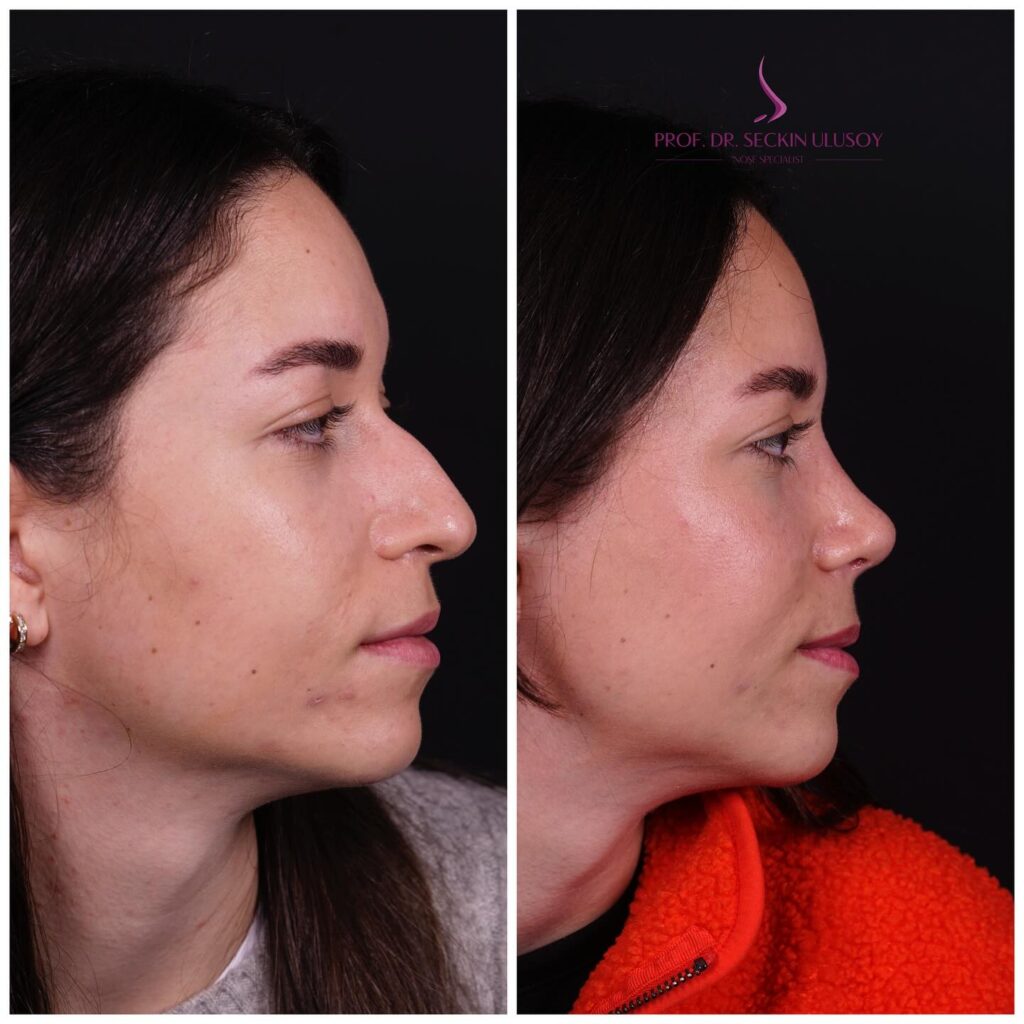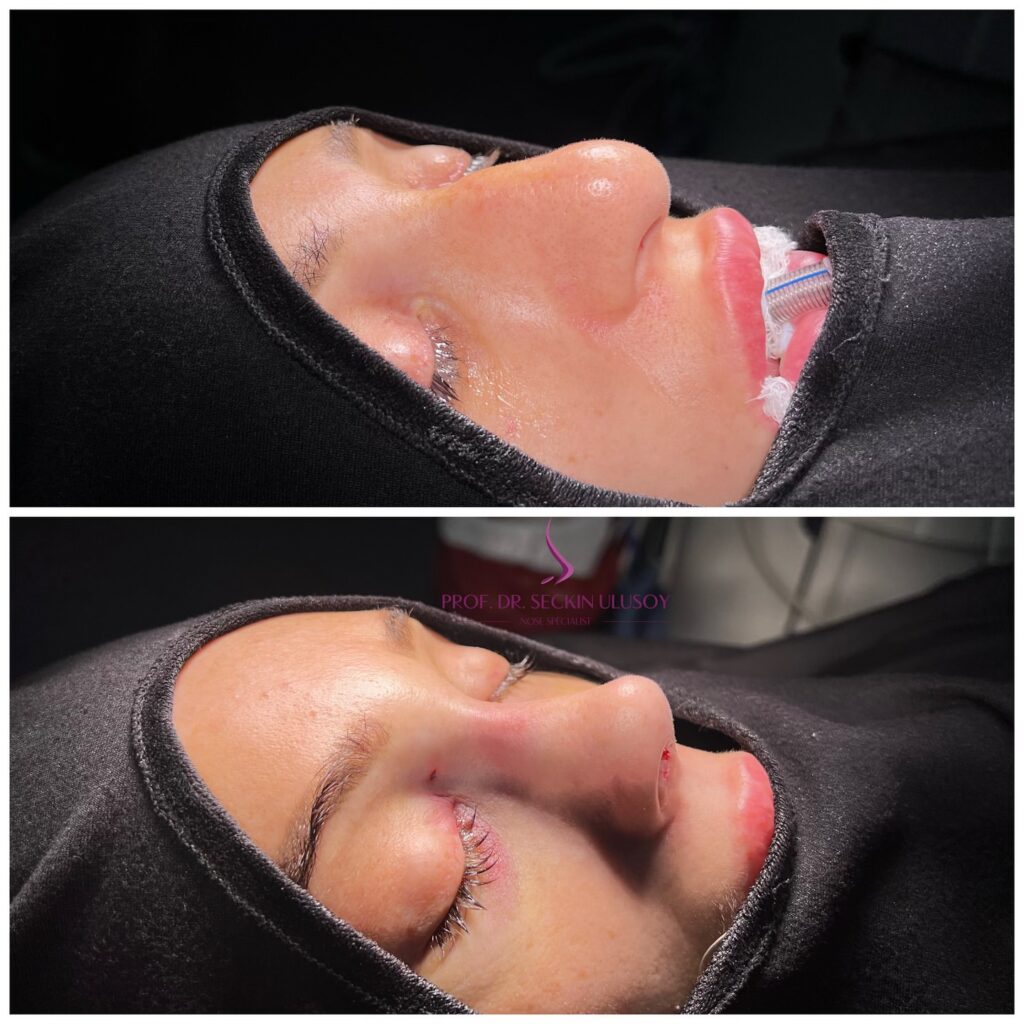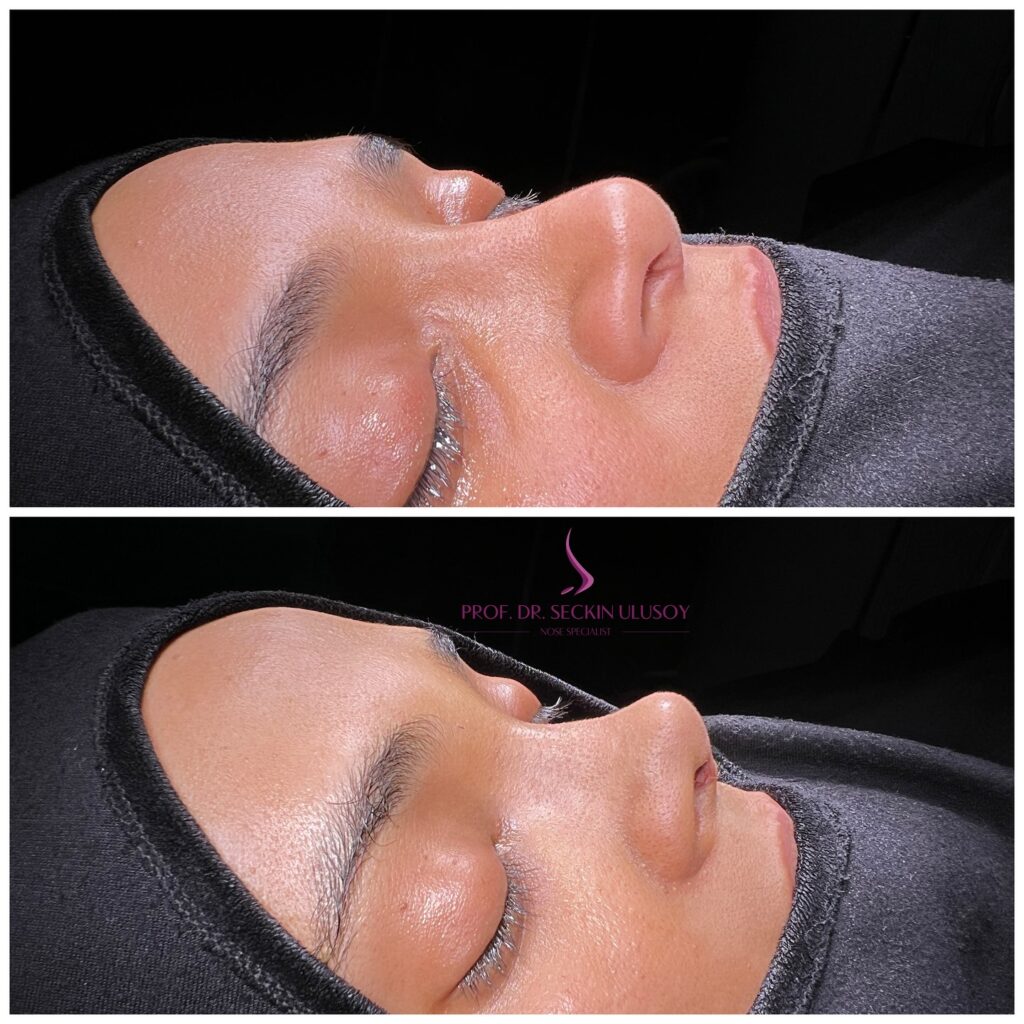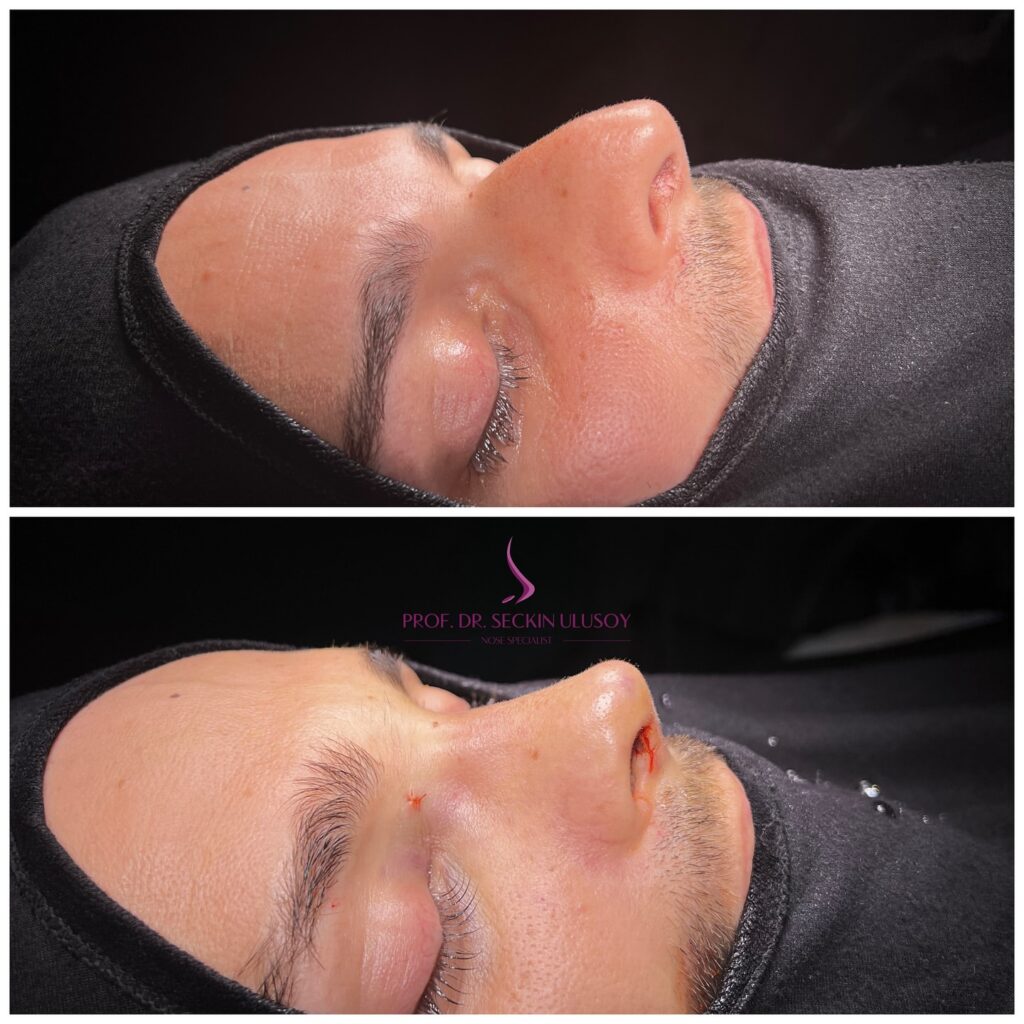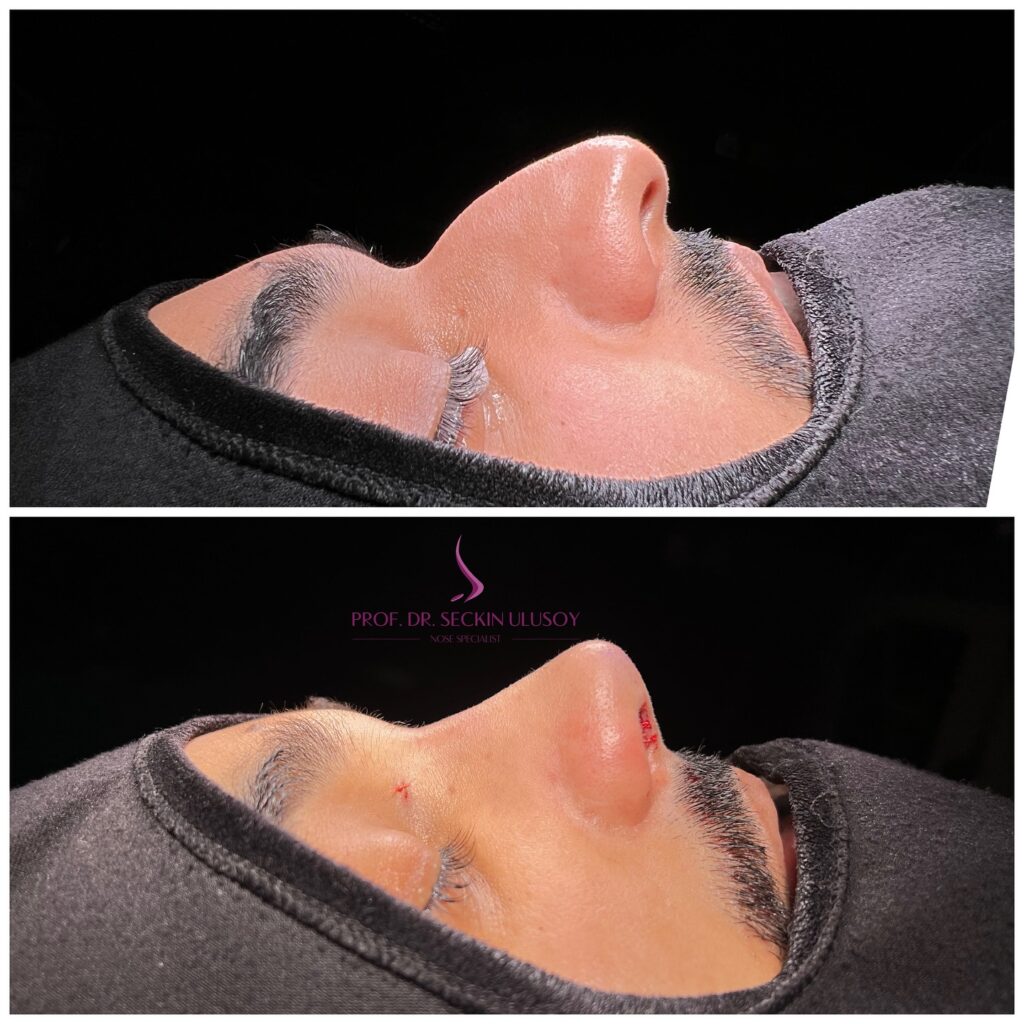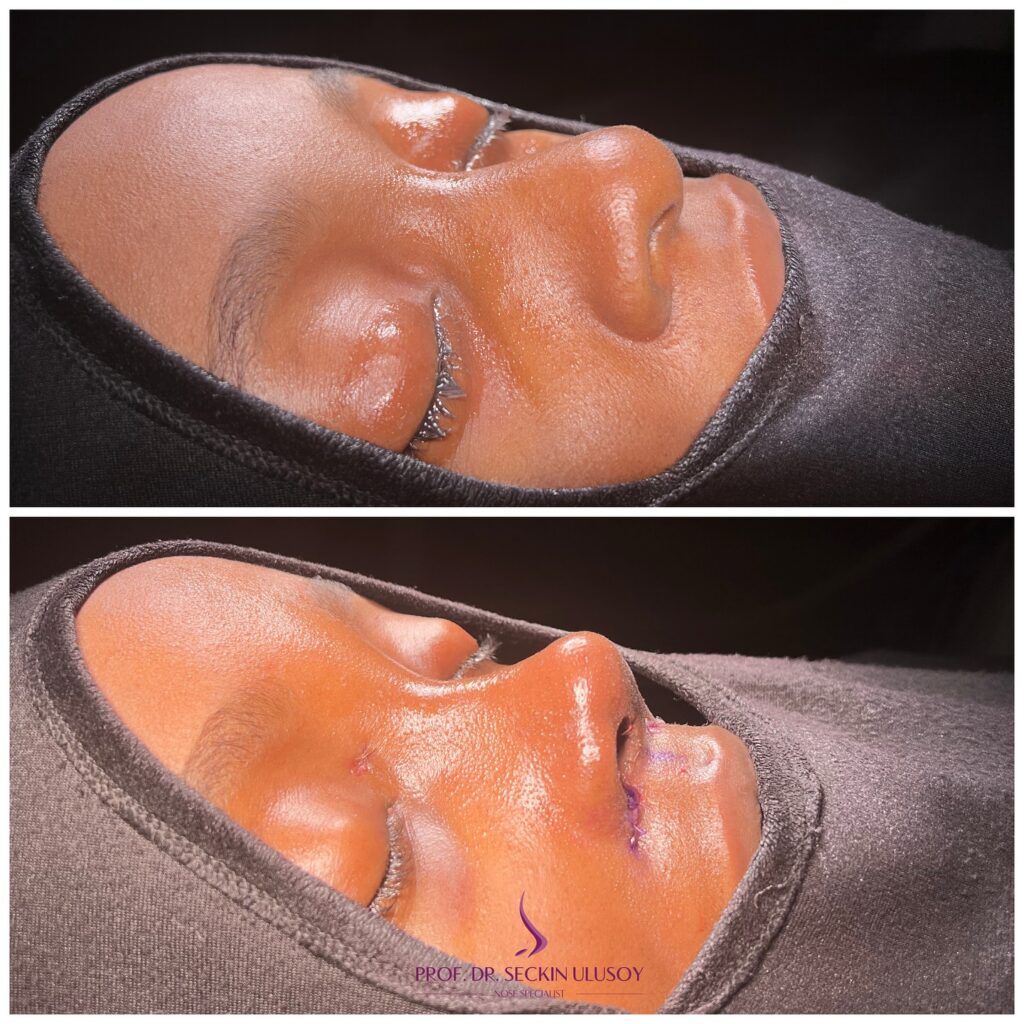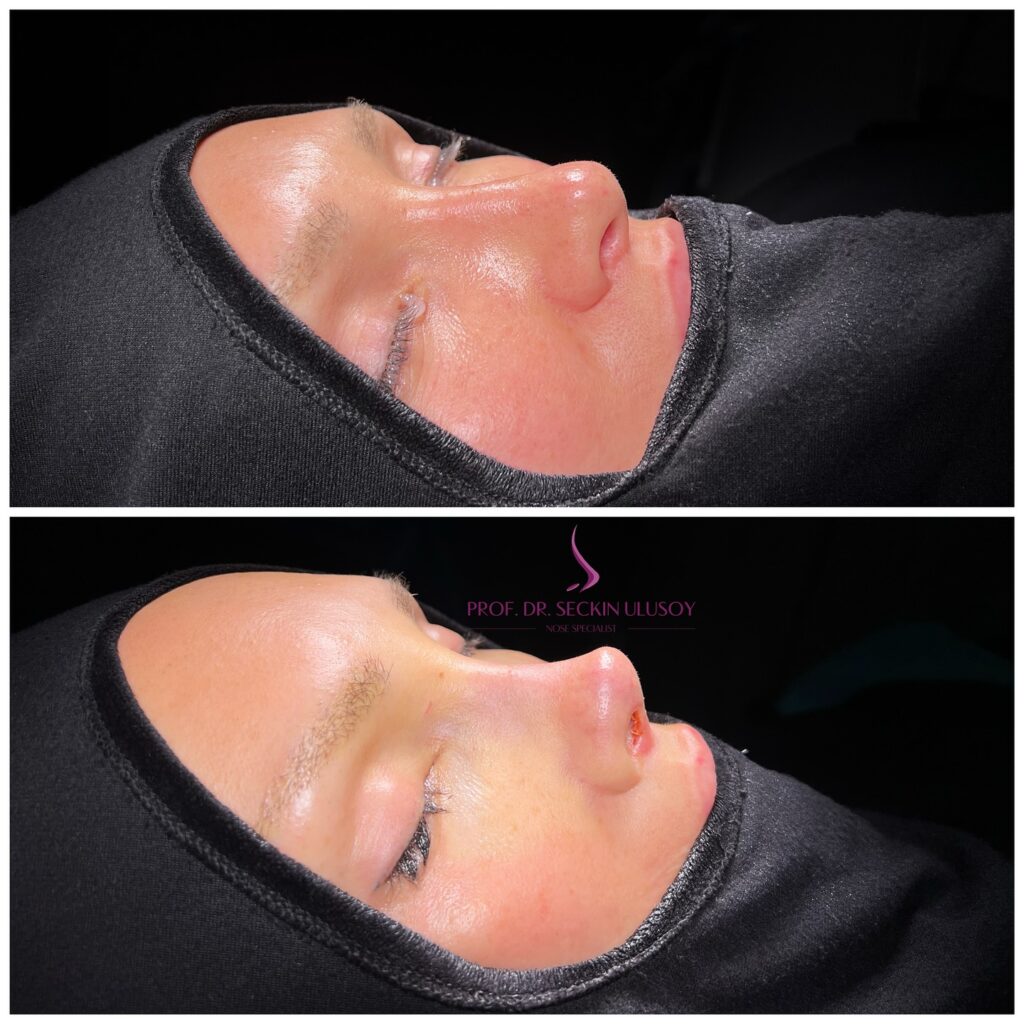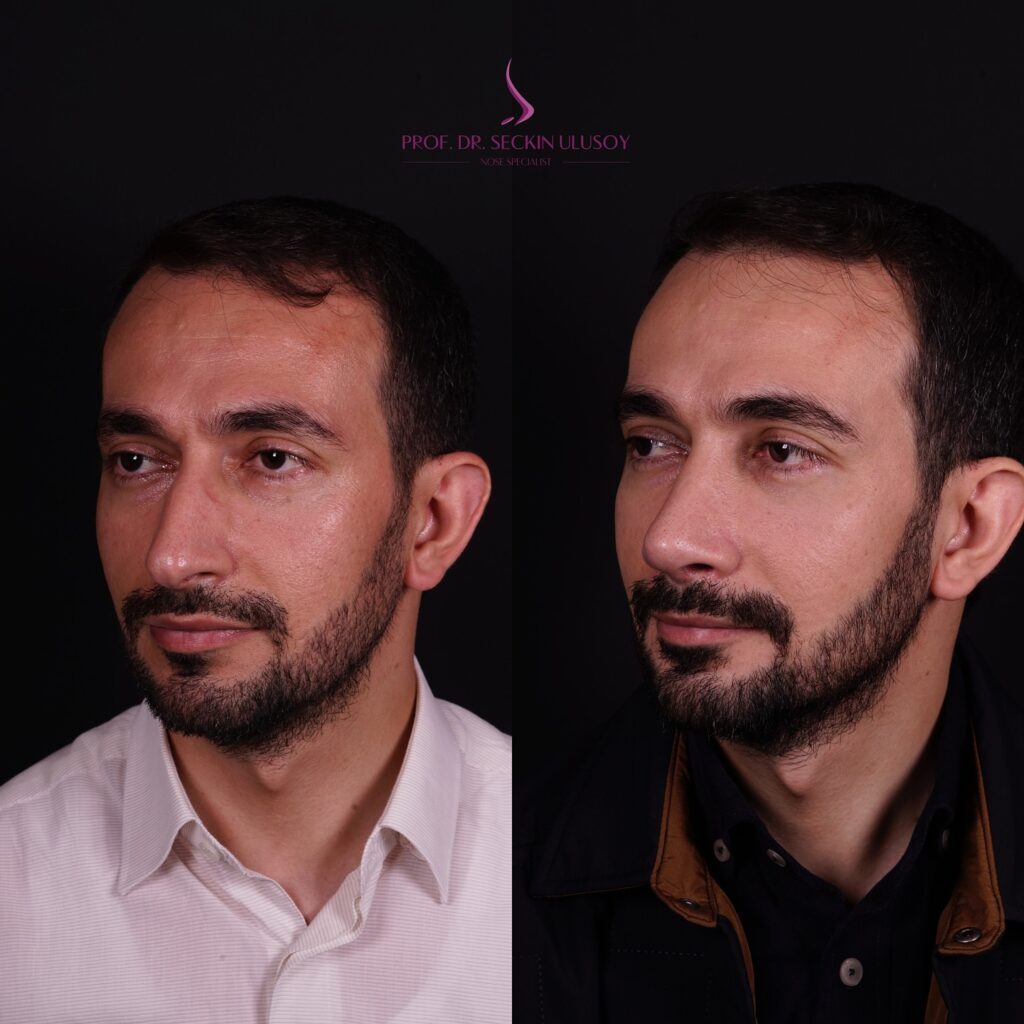
Mild crookedness after rhinoplasty may be seen, especially due to edema and the tissue-healing process that occurs during the first months. This condition is generally temporary, and the nose may gain a more symmetrical appearance as the tissues heal completely. However, permanent asymmetries are also possible.
Nasal deviations caused by edema generally decrease significantly within the first 6 months. Swelling at the nasal tip and firmness in the subcutaneous tissues soften over time, providing a smoother contour. During this process, changes in shape should be monitored through regular doctor check-ups.
Significant crookedness resulting from surgical techniques or differences in the bone-cartilage structure may be permanent. In such cases, the doctor may consider revision surgery after waiting for the nasal structure to settle. It is generally recommended to wait 1 year.
Mild asymmetries may be corrected with massage and medical interventions. However, only surgical correction is effective in severe deviations. It is important to keep expectations of symmetry after rhinoplasty at a reasonable level and to take natural anatomical differences into consideration.
Why May the Nose Appear Crooked After Surgery?
There may be multiple reasons for the perception of crookedness or asymmetry in the nose after rhinoplasty. A significant portion of these are temporary conditions and are considered a natural part of the healing process.
During surgery, the nasal bones and cartilage structures are reshaped. This procedure causes edema (swelling) and sensitivity in the tissues. When edema is not distributed equally on both sides, the nose may appear crooked, especially when viewed from the front. Likewise, fluid accumulation beneath the skin may also cause temporary deformities.
The Effect of Edema and Swelling
Edema in the nose during the first weeks and even months after rhinoplasty is expected. This swelling decreases at different levels and over different periods in every patient. Edema remaining for a long time, especially around the nasal tip and bone line, may cause the nose to appear tilted toward one side.
Patients often describe the feeling that “my nose seems to have shifted to one side” during this period. However, this feeling generally results from the tissues not yet having fully settled. As the edema decreases over time, the nasal contours become clearer.
Change in Appearance After the Splint and Bandage
The splint or bandages placed on the nose after surgery aim to keep the nose fixed in its new shape. When the splint is removed and the nose is seen with the naked eye for the first time, patients may encounter an appearance different from what they expected.
At this stage, the nose has not yet taken its final form. Once the pressure of the splint is removed, the tissues enter an adaptation process again. This may cause temporary asymmetries or a feeling of crookedness. This condition generally resolves on its own within weeks.
How Long Does Crookedness Last After Rhinoplasty?
The healing process varies from person to person. In general, the first 1–3 months after rhinoplasty are the period when edema is intense and the shape changes frequently. Most crookedness observed during this process is temporary.
It takes longer for the bone and cartilage structures of the nose to settle completely. While this period may be relatively short in people with thin skin, healing may take up to 9–12 months in patients with thick skin. Therefore, evaluations made in the early period do not always reflect the final result.
Is Every Crookedness Harmless?
Although most crookedness is temporary, permanent asymmetry may occur in some cases. Especially during the postoperative period, impacts to the nose, unintentional pressure, or failure to follow the recommended protective measures may cause the bones to heal in an undesirable position.
In addition, the person’s existing nasal structure and facial asymmetry may also affect the result. If there is a natural asymmetry throughout the face, nasal surgery may make this asymmetry more visible. This does not always mean that a surgical error has occurred.
The Most Common Complaints Expressed by Patients
After rhinoplasty, patients generally state that one side of the nose is more swollen, the nasal tip appears tilted to one side, or they experience a slight feeling of shifting along the nasal bridge. Most of these complaints decrease as the healing process progresses.
Some patients state that their noses appear crooked in photographs. Camera angle, lighting, and the use of facial muscles may also affect this perception. Differences seen in the mirror and in photographs may be a natural part of the process.
When Should a Doctor Be Consulted?
Regular doctor check-ups are very important during the postoperative period. However, in some cases, an evaluation may be required without waiting for the scheduled follow-up dates. A specialist should definitely be consulted if the crookedness increases over time, severe pain develops, a significant deformity occurs, or a change is noticed after sudden trauma.
The specialist physician can evaluate whether the condition is temporary or is a problem requiring intervention through examination and, if necessary, imaging methods. This evaluation is made by taking the patient’s nasal structure and the scope of the surgery into consideration.
Does Everyone Need Revision?
Not every asymmetry after rhinoplasty requires revision surgery. Most patients notice that their nose achieves a more balanced appearance than expected when the healing process is complete. The decision regarding revision is generally evaluated at least 9–12 months after surgery.
The reason for waiting this period is to allow the tissues to heal completely and the true result to emerge. Decisions made in the early period may be misleading. In addition, not every minor asymmetry is considered a medical problem; aesthetic perception may vary from person to person.
What Should Be Considered During the Healing Process?
Following the recommended postoperative care instructions directly affects the healing process. It is important to avoid impacts to the nose, not to sleep on the side for the recommended period, and to carefully follow the bandaging or massage recommendations given by the physician.
In addition, being patient is one of the most important parts of this process. Rhinoplasty is not a procedure whose result is seen immediately; it is a process that takes shape over time. Patients keeping their expectations realistic by being aware of this fact also positively affects their level of satisfaction.
Frequently Asked Questions
What Can Distort the Shape of the Nose After Nasal Surgery?
Experiencing an impact, wearing glasses, performing strenuous exercise, and sleeping face down during the first weeks may negatively affect the shape of the nose. Uncontrolled edema and infection may also disrupt healing. Following the doctor’s recommendations is important for preserving the results.
Is Asymmetry of the Nasal Wings Normal After Rhinoplasty?
Temporary asymmetry of the nasal wings may be seen due to edema during the early postoperative period. The appearance generally becomes balanced as the swelling decreases. In cases of persistent significant asymmetry, an evaluation by the surgeon may be required.