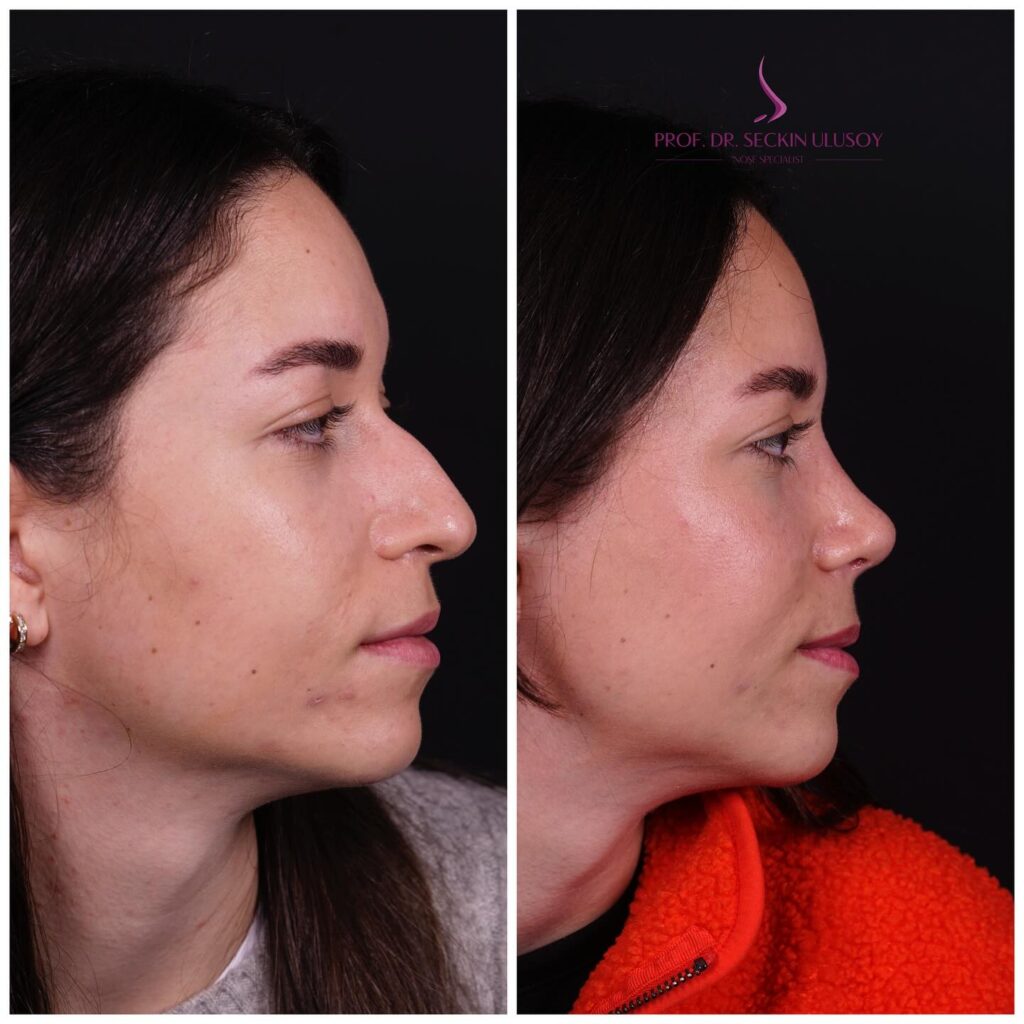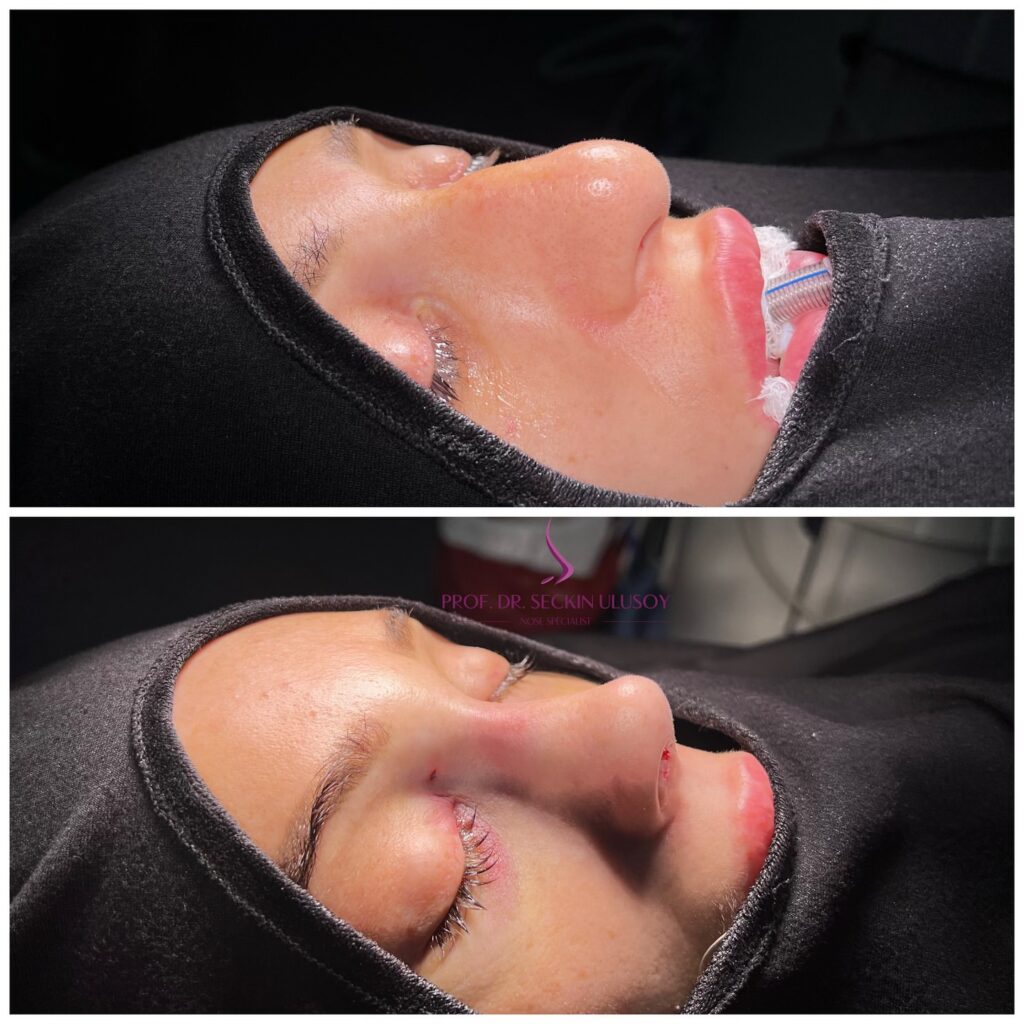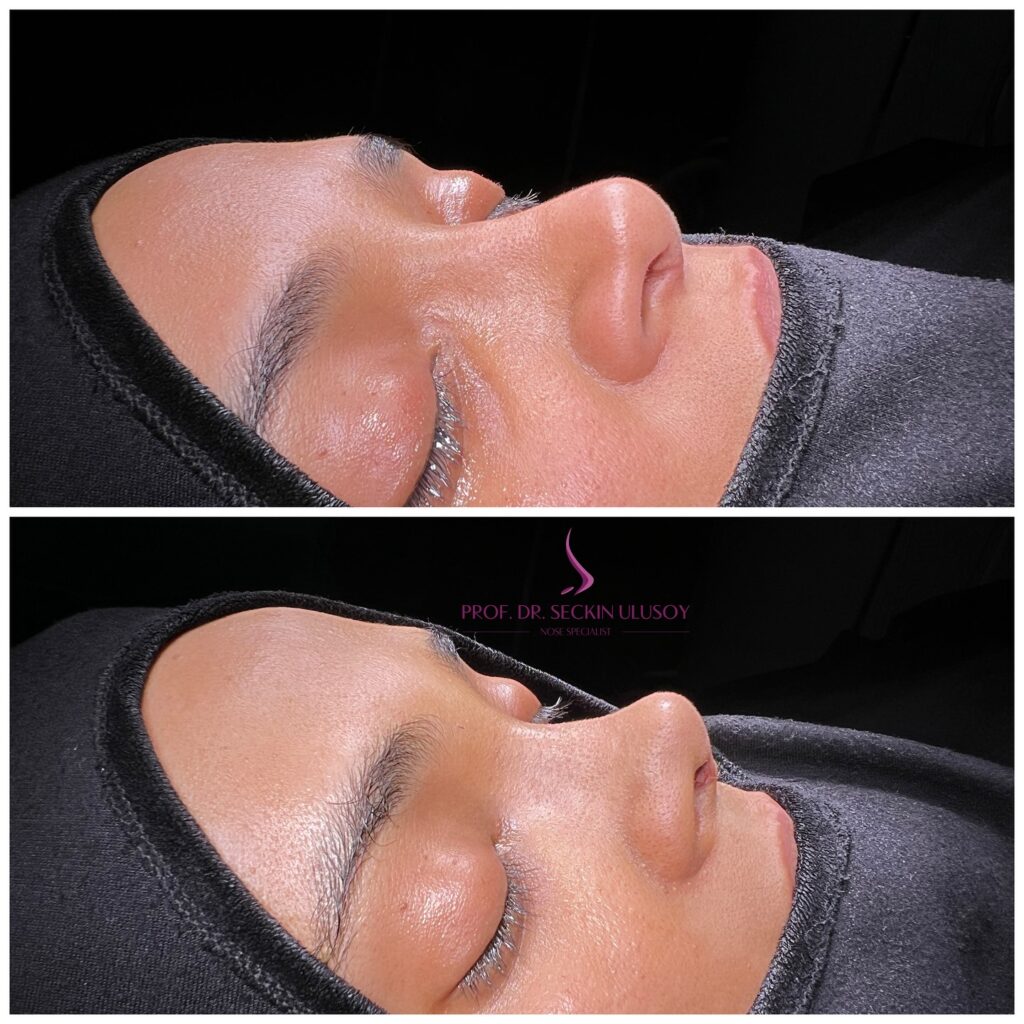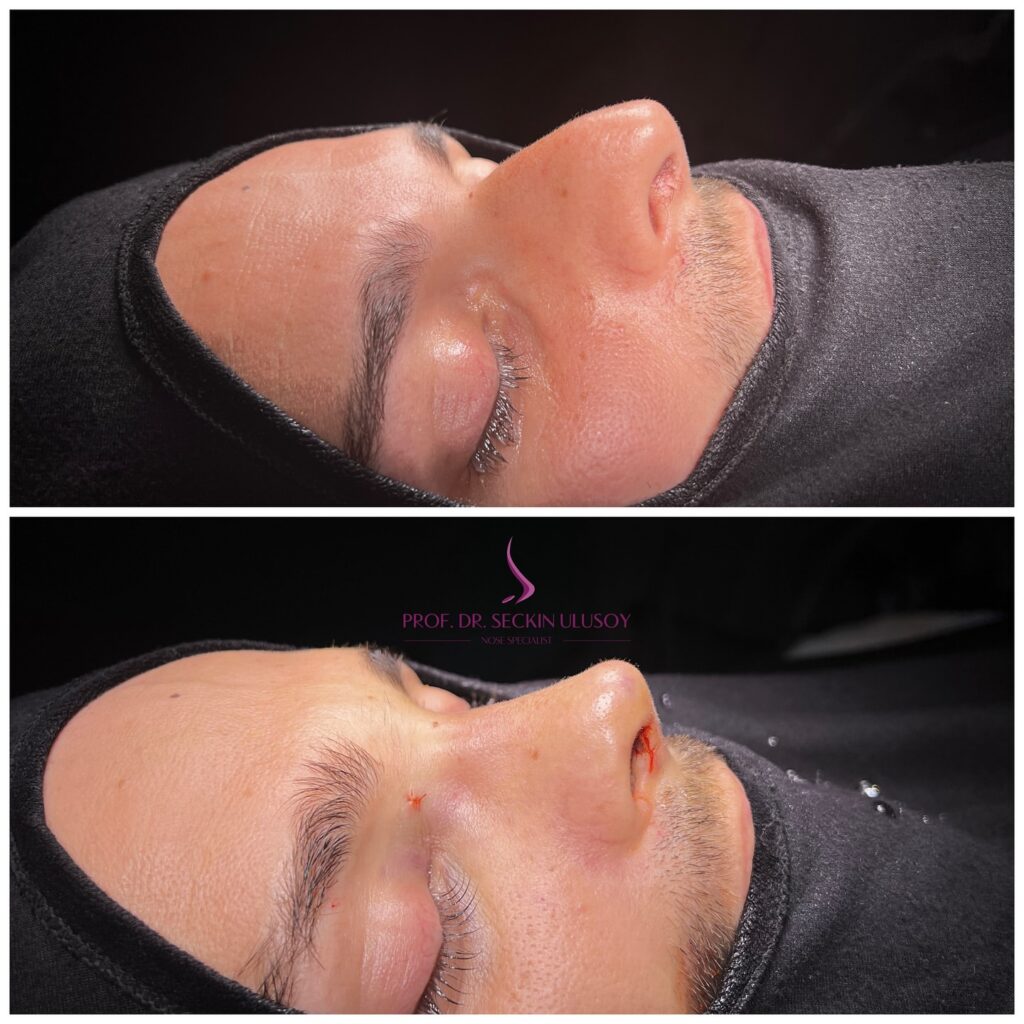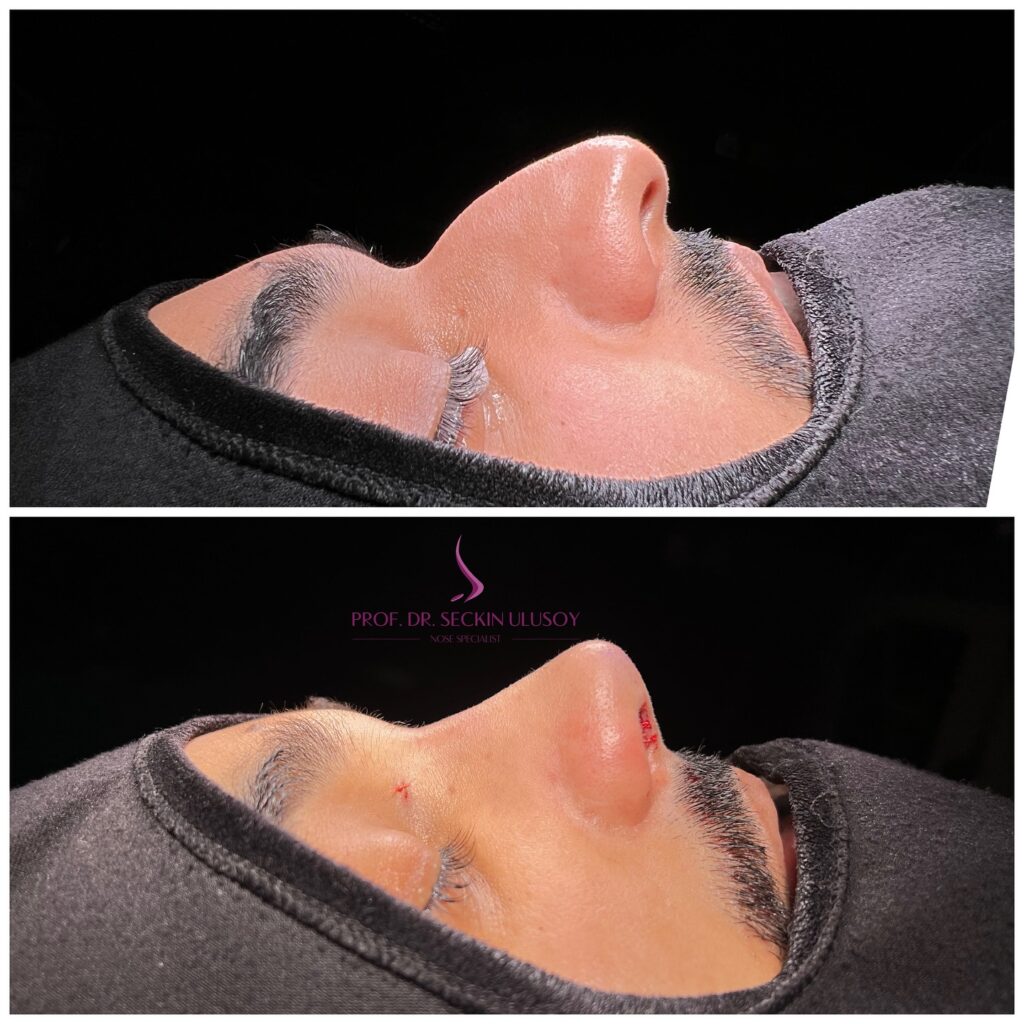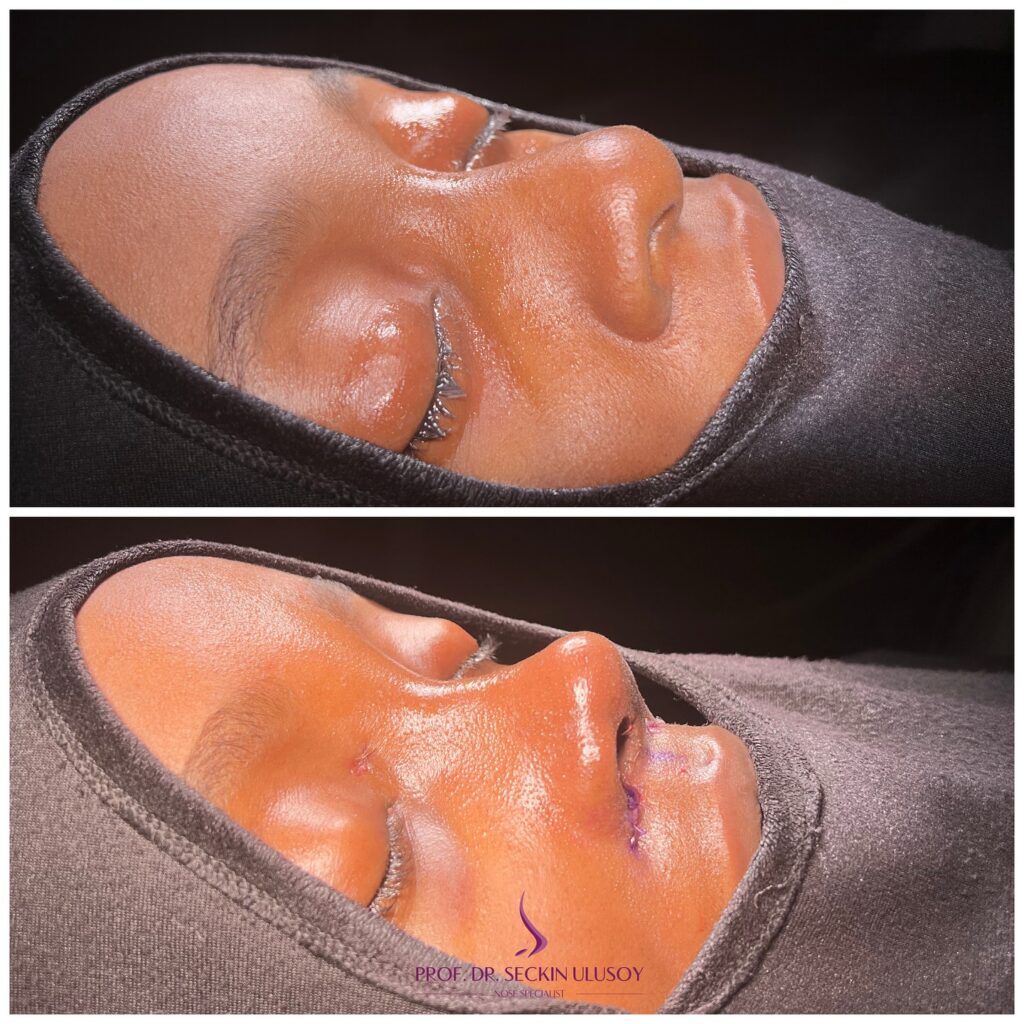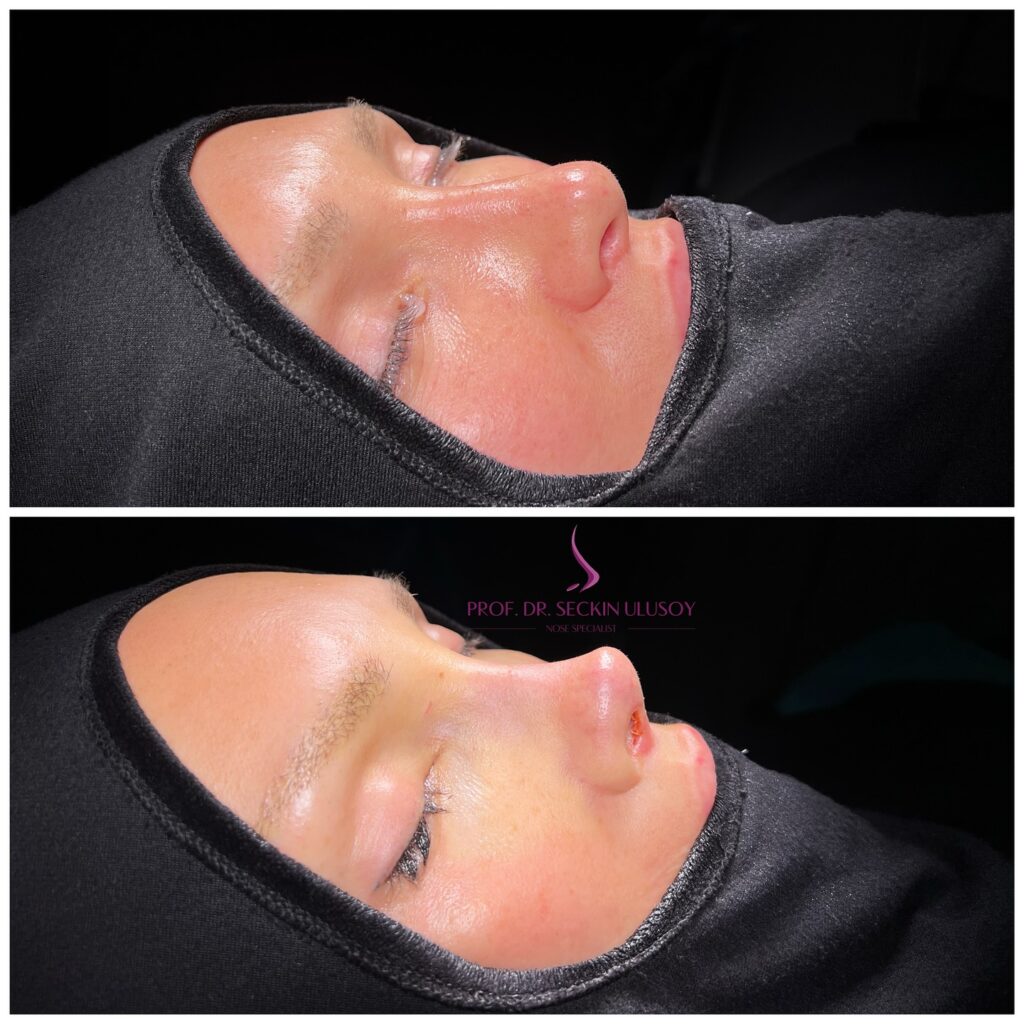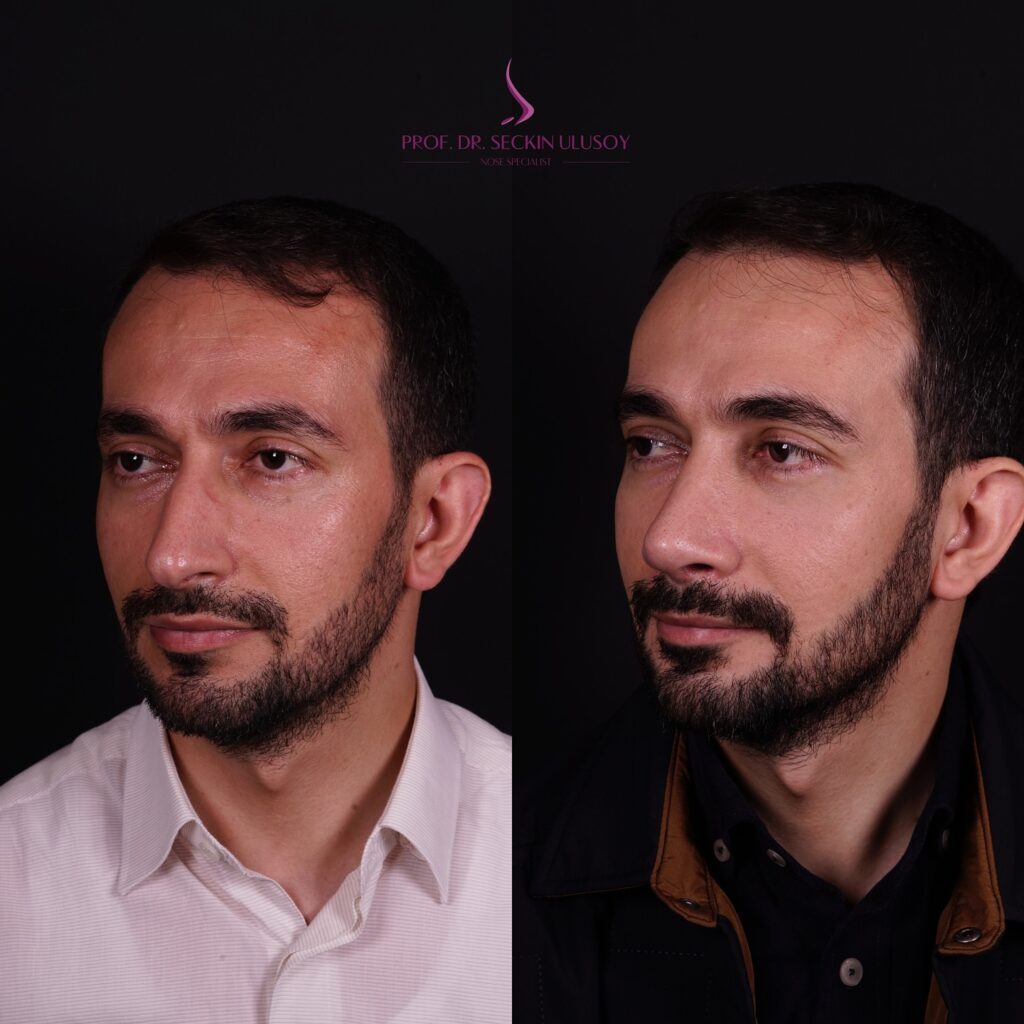
Applying a cold compress during the first days is highly effective in reducing swelling after rhinoplasty. Ice applied around the eyes and to the cheeks constricts the blood vessels and limits the formation of edema. However, ice should not be placed directly on the nose, and circulation should not be impaired.
Sleeping with the head elevated helps the swelling disperse with the effect of gravity. Especially during the first two weeks, sleeping with two pillows supports the reduction of edema. Avoiding excessive exertion and bending forward is important during this period.
Limiting salt and caffeine consumption can help control swelling by reducing fluid retention in the body. Drinking plenty of water and maintaining a balanced diet support overall tissue health during the healing process and contribute to the rapid resolution of edema.
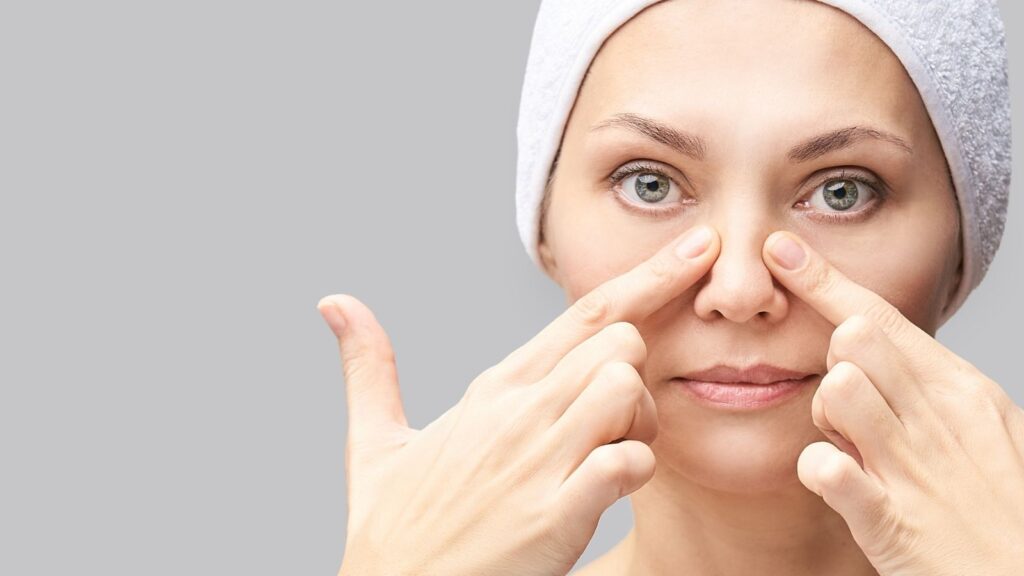
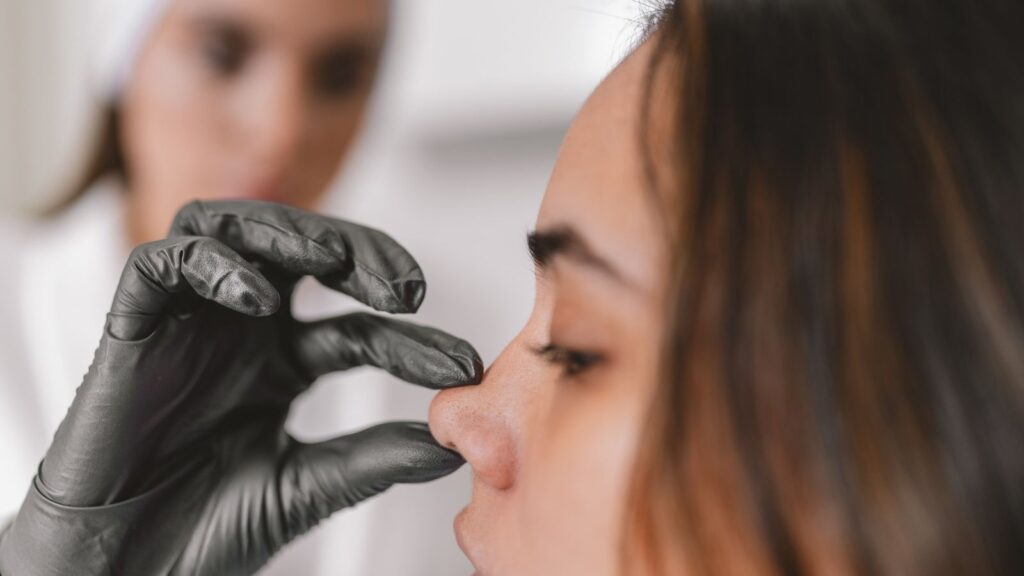
Nasal massage techniques recommended by the surgeon and controlled lymphatic drainage practices may help the swelling disperse more quickly. These practices should only be performed with the physician’s approval; otherwise, they may harm the healing process.
Why Does Swelling Occur After Rhinoplasty?
Rhinoplasty involves surgical procedures performed on bone and cartilage tissues. During this intervention, the tissues are shaped in a controlled manner, and the body responds with a healing reaction. Swelling is a result of this natural defense mechanism.
Edema around the nose, under the eyes, and on the cheeks is common during the postoperative period. This swelling, which is more noticeable especially during the first days, decreases over time. The amount and duration of swelling may differ in every patient; this is related to the person’s skin structure, healing capacity, and the extent of the procedure performed.
How Does Swelling Progress During the First Days?
The first 48–72 hours after surgery are known as the period when swelling is felt most intensely. During this process, a feeling of tightness, mild pressure, and fullness may occur around the nose. Some patients report experiencing swelling together with bruising under the eyes.
By the end of the first week, some of the swelling subsides. However, it may take months for the edema after rhinoplasty to disappear completely. Swelling at the nasal tip, in particular, may decrease more slowly than in other areas. This condition is generally considered normal and requires patience.
What Can Be Done for Swelling After Rhinoplasty?
Practices aimed at reducing swelling are intended to support the healing process. At this point, the physician’s recommendations should always take priority.
Cold Application Support
Cold application during the first days after surgery is frequently recommended to control edema. Cold may help reduce fluid accumulation by causing the blood vessels to constrict. However, it is important that the ice does not come into direct contact with the skin. The duration and frequency of application must be within the framework specified by the doctor.
Keeping the Head Elevated
Keeping the head slightly above heart level during the recovery period may contribute to reducing edema. Using an additional pillow, especially during sleep, may help prevent swelling from increasing. This position supports more balanced circulation.
Balance Between Rest and Physical Activity
The body needs rest during the period after rhinoplasty. During the first weeks, it is recommended to avoid strenuous exercise, sudden movements, and activities that require bending forward. Excessive exertion may increase blood pressure and cause the swelling to persist longer.
However, it is not necessary to remain completely inactive. Short walks may support circulation and contribute to overall well-being.
The Importance of Dietary Habits
Nutrition has an indirect effect on postoperative swelling. Excessive consumption of salty foods, in particular, may lead to fluid retention in the body. Therefore, a more balanced and light diet is preferred during the healing process.
Adequate water consumption may help eliminate edema. Some patients may think that drinking water will increase swelling; however, the opposite effect is generally seen. Individual circumstances should also be considered in this regard, and the doctor’s recommendations should be taken into account.
The Relationship Between Nasal Massage and Swelling
Massage after rhinoplasty is a practice considered for some patients. However, when and how the massage should be performed must be determined by the physician. Massage performed at the wrong time or with the wrong technique may negatively affect the healing process.
In some cases, controlled and gentle massage practices are said to help disperse edema. At this point, generalizations such as “suitable for everyone” should be avoided because every nasal structure and surgical technique is different.
How Long Does It Take for the Swelling to Subside?
The time required for swelling to completely disappear after rhinoplasty varies among patients. Although a noticeable reduction is seen within the first few weeks, the nose is generally considered to take between 6 months and 1 year to achieve its final shape.
Especially in people with thick skin, edema at the nasal tip may be felt for a longer period. This condition is usually considered normal and is monitored through regular check-ups.
In Which Situations Is Specialist Evaluation Required?
Although swelling is generally an expected process, some symptoms should be monitored carefully. Swelling that increases over time, is accompanied by a feeling of hardness, or occurs together with severe pain must be reported to the doctor.
In addition, specialist evaluation becomes important if findings such as fever, redness, or discharge are present. Such situations do not always indicate a serious problem; however, they require an individual evaluation.
Frequently Asked Questions
What Should Be Done to Reduce Edema After Rhinoplasty?
To reduce edema, it is important to sleep with the head elevated, limit salt consumption, and use the medications prescribed by the doctor regularly. Cold application is beneficial during the first days. Avoiding strenuous exercise and impacts supports healing.
For How Many Days Should Ice Be Applied After Rhinoplasty?
Intermittent cold application is generally recommended during the first 48 hours after surgery. Ice should not come into direct contact with the skin and should be applied through a thin cloth. The surgeon’s recommendation must be obtained for longer use.