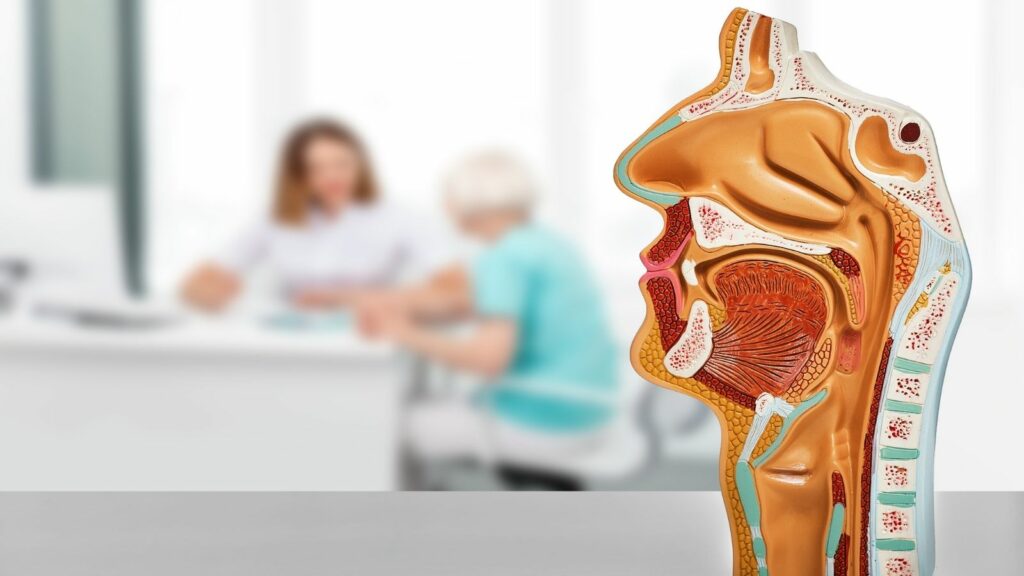
After rhinoplasty, it generally takes between 6 and 12 months for the nasal shape to settle completely. Although the swelling that occurs during the first weeks decreases, it takes time for the nasal tissues to heal fully and take their final shape. This process may vary depending on the individual’s rate of healing.
Most of the swelling subsides within the first three months, but edema may take longer to resolve, especially in areas such as the nasal tip. This process may take longer in individuals with thick nasal skin. The surgeon’s technique and the extent of the procedure performed also affect the recovery period.
Massage and the care methods recommended by the doctor after rhinoplasty may positively affect the recovery process. Regular follow-up examinations are important for the even distribution of edema and the correction of asymmetries in the nasal shape. Care should be taken to protect the nose from impact during this period.
It is generally necessary to wait one year to evaluate the permanent shape. During this period, the nasal shape gradually becomes more refined and gains a natural appearance. If revision is being considered, surgeons generally recommend waiting until this process is complete.
Why Does the Recovery Process Take Time After Rhinoplasty?
Rhinoplasty is a surgery that involves not only the bone structure but also the cartilage, soft tissues, and subcutaneous tissues. Although the nasal shape is created when the operation is completed, the tissues need time to adapt to this new structure.
It is normal to experience edema (swelling), sensitivity, and tissue tightness in the nose after surgery. This may cause the nose to appear larger or different during the first weeks. As the recovery process progresses, this edema decreases, and the nose gradually approaches the planned form.
What Does the Nose Look Like During the First Weeks?
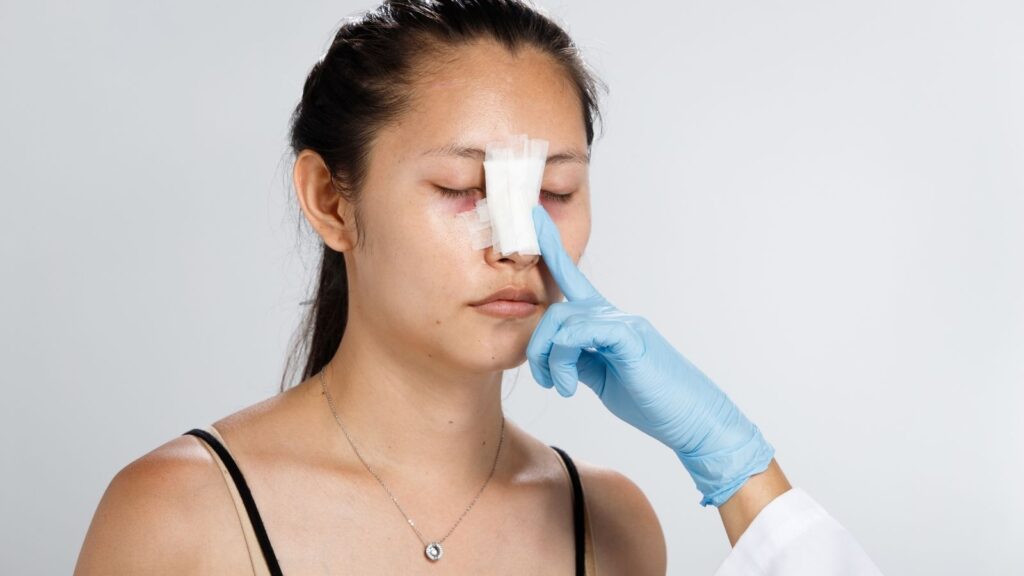
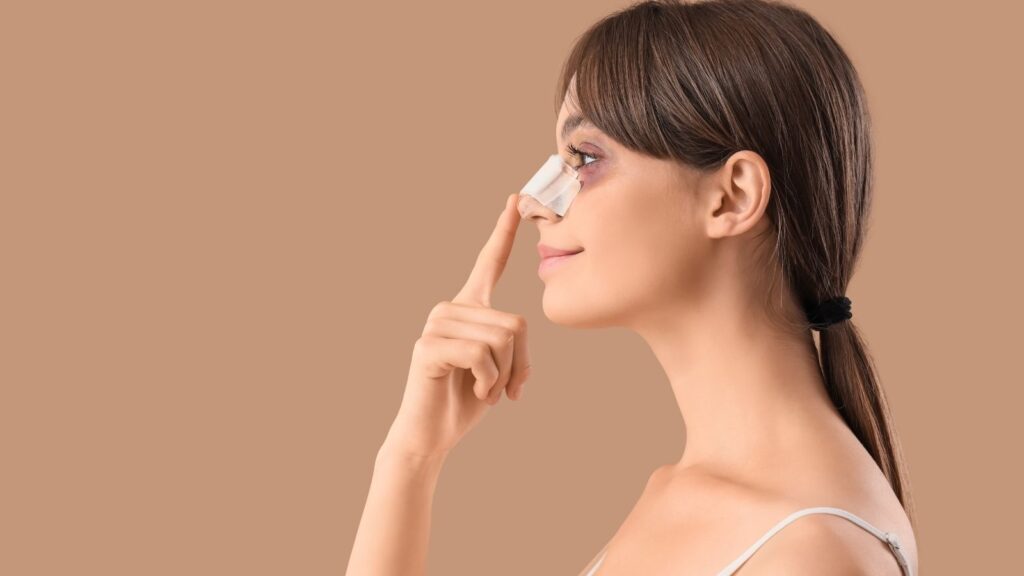
Immediately after surgery, there is generally a cast or splint on the nose. During this period, it is not possible for patients to evaluate the nasal shape clearly. After the splint is removed, the nose may look different from what was expected.
Common conditions during the first weeks include:
- Noticeable swelling at the nasal tip
- A feeling of firmness on the nasal bridge
- An impression of asymmetry
- A perceived difference between the nostrils
These findings are usually temporary and are considered a natural part of recovery.
What Does It Mean for the Nasal Shape to Settle?
The expression “the nasal shape settling” means that the nasal tissues adapt to the form created by surgery and that the edema largely subsides. During this process, the nose gains a more natural appearance, firmness decreases, and harmony with the face improves.
However, this concept does not refer to a single time period. Recovery after rhinoplasty progresses gradually, and different areas may heal at different rates.
When Does the Nose Settle After Rhinoplasty?
To provide a general timeline:
- First month: A significant portion of the swelling decreases, but the nose is still edematous.
- 3–6 months: The nasal bridge and bone structure largely settle. Harmony with the face becomes more apparent.
- 6–12 months: Edema at the nasal tip gradually resolves. The nose appears softer and more natural.
- 12 months and beyond: For most patients, the nose reaches its final appearance during this period.
The nasal tip is especially known as the area that takes the longest to heal. Therefore, it is important for patients to be patient, knowing that changes at the nasal tip may take time.
What Factors Affect the Recovery Period?
The time it takes for the nasal shape to settle is not the same for every patient. There are several important factors that affect this process:
Skin Structure
In people with thick skin, edema may take longer to resolve. With thin skin, the nasal contours may become apparent earlier.
Extent of the Procedure
The recovery period is not the same for simple procedures involving only bone rasping and for operations in which the nasal tip and cartilage structure are reshaped.
Individual Healing Characteristics
Each individual’s tissue healing rate is different. Genetic factors and general health status may affect this process.
Postoperative Care
Following the doctor’s recommendations, protecting the nose from impact, and applying the prescribed care instructions directly affect the recovery process.
Why Does the Nasal Tip Settle Later?
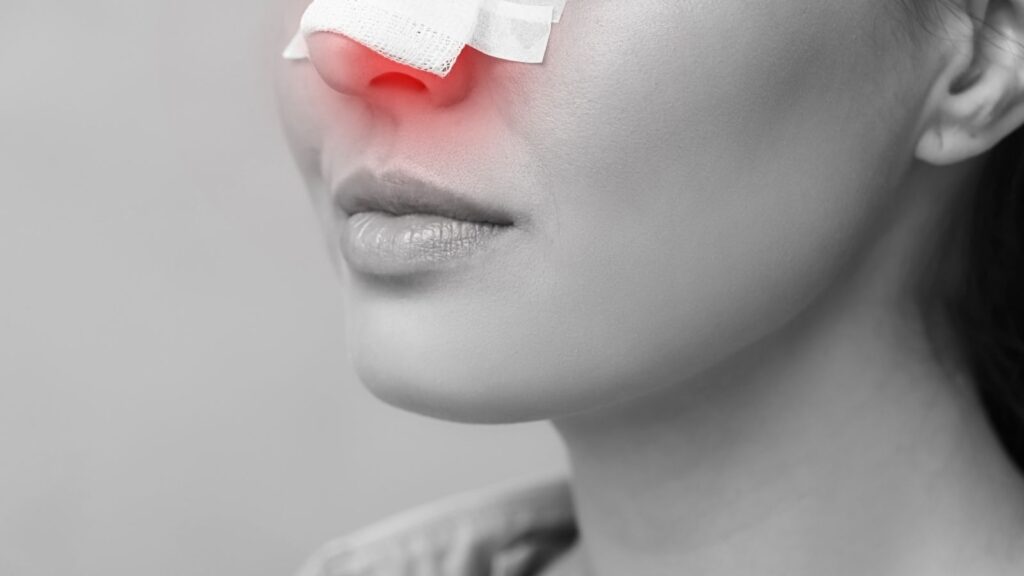
The nasal tip is the area where patients most frequently become impatient. The main reason for this is the dense soft tissue and cartilage structure at the nasal tip. Because lymphatic circulation is slower in this area, it takes time for the edema to resolve.
The nasal tip feeling firm or elevated during the first months is usually temporary. As the months progress, this sensation decreases, and the nasal tip moves into a more natural position.
What Should Be Considered During the Postoperative Period?
During the period after rhinoplasty, patients are advised to pay attention to several points to go through the process more comfortably:
- Protecting the nose from impact
- Avoiding sleeping face down during the first months
- Protecting the nose from the sun
- Not missing follow-up appointments
- Being patient and avoiding definitive judgments during the early period
During this process, it is possible to notice that the nose changes slightly every day. However, these changes usually progress slowly and gradually.
What Should Be Done If the Nasal Shape Is Different from What Was Expected?
It is quite common to experience concerns about the nasal shape during the first months after surgery. Swelling and the tissues not yet having fully adapted may create an inaccurate perception of the nose.
In such situations, the surgeon’s evaluation is important rather than making interpretations on your own. An expert opinion is decisive in understanding whether the process is progressing normally. If considered necessary, additional adjustments may be planned in the long term; however, these decisions are always evaluated individually.
Frequently Asked Questions
When Does the Nose Become Smaller After Rhinoplasty?
During the first weeks after rhinoplasty, the nose may appear large because of swelling. As the edema decreases, a noticeable reduction is generally observed within the first 1-2 months. It may take 6-12 months for the final size and shape to emerge.
When Does the Nose Soften After Rhinoplasty?
The nasal tissues may initially feel firm after surgery. As the edema decreases and the tissues heal, softening generally begins within 2-3 months. Complete softening of the nasal tip may take longer than 6 months.
How Does the Nose Change Month by Month After Rhinoplasty?
During the first month, swelling and bruising decrease, and the nose begins to look more natural. The contours become more defined during months 2-3. By the sixth month, the edema has largely subsided. At the end of one year, the nose takes its final shape, and the fine details become clear.