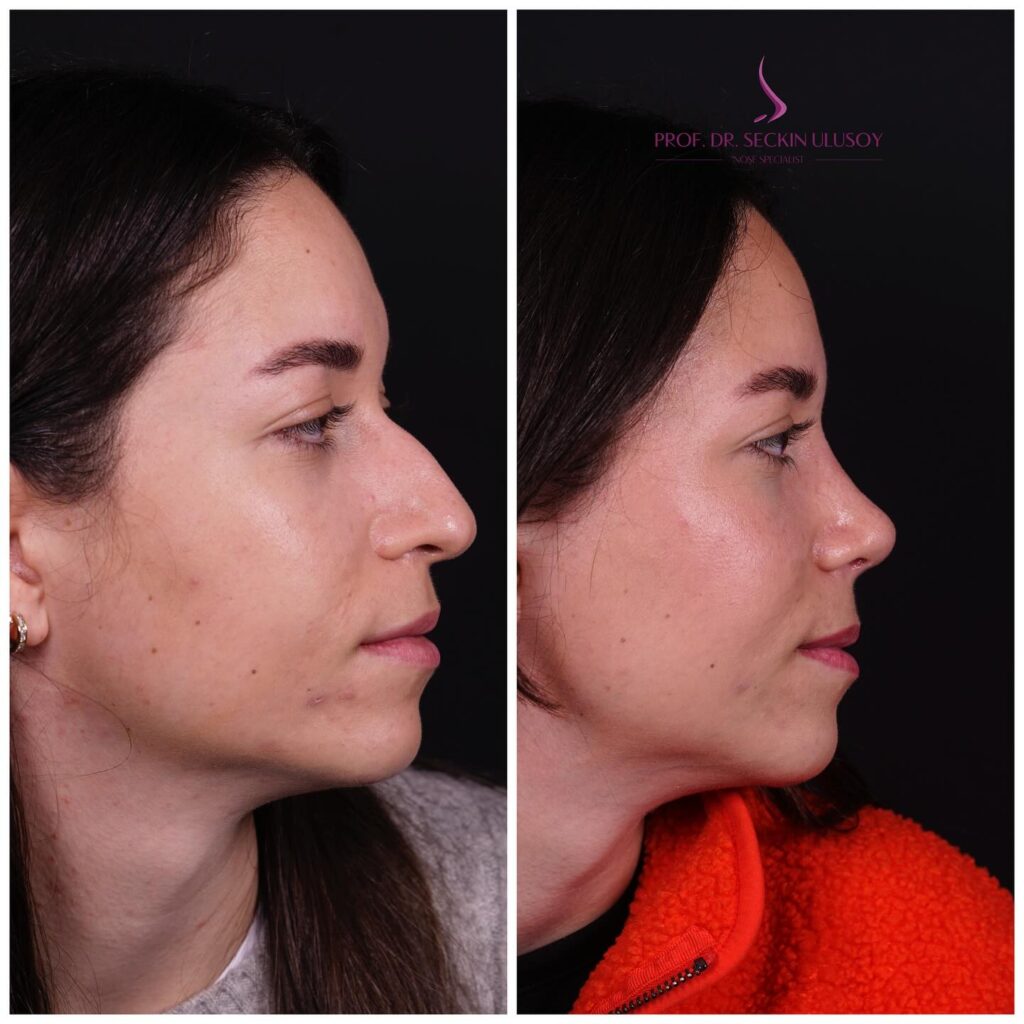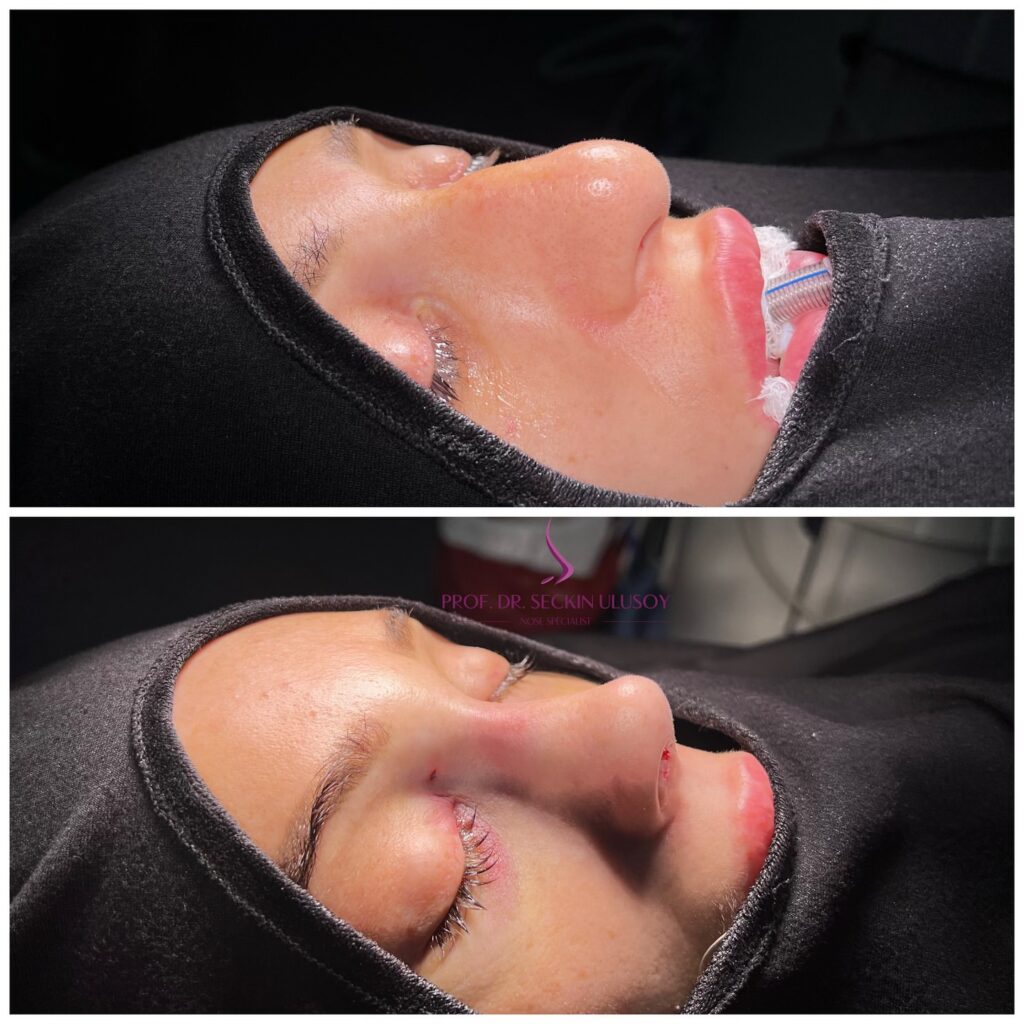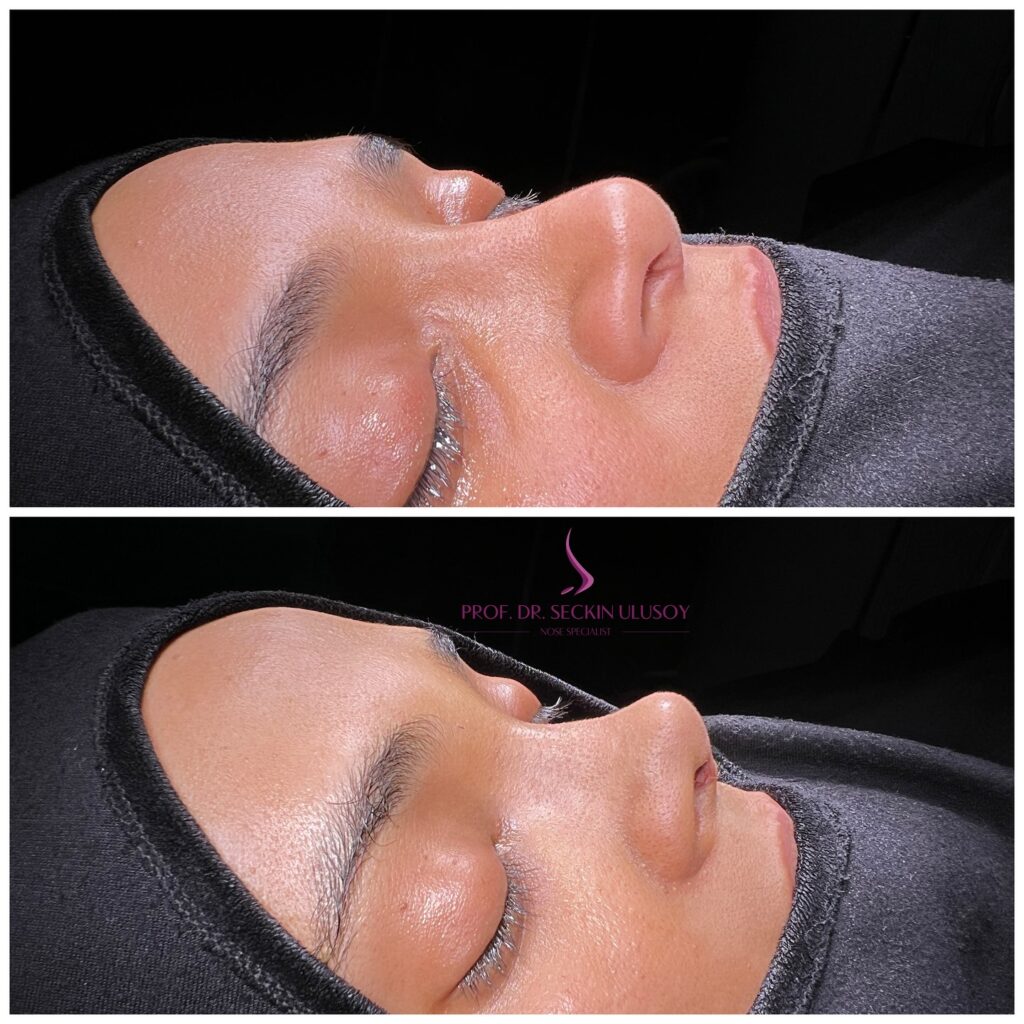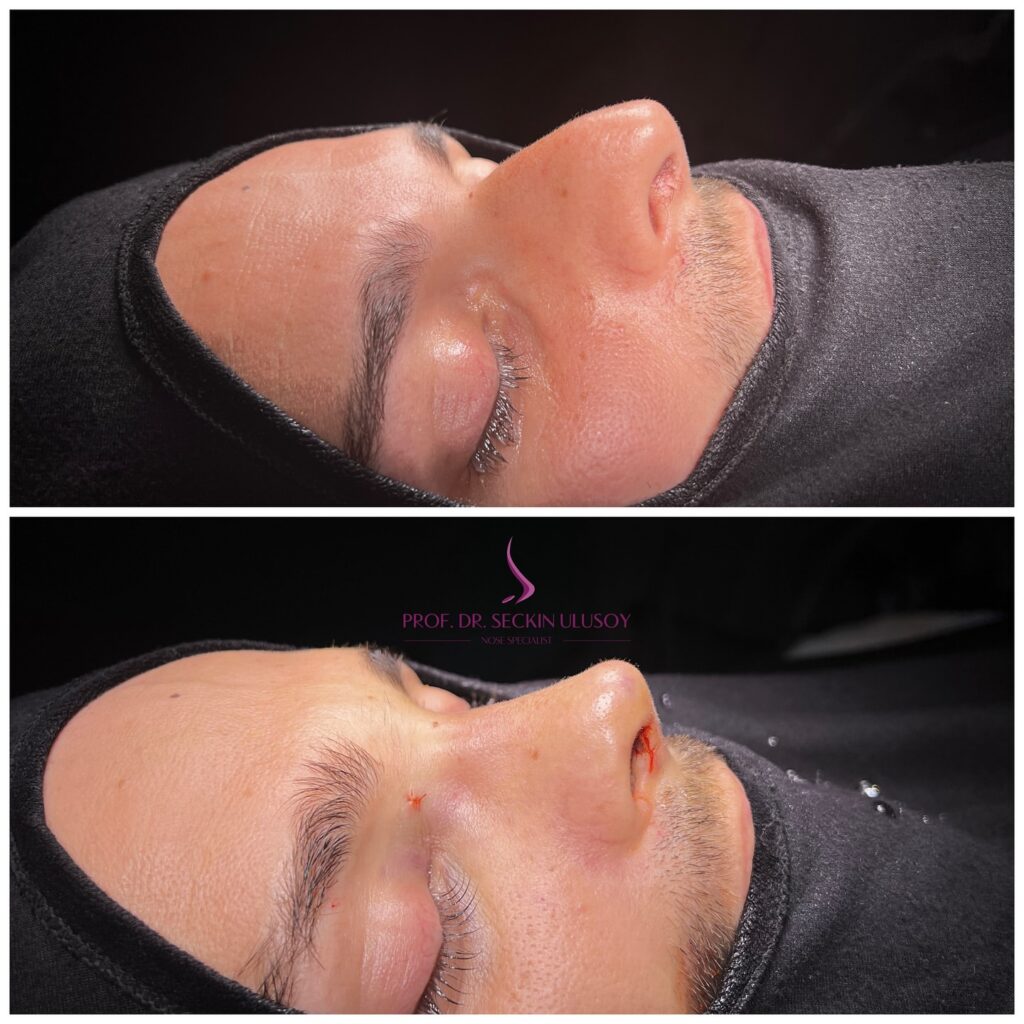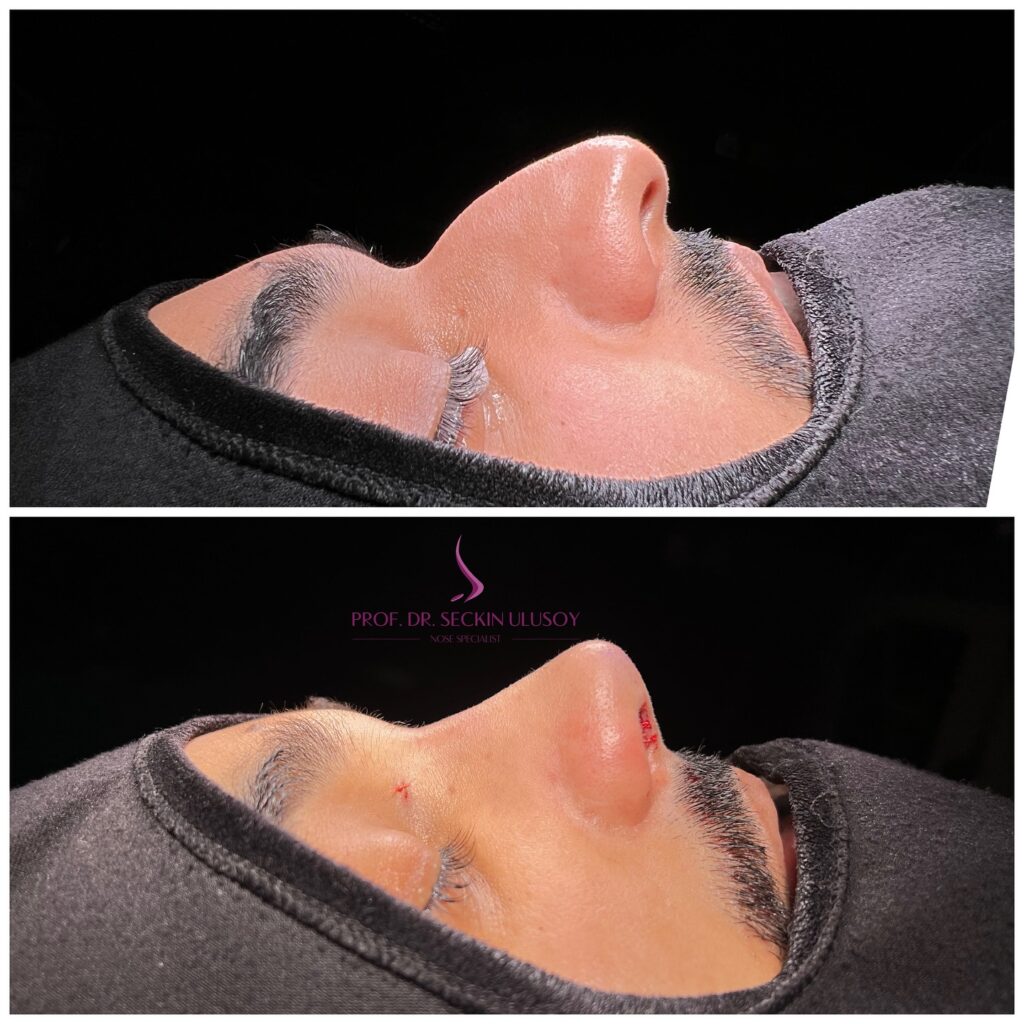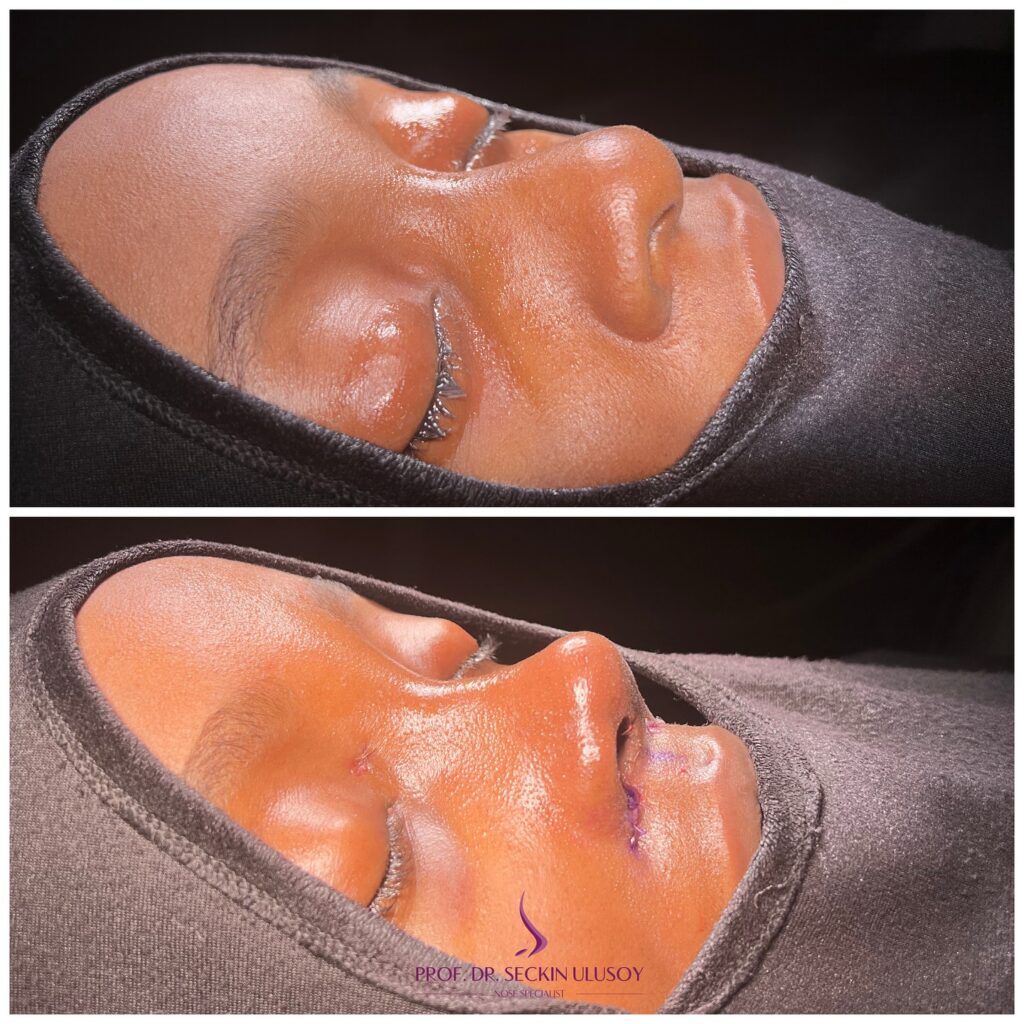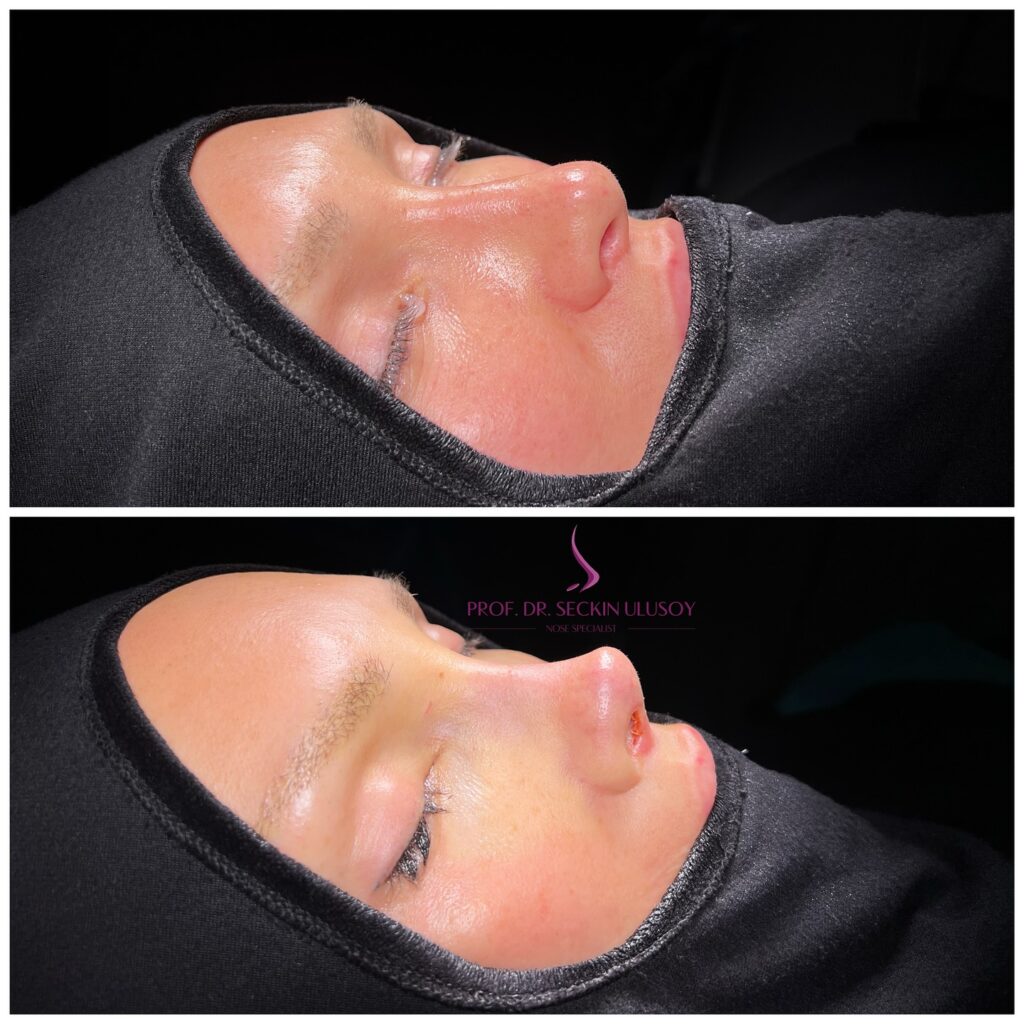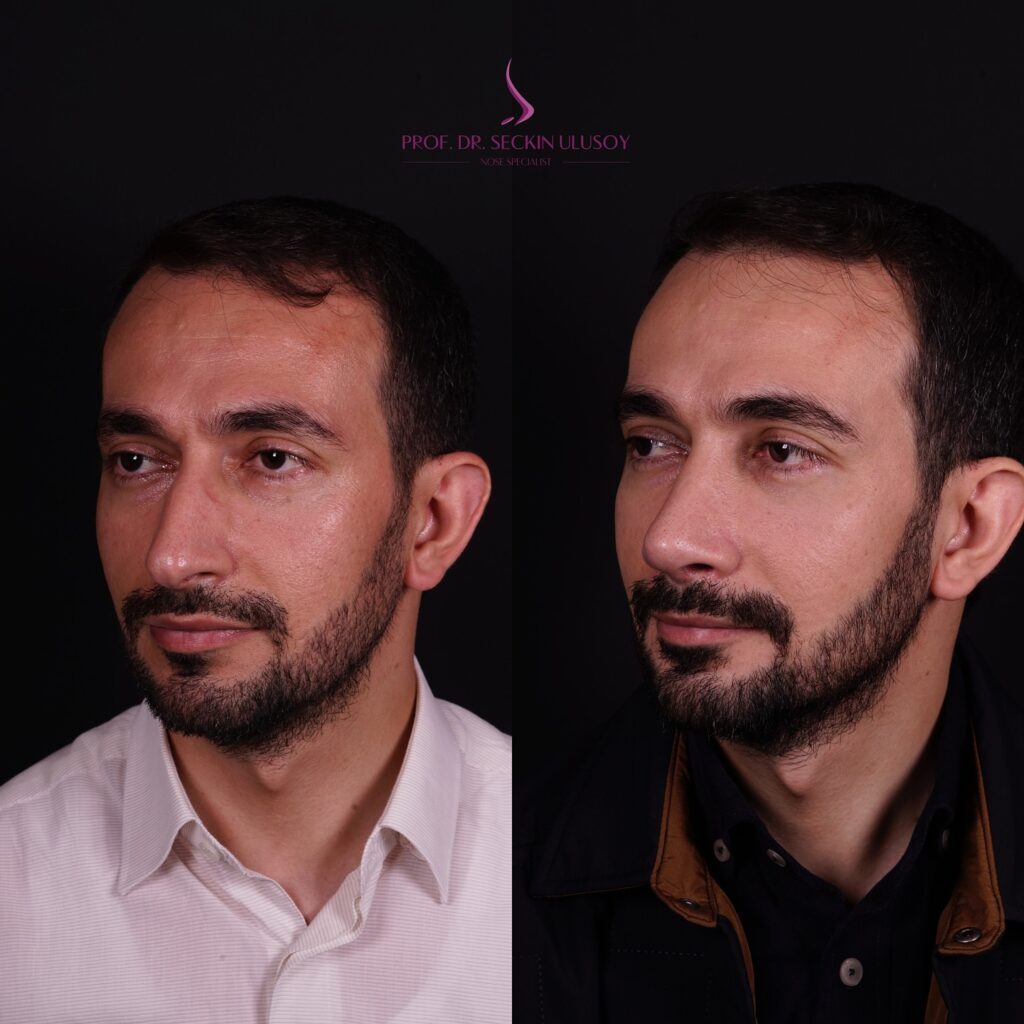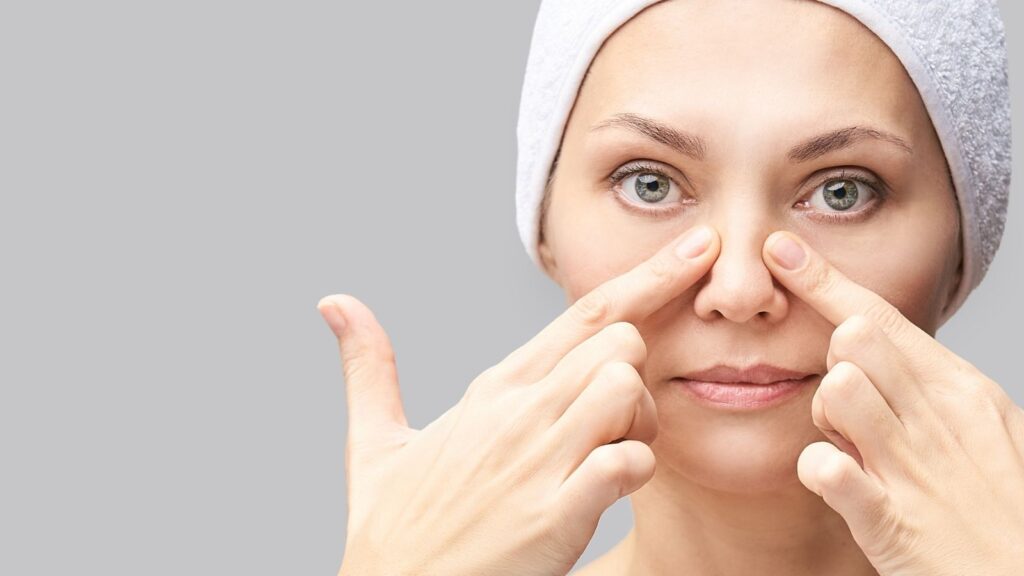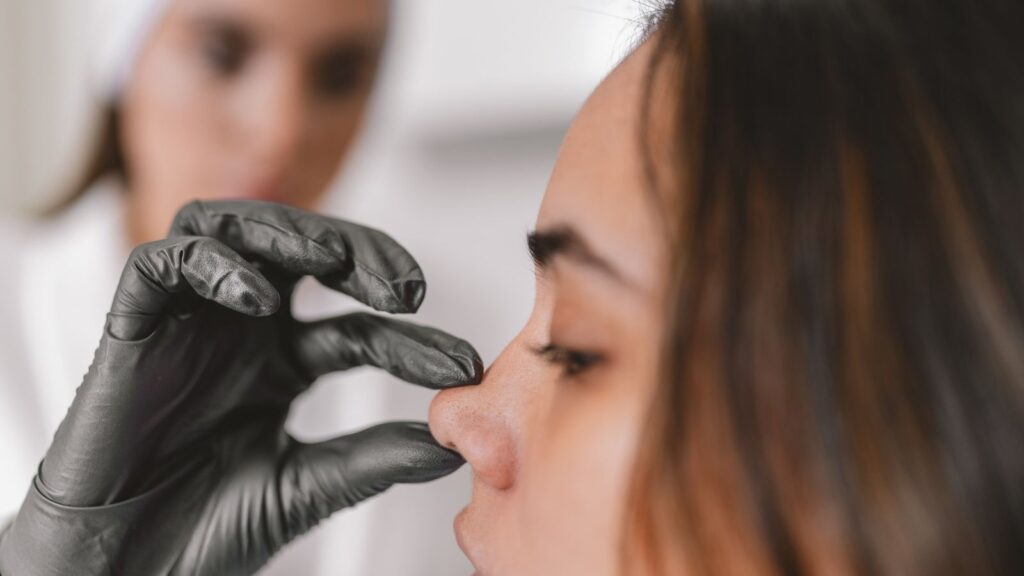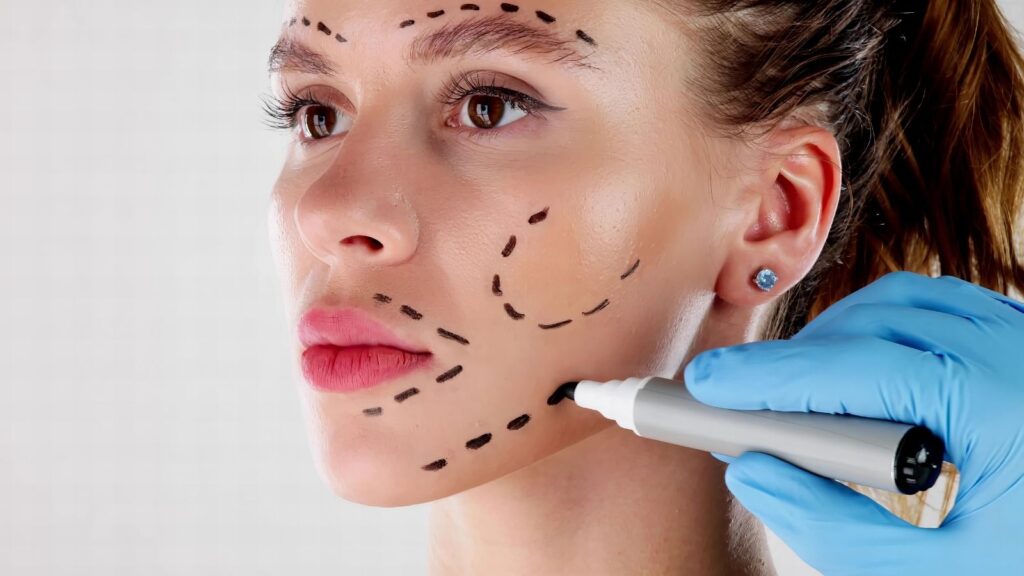
Facial aesthetics is the collective term for surgical and medical procedures performed to make facial features more balanced, reduce the effects of aging, and correct congenital or acquired deformities. Within this scope, major operations such as rhinoplasty, eyelid surgery (blepharoplasty), face and neck lift, prominent ear correction, and chin tip aesthetics are performed. These procedures, carried out within the framework of ENT expertise, go beyond aesthetic concerns by also preserving breathing and the functional integrity of the facial muscles. This broad field, which also includes complementary medical methods such as fillers, botox, and thread lifts, restores the facial profile as a whole and provides a natural appearance.
What Is Facial Aesthetics and Which Procedures Does It Basically Include?
When people hear the concept of aesthetics, they generally think only of becoming more beautiful, making the nose smaller, or eliminating wrinkles. However, facial aesthetics is a vast branch of medicine that aims to bring all anatomical structures in the head and neck region to their most ideal state, both visually and functionally. This field does not merely tighten the skin; it examines every detail, from the positioning of the fat pads beneath the skin to the movement of the facial muscles and the angles between the deepest facial bones. To achieve a truly successful result, it is necessary to have a very good understanding of the embryological development of the face, the aging rate of the tissues, and their functional requirements.
The main categories of interventions performed in the facial region are as follows:
- Cosmetic surgery
- Reconstructive surgery
- Trauma interventions
- Congenital corrections
- Oncological restoration
Each of these interventions serves a different purpose. For example, while cosmetic surgery aims to reverse the signs of aging, reconstructive surgery focuses on correcting damage left by previous unsuccessful procedures or accidents. Trauma interventions involve the delicate repair of fractured bones and severed nerves. Congenital corrections eliminate deficiencies in the lip or palate structure from childhood onward, helping the individual adapt to social life. Oncological restoration involves skillfully closing defects that occur after skin or tissue cancers using surrounding tissues and preserving facial integrity.
Do Nose Surgeries (Rhinoplasty) Within Facial Aesthetics Only Correct Appearance?
In society, rhinoplasty is often thought of as an operation in which only externally visible deformities are corrected and the nose is made smaller and lifted. However, the nose is first and foremost the gateway to our respiratory system. Breathing is the most basic reflex of life, and the nose must function perfectly for healthy sleep, high physical performance, and even heart health. A nose that looks very symmetrical and attractive from the outside but cannot breathe because of internal deviations cannot be considered to have undergone a successful operation. Inside the nose, there is a central wall made of cartilage and bone that divides it into separate right and left passages. If there is an external deviation or hump, it is highly likely that this internal wall is also crooked.
The main functional problems that need to be resolved inside the nose are as follows:
- Cartilage deviation
- Bony deviation
- Turbinate enlargement
- Valve narrowing
- Adenoid problems
While improving the external appearance during surgery, the obstructions blocking the internal airways are also removed in the same session. Enlarged turbinates are reduced with modern devices, deviations in the central wall are corrected, and the nasal valve mechanism that enables breathing is strengthened with cartilage supports. Thus, after surgery, the patient not only achieves a natural appearance that suits the face very well, but also gains high-quality airflow that helps them wake up much more refreshed in the morning.
Which Methods Are Used in Rhinoplasty, One of the Facial Aesthetic Surgeries?
Nose surgeries are among the operations that require the finest detail in medicine and are almost a synthesis of engineering and art. Since every person’s nasal structure, skin thickness, and facial proportions are different, there is no single template or single method suitable for everyone. The surgical approach is generally divided into open and closed techniques. In the open technique, a millimetric incision is made through the thin bridge between the nostrils, and the nasal skin is lifted. This method allows the surgeon to see the entire cartilage and bone structure directly and very clearly with the naked eye; it provides a major advantage, especially in asymmetrical and complex noses. In the closed technique, all incisions are made through the nostrils, leaving no external scar. The closed method may be preferred more often in cases where there are no major problems at the nasal tip and more limited changes are planned.
The standard stages during rhinoplasty surgery are as follows:
- Incision
- Exposure of the framework
- Removal of the hump
- Correction of the central wall
- Shaping of the cartilage
- Narrowing of the bones
- Placement of sutures
During these stages, the interventions performed internally and externally determine the harmony of the nose with the rest of the face. For example, when the hump on the nasal dorsum is removed, the bones are brought closer together in a controlled manner to prevent the nasal roof from remaining open. To prevent the nasal tip from drooping over time, small support struts are created from the patient’s own cartilage and secured with hidden sutures. As a result, a strong structure is built that is free from artificiality, appears as though it had always been that way, and withstands the years.
How Are Revision (Corrective) Facial Aesthetic Surgeries Performed After Unsuccessful Operations?
Unfortunately, not every operation may always produce a perfect result the first time. Procedures performed for patients who have previously undergone one or more nose surgeries but are dissatisfied with either their appearance or breathing quality are called revision rhinoplasty. These operations require much more expertise, experience, and patience compared to the first surgery. This is because the natural tissue planes inside the nose have changed after the first operation, adhesions have formed, and most importantly, the cartilage reserve available for reshaping the nose has largely been depleted. Just as bricks are needed to build a strong building, cartilage is needed to create a strong and beautiful nose.
The main sources from which the necessary additional cartilage can be obtained are as follows:
- Ear cartilage
- Rib cartilage
- Cadaveric grafts
- Synthetic implants
If there is a mild depression or a small deformity in the nose, cartilage taken from inside the ear through a small incision behind the ear that leaves no visible scar is used. This procedure absolutely does not impair the shape of the ear or hearing function. However, if there are severe collapses on the nasal dorsum, the nose has become too short, or structural support has been completely lost, then the rib, which is the strongest cartilage reservoir in the body, is used. Rib cartilage obtained through a very small incision in the lower chest is sliced millimetrically with special instruments or crushed, wrapped in fascia, and used in nasal reconstruction. This process requires highly detailed planning, and establishing the patient’s expectations on a realistic basis is a vital factor for the success of the operation.
What Effect Do Face and Neck Lift Procedures Within Facial Aesthetics Have on Aging Skin?
The aging process does not merely mean that the skin loses quality or develops fine lines. Over the years, the relentless force of gravity pulls the supporting tissues, fat pads, and ligaments beneath the skin downward. Moreover, even our facial bones undergo resorption and volume loss over time. When all these factors come together, the cheeks sag toward the jawline, deep grooves form around the mouth, and laxity develops in the neck region. In older-generation facelift surgeries, only the loosened skin was pulled sideways and removed. This created an excessively stretched, artificial, mask-like expression on patients’ faces, as though they had emerged from a wind tunnel.
The main signs of aging seen in the face and neck are as follows:
- Sagging cheeks
- Deepening nasolabial folds
- Loss of jawline definition
- Neck muscle laxity
- Submental fat accumulation
The philosophy of modern facelift methods used today has completely changed. Instead of tightening the skin, the deep supporting tissues beneath it, known as the SMAS layer, and the fat pads are released and suspended back into the higher positions they occupied in youth. This method is called a deep-plane facelift. After the supporting system is lifted, the skin is gently laid over this new and youthful framework, without placing any load or tension on it. In this way, the scars heal almost invisibly within the ear folds, and the results are much more natural and long-lasting. In neck lift surgery, the loosened muscles beneath the chin are sutured together in the midline to create a corset effect, excess fat is removed, and the sharp jaw-neck angle that symbolizes youth is restored.
What Can Be Done Within Facial Aesthetics Around the Eyes to Eliminate a Tired Expression?
When we make eye contact with people, the first area of our face that attracts attention and reveals our mood is the eye area. Since our eyelids have the thinnest skin structure in the body, they are the quickest region to show signs of stress, sleeplessness, genetic predisposition, and aging. Loosening of the upper eyelid skin until it piles over the eyelashes or protrusion of the lower eyelid fat tissues to form bags causes the person to project a tired, sleepless, or sad appearance, regardless of how energetic they actually feel.
The main interventions used to revitalize the eye area are as follows:
- Upper eyelid repair
- Lower eyelid reshaping
- Tear trough filling
- Endoscopic brow lift
- Temple lift
In upper eyelid aesthetics (blepharoplasty), an incision is made through the natural fold line of the eyelid, and the sagging excess skin, along with a small amount of underlying muscle and fat tissue if necessary, is removed. After the procedure, the scar disappears within this natural crease. In the lower eyelid, modern medicine now prefers to redistribute the fat tissue downward to fill the under-eye hollows and smooth the transition between the cheek and eye rather than removing it completely. Sometimes the true cause of the tired expression in the eyes is not the eyelids but the eyebrows that have descended. In such cases, camera-assisted systems are inserted through small openings in the scalp, and the forehead and eyebrow complex is lifted upward. In this way, the heaviness in the gaze is eliminated, and the face gains a bright, fresh energy.
How Do Chin and Prominent Ear Operations Within Facial Aesthetics Affect Profile Balance?
The perception of a face as aesthetically attractive depends not on each individual feature being beautiful on its own, but on the proportions and harmony between them. When viewed from the side, the forehead, nose, lips, and chin tip are expected to align within a certain golden ratio. If the chin tip is positioned too far back, the nose will appear very large and humped, no matter how ideal its dimensions are. Similarly, the neck region will look shorter and the double chin more prominent. Complementary touches performed to achieve perfect balance in the facial profile can make a very significant difference.
The main operations used to achieve profile harmony are as follows:
- Chin augmentation
- Chin reduction
- Ear cartilage folding
- Narrowing of the ear angle
To correct a recessed chin, fully biocompatible implants such as silicone or Medpor may be placed in the area through a small incision inside the mouth or beneath the chin, or the patient’s own chin bone may be advanced and fixed. This small touch completes the vertical projection of the face and strengthens the profile. On the other hand, prominent ear deformity is a condition that can lead to cruel peer bullying and deep psychological wounds, especially in school-age children. This condition, caused by insufficient development of the folds of the ear cartilage, is corrected through procedures performed behind the ear that are never visible from the outside. The cartilage is shaped with permanent sutures, and the ear is brought closer to the head. This intervention is a simple but highly impactful touch that significantly increases the individual’s self-confidence.
Is It Possible to Have Facial Aesthetic Procedures Without Surgery, and Which Treatments Are Applied?
Thanks to developing technology and innovations in medical aesthetics, it is no longer necessary to undergo surgery to erase signs of fatigue from the face or slow down the aging process. For individuals who cannot spare time for surgical recovery or who do not yet have a deformity severe enough to require surgery, non-surgical aesthetic methods that can be applied even during a lunch break and provide painless, rapid results offer tremendous options. When performed by the right hands and in the correct doses, these procedures provide excellent rejuvenation without freezing the face’s natural expressions.
The frequently preferred non-surgical medical applications are as follows:
- Neurotoxin injections
- Hyaluronic acid fillers
- Thread lift procedures
- Platelet-rich plasma
- Chemical peeling
Neurotoxin applications, commonly known as botox, prevent excessive muscle contraction and smooth dynamic wrinkles on the forehead, between the eyebrows, and around the eyes as though they had been ironed. They are also applied to the chewing muscles in patients with teeth-grinding problems, making the lower part of the face appear slimmer and more elegant. Fillers replace the bone and fat volume that decreases in the face over time. Hyaluronic acid-based gels are used to shape the lips, elevate the cheekbones, define the jawline, and reduce under-eye dark circles. In addition, mild sagging can be lifted with special threads passed beneath the skin, or enriched plasma obtained from the person’s own blood can be injected under the skin to stimulate tissue repair, increase radiance, and improve skin quality. Although these procedures are not permanent, when performed regularly, they significantly slow cellular aging of the face.
How Is Repair (Reconstruction) Achieved Within Facial Aesthetics After an Accident or Illness?
Facial aesthetics does not consist solely of procedures performed for the sake of looking more beautiful; it is also the art of restoring the health, function, and appearance lost due to trauma, accidents, or disease. Multiple fractures in the facial bones, tissue crushing, or nerve injuries may occur after traffic accidents, workplace accidents, sports injuries, or falls. Likewise, removal of skin cancers that develop particularly in areas exposed to the sun for many years can lead to serious tissue loss in the facial region. Removing a tumor is only one aspect of the work; the part that requires true mastery is closing the remaining defect without creating an abnormal appearance on the patient’s face.
The main conditions in which reconstructive surgery is applied are as follows:
- Bone fractures
- Excision of cancerous tissues
- Nerve injuries
- Extensive burn scars
- Congenital tissue deficiencies
Fractures in the facial bones are perfectly reassembled like pieces of a puzzle using hair-thin titanium plates and tiny screws. After skin cancer surgeries, defects that develop in vital regions such as the lips, nose, or eyelids are repaired by moving the surrounding healthy tissues to the area together with their own blood supply, a method known as flap surgery. Thanks to these procedures, patients not only recover from cancer but also regain an anatomy that allows them to comfortably participate in society, close their eyes, and use their lips without difficulty. In patients who develop facial paralysis due to trauma, nerve grafts or redirection of other muscles are used in an attempt to partially or completely restore facial movement. This is a deeply meaningful medical process that gives the individual not only their appearance but also their life and dignity back.
What Should Be Considered During the Recovery Process After Facial Aesthetic Surgeries?
Regardless of the type of surgery, the success of a surgical operation does not end with the sutures placed on the operating table. The recovery period that the patient spends at home after surgery is one of the most critical stages determining how the tissues will heal and how perfect the final result will be. Since the facial region is very rich in blood vessels, it responds rapidly to interventions. This both enables fast healing and causes some swelling and bruising during the first days. Swelling, or edema, is a natural sign that the body is sending repair cells to that area.
The golden rules to follow at home are as follows:
- Application of cold compresses
- Keeping the head elevated
- Strictly avoiding smoking
- Avoiding strenuous physical activity
- Protection from direct sunlight
Applying cold regularly during the first 48 hours and keeping the head elevated above heart level with several pillows while sleeping help the swelling and bruising resolve rapidly. The greatest enemy of the healing process is undoubtedly smoking. Smoking reduces oxygen in the blood and constricts the small vessels, preventing the tissues awaiting repair from receiving adequate nourishment. This may lead to poor scarring at the incision sites or more serious tissue loss. Therefore, it is essential to stop smoking weeks before surgery and avoid it until healing is complete. In addition, using high-factor sunscreen, wearing a hat, and avoiding direct sun exposure during the first months are very important to prevent facial incision scars from turning into dark marks and to allow them to gradually fade and become invisible. Healing is a process; while the major swelling subsides during the first weeks, it may take months for the tissues to settle and reach their final form. During this period, it is necessary to be patient and follow the doctor’s recommendations precisely.
Why Is It Important to Evaluate Facial Aesthetic Operations From the Perspective of ENT Expertise?
The head and neck region is one of the most complex, densely structured, and vital areas of human anatomy. Even to make a purely aesthetic change, it is necessary to know the vascular pathways, nerve branches, breathing passages, and swallowing pathways running deep through that region very well. The perspective of Ear, Nose and Throat (ENT) and Head and Neck Surgery combines aesthetic concerns with fundamental life functions and offers the patient the most holistic approach. The face is not merely a canvas made of skin; beneath it operates an extraordinary mechanism that breathes, speaks, smells, and chews.
The fundamental elements that must be preserved functionally and anatomically are as follows:
- Airway patency
- Integrity of the facial muscles
- Chewing and speech mechanisms
- Protective reflex of the eyelids
- Sensory and motor functions of the nerves