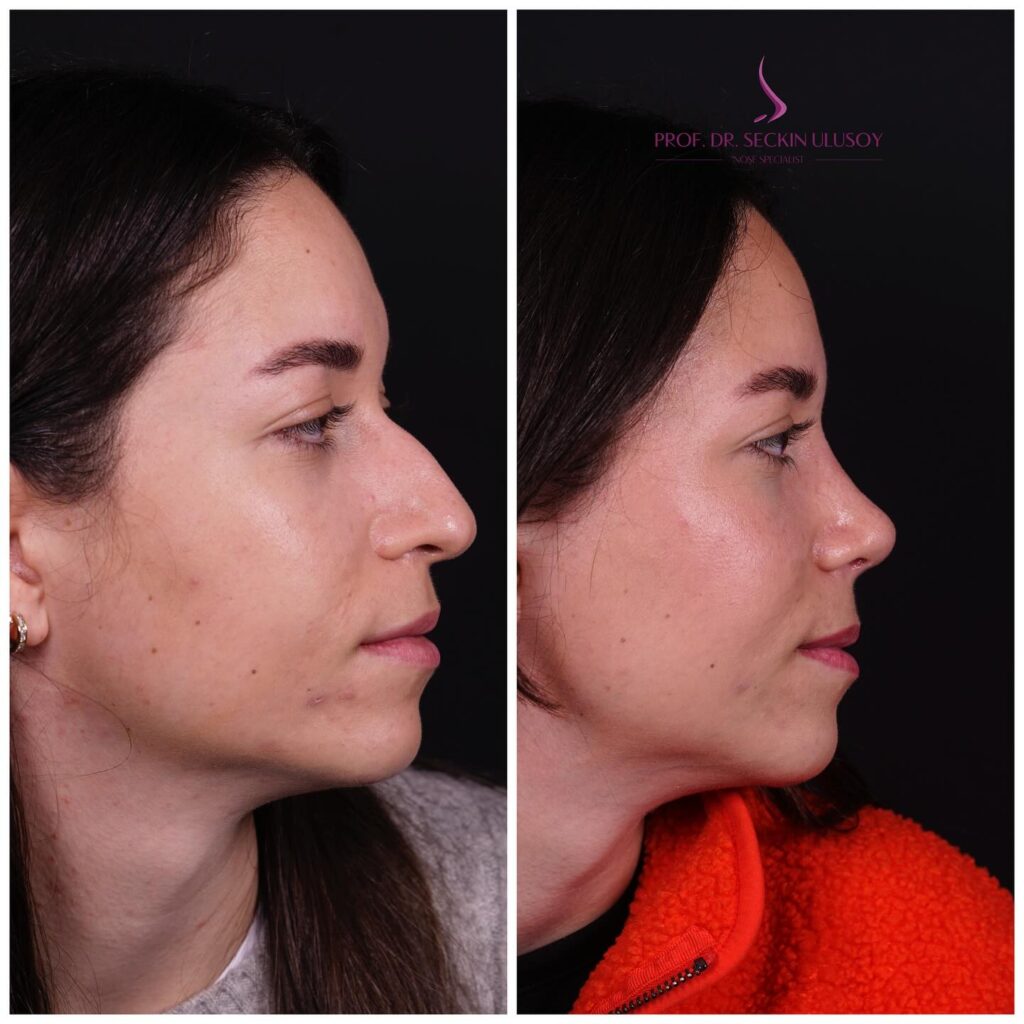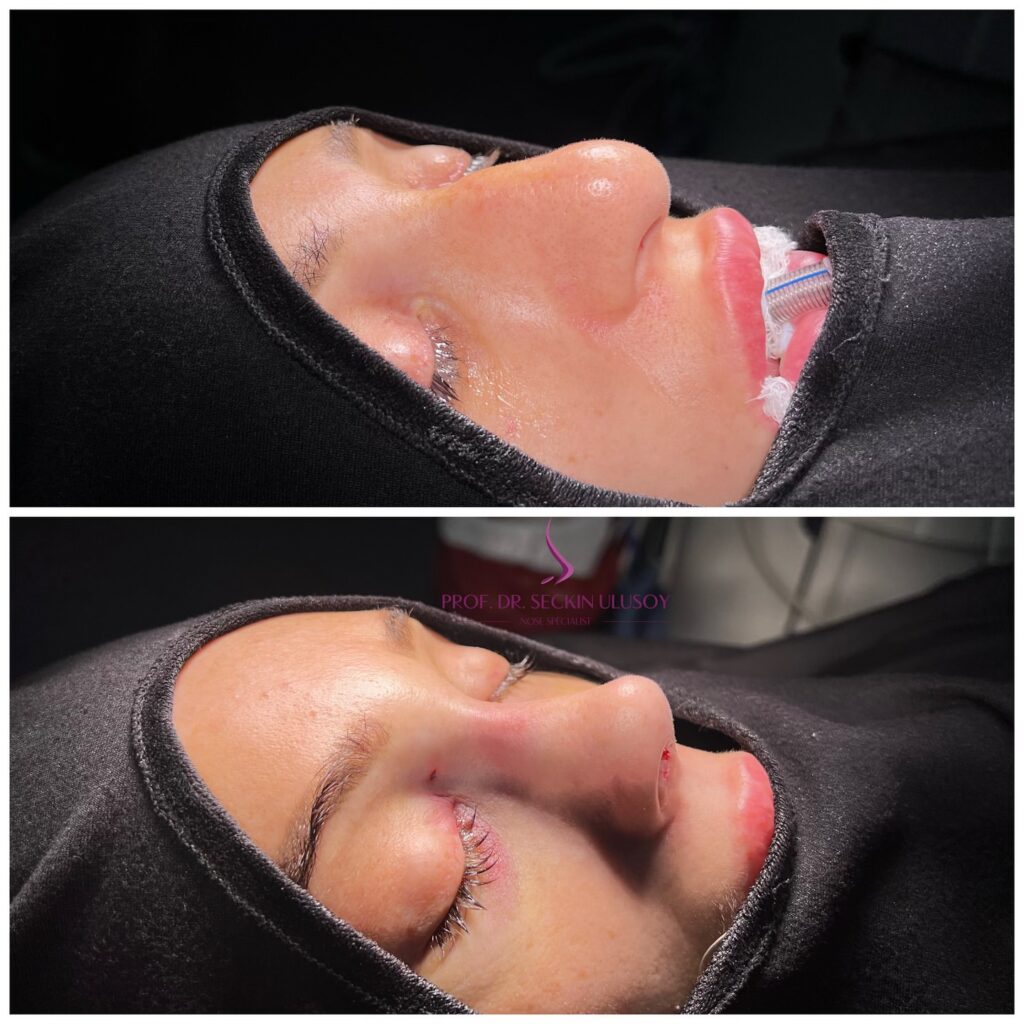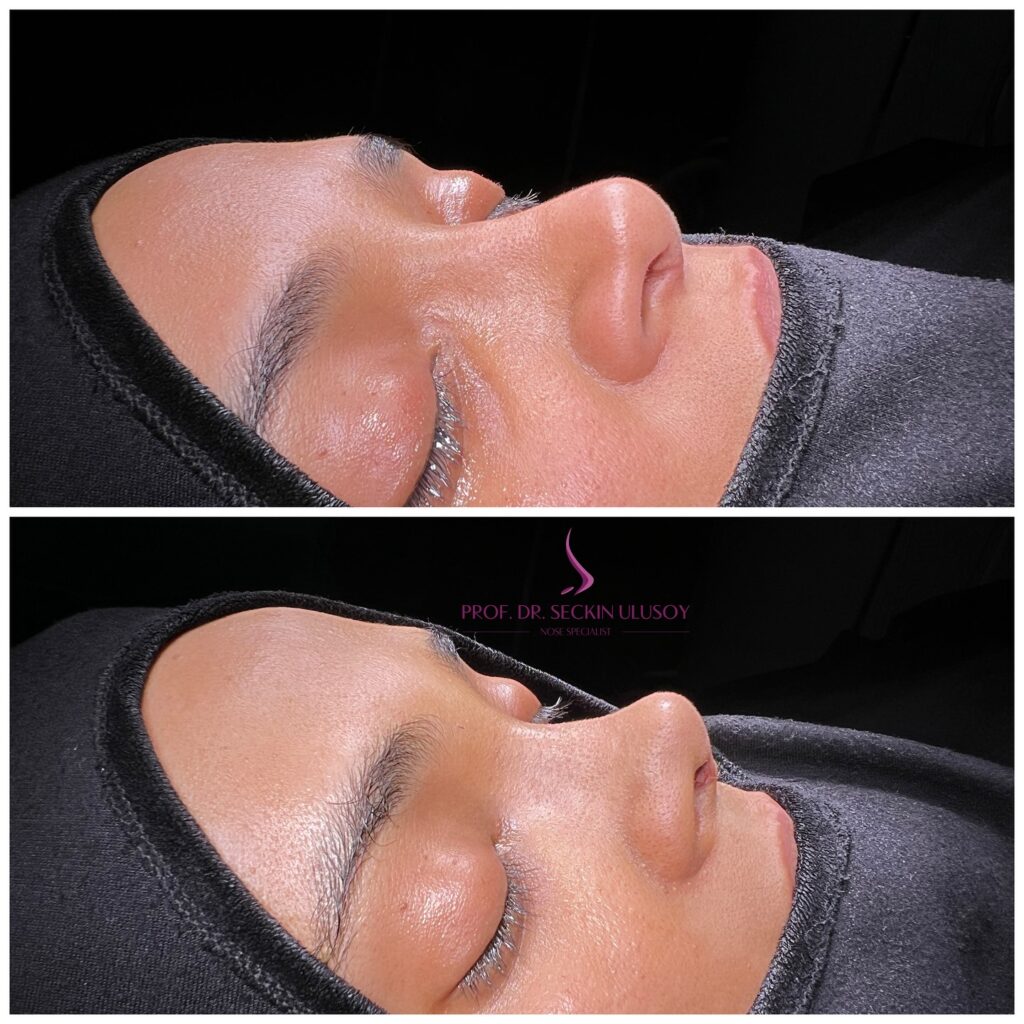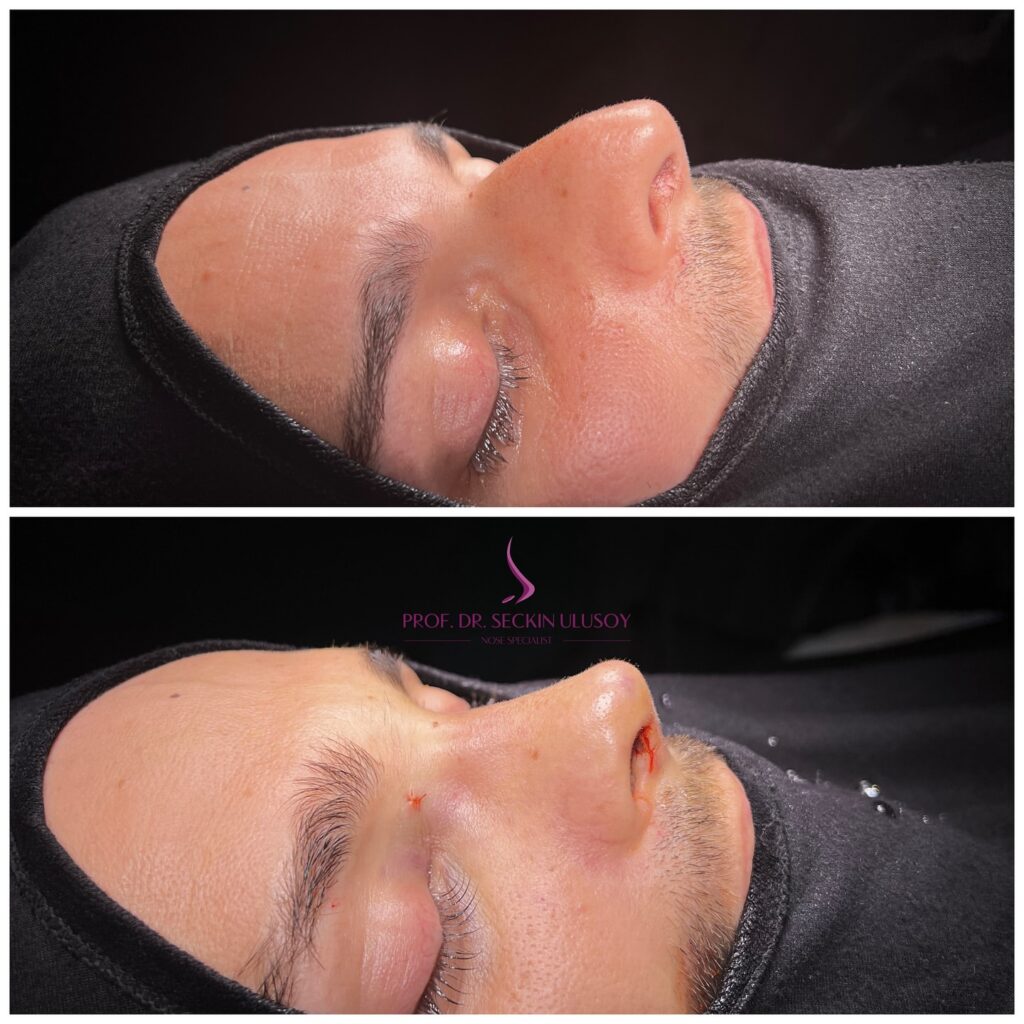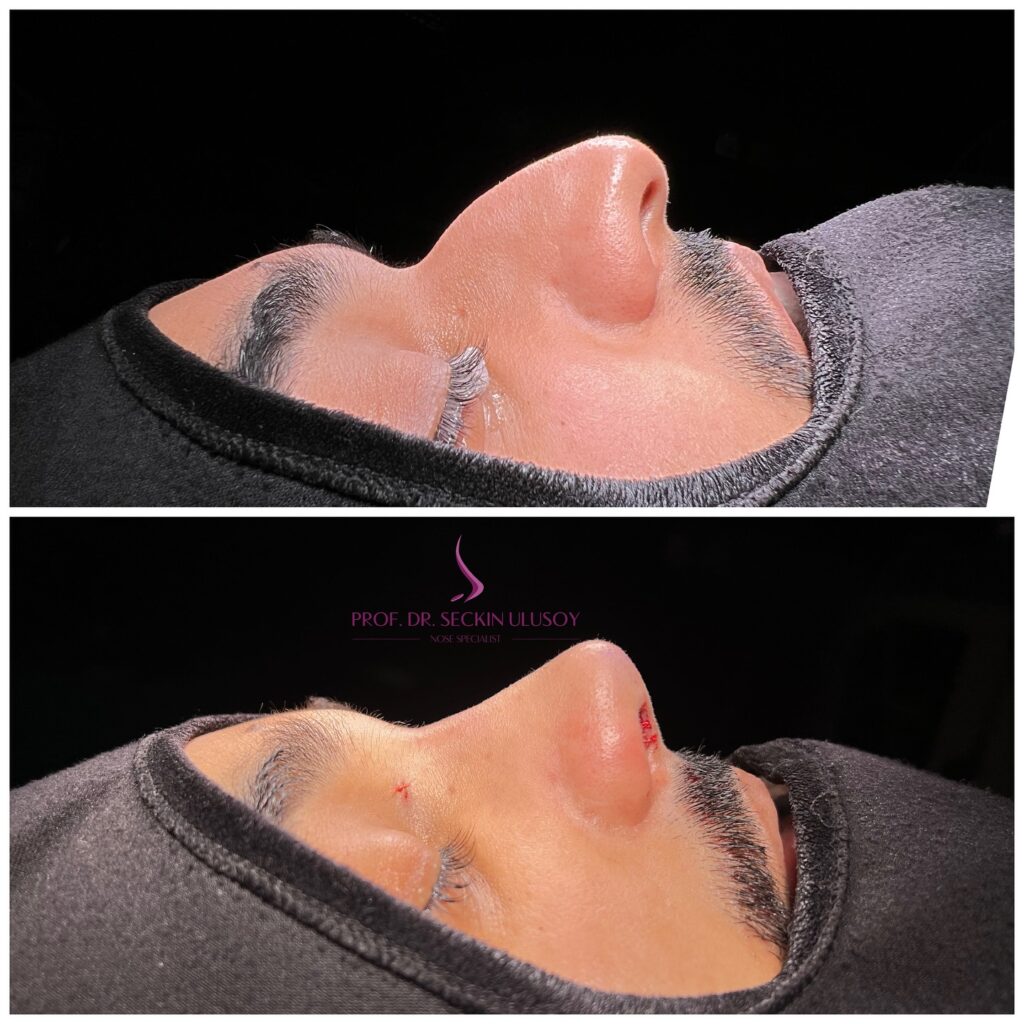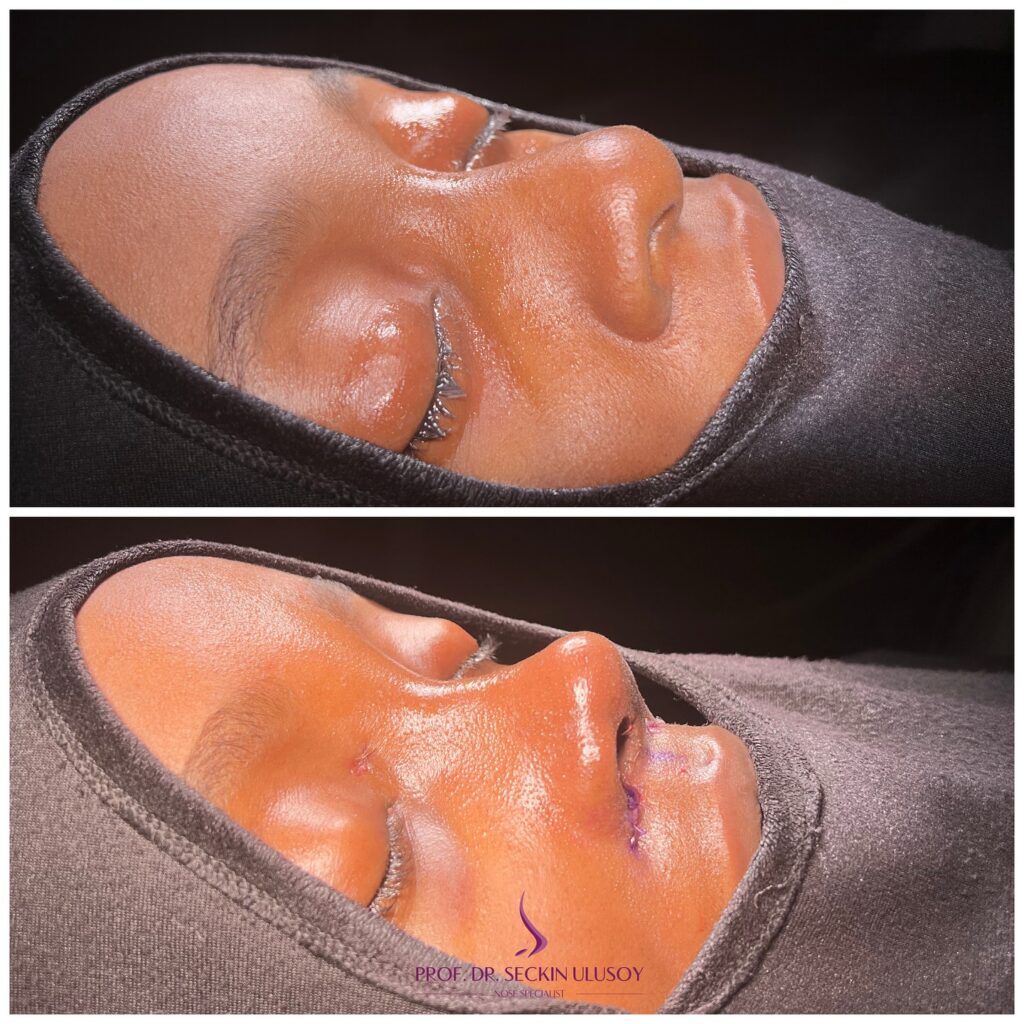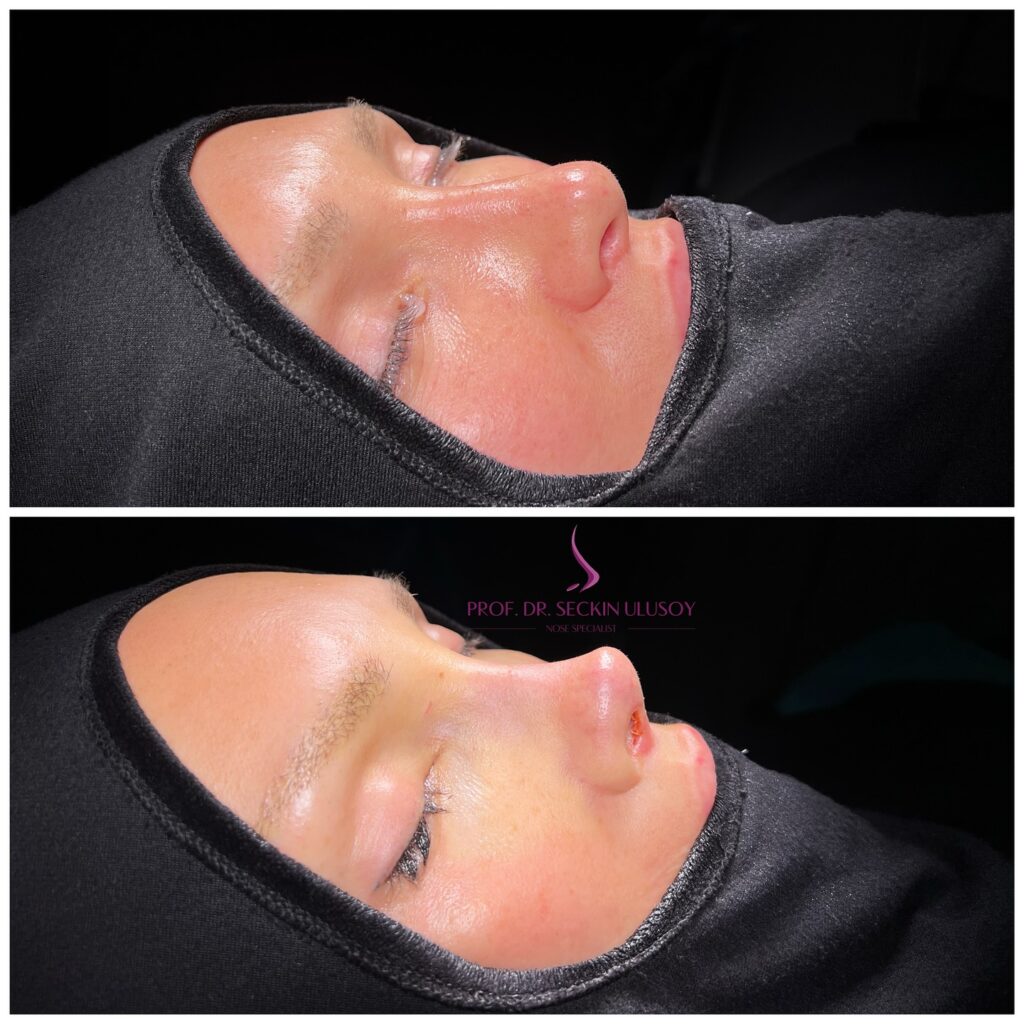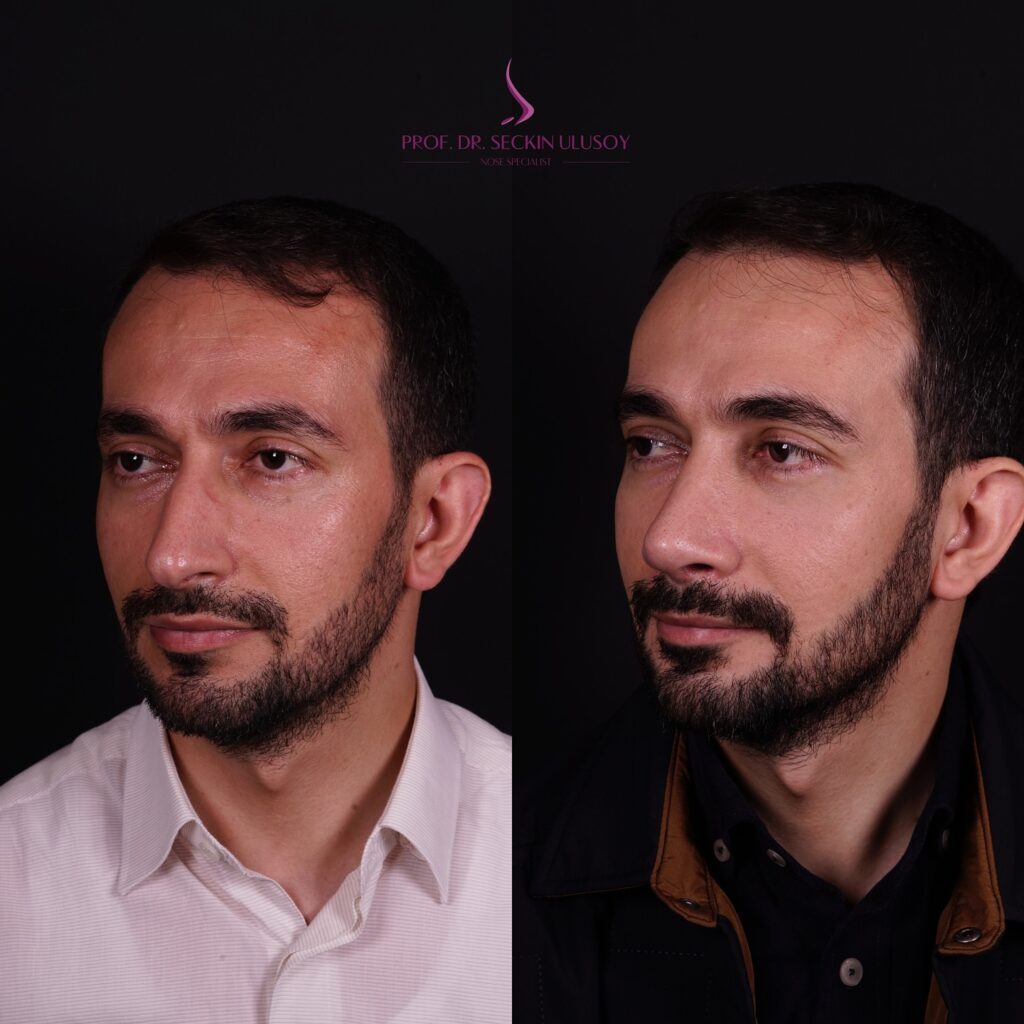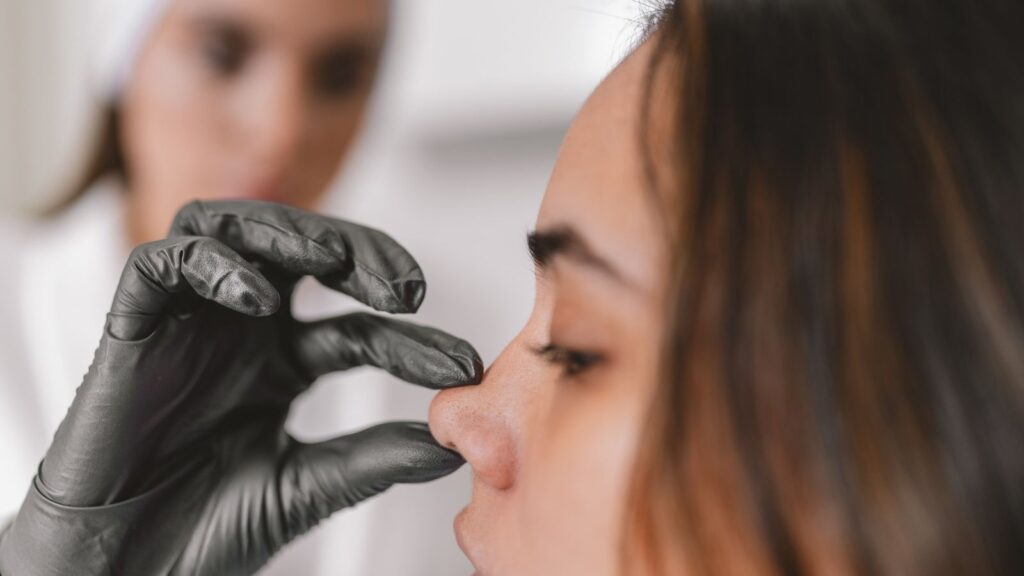
The bag you prepare when going for nose surgery should include comfortable front-buttoned clothing, lip moisturizer, a soft toothbrush, a neck pillow, an ice mask, and your personal medical documents; these are key to a comfortable recovery process. To get through the first 24 hours after rhinoplasty with minimal stress, these basic necessities help you feel much more at ease in the hospital environment. A carefully planned bag is the first point where surgical success meets disciplined home care. As you begin your journey toward healthy breathing and an aesthetic appearance, these practical preparations maximize your physical comfort.
What Should Be Removed from Your Bag and Your Life Before Nose Surgery?
A successful recovery process begins long before entering the hospital, during the preparation stage at home. To prepare the body for this important day and minimize potential risks, certain medications and routine supplements used in daily life must definitely be discontinued. In particular, painkillers that thin the blood and delay clotting may increase minor oozing-type bleeding during and after the operation. Such bleeding may accumulate beneath the skin and create the conditions for much more bruising and swelling on the face during the recovery period. Therefore, it is extremely important to stop using these types of medications.
In addition, herbal supplements or teas that appear completely natural and harmless may also alter the body’s clotting mechanism without being noticed. Some herbal products frequently consumed in daily life to provide energy or strengthen immunity may increase the tendency to bleed and slow the healing process. Smoking must also be stopped because it seriously impairs wound healing by reducing the amount of oxygen reaching the tissues and constricting the blood vessels.
The following should be discontinued before the operation:
- Aspirin
- Ibuprofen
- Vitamin E
- Garlic tablets
- Ginseng
- Ginkgo biloba
- Green tea
- Cherry stem tea
- Alcohol
- Smoking
Which Documents Should Not Be Forgotten When Preparing a Nose Surgery Bag?
Completing hospital admission procedures quickly, smoothly, and without stress is very important for keeping the excitement experienced that day under control. Registration processes in the hospital environment may sometimes seem complicated; therefore, official and medical documents should be kept complete and ready in an easily accessible compartment of the surgery bag. This small preparation prevents both you and the relatives accompanying you from becoming unnecessarily tired.
Previously completed blood test results, radiological images such as tomography scans or X-rays, and the anesthesiologist’s evaluation notes should be included in this file. If you and your doctor created a digital design or plan regarding the shape of your nose before surgery, keeping printed copies with you may also be useful for last-minute reminders.
The documents that must be included in the bag are:
- Identity card
- Blood test results
- Radiological images
- List of regular medications
- Allergy information card
- Digital design printouts
How Should Clothing Worn on the Day of Nose Surgery and Textile Products in the Bag Be Selected?
After the operation is completed, a protective mold, namely a splint and special tapes, will be placed on the nose to preserve its new shape and stabilize the healing bones. At this stage, protecting the nose from even the slightest external physical impact, friction, or pressure is vital. For this reason, selecting the clothes to be worn when going to the hospital, while staying there, and most importantly when being discharged and returning home requires great care.
Tight T-shirts, turtleneck sweaters, or narrow-necked sweatshirts that are pulled over the head inevitably rub against the facial area while dressing and undressing. This friction may touch the nasal tip, cause the splint to shift, damage the sutures, and result in sudden, unpleasant pain. To eliminate this risk completely, the clothing style should be based entirely on practicality. Shoe selection is at least as important as clothing. Bending down to tie shoelaces may momentarily increase blood pressure to the head area, causing throbbing and oozing-type bleeding in the nose.
Ideal clothing options to place in the bag are:
- Front-buttoned shirts
- Zippered cardigans
- Wide-necked pajamas
- Slip-on sports shoes
- Flat-soled slippers
What Types of Pillows Should Be Included in the Bag to Reduce Edema After Nose Surgery?
Using the power of gravity during the first days after surgery is one of the simplest, least expensive, yet most effective ways to manage facial edema and bruising. Keeping the head consistently above heart level reduces venous pressure in the facial area and significantly decreases fluid leakage between the tissues, meaning swelling. While the head of the hospital bed will already be adjusted automatically, keeping the head elevated at approximately a forty-five-degree angle during the journey home and the days of rest at home is entirely your responsibility.
Just as important as sleeping in an elevated position is ensuring that the head remains stable without falling to the right or left during sleep. Turning involuntarily to one side while sleeping may cause the nose to strike the pillow and may also result in fluids collecting on one side of the face, leading to asymmetrical swelling when you wake up in the morning. Pillows that support the neck and restrict head movement play a lifesaving role in preventing this situation.
The recommended types of pillows are:
- Travel neck pillows
- U-shaped support pillows
- Orthopedic back pillows
- Reflux pillows
- Body support pillows
What Should Be Included in the Bag to Prevent Lip Dryness After Nose Surgery?
After the operation is completed, perforated silicone sheets are placed inside the nose to support the internal structure and ensure that the airways heal properly. In addition, natural swelling develops in the tissues. This causes patients to be unable to breathe through their nose as comfortably as they would like during the first few days and forces them to breathe through their mouth. The continuous flow of air through the mouth causes severe dryness, tightness, and even fine cracks in the oral mucosa and lips, especially during sleep at night.
To relieve this genuinely uncomfortable condition and increase comfort during the recovery period, intensive moisturizing products must be added to the surgery bag. Keeping the lips continuously moist and soft prevents pain caused by dryness. Oral hygiene is also very important for reducing the risk of infection and feeling refreshed. However, because the upper lip and the roots of the front teeth are very close to the surgical area, vigorous movements with standard toothbrushes may shake the base of the nose and cause pain. Therefore, hygiene products should also be selected carefully.
Oral and lip care products that should be included in the bag are:
- Unscented lip balms
- Intensive moisturizing lip masks
- Extra-soft toothbrushes
- Baby toothbrushes
- Alcohol-free mouthwashes
How Should a Facial Cleansing Bag Be Prepared to Protect the Splint After Nose Surgery?
The protective mold on the nose and the special tapes holding it in place must not become wet or damp during the first week of recovery. If the splint becomes wet, the adhesive material underneath may dissolve, causing the mold to loosen and fall off prematurely and leaving the nose completely vulnerable to external influences. This means that the usual daily routine of washing the face with plenty of water and soap must be temporarily suspended.
Alternative cleansing methods should be used to preserve the skin’s natural oil balance, meet cleansing needs, and provide a feeling of freshness. Cotton pads and no-rinse solutions are the greatest aids during this period. Cleansers containing harsh chemicals or high levels of alcohol should be avoided, especially because they may dry and irritate the skin. Only the cheeks, forehead, and chin should be gently cleansed with water-based, skin-soothing products.
Products that may be included in your bag for facial cleansing are:
- Alcohol-free wet wipes
- Fragrance-free cleansing wipes
- Micellar waters
- Cotton makeup remover pads
- Facial sprays containing chamomile extract
Which Medical Products That Accelerate Healing After Nose Surgery Should Be Included in the Bag?
Regular use of certain medical products prescribed by your physician is essential to ensure healthy tissue repair after the operation, minimize nasal congestion, and prevent possible infections. These products are generally provided when you are discharged from the hospital or you may be asked to purchase them in advance. Keeping the inside of the nose clean and moist and preventing crusting directly affects the quality of your breathing.
When the nasal mucosa becomes dry, hard crusts form over the wound areas. These crusts both obstruct airflow and cause a feeling of dryness inside the nose. To prevent this, the area should be rinsed with natural saline solutions. Similarly, protective creams should be applied to prevent infection around the edges of the nostrils or along the suture lines between the two nostrils. General facial swelling may also affect the eyelids, making dryness and a burning sensation in the eyes quite common.
The basic medical products to be used are:
- Isotonic seawater sprays
- Ocean water sprays
- Antibiotic creams
- Wound-healing ointments
- Artificial tear drops
Which Anti-Bruising and Anti-Edema Products Should Be Included in the Bag After Nose Surgery?
Following any surgical intervention to the facial area, swelling (edema) and color changes (bruising) around the eyes, cheekbones, and cheeks are entirely normal as part of the body’s natural response to healing itself. There is no need for this to frighten you because the process is temporary, and with modern supportive methods, it is entirely possible to get through this period much more comfortably.
Cold applications during the first two days after surgery, meaning the first forty-eight hours, are the most critical step in combating edema. A cold compress causes the blood vessels in the area to constrict, slowing the leakage of excess fluid into the tissues. However, there is one golden rule that must be followed: Ice or frozen gel packs must never come into direct contact with the skin or the splint on the nose. Direct contact may cause skin burns. In addition, natural healing enzymes and herbal extracts can contribute significantly to helping the body eliminate this swelling from within.
Anti-edema supports that should be kept in the bag or at home are:
- Gel eye masks
- Small ice bags
- Creams containing arnica
- Arnica tablets
- Bromelain enzyme supplements
How Should the Nutrition Bag Be Planned After Nose Surgery and What Should Be Consumed?
The nutrition routine after surgery should be planned strategically, not only to fill an empty stomach but also to provide the body with the essential building blocks needed for tissue repair and to prevent an increase in edema. During the first days, foods that are difficult to chew, hard, crunchy, or require excessive biting force should be avoided. Because chewing movements intensely activate the facial muscles, they may cause movement, pain, and soreness in the lower part of the nose.
Another critical point to consider regarding nutrition is fluid consumption habits. Salty foods should be avoided to prevent the body from retaining water and swelling. Using a straw while consuming beverages is one of the biggest mistakes you can make. Drawing liquid through a straw creates a very strong vacuum effect in the mouth and nasal cavity. This negative pressure may cause bleeding from the intranasal blood vessels, which are still very fresh and have only just begun to heal. All liquids must be sipped directly from a glass or consumed slowly with the help of a spoon.
The following should be removed from the nutrition plan:
- Mineral waters
- Pickles
- Salty crackers
- Chips
- Hot spices
- Soy sauce
- Hard nuts
- Meats that are difficult to chew
The following should be consumed to support healing:
- Pineapple
- Kiwi
- Parsley
- Homemade yogurt
- Vegetable purées
- Warm soups
- Boiled eggs
- Plenty of water
How Should the Home Environment Be Arranged After Returning from Nose Surgery?
After being discharged from the hospital, a large part of the recovery journey will take place in the comfort of your own home. However, it is extremely important to adapt the physical conditions of the home environment to this new situation. The room where you will rest should be neither too hot nor too cold. Excessively hot environments, prolonged hot showers, or steam baths may dilate the blood vessels and cause spontaneous nosebleeds. Frequently ventilating the room with fresh air also improves the quality of your breathing.
If you have pets or small children at home, you should take extra care when interacting with them during this period. During an affectionate hug, your pet’s paw or a small child’s head may accidentally strike your face, causing displacement or irreversible damage to nasal bones that have not yet fused. Limiting screen time is also one of the best environmental adjustments you can make to reduce fatigue and puffiness around the eyes.
The following should be considered in the home environment:
- Cool room temperature
- Regular ventilation
- Room humidifiers
- Physical distance from pets
- Controlled contact with children
- Limited screen time
Why Should Sunscreen Be Included in the Bag After Nose Surgery and How Should Glasses Be Used?
After rhinoplasty or functional nose surgery, it takes months for the cartilage inside the nose and the bones outside it to reach their final form, fuse completely, and regain their previous firmness. During this extremely delicate and slow process, continuous pressure applied to the nasal bridge may impair the aesthetic result. Prescription glasses or heavy sunglasses rest directly on the nasal bridge and apply constant weight. This mechanical pressure may cause depressions, irregularities in the bone, or asymmetrical marks in the healing tissue, which is still soft like dough. Therefore, contact lenses or special glasses support straps should be preferred during the first months.
On the other hand, the skin tissue in the operated area becomes incredibly vulnerable to sunlight and environmental factors. Direct exposure of fresh healing tissues and the still-pink skin surface to ultraviolet sunlight may cause permanent brown discoloration in the area. Sunlight also increases the temperature of the tissues, making edema even more persistent. Therefore, using a product with a high protection factor when going outside is essential.
The following should be included in the bag for protection:
- High-SPF sunscreens
- Wide-brimmed hats
- Visor hats
- Contact lens cases
- Glasses support straps
Which Symptoms Require Immediate Medical Attention After Nose Surgery?
After returning home, the twenty-four-hour contact numbers of your doctor, the clinic assistant responsible for your care, and the hospital where you underwent surgery must be kept in a clearly visible place in one corner of your prepared care bag. Although the recovery process at home usually progresses comfortably, painlessly, and predictably, the human body may sometimes react unexpectedly. Listening to your body and knowing which symptoms are normal and which are warning signs enables you to take the correct step without becoming stressed.
During the first few days after surgery, it is entirely normal and expected for light pink, watery, oozing fluid to come from your nostrils. However, professional support may be required if the nature of this discharge changes. Proper early intervention or simple guidance can completely safeguard your recovery process and prevent unnecessary panic.
Emergency symptoms that should be reported to the doctor immediately are:
- Persistent active bleeding
- Heavy, bright red bleeding
- High fever that does not subside
- Sudden severe facial pain
- Shortness of breath
- A feeling of pressure in the chest
- Unexpected confusion
- Abnormal redness around the nose