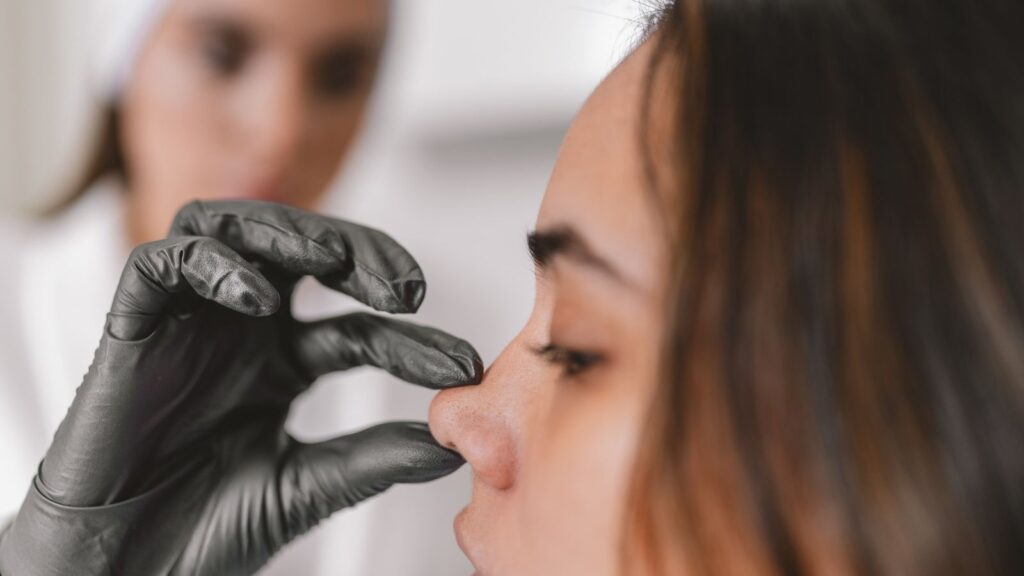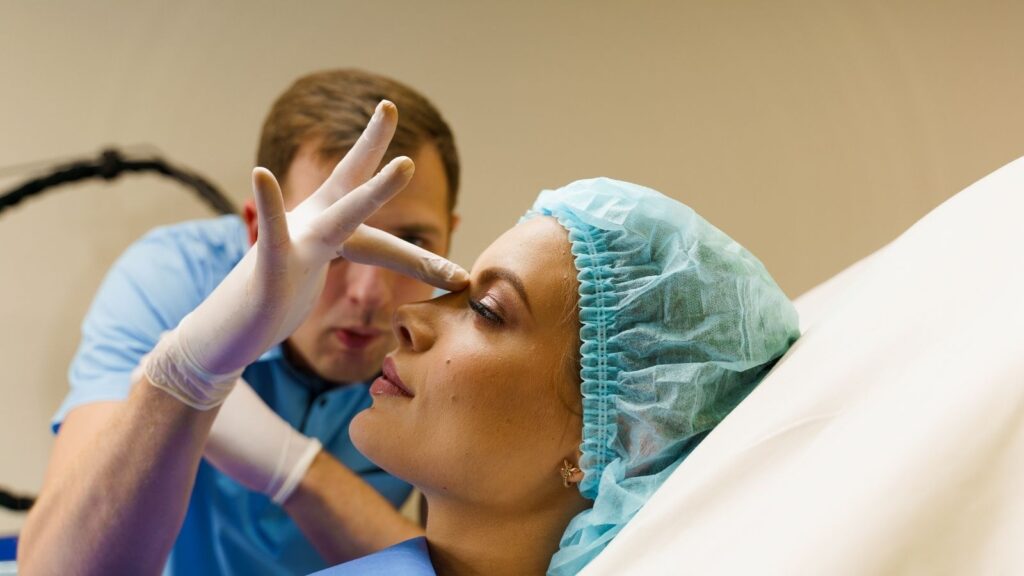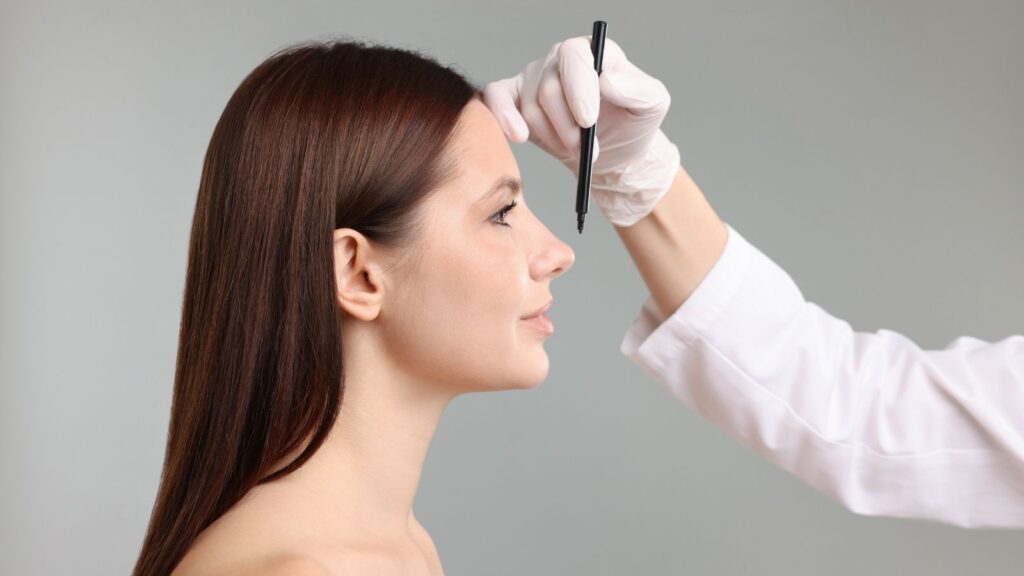
The tone of the voice does not undergo a radical or permanent change after rhinoplasty; the fundamental structure of the voice remains entirely the same. Rhinoplasty procedures do not involve the actual source of the voice; they only reshape the resonance (echo) spaces that influence airflow. Restoring the internal nasal volume to its ideal form for healthy breathing may affect the resonance dynamics of sound waves, usually creating only very subtle tonal differences that are noticeable mainly to the individual. The mild muffled quality experienced during the first weeks of recovery is entirely temporary and caused by tissue swelling. Once breathing capacity is fully restored, the individual permanently regains their natural and clear voice quality.
How Is the Human Voice Produced, and What Is the Role of the Nose in Voice Resonance Before Rhinoplasty?
The production of the human voice is essentially based on a highly refined two-stage physical process. The first stage begins with the vibration of the vocal cords located in the larynx. Air forcefully pushed upward from the lungs passes through the trachea and reaches the vocal cords. As the air passes through this area, it causes the cords to vibrate and creates a raw, unprocessed sound wave. This raw sound alone is not the characteristic human voice we recognize and use to distinguish individuals. It can be compared to the faint, undefined vibration produced when the strings of a guitar without its body are plucked.
The second stage, where the voice gains its true identity, is the stage of resonance, namely echoing and shaping. The raw vibrations produced by the vocal cords travel upward through a highly complex vocal tract consisting of the pharynx, oral cavity, nasopharynx, nasal cavity, and the sinuses within the facial bones. Each of these spaces functions like the wooden body of an acoustic instrument, amplifying, shaping, and creating the unique tone specific to that individual.
In addition to its vital functions such as breathing and smelling, the nose serves as the largest upper airway resonator, determining how the voice is projected outward and defining its acoustic characteristics. Sound waves strike the walls inside the nasal cavity and take on their final form. Therefore, changes in the internal volume of the nose or the tissues lining its interior are naturally expected to influence the way sound resonates within this space.
Are the Vocal Cords Directly Treated During Rhinoplasty Procedures?
One of the most common questions about the surgery is whether the larynx, which is the true source of the voice, is affected. During rhinoplasty, the surgical field is entirely limited to the bones, cartilages, and internal tissues of the nose within the facial region. The lower structures where the vocal cords are located are never surgically touched. Therefore, permanent vocal cord damage, structural hoarseness, or impairment of the fundamental mechanism of voice production due to the surgery itself is not expected.
However, it is quite common for patients to notice slight hoarseness or voice roughness during the first days after waking from surgery. The primary reason for this is not the nose surgery itself but the use of general anesthesia. During general anesthesia, a soft endotracheal tube is placed into the windpipe to ensure safe breathing throughout the procedure. Since this tube remains between the vocal cords during the operation, it may create mild mechanical pressure in the area. In addition, throat dryness caused by anesthetic gases during the recovery period and the mild cough reflex that may develop afterward can also lead to temporary swelling of the vocal cords. This condition generally improves within a few days with adequate fluid intake and allowing the throat to rest.
Does Voice Tone Change After Rhinoplasty Procedures Limited to the Nasal Tip?
The extent of the surgical intervention is one of the most important factors determining how much the acoustic pathways of the voice may change. In some cases, aesthetic or functional concerns are limited only to the nasal tip. In these more limited procedures, where only the cartilage and connective tissues of the nasal tip are reshaped, no major changes are made to the overall nasal structure.
Since the bony framework in the upper part of the nose, the primary volume of the nasal airway, and the deeper resonance chambers are left untouched during such operations, the main pathways through which sound travels remain largely unchanged from their preoperative state. Because the primary surfaces that reflect and transmit sound waves are preserved, significant changes in vocal tone or acoustic characteristics are generally not expected. The sound waves continue to follow essentially the same path they did before the procedure.
Why Can the Acoustic Properties of the Voice Change After Comprehensive Rhinoplasty?
The situation is somewhat different in more extensive procedures aimed at both improving the aesthetic appearance and correcting breathing problems. During these operations, the hump on the nasal bridge may be removed, a deviated septum may be corrected, enlarged turbinates may be reduced, or the overall size of the nose may be decreased to create a more harmonious facial appearance. All of these procedures are intended to create significant structural changes in the internal nasal volume and airflow pathways.
As sound waves pass through the nasal cavity, the width or narrowness of this space and the angles of its walls influence the resistance encountered by the sound. When the internal nasal cavity is enlarged by correcting a major septal deviation that previously caused obstruction, sound waves gain the opportunity to resonate within a wider space. Conversely, if an excessively large nose is narrowed more than necessary, the space available for sound resonance becomes more limited. These physical differences in volume may alter resonance frequencies, causing the voice to be perceived by listeners as brighter, duller, or deeper.
How Can Airflow Dynamics After Rhinoplasty Affect Voice Quality?
The internal structure of the nose influences not only its volume but also the path followed by airflow, affecting both breathing and voice quality. In a healthy nose, airflow tends to move in a smooth, regular, and linear manner. This orderly airflow supports balanced resonance within the resonance chambers and allows the voice to be projected outward with a clear and clean tone.
If, after surgery, the internal airway angles fall outside ideal proportions or the tissues heal irregularly, this smooth airflow may be disrupted. Air may strike internal obstacles and create turbulence within the nose. This irregular airflow may cause sound waves to be absorbed or scattered uncontrollably within the resonance chambers. As a result, the person’s voice may develop a slight breathiness, roughness, or a tone that sounds as if they are speaking while short of breath. For this reason, great care is taken during surgery to preserve the functional anatomy of the nose and maintain natural airflow pathways.
What Does It Mean if the Voice Sounds Nasal or Congested After Rhinoplasty?
Certain clinical concepts are used to describe changes in the way the voice resonates within the nasal cavity. Depending on the condition of the nasal airway, the voice may be perceived differently.
Conditions related to nasal resonance include:
- Hyponasality
- Hypernasality
Hyponasality occurs when the nasal airway becomes narrowed in volume or significantly swollen. During speech, sound waves cannot find sufficient space to resonate within the nasal cavity. This creates a speaking style similar to that experienced during a severe cold or upper respiratory infection. During the early recovery period after surgery, this condition is quite common because of tissue swelling, silicone splints inside the nose, or crust formation, and the voice is expected to return to its normal character as the swelling subsides.
Hypernasality, on the other hand, represents the opposite situation. It may occur when the nasal passages become excessively open or when the functional dynamics of the muscles at the back of the palate change. During speech, air that should normally exit through the mouth escapes uncontrollably into the nasal cavity, producing excessive nasal resonance. To outside listeners, the person may sound as though they are constantly speaking through their nose.
Are Clicking Sounds from the Nose During Recovery After Rhinoplasty Normal?
One situation that may concern patients after surgery is hearing small noises from the nose while speaking, making facial expressions, or lightly touching the nasal tip. These clicking or crackling sounds are generally considered part of the natural healing process.
During surgery, cartilage grafts are commonly used to reshape and support the nose, and these grafts are secured with special surgical sutures. As healing progresses, swelling gradually subsides and the tissues settle into place and fuse together. During this adaptation period, slight rubbing of cartilage structures against one another during movement or tension caused by dissolving sutures within the tissue may produce these minor sounds. As long as they are not accompanied by pain, discomfort, or deformity, this is considered normal. As healing progresses and the tissues become firmly integrated, these sensations are expected to gradually disappear over the course of several months.
Which Objective Methods Are Used to Evaluate Voice Changes Before and After Rhinoplasty?
In facial aesthetic surgery, preserving airway function and voice quality is too important to rely solely on personal perceptions or subjective impressions. In situations where human hearing or individual sensations may be misleading, computer-assisted objective measurement tools are used. These systems help demonstrate respiratory function and the acoustic characteristics of the voice through numerical data.
The primary evaluation methods include:
- Acoustic rhinometry
- Acoustic voice analysis software
- Nasalance measurement devices
- Resonance tests
Acoustic rhinometry aims to map the anatomical structure of the nasal cavity and identify airway narrowing using sound waves. By calculating the reflection times of harmless sound waves sent into the nostril, the narrowest areas within the nose can be identified. This allows cartilage deviations or turbinate enlargement that may obstruct airflow to be objectively evaluated.
Acoustic voice analysis software evaluates voice recordings obtained while the patient speaks into a microphone by converting them into electrical signals. Millisecond-level irregularities in pitch, fluctuations in intensity, and the amount of noise within the voice can all be quantified using these programs. Even frequency changes too subtle for the human ear to detect can be objectively recorded.
Nasalance measurement devices simultaneously compare the acoustic energy emitted through the mouth and the nose during speech. This assessment, performed using a specialized microphone system placed on the patient’s face, clearly determines whether excessive nasal airflow is present during speech.
Resonance tests are practical evaluations performed in the clinical setting. The patient is asked to pronounce certain words that primarily use the lips, first with the nostrils open and then with the nostrils closed. If a noticeable deterioration or tonal change occurs when the nostrils are closed, excessive airflow into the nasal cavity can be identified.
Which Modern Rhinoplasty Techniques Are Preferred to Preserve Vocal Health?
In traditional approaches, reshaping the nasal bones could sometimes result in unwanted damage to the internal nasal tissues. Modern approaches, however, are based on the philosophy of achieving an aesthetic appearance while preserving the functional structures and mucosal integrity of the nose to the greatest possible extent. Advances in technology have also provided surgeons with more tissue-friendly options.
Approaches aimed at preserving both voice and breathing include:
- Piezo ultrasonic reshaping
- Dorsal preservation techniques
- Airway support cartilage grafts
- Natural cartilage flaps
Piezo ultrasonic reshaping is a technology that uses sound waves at specific frequencies instead of traditional instruments to cut or reshape bone. Because this method affects only hard bone tissue and stops upon reaching soft tissues, it reduces the likelihood of damaging the nasal mucosa, blood vessels, and cartilage. Preserving the mucosa greatly helps maintain the form of the resonance chambers through which sound resonates.
Dorsal preservation techniques involve removing tissue from beneath the hump while preserving the natural upper structure of the nose, rather than completely dismantling and rebuilding the nasal dorsum in patients with a dorsal hump. This allows the natural anatomy, ligaments, and muscles of the nose to remain largely intact. Preserving these natural structures supports the maintenance of natural airflow and resonance.
Airway support cartilage grafts are small cartilage grafts used while correcting the nasal bridge to eliminate the risk of airway narrowing. These pieces, usually harvested from the patient’s own nasal septum, support the air passages like tent poles and help maintain airway patency.
Natural cartilage flaps are based on folding the patient’s own cartilage tissue onto itself to create structural support without removing it from the nose. In this way, the internal airway volume is maintained at a safe width without the need for additional graft material.
When Does the Voice Return to Normal During Recovery After Rhinoplasty?
It is entirely natural for patients to notice changes in their voice immediately after surgery, when they begin speaking as the effects of anesthesia wear off. As the body’s healing mechanisms become active, fluid accumulates in the operated tissues, resulting in edema. Swelling of the nasal mucosa temporarily narrows the airways and restricts airflow. This may cause the patient to speak with a congested or muffled voice similar to that experienced during a severe cold.
As the body continues to heal and excess fluid is gradually eliminated, the nasal airways slowly reopen. As the mucosal tissue regains its normal health, sound waves once again have sufficient space to resonate freely. On average, as most of the swelling subsides within several weeks, the voice gradually returns to its familiar characteristics. In fact, patients who previously suffered from chronic nasal obstruction due to severe septal deviation or enlarged turbinates may notice that, once their airways are cleared, their voice sounds clearer, stronger, and more effortless than before surgery. Although the recovery process varies from person to person, it takes several months for the tissues to reach their final condition.
What Should Be Considered to Protect the Voice During the Early Recovery Period After Rhinoplasty?
The postoperative period is just as important as the surgery itself. To recover more quickly from temporary voice muffling and support proper tissue healing, it is recommended to carefully follow all postoperative care instructions provided by your physician.
The main care recommendations include:
- Regular use of ocean water spray
- Drinking plenty of water
- Keeping the head elevated during sleep
- Avoiding strenuous physical activities
Regular use of ocean water spray helps keep the nasal mucosa moist and prevents crust formation. A well-hydrated mucosal surface supports faster restoration of the acoustic surfaces required for proper sound resonance.
Drinking plenty of water is essential for maintaining the body’s overall hydration balance. Adequate fluid intake should be maintained to prevent dryness of the throat and nasal passages, facilitate the resolution of edema, and promote cellular regeneration.
Keeping the head elevated during sleep aims to reduce blood pressure in the head region by taking advantage of gravity. Maintaining the head above heart level may help reduce swelling around the nose more quickly.
Avoiding strenuous physical activity helps prevent an increase in blood flow to the nasal region caused by an elevated heart rate. Heavy exercise, lifting weights, or sudden movements may increase pressure within newly healing tissues, slow the resolution of edema, or increase the risk of bleeding.
How Should People Who Use Their Voice Professionally Manage the Rhinoplasty Process?
For individuals whose voice is not only a means of communication but also a professional instrument, the postoperative period may require additional care. Singers, actors, broadcasters, and voice-over artists may easily notice even millimetric differences in resonance or airflow. Voice projection techniques developed over many years may require a temporary period of adaptation after subtle changes to the internal nasal volume.
For people with such specialized expectations, careful planning beginning before surgery is beneficial. Not only aesthetic and breathing goals but also the desired vocal quality can be taken into consideration. After surgery, when the anatomy of the nose has changed, professional voice therapy programs may sometimes be recommended to help the individual adapt to the new structure. Breathing and resonance exercises performed under the guidance of voice therapists facilitate adaptation to the new airflow pathways. This enables the individual to make the most efficient use of the new airway capacity without placing unnecessary strain on the vocal cords or developing incorrect vocal habits.