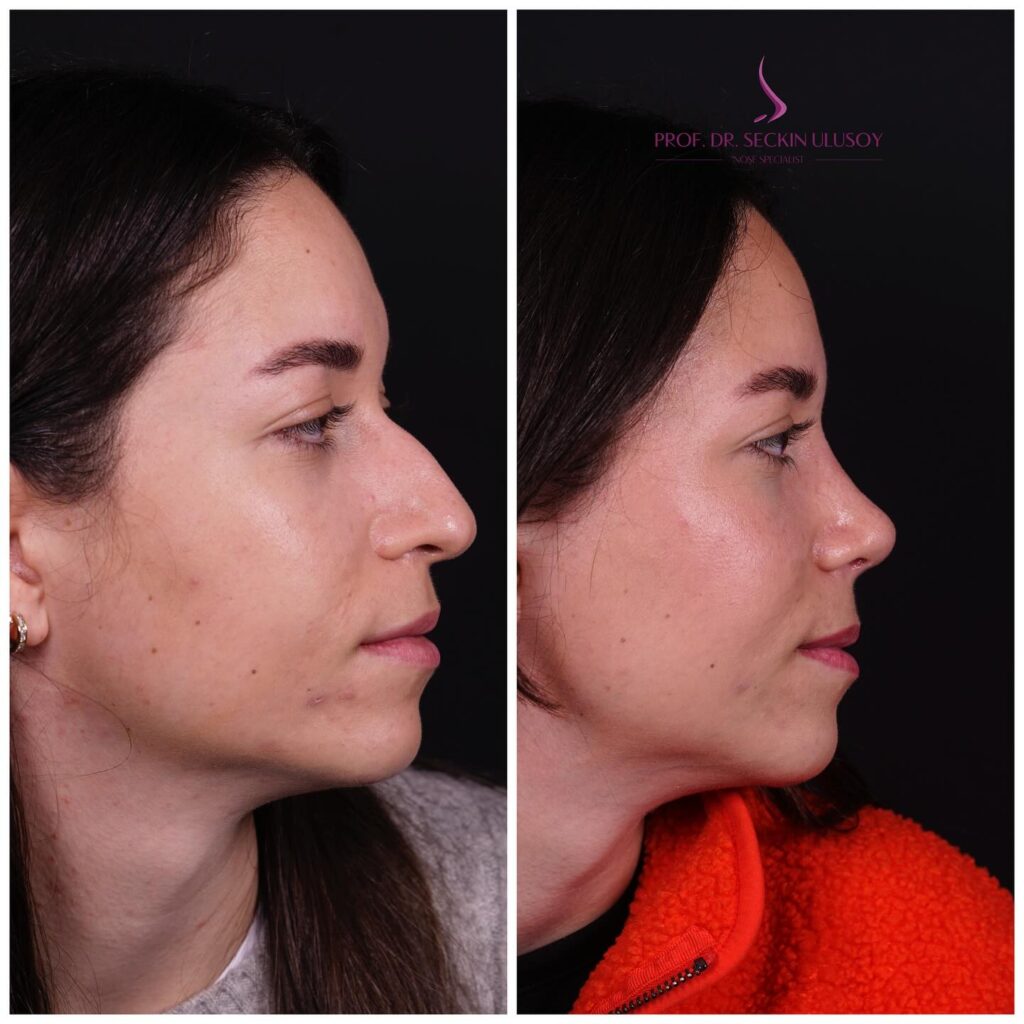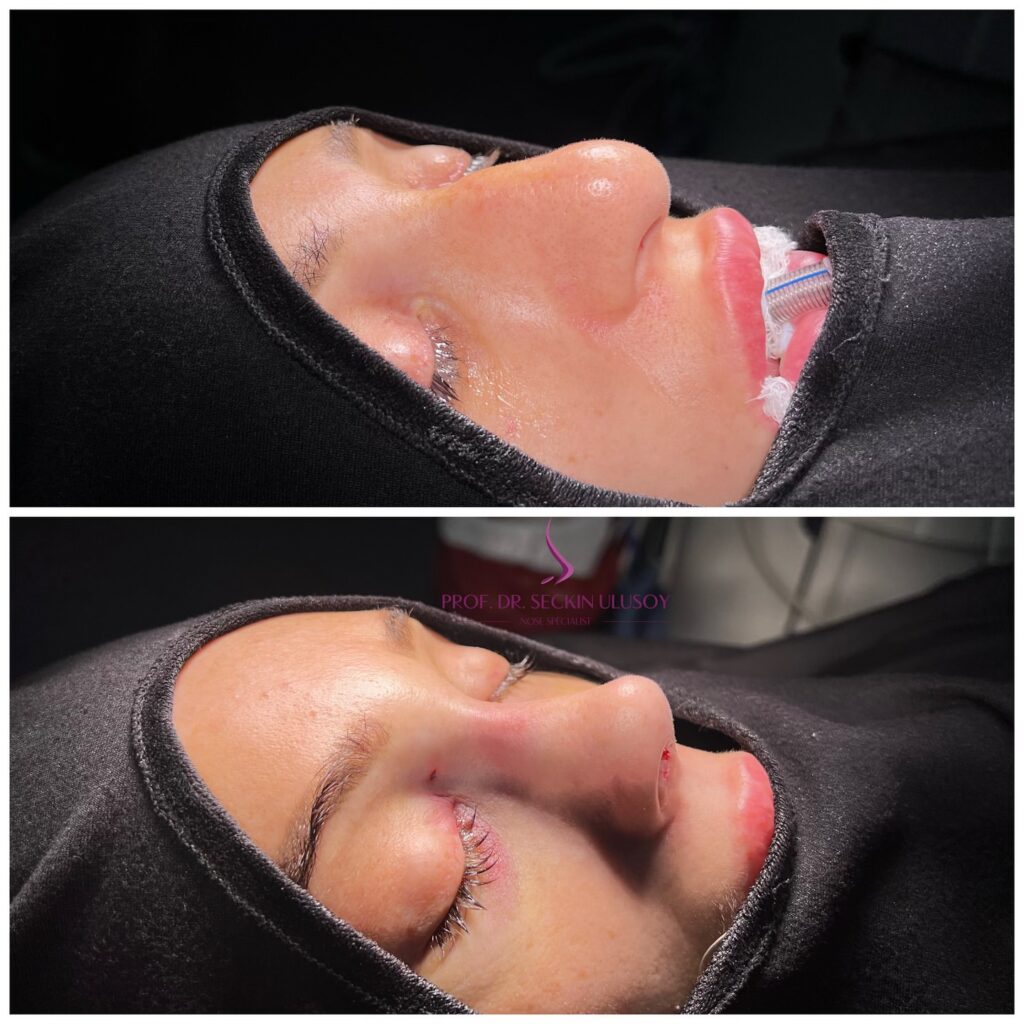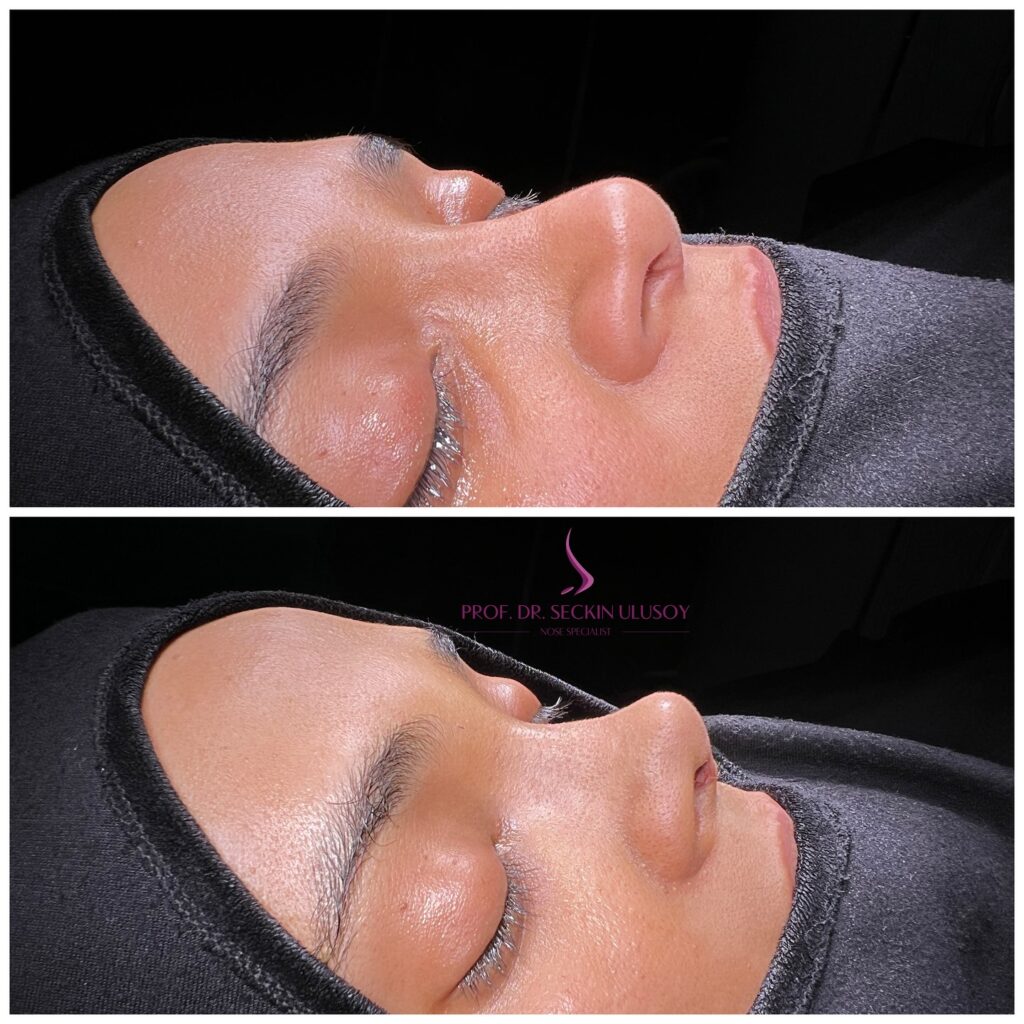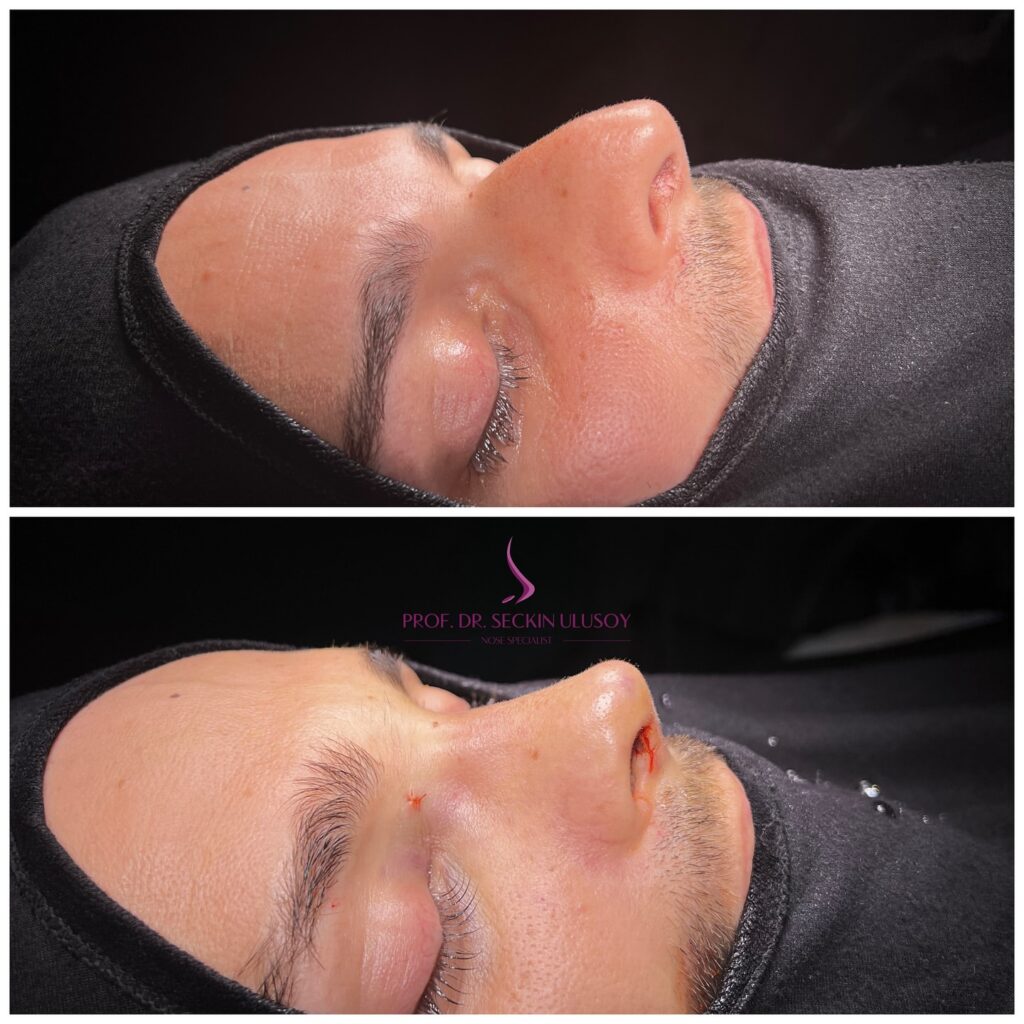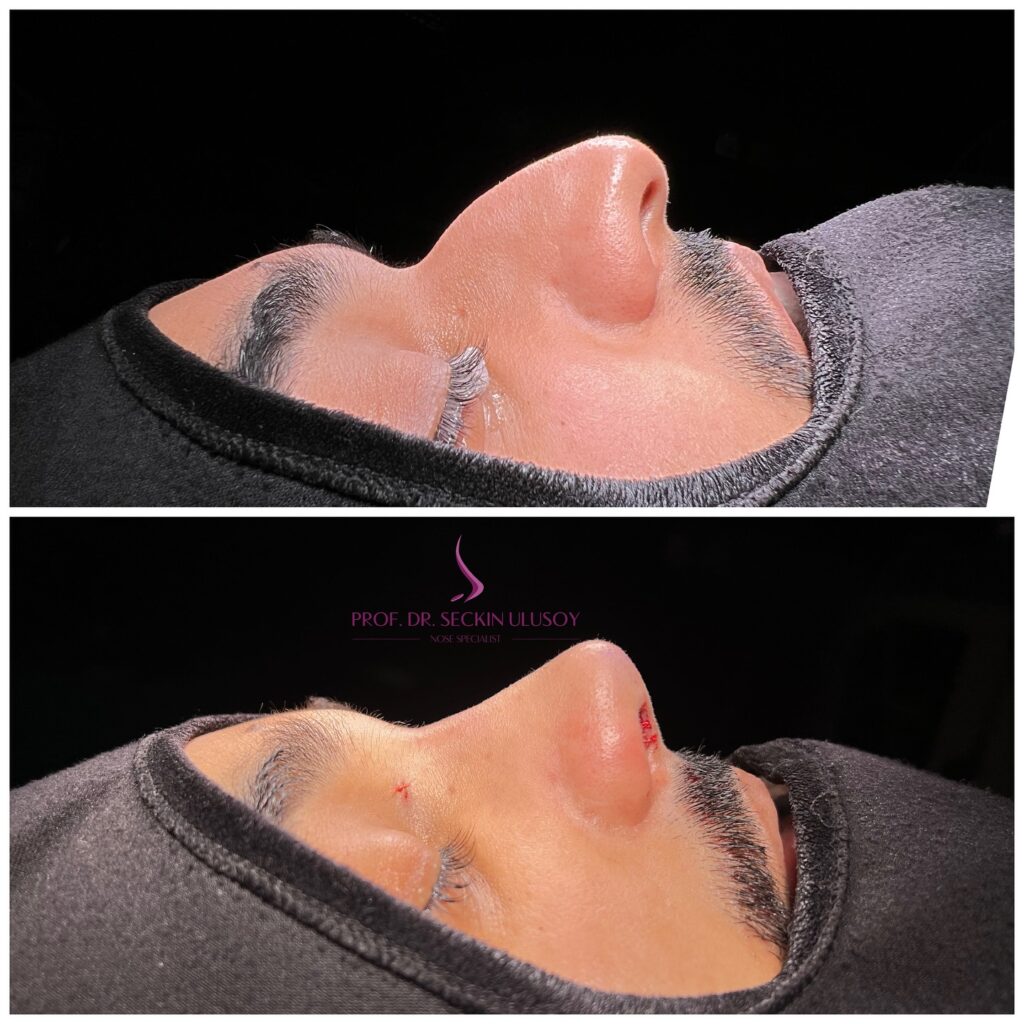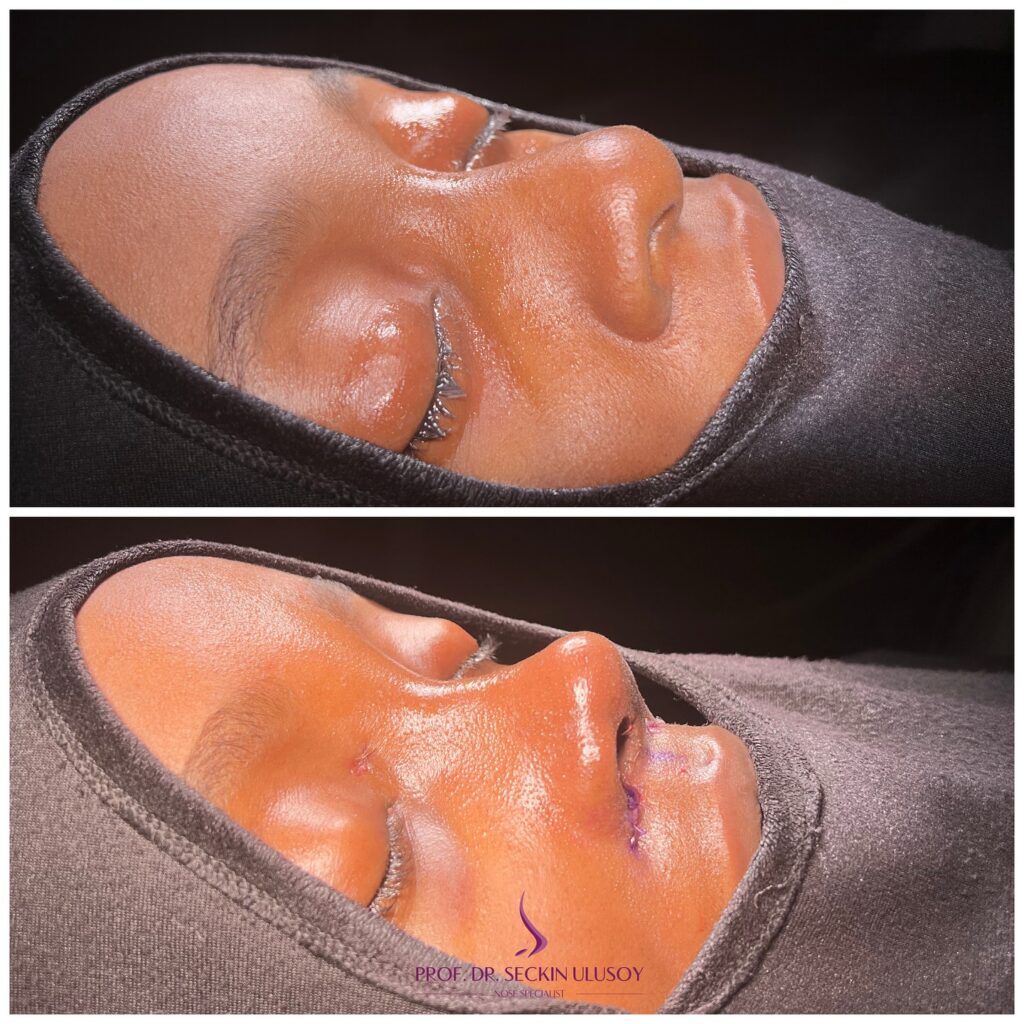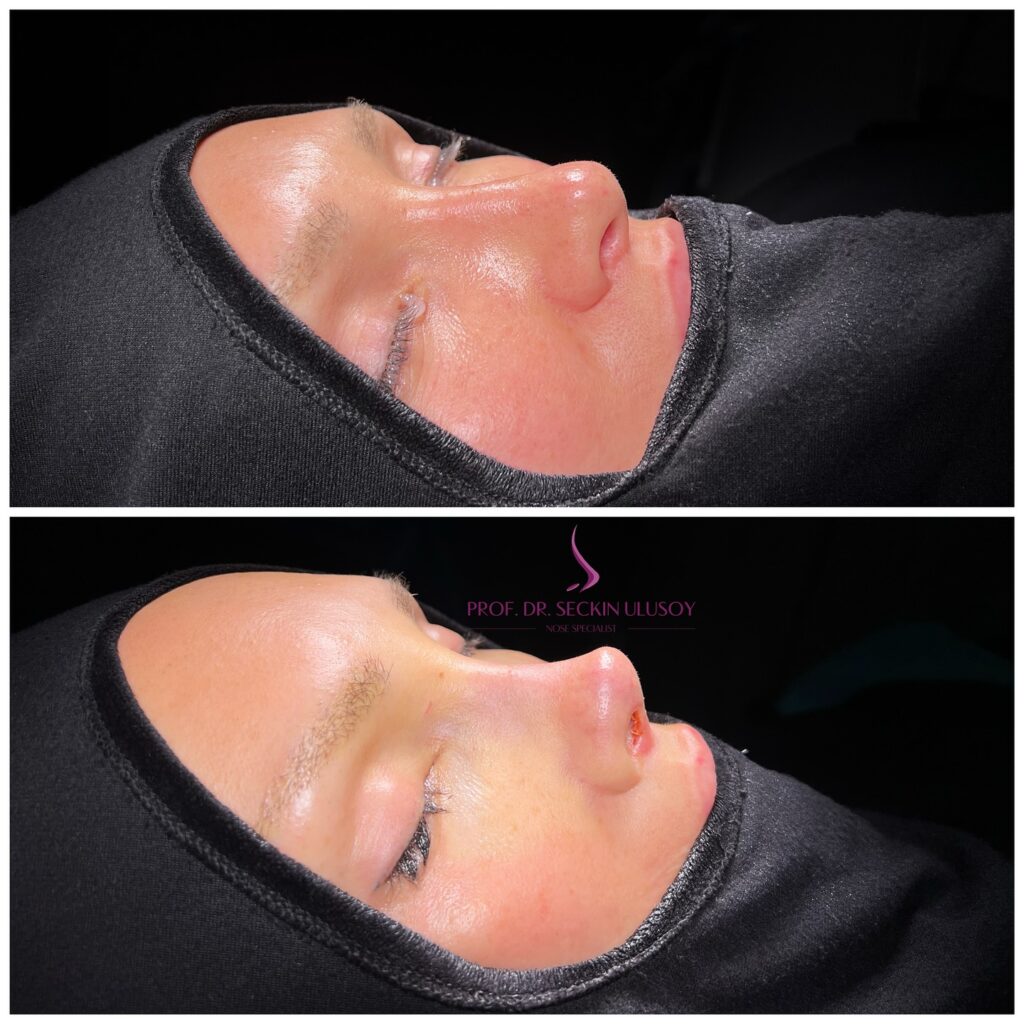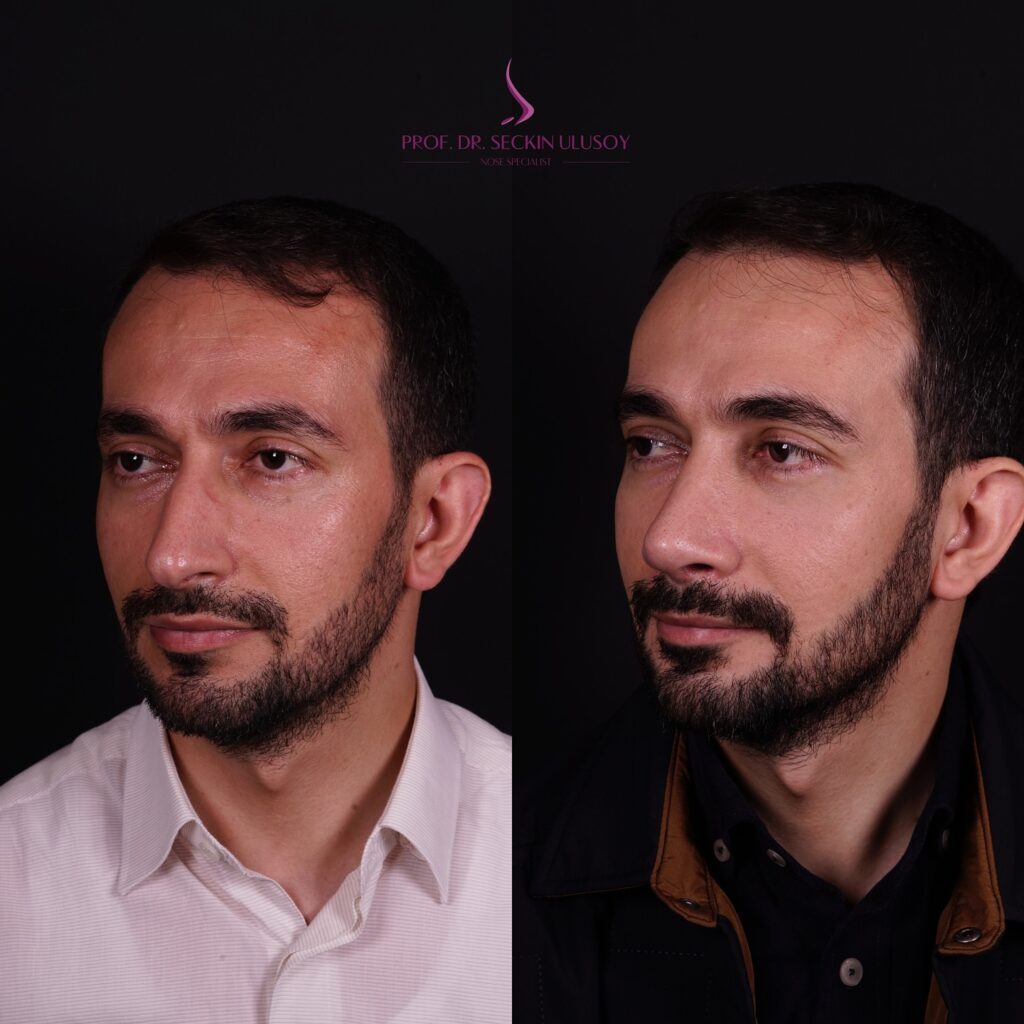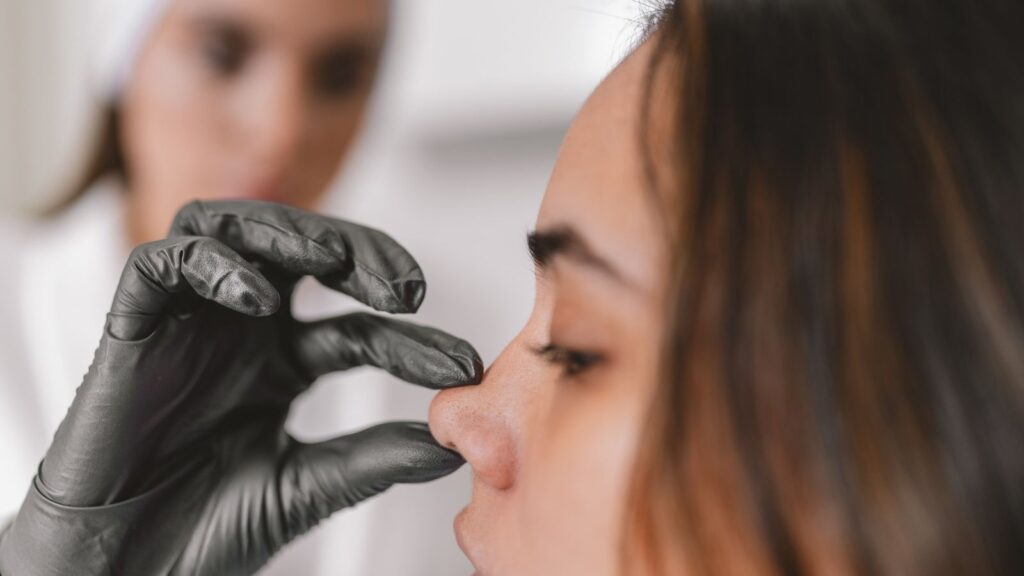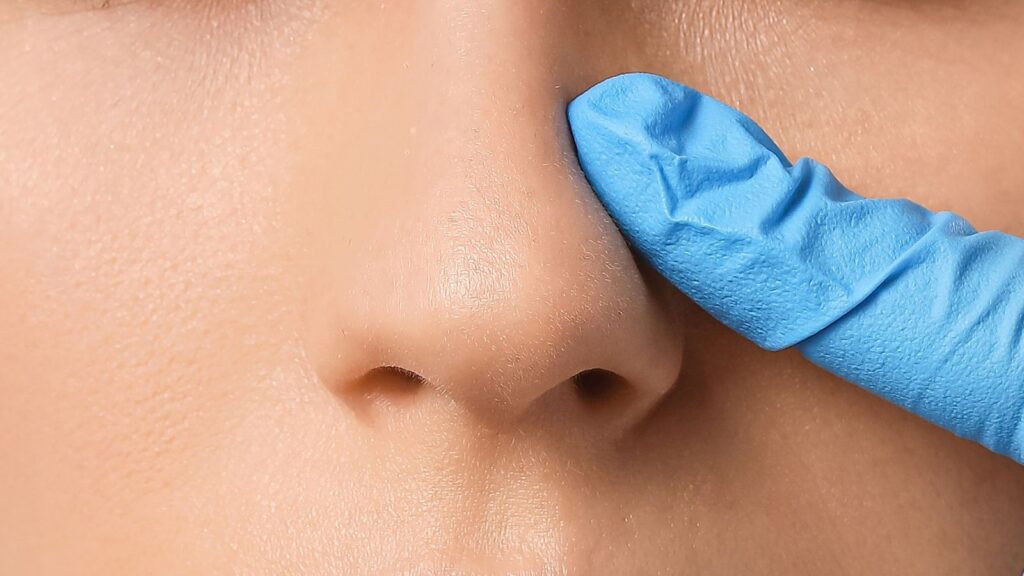
Revision septorhinoplasty is a corrective surgical procedure performed on individuals who have previously undergone rhinoplasty or breathing surgery but have not achieved the desired appearance or quality of breathing. This process aims to repair unwanted changes in the cartilage or bone tissues that occurred after the first operation and reconstructs the nasal framework in accordance with the anatomy. Since the natural structure of previously operated tissues has changed, this approach requires highly delicate workmanship; while repairing irregularities and asymmetries on the nasal dorsum, it aims for a balanced appearance that is harmonious with the overall facial features. It is a specialized reconstruction process focused on both eliminating aesthetic concerns and restoring healthy airflow.
What Is Revision Septorhinoplasty?
After rhinoplasty operations, some patients may require a second intervention. Statistical data show that a certain proportion of corrective procedures may be needed following initial aesthetic operations. It may not always be correct to directly attribute this situation to a surgical error. The nose is an extremely dynamic organ in which cartilage, bone, and skin tissues work together in harmony. Throughout the healing process, factors such as the internal pulling forces of the tissues, wound-healing patterns, and gravity may lead to changes in shape over time.
The amount of cartilage removed during the first surgery, the body’s healing response, or the weight of the person’s skin structure may cause certain asymmetries in the shape of the nose as the months pass. Not only visual irregularities but also a decline in breathing quality constitutes a very important reason for a second intervention. Because the hard scar tissue that forms in operated tissues and is known as scar tissue alters the anatomy compared with the initial state, corrective procedures require much more meticulous work. The main goal here is to bring the tissues as close as possible to their natural structure and eliminate existing obstructions.
How Long Is It Appropriate to Wait Before Revision Septorhinoplasty Surgery?
When a second operation is being considered, one of the most frequently asked questions concerns the timing of the process. The tissues are expected to pass through a certain maturation phase before they can be safely operated on again. It takes time for the microscopic tissue swelling caused by the previous intervention to decrease and for the subcutaneous scar tissue to soften. Early interventions may increase the risks in tissues whose circulation has not yet sufficiently recovered.
The general medical approach is to patiently wait for a certain period after the previous operation. This period is usually around twelve months. However, in some special cases, particularly in people with thick skin or in tissues that experienced greater trauma during the previous operation, extending this waiting period to eighteen or twenty-four months may help achieve more favorable results. Although the waiting period may sometimes be emotionally challenging for patients, allowing the tissues to repair themselves and the blood supply to return to normal is an indispensable step for the new operation to proceed safely.
In Which Situations Can an Early Decision for Revision Septorhinoplasty Be Made?
Although the waiting period is accepted as a general standard, in exceptional situations it may be necessary to act earlier. When conditions arise that endanger the health of the tissues or may lead to permanent loss of shape, waiting for months may not be recommended. Although such conditions are rare, they may create the basis for much more complex problems if left untreated. Situations that may be considered for early intervention are as follows:
- Acute breathing difficulties
- Advanced circulatory disorders
- Severe contraction of the nasal skin
- Exposure of synthetic implants
When such findings are encountered, an earlier corrective procedure may be considered by shortening the waiting period in order to prevent the existing tissue damage from progressing and to preserve structural integrity.
What Is Done During the Evaluation Process Before Revision Septorhinoplasty?
The clinical examination performed weeks before the day of surgery is perhaps one of the most critical parts of the process. Both the patient’s visual complaints and breathing problems are evaluated in great detail. The internal nasal structures are examined with the help of thin cameras to identify points of obstruction, deviations of the septum, and the overall condition of the mucosa. Weaknesses in the external nasal valve area are also tested by asking the patient to perform deep breathing maneuvers.
For visual analysis, high-resolution photographs are generally taken in a studio setting. Skin thickness and the firmness of the subcutaneous tissue are evaluated manually to guide the technical plan of the operation. The main anatomical elements examined during the evaluation are as follows:
- Internal mucosa
- Cartilage reserve
- Skin elasticity
- Vascular circulation
- Breathing passages
In light of all these clinical findings, a repair strategy specific to the individual’s current condition is determined, and realistic information is shared about the goals that can be achieved after surgery.
How Does Smoking Affect the Outcome of Revision Septorhinoplasty?
Healthy wound healing is directly related to the ability of cells and tissues to receive sufficient oxygen. Substances found in cigarettes and similar products cause the capillaries to constrict and significantly reduce the amount of oxygen transported to the tissues. In a nose that has already undergone surgery, the microvascular network has already been weakened to some extent due to previous incision sites. Therefore, the need for blood supply and nourishment in the tissues is greater than normal.
The use of tobacco products may lead to undesirable wound reactions, tissue loss, and insufficient nourishment of the newly placed supporting cartilage during the healing period. To create a healthy healing environment and minimize potential complications, it is very important to stop smoking completely a reasonable period before surgery. This step greatly helps the tissues in the surgical area recover.
How Can Internal Nasal Collapses Be Corrected With Revision Septorhinoplasty?
Excessive removal of bone and cartilage structures or inadequate structural support during previous surgeries may cause various collapses in the nasal dorsum or tip over time. Excessive narrowing of the nasal tip cartilages may create a thin appearance that looks as though it has been pinched with a clip. Similarly, reduced cartilage support in the dorsal area may lead to deep depressions known as saddle nose deformity or profile irregularities.
To correct such deformities, strong structural support must be restored to the deficient areas. The nasal framework is supported and brought closer to its natural boundaries. Newly prepared cartilage pieces of suitable dimensions are carefully placed in the required areas to fill the collapsed regions and achieve a more balanced form that is harmonious with the face. During this procedure, upward retraction of the nostril rims is also corrected with millimetric cartilage supports.
Can Revision Septorhinoplasty Resolve Breathing Problems?
A very large proportion of patients applying for a second operation describe not only aesthetic concerns but also serious breathing difficulties. The entrance areas of the airways inside the nose may become even narrower due to previous surgical trauma or pressure from healing tissues. These narrowings may create a constant sensation of blockage or may dynamically appear as inward collapse of the nostrils when the person attempts to take a deep breath.
To relieve the airways, separating supports are placed between the nasal septum and the lateral cartilages. In this way, the narrowed air passages are widened and airflow is improved. The anatomical methods used to alleviate breathing problems are as follows:
- Valve areas
- Lateral walls
- Septal roof areas
Strong cartilage supports placed in these areas help increase the patient’s effort capacity in daily life, during sleep, and while exercising.
Should an Open or Closed Technique Be Chosen in Revision Septorhinoplasty Surgery?
The choice of surgical technique to be used in the operation varies according to the severity of the deformity, the amount of cartilage needed, and the size of the area to be repaired. The closed approach is a method in which the procedures are performed through the nostrils and no external scar is visible. However, because the field of view is more limited, it is mostly preferred for mild revisions requiring smaller, more limited corrections.
In the open approach, a very small incision is made in the lower part of the skin between the nostrils, the skin is lifted like a cover, and the internal framework is viewed from a wide angle. This method is particularly useful in cases where there is extensive tissue loss and the supporting system of the nose must be completely rebuilt. Direct visualization of the damaged areas and the ability to secure the added cartilage supports in place with millimetric sutures make the open technique more frequently preferred in complex cases.
What Is the Role of Ultrasonic Devices (Piezo) During Revision Septorhinoplasty?
Ultrasonic devices, one of the opportunities offered by medical technology for shaping bone structures, contribute to the revision process. Unlike the older instruments used in traditional methods to shape the bones, these devices operate with sound waves and are designed to affect only hard tissues. Thanks to this feature, the surrounding capillaries, nerves, and delicate soft tissues are largely preserved.
Ultrasonic shaping helps the bones to be separated more evenly and smoothly along the desired lines. Since less trauma is applied to the soft tissues, bruising around the eyes and facial swelling that may occur after surgery are generally milder. This technology supports a more comfortable recovery period for the patient while also providing the surgeon with a precise working environment for correcting detailed bone asymmetries.
Why Are Cartilage Grafts Needed in Revision Septorhinoplasty?
Just as a structure needs supporting columns to remain standing securely, the nose requires a strong cartilage framework to carry the weight of its own skin and provide an open airway. In cases requiring correction, the cartilage reserve inside the nose has usually been partially used during the first surgeries, damaged, or structurally weakened.
To restore the weakened nasal framework, correct collapses, and provide durability to the nasal tip, cartilage tissue may need to be taken from other areas of the body. Using the body’s own natural tissues instead of foreign synthetic materials supports a healthier adaptation process and helps minimize rejection reactions that may occur in later years.
From Which Areas Can Cartilage Be Harvested During Revision Septorhinoplasty?
Depending on the amount of cartilage required during the operation, there are certain areas of the body that may be used. Priority is always given to the structures inside the nose itself. If sufficient and healthy septal cartilage remains from the previous surgery, these tissues are evaluated first. However, when there is not enough material or the damage is extensive, other reserve sources must be used. The donor areas from which cartilage can be obtained from the patient’s own body when necessary are as follows:
- Septum
- Ear folds
- Rib cage
The tissues obtained from the ear are softer and more flexible in shape, while those taken from the rib cage provide much firmer and stronger support. The surgeon selects the most suitable source according to the part of the nose that needs to be repaired and shapes the operation accordingly.
Does Revision Septorhinoplasty Performed With Rib Cartilage Compromise Naturalness?
Cartilage taken from the rib area is structurally quite firm and provides a large amount of repair material. This firmness may cause some patients to worry that the nose will look overly artificial or feel rigid from the outside after surgery. However, special techniques have been developed in current surgical practice that allow this strong tissue to be used in a more natural form.
In modern methods, the cartilage is divided into very small pieces, softened into a paste-like form, placed inside a thin membrane taken from the body, and applied to the nasal dorsum. In this way, instead of a solid, hard block sensation, a more flexible dorsal structure that is harmonious with the face is created. This method also helps reduce the likelihood of the cartilage bending in the future while acting like a cushion to camouflage subcutaneous asymmetries.
How Do Biological Materials Provide Protection During Revision Septorhinoplasty?
The skin structure of patients undergoing a second operation may become thinner or its circulation may become more delicate due to previous procedures. It is desirable for the outlines of the newly placed cartilage supports beneath the skin not to be visible from the outside and for the tissues to heal in smooth harmony with one another. Irregular development of healing tissue or adhesions in the internal mucosal areas may lead to undesirable outcomes.
To reduce these risks, biological covering materials that support tissue repair may be used. These membranes, which are as thin as paper, are laid over irregularities on the nasal dorsum or over the added cartilage to create a camouflage layer. These materials contribute to preventing tissue adhesions and supporting smoother skin healing and are considered a highly useful option for enhancing the visual result.
How Can Nasal Tip Drooping Be Prevented After Revision Septorhinoplasty?
Preserving the projection, meaning the height and angle of the nasal tip, after surgery is very important for overall structural integrity. Over time, the downward effect of gravity or the weight of thick skin may cause slight sagging of the nasal tip. Unwanted downward movement of the nasal tip not only affects the aesthetic appearance but may also narrow the entrance to the airways and reduce breathing quality.
To prevent this, the main structures supporting the nasal tip are reinforced with strong cartilage. Cartilage extensions secured to the main internal support structures help maintain the nasal tip at the desired angle for a longer period. Some of the mechanical elements considered when reconstructing the nasal tip are as follows:
- Skin weight
- Support points
- Suture resistance
- Column strength
Through these methods, the downward movement of the tissues is slowed and long-term loss of shape is prevented.
How Does the Recovery Process Progress After Revision Septorhinoplasty?
After the surgical procedure, patients can expect a gradual recovery process that progresses step by step and requires patience. The first few days are generally the period when facial swelling and bruising around the eyes are most noticeable. During this stage, resting with the head elevated and applying regular cold compresses help relieve the symptoms. Approximately one week later, the silicone supports inside the nose and the protective splints outside are removed, allowing the tissues to relax.
During the first weeks, the nasal tip may be very hard, tight, and numb; this is a normal part of the tissue-healing process. As the months pass, this firmness gradually gives way to a softer texture. However, during this long process, some restrictions that patients need to observe in daily life are as follows:
- Strenuous exercise
- Hot steam environments
- Direct sunlight
- Risks of physical contact
As time progresses, the nasal skin adapts better to the cartilage structure, sensation gradually returns, and the final shape of the nose becomes more apparent.
Why Is Recovery Different in Thick-Skinned Patients After Revision Septorhinoplasty?
The structure and thickness of the nasal skin are among the most important factors determining when the final result will become visible after surgery. In people with thick, oily, and porous skin, the process progresses somewhat more slowly and differently. Thick skin behaves like a heavy quilt and may be more resistant to reflecting the fine cartilage details created during surgery.
In addition, in thick-skinned patients, the fluid from postoperative swelling takes much longer to drain through the tissues compared with thin-skinned patients. This means that mild swelling at the nasal tip may persist for many more months. To accelerate the process and support the tissues, mild edema-reducing applications may be needed under medical supervision. Although this situation requires more patience from the patient, techniques appropriate for the skin structure aim to achieve more defined contours over time.
Why Is Psychological Preparation Important Before Revision Septorhinoplasty?
Deciding to undergo a new operation after not achieving the expected result from a previous surgery can be an emotionally exhausting process. Constantly focusing on the nose, magnifying even very small asymmetries, and feeling intense anxiety about the new result are common experiences. When entering a new process, feeling mentally as well as physically at ease is very valuable for healthy recovery.
At this point, ensuring that expectations align with medical realities plays a major role. The goal is always to achieve a nose that is harmonious with the face, redirects attention from the nose to the eyes, and allows comfortable breathing. Since the human face naturally has millimetric asymmetries, the aim is overall balance rather than perfect symmetry. The mindsets patients should focus on to reassure themselves during the psychological preparation process are as follows:
- Realistic approaches
- Trust in the process
- Open communication
- Patient waiting