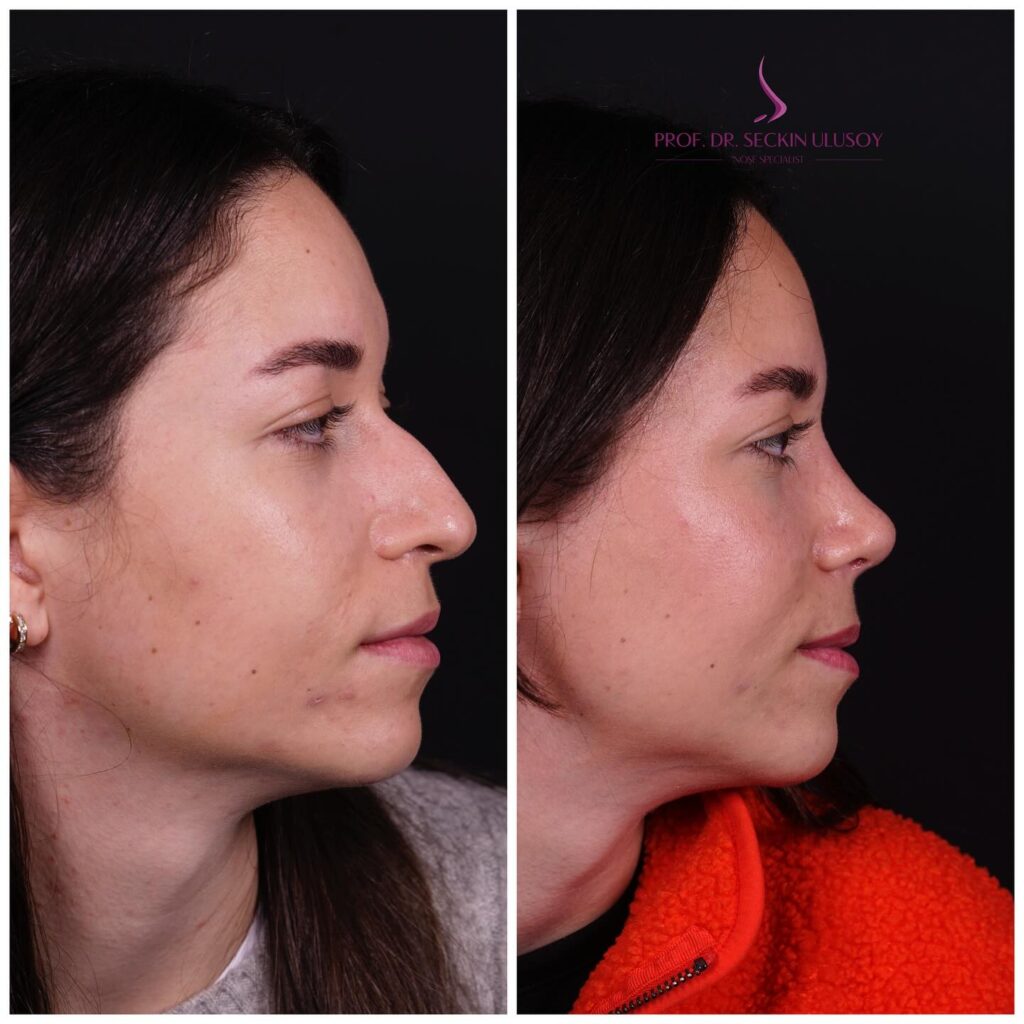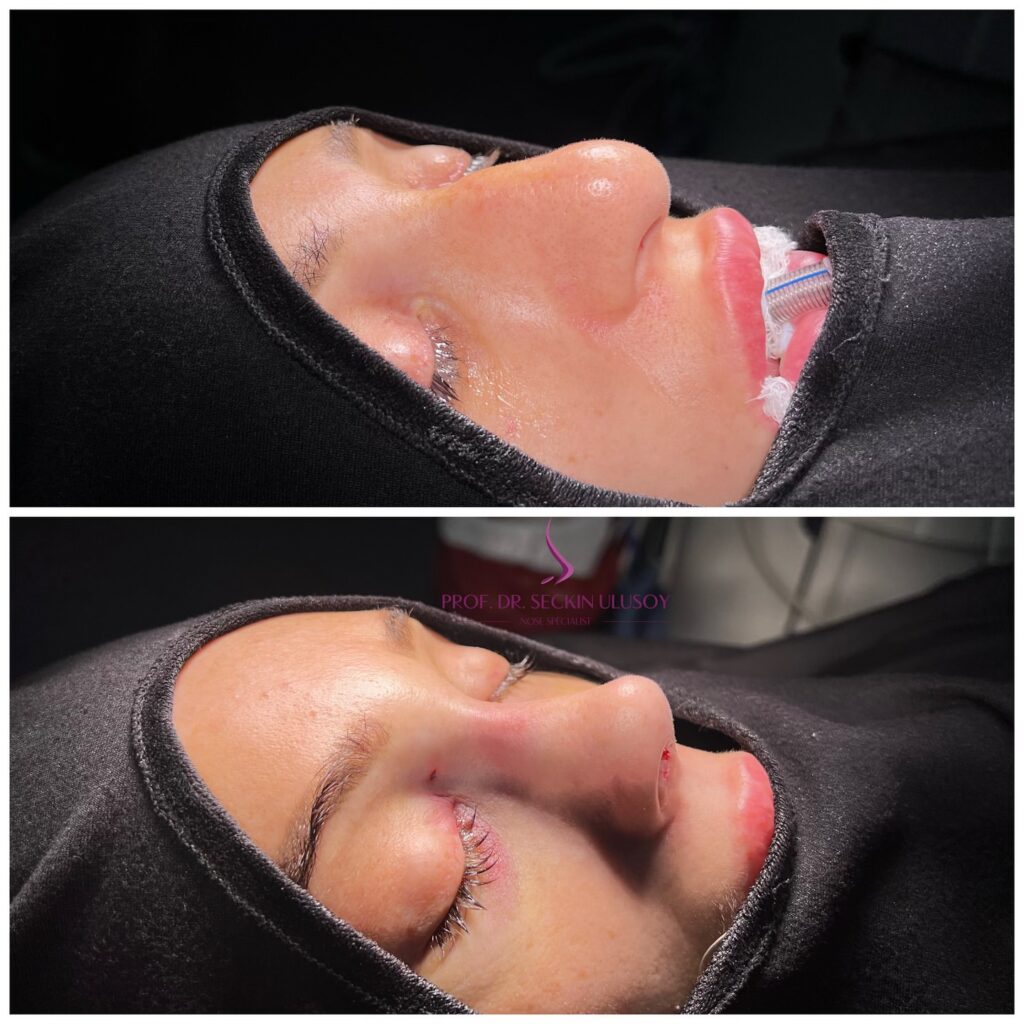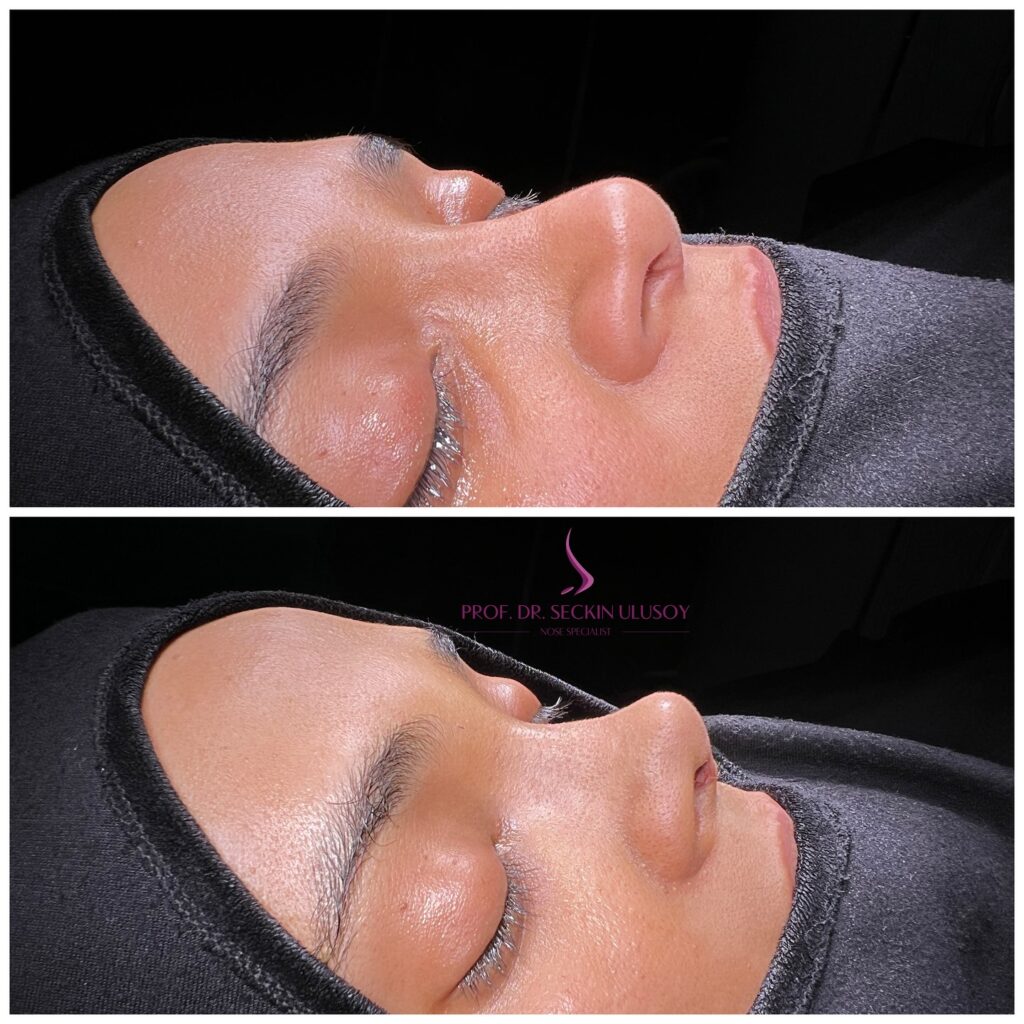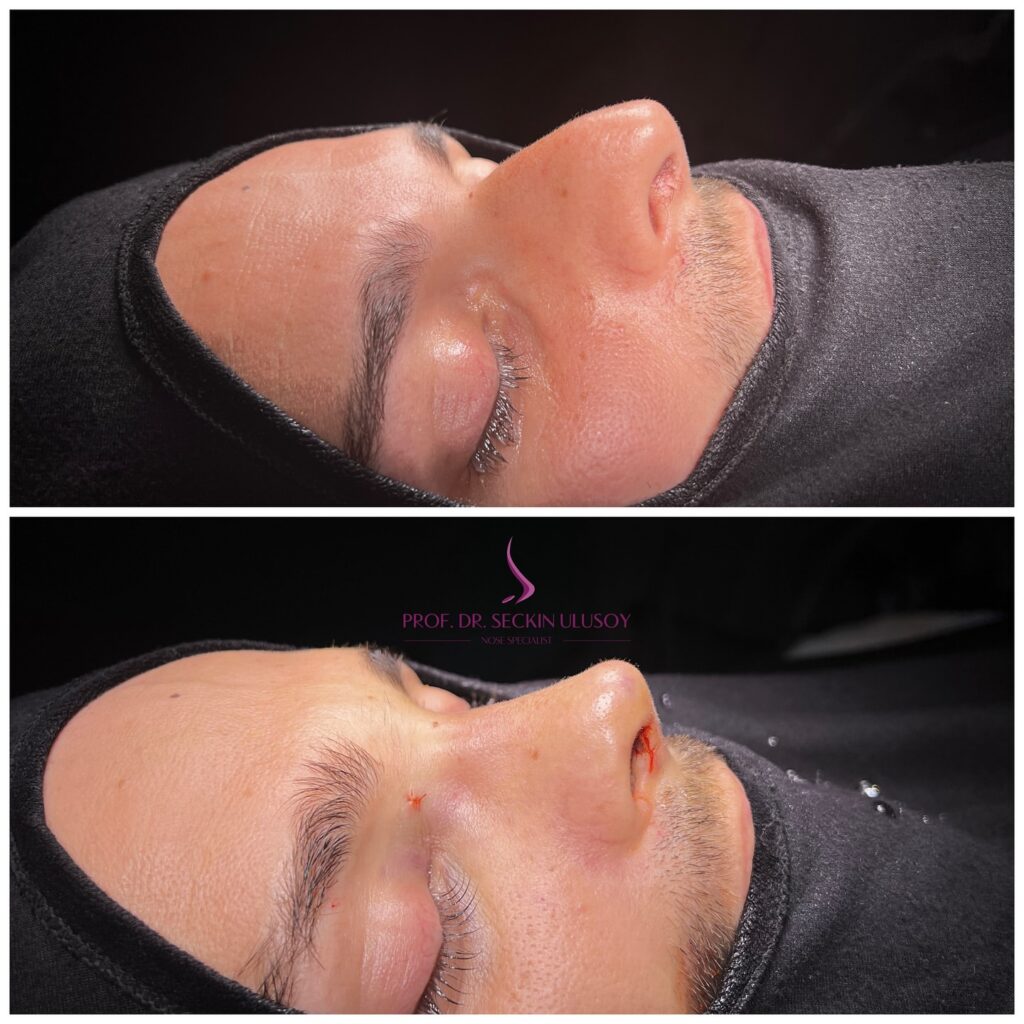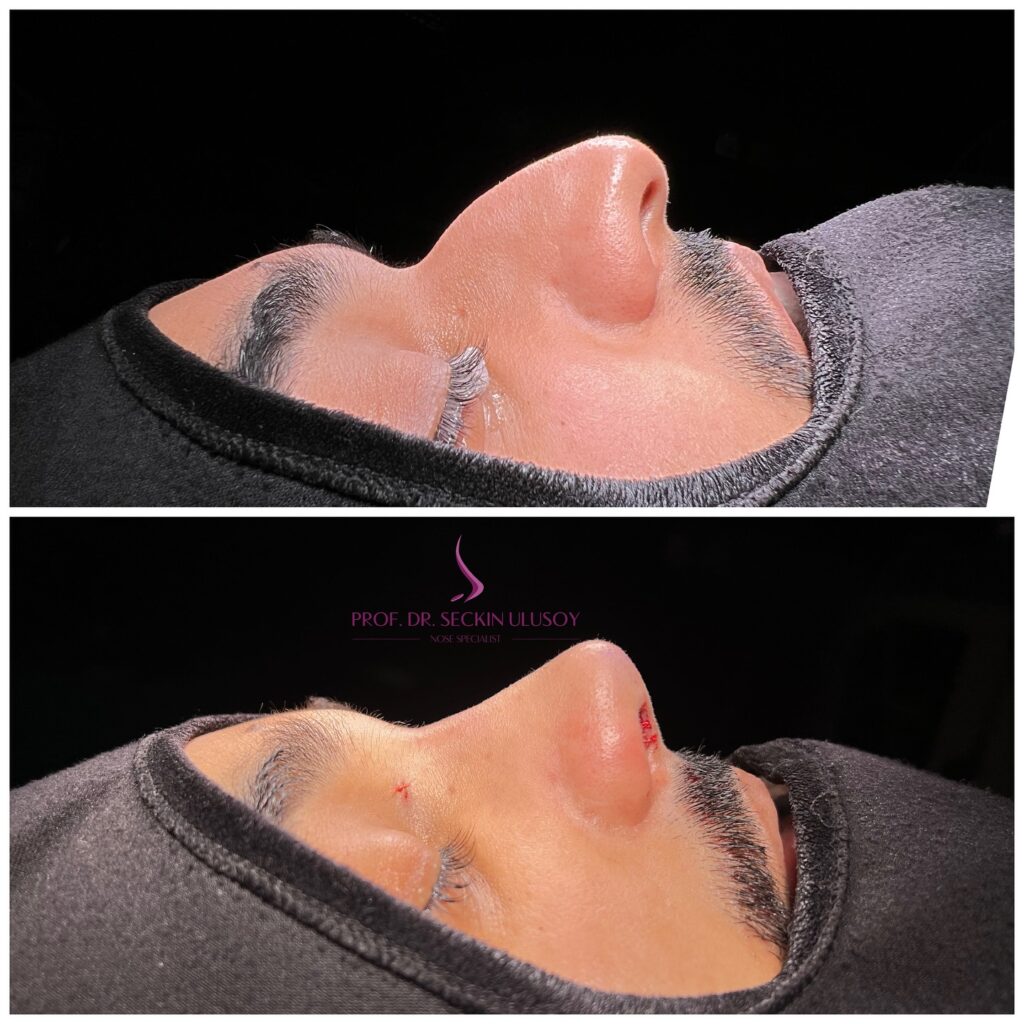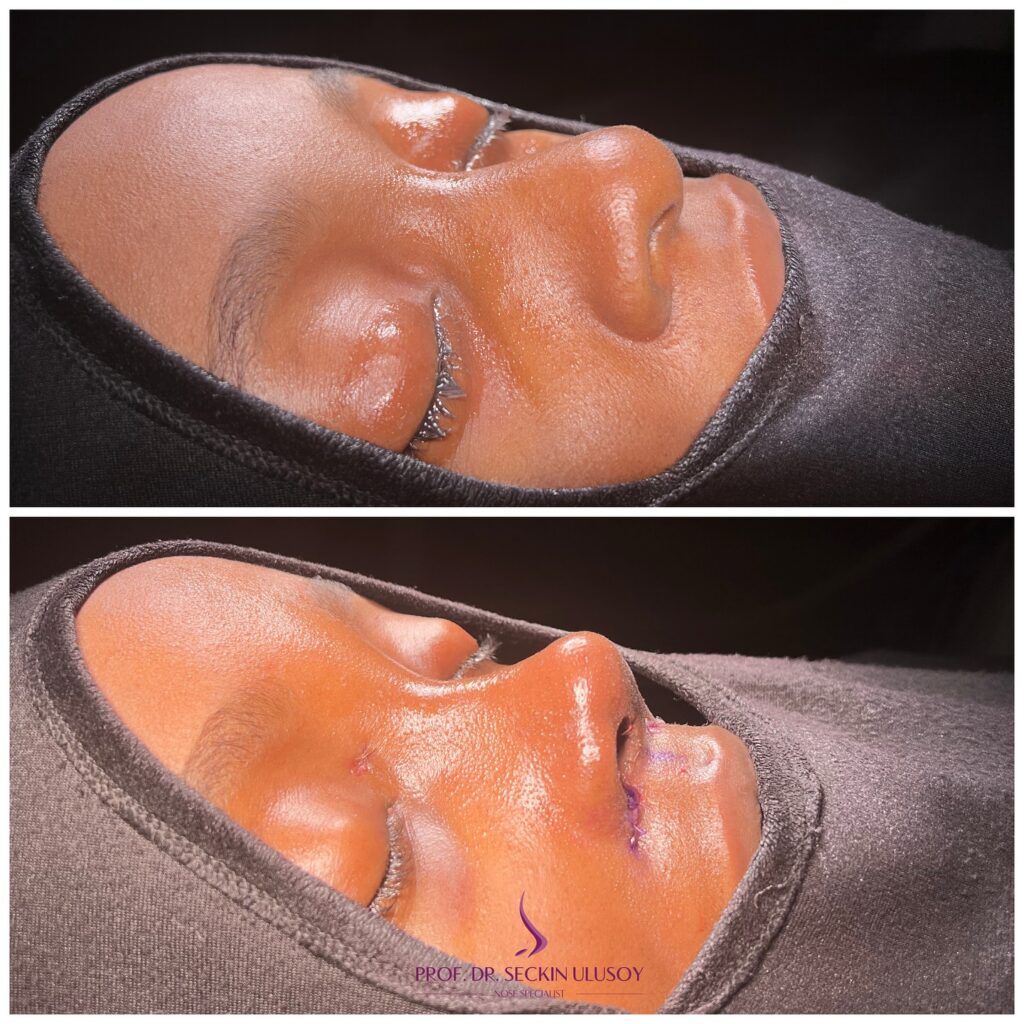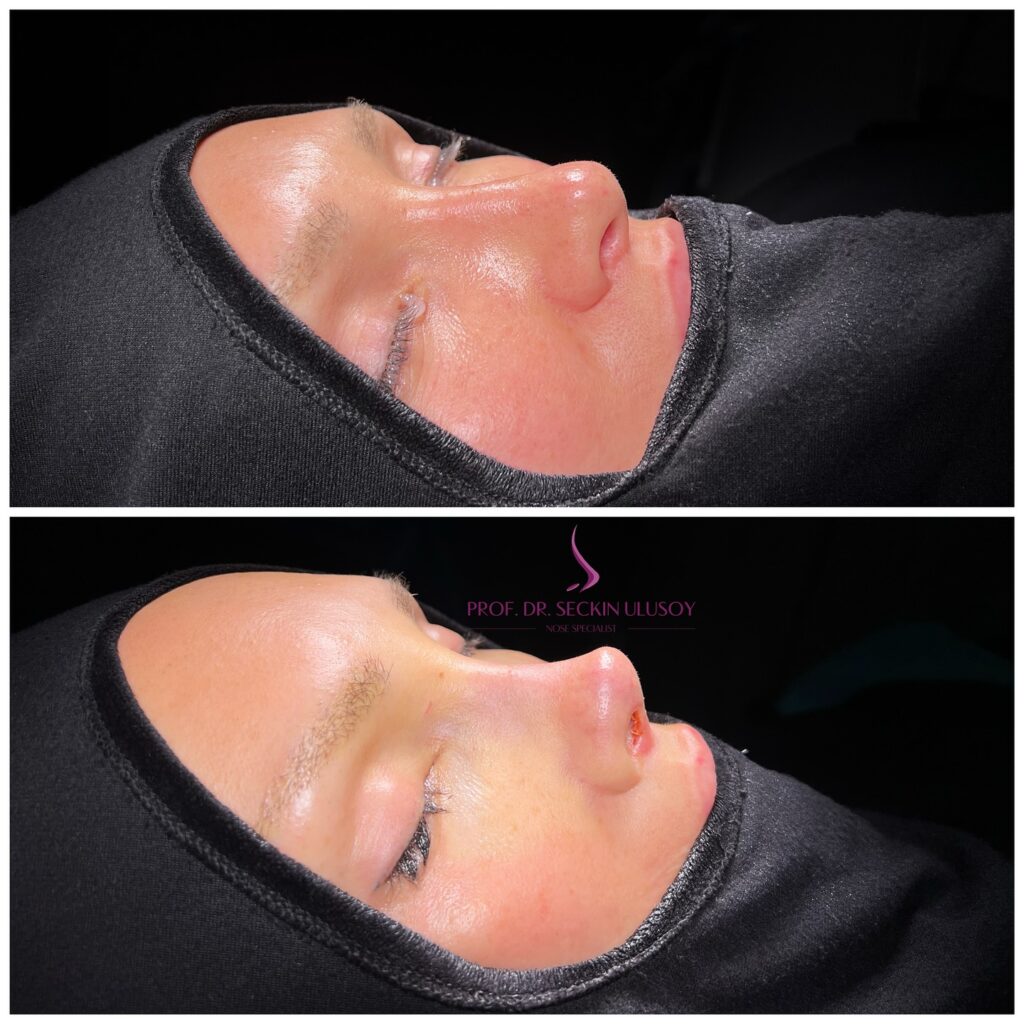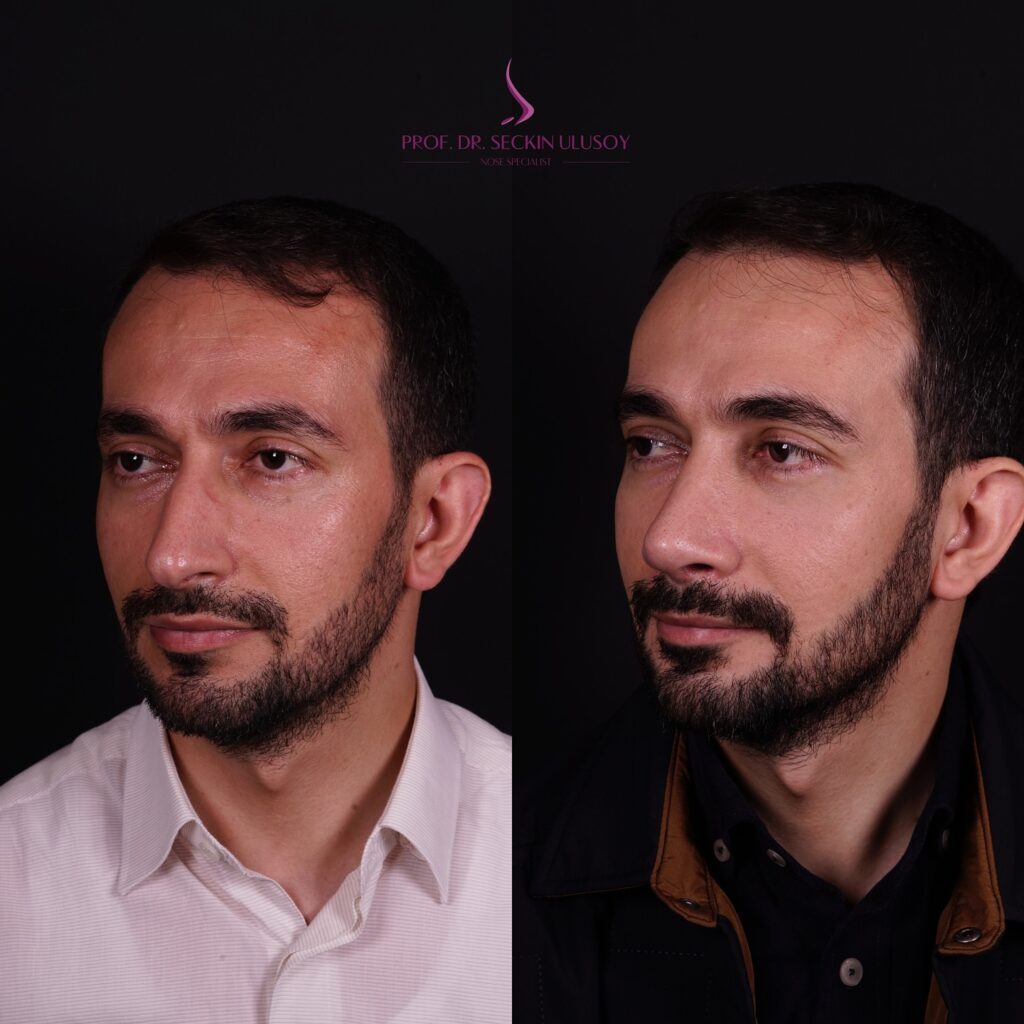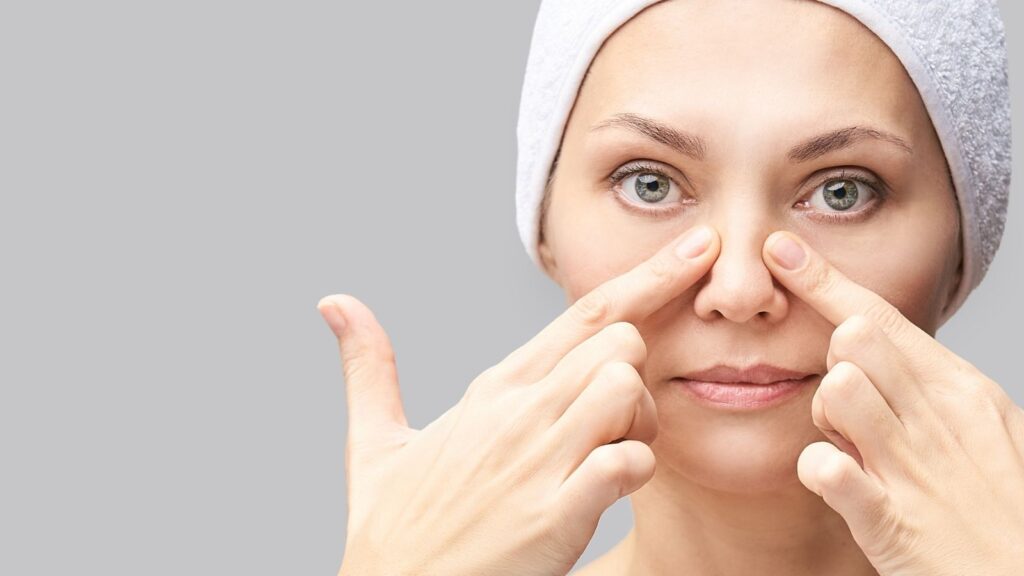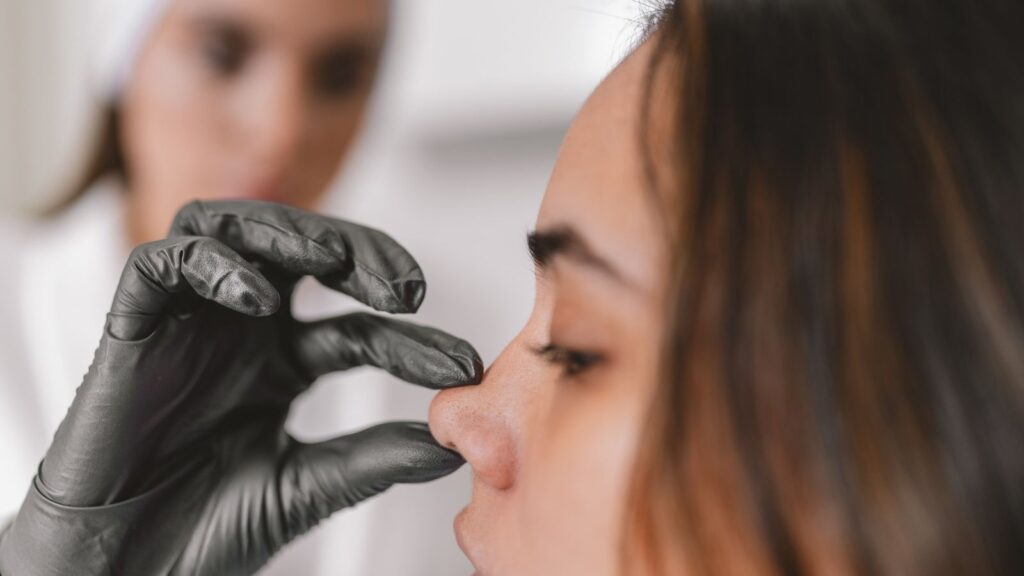
Nasal surgery before and after the procedure is a biological healing journey that begins weeks before the operation by discontinuing tobacco products and blood thinners to protect tissue health, continues through the first postoperative weeks with edema management and physical protection, and culminates in the final nasal shape settling over 1 to 2 years. A successful rhinoplasty is not limited to the surgical procedure itself but encompasses this entire period, during which the body’s natural healing timeline is fully respected. A well-planned preparation period and disciplined postoperative care routines are the most decisive factors in achieving both comfortable breathing and natural facial harmony.
What Are the Preparation Stages Before Nasal Surgery?
The foundation of a healthy surgical process is established long before the day of the operation. During the initial consultation, not only the external appearance of the nose but also its internal structure is evaluated in detail. Factors such as skin thickness, the strength of the cartilage framework, the condition of the septum, and the width of the nasal airways are assessed comprehensively. Evaluations based on photographs help plan the structures most suitable for the patient’s facial proportions while also outlining the surgical roadmap.
Before surgery, the body should be protected from certain substances to ensure healthy tissue circulation and optimal wound healing. For example, tobacco products may cause constriction even in the smallest capillaries because of the substances they contain. This narrowing of blood vessels may reduce oxygen delivery to healing tissues and slow the recovery process. Therefore, discontinuing such habits several weeks before surgery is highly beneficial. Likewise, to minimize the risk of bleeding during and after the operation, patients are advised to avoid certain medications and foods that affect blood clotting.
Some substances that are generally recommended to be discontinued under medical supervision before surgery include:
- Smoking
- Tobacco products
- Electronic cigarettes
- Blood-thinning medications
- Systemic acne medications
- Vitamin E capsules
- Herbal supplements
- Green tea
- Alcohol
Can Aesthetic and Functional Problems Be Corrected Together During Nasal Surgery?
Modern approaches recognize the nose as one of the body’s most important respiratory organs, and preserving this essential function remains the primary objective during reshaping procedures. While creating an appearance that harmonizes with the patient’s facial features, the internal airways are also optimized to function properly. Cosmetic refinements should never compromise breathing quality; on the contrary, they should improve it whenever necessary. The shared philosophy of ear, nose, and throat surgery and facial plastic surgery is to treat the internal and external structures as an inseparable whole.
In many cases, internal nasal deviations or enlarged turbinates that interfere with breathing can be corrected during the same session as cosmetic surgery. While correcting the deviated cartilage and bone structures that divide the nasal cavity, the turbinates, which narrow the airway, may also be reduced using appropriate techniques. Reduction procedures performed with technologies such as radiofrequency or laser energy help optimize the efficiency of the nasal air passages. Improved oxygen delivery to the body’s tissues may positively influence sleep quality, daily energy levels, and overall quality of life.
How Do Ultrasonic Devices Affect the Recovery Process After Nasal Surgery?
Traditional techniques relied on mechanical instruments to reshape the nasal bones. While effective, these tools sometimes exerted pressure on surrounding soft tissues and blood vessels during bone manipulation. As a result, patients often experienced significant swelling and bruising around the face after surgery. Today, ultrasonic systems known as Piezo have transformed this process.
Piezo technology operates using ultrasonic sound waves and is specifically designed to act only on hard tissues such as bone. The instrument tips tend to avoid damaging soft tissues, blood vessels, or nerves when they come into contact with them. By selectively reshaping only the targeted bone through ultrasonic vibrations, this system significantly reduces tissue trauma. The surgical area is continuously irrigated with saline during bone work to prevent overheating and keep the tissues cool. Thanks to this selective mechanism, the likelihood of excessive bruising or swelling after surgery may be considerably lower. Patients generally experience a more comfortable recovery with less postoperative edema.
What Are Preservation Rhinoplasty Approaches?
Preservation rhinoplasty is an approach aimed at maintaining the natural anatomical integrity of the nasal bridge as much as possible. In traditional methods, the hump on the nasal bridge was removed by filing or cutting it from above. However, this disrupted the natural dorsal roof and required reconstructing it afterward. In the preservation philosophy, the delicate junction between the nasal bones and cartilage is disturbed as little as possible, allowing the nasal bridge to be lowered as a single unit.
The techniques most commonly associated with this approach are Push-Down and Let-Down. In cases where the dorsal hump is relatively small, the Push-Down technique releases the nasal roof from its base and gently lowers it without removing bone from the sidewalls. For larger dorsal humps, the Let-Down technique removes narrow strips of bone from the lower sidewalls. This creates space that allows the entire nasal roof to descend as one unit, much like an elevator. These techniques help preserve the natural smoothness of the nasal bridge while maintaining the strength of the nasal valve structures.
Is Drooping of the Nasal Tip Expected After Nasal Surgery?
The nasal tip is a highly mobile structure that is constantly influenced by gravity and facial expressions. One of the most common concerns among patients is whether the nasal tip will droop over time or appear stiff during facial movements. The nose contains important supporting ligaments that provide flexibility and maintain the position of the nasal tip. Modern anatomical concepts place great emphasis on preserving or repairing these ligaments during surgery.
The ligaments known as the Pitanguy ligament and the scroll ligament play particularly important roles in supporting the dynamic behavior of the nasal tip. These structures function much like bridges or suspension cables. Respecting their anatomical integrity during surgery helps prevent the nasal tip from becoming excessively rigid after the operation. Their preservation allows the nasal tip to move naturally together with the upper lip during smiling and speaking, contributing to a more natural appearance. Maintaining the function of these ligaments may also help preserve the nasal tip’s shape even months or years after surgery.
How Does the Nasal Surgery Process Progress in Patients with Thick Skin?
Skin thickness is one of the most influential factors affecting the healing timeline and the rate at which postoperative swelling resolves. Thick skin rich in sebaceous glands tends to retain postoperative tissue fluids much like a sponge. Restoring the space between the skin and the underlying framework while allowing the lymphatic system to drain excess fluid requires considerably more time than in patients with thin skin. Thick-skinned patients are among those who need the greatest amount of patience during recovery.
As healing progresses, swelling gradually shifts downward under the influence of gravity. While the forehead and upper nasal bridge recover relatively quickly, the nasal tip remains the area that retains fluid the longest. Thick skin may require a year or even longer to fully adapt to the newly reconstructed cartilage framework beneath it. To support this prolonged recovery process, physicians often recommend certain home-based measures.
Supportive measures for edema management in thick-skinned noses include:
- Special nighttime taping techniques
- Gentle lymphatic massage
- Limiting sodium intake
- Sleeping with the head elevated
- Microinjections performed under physician supervision
Is It Possible to Perform Nasal Tip Surgery Without Altering the Bone?
Some individuals have no nasal bone deviation, breathing problems, or dorsal hump. Their concerns may be limited to a wide, asymmetrical, or drooping nasal tip. In such cases, procedures known as tip plasty, which involve reshaping only the cartilage and soft tissues of the nasal tip without altering the nasal bones, may be appropriate.
Since no bone breaking or filing is required, these procedures are generally shorter, and recovery tends to be much smoother because the bone lining is left untouched. Most patients experience little or no noticeable bruising after surgery and are able to return to their normal daily activities relatively quickly. In patients who do not wish to undergo surgery, temporary filler applications may also be used to camouflage minor asymmetries or depressions, although their effects are limited and temporary.
How Does Recovery Progress Day by Day After Nasal Surgery?
The body’s tissue repair process follows a predictable biological timeline. During the first one or two days after surgery, inflammatory fluid accumulates in the surgical area. During this period, it is normal to notice a slight pinkish discharge from the nose. As the body responds to surgery, swelling around the eyes and the central part of the face may increase.
By the third and fourth postoperative days, swelling generally reaches its maximum level. A sensation of tightness in the face is entirely normal during this phase. After this peak, however, the accumulated fluid gradually begins to be reabsorbed. Toward the end of the first week, the internal silicone splints and external protective splints are removed. Removal of the silicone splints significantly improves breathing and provides patients with a great sense of relief.
Around the second week, most of the visible swelling and discoloration begin to disappear. By the end of the first month, the nasal contours gradually become more apparent. During the first six months, swelling in the upper and middle portions of the nose largely resolves, whereas the most persistent area—the nasal tip—may continue refining until the end of the first year or even longer in certain skin types.
The main milestones of the recovery process include:
- Initial postoperative drainage
- Maximum swelling around the third day
- Removal of splints during the first week
- Return to social activities during the second week
- Definition of nasal contours during the first month
- Softening of tissues by the end of the first year
When Can Patients Return to Exercise After Nasal Surgery?
Physical activity and exercise increase circulation and raise the heart rate. During the early healing period, sudden increases in blood pressure are undesirable for newly reshaped cartilage structures that are still recovering. Increased cardiac activity may elevate blood pressure in the surgical area, leading to additional drainage or swelling. Therefore, patients are advised to resume physical activity gradually.
During the first weeks, only short, gentle walks are recommended to maintain normal circulation. After approximately one month, patients may begin activities that do not involve vigorous movement or heavy lifting, such as gentle stretching exercises or stationary cycling. More strenuous activities should be delayed until the bones and cartilage have regained sufficient strength. In particular, contact sports or heavy weightlifting that carry a risk of facial impact should be avoided for an extended period to protect the healing tissues.
A gradual progression back to exercise may include:
- Short indoor walks
- Brisk outdoor walks
- Stationary cycling
- Gentle stretching exercises
- Low-intensity swimming
What Should Be Avoided Throughout the Recovery Period After Nasal Surgery?
During this sensitive period, protecting the healing tissues from environmental factors greatly supports recovery. Situations that suddenly increase body temperature and cause blood vessels to dilate may worsen swelling around the nose. Hot steam, saunas, or very hot baths may increase blood flow to the area, making it beneficial to avoid such environments for a period of time.
Mechanical pressure should also be avoided. During the first months, the nasal bones remain relatively soft and susceptible to changes in shape. Objects that place pressure on the nasal bridge should therefore not be used. Eyeglass frames rest directly on the operated bone structures and may contribute to unwanted indentations or subtle deformities. Sleeping position also influences the distribution of swelling; sleeping on the back rather than placing pressure on one side of the face promotes more balanced healing.
The main factors recommended to be avoided during recovery include:
- Saunas
- Steam rooms
- Hot tubs
- Wearing sunglasses
- Wearing prescription glasses
- Sleeping face down
- Sleeping on the side
- Foods requiring vigorous chewing
How Should the Inside of the Nose Be Cleaned During Recovery After Nasal Surgery?
Just as important as the external appearance is the healthy healing of the nasal mucosa. Following surgery, the tiny cilia responsible for cleaning the inside of the nose may temporarily function more slowly. This may result in dryness, crusting, and reduced airflow. Establishing a regular care routine is recommended to help the tissues regain their natural moisture and function.
From the first postoperative weeks onward, saline solutions or isotonic seawater sprays are commonly used to moisturize the nasal passages and soften dried secretions. These solutions reduce tension on the mucosa and facilitate the natural removal of accumulated debris. During cleaning, forceful nose blowing should be avoided to prevent injury to the healing tissues. After irrigation, special drops or creams are generally applied to keep the tissues soft and well hydrated.
Some products commonly used for intranasal care during the healing period include:
- Isotonic seawater solutions
- Ocean water nasal sprays
- Hyaluronic acid nasal drops
- Aloe vera-based nasal products
- Moisturizing creams
- Emollient ointments