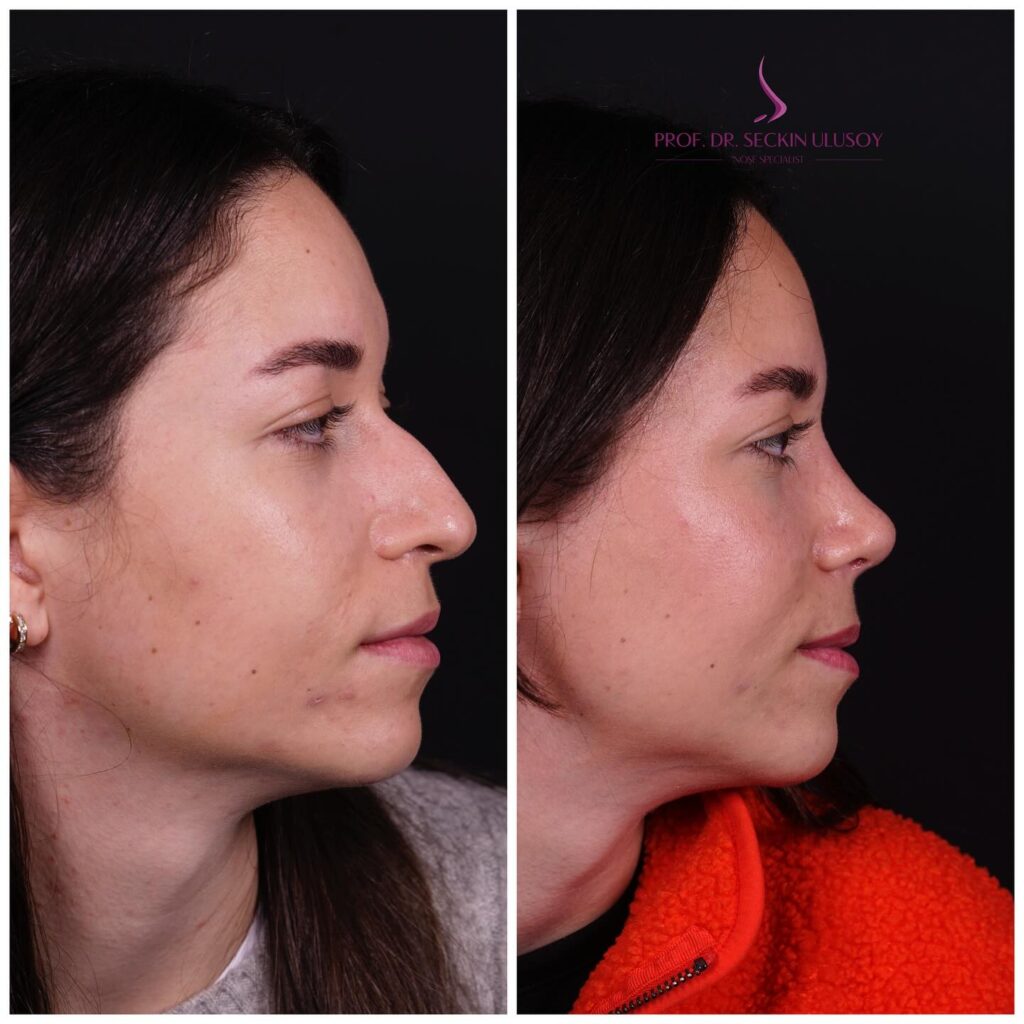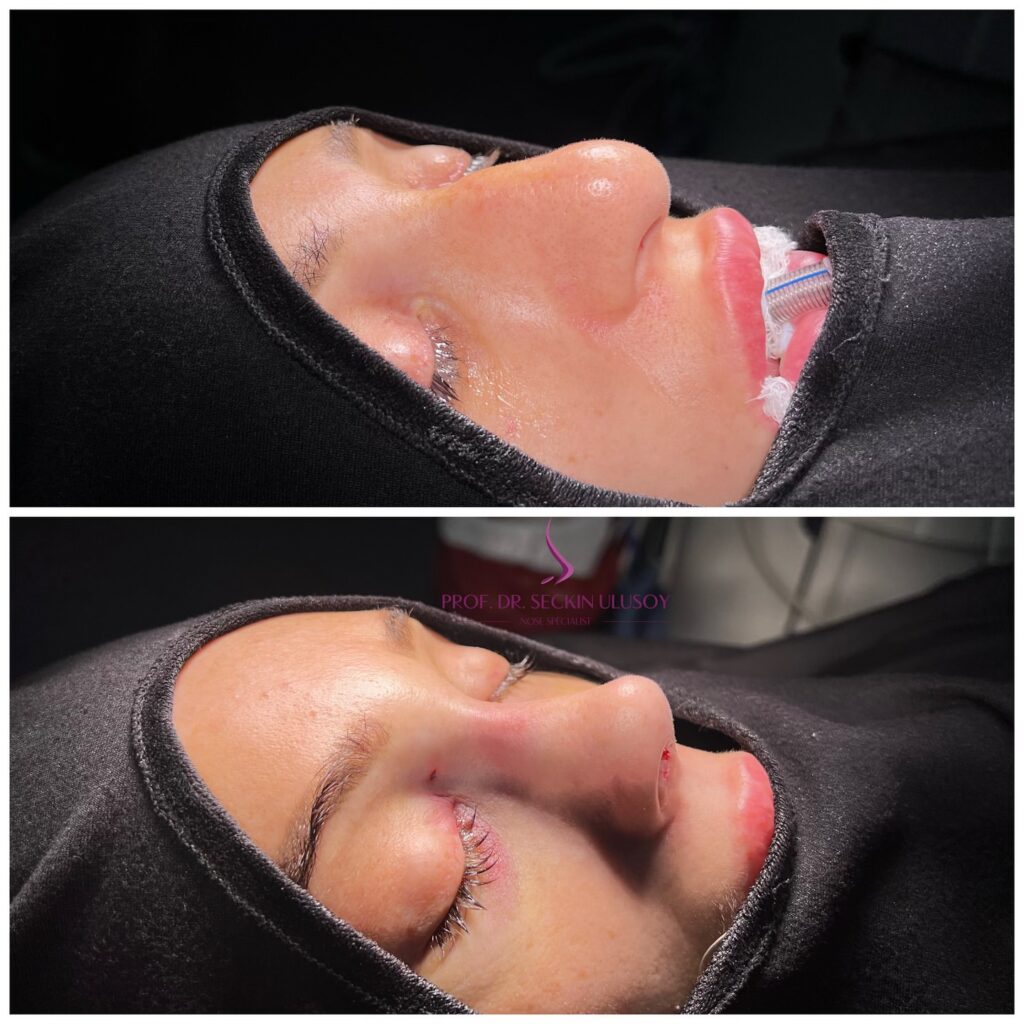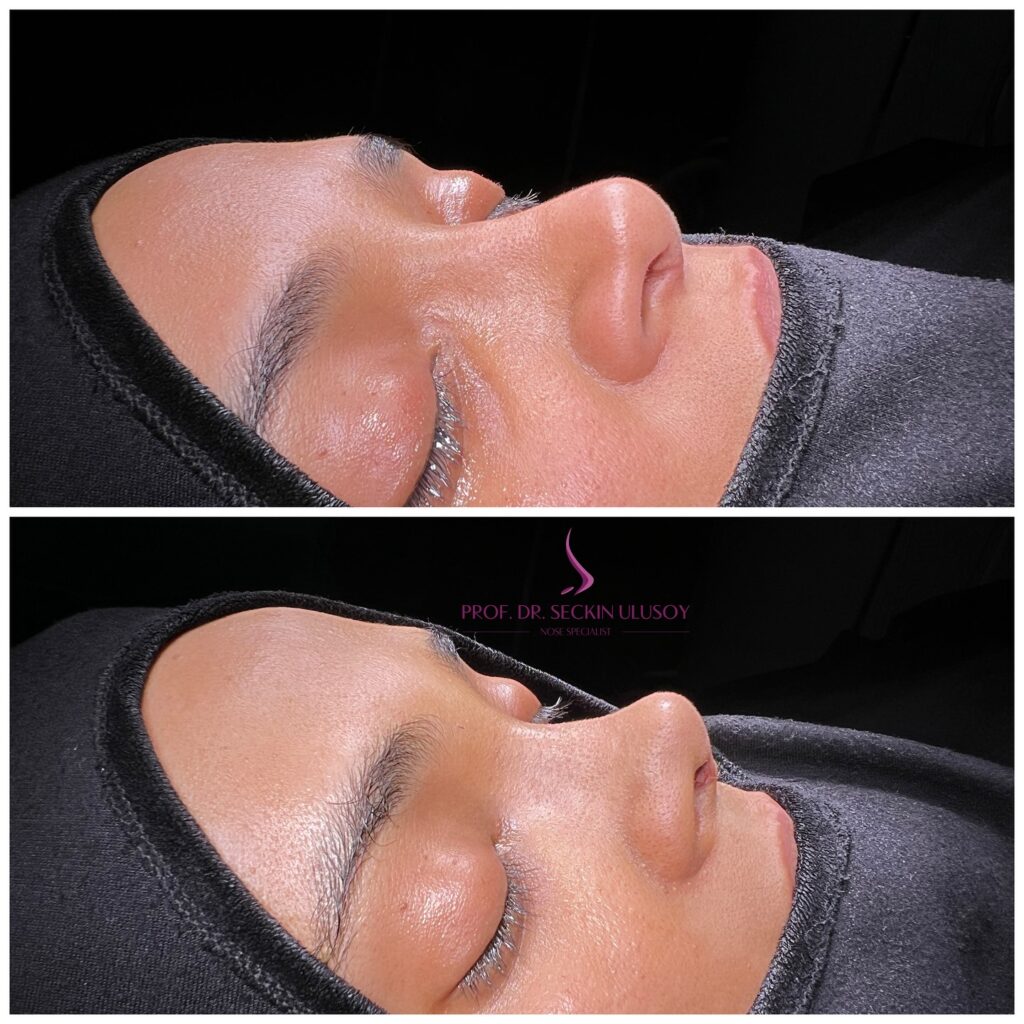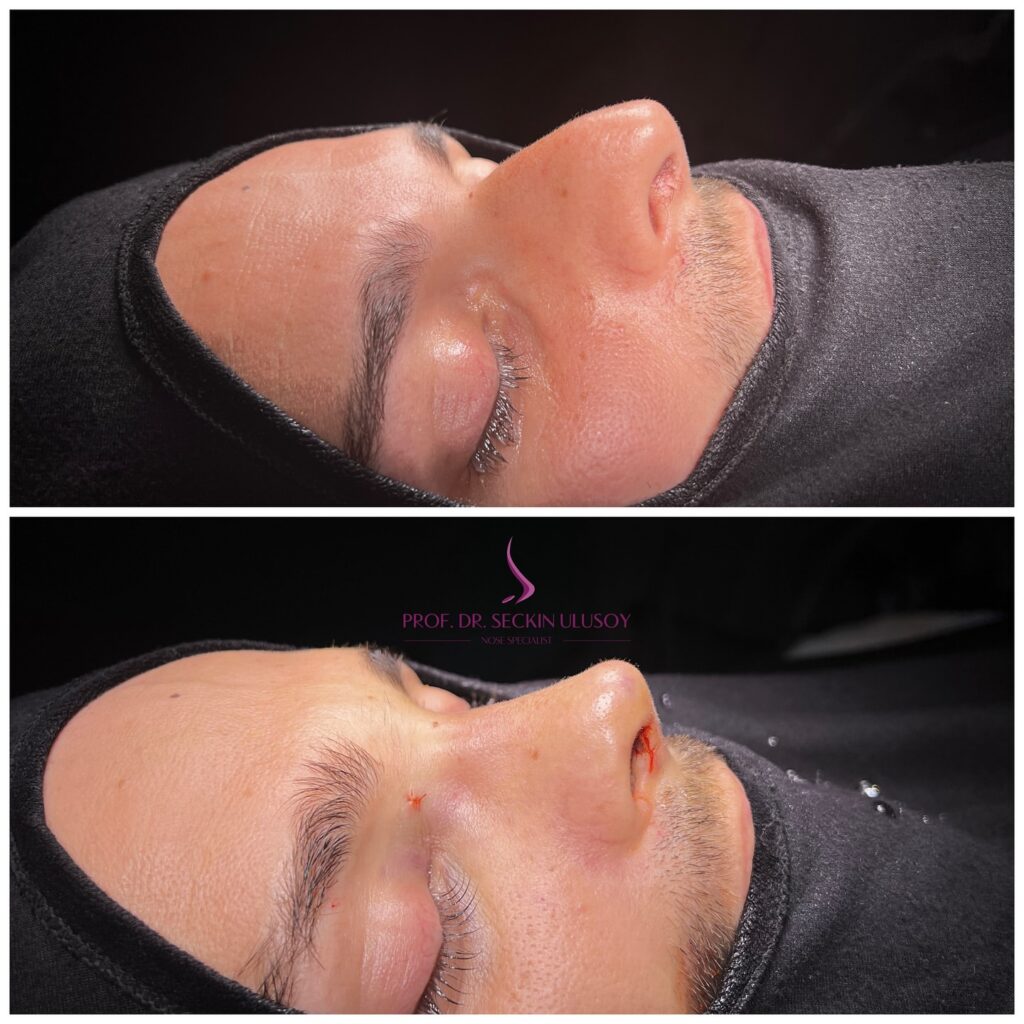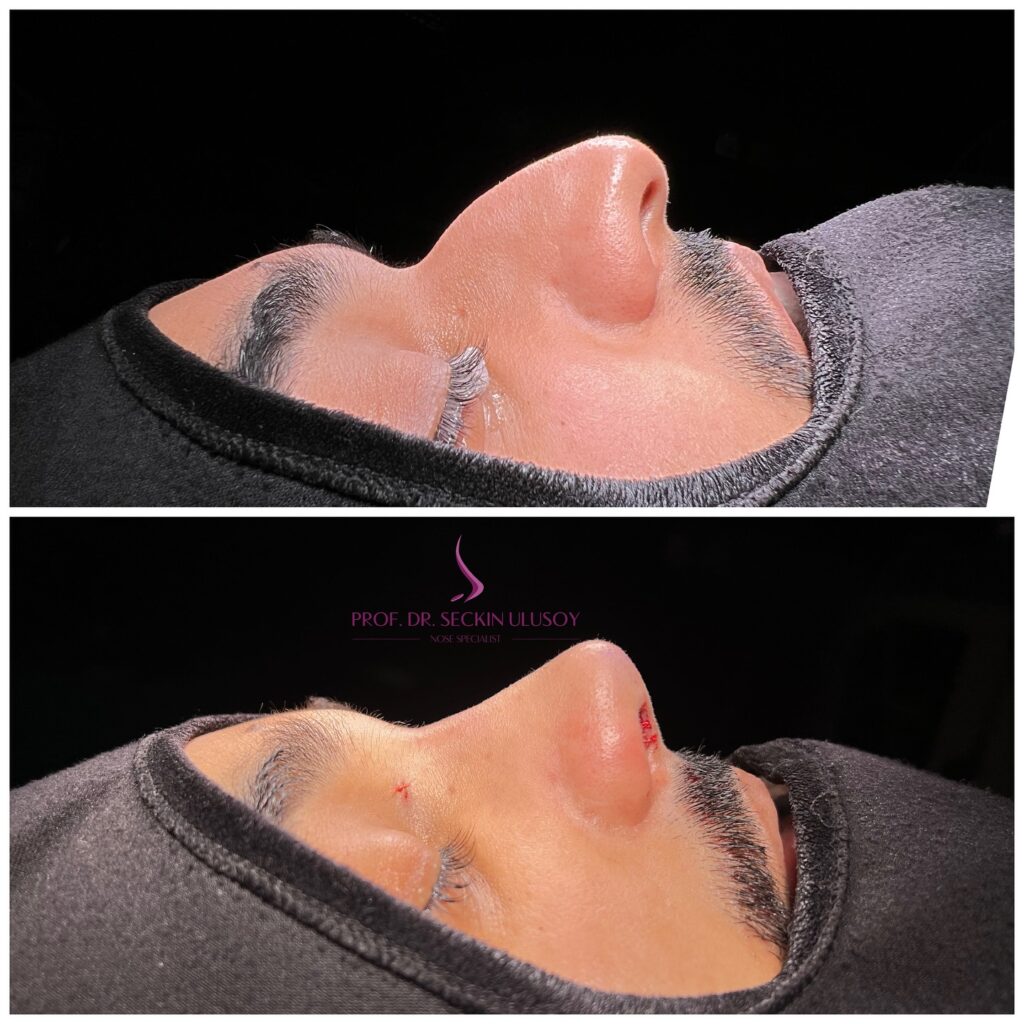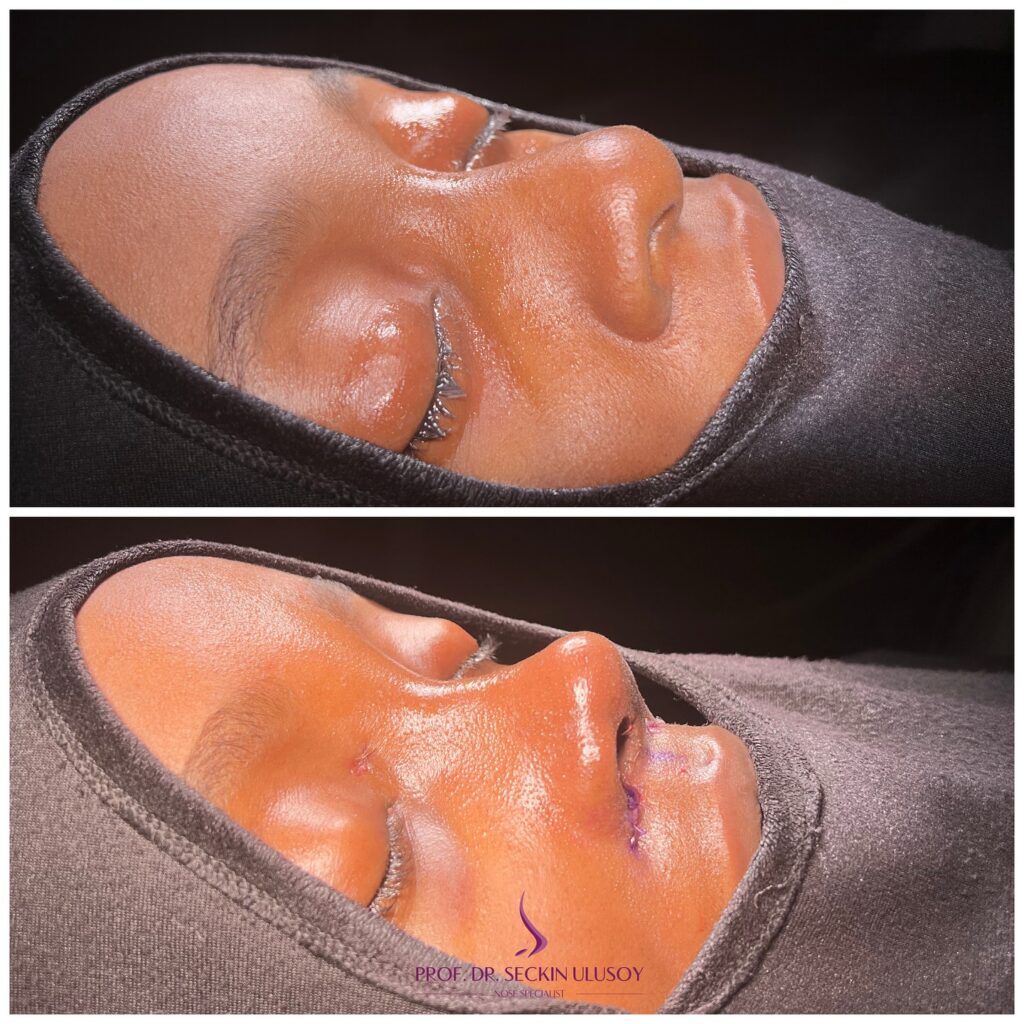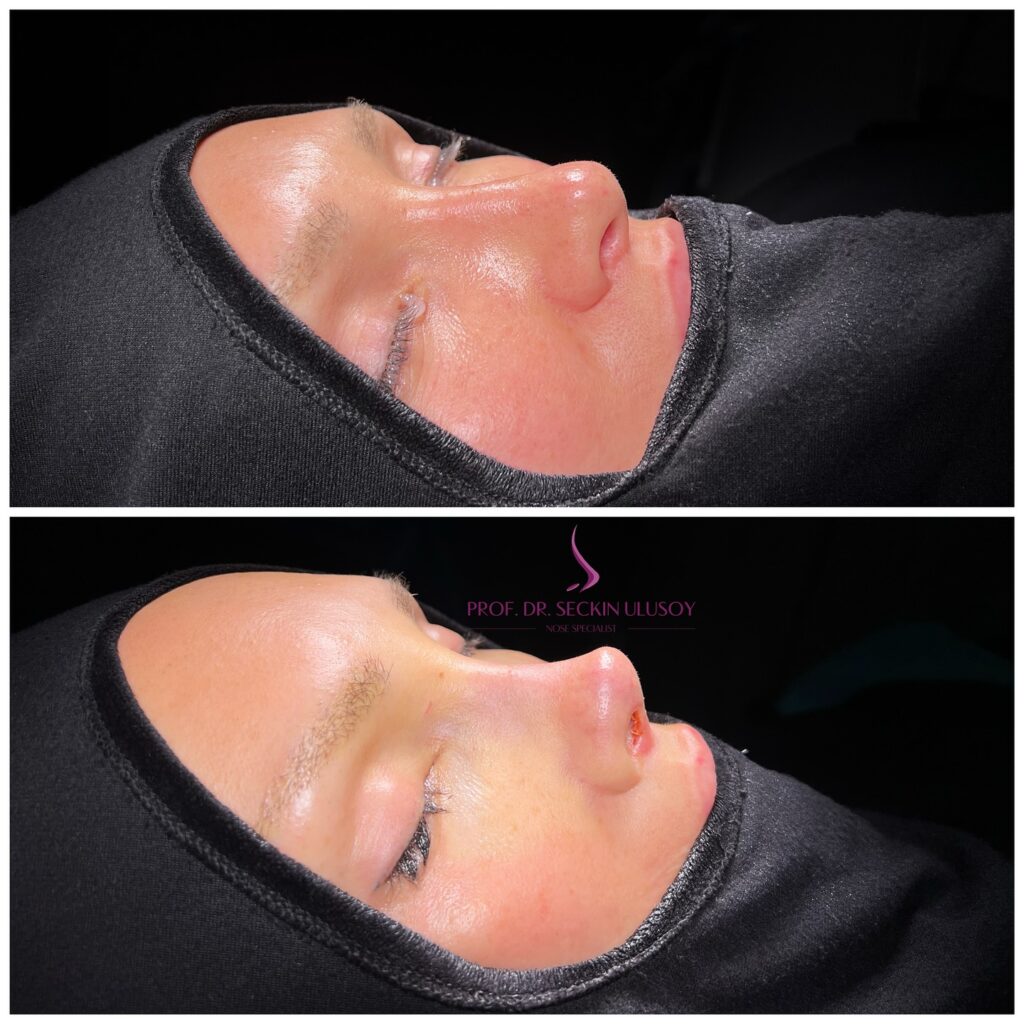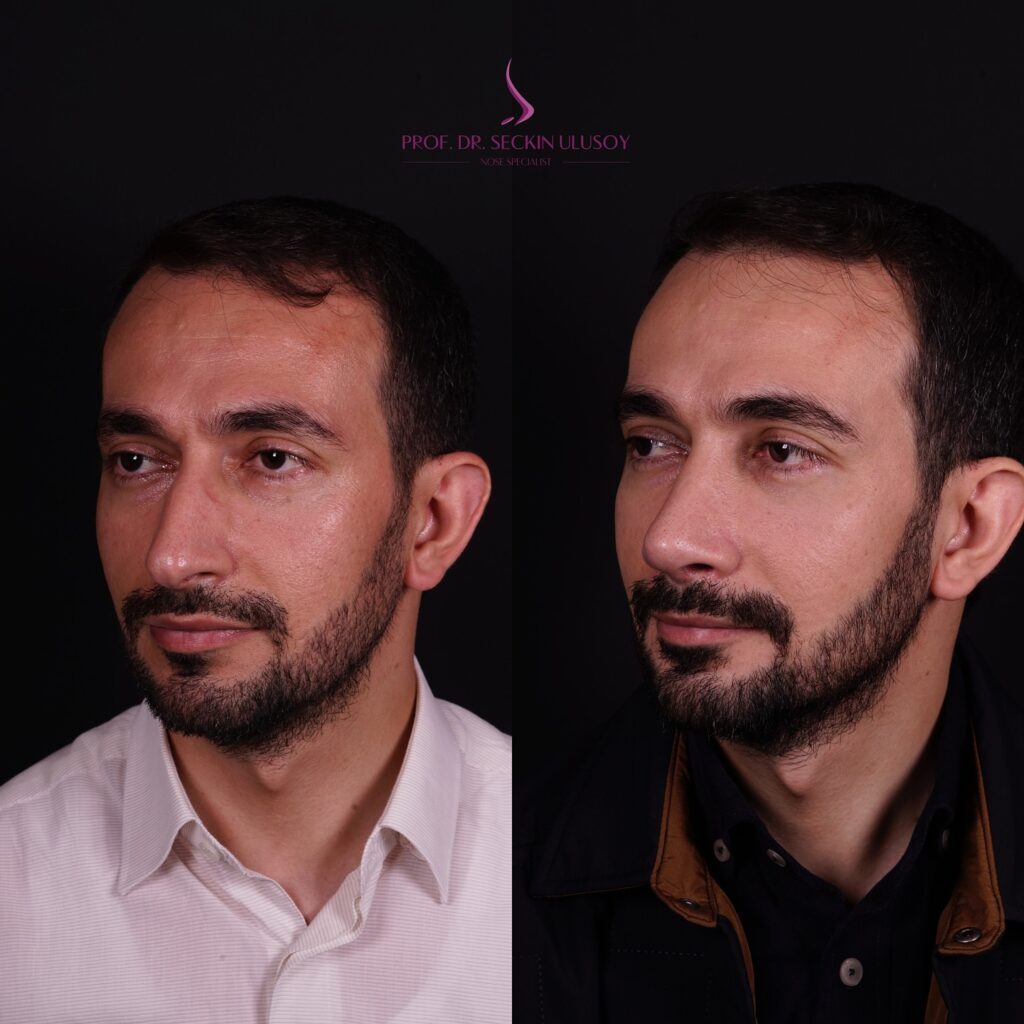
Revision rhinoplasty costs are determined individually for each patient according to the extent of deformity in tissues that have undergone previous surgery, the source of cartilage required to support the nasal structure, and the device technologies to be used. Due to the structural changes in the nasal anatomy following the initial surgery, it is medically impossible to define a single standard price for these corrective procedures. The revision rhinoplasty budget becomes clear only after a detailed clinical examination, taking into account the surgical team’s workload, operating room time, and the scope of the reconstruction techniques to be performed.
Why Do Revision Rhinoplasty Costs Differ Compared to the Initial Operation?
In noses that have never undergone surgery, the tissues preserve their natural boundaries. The cartilage, ligaments, and subcutaneous tissue layers remain untouched. However, this picture is usually quite different in revision procedures. As tissues heal after the first surgery, they tend to develop dense scar tissue known as fibrosis beneath the skin. Separating these adherent tissues without damaging the remaining healthy structures is a time-consuming and demanding process. This stage, called dissection, often requires significantly greater care, concentration, and the use of delicate surgical instruments. The more extensive the anatomical deformity, the more technically challenging the operation becomes. The increased effort, patience, and longer operative time naturally create the potential for higher costs compared with primary rhinoplasty.
How Do Cases Requiring More Than Two Operations Affect Revision Rhinoplasty Costs?
Sometimes, the results of previous surgeries make a third or even fourth operation necessary. In tissues that have undergone multiple procedures, surgical planning becomes considerably more complex. Each additional operation has the potential to further reduce blood circulation and tissue nourishment in the area. In advanced revision cases, there may no longer be sufficient natural cartilage to support the nasal framework. Significant cartilage loss and compromised blood supply can increase the overall surgical risk profile. Therefore, advanced tissue-preserving surgical techniques become essential to minimize wound healing complications. The need to repair tissues that have undergone two or more previous surgeries may increase both the risks and the duration of the operation, while also requiring additional cartilage harvesting from other parts of the body. Consequently, these factors become some of the primary variables directly influencing the overall cost.
Why Are Detailed Preoperative Examinations Important in Determining Revision Rhinoplasty Costs?
Achieving a successful revision begins with an exceptionally meticulous diagnostic and planning process. Detailed preoperative evaluations are performed with great care to identify potential problems and avoid unexpected costs during surgery. These consultations also provide an invaluable opportunity to establish realistic expectations and maintain healthy communication with the patient. Using advanced diagnostic methods, the patient’s current anatomy is mapped in detail. Endoscopic examination of the nasal cavity helps assess the airway and determine how much septal cartilage remains available. At the same time, digital analysis and skin thickness measurements allow the surgical scope to be defined as clearly as possible before entering the operating room. This level of preparation makes it easier to estimate the equipment required, identify potential cartilage donor sites, and calculate the expected operating room time.
The primary factors evaluated during the examination include:
- Intranasal mucosa
- Septal cartilage
- Previous surgical scars
- Airway patency
- Facial symmetry
How Do Procedures Performed When There Is Insufficient Cartilage Remaining Inside the Nose Affect Revision Rhinoplasty Costs?
One of the most critical stages of revision surgery is reconstructing structures that have been lost or weakened. If most of the septal cartilage was used during the initial operation, there may not be enough structural material available to support the nose during a second or third procedure. Without establishing a solid framework, achieving a long-lasting functional and aesthetic outcome becomes unlikely. Therefore, cartilage often needs to be harvested from other areas of the body. For more limited repairs, cartilage may be obtained through a hidden incision behind the ear. However, in cases requiring greater structural support, rib cartilage becomes the preferred option. Harvesting rib cartilage requires creating a second surgical site in the chest. Performing this procedure without injuring the lining of the lung demands exceptional surgical precision. These cartilage harvesting procedures prolong anesthesia time, require additional sterile equipment, and significantly increase the complexity of the operation, making them one of the primary factors affecting the overall surgical budget.
Why Is Skin Thickness Considered When Determining Revision Rhinoplasty Costs?
Although skin quality may seem to be only an aesthetic detail, it is actually one of the cornerstones of surgical planning. In patients with thick skin, it generally takes much longer for lymphatic circulation within the tissues to normalize. To support the weight of thick, heavy skin over many years and prevent the nasal tip from drooping under the influence of gravity, a strong and durable cartilage framework may need to be constructed internally. In patients with thin skin, every detail of the underlying bone and cartilage tends to become visible through the skin. This requires the surgery to be performed with exceptional delicacy and millimetric precision. When necessary, autologous soft tissue grafts or specialized biological membranes may be used to camouflage the underlying framework. These additional techniques, tailored to the patient’s skin characteristics, expand the scope of the procedure and increase the operative time, thereby influencing the overall cost structure.
Some supportive tissues that may be used in patients with thin skin include:
- The patient’s own fat tissue
- Postauricular fascia
- Temporalis fascia
- Muscle fascia
How Do Advanced Technologies and Surgical Techniques Influence the Budget for Revision Rhinoplasty?
Advances in medical technology improve patient comfort while also expanding the range of available surgical techniques. In cases involving significant structural deformities, axis deviations, or asymmetry, an open approach may be preferred because it provides the surgeon with greater visibility and access. Closed techniques may be appropriate for more limited corrections. However, the greatest technological difference often lies in the methods used to reshape the nasal bones. Today, traditional hammers and rasps have largely been replaced by piezoelectric devices that operate using ultrasonic vibrations. These ultrasonic waves selectively affect hard bone tissue while minimizing the risk of damage to surrounding blood vessels, muscles, and mucosal tissue. This tissue-preserving approach generally results in less bruising and swelling after surgery, leading to a more comfortable recovery. The cost of maintaining these devices, along with the sterile disposable ultrasonic tips required for each patient, contributes to the overall budget. Given the improvements in healing quality, many patients consider this investment worthwhile.
Does Correcting Breathing Problems in Addition to Cosmetic Concerns Affect Revision Rhinoplasty Costs?
Most individuals seeking revision rhinoplasty are dissatisfied not only with the appearance of their nose but also with breathing problems that developed following previous surgery. Loss of healthy nasal breathing can significantly affect every aspect of life, from sleep quality to daily energy levels. Therefore, the primary goal is not simply to create an aesthetically pleasing nose but to restore a healthy, well-functioning organ. During surgery, it may be necessary to correct deviated cartilage inside the nose and reconstruct narrowed nasal valve regions. When these detailed functional repairs are included alongside aesthetic correction, both the duration of surgery and the level of technical expertise required increase. This combined approach, which simultaneously restores appearance and breathing function, naturally influences both the complexity and the overall financial planning of the procedure.
Do Hospital Quality Standards and Anesthesia Management Influence Revision Rhinoplasty Costs?
The technical capabilities of the facility where surgery is performed have a much greater impact on pricing than many people realize. Fully equipped hospitals that maintain international standards for safety and hygiene may have different pricing structures because of their advanced infection control measures and emergency response capabilities. Revision rhinoplasty procedures often take longer than primary surgeries, making careful anesthesia management particularly important. Throughout the operation, anesthesiologists closely monitor the patient while modern anesthetic agents are administered and blood pressure is carefully controlled. Maintaining stable blood pressure may reduce intraoperative bleeding, providing the surgeon with a cleaner surgical field and facilitating the procedure. High-quality anesthesia management also helps minimize postoperative nausea and improve patient comfort during recovery. These invisible but essential medical practices represent one of the most significant components of the total surgical cost.
Are the Materials Used During Postoperative Recovery Included in Revision Rhinoplasty Cost Planning?
The success of rhinoplasty depends not only on the operation itself but also on the postoperative healing process. Follow-up care, tissue healing, and adaptation to the new nasal shape require just as much attention as the surgery. After the operation, various medical materials are used to stabilize the tissues, reduce excessive swelling, minimize the risk of bleeding, and keep the airway safely open. Traditional gauze nasal packing, which was often uncomfortable to remove, has largely been replaced by modern silicone splints with built-in air channels. These innovative silicone splints allow patients to breathe to some extent even after surgery and provide a much more comfortable removal experience. External thermoplastic splints may also be used to maintain the new nasal shape.
Some of the medical products used during recovery include:
- Perforated silicone splints
- Thermoplastic splints
- Skin-protective tapes
- Seawater nasal sprays
- Moisturizing ointments
Why Is It Legally and Medically Impossible to Provide Exact Revision Rhinoplasty Prices Online?
It is completely understandable that people planning such an operation wish to find a precise price online in order to organize their budget. However, under current healthcare regulations and medical ethical guidelines in Türkiye, it is not legally permitted to publish explicit price lists for healthcare services on websites or social media platforms. The primary purpose of these regulations is to prevent healthcare services from becoming a matter of commercial competition and to place patient well-being above all else. Professional ethical principles emphasize that complex surgical procedures cannot be priced like ordinary consumer products. From a medical standpoint, every individual has a unique anatomy, skin thickness, and degree of tissue damage from previous operations. The amount of remaining cartilage, the technologies that may be required, and the anticipated duration of surgery can only be determined after a comprehensive face-to-face consultation and detailed examination by an experienced surgeon. The most accurate financial planning can therefore only be established following this individualized clinical assessment.