Closed ethnic rhinoplasty with alar base reduction is a surgical approach used to refine nasal shape while respecting the patient’s natural ethnic features and overall facial identity. The procedure is individualized according to nasal width, bridge height, tip definition, nostril shape, skin thickness, cartilage strength, and the relationship between the nose and other facial structures.
In a closed rhinoplasty, the surgical incisions are placed inside the nostrils, which means there is no external columellar incision. This technique may be suitable for selected patients depending on the type and extent of correction required. When the nostril base appears too wide or flared, an alar base reduction can also be performed to improve proportion and create a more balanced nasal base.
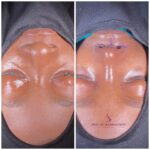
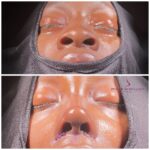
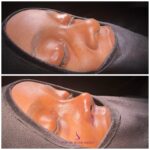
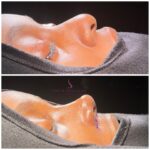
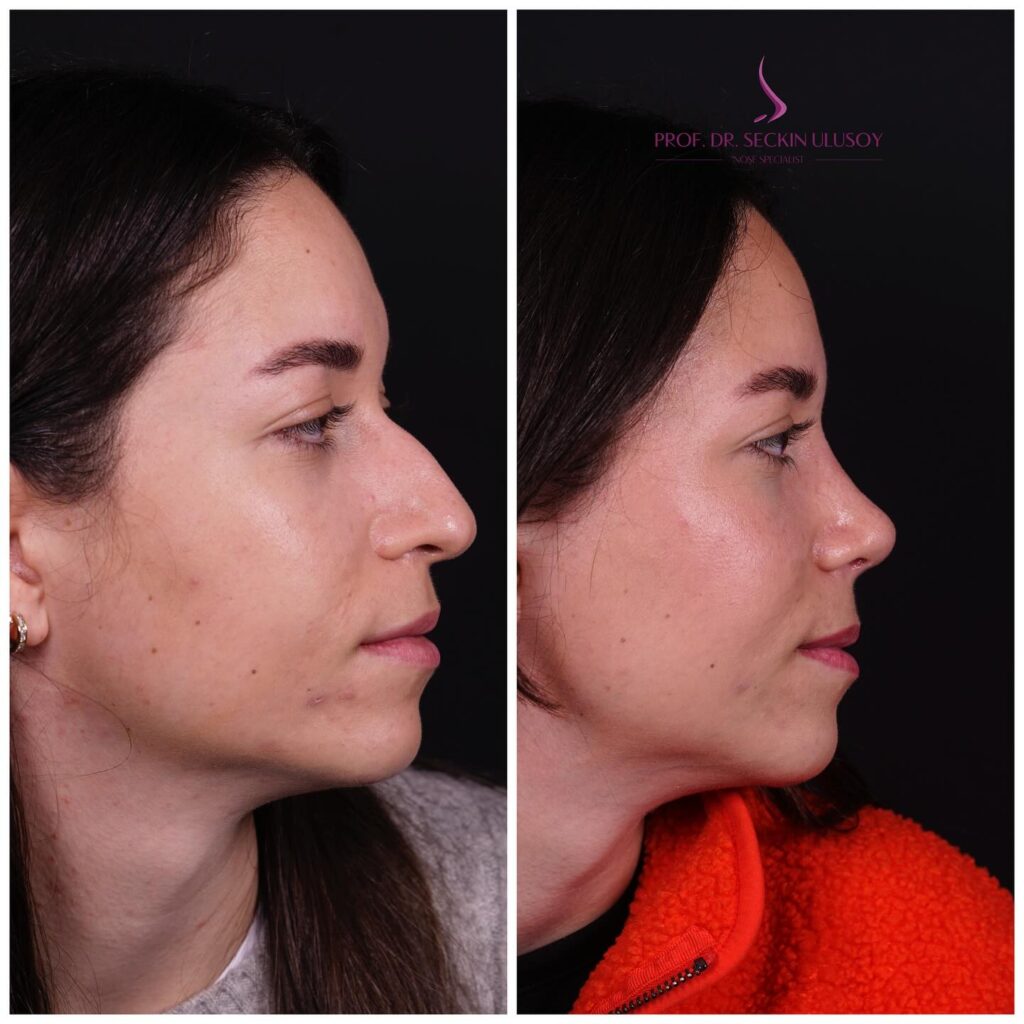
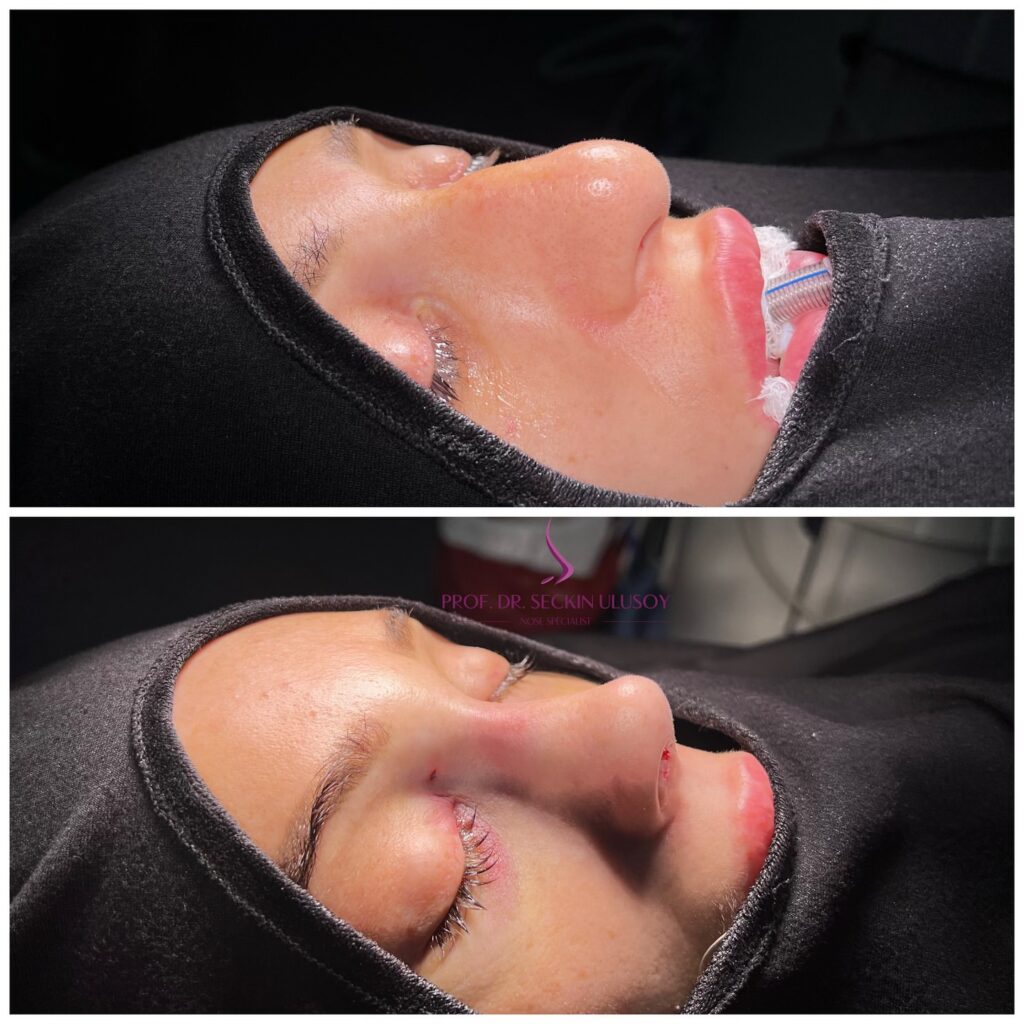
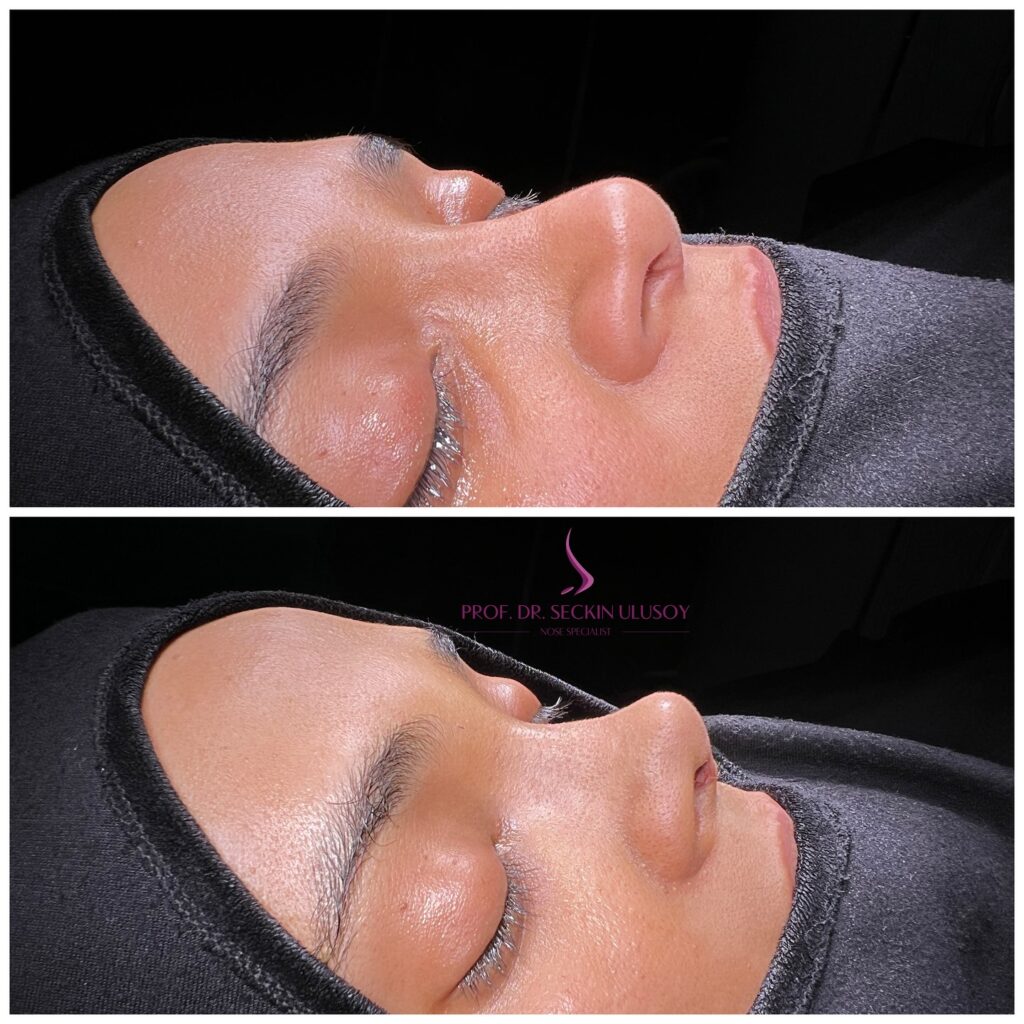
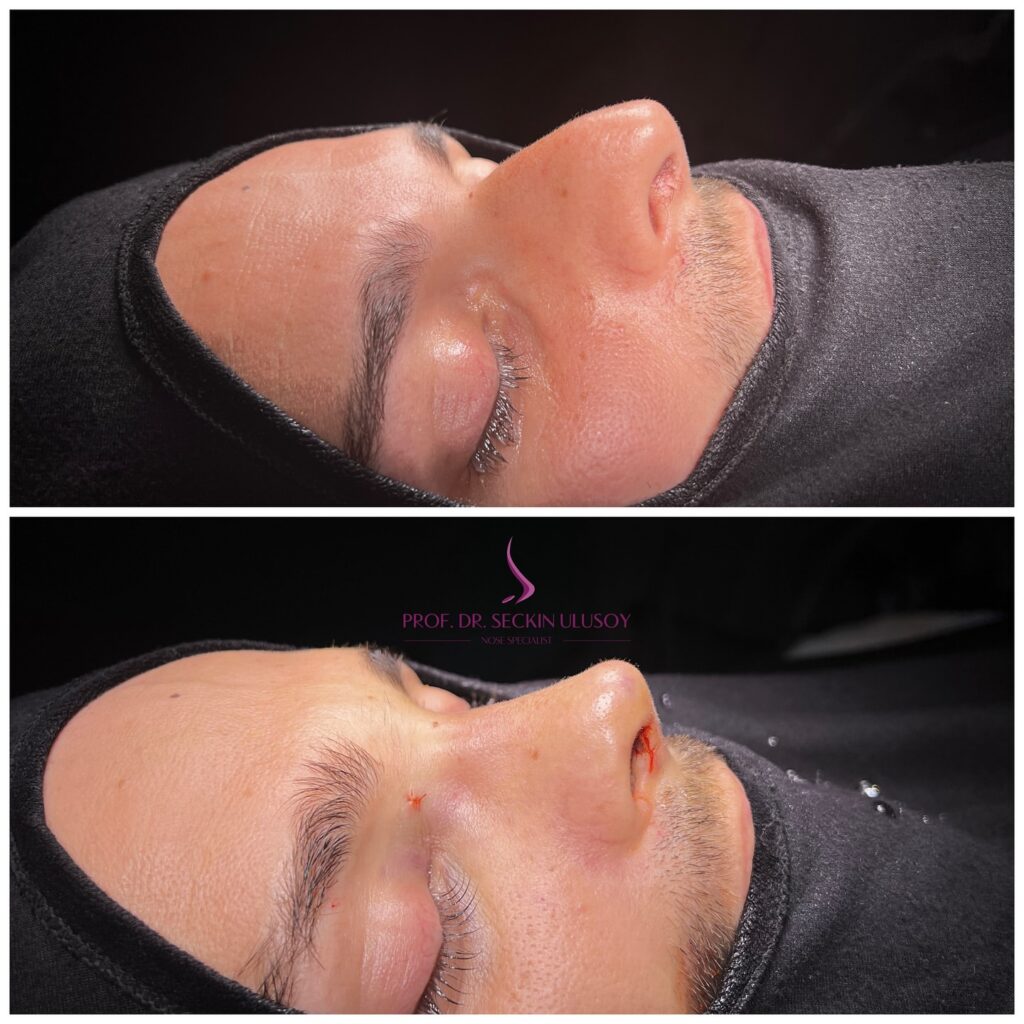
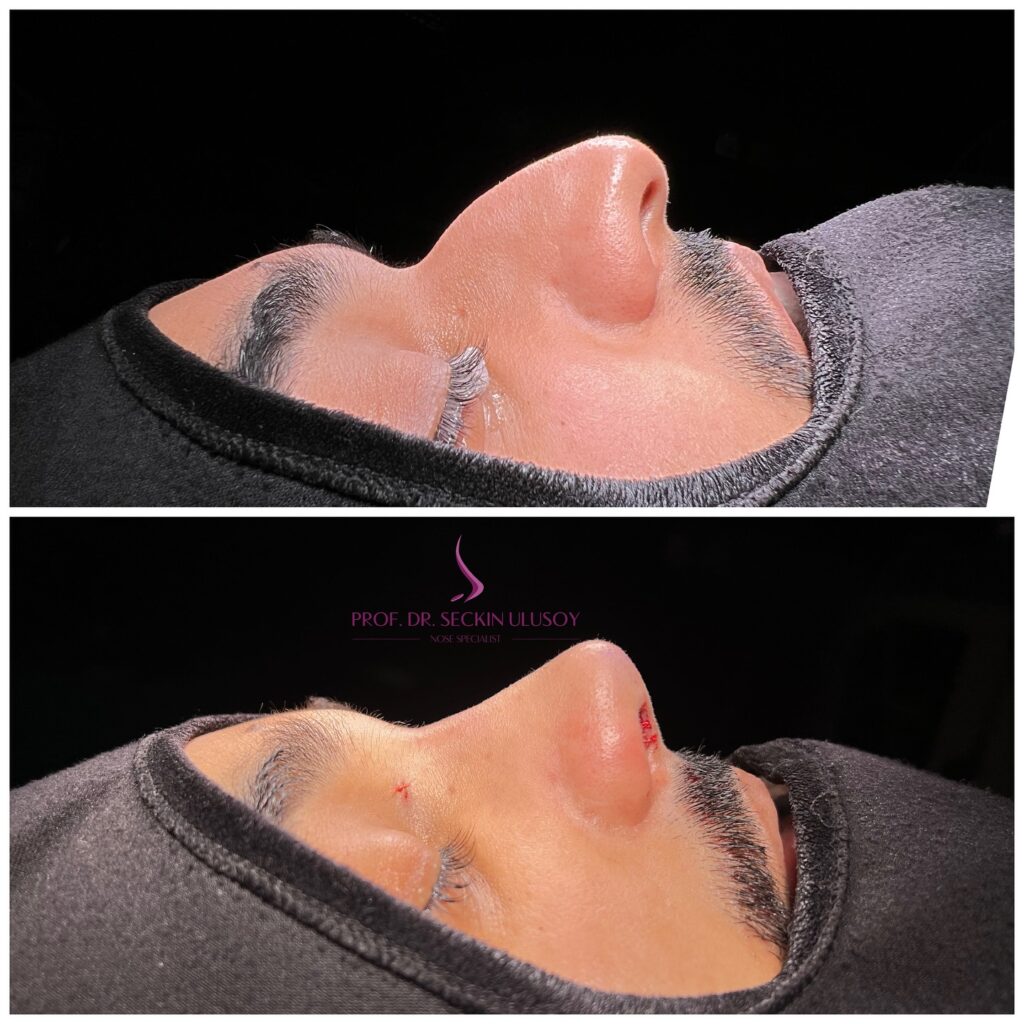
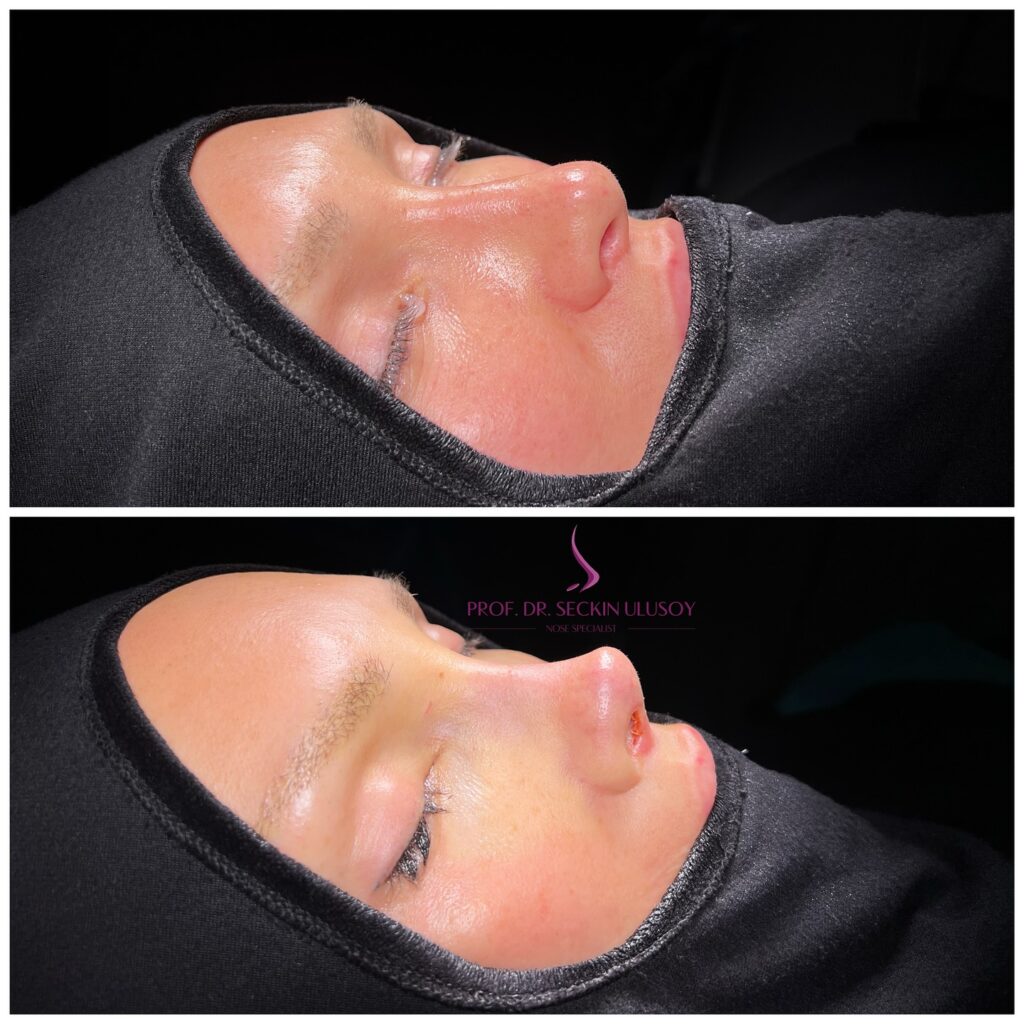
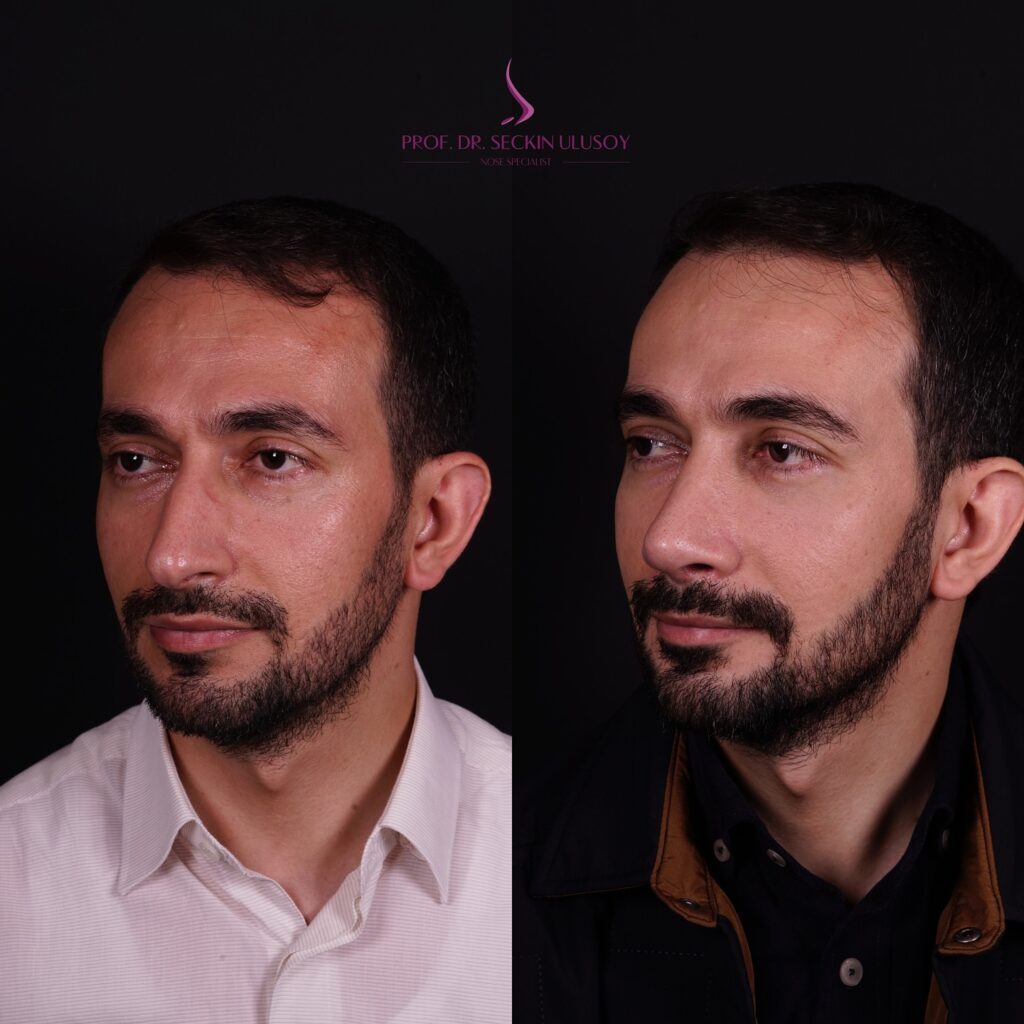
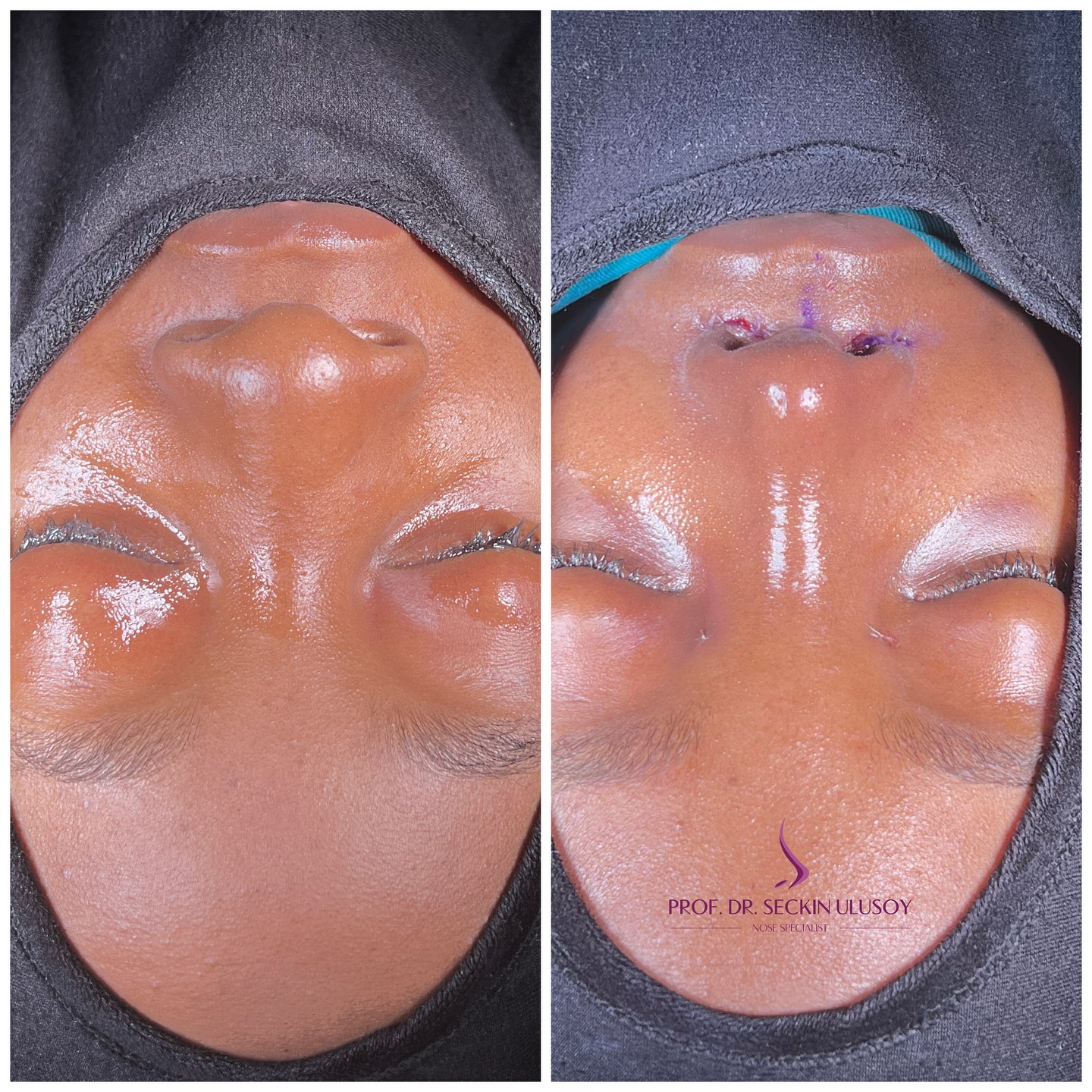
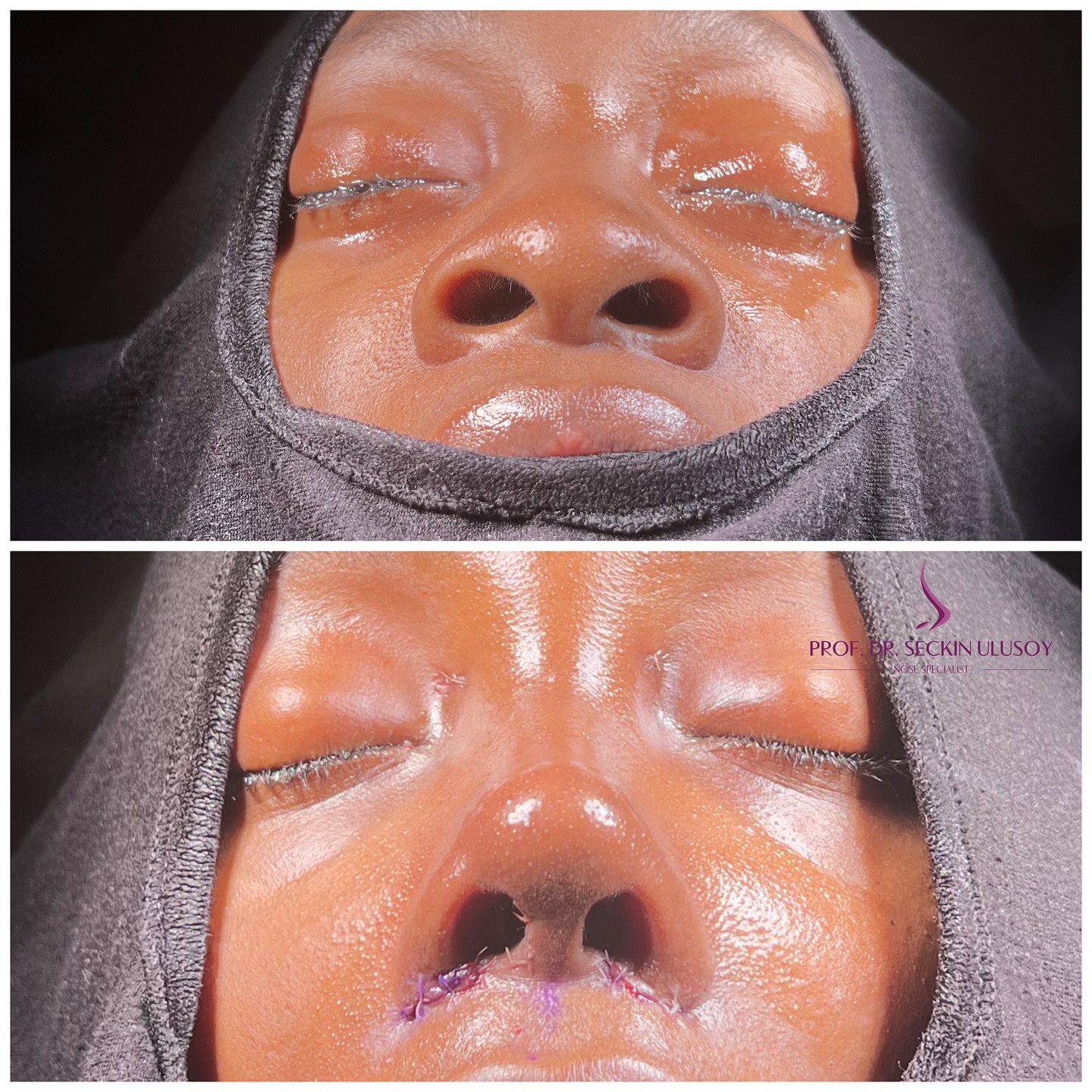
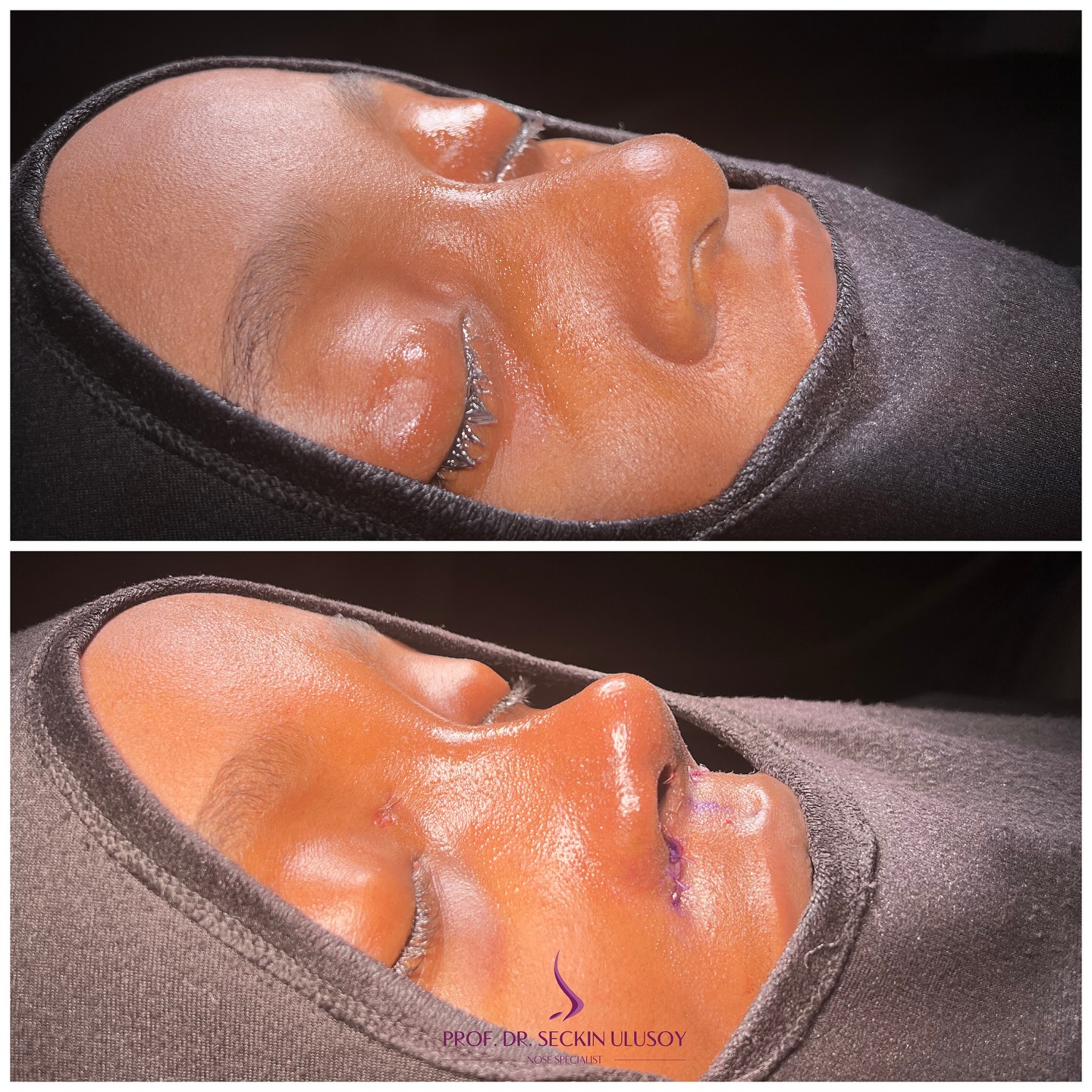
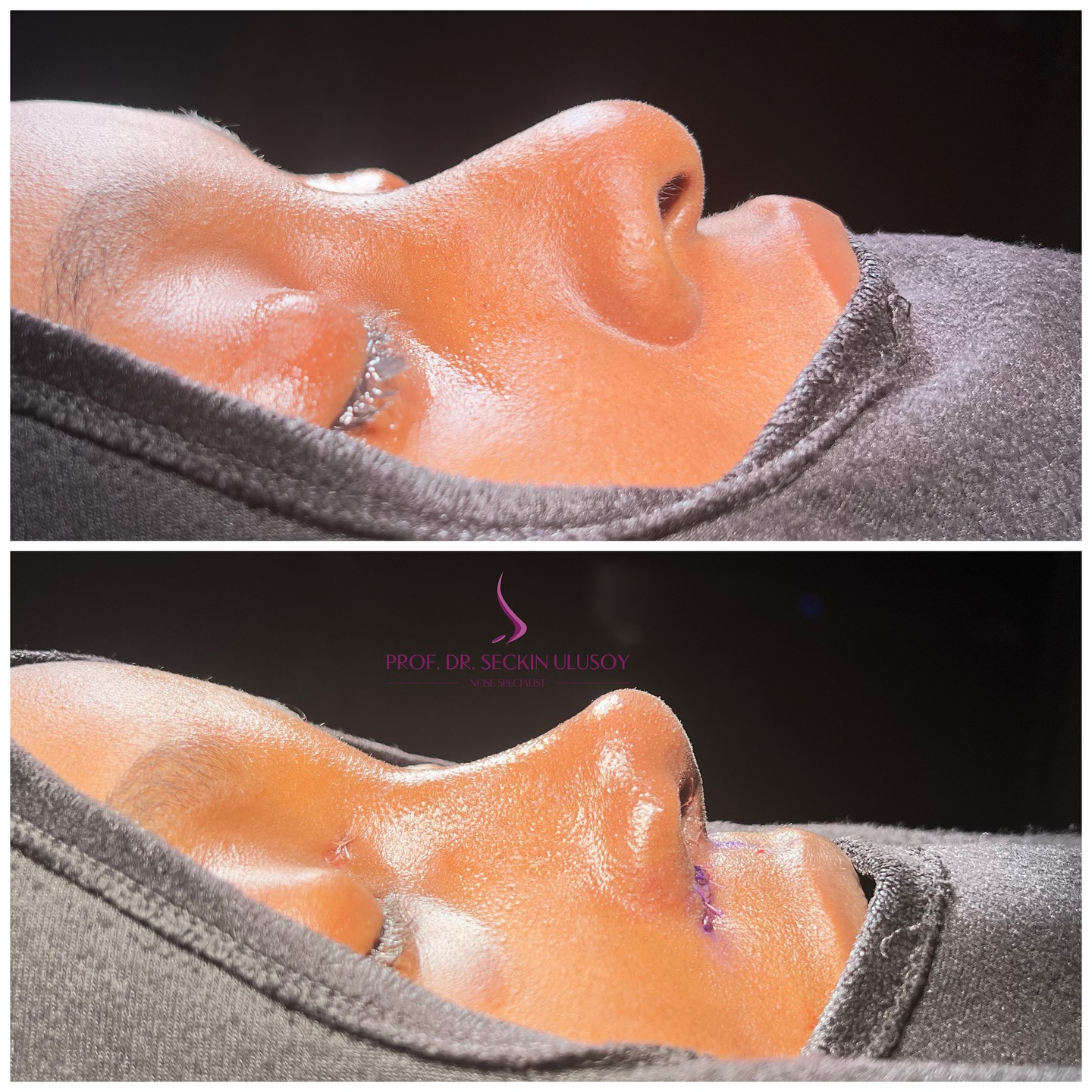
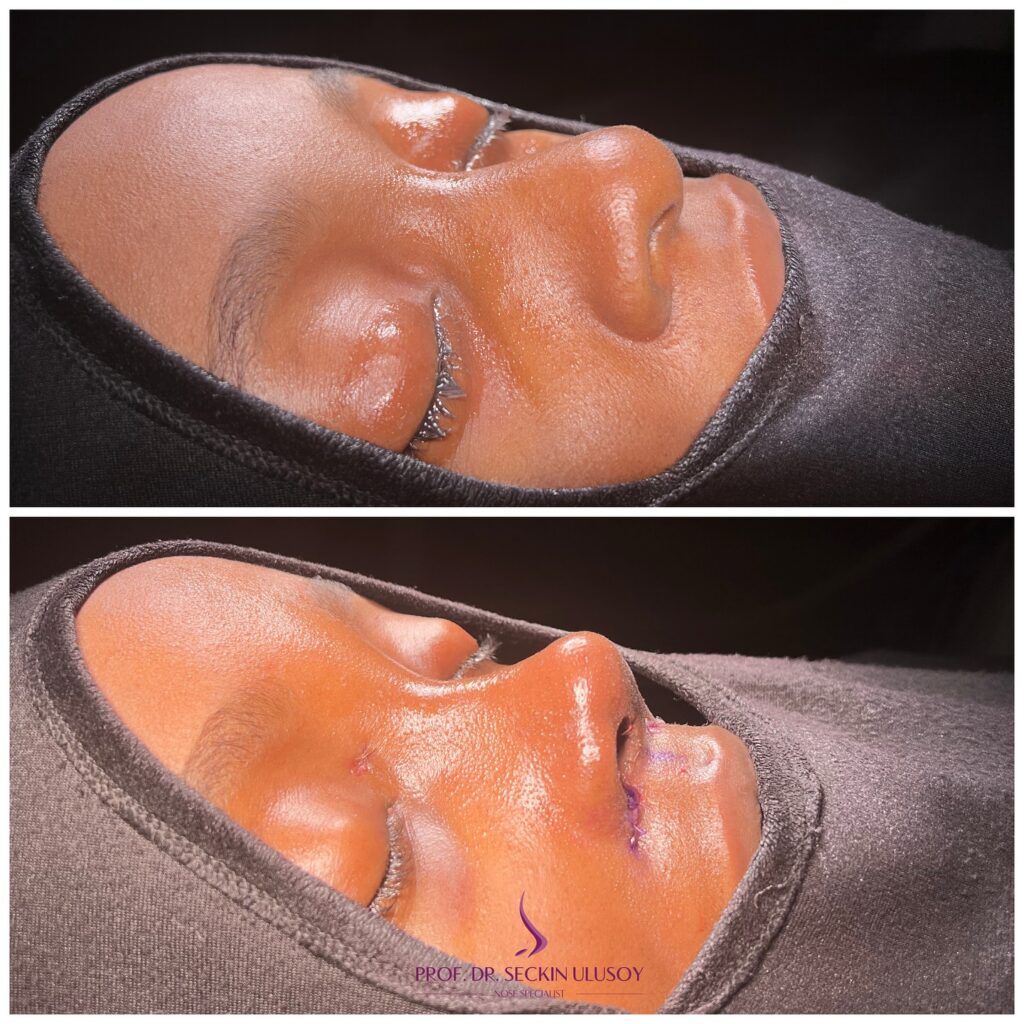
Closed ethnic rhinoplasty with alar base reduction before and after photos can help demonstrate changes in the frontal, oblique, and basal views of the nose. Before surgery, patients may have concerns such as wide nostrils, a broad nasal base, limited tip definition, low bridge height, asymmetry, or a nose that appears too wide in relation to the rest of the face. After surgery, the goal is generally to achieve better definition, improved nostril proportion, and a more harmonious overall appearance without erasing the patient’s natural characteristics.
The amount of alar base reduction must be carefully planned, as excessive narrowing can create an unnatural result or affect nostril shape. For this reason, the width of the nasal base is assessed together with the tip, bridge, lips, and overall facial proportions.
Swelling is expected after surgery, especially around the tip and nostril base. The nose continues to refine gradually over several months.
The closed ethnic rhinoplasty with alar base reduction before and after photo below is shared to illustrate a real patient outcome. Individual results vary depending on anatomy, skin thickness, surgical technique, and the healing process.