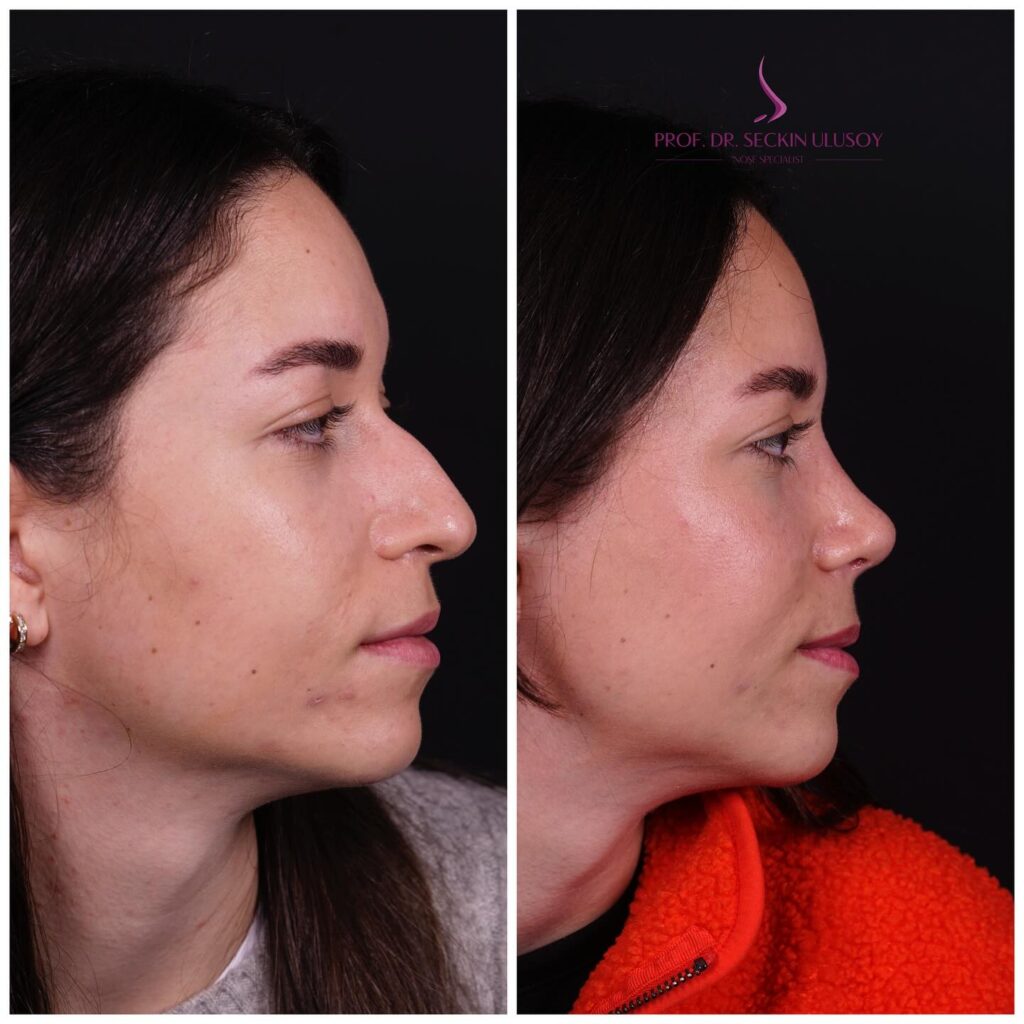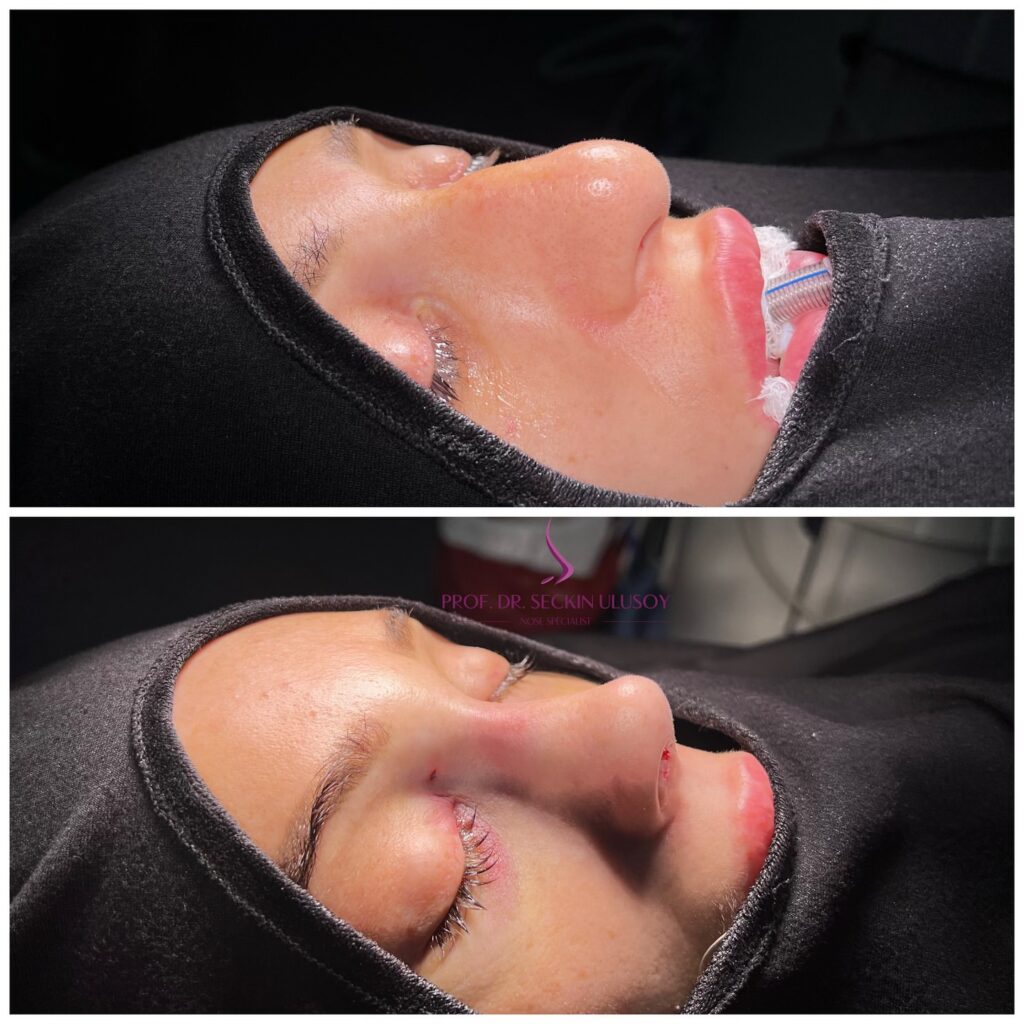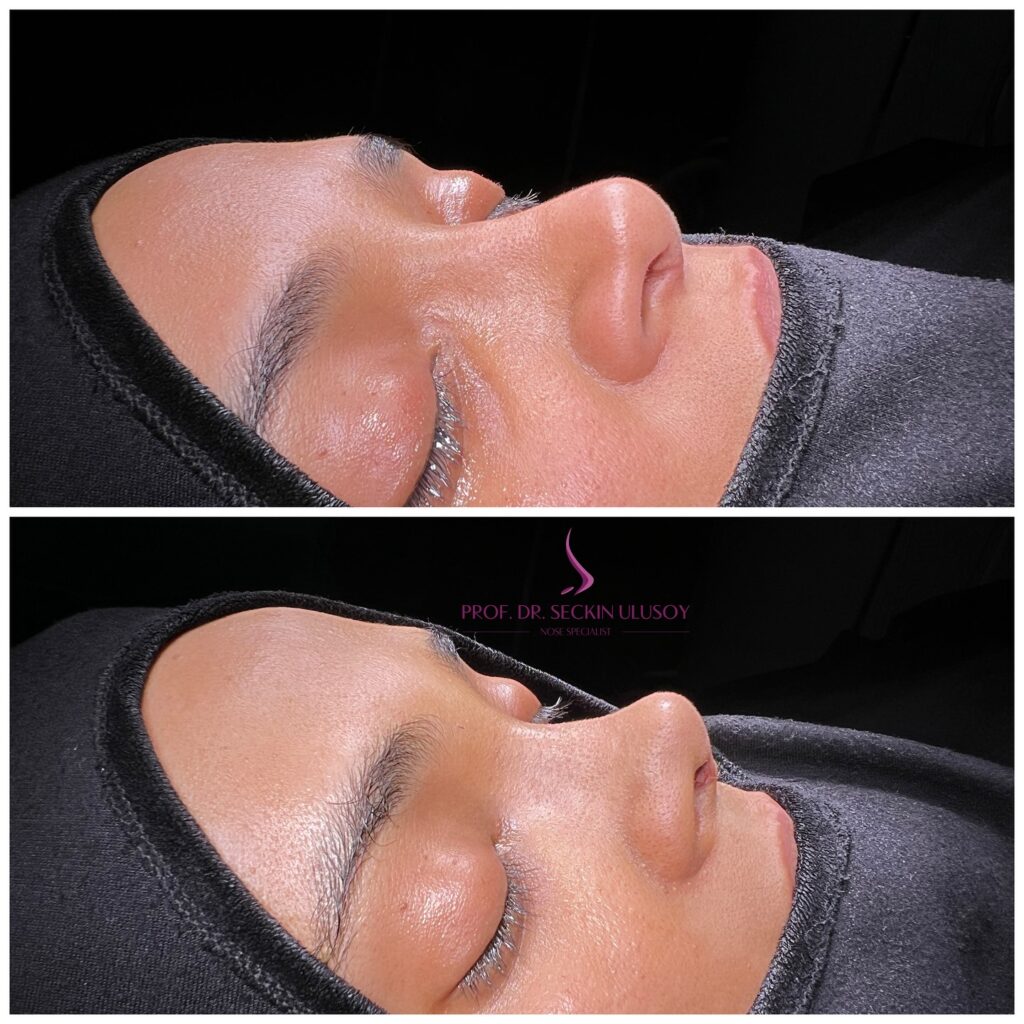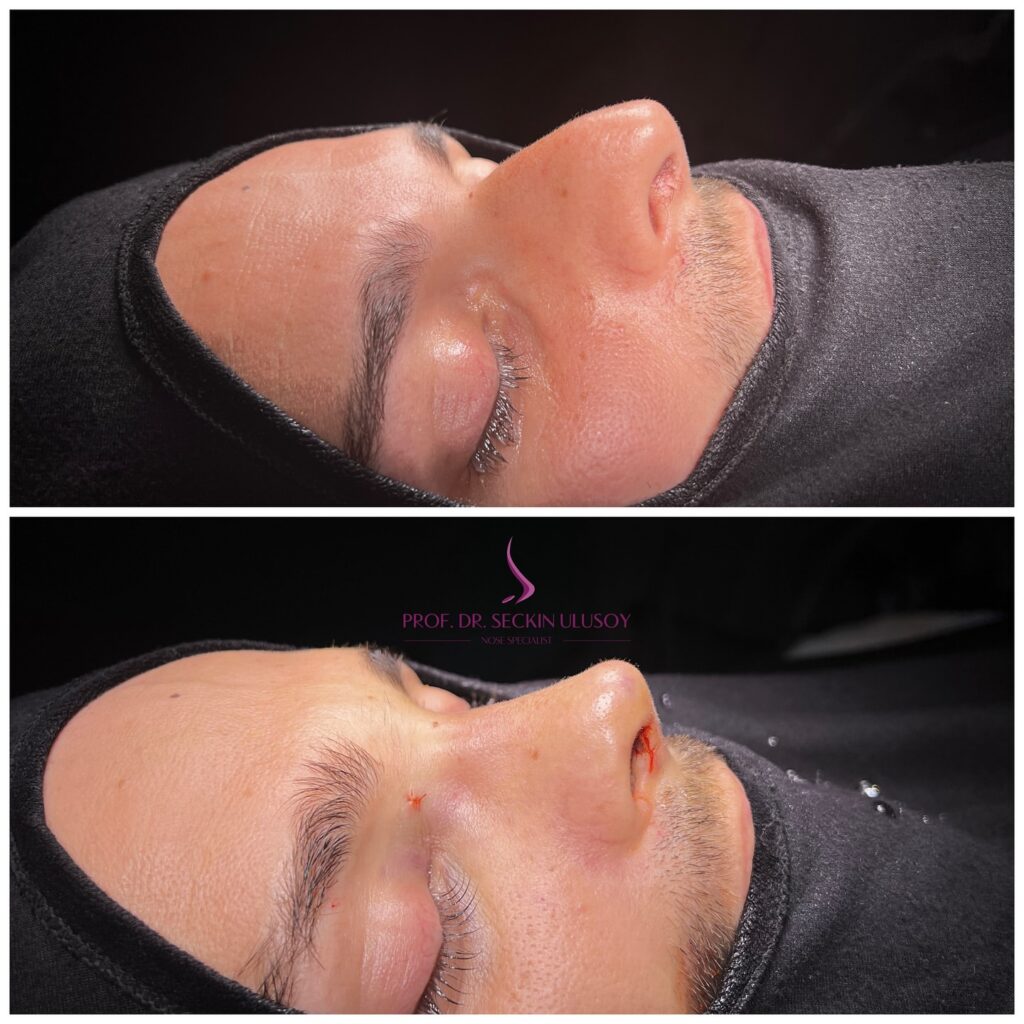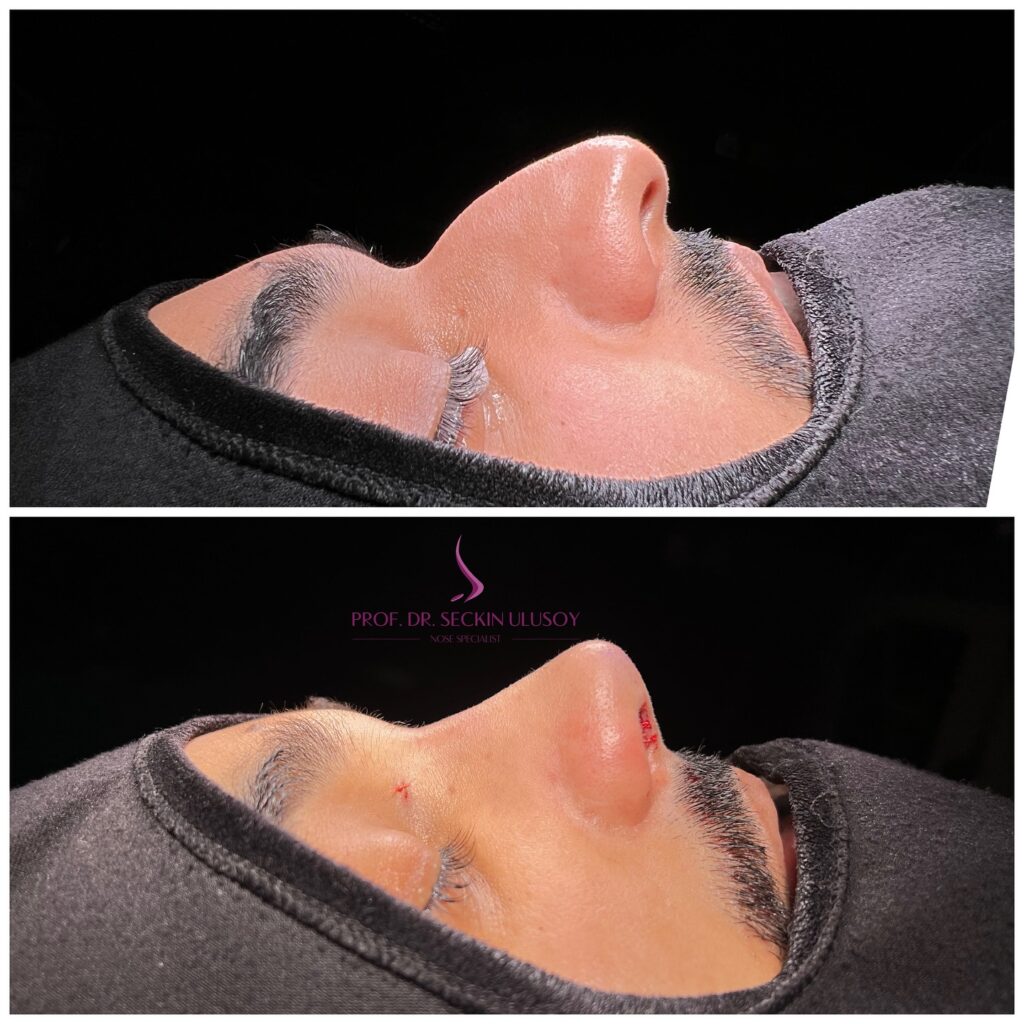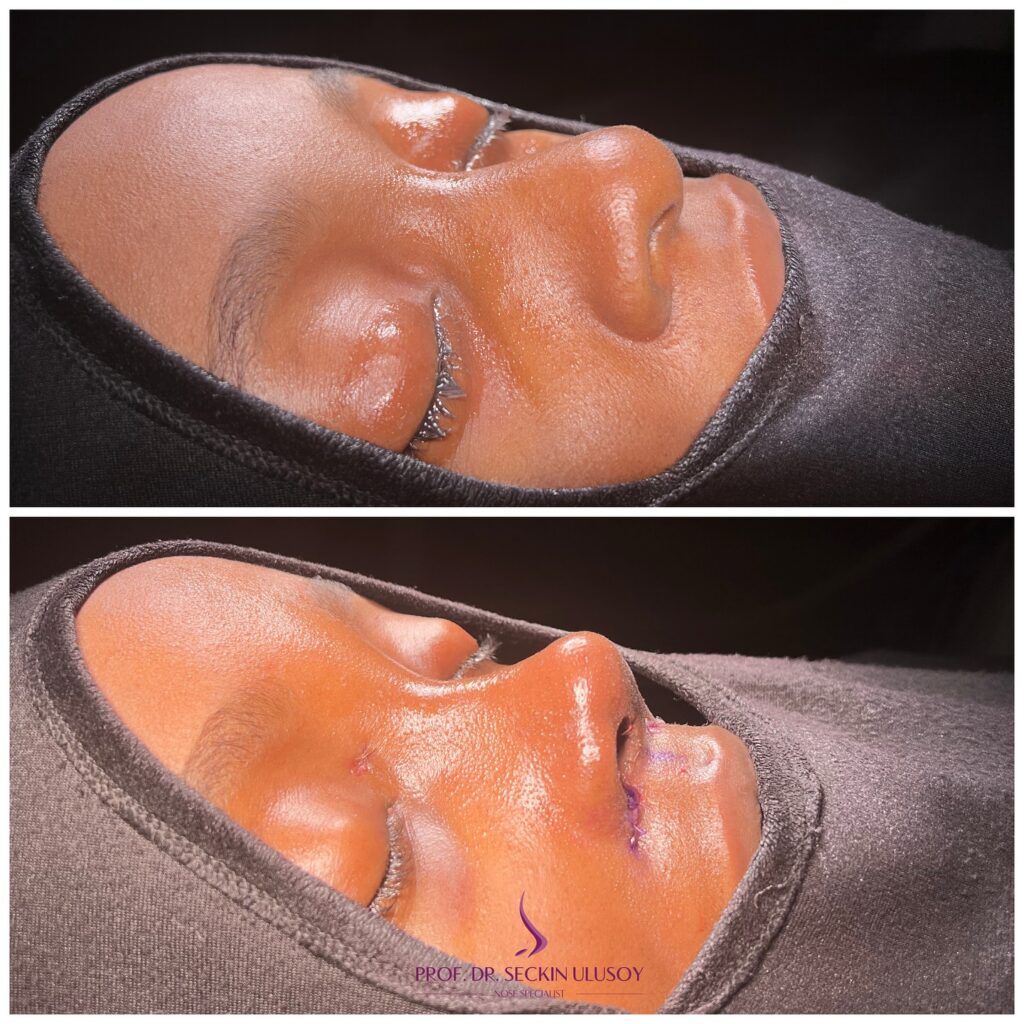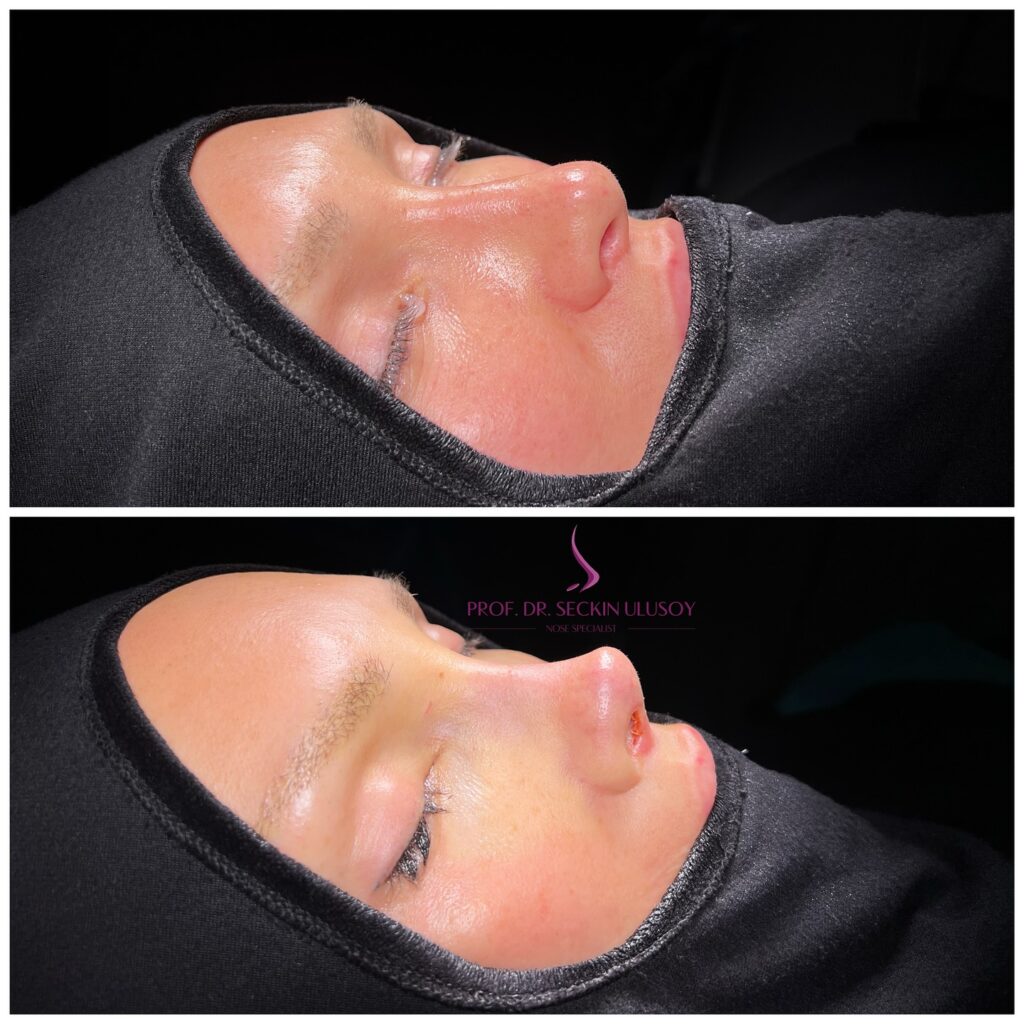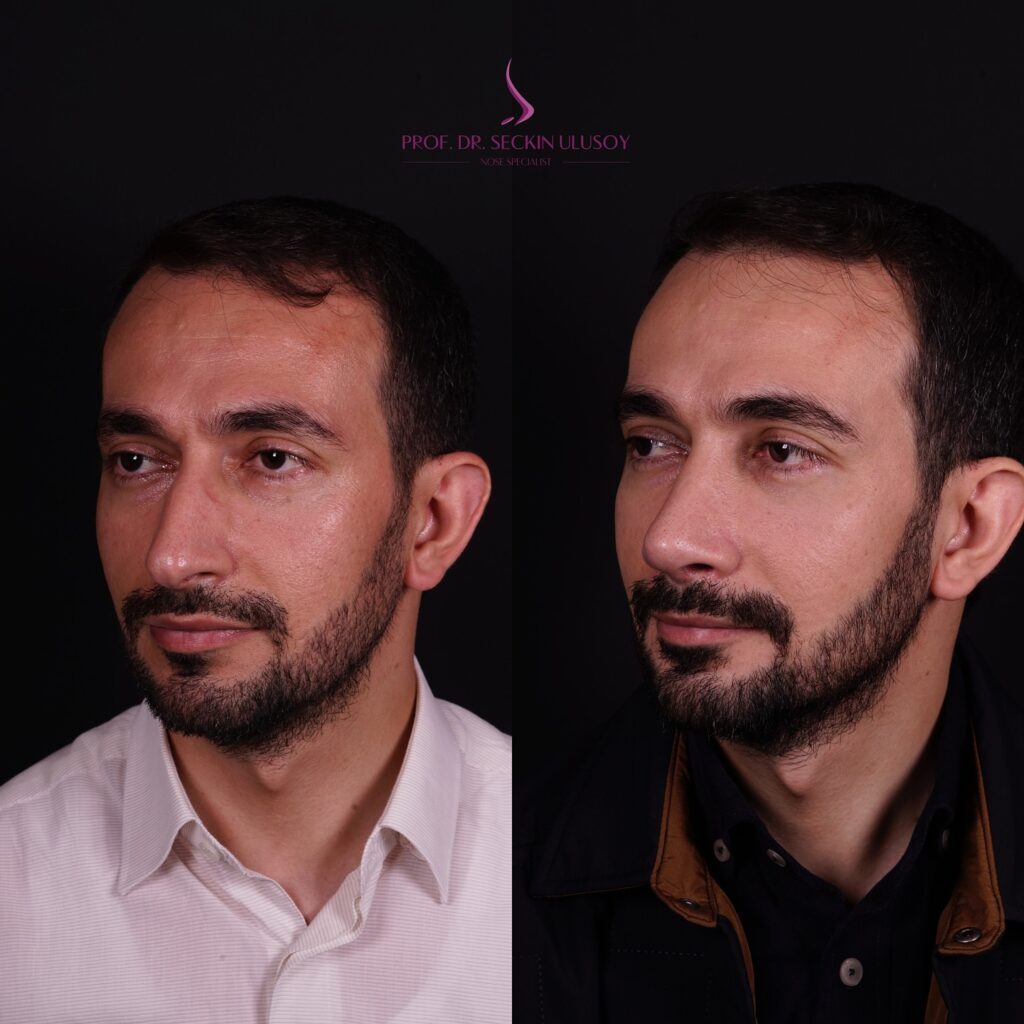
Comments from people who have undergone revision rhinoplasty directly reflect the disappointment and search for a reliable solution caused by unresolved aesthetic deformities, persistent breathing difficulties, and disrupted facial symmetry after the first operation. These experiences shared by individuals at the stage of deciding on secondary rhinoplasty reveal not only a demand for physical repair but also the psychological fatigue created by the previous surgery. Patients’ transparent feedback on digital platforms is the most realistic source of reference for new candidates aiming to restore natural facial harmony and breathing quality. Through these shared experiences, individuals understand the dynamics of the second surgery process and take the most appropriate medical steps for themselves.
What Do the Comments of People Who Have Undergone Revision Rhinoplasty Tell Us Clinically?
When the comments written online by individuals seeking secondary, or revision, rhinoplasty are carefully examined, it can be seen that the problems experienced generally center around certain recurring issues. When people share their experiences, they are actually indirectly presenting a medical history. These accounts, which describe how their expectations were not met in the first operation and how their quality of life was affected afterward, shed light on the areas of surgical practice that need improvement. Among the most commonly reported concerns are unnatural-looking facial features and conditions that affect basic life functions, such as the inability to breathe properly.
These comments, which are frequently encountered in communication between patients, contain clues for medical professionals about what kind of anatomical changes the patient was exposed to during the previous operation. For a second operation to be successful, the difficulties previously experienced by the patient and the damage that occurred in the tissues must be analyzed very carefully. When the comments are evaluated in general, it becomes clear that a large proportion of patients expect not only physical repair but also communication that restores their confidence. Since every patient’s anatomy and the tissue damage remaining from the first surgery are different, these comments emphasize how important personalized planning is rather than a standardized surgical approach.
Why Do Comments About Excessive Swelling and Bruising Appear Online, and How Are These Problems Resolved?
For many people considering revision surgery but stepping back after reading forum comments, the greatest fear is that the severe swelling and bruising they experienced during their first operation will happen again. Comments such as “I could not open my eyes for days, and my face was unrecognizable” generally reflect the traumatic effects of first surgeries performed with traditional methods. When bones are shaped using conventional instruments involving breaking and chiseling, it is expected that the surrounding tissues and capillaries may be affected. This prolongs the recovery process and causes the individual to experience greater psychological strain.
Today, piezo surgery, which uses ultrasonic sound waves, is generally preferred in order to reduce comments related to such severe bruising complaints. Since this technology has tissue-selective properties, it greatly reduces the possibility of damaging the surrounding soft tissues, blood vessels, and nerves while shaping the bone. Thanks to the millimetric precision of sound waves, bone structures are treated much more gently. Recent comments from patients after operations performed with this method generally indicate that the postoperative process was much more comfortable compared with the past and that the likelihood of bruising was significantly reduced. The patient’s ability to return to daily life earlier helps ease concerns during the recovery period.
What Problems Underlie Comments Such as “It Looks Aesthetically Beautiful, but I Cannot Breathe”?
One of the most common complaints in the comments of patients researching revision surgery, and perhaps the one that most significantly reduces quality of life, is the loss of breathing function despite improvement in the external appearance of the nose. Comments such as “My nose became smaller, but now I constantly breathe through my mouth” generally result from excessive narrowing of the nasal roof during the first operation. In older surgical approaches, reducing the size of the nose aesthetically was prioritized, while the supporting capacity of the internal airways could sometimes be overlooked. When the roof is narrowed, the nostrils begin to collapse inward during breathing, severely restricting airflow.
To overcome the functional problems indicated by these comments, modern approaches adopt a reconstruction philosophy rather than reduction-focused procedures. To keep the air passages open, cartilage supports are placed along the lateral walls of the nose, strengthening the internal framework. Healthy nasal breathing is vital for human physiology.
The complaints frequently expressed on forums due to shortness of breath after the first operation are as follows:
- Snoring
- Dry mouth
- Reduced sleep quality
- Rapid fatigue during exertion
- Frequently recurring upper respiratory tract infections
These symptoms generally improve to a large extent after the internal supporting structures of the nose are repaired, with the aim of allowing the patient to breathe comfortably.
How Are Comments About Nasal Tip Drooping or an Artificial Appearance Addressed in Revision Surgery?
Among the comments made on social media or doctor review websites regarding aesthetic results, statements such as “My nasal tip dropped over time” or “My nose looks very artificial, as though it has been pinched with a clip” occupy a significant place. The nasal tip, which is the most mobile and delicate part of the nose, is highly sensitive to weakening of the cartilage structures. Excessive reduction of the nasal tip cartilage during the first operation may create the basis for deformities over time due to the effects of gravity and facial muscles. Tissues that lose their natural spring-like capacity may begin to descend as the healing process is completed.
To prevent such negative comments, revision surgeries aim to create a strong infrastructure capable of supporting the nasal tip independently. Instead of weakening the nasal tip cartilage, supporting columns are constructed internally to reinforce it. Once structural support is established, the nasal tip becomes more resistant to the wearing effects of time and facial movement. When recent comments shared by patients after surgery are examined, it is understood that such preservation-oriented approaches contribute significantly to creating a more natural expression that is harmonious with the face and free from an artificial appearance.
What Concerns Do Comments About Ear or Rib Cartilage Harvesting Frequently Seen on Forums Reflect?
Many people researching a second operation experience considerable anxiety because of cartilage grafting procedures mentioned in comments. One of the greatest challenges in revision surgery is that the septal cartilage, which is the natural structural material available inside the nose, has generally been used during the first operation. This makes it necessary to obtain cartilage from another part of the body in order to reconstruct the nose. Patients naturally ask questions such as “Will the shape of my ear be altered if cartilage is taken from it?” or “Is taking cartilage from my rib a very painful process?”
Although these concerns are understandable, the process generally proceeds without problems when the correct techniques are applied. When ear cartilage is required, the incision is usually hidden in the natural fold behind the ear, and no external deformity is expected. Hearing function is not affected by this procedure. Rib cartilage is more commonly needed in cases involving severe collapse of the nasal dorsum. Harvesting from the rib area is generally performed through a small incision along the lower border of the rib cage, and pain is largely controlled with modern anesthesia methods.
The main cartilage sources required in revision operations are as follows:
- Septal cartilage
- Ear cartilage
- Rib cartilage
Using the patient’s own tissue is considered a much safer option for long-term results because it eliminates the possibility of rejection or allergic reactions associated with externally sourced synthetic materials.
Why Do Early Comments Such as “My Nose Still Looks Asymmetrical in the Mirror” Occur?
The anxious comments written by patients shortly after revision surgery generally result from the time-consuming nature of tissue healing. Statements such as “It has only been two months since my surgery, but the tip of my nose is very hard” or “The swelling is not going down, and my nose looks asymmetrical” reflect early-stage concerns that are very commonly seen on forums. In revision surgery, the recovery process is always a longer and more demanding journey compared with the first operation.
Previously operated tissues may have reduced elasticity, and internal scar tissue may slow the resolution of swelling. Since the body may eliminate swelling asymmetrically under the effect of gravity, one side of the nose may appear more swollen than the other during the first months. Firmness and temporary numbness at the nasal tip are also part of the gradual regeneration process of the nerve endings. These comments actually demonstrate how important patience is. Providing patients with realistic information about the recovery timeline before surgery greatly prevents these normal physiological changes encountered during recovery from being perceived as alarming complications. A process entered with accurate expectations creates the foundation for anxious comments to be replaced over time by a healthy and peaceful life experience.