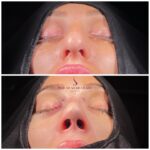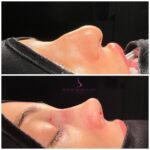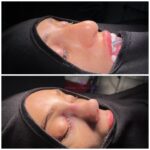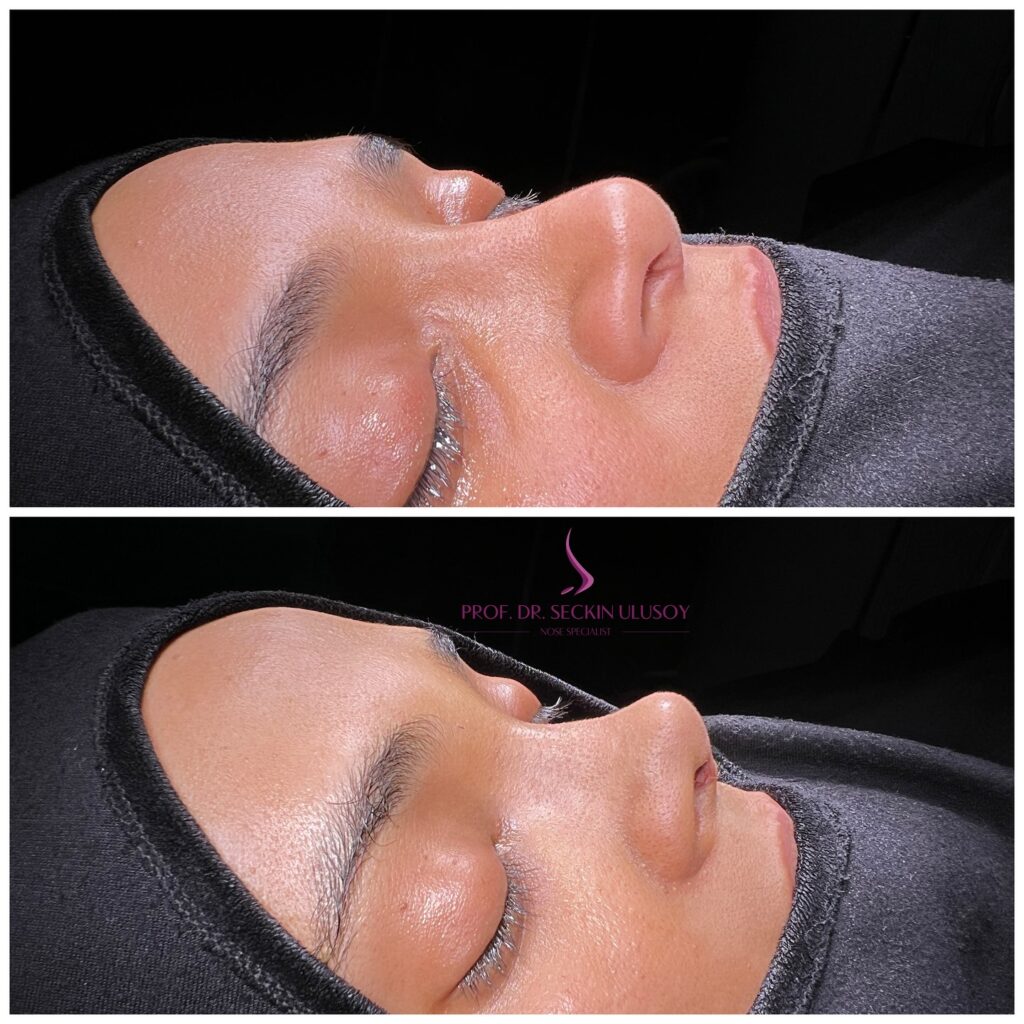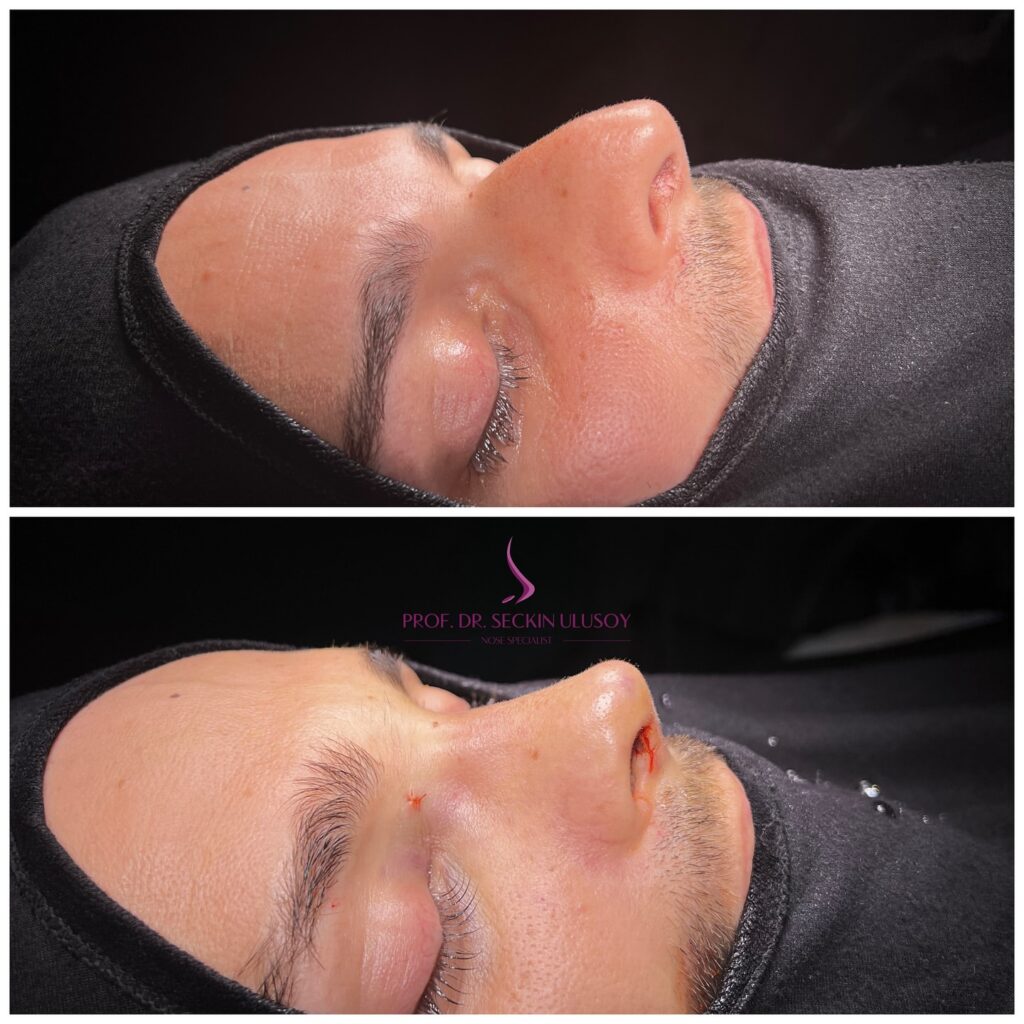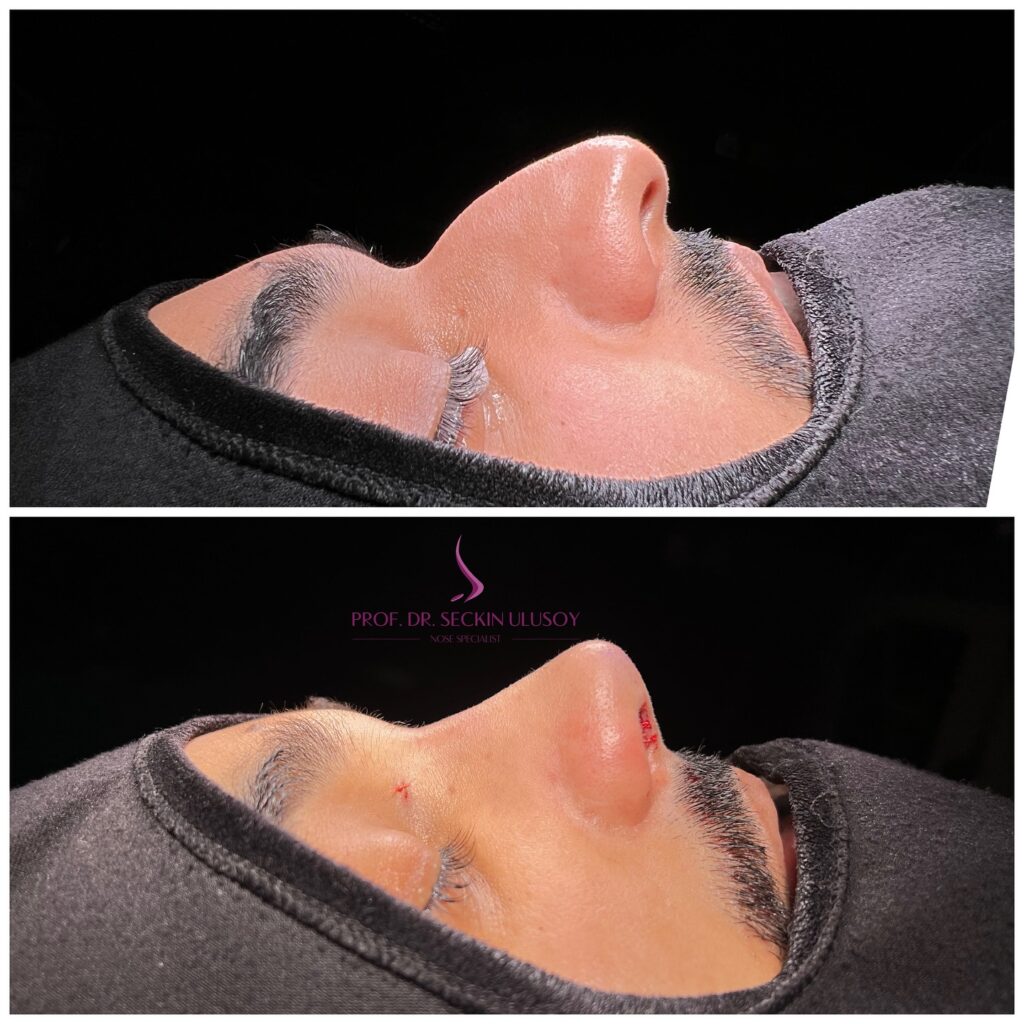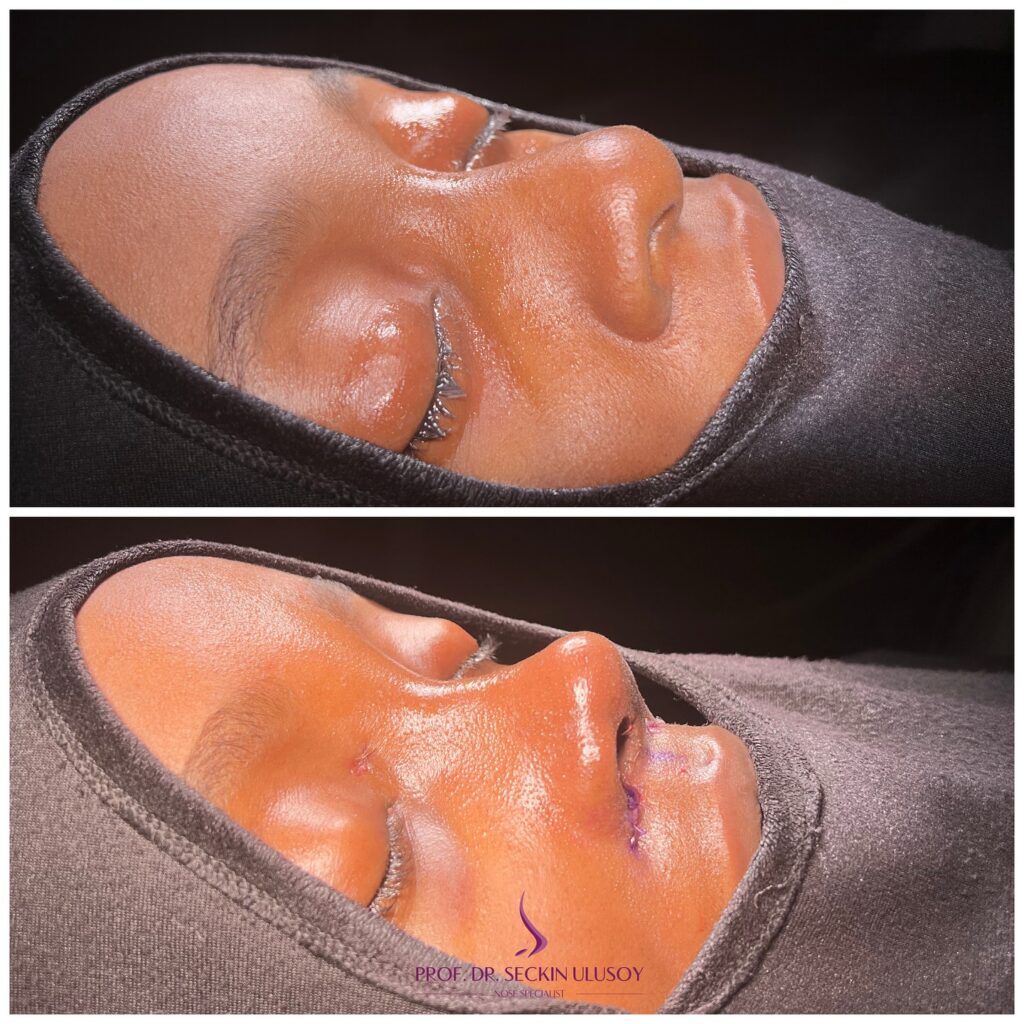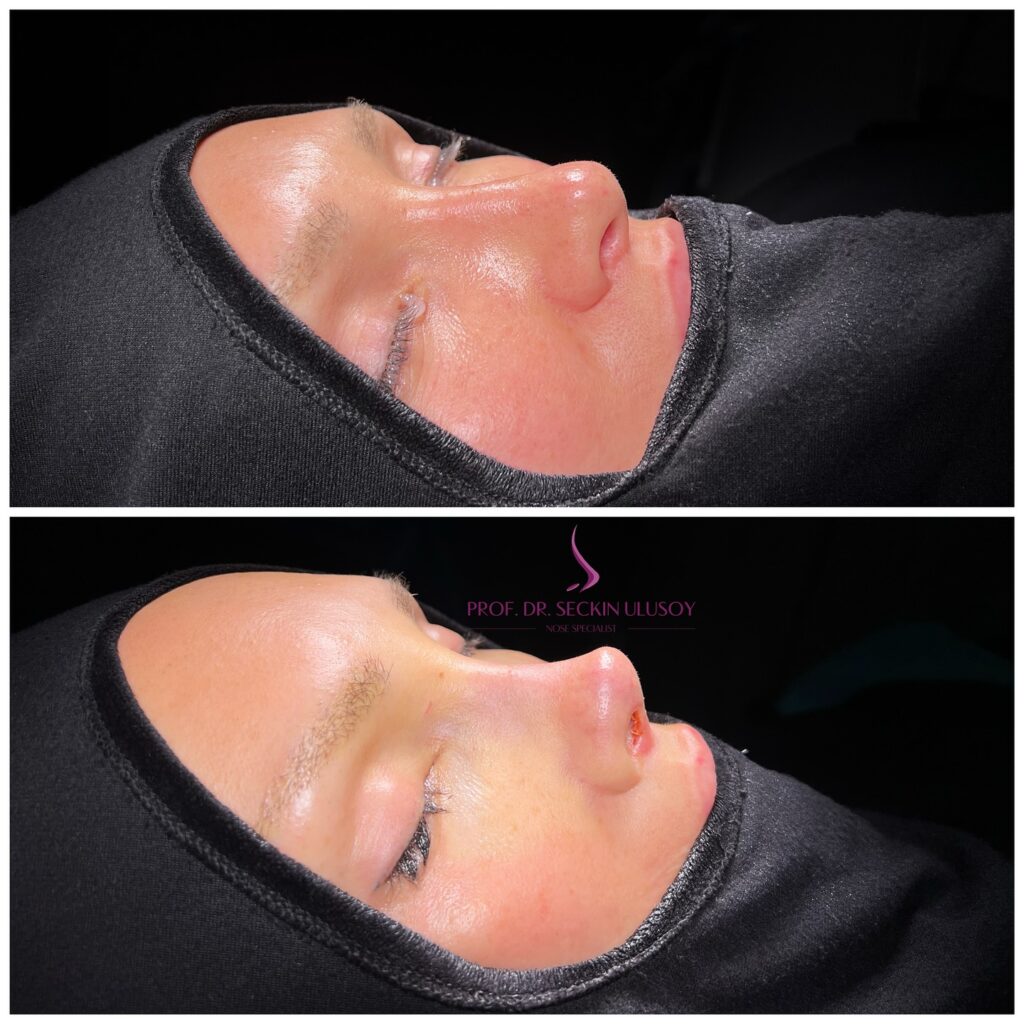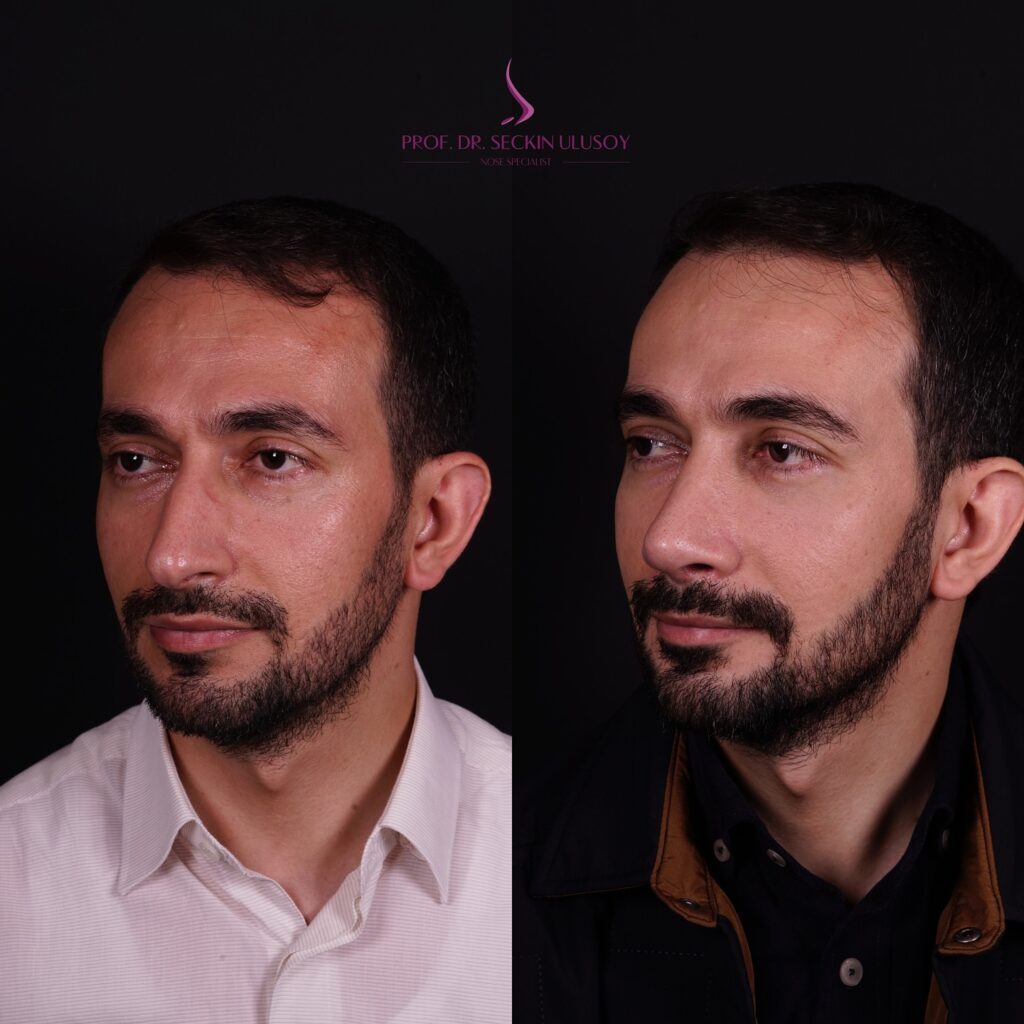
Cindy nose rhinoplasty is a term commonly used to describe a refined, feminine nasal shape with a smooth bridge, a well-defined tip, and a softly elevated profile. It is not a standardized medical technique or a one-size-fits-all nose shape. The surgical plan should always be adapted to the patient’s facial proportions, nasal anatomy, skin thickness, cartilage strength, and personal expectations.
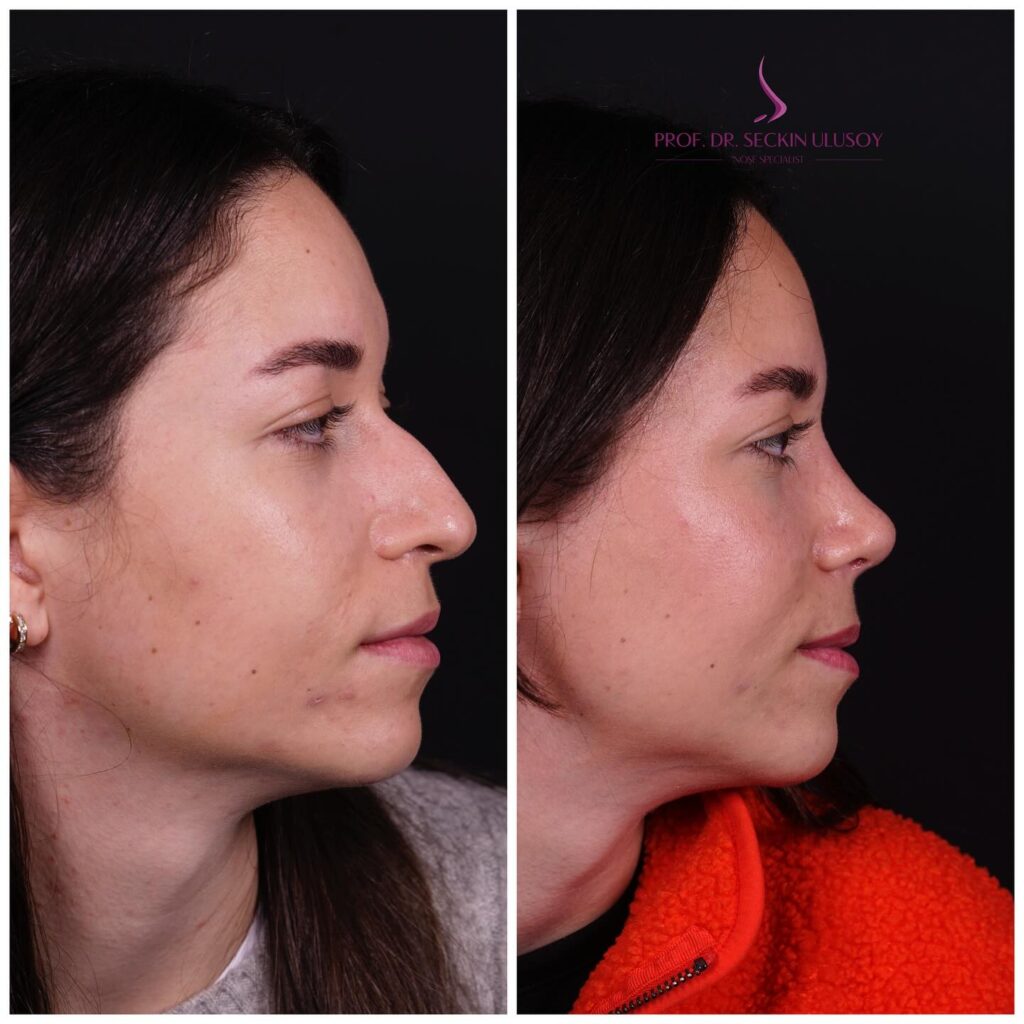
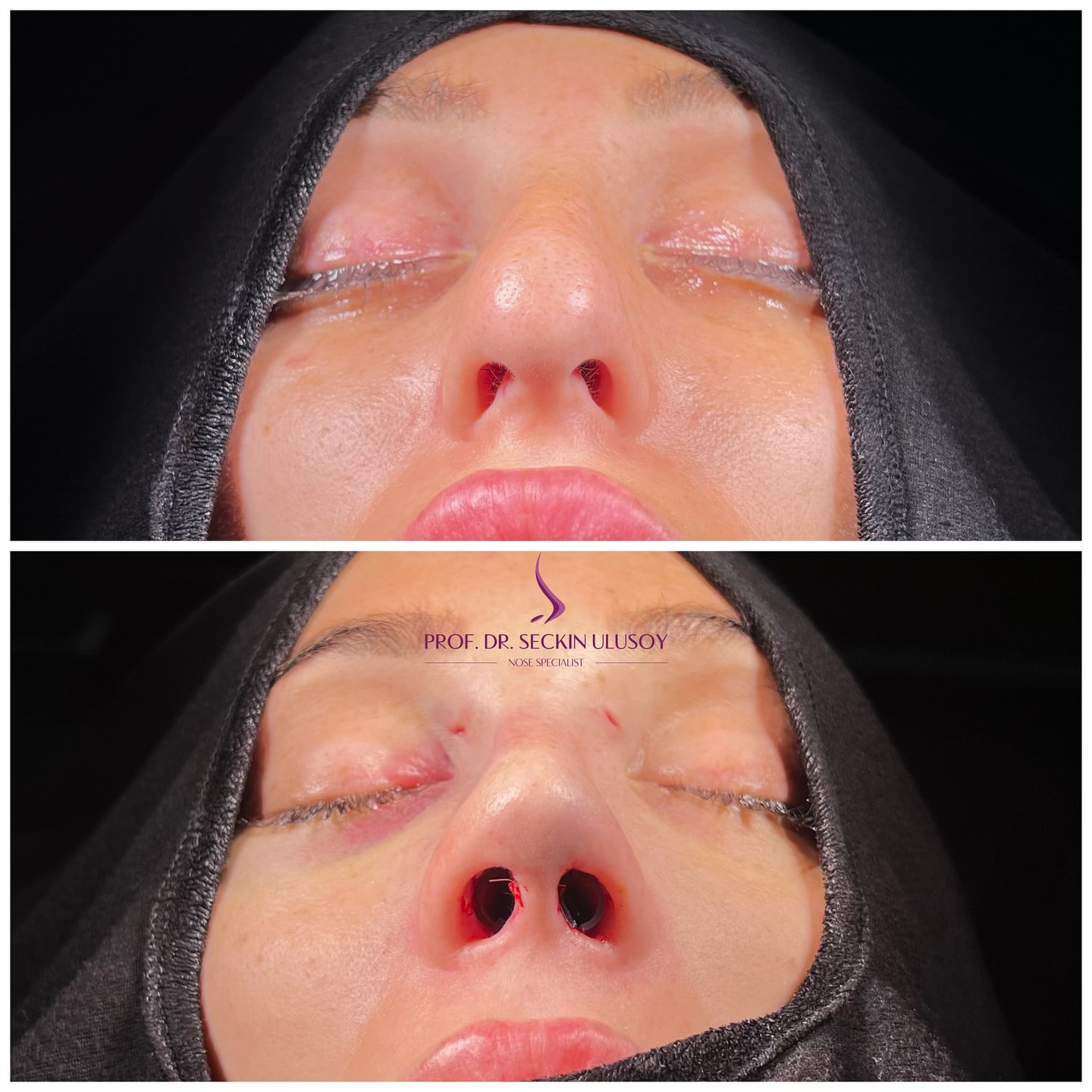
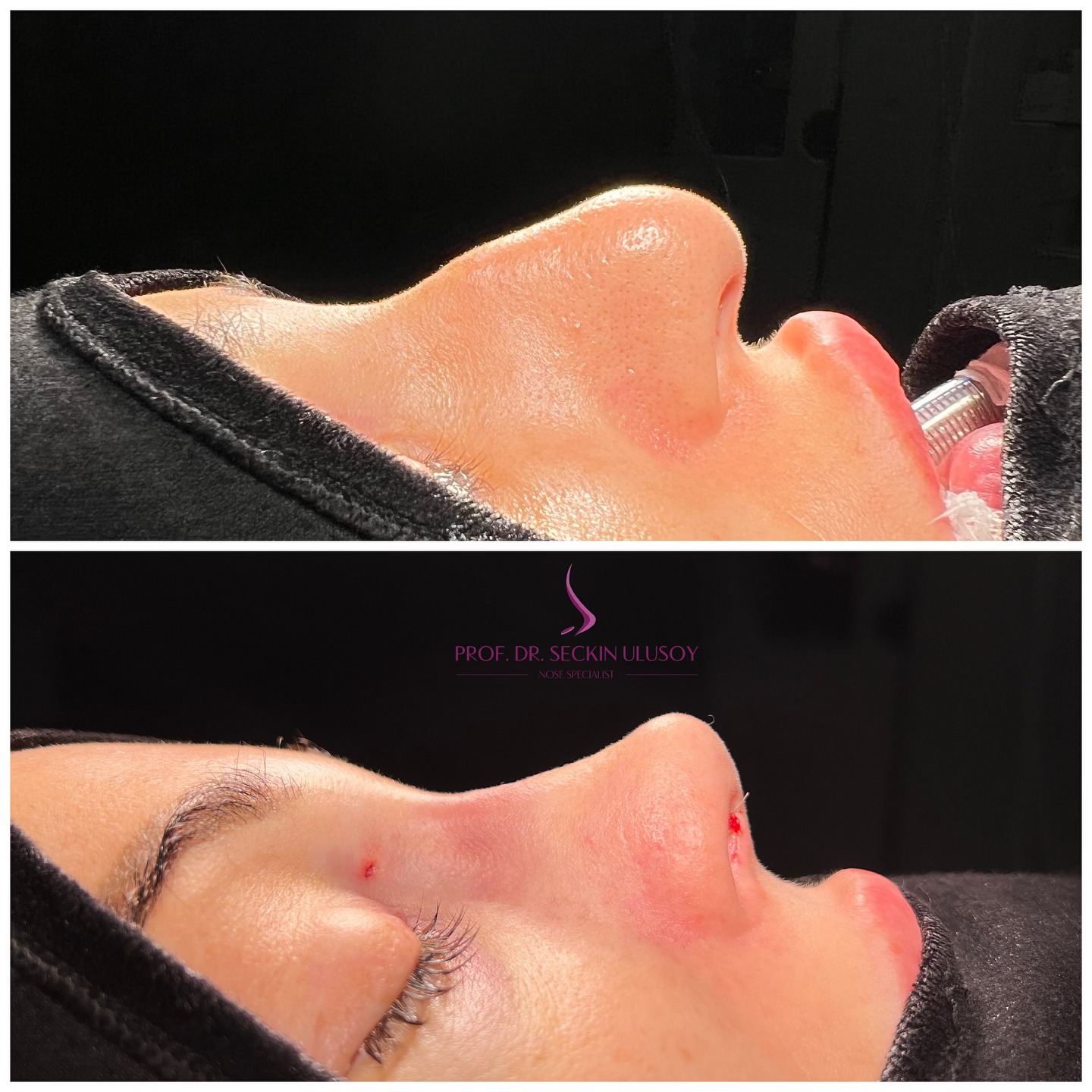
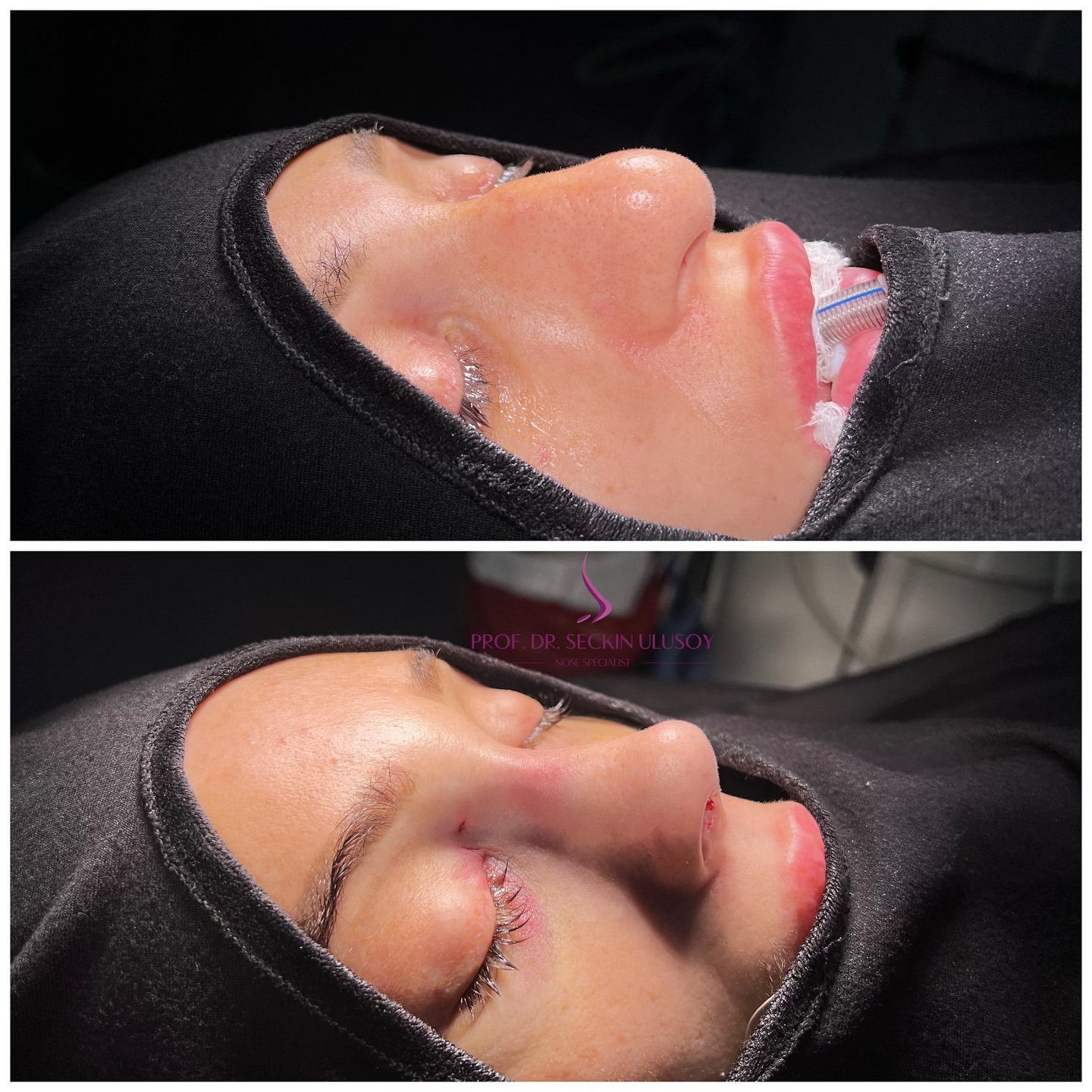
Cindy nose rhinoplasty before and after photos can help demonstrate how selected changes to the bridge and nasal tip may influence overall facial harmony. Before surgery, patients may have concerns such as a dorsal hump, drooping nasal tip, excessive nasal projection, a broad tip, or a nose that appears too dominant in relation to the chin, lips, and forehead. After surgery, the goal is generally to create a smoother profile, better tip definition, and a more balanced nasal contour.
In some patients, achieving this type of result may involve reducing the dorsal hump, refining the nasal tip, adjusting projection, or creating a gentle degree of tip rotation. The amount of change should be carefully planned because excessive reduction or over-rotation can produce an artificial appearance. A natural-looking result should still remain consistent with the patient’s individual facial structure.
Swelling is a normal part of recovery after rhinoplasty, particularly around the nasal tip. Early postoperative images may therefore look different from the final result. As swelling gradually decreases, the bridge and tip become more defined, and the overall nasal shape continues to settle. Final refinement may take several months and, in some patients, up to a year or longer.
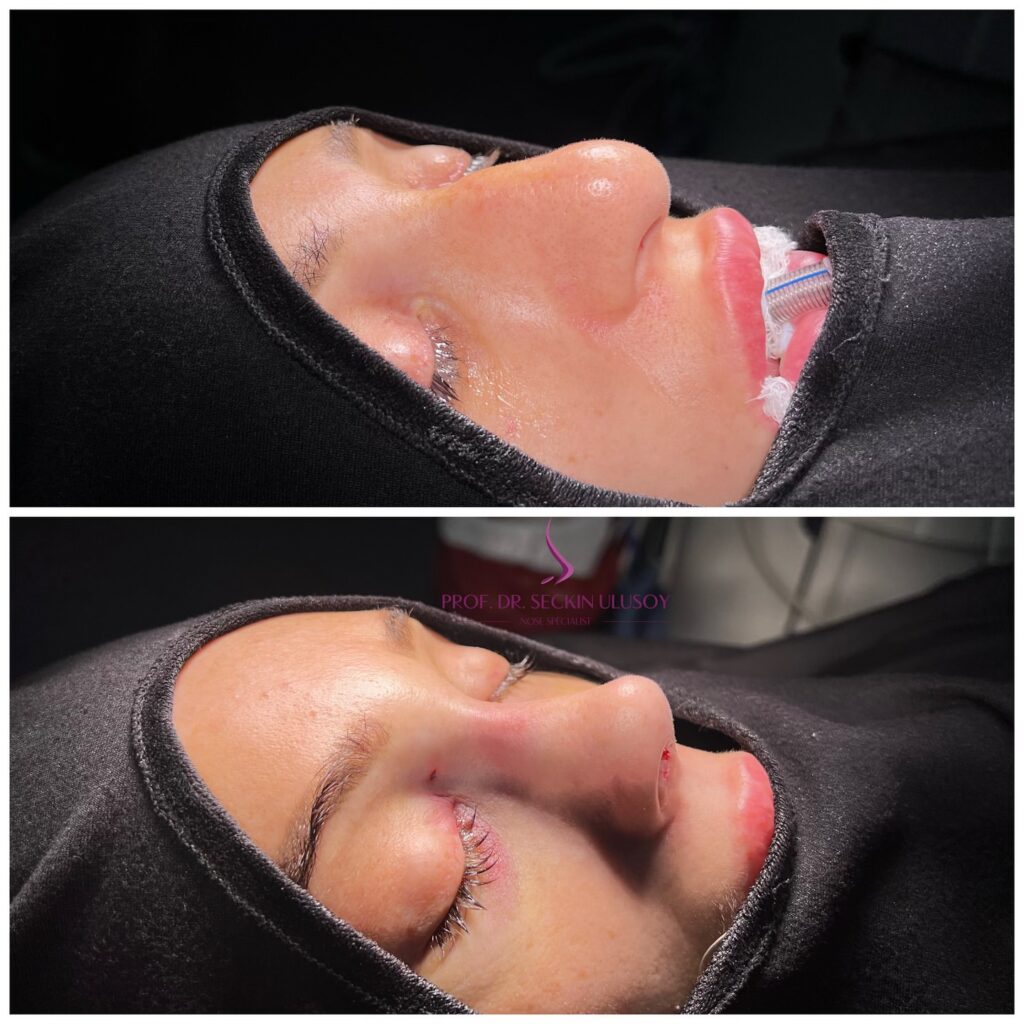
The Cindy nose rhinoplasty before and after photo below is shared to illustrate a real patient outcome. Individual results vary depending on nasal anatomy, skin characteristics, surgical technique, postoperative care, and the healing process.