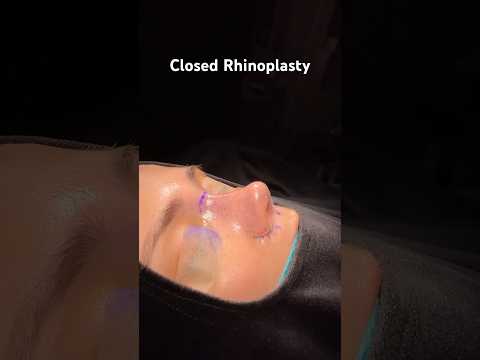
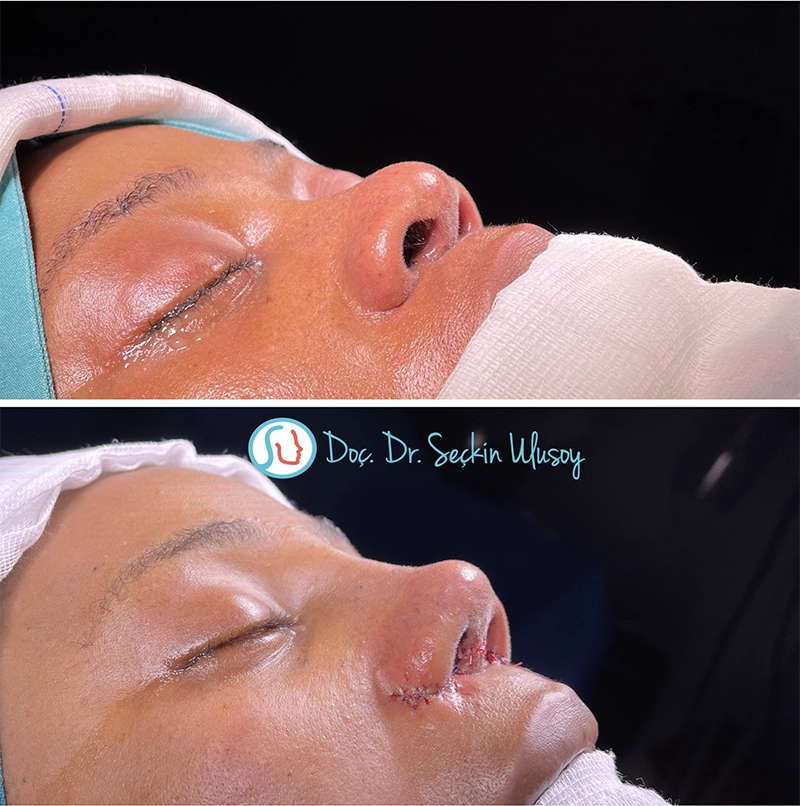
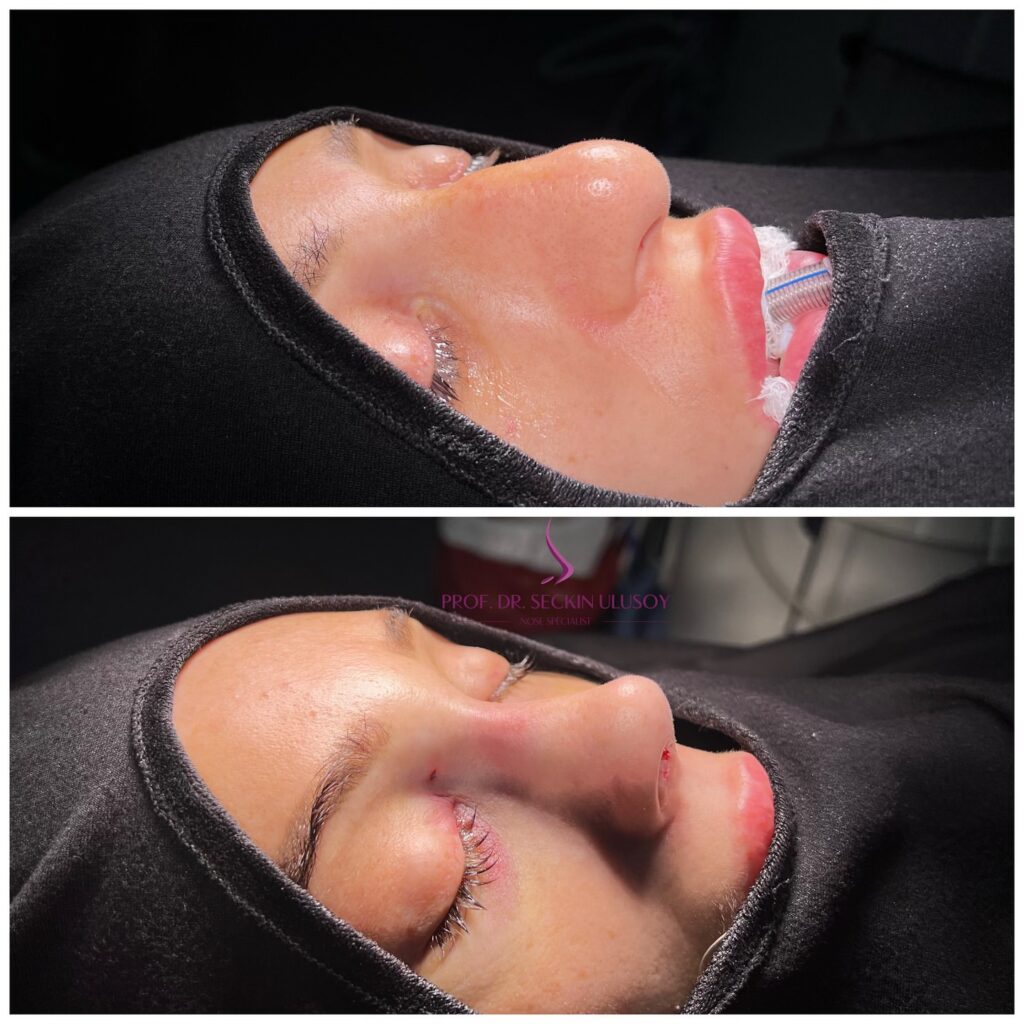
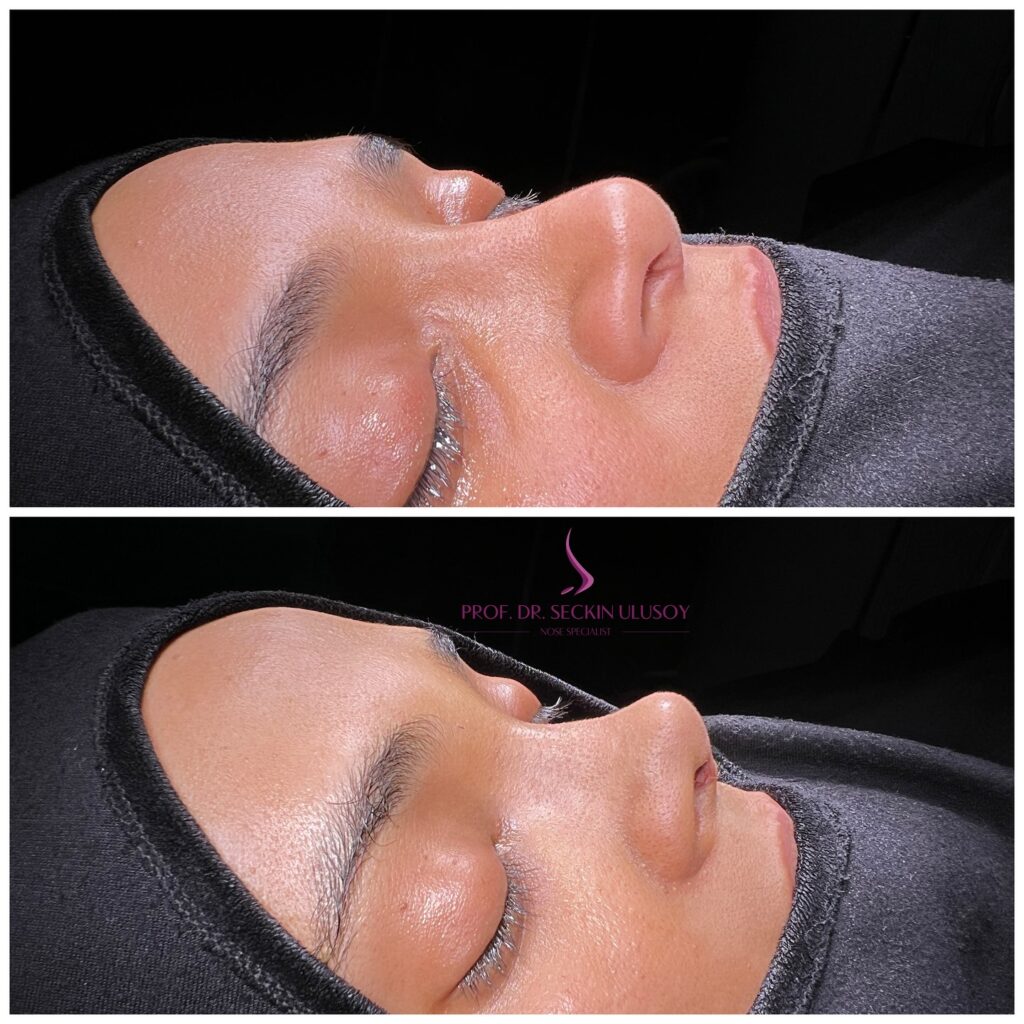
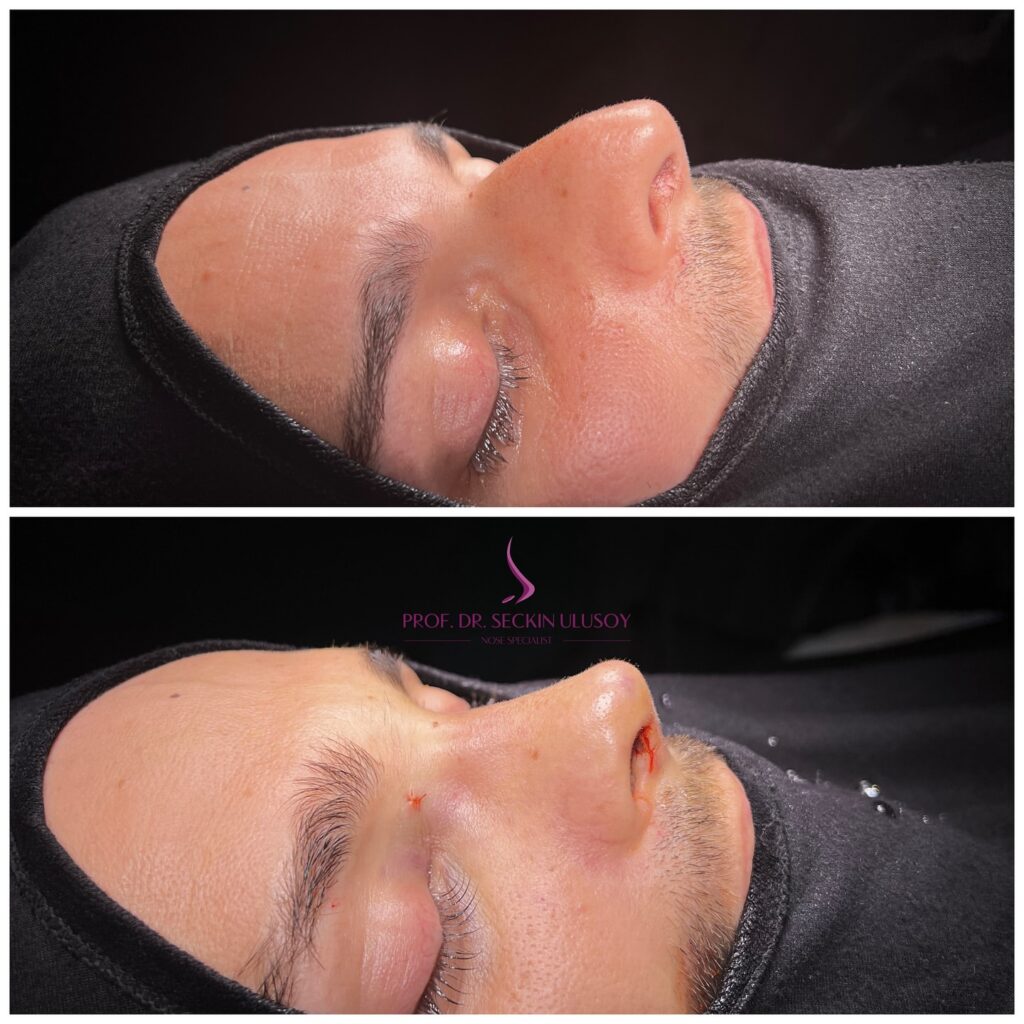
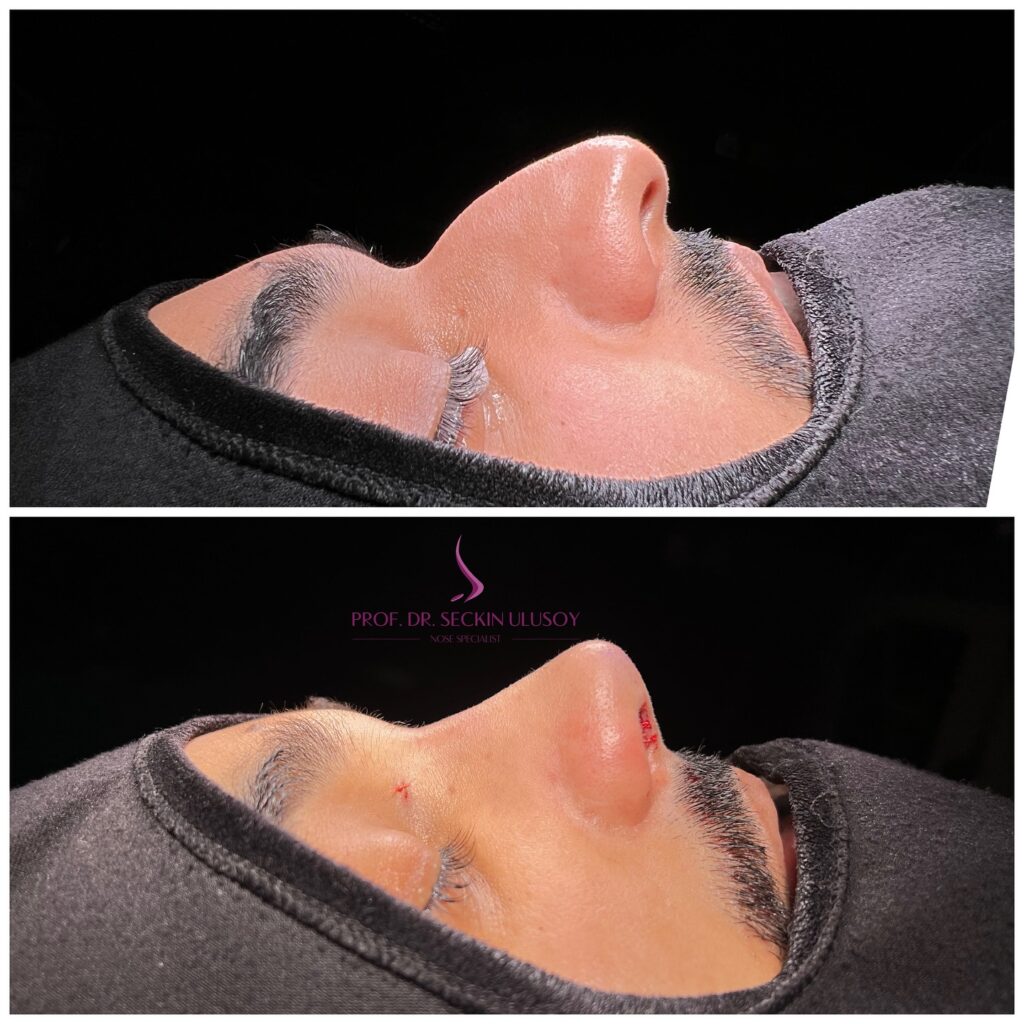
Alar base reduction surgery, also known as alarplasty, is a cosmetic procedure that narrows wide nostrils by reducing the nasal base. It is commonly performed to improve nasal proportions and achieve better harmony between the nose and facial features.
Alarplasty techniques involve removing small wedges of tissue at the nostril base or repositioning skin folds. Surgeons use fine incisions placed discreetly within natural creases to minimize visible scarring, ensuring both precision and aesthetically pleasing results.
Alar base reduction candidates typically include patients with flared nostrils, wide nasal bases, or asymmetry. The procedure can be performed alone or combined with rhinoplasty, depending on whether functional or additional cosmetic changes are desired.
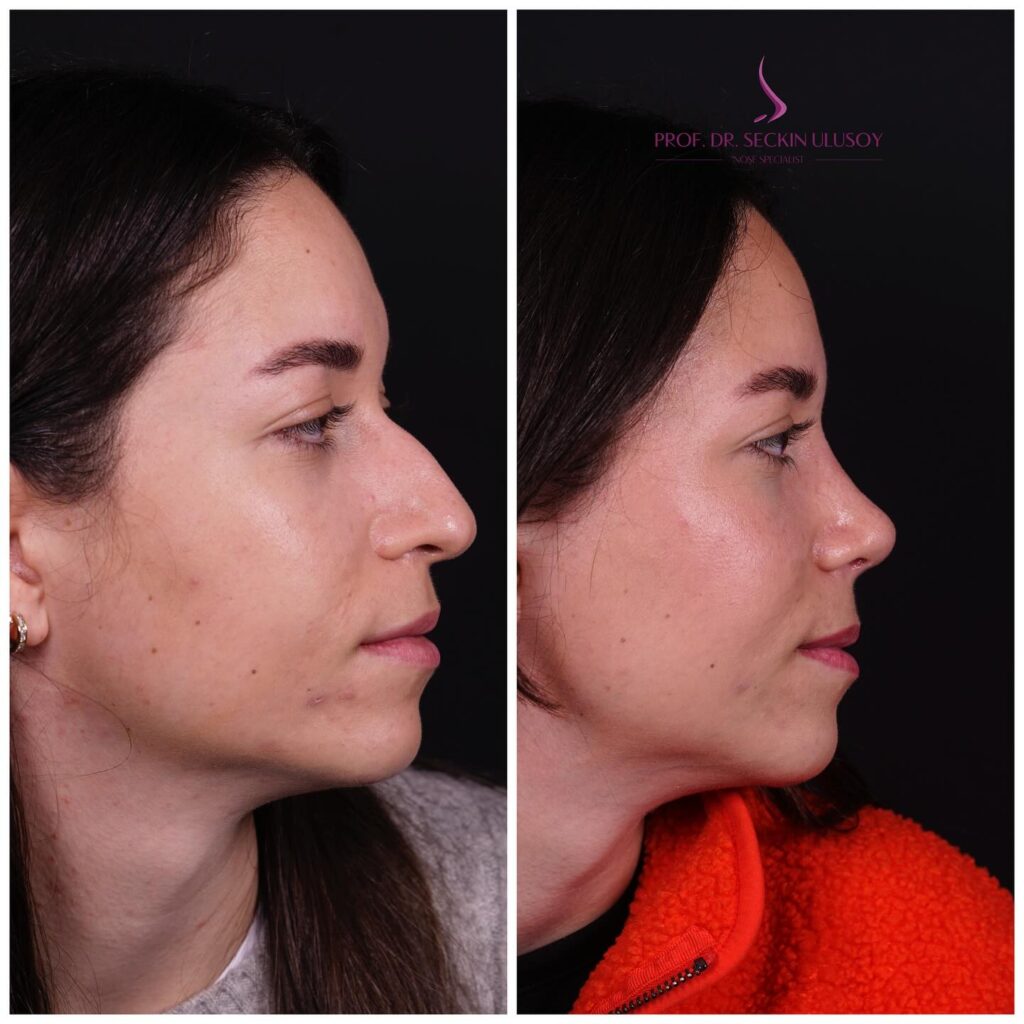
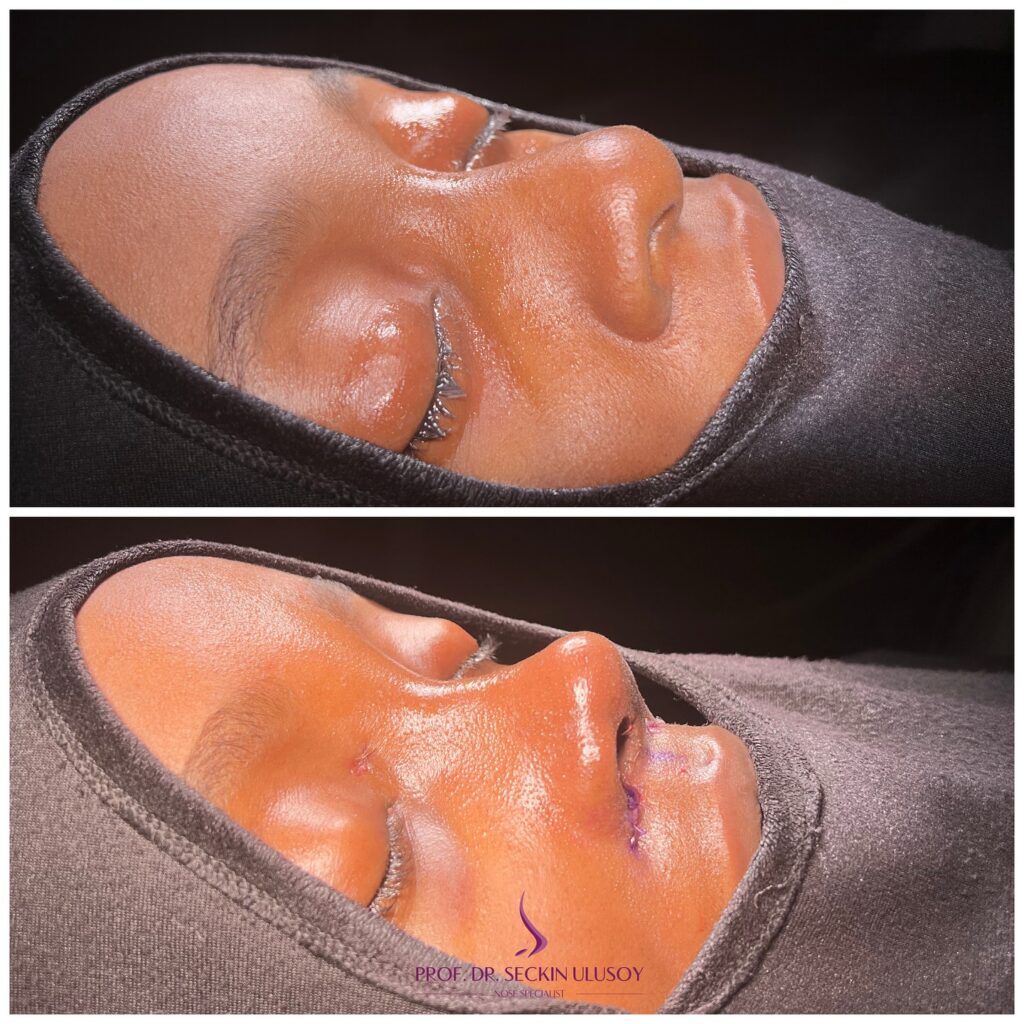
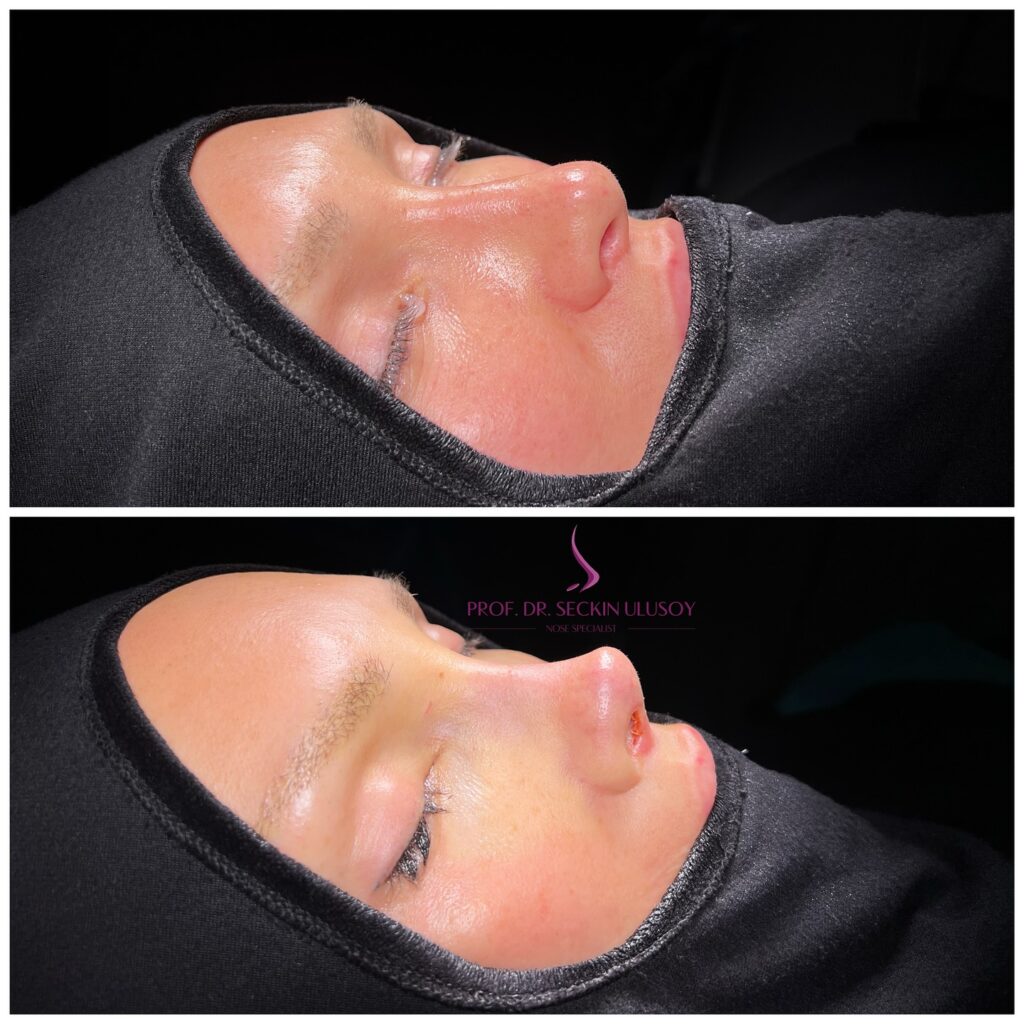
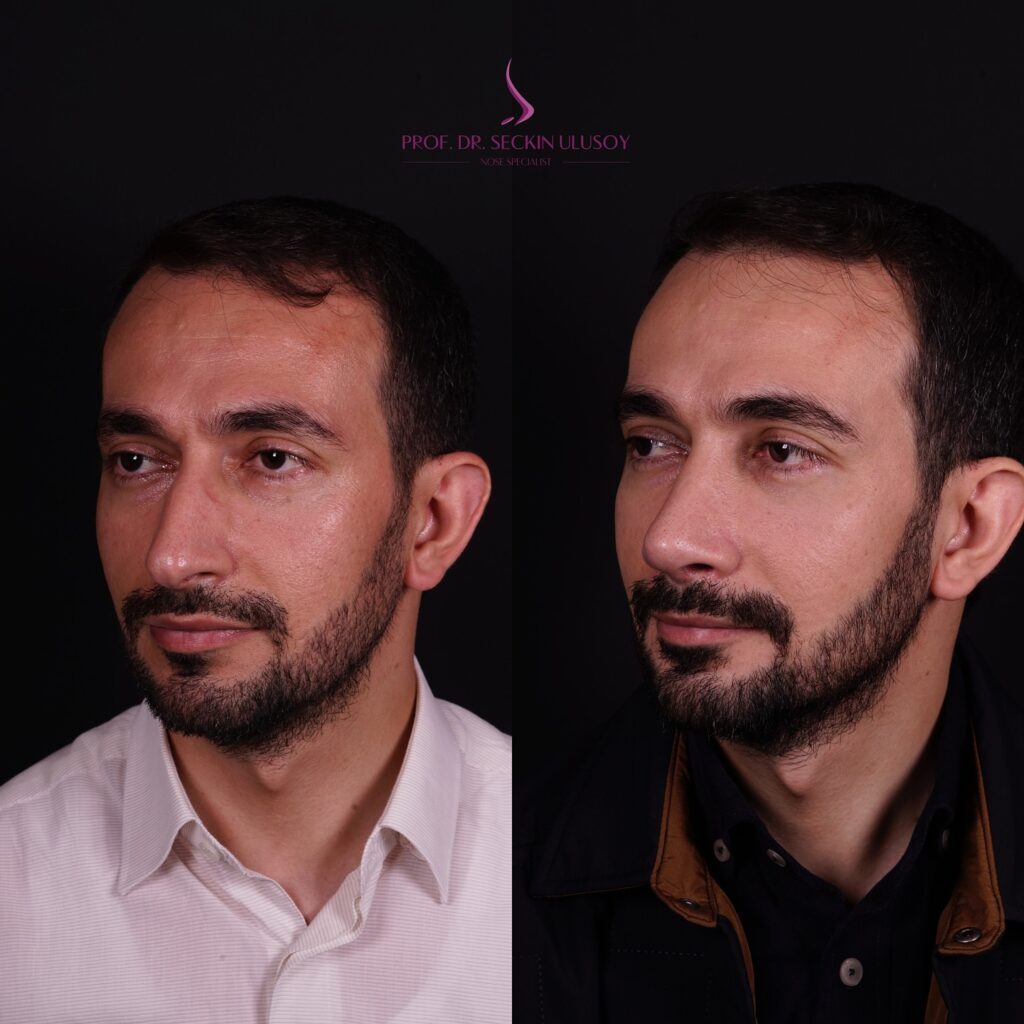
Alarplasty before and after results show significant improvements in nasal contour and facial balance. Patients benefit from a shorter recovery time compared to full rhinoplasty, with swelling subsiding within weeks and long-term natural results achieved.
Alar base reduction surgery, also known as alarplasty, is a cosmetic procedure that narrows the width of the nostrils by removing small wedges of tissue at the base of the nose. It is commonly performed to create a more balanced and proportionate nasal appearance, especially in patients with wide or flared nostrils. The procedure is often done in conjunction with rhinoplasty but can also be performed on its own.
Who is a good candidate for alarplasty?
Alar plastic surgery procedures are performed on individuals with large nostrils and wings. This procedure is commonly performed on individuals with Afro-American and Asian nose types. However, nostril size can also be standard in rhinoplasty patients from other parts of the world. For this purpose, alarplasty can be performed with rhinoplasty or as a standalone procedure.
The ideal width of the nostrils is determined by the point where the eyes end, as seen from the front. If the vertical lines drawn from the inner corners of both eyes extend beyond this point, the nostrils are considered wide, and this condition is called ‘alar flaring.’ However, not everyone with this condition necessarily requires alarplasty. The best approach is to consult with a nose aesthetics specialist, considering the patient’s ethnic background and other facial proportions.
Alar base reduction procedures:
1. Nasal flare reduction surgery:
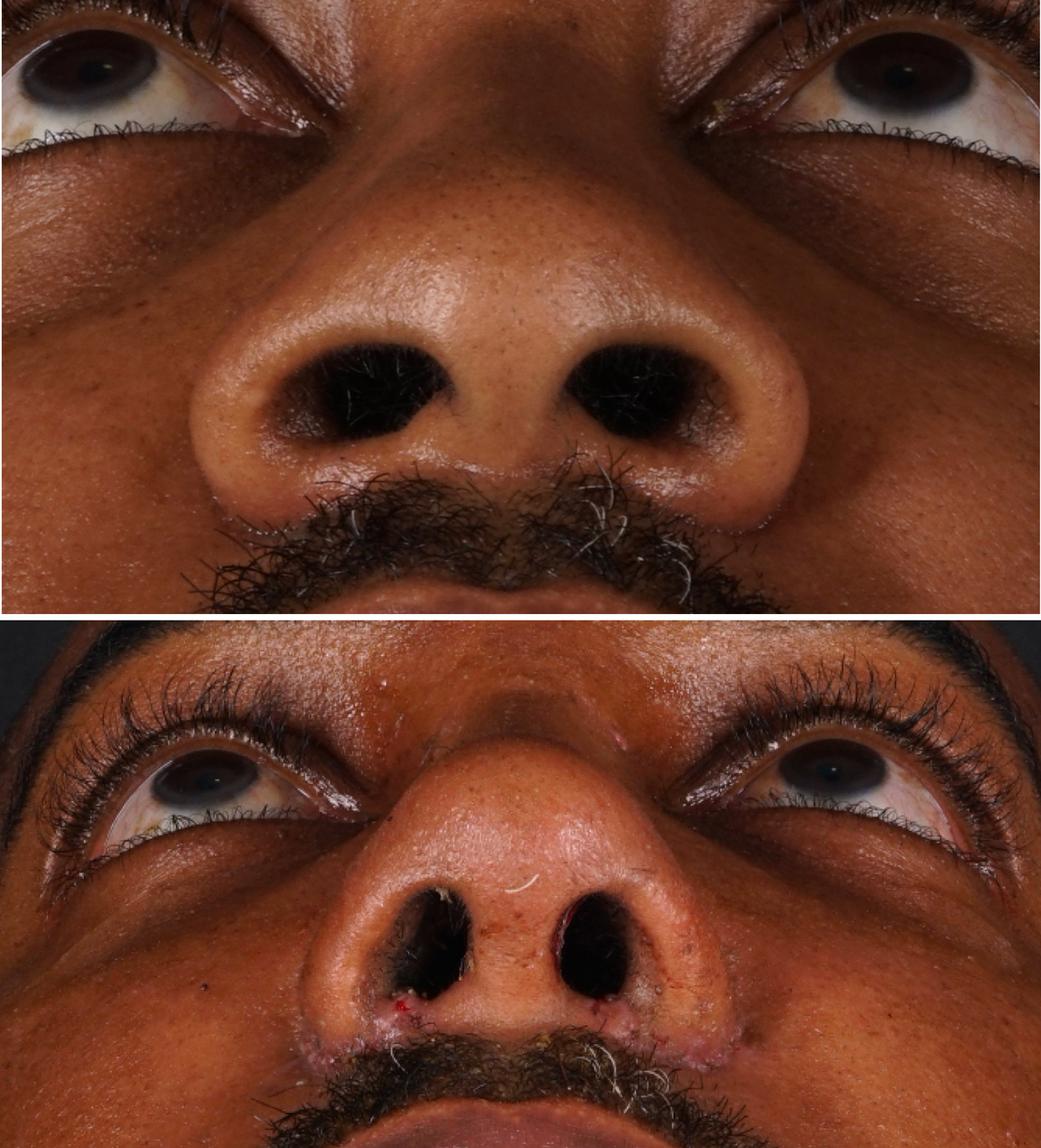
It is a procedure performed by removing the skin and subcutaneous tissue as an ellipse from the fold area next to the wings of the nose. This rhinoplasty procedure usually reduces the width of the nose’s wings and base.
Alar base surgery for wide flare
2. Nostril reduction surgery:
It is a narrowing procedure performed by removing skin from the base of the nostrils. This procedure is applied to reduce the size of the nostrils and give a more oblique aesthetic appearance.
Scarring and treatment after the alarplasty surgery:
After alarplasty surgery, the scar becomes quite indistinct over time, as the area where the skin is removed is the fold area. However, in some cases, very light scars may remain. In such cases, this stigmata can be reduced considerably with various cosmetic methods. For this purpose, skin resurfacing procedures such as laser treatments often give very successful results.
Alar base plasty and nostril reduction surgery
Nostril Retainer:
Patients undergoing alar plasty are usually given plastic apparatus called nostril retainers, which aim to make the nostrils and wings more aesthetically shaped. This simple plastic material is determined by taking measurements according to the patient nostril size. The number of this apparatus is determined after removing the intranasal silicones, usually on the 6th day after surgery, by first measuring the nostril.
How can I find the best surgeon for alarplasty?
All rhinoplasty specialists who perform nose aesthetic surgery also perform alar plasty. Facial plastic surgeons and ear, nose, and throat specialists perform these surgeries. We recommend you find a board-certified rhinoplasty specialist and ask for their opinion on the alarplasty procedure.
If you are planning to have only alarplasty, it is preferable to find a surgeon who frequently performs surgeries on African-American and Asian noses, which we refer to as ‘ethnic noses.’This is because the alarplasty procedure is performed on nearly all patients in this group, making these surgeons more experienced. For this purpose, you can find many successful and experienced rhinoplasty specialists worldwide and in Istanbul.
You can find the best nose base surgeon with an online consultation:
It would be a good approach to follow a few surgeons who perform alarplasty and evaluate the results they have achieved on patients similar to you before making a decision. You should thoroughly assess the doctor’s social media accounts and past patient experiences on the internet. In the next step, you can request an online consultation to take your thoughts about the surgery to the next level. If you are travelling to another city outside your country or province, it would be advisable to have a face-to-face consultation immediately before the surgery for a more realistic assessment. Contacting the clinic assistants, clarifying all these stages through online consultations, and finally meeting the doctor face-to-face before the surgery would be the right approach.
How much does Alar Base Reduction Surgery (Alarplasty) Cost in Istanbul/Turkey?
Alar base reduction surgery (alarplasty) in Turkey typically costs between $1,800 and $4,500 USD, depending on whether it is performed as a standalone procedure or combined with other nasal surgeries. The price is influenced by the surgeon’s expertise, the extent of correction needed, and the clinic’s standards. While isolated alarplasty tends to be more affordable, combining it with tip refinement or rhinoplasty can increase the total cost. The quoted range usually covers hospital fees, anesthesia, and follow-up care, while premium packages with accommodation and transfers may add to the overall price.
Conclusion:
Nasal base surgery sometimes required in nose aesthetics. It helps the patient obtain a natural-looking nose compatible with general facial aesthetics. However, the need for alarplasty must be carefully assessed and decided based on the proportions of the individual’s face. To this end, it is necessary to consult a good nose specialist before deciding.
Frequently Asked Questions
What is alar base reduction surgery (alarplasty)?
Alar base reduction surgery, also known as alarplasty, is a cosmetic procedure designed to reduce the width of the nostrils and narrow the nasal base. The goal is to create better facial balance while maintaining a natural-looking appearance.
Who is a suitable candidate for alarplasty?
Individuals who feel their nostrils are excessively wide, flared, or disproportionate to the rest of their nose may be suitable candidates. A detailed consultation helps determine whether alar base reduction can achieve the desired aesthetic improvement.
How is alar base reduction surgery performed?
The procedure involves removing a small amount of tissue from the nostril base and carefully reshaping the area. The incisions are typically placed within the natural creases around the nostrils to minimize visible scarring.
Can alarplasty be performed without full rhinoplasty?
Yes, alarplasty can be performed as a standalone procedure when the primary concern is nostril width. It may also be combined with rhinoplasty when additional nasal reshaping is desired.
Will alarplasty affect nasal breathing?
When performed by an experienced surgeon, alarplasty is designed to preserve normal nasal airflow. Careful planning is important to avoid excessive narrowing that could affect breathing function.
How long does recovery take after alar base reduction surgery?
Most patients experience mild swelling and tenderness during the first one to two weeks. Many can return to daily activities within a few days, while final healing and scar maturation continue over several months.
Will there be visible scars after alarplasty?
Small scars are usually hidden within the natural creases where the nostrils meet the cheeks. As healing progresses, the scars generally become less noticeable and blend with surrounding skin.
Can alarplasty correct flared nostrils?
Yes, alarplasty is commonly used to reduce nostril flare and create a more refined nasal base. The procedure can improve symmetry and enhance overall facial harmony when nostril width is a primary concern.
Are the results of alar base reduction permanent?
Yes, the changes achieved through alarplasty are generally permanent. While natural aging continues over time, the reduction in nostril width and nasal base size is expected to remain stable.
When will the final results of alarplasty be visible?
Initial improvements are visible once early swelling subsides. However, final contour refinement and scar maturation may take several months, with most patients seeing their full results within 6 to 12 months.
Any Question?
We will be grateful to answer all your questions on Video Conference meeting