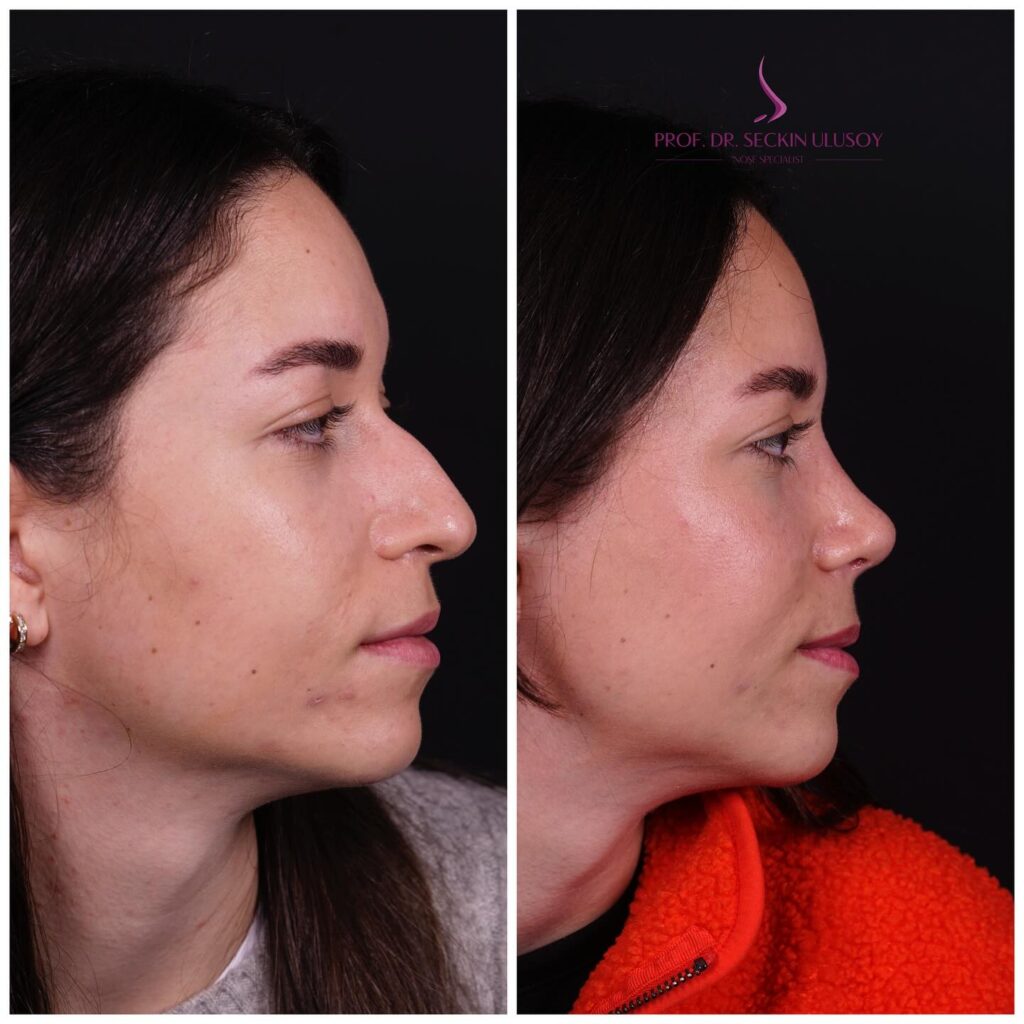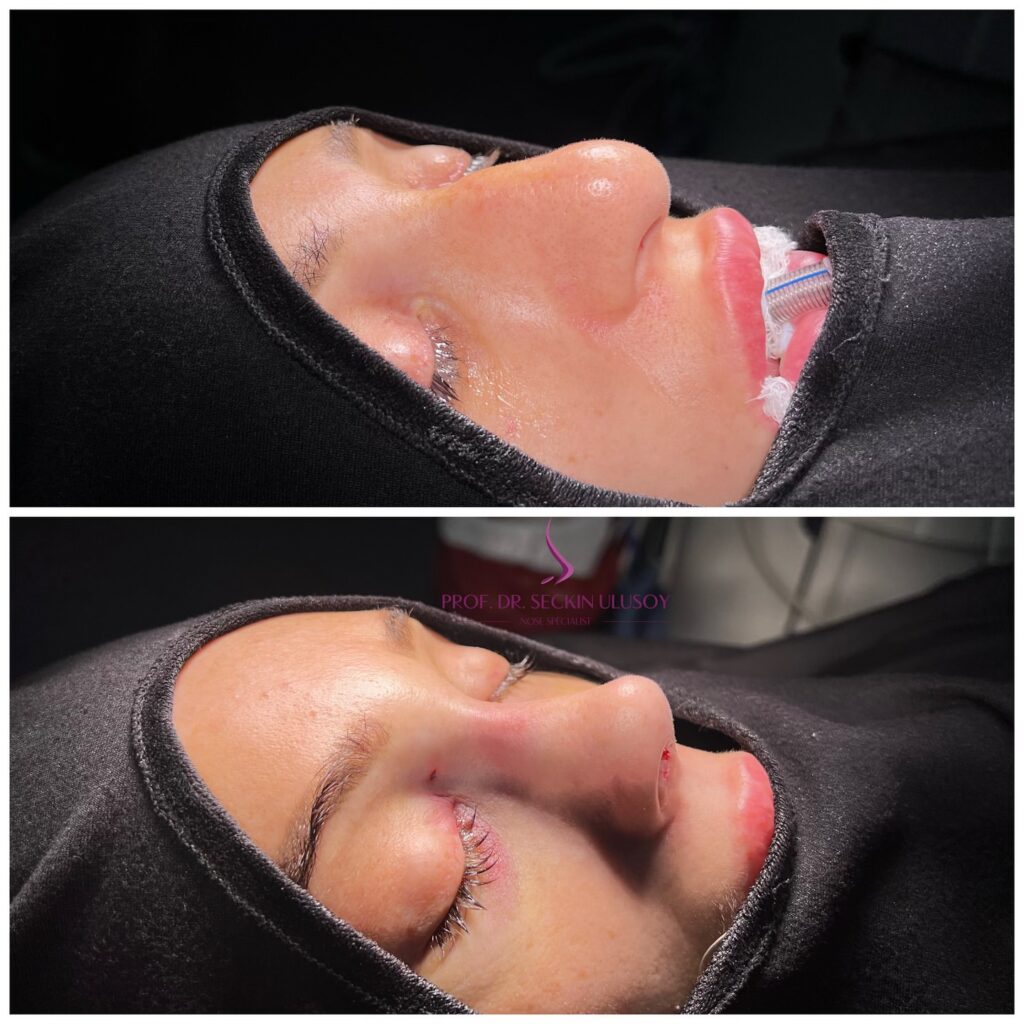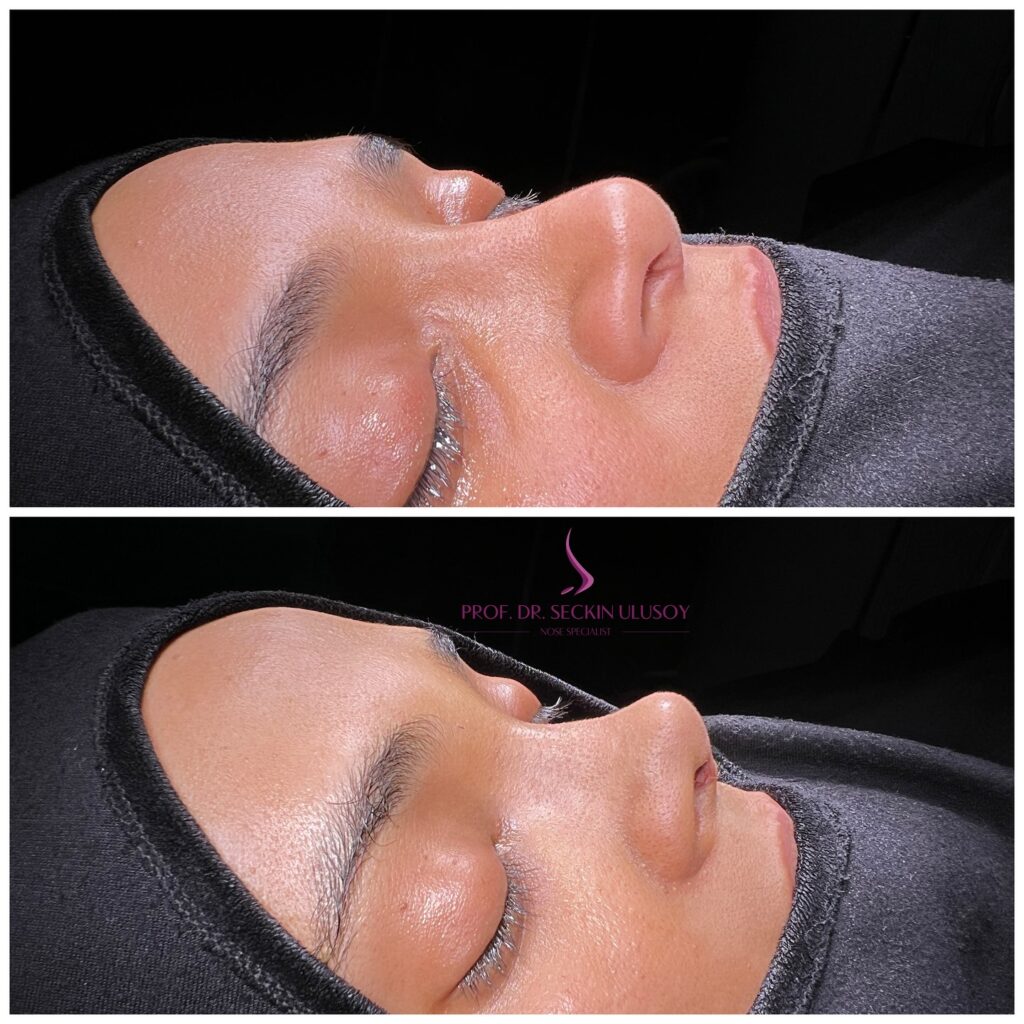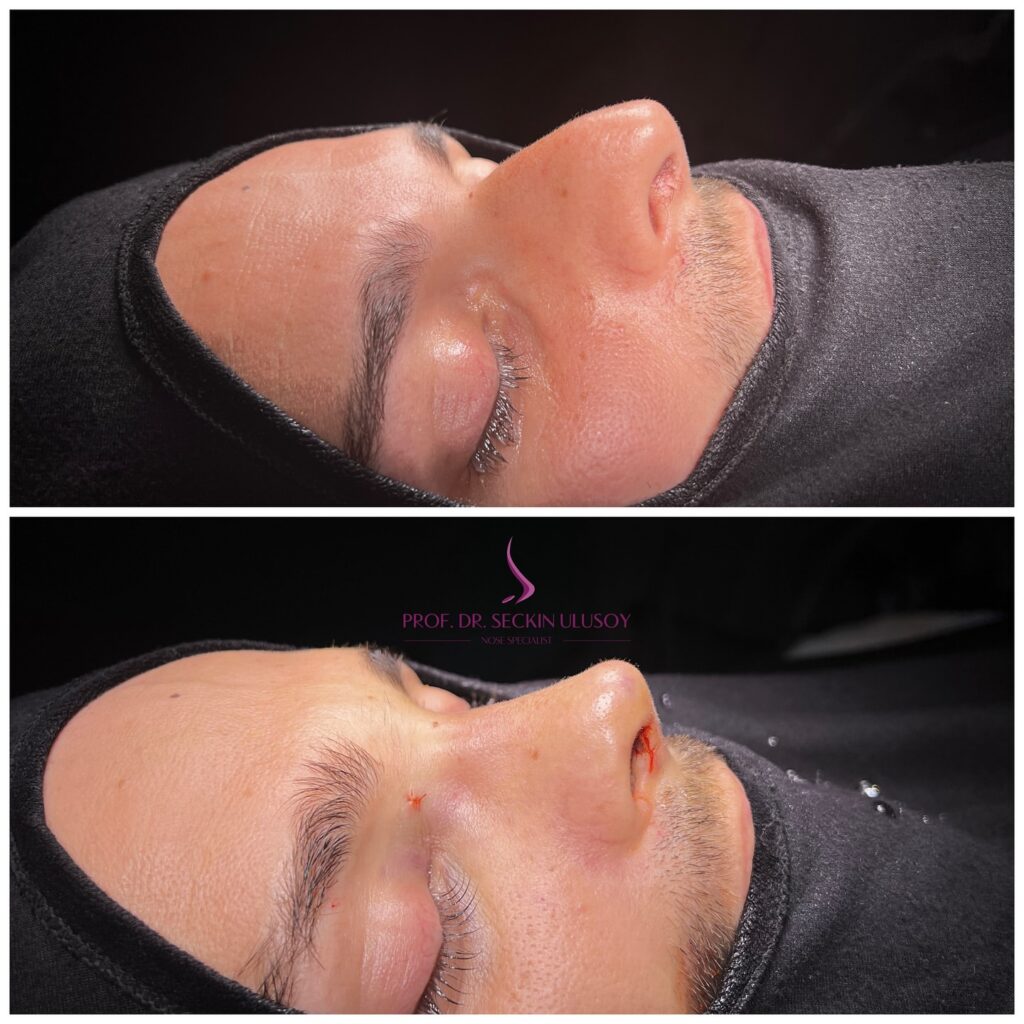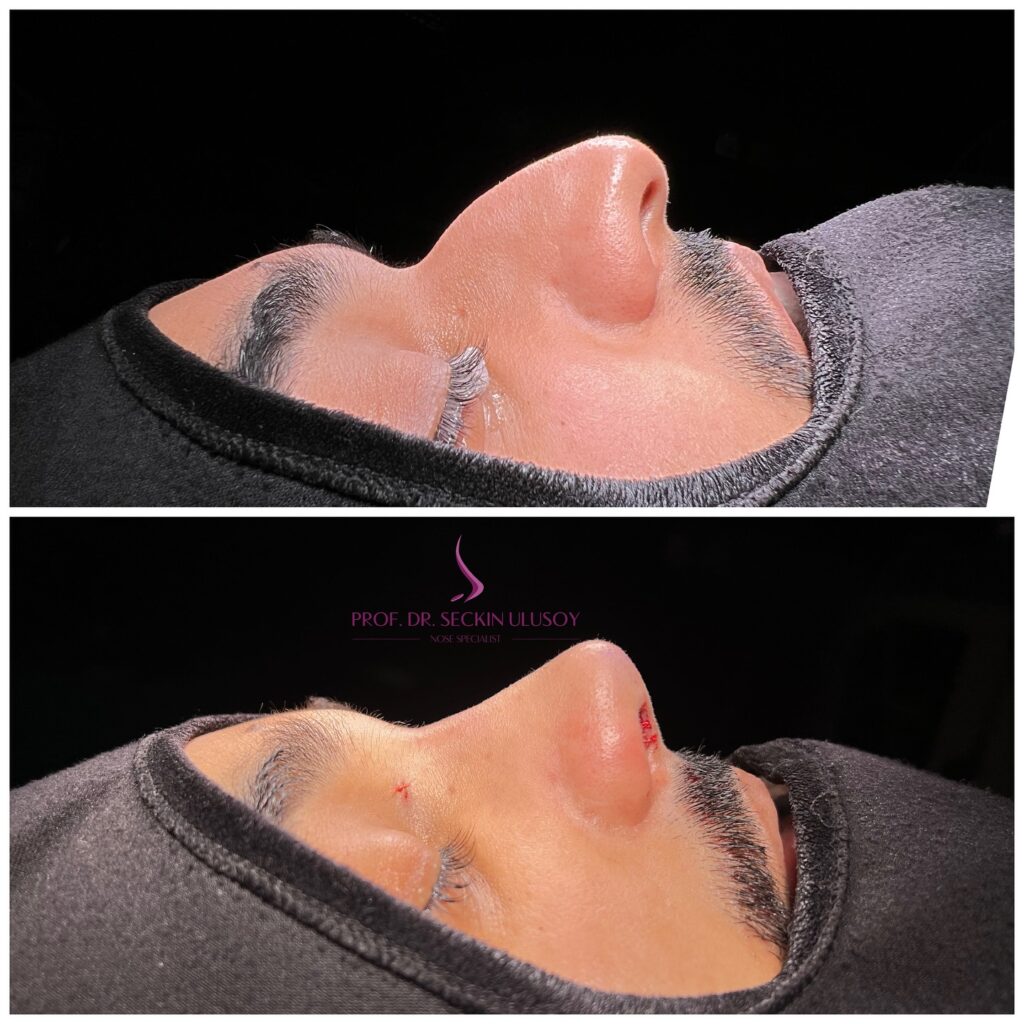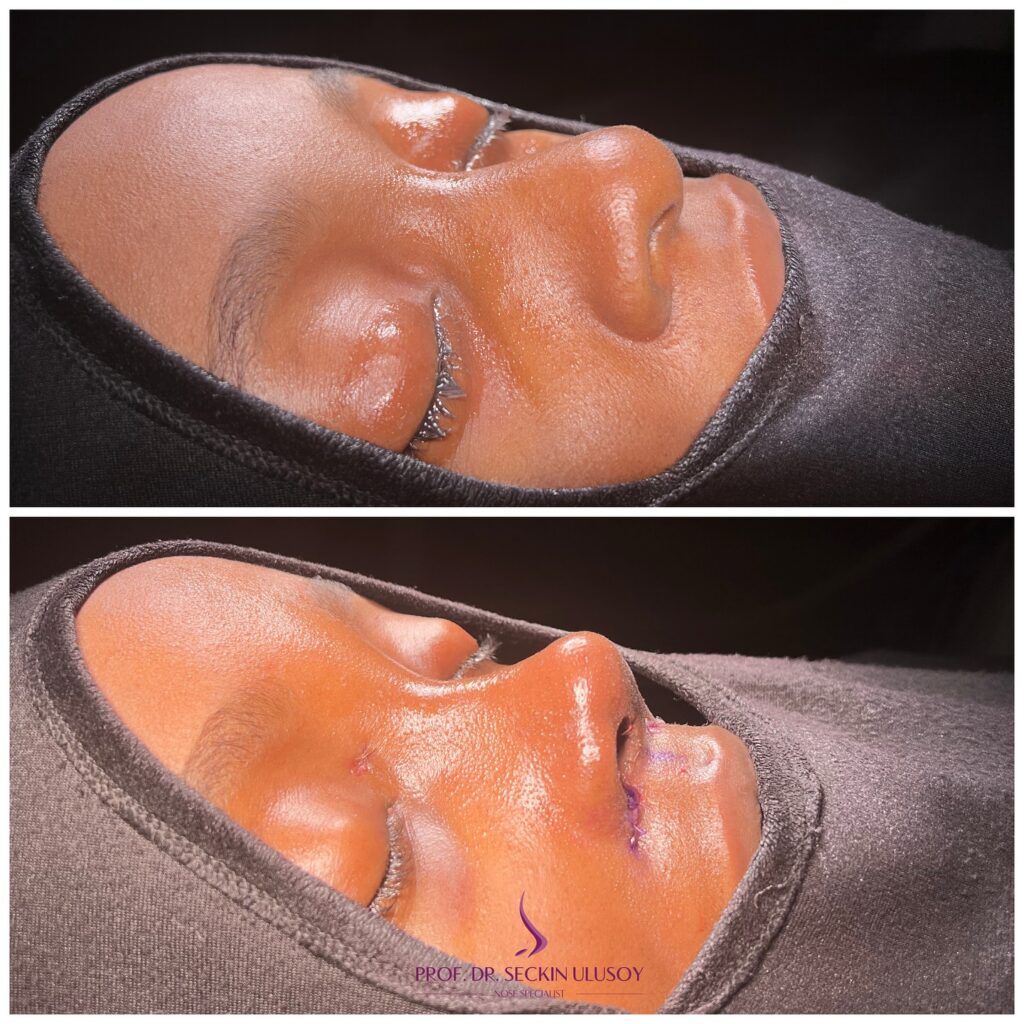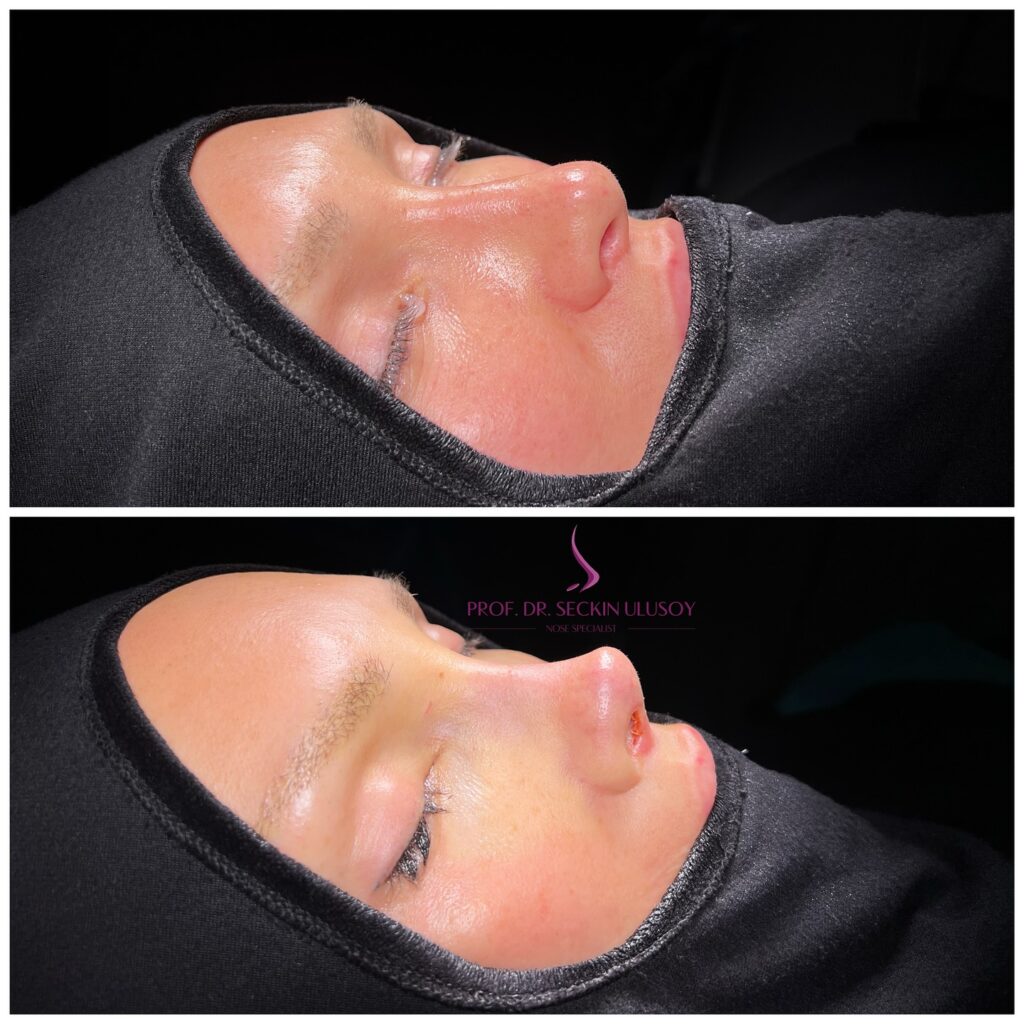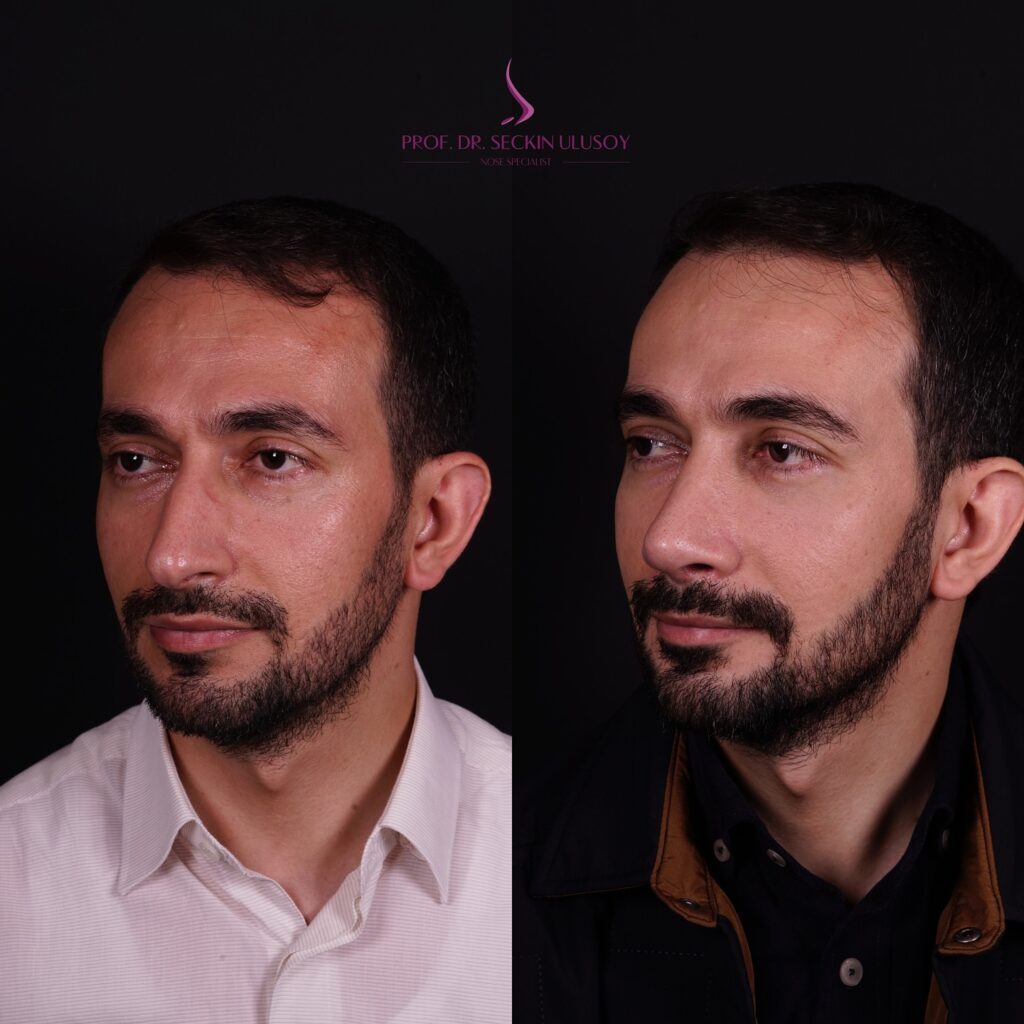
The first 6 months after nose surgery is a critical period in terms of tissue healing and the nose reaching its final form. While edema and bruising may be prominent in the first weeks, swelling gradually decreases in the following months and the nasal structure becomes clearer. During this process, doctor check-ups should be maintained regularly.
The recovery process after nose surgery varies depending on individual tissue structure and surgical technique. In the first month, most of the edema subsides; however, mild swelling in areas such as the nasal tip may continue up to 6 months. Protection from trauma and the use of prescribed medications support healing.
The reduction of edema and swelling after rhinoplasty is directly related to the regulation of lymphatic circulation. Sleeping with a high pillow, avoiding heavy exercise, and protecting the nose from impacts are important. Since the nasal tissue is sensitive especially within the first 3 months, physical contact should be limited.
The appearance of final results after nose surgery is generally completed between 6 months and 1 year. During this period, the nasal skin adapts to the new skeletal structure and the contours become defined. Being patient and following the surgeon’s recommendations ensures optimal aesthetic and functional results.
First Days: Acute Healing and Edema Period
The first 7–10 days after surgery correspond to the healing stage called the inflammatory phase. During this period:
- Pronounced edema in and around the nose
- Bruising (ecchymosis)
- Mild to moderate pain
- Nasal congestion
may be observed. Nasal congestion is usually related to mucosal edema and support materials placed during surgery. This condition is temporary.
If osteotomy (bone cutting) has been applied to the nasal bones, bruising around the eyes may be more pronounced. However, these findings decrease significantly within 2 weeks in most patients.
First 1 Month: Reduction of Edema and Tissue Adaptation
By the end of the first month, patients can generally return to their social lives comfortably. However, the nose is still edematous during this period. Swelling may persist longer, especially in the nasal tip region. The reason for this is that lymphatic circulation in this area is relatively slower.
The thickness of the nasal skin is an important factor affecting the healing period. In patients with thick skin, edema may last longer, while in patients with thin skin, shape changes are noticed earlier. However, irregularities may also be more visible in thin skin.
At this stage, constantly evaluating the shape of the nose and expecting early results may be psychologically challenging for patients. It should not be forgotten that the tissues have not yet reached their final form.
Months 2–3: Structural Stabilization Process
In the second and third months, inflammation decreases significantly. However, tissue healing continues at a microscopic level. During this period:
- The nasal bridge begins to appear clearer
- Contours become more defined in the side profile
- Breathing functions generally become more balanced
In patients who have undergone septoplasty (surgery for internal nasal deviation), improvement in nasal airflow may be felt more distinctly. However, temporary dryness or crusting may be observed in some individuals. This condition is a natural part of mucosal healing.
Months 3–6: Clarification of Shape and Scar Maturation
From the third month onward, the general appearance of the nose largely emerges. However, residual edema, especially at the nasal tip, may continue. This condition may be accompanied by a feeling of firmness in the columella and tip region.
During this process, collagen reorganization (remodeling phase) continues. Scar tissue softens over time and gains elasticity. In patients who have undergone open rhinoplasty, the incision scar on the columella generally loses its prominence within 4–6 months; however, complete maturation may take up to 1 year.
Sensitivity or numbness at the nasal tip decreases during this period. Regeneration of nerve endings may take time.
Distribution of Edema and Areas Requiring Patience
Edema after rhinoplasty does not distribute homogeneously. The areas that heal the latest are generally known as:
- Nasal tip
- Nasal wings
- Tip region in patients with thick skin
Therefore, a perception of asymmetry may occur in the early period. However, in most cases, this condition is temporary.
A significant portion of the small irregularities patients see in the mirror is related to tissue firmness and temporary edema. Clinical evaluation can generally be performed more reliably after the 6th month.
Functional Healing Process
Rhinoplasty is not only an aesthetic procedure; the nasal valve mechanism, septum, and turbinate structures may also be affected. In the first months after surgery:
- Temporary nasal dryness
- Crusting
- Sensitivity to cold air
complaints such as these may be observed. Full adaptation of the nasal mucosa takes time.
If the patient develops increasing congestion, persistent bleeding, signs of infection, or severe pain, this may not be part of the normal healing process and requires specialist evaluation.
Psychological Adaptation and Expectation Management
The psychological adjustment process after aesthetic surgery is at least as important as physical healing. In the first months, a change in facial perception occurs. The brain’s adaptation to the new facial anatomy may take time. This condition may cause temporary dissatisfaction or anxiety in some patients.
For this reason, it is not healthy to reach definitive judgments in the early period. Objective evaluation of surgical results is generally made between 6–12 months.
What Should Be Considered in the First 6 Months?
To support the healing process, the following principles are generally recommended:
- Avoiding impacts to the nose
- Limiting the use of glasses for the period recommended by the physician
- Protecting from intense sun exposure
- Avoiding smoking
Smoking may negatively affect healing by reducing tissue oxygenation. It may also prolong the inflammatory response.
Regular attendance at all follow-up appointments is important. Because some minor interventions or medical supports may be planned in the early period.
Frequently Asked Questions
What Should I Expect During the First 6 Months After Rhinoplasty?
The first six months after rhinoplasty involve gradual healing, with swelling steadily decreasing and the nose becoming more refined. While noticeable improvements occur early, subtle changes continue throughout this period.
How Much Swelling Is Normal in the First 6 Months After Rhinoplasty?
Swelling is a normal part of recovery and can persist for several months. Most swelling subsides within the first few months, but minor residual swelling may remain, especially around the nasal tip.
When Will My Nose Start Looking Natural After Surgery?
Many patients notice a more natural appearance within a few weeks to months. However, the nose continues to settle and refine throughout the first six months and beyond.
Is It Normal for the Nose Shape to Change During Recovery?
Yes, subtle changes in the nose shape are common as swelling decreases and tissues heal. The appearance of the nose may fluctuate during the recovery process.
Can I Exercise During the First 6 Months After Rhinoplasty?
Light activities are usually allowed within a few weeks, but strenuous exercise should only be resumed according to your surgeon’s recommendations to avoid complications.
Why Does the Nasal Tip Stay Swollen Longer?
The nasal tip often retains swelling longer because it has thicker soft tissue and a more limited blood supply compared to other areas of the nose.
When Can I Wear Glasses Again After Rhinoplasty?
The timing varies depending on the procedure and your surgeon’s advice. Many patients are advised to avoid placing pressure on the nose for several weeks or months after surgery.
Are Breathing Changes Normal During the First 6 Months?
Temporary congestion and breathing changes can occur due to internal swelling. Nasal airflow typically improves as healing progresses and swelling decreases.
How Can I Support Healing During the First 6 Months?
Following postoperative instructions, attending follow-up appointments, avoiding smoking, maintaining a healthy lifestyle, and protecting the nose from injury can support optimal healing.
Will My Final Rhinoplasty Results Be Visible After 6 Months?
Most patients see significant improvements by six months, but final rhinoplasty results may continue to develop for up to a year or longer, particularly in the nasal tip area.