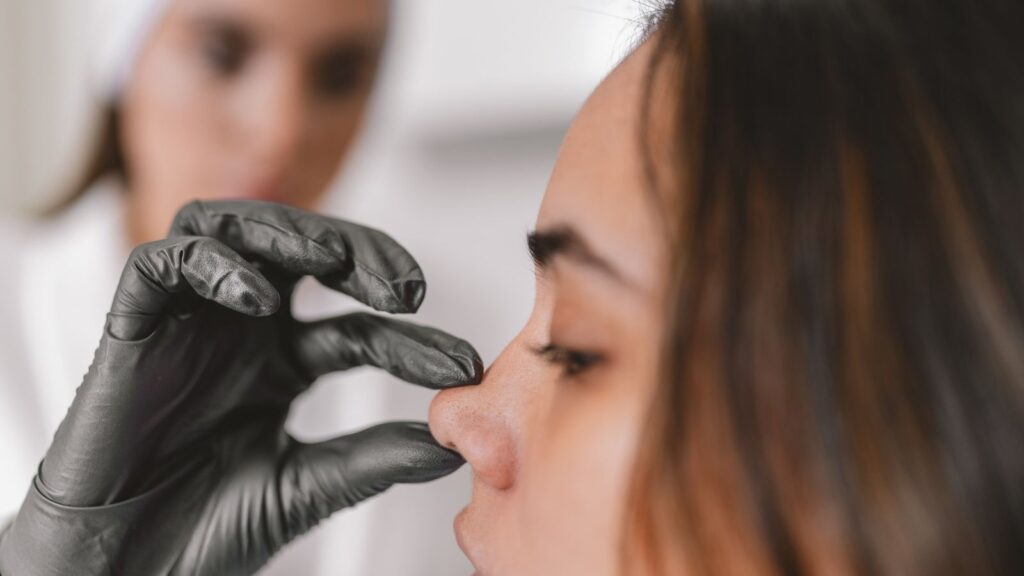
Did you know that rhinoplasty, commonly known as a nose job, is one of the most frequently performed cosmetic surgical procedures worldwide? [Source needed] It’s a complex operation, demanding both artistic vision and meticulous surgical skill to achieve harmonious and natural-looking results. For many, the journey to a refined nose involves seeking out the most accomplished surgeons, and Europe boasts a remarkable concentration of these experts. This guide aims to illuminate the path for those considering rhinoplasty in Europe, helping them identify the best practitioners.
Understanding the Nuances of Rhinoplasty
Rhinoplasty is far more than just reshaping the external contours of the nose. It’s a delicate dance between aesthetics and function. A skilled surgeon will consider the intricate internal structures, ensuring breathing is not compromised, while simultaneously sculpting the external appearance to complement the patient’s unique facial features.
Types of Rhinoplasty
The approach to rhinoplasty can vary significantly based on the patient’s specific concerns and desired outcomes. Understanding these variations is crucial when discussing your goals with potential surgeons.
- Open Rhinoplasty
This technique involves an external incision, typically a small one across the columella (the strip of skin between the nostrils). This provides the surgeon with direct, unobstructed access to the nasal structures, allowing for more complex modifications. Open rhinoplasty is often favored for revision surgeries or when significant structural changes are needed. While it leaves a tiny scar, it usually heals remarkably well and becomes virtually imperceptible.
- Closed Rhinoplasty
In this method, all incisions are made internally, within the nostrils. There are no external scars. This approach is generally preferred for less complex cases where minimal reshaping is required. The recovery can sometimes be slightly quicker, and the absence of an external scar is a significant draw for some patients. However, visibility for the surgeon can be more limited.
- Preservation Rhinoplasty
A more modern and increasingly popular approach, preservation rhinoplasty focuses on maintaining the existing nasal structures as much as possible. Instead of removing cartilage and bone, the surgeon aims to reposition or reshape them. This technique can lead to faster recovery and potentially fewer long-term complications, as it works with the natural anatomy rather than extensively altering it. It requires a deep understanding of nasal biomechanics.
- Revision Rhinoplasty
This is a secondary surgery performed to correct or improve the results of a previous rhinoplasty. Revision cases are inherently more challenging due to scar tissue, altered anatomy, and the need to address specific functional or aesthetic issues left unaddressed or created by the initial procedure. Finding a surgeon with extensive experience in revision rhinoplasty is paramount.
Functional vs. Aesthetic Rhinoplasty
It’s vital to distinguish between the primary goals of the surgery. Often, these two aspects are intertwined.
- Aesthetic Rhinoplasty: Focuses on improving the external appearance of the nose – its size, shape, symmetry, and proportion relative to the rest of the face. Common aesthetic goals include narrowing a wide bridge, reducing a dorsal hump, refining the nasal tip, or straightening a deviated nose.
- Functional Rhinoplasty: Primarily addresses breathing difficulties caused by structural issues within the nose, such as a deviated septum or enlarged turbinates. This procedure aims to improve airflow and alleviate symptoms like snoring or nasal congestion. Often, functional improvements are integrated into aesthetic procedures.
The Importance of Facial Harmony
A truly exceptional rhinoplasty surgeon understands that the nose doesn’t exist in isolation. It’s a central feature of the face, and its appearance must be balanced with the forehead, cheeks, lips, and chin. The best surgeons possess an innate sense of proportion and an artistic eye, ensuring the results enhance, rather than overpower, the patient’s natural beauty. They consider the “golden ratio” and other aesthetic principles, but also the individual’s unique bone structure and soft tissue characteristics.
The European Landscape of Rhinoplasty Expertise
Europe is a continent steeped in history, art, and medical innovation. It’s no surprise that it has become a global hub for specialized surgical fields, including rhinoplasty. Many European countries have highly respected medical institutions and a long tradition of training exceptional rhinoplasty surgeons.
Countries Renowned for Rhinoplasty Excellence
While top-tier surgeons can be found across the continent, certain countries have emerged as particular hotspots for advanced rhinoplasty procedures.
- United Kingdom: London, in particular, hosts numerous highly regarded surgeons with extensive experience in both aesthetic and reconstructive rhinoplasty. The UK’s medical training is rigorous, producing many world-class practitioners.
- Germany: German surgeons are known for their precision, technical skill, and adherence to evidence-based medicine. Major cities like Munich, Berlin, and Hamburg have leading clinics.
- France: Paris is a center of excellence, particularly in aesthetic surgery. French surgeons often emphasize a natural, elegant outcome that harmonizes with the patient’s overall facial aesthetics.
- Italy: Italy has a strong tradition in rhinoplasty and reconstructive surgery, with many surgeons renowned for their artistic approach, particularly in shaping the nasal tip. Milan and Rome are prominent centers.
- Spain: Cities like Barcelona and Madrid offer a blend of cutting-edge techniques and a focus on patient well-being, with many internationally recognized surgeons.
- Belgium: Belgium has a strong reputation for specialized rhinoplasty surgery, including complex rhinoplasty cases, often emphasizing functional restoration alongside aesthetic improvement.
Factors Contributing to European Excellence
Several elements contribute to Europe’s standing in rhinoplasty.
- Rigorous Training Standards: European medical education is consistently high, with specialized rhinoplasty surgery training programs demanding years of dedicated study and practice.
- Emphasis on Aesthetics and Artistry: Many European countries have a deep appreciation for art and beauty, which often translates into the surgical approach, emphasizing natural proportions and subtle enhancements.
- Technological Advancement: European clinics and hospitals are often at the forefront of adopting new surgical technologies and techniques, ensuring patients benefit from the latest advancements.
- International Patient Flow: The reputation of European surgeons attracts patients from around the globe, fostering a competitive environment where surgeons continuously refine their skills and outcomes.
- Multidisciplinary Approach: Many leading centers employ a team-based approach, involving otolaryngologists (ENT surgeons) for functional aspects and experienced anesthesiologists, ensuring comprehensive patient care.
Key Considerations When Choosing a Surgeon
Selecting the right surgeon is arguably the most critical step in your rhinoplasty journey. It’s a decision that requires thorough research, careful evaluation, and a degree of trust.
Surgeon’s Qualifications and Experience
Don’t be shy about asking for details. A reputable surgeon will readily provide this information.
- Board Certification: Ensure the surgeon is certified by a recognized national or European board of rhinoplasty surgery or otolaryngology (with a specialization in facial rhinoplasty surgery). This signifies they have met stringent standards of training and expertise. Look for certifications from bodies like the Royal College of Surgeons (UK), DGPRÄC (Germany), SOFCPRE (France), SICPRE (Italy), SECPRE (Spain), or equivalent European boards.
- Specialization in Rhinoplasty: While many rhinoplasty surgeons perform rhinoplasty, seek out those who specifically focus on or have a significant portion of their practice dedicated to this procedure. Ask how many rhinoplasties they perform annually. A high volume often correlates with refined technique and better outcomes.
- Years of Practice: While not the sole determinant, extensive experience, particularly in performing rhinoplasties, is generally a positive indicator.
- Fellowships and Advanced Training: Has the surgeon completed additional fellowships or specialized training in facial rhinoplasty surgery or rhinoplasty? This indicates a commitment to mastering the field.
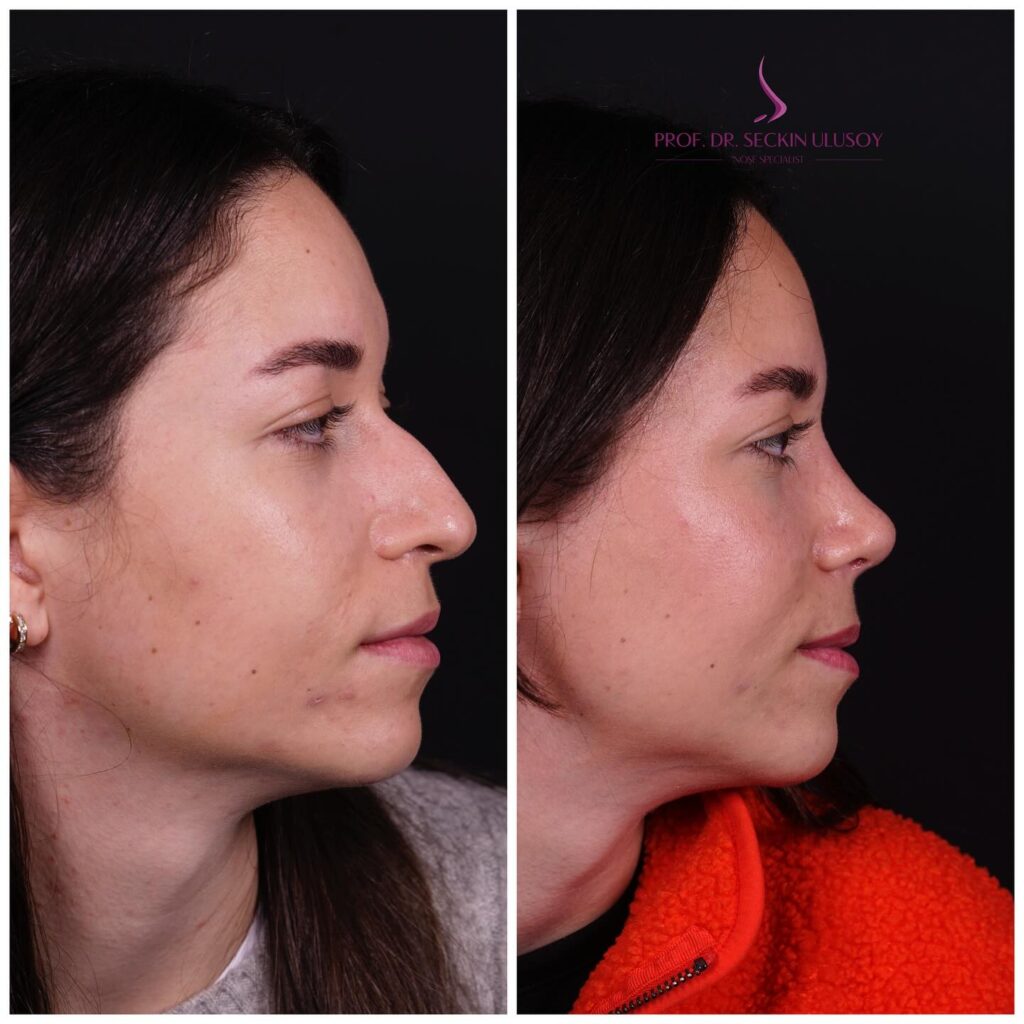
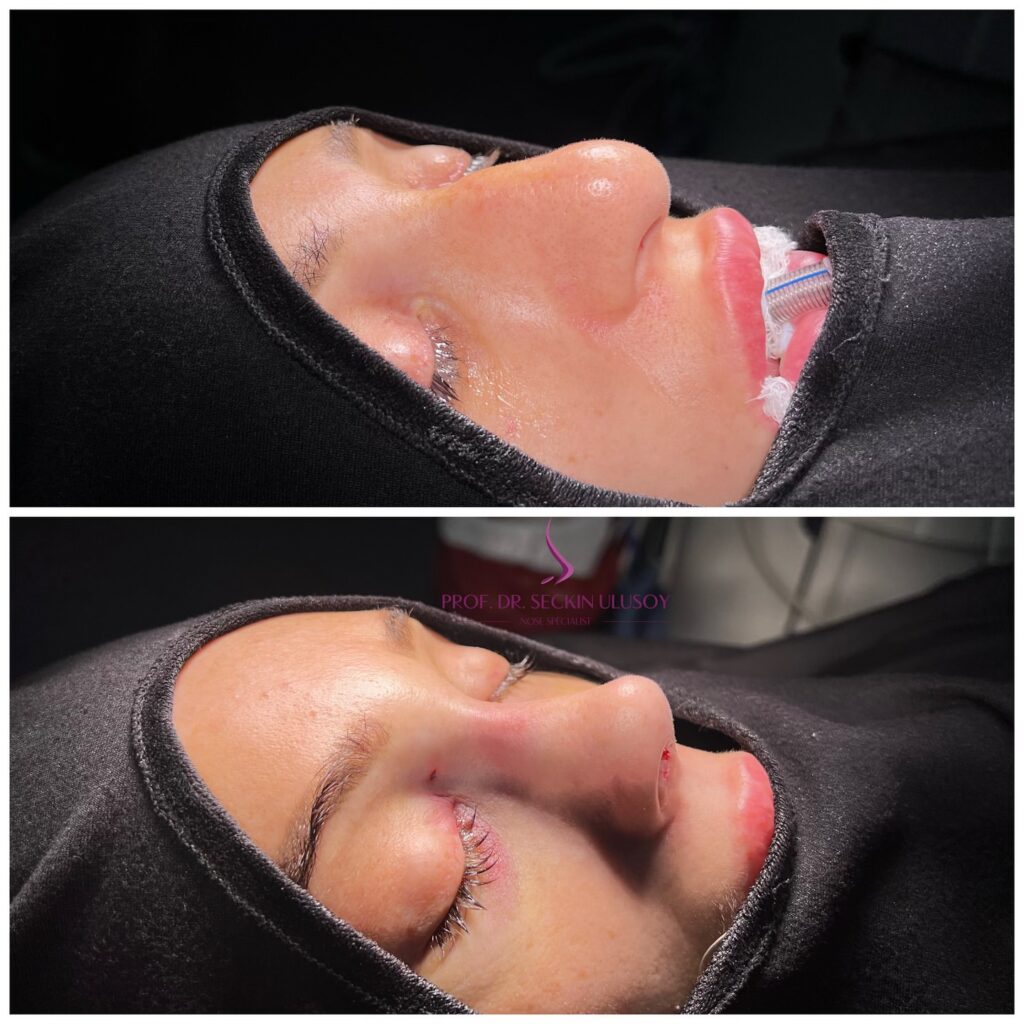
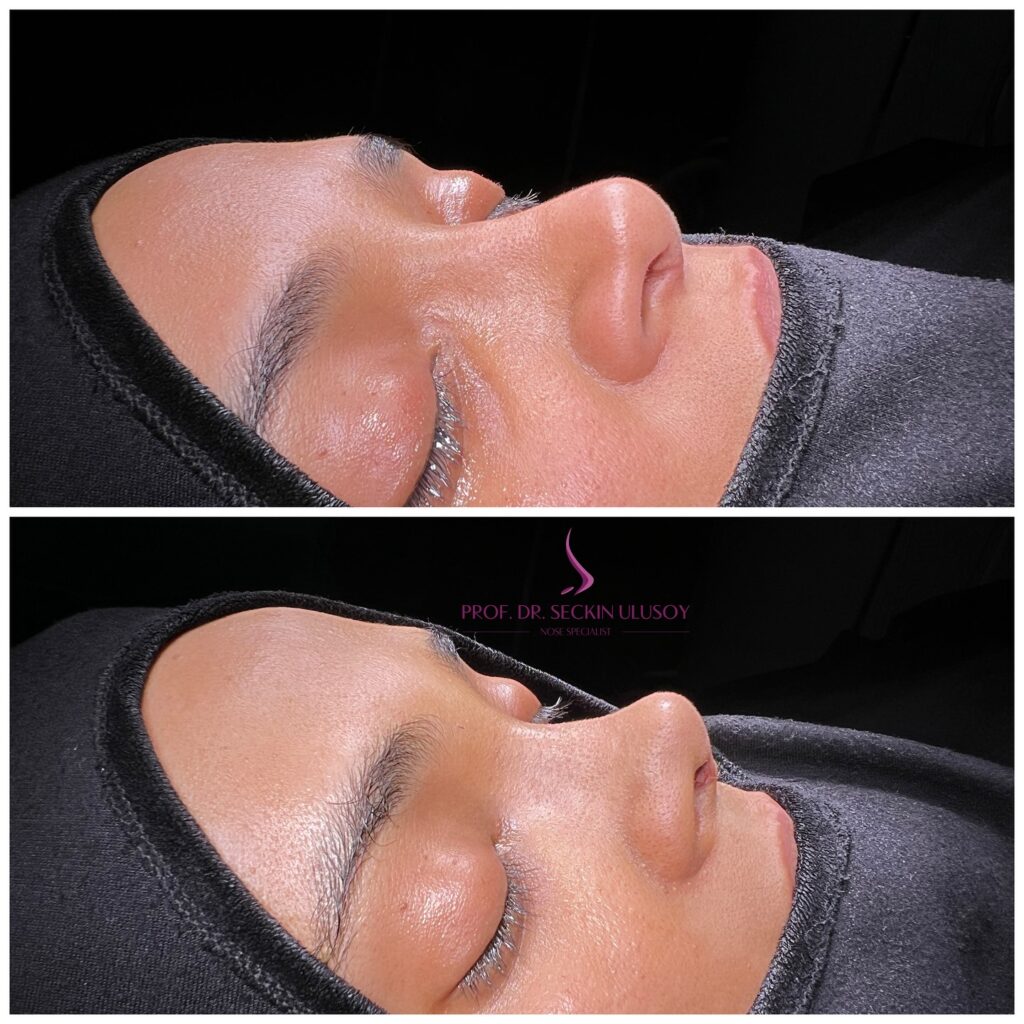
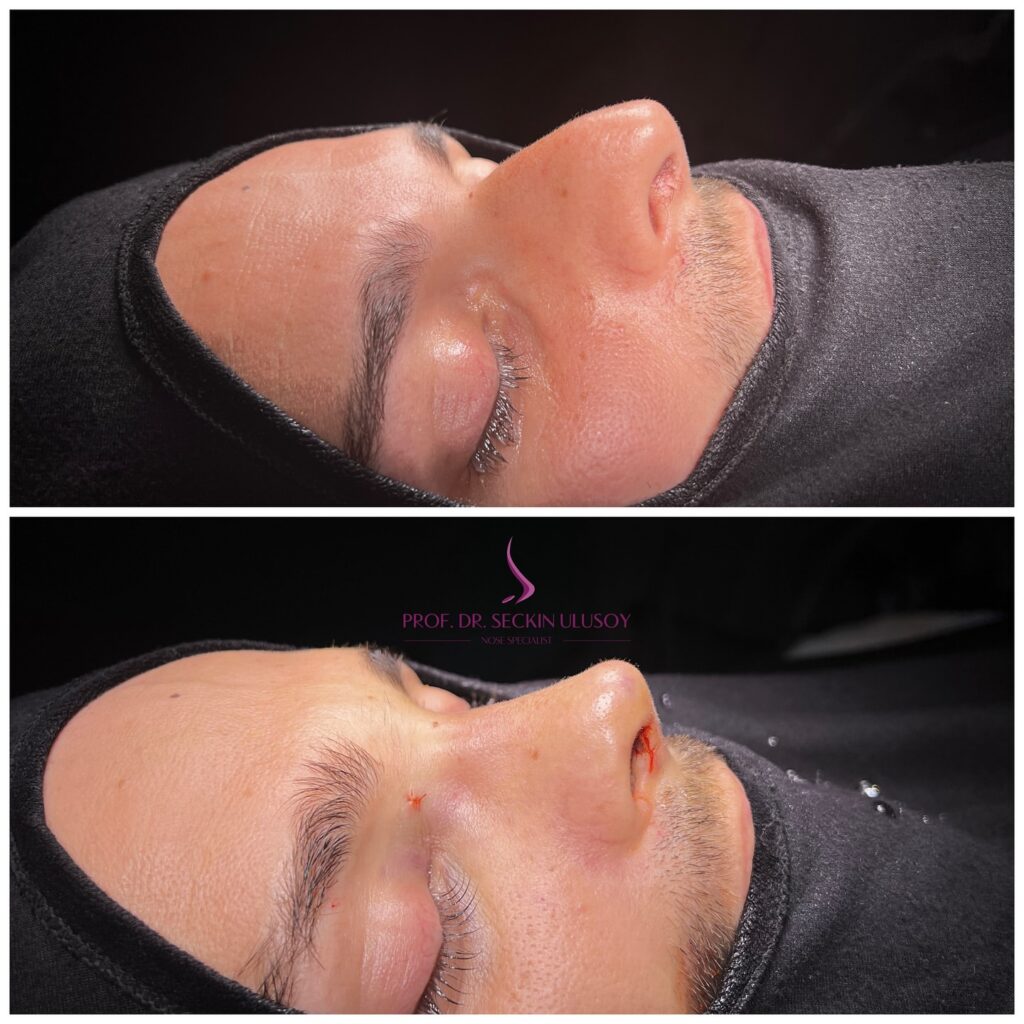
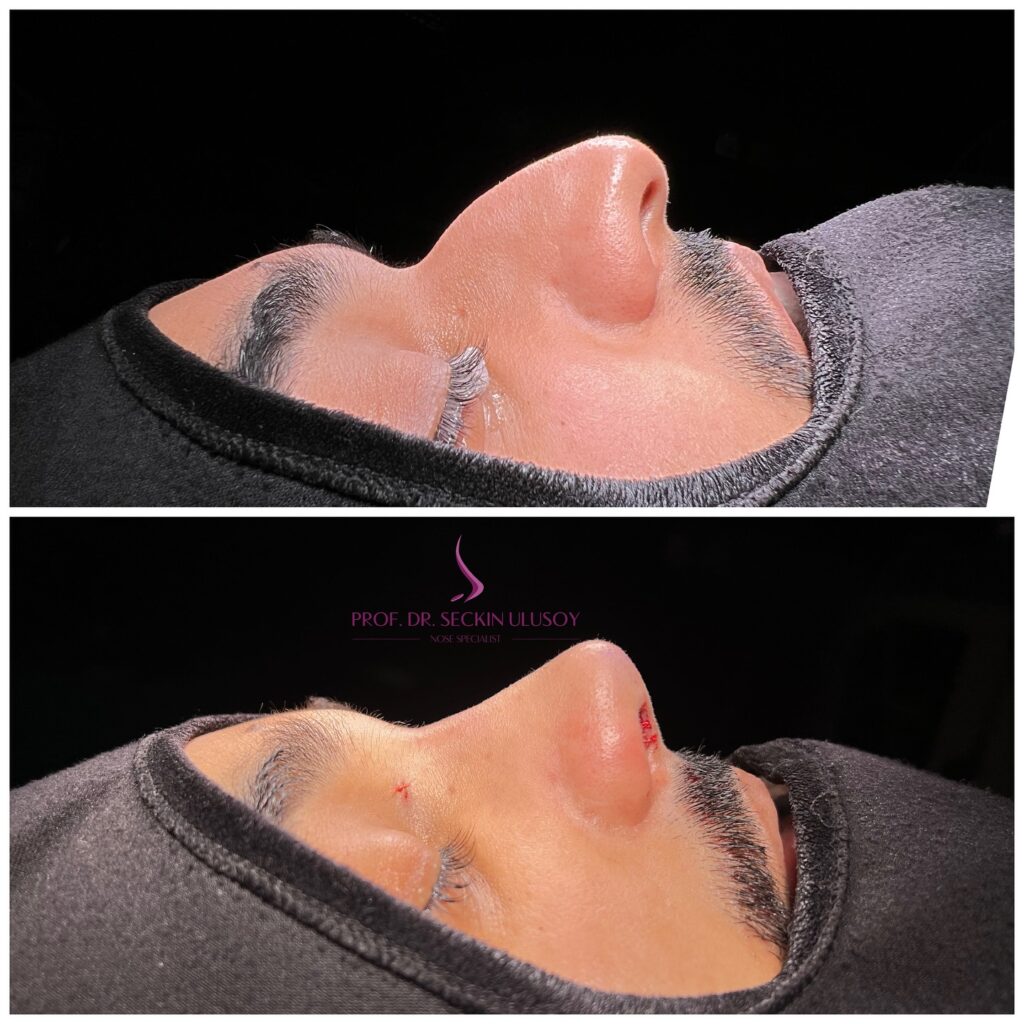
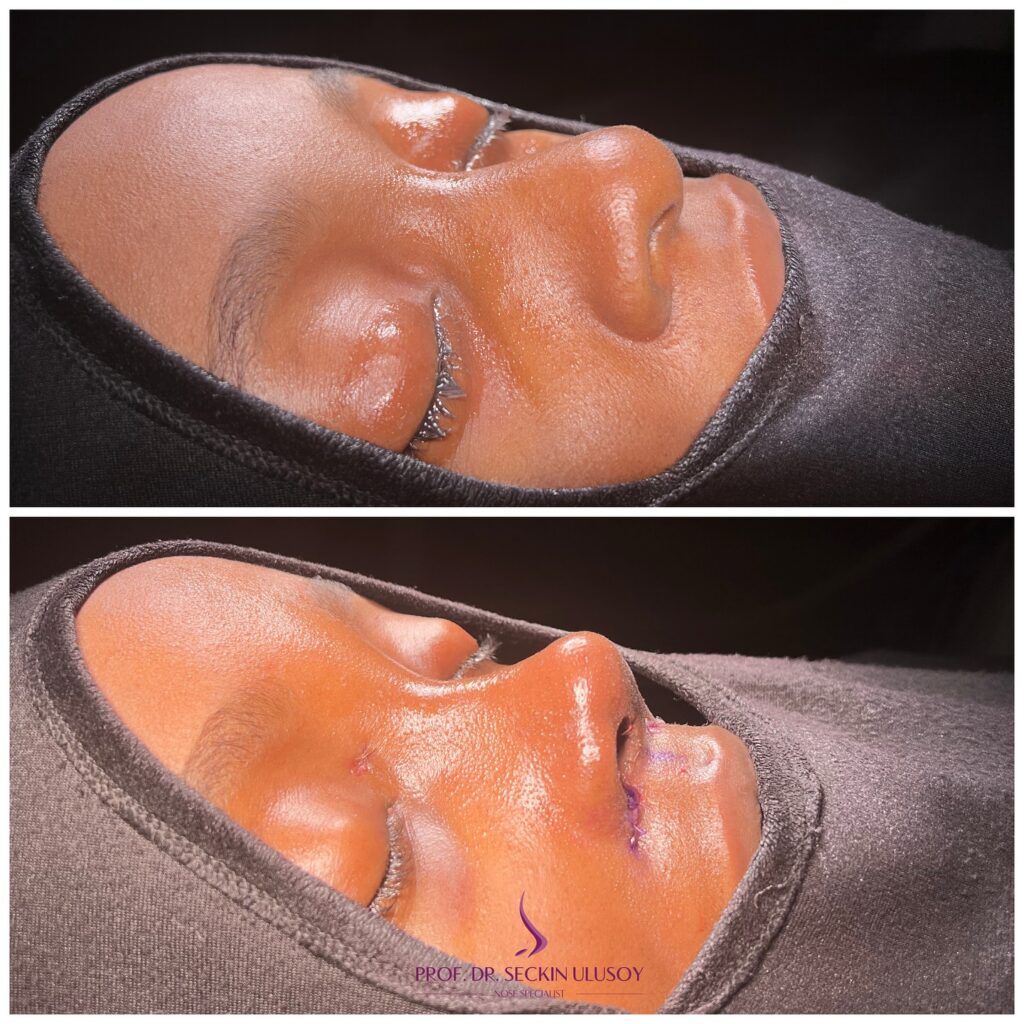
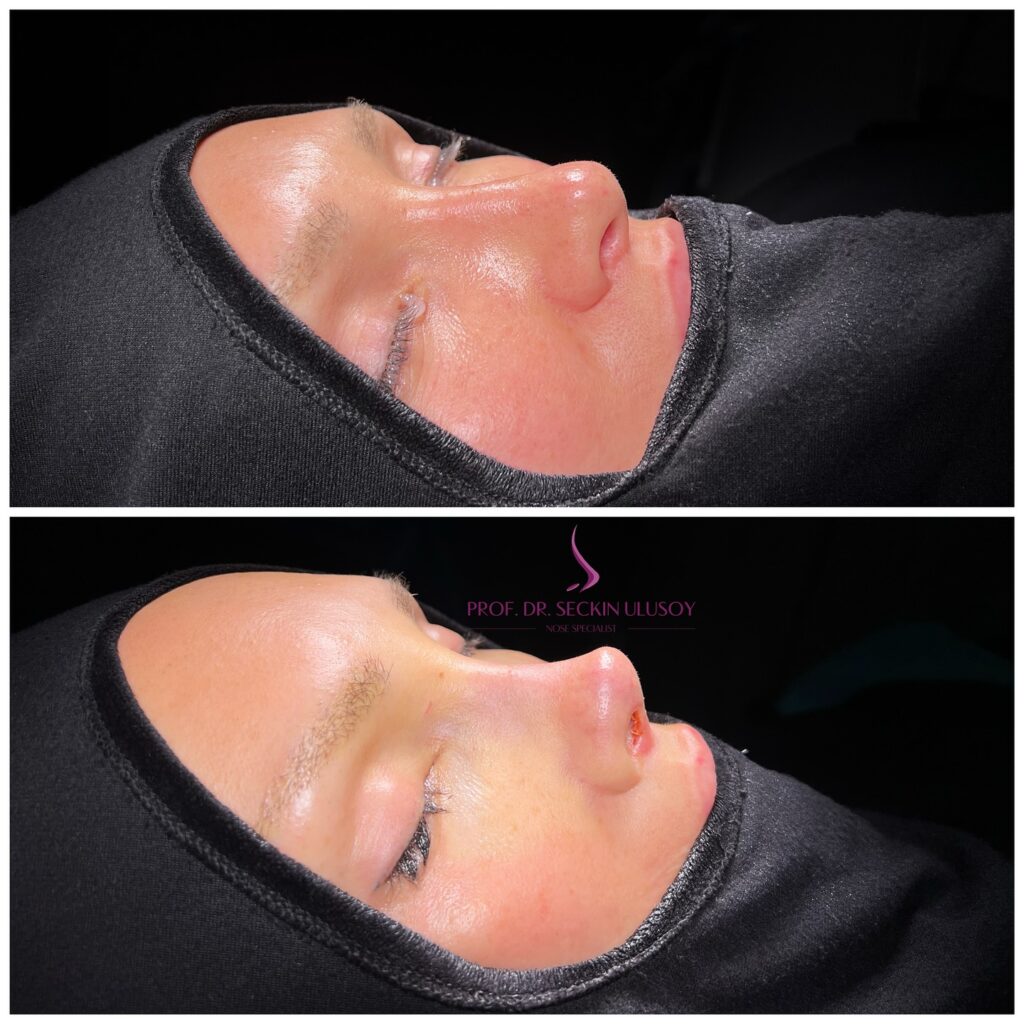
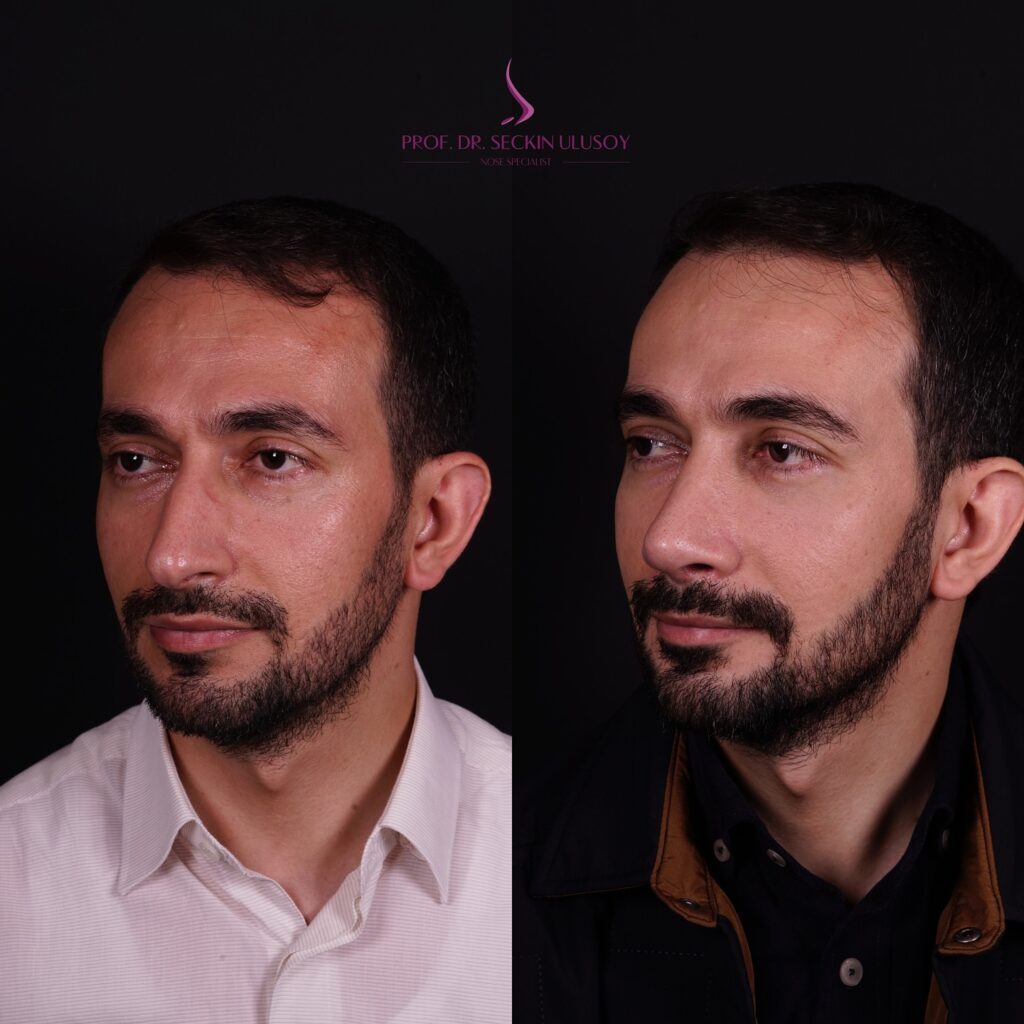
Before-and-After Gallery Review
The surgeon’s portfolio is a visual representation of their work and artistic style.
- Natural-Looking Results: Look for noses that appear natural and harmonious with the rest of the patient’s face. Avoid portfolios filled with overly “done” or unnatural-looking results.
- Variety of Cases: Does the gallery showcase a range of nose types and corrections (e.g., dorsal humps, wide tips, ethnic rhinoplasty, revision cases)? This demonstrates versatility.
- Consistency: Are the results consistently good across different patients? Look for symmetry, well-defined contours, and good healing.
- Pre- and Post-Operative Photos: Ensure the photos clearly show the “before” and “after” from similar angles and lighting conditions.
Patient Testimonials and Reviews
What do previous patients say about their experience?
- Reputable Platforms: Look for reviews on independent platforms, hospital websites, or professional networking sites. Be wary of testimonials solely featured on the surgeon’s own website, as these may be curated.
- Detailed Experiences: Seek out reviews that describe the entire patient journey – from the initial consultation to recovery and final results.
- Common Themes: Are there recurring positive comments about the surgeon’s skill, bedside manner, and the clinic’s staff? Conversely, are there consistent negative remarks?
- Realistic Expectations: Do patient outcomes seem to align with what is realistically achievable?
Surgical Philosophy and Approach
Every surgeon has a unique way of approaching rhinoplasty. Understanding their philosophy is key to ensuring it aligns with your desires.
- Emphasis on Preservation: Does the surgeon favor techniques that preserve nasal structure where possible, especially in revision cases?
- Functional Integration: Do they routinely assess and address breathing issues during aesthetic rhinoplasty?
- Artistic Sensibility: Do they speak about creating facial harmony and enhancing natural beauty?
- Personalized Plans: Do they emphasize creating a tailored surgical plan for each individual, rather than a one-size-fits-all approach?
Consultation Experience
The initial consultation is your opportunity to assess the surgeon and clinic firsthand.
- Thoroughness: Does the surgeon take ample time to listen to your concerns, examine your nose (both externally and internally, if possible), and discuss your goals?
- Clear Communication: Do they explain the procedure, potential risks, recovery process, and expected outcomes in a way that is easy to understand?
- Realistic Expectations: Does the surgeon set realistic expectations, or do they make promises that seem too good to be true?
- Answering Questions: Are they patient and thorough in answering all your questions?
- Technology Use: Do they use advanced imaging software to show you potential results? While helpful, remember these are simulations and not guarantees.
Researching Specific Surgeons: A Checklist
- Identify Potential Surgeons: Use online directories, hospital websites, professional association listings, and recommendations (with caution).
- Verify Credentials: Check board certifications (e.g., GMC in the UK, BÄK in Germany, Conseil National de l’Ordre des Médecins in France).
- Review Before-and-After Galleries: Look for consistency and natural results.
- Read Patient Reviews: Seek out independent platforms.
- Check for Specialization: Confirm their focus is on rhinoplasty.
- Investigate Hospital Affiliations: Are they associated with reputable institutions?
- Schedule Consultations: Plan meetings with 2-3 top candidates.
The Consultation Process: What to Expect
The initial consultation is your critical opportunity to interview your potential surgeon and determine if they are the right fit for you.
During the Consultation
- Medical History: Be prepared to discuss your complete medical history, including any previous surgeries, allergies, medications, and existing health conditions. Honesty is crucial for your safety.
- Nasal Examination: The surgeon will carefully examine the external structure of your nose, assessing its symmetry, proportions, and skin thickness. They may also use an endoscope to look inside your nostrils and evaluate the septum and turbinates for any functional issues.
- Discussion of Goals: Clearly articulate what you hope to achieve with the surgery. Bring reference photos if you have specific aesthetic ideas, but understand these are for inspiration, not exact replication.
- Surgical Plan Outline: The surgeon will discuss the proposed surgical approach, outlining the specific techniques they might use to address your concerns. They will explain what is realistically achievable.
- Risk Assessment: A thorough discussion of potential risks and complications is mandatory. This includes general surgical risks (infection, bleeding, anesthesia complications) and specific risks related to rhinoplasty (breathing difficulties, numbness, asymmetry, need for revision).
- Recovery Timeline: The surgeon will provide an estimated timeline for recovery, including when swelling will subside, when you can return to normal activities, and when the final results will be apparent (often up to a year or more).
- Cost Discussion: You should receive a clear breakdown of the surgical fees, anesthesia costs, facility fees, and any potential follow-up costs.
Questions to Ask Your Surgeon
Prepare a list of questions to ensure you gather all necessary information.
- “How many rhinoplasties do you perform each year?”
- “What percentage of your practice is dedicated to rhinoplasty?”
- “Can you show me before-and-after photos of patients with similar noses and concerns to mine?”
- “What specific techniques do you plan to use for my surgery?”
- “What are the most common risks associated with this procedure for a patient like me?”
- “How do you manage potential complications?”
- “What is your approach to functional breathing issues during rhinoplasty?”
- “What should I expect during the recovery period?”
- “When will I see the final results?”
- “Do you perform revision rhinoplasty? If so, what is your experience with complex cases?”
- “What are the qualifications of the anesthesiologist?”
- “Where will the surgery be performed (hospital, accredited surgical center)?”
Frequently Asked Questions
Who Are Considered the Best Rhinoplasty Surgeons in Europe?
The best rhinoplasty surgeons in Europe are typically recognized for their extensive experience, board certifications, specialized rhinoplasty expertise, and consistent patient satisfaction. The ideal surgeon varies depending on individual goals and needs.
How Can I Find the Best Rhinoplasty Surgeon in Europe?
Research surgeon credentials, review before-and-after photos, read patient testimonials, verify professional memberships, and schedule consultations to discuss your expectations and treatment options.
Which European Countries Are Popular for Rhinoplasty?
Countries such as Turkey, Germany, Italy, Spain, France, and the United Kingdom are well known for offering advanced rhinoplasty procedures performed by experienced surgeons.
What Qualifications Should a Rhinoplasty Surgeon Have?
A qualified rhinoplasty surgeon should be board-certified, have specialized training in facial plastic surgery or plastic surgery, and possess substantial experience performing nasal procedures.
Why Is Surgeon Experience Important in Rhinoplasty?
Rhinoplasty is a highly complex procedure that requires both technical skill and artistic judgment. Experienced surgeons are often better equipped to achieve natural-looking and functional results.
Should I Travel Abroad for Rhinoplasty?
Traveling abroad for rhinoplasty can be a good option if you choose a reputable surgeon and clinic. It is important to consider factors such as follow-up care, travel arrangements, and recovery time.
How Can I Verify a Surgeon’s Reputation?
You can verify a surgeon’s reputation by reviewing independent patient feedback, examining before-and-after galleries, checking professional credentials, and confirming memberships in recognized medical organizations.
Do the Best Rhinoplasty Surgeons Offer Online Consultations?
Yes, many leading rhinoplasty surgeons in Europe provide virtual consultations for international patients, allowing them to discuss treatment goals and receive preliminary evaluations before traveling.
Are More Expensive Rhinoplasty Surgeons Always Better?
Not necessarily. While experience and reputation may influence pricing, the most important factors are the surgeon’s qualifications, expertise, communication, and ability to achieve results that match your goals.
What Questions Should I Ask During a Rhinoplasty Consultation?
You should ask about the surgeon’s experience, expected outcomes, recovery timeline, potential risks, revision rates, and whether the proposed treatment plan is tailored to your facial anatomy and aesthetic objectives.