What Does Goiter Surgery Mean?
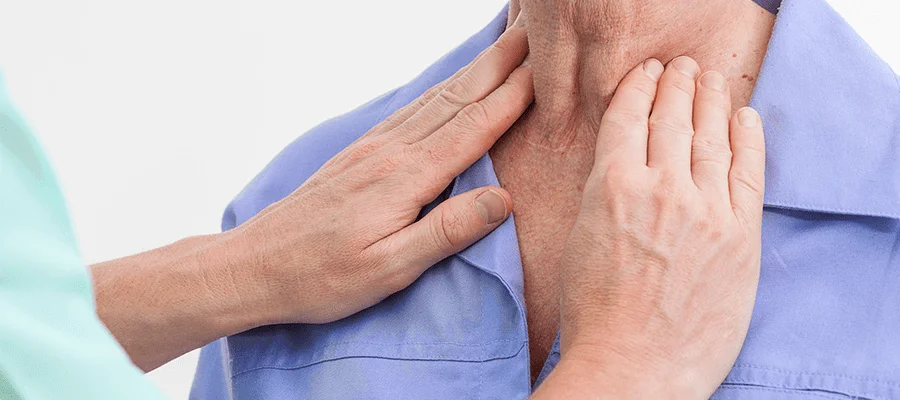
We can think of the thyroid gland as the engine of our body. This small organ, which sits like a butterfly at the front of our neck, regulates our metabolic rate, body temperature, heart rhythm, and general energy level through the hormones it produces. When a problem arises in this important organ, such as uncontrolled enlargement (goiter), a suspicious nodule, or excessive hormone production (hyperthyroidism), goiter surgery becomes an option.
This surgery basically has two different scopes, and this directly affects your life after surgery. If we need to remove the entire gland, we call this a “total thyroidectomy.” In this case, since the body will no longer be able to produce its own thyroid hormone, you will need to take this hormone externally every day in the form of a small pill. This is a lifelong condition. The other option is a “partial thyroidectomy,” in which we remove only the problematic part of the gland, for example one lobe. In this scenario, the remaining healthy thyroid tissue usually continues to meet the body’s hormone needs, and the necessity of continuous medication use may disappear. Which method is right for you is a shared decision made according to the type and extent of your disease.
Which Conditions Require Goiter Surgery?
Not every goiter or every nodule is operated on. Most of the time, regular follow-up alone is sufficient. There are certain basic conditions that lead to the decision for surgery and direct us toward surgical treatment. Suspicion of cancer is the foremost of these conditions, while other important reasons are factors that directly affect the patient’s quality of life.
The main conditions requiring goiter surgery are as follows:
- Cancer or serious suspicion of cancer
- Symptoms of pressure on the windpipe or esophagus
- Excessive hormone production that cannot be controlled with medication
- Significant cosmetic concerns that disturb the patient
Pressure symptoms occur when the enlarged thyroid compresses neighboring organs. Shortness of breath that worsens especially when lying on the back, difficulty swallowing, a sensation of food getting stuck in the throat, or a constant feeling of fullness in the neck are strong indications for surgery. In cases of hyperthyroidism, options such as medication or radioactive iodine treatment are also available. However, when the gland is very large, medications are insufficient, or serious eye findings accompany the condition, surgery may be the most definitive and permanent solution.
How Is Cancer Suspicion Evaluated Before Goiter Surgery?
Understanding whether a thyroid nodule carries a cancer risk is like putting together the pieces of a puzzle. We try to reach the most accurate conclusion by combining many pieces of information, such as the patient’s history, examination findings, ultrasound, and biopsy results. This careful evaluation prevents unnecessary surgeries while ensuring that risky nodules are treated in a timely manner.
There are some important clues that increase suspicion of cancer:
- Rapid growth of the nodule
- Being hard and attached to surrounding tissues during examination
- Suspicious lymph nodes that can be felt in the neck
- A family history of thyroid cancer
- The patient being a child or of advanced age
- Previous radiation treatment to the head and neck region
- Unexplained hoarseness or difficulty swallowing
Our most valuable aid in this process is ultrasound. We assess the structure, borders, calcifications, and blood supply of the nodule and assign a risk level. If the ultrasound findings are suspicious, we use fine-needle aspiration biopsy, which is the gold standard for definitive diagnosis. Biopsy reveals with great accuracy whether the nodule is benign or malignant and directly shapes our treatment plan.
Which Preliminary Tests Are Performed for Goiter Surgery?
After finalizing the decision for surgery, we perform a series of evaluations to prepare you for surgery in the safest possible way and to plan the surgical strategy correctly. These tests act like a roadmap and allow us to minimize risks.
The basic evaluations generally performed before surgery are as follows:
- Blood tests (TSH, T3, T4 hormone levels)
- Neck ultrasonography (USG)
- Fine-needle aspiration biopsy (FNAB)
- Vocal cord examination (Laryngoscopy)
- Computed tomography (CT) or MRI (only in special cases)
Blood tests allow us to understand how much your thyroid gland is functioning. If there is overactivity (hyperthyroidism), bringing hormone levels back to normal with medication before surgery is critically important to prevent serious risks during the operation. Vocal cord examination is indispensable, especially for an Ear, Nose, Throat and Facial Plastic Surgeon. Knowing the condition of your vocal cords before surgery allows us to interpret possible postoperative voice changes correctly and use the most delicate techniques to protect your voice.
How Should the Preparation Process Before Goiter Surgery Be?
Preparing for surgery is a team effort between you and us. Every step in this process is designed to ensure your safety and accelerate your recovery.
There are some important points you should pay attention to while preparing for surgery:
- Informing your doctor about all medications you use, especially blood thinners
- Not stopping any medication or changing its dose without your doctor’s approval
- Quitting smoking at least 4 weeks before surgery
- Stopping alcohol consumption after the surgery is planned
- Stopping eating and drinking on the night of surgery, usually after midnight
- Coming to the hospital in comfortable clothing on the day of surgery
- Removing accessories such as jewelry, nail polish, makeup, and piercings
- Arranging for a relative to accompany you on your return home
It is a scientific fact that smoking delays wound healing and increases anesthesia risks. Therefore, quitting smoking before surgery is one of the greatest investments you can make in your recovery process. Having an empty stomach during anesthesia is also vital to prevent dangerous conditions such as stomach contents entering your lungs.
Which Basic Techniques Are Used for Goiter Surgery?
Goiter surgery is named according to the amount of thyroid tissue removed, in other words, according to the scope of the operation. Which technique is selected is determined according to the type and extent of your disease and your individual condition.
Total Thyroidectomy: In this technique, the entire thyroid gland is removed. It is generally the standard approach preferred in conditions such as thyroid cancer, nodular goiter that extensively affects both sides of the gland, or Graves’ disease. Lifelong thyroid hormone medication is required after this operation.
Partial Thyroidectomy: In this technique, only the problematic part of the thyroid gland, usually one lobe, is removed. Its greatest advantage is the possibility that the remaining healthy tissue will continue to produce hormones. This may eliminate the need for permanent medication use. It is generally performed in benign conditions or conditions limited to a single nodule.
How Is Traditional Open Goiter Surgery Performed?
Traditional open goiter surgery is the most commonly performed gold-standard method worldwide, with proven safety and effectiveness. This operation is performed under general anesthesia, meaning while you are completely asleep. The duration of the operation generally varies between 1.5 and 3 hours depending on the size of the thyroid tissue to be removed and the scope of the operation, whether partial or total.
As a Facial Plastic Surgery specialist, one of my main goals in this operation is to achieve aesthetic success as well as functional success. For this reason, the incision is planned within a natural skin fold of the neck in a way that provides the best possible aesthetic result. During the operation, the vessels supplying the thyroid gland are carefully tied and divided. The most critical stage of the operation is preserving the nerves that move the vocal cords and the parathyroid glands that regulate the body’s calcium balance. These delicate structures are carefully separated from the thyroid tissue and preserved. When necessary, we use special nerve monitors that allow us to check nerve function during the operation. Finally, the diseased tissue is removed, and the incision is closed in layers with aesthetic sutures.
Is Goiter Surgery Without a Visible Neck Scar Possible?
Yes, this is definitely possible with today’s technology. Especially for patients who do not want a visible scar on the neck, modern surgical approaches have been developed that move the incision completely away from the neck to hidden areas of the body. These methods are known as “scarless” or “hidden-scar” goiter surgery.
Some of these modern and aesthetically focused approaches are as follows:
- Minimally Invasive Video-Assisted Thyroidectomy (MIVAT)
- Transoral Endoscopic Thyroidectomy Vestibular Approach (TOETVA)
- Transaxillary Thyroidectomy
In the MIVAT method, the incision in the neck is kept much smaller. TOETVA is a truly “scarless” technique; since the operation is performed through small incisions made inside the mouth behind the lip, no scar remains on the neck. In the transaxillary approach, the incision is hidden in the armpit. All of these methods provide superior cosmetic advantages while offering results as effective as traditional surgery. However, not every patient may be suitable for these techniques. We decide together which method is most appropriate for you according to the condition of your disease and your expectations.
What Kind of Method Is Robotic Goiter Surgery?
Robotic goiter surgery is a type of minimally invasive surgery performed using advanced technology platforms such as da Vinci, which provide the surgeon with precision and vision beyond the natural capabilities of the human hand. It is important to emphasize that the robot does not perform any procedure on its own. Every moment and every movement of the operation is under the control of the surgeon sitting at the surgical console. The robot eliminates tremor and scales the surgeon’s hand movements, transforming them into much smaller and more precise movements in the surgical field.
This method is generally performed through an incision made in the armpit. Thanks to three-dimensional and magnified imaging, the surgeon performs the operation while seeing critical structures such as the vocal nerves and parathyroid glands very clearly. Its greatest advantage is the excellent cosmetic result it provides without leaving a scar on the neck. However, it also has disadvantages such as taking longer than traditional surgery, being more expensive, and not being suitable for every patient.
How Are the Voice Nerves and Calcium Glands Protected During Goiter Surgery?
The success of goiter surgery is measured not only by removing diseased tissue but also by preserving voice quality and calcium balance. This is the most delicate and important part of the operation.
Protection of the Voice Nerves: The “recurrent laryngeal nerve,” which enables the movement of our vocal cords, runs just behind the thyroid gland. The golden rule for protecting this nerve is to clearly identify it during surgery, carefully follow it along its entire course, and gently separate it from the thyroid tissue. During this delicate procedure, we use a technology called intraoperative neuromonitoring (IONM), which allows us to confirm nerve function instantly. This device provides us with important assurance in minimizing the risk of nerve damage.
Protection of the Parathyroid Glands: These usually four lentil-sized glands, which regulate the body’s calcium balance, are attached to the back of the thyroid. During surgery, we take maximum care to preserve these small glands together with the fine vessels that supply them. If we think that the blood supply of a gland has been impaired or if we unintentionally remove it from its position, we take a proactive step to preserve its function. We divide the gland into very small pieces and reimplant it into a neck muscle, usually the sternocleidomastoid muscle. This procedure, called autotransplantation, allows the gland to regain function in a new location and significantly reduces the risk of permanent low calcium levels.
What Conditions May Be Experienced in the First Days After Goiter Surgery?
The postoperative recovery process is generally faster and more comfortable than expected. Most of our patients can return home after staying in the hospital for one night. Most of the conditions you may experience during this period are a normal and temporary part of the healing process rather than a complication.
Common conditions you may encounter in the first days after surgery are as follows:
- Mild sore throat and difficulty swallowing
- Mild vocal fatigue or a cracked voice
- Temporary stiffness in the neck, shoulder, and back muscles
- Mild swelling and bruising in the wound area
Most of these complaints result from irritation caused by the tube inserted to maintain breathing during anesthesia or from swelling in the surgical area. The pain is generally not severe and can be easily controlled with simple painkillers. Cold drinks, ice cream, and throat lozenges may provide relief during this period. You can return to your normal daily activities within a few days and to work in approximately one week.
Is Goiter Surgery a Risky Operation?
This is one of the most frequently asked questions. When performed by experienced hands, goiter surgery is a very safe procedure. However, like every surgical procedure, it involves potential risks. It is important to know that most of these risks are “temporary” and permanent problems are quite rare.
Possible risks and complications specific to goiter surgery are as follows:
- Hypocalcemia (Low blood calcium level)
- Recurrent laryngeal nerve damage (Hoarseness)
- Bleeding (Hematoma)
- Surgical site infection
- Abnormal wound healing (Hypertrophic scar/Keloid)
The most common of these complications is temporary low calcium levels. It usually lasts a few days or weeks and can be easily managed with oral calcium and vitamin D supplements. Permanent hypocalcemia is much rarer. Similarly, most voice changes are temporary. These risks are minimized with an experienced surgeon and the correct techniques.
Will There Be a Permanent Change in My Voice After Goiter Surgery?
As an Ear, Nose and Throat surgeon, voice is one of the subjects I am most sensitive about. Postoperative voice changes are among the greatest concerns of our patients. I can state this clearly: the vast majority of these changes are temporary, and permanent, serious voice problems are rare.
The fatigue or mild hoarseness felt in the voice after surgery usually results not from nerve damage but from swelling in the surgical area or irritation caused by the anesthesia tube. This condition resolves spontaneously within weeks. In rarer cases caused by nerve damage, modern medicine offers many solutions. It is possible to significantly improve voice quality with voice therapy, temporary filler injections into the vocal cord, or surgical interventions such as “thyroplasty” in permanent cases.
What Should Be Done for the Surgical Scar to Heal in the Best Possible Way After Goiter Surgery?
The best possible healing of the surgical scar is a collaborative process that combines the surgeon’s meticulousness during the operation with the patient’s postoperative care. As a Facial Plastic Surgeon, I attach at least as much importance to the aesthetics of the scar as I do to the operation itself.
There are steps that should be taken for the best cosmetic result:
- Protection from the sun
- Moisturizing and massage
- Use of silicone-based products
- Laser treatments if necessary
- Surgical scar revision if necessary
The most critical of these steps is sun protection. Exposure of new and sensitive scar tissue to sunlight during the first year after surgery may cause the scar to darken permanently and become more visible. Therefore, the scar area should either be protected with a high-factor sunscreen or covered with clothing. After the incision has completely healed, usually after 2 weeks, keeping the area moisturized and gently massaging it as instructed by your surgeon helps the scar soften and flatten.
How Is Long-Term Follow-Up and Treatment Planned After Goiter Surgery?
Long-term management after goiter surgery, especially for patients whose entire thyroid gland has been removed, is a planned follow-up process aimed at maintaining the body’s new physiological balance throughout life.
Thyroid Hormone Treatment: If you have undergone a total thyroidectomy, you must use the thyroid hormone that your body can no longer produce, levothyroxine, every day for life. For this medication to be absorbed, it is critically important to take it in the morning on an empty stomach, at least 30-60 minutes before breakfast and other medications. The correct dose is determined with a blood test, TSH, performed approximately 6-8 weeks after surgery and is generally checked and adjusted once a year.
Cancer Follow-Up: Follow-up is more frequent and comprehensive for patients who have undergone surgery because of thyroid cancer. The aim of treatment is not only to replace the missing hormone but also to prevent the cancer from recurring. Therefore, additional tests such as neck ultrasonography and measurement of tumor markers, thyroglobulin, in the blood are performed at certain intervals.
Calcium Follow-Up: Patients who experience permanent low calcium levels after surgery must use calcium and vitamin D supplements for life and be monitored with regular blood tests.
In summary, my personal experience: I perform this operation using vessel-sealing systems, a 3.5 Loop, and the Medtronic NIM-3 nerve monitor. I have not encountered any major complications in approximately 250 patients I have operated on over the last 14 years. We used to see rare cases of unilateral nerve paralysis, but in recent years, with the contribution of new technologies, we no longer encounter them. Among all these cases, I have rarely encountered temporary parathyroid gland dysfunction, but these resolved over time and none became permanent. Despite all this, I always discuss with all of my patients who will undergo this operation the possibility, even though very low, of the complications mentioned above.