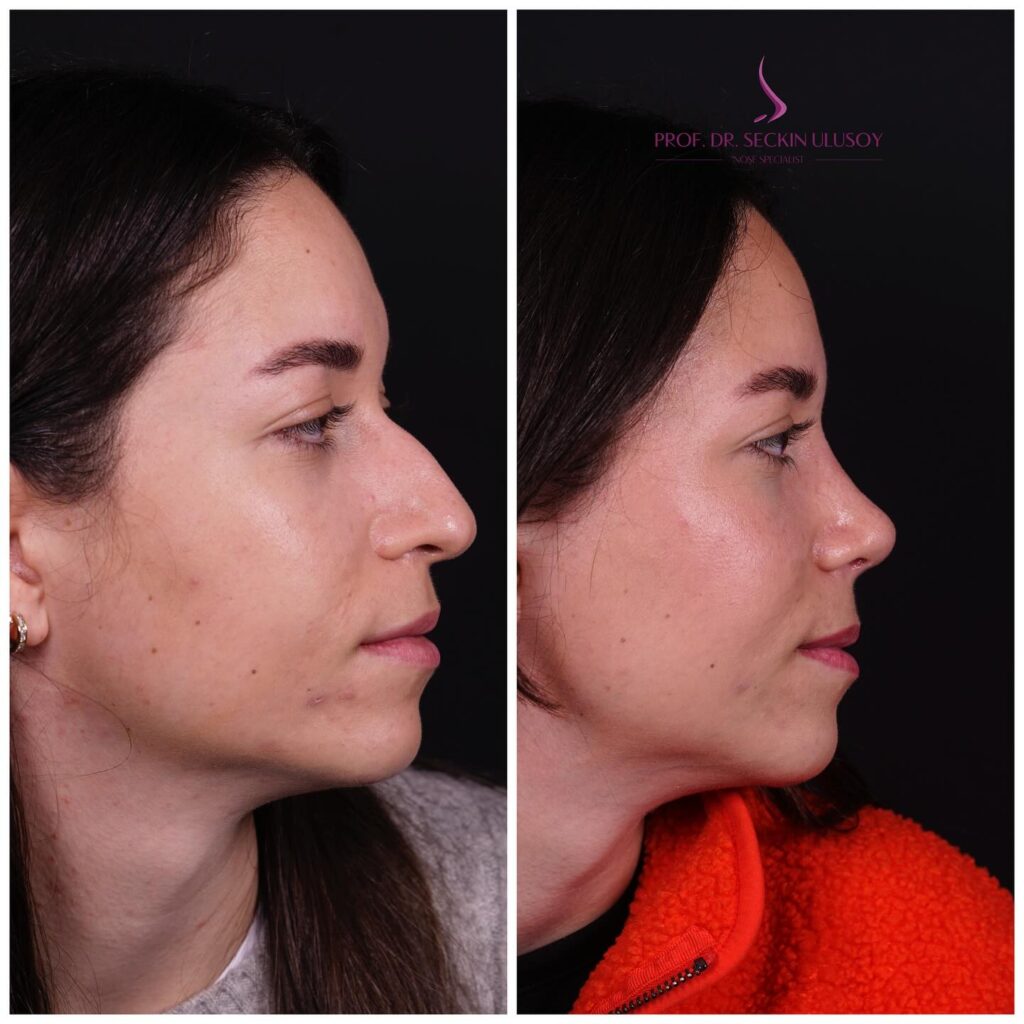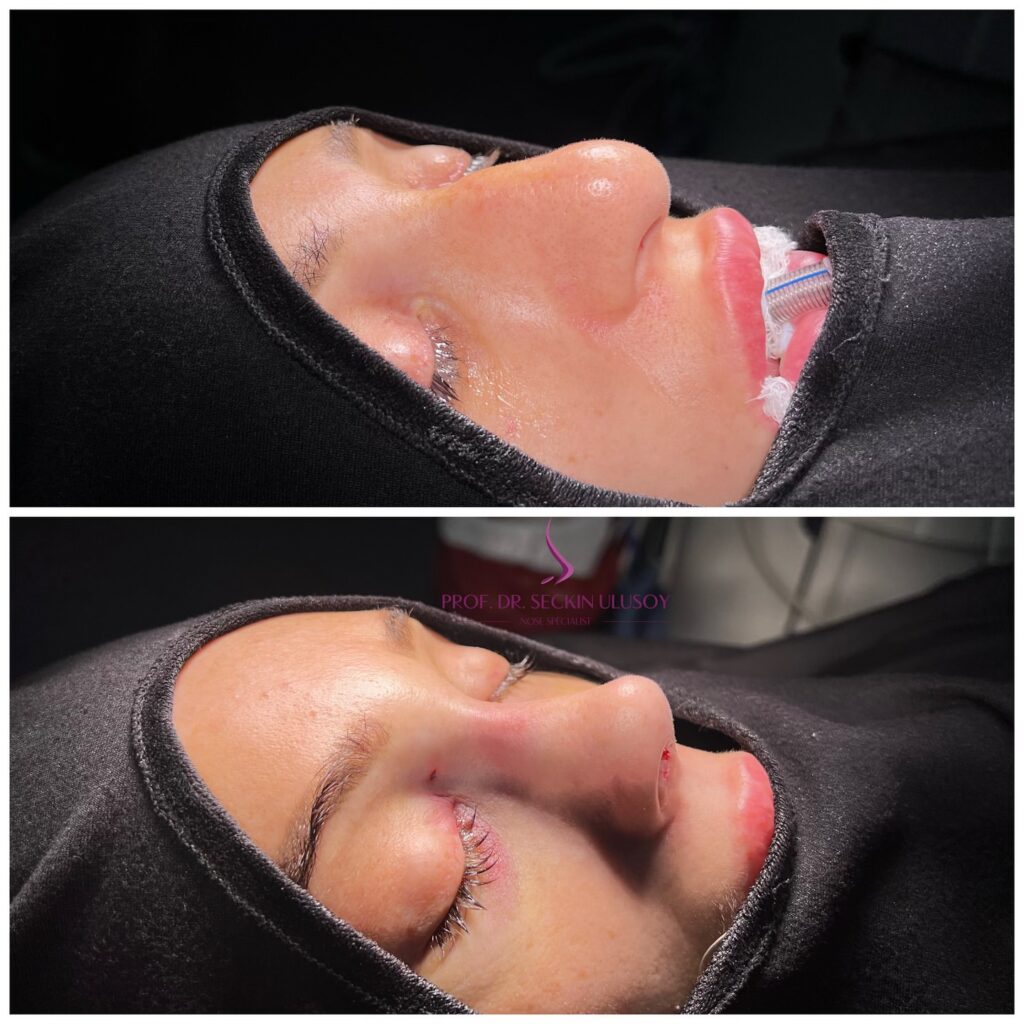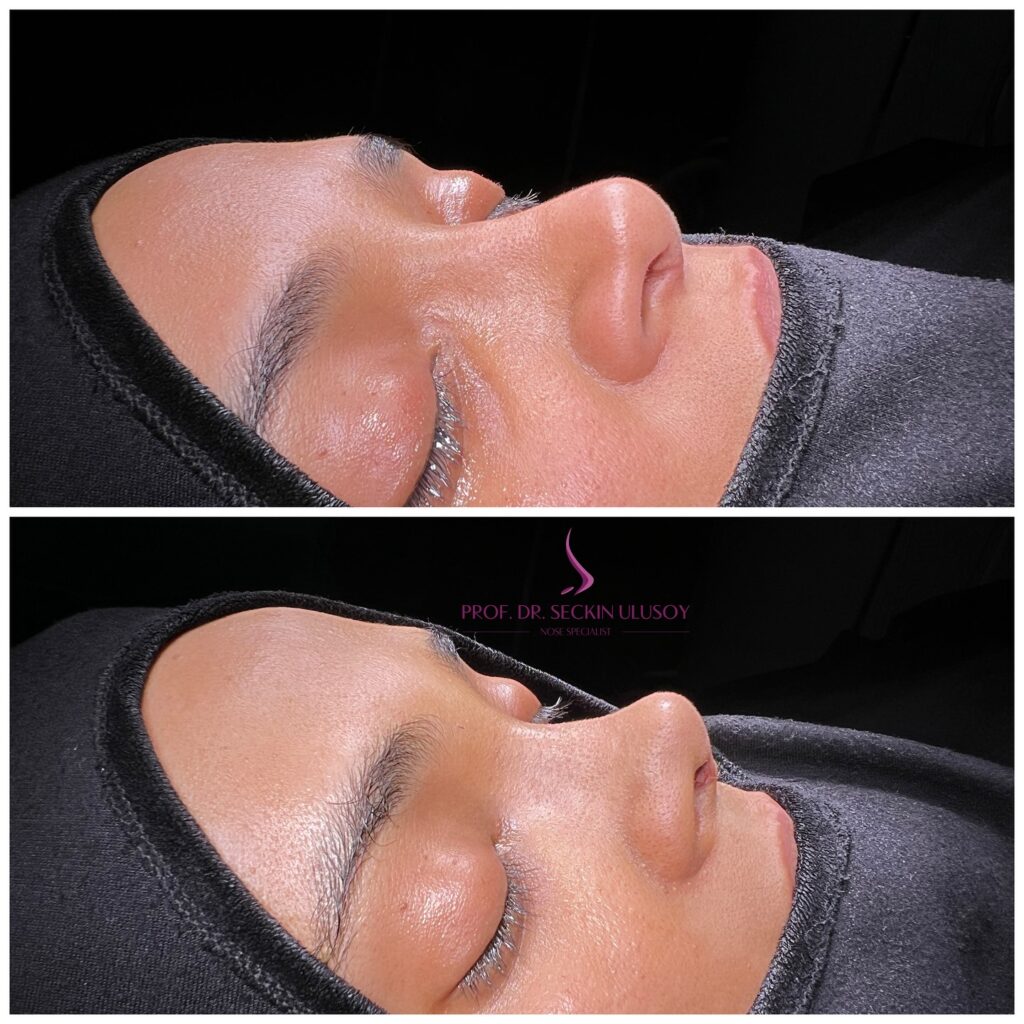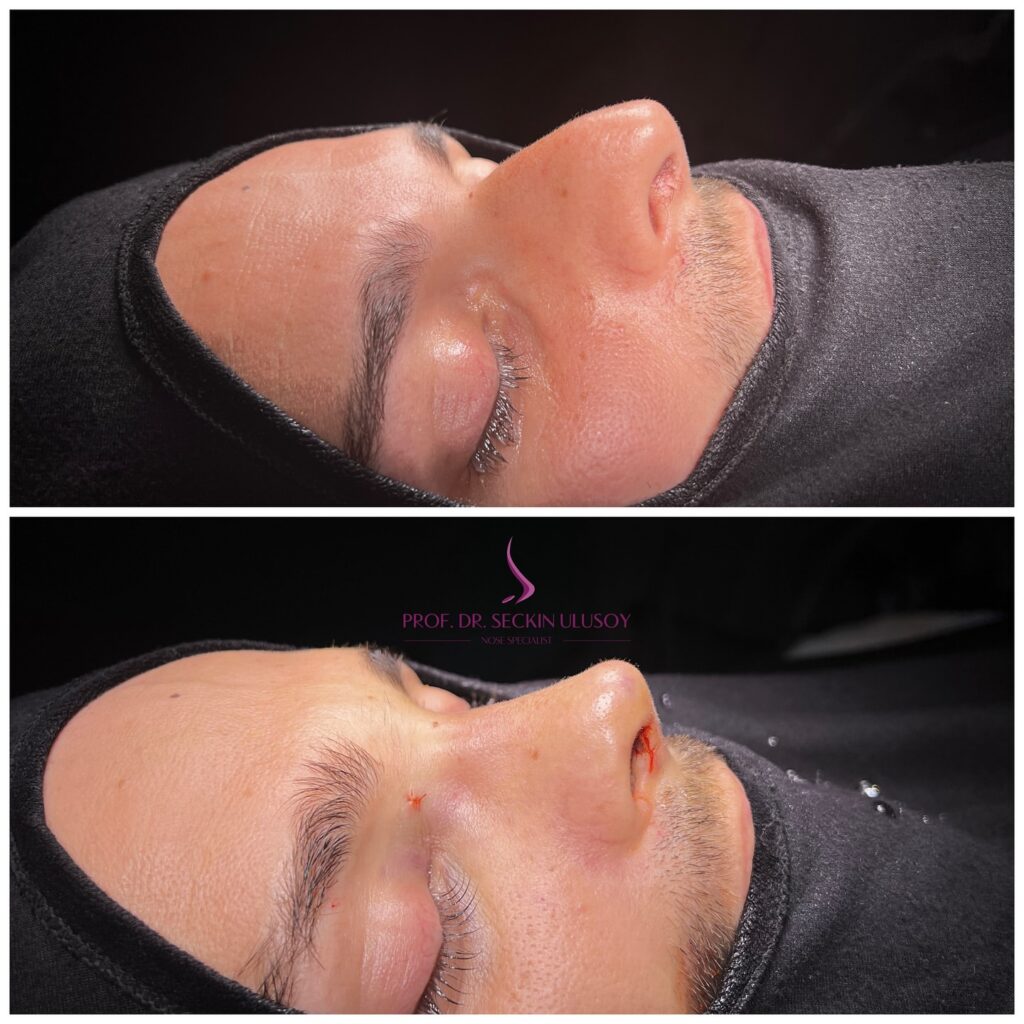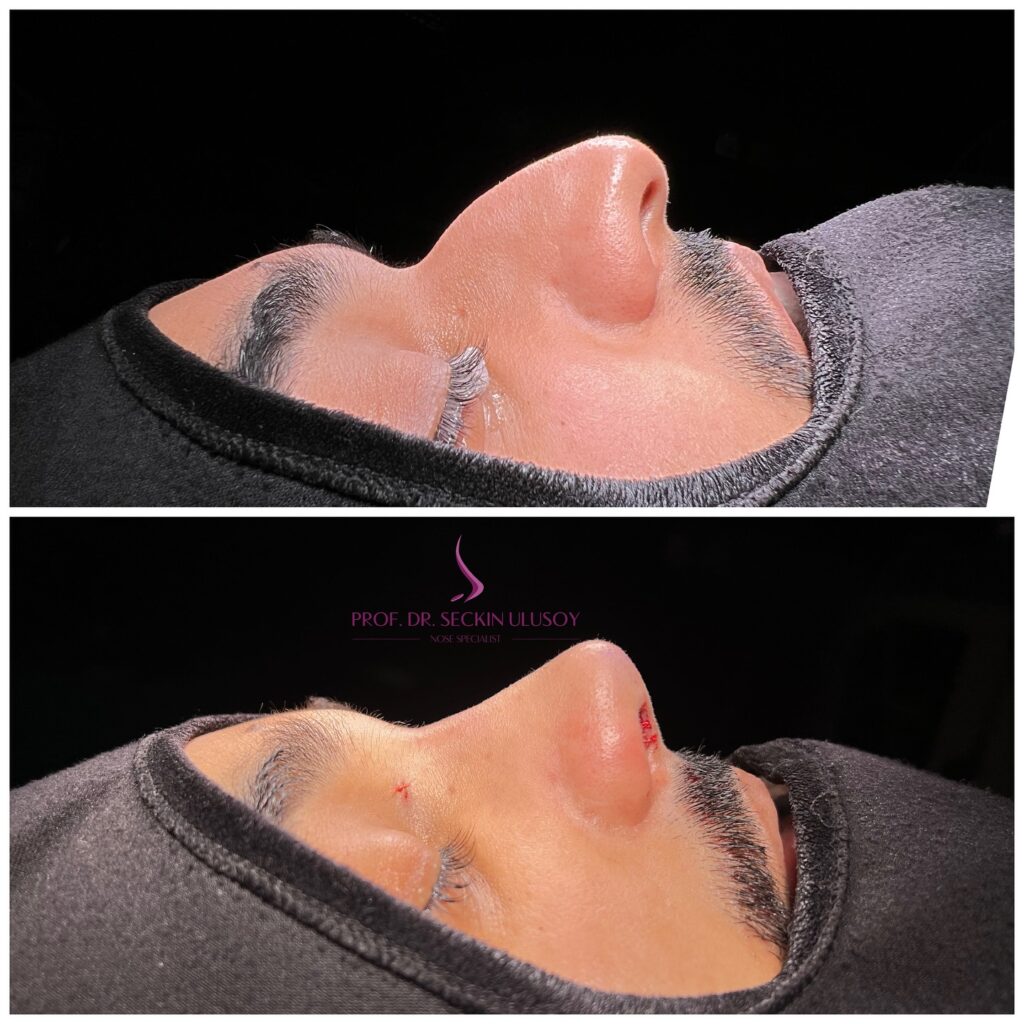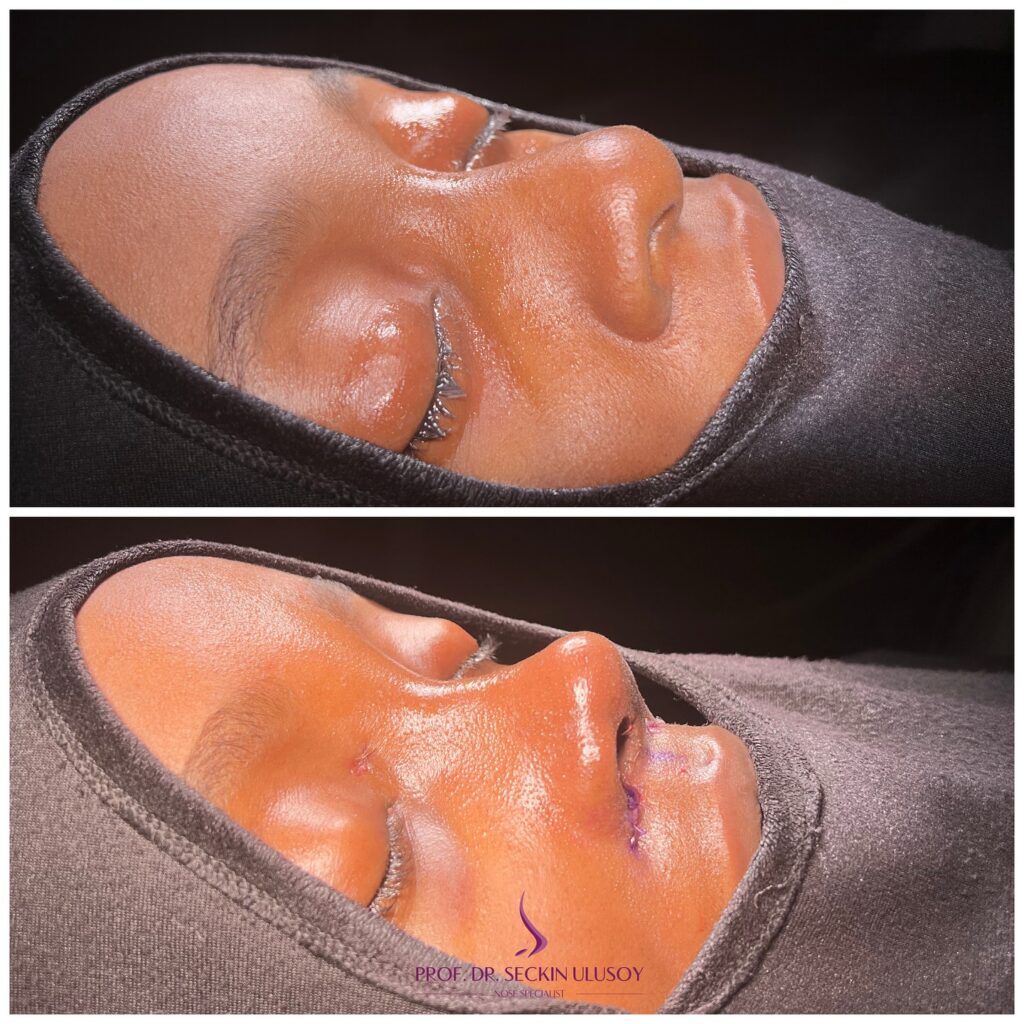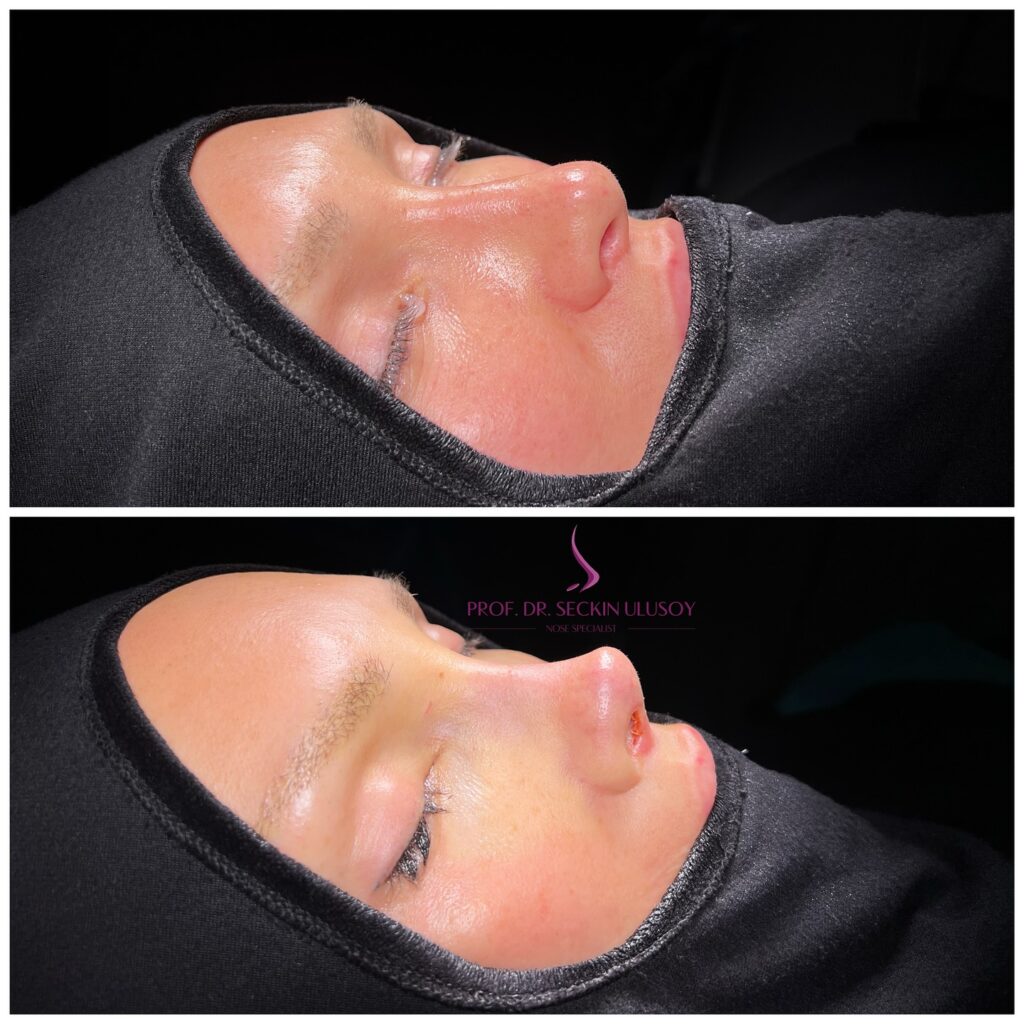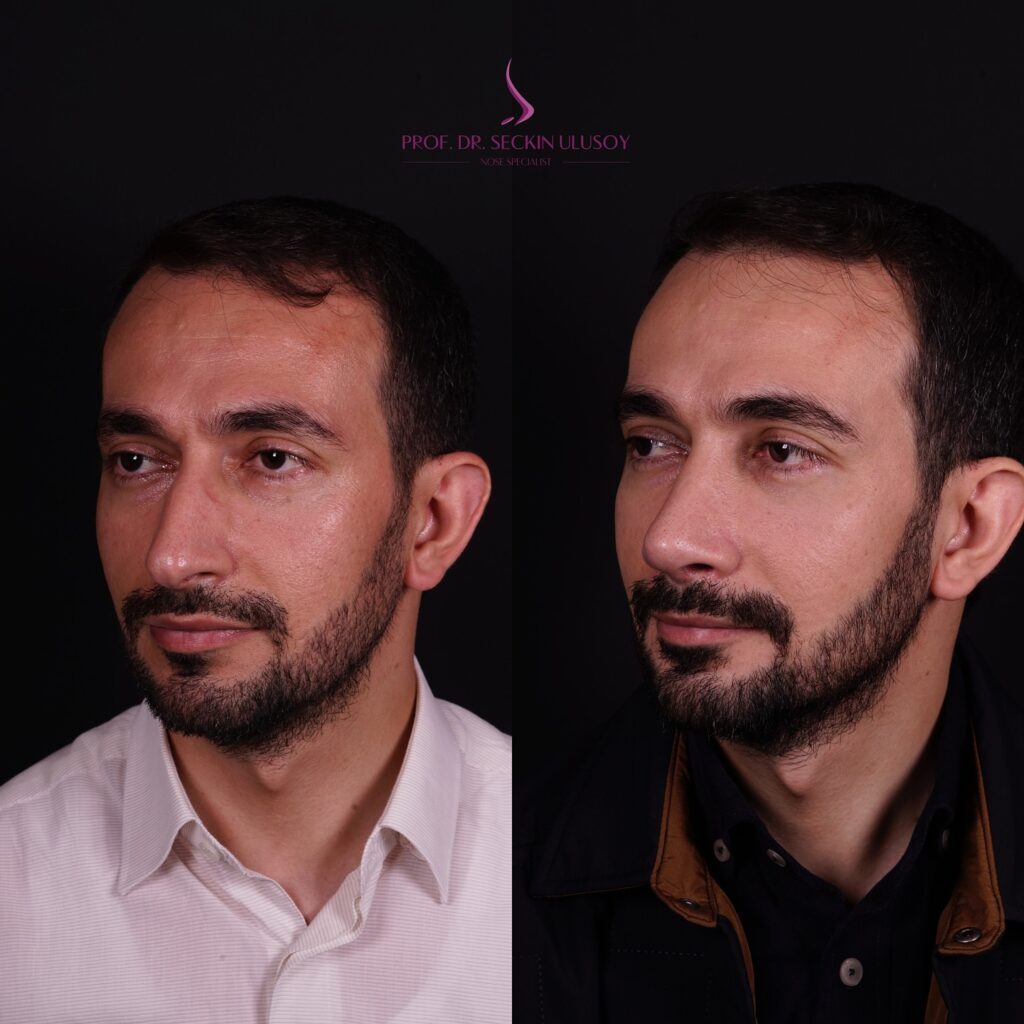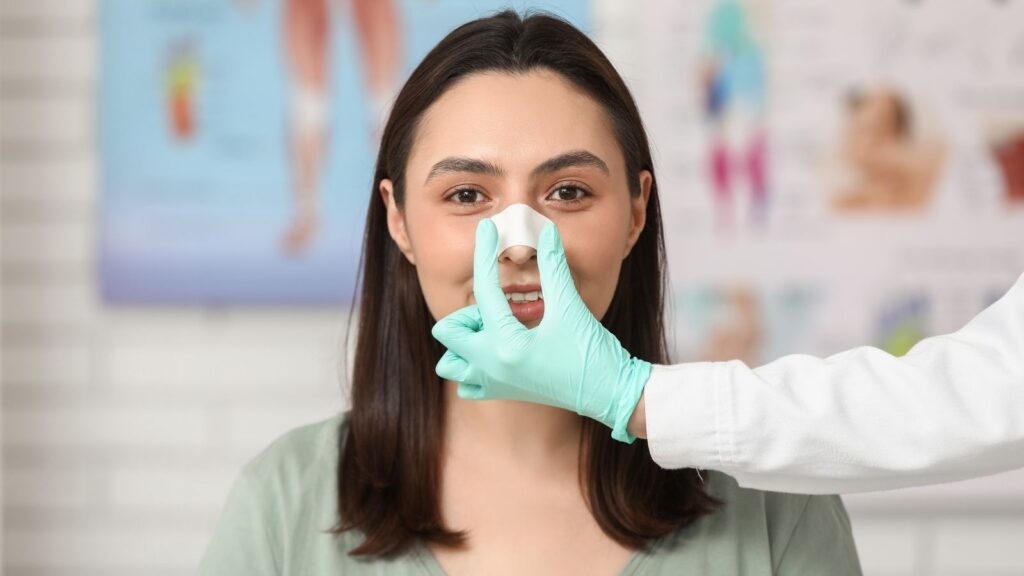
Comments from people who have undergone surgery for a deviated nasal bone generally agree that years of shortness of breath, poor sleep quality, and chronic fatigue are replaced by healthy and deep breathing after the operation. When patient experiences on digital platforms are examined, it can be seen that stories from previous years about painful tampon removal or excessive facial bruising have largely disappeared thanks to modern surgical techniques. Today, patients who undergo this operation frequently emphasize that the recovery process progresses much more comfortably compared with the past. For people conducting research, these current experiences clearly demonstrate how reliable and life-changing a step it can be to regain the health they have postponed.
Which Preoperative Complaints Do Patients Express Through Online Comments?
When the writings of people with a deviated nasal bone before surgery are examined, it becomes clear that the issue goes beyond a simple feeling of congestion. Most patients state that they spent a long period of their lives breathing inadequately and functioning at half capacity. Individuals who are forced to breathe through their mouths at night because their nasal passages are blocked emphasize that they pay the price for poor-quality sleep the next day with severe loss of energy.
The most common complaints in patients’ preoperative posts are as follows:
- Waking up tired and weak
- Severe dryness of the mouth and throat
- Severe snoring problems
- Risk of developing sleep apnea
- Getting tired quickly during the day
- Loss of endurance during sports activities
- Headaches in the facial region
- Recurrent sinusitis during winter
- Asymmetrical appearance caused by the deviation
- Lack of self-confidence in social life
Becoming short of breath even while climbing stairs may demonstrate how restricted lung capacity has become. In addition, headaches caused by crooked structures inside the nose can make life difficult. When the internal cartilage deviation is reflected in the external shape, aesthetic concerns may also arise.
What Are the Main Reasons for Fear of Surgery According to Comments on Social Media Platforms?
Patients who are physically exhausted and have reached the stage of surgery may experience considerable hesitation when they encounter negative experiences online. When the forum posts of people who postpone surgery are analyzed, it can be seen that certain fears predominate. These concerns, which spread by word of mouth and are sometimes exaggerated, continue to create a mental barrier for many people today.
The fears of surgery frequently encountered in online discussions are as follows:
- Pain during tampon removal
- Concern about severe bleeding after surgery
- Extensive bruising that may develop on the face
- Excessive swelling expected around the eyes
- The recovery period lasting longer than anticipated
- Being away from social life for a long time
- The possibility of nasal collapse in later years
- The nasal tip drooping over time
- The development of an artificial appearance on the face
- Aesthetic expectations not being fully met
People who want to return to work immediately may wish to avoid the surgical process after reading stories about bruising that does not resolve. In the posts of those approaching the procedure with aesthetic concerns, the fear of an unnatural external appearance is expressed. This indicates that misinformation can delay decisions.
What Difficulties Do People Who Underwent Surgery With Classical Methods Mention in Early-Period Comments?
The writings shared after surgery by people who underwent operations using traditional and older methods may contain details about how physically challenging the process can be. Due to the nature of interventions performed on bone and cartilage tissues with classical techniques, noticeable sensitivity during the first days is an expected condition. Shaping procedures performed with chisel- and hammer-like instruments may affect the surrounding tissues and reduce comfort.
The complaints expressed during the first days of traditional operations are as follows:
- Throbbing facial pain
- Nausea related to anesthesia
- Intense sensitivity around the nose
- Inability to breathe because of tampons
- A feeling of claustrophobia during sleep
- Ear blockage caused by pressure
- Difficulty swallowing and a sore throat
- Noticeable discoloration of the face
- Swelling of the eyelids that reduces vision
- Reduced general physical resistance
Experiences involving the use of old-style gauze tampons show that the lack of airflow could create a severe feeling of constriction in patients. The effects of classical interventions on surrounding tissues may appear as significant facial swelling.
What Realities Do Comments Such as “I Still Cannot Breathe” After Surgery Indicate?
The writings of patients who state on forums that their congestion has not resolved despite completing the recovery process provide highly thought-provoking information. When the main reasons behind such unsuccessful experiences are examined, it can be seen that the problem may usually result from the nasal anatomy not being evaluated in sufficient detail as a whole. Persistent nasal congestion after surgery may require not only the internal septum but also other factors that direct airflow to be addressed.
The possible factors that may cause congestion to continue after surgery are as follows:
- Nasal valve narrowing
- Enlargement of the turbinates
- Deep bony deviations that may be overlooked
- Severe and untreated allergies
- Chronic swelling of the internal nasal membranes
- Narrowing caused by a drooping nasal tip
- Insufficient cartilage support after surgery
- Internal adhesions developing during healing
- Uncorrected lower basal crests
- General anatomical asymmetries of the face and nose
Failure to address narrowing in the valve region, where airflow resistance is high, may result in the expected relief not being achieved. Not intervening in problems at the nasal tip may continue to limit breathing capacity.
How Do Complaints About Bruising and Swelling Change in the Comments of Patients Who Recover With Piezo (Ultrasonic) Technology?
The bruising and swelling problems discussed online are evolving in a very different direction with the technological opportunities offered by modern surgical approaches. Replacing classical bone-breaking instruments with devices that use the power of sound waves and operate only on the targeted tissue may change the process. When the experiences of patients who underwent surgery with Piezo technology are examined, it is noticeable that they experienced less pain than before and that the severe bruising they feared generally did not occur.
The positive contributions that Piezo technology may provide to the recovery process are as follows:
- Less pain felt after surgery
- Minimal bruising observed around the eyes
- Swelling that resolves quickly and remains highly limited
- Much faster recovery and return to daily life
- Protection of tissues such as blood vessels and nerves
- Less bleeding during and after the operation
- A more psychologically comfortable recovery period
- Millimetric and precise shaping of the bones
- Easy adaptation to working life and activities
- High satisfaction achieved at the end of the process
These specialized devices aim to minimize vibration in the delicate surrounding tissues while shaping the bones. As a result, patients’ postoperative experiences may be calmer than expected.
How Are Comments About the Pain of Tampon Removal Being Transformed With Tampon-Free Surgery?
The use of gauze tampons, one of the most fear-inducing elements in stories of past operations, has been replaced by modern techniques, allowing patient experiences to improve remarkably. The detail most emphasized in the experiences of people who underwent surgery without tampons is the immediate relief of feeling fresh airflow through their own noses as soon as they wake up from the operation. The negative perceptions created by older methods have begun to disappear as new techniques become more widespread.
The comfort factors that tampon-free surgery may provide to patients after the operation are as follows:
- Breathing through their own nose on the day of surgery
- A considerable reduction in the feeling of claustrophobia
- No pressure-related blockage in the ears
- Easier swallowing while eating
- Absence of severe pain during removal
- Reduced risk of bleeding because the tissues are not damaged
- Prevention of headaches caused by tampon pressure
- No anxiety during follow-up appointments
- Natural self-healing of the inside of the nose
- Improved sleep quality during the first postoperative nights
In tampon-free techniques, the internal nasal tissues may be gently secured together with dissolvable aesthetic sutures. In this way, the suffocating sensation caused by traditional materials may be eliminated.
How Are Comments Containing Concerns About Nasal Tip Drooping and an Artificial Appearance Reduced With the Closed Technique?
One of the most frequently mentioned issues in posts shared years later by people who underwent surgery for health and aesthetic reasons is the nasal tip gradually succumbing to gravity or the nose taking on an unnatural shape. In classical open techniques, some of the main ligaments at the nasal tip may need to be cut, and this may create the basis for structural loosening in the long term. The healing potential of external incisions may vary from person to person.
The aesthetic and protective advantages that operations performed with the closed technique may offer are as follows:
- No scar beneath or outside the nose
- Preservation of the natural ligaments that provide nasal strength
- Reduced risk of nasal tip drooping in the long term
- Adaptation to facial movements such as smiling and speaking
- A soft feeling similar to the patient’s own natural nose when touched
- Avoidance of an operated appearance from the outside
- Reduced possibility of permanent numbness related to incisions
- Preservation of the natural anatomy of the overall nasal contours
- More predictable symmetrical results after healing
- Maximum harmony with the person’s own facial proportions and features
The experiences of patients who underwent surgery with closed approaches may indicate that aesthetic concerns are experienced less frequently. Since the incisions remain inside, the problem of an external scar may be eliminated.
Why Do Comments About Nasal Fillers, Which Are a Temporary Solution, Fail to Replace Surgical Success?
Some people who cannot overcome their fear of surgery may share misleading posts on forums claiming that they avoided surgery by having only nasal fillers. However, when updates to these posts are examined months later, it is generally understood that expectations were not fully met and that the complaints returned. Filler procedures are a cosmetic option that can be performed quickly under office conditions to temporarily conceal minor external nasal irregularities. However, they are not a medical method for resolving a structural breathing problem.
The areas in which nasal fillers fall short compared with surgical intervention are as follows:
- Temporary durability lasting only a few months
- An unavoidable increase in nasal volume because material is added
- Inability to correct internal cartilage or bone deviations
- Inability to resolve nighttime or chronic breathing difficulties
- No effect on sleep quality or snoring problems
- Providing only superficial visual camouflage of the external appearance
- Not addressing structural problems that obstruct the airway
- The need to repeat the procedure continuously as its effect diminishes
- The possibility of indirectly narrowing the internal airway due to increased volume
Material added externally cannot make the nose smaller and may instead make it larger. For healthy breathing, deformities must be addressed internally.
What Is the Common Feeling Generally Expressed in the Comments of People Who Have Undergone a Successful Surgical Process?
The writings shared on digital platforms after successful operations performed with modern techniques, closed approaches, and meticulous analysis generally describe leaving behind a burden that had lasted for a very long time. At the end of comfortable processes managed through the combination of tampon-free, closed, and ultrasonic methods that create a suture-free sensation, one distinct thought frequently stands out in these posts. Most people regret postponing the surgery for so many years because of their fears and happily express that the process was not as frightening as described on forums.
The positive statements that stand out in patients’ experiences after a successful recovery process are as follows:
- Waking up refreshed, energetic, and well-rested in the morning
- Uninterrupted, quiet, and much deeper sleep
- A significant improvement in quality of life during daily activities
- A better sense of smell that allows greater enjoyment of food
- Improved physical performance during walking and sports
- Increased self-confidence in social life due to appearance
- Happiness provided by a natural appearance that perfectly suits the face
- A much milder recovery period than expected
- Reduced headaches felt in the facial region
- The feeling of “Why did I wait so many years? I wish I had done it earlier.”
Ultimately, the aim of the correct medical steps is to eliminate concerns and make this positive transformation possible.