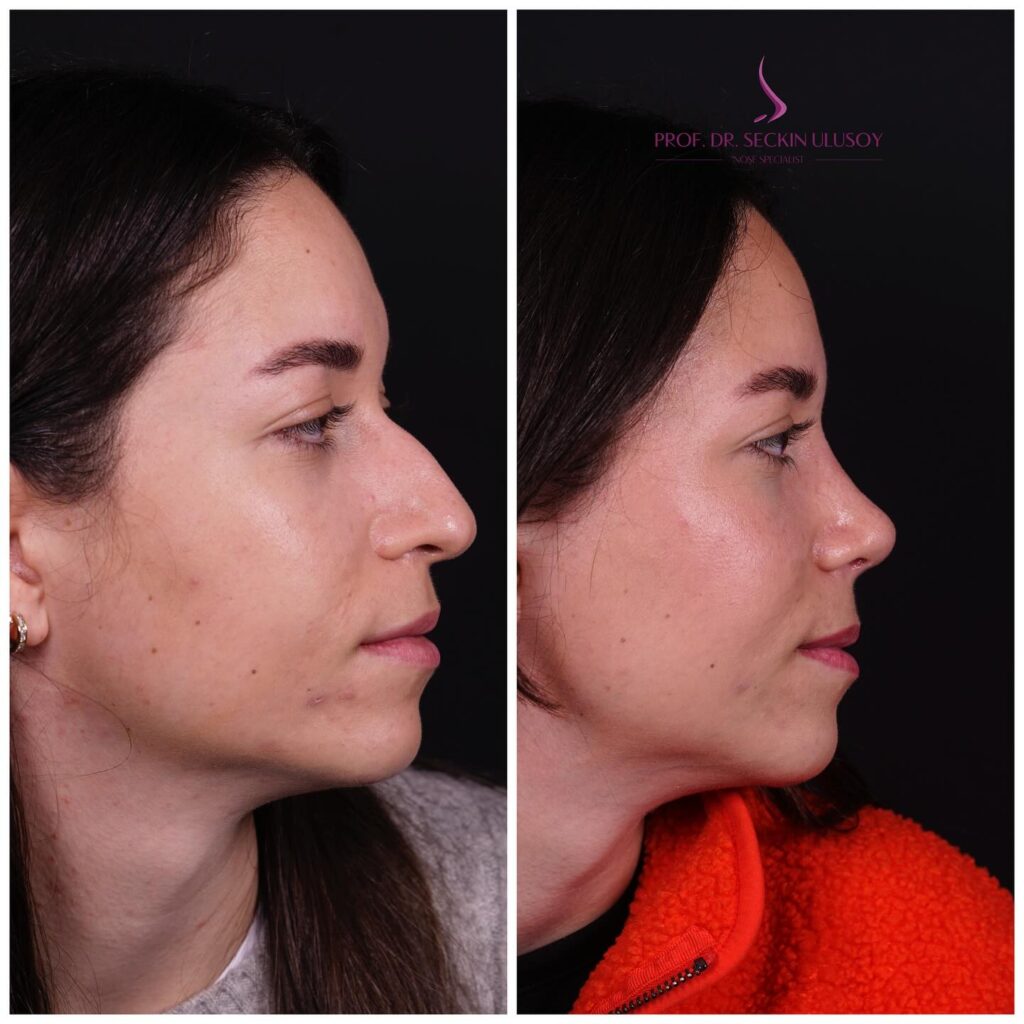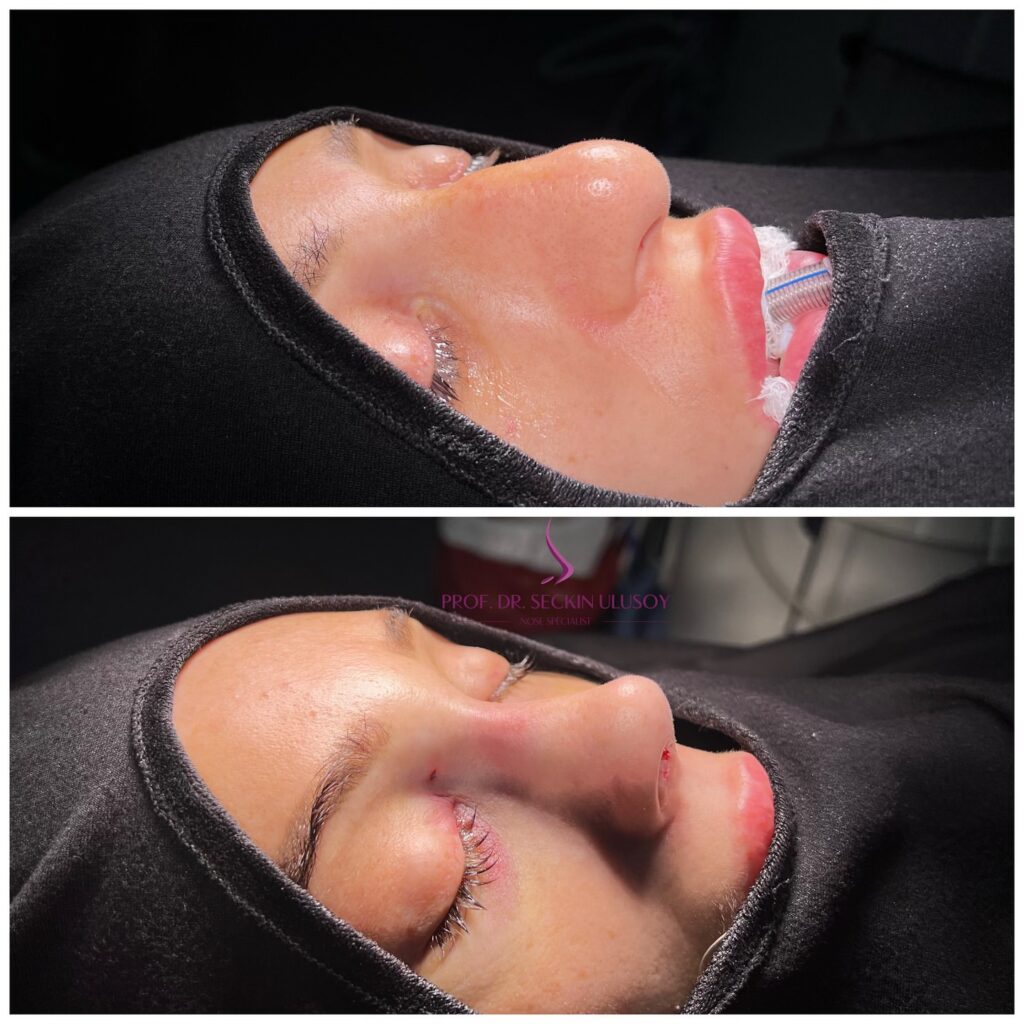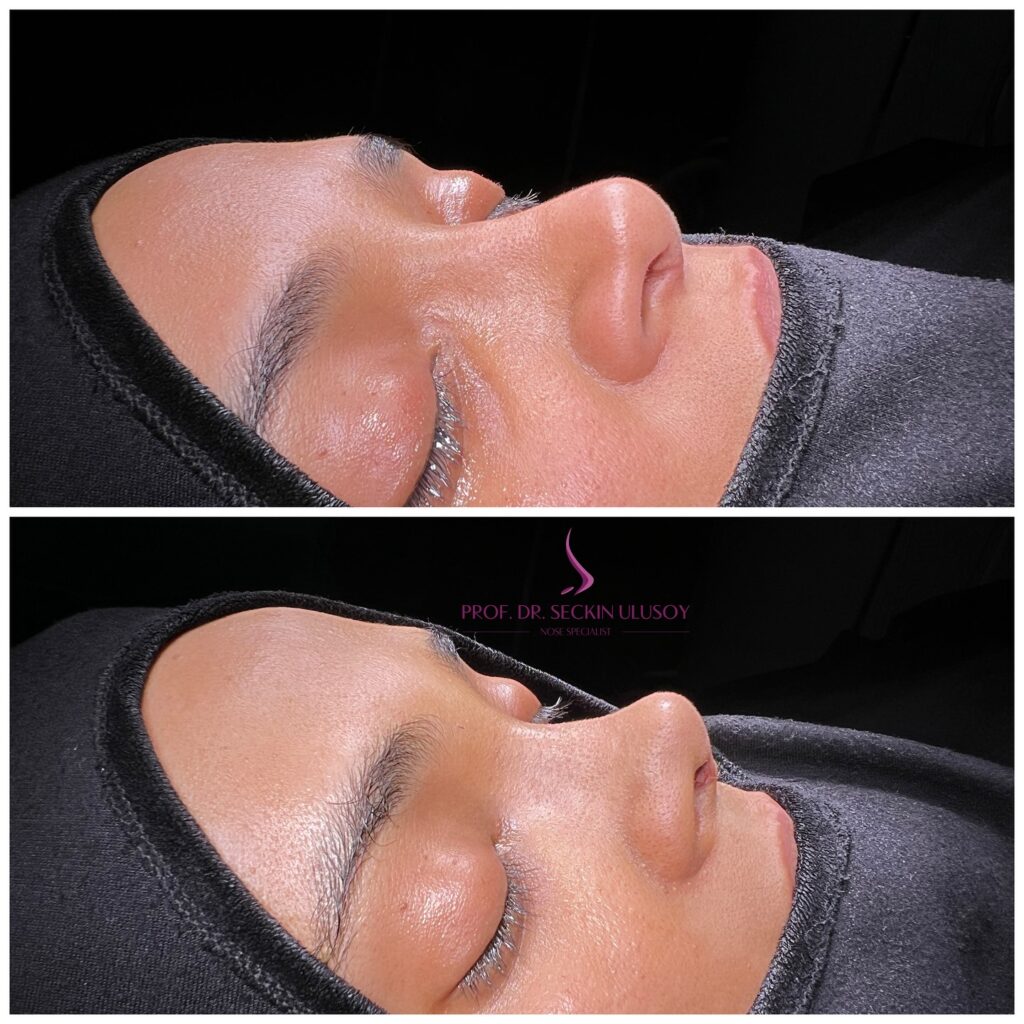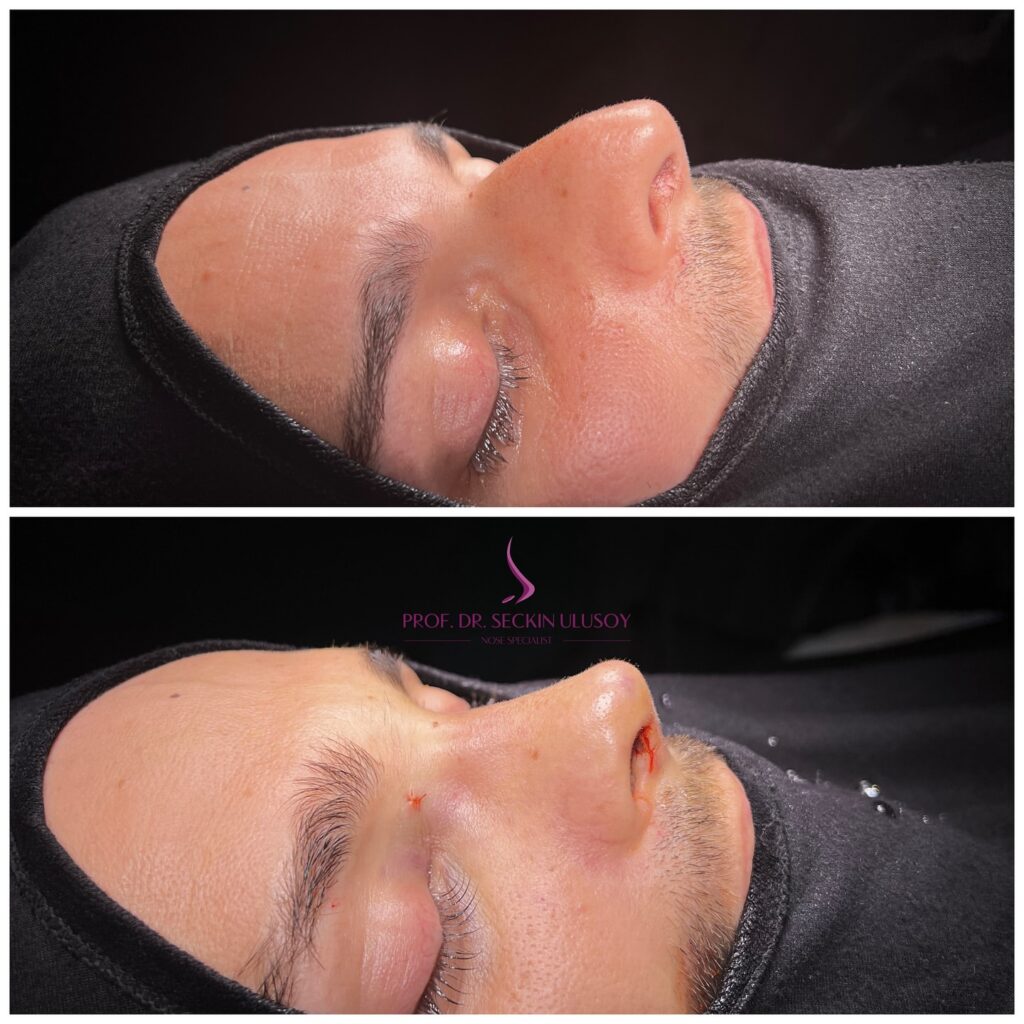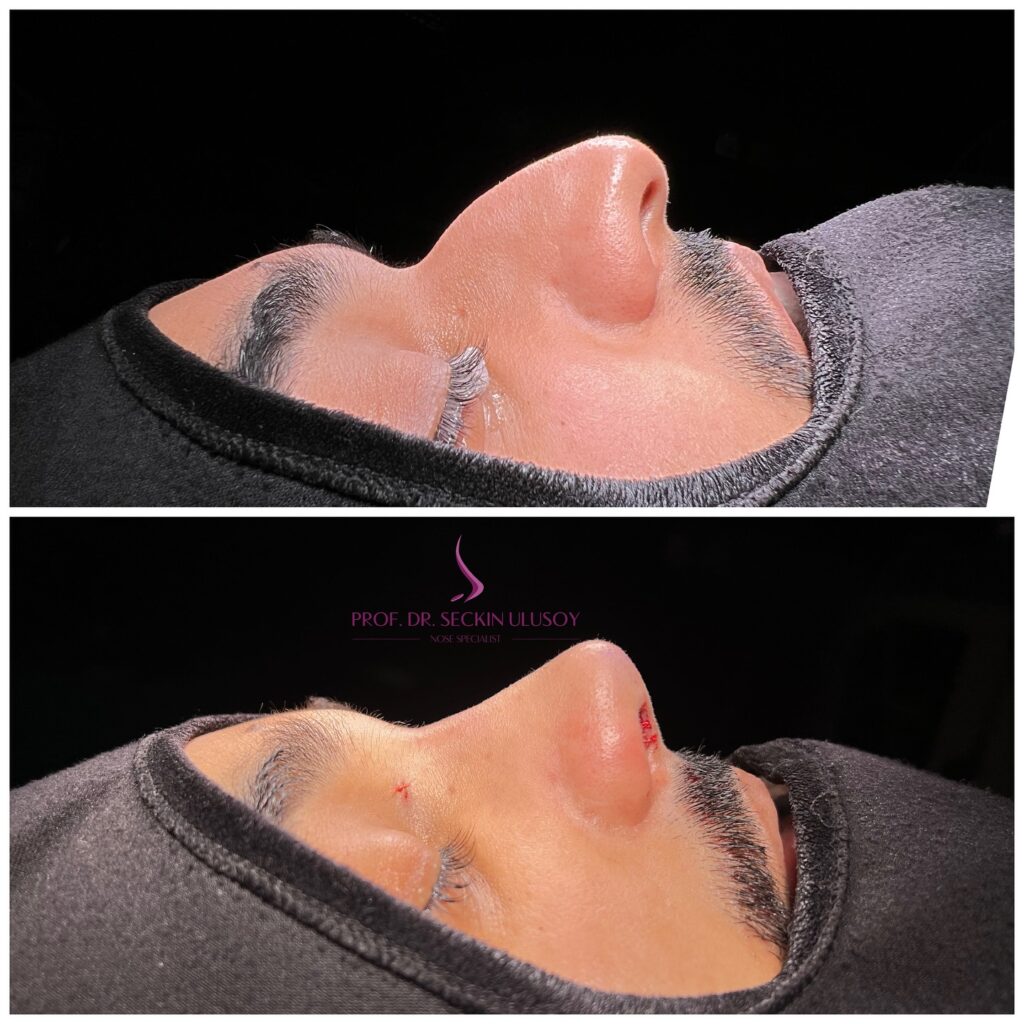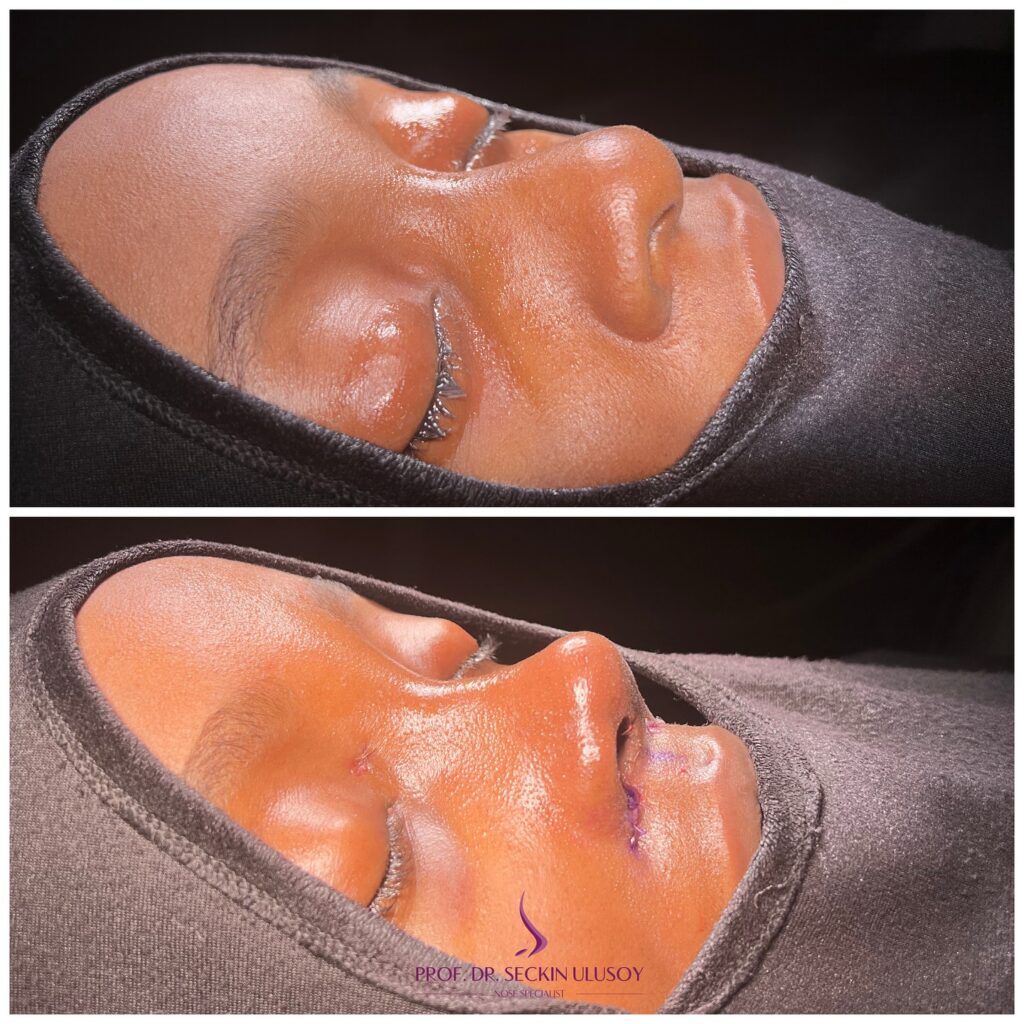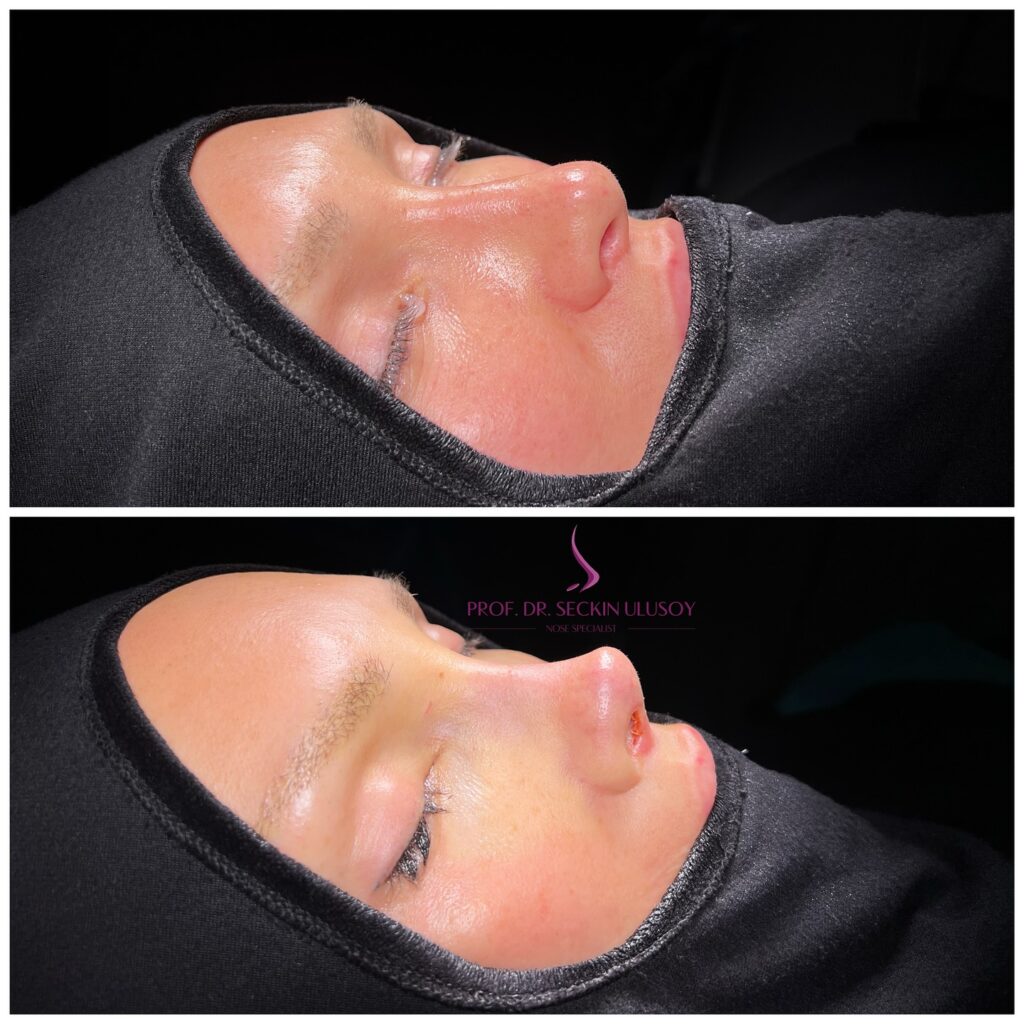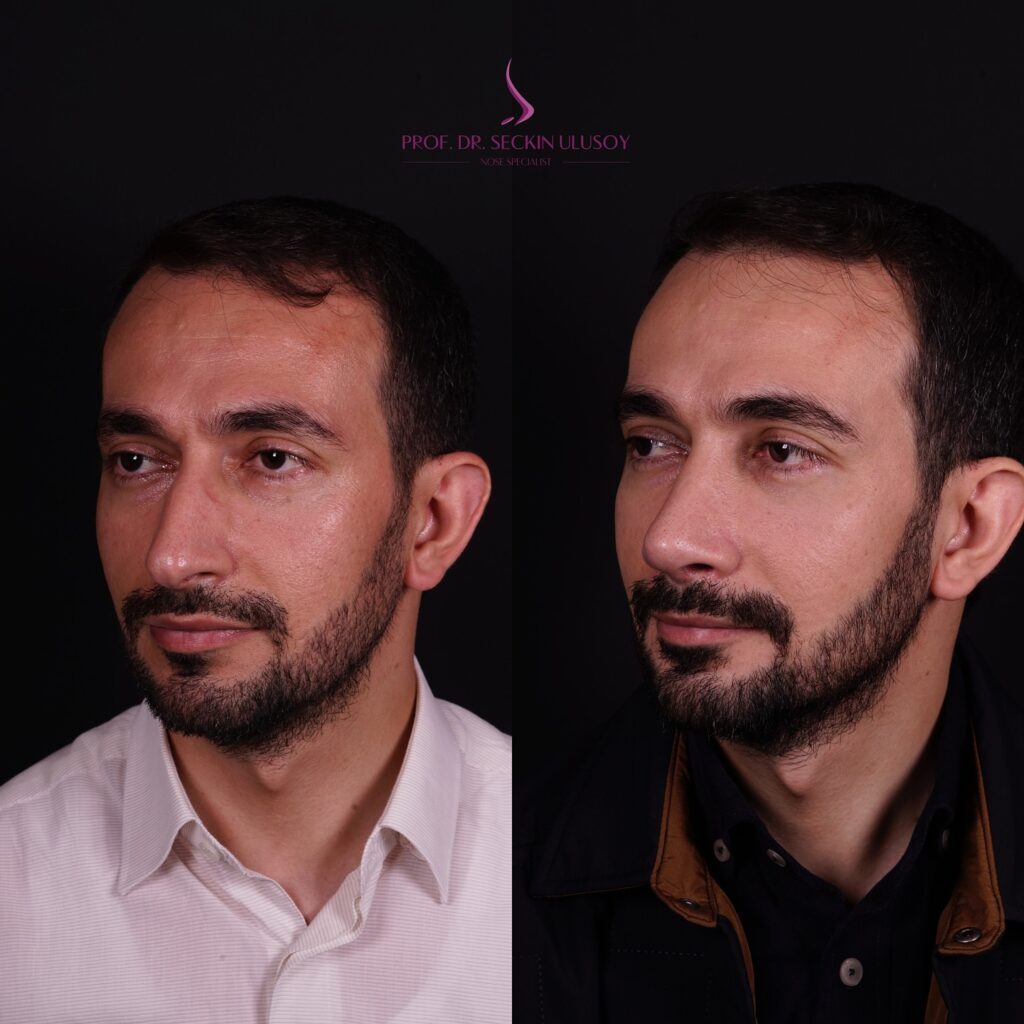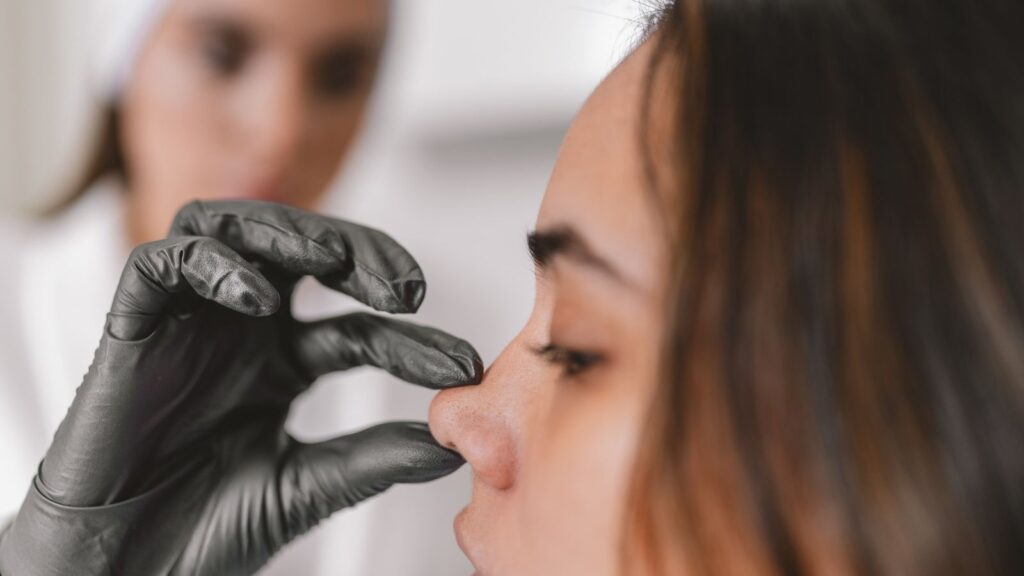
Rhinoplasty and septoplasty are different methods applied in nasal surgery. While rhinoplasty corrects the shape of the nose for aesthetic purposes, septoplasty functionally corrects the deviation inside the nose. Both operations can improve a person’s quality of life.
Rhinoplasty involves correcting deformities in the nasal tip, bridge, or wings. It is generally preferred for aesthetic concerns, but it may also indirectly improve breathing. It is possible to achieve natural-looking results with modern techniques.
Septoplasty involves correcting the cartilage and bone tissue that divides the inside of the nose. It is especially applied to people who experience difficulty breathing due to septal deviation. After surgery, the airway is opened, allowing more comfortable breathing.
Rhinoplasty and septoplasty can also be performed together. This combination allows both aesthetic and functional problems to be resolved at the same time. The surgeon makes a personalized plan according to the patient’s needs.
What Health-Related Differences Are There Between Rhinoplasty and Septoplasty?
The answer to this question lies in the primary purpose of the surgery. If our primary goal is to improve our health and breathing quality, then the procedure we are talking about is Septoplasty. This operation is not concerned with the external appearance of the nose, but entirely with its internal structure.
To understand the subject better, let us talk about the wall inside the nose. We call this structure, which separates the two air passages of the nose and consists of both cartilage and bone, the “septum.” In a healthy nose, this wall should stand exactly in the middle and should not obstruct airflow. However, in many people, this wall bends toward one side due to a congenital condition or trauma that occurs later. This condition is called “septal deviation.”
Septoplasty is a functional operation that aims to eliminate nasal obstruction by correcting this deviation. In other words, it does not involve an aesthetic concern; its only goal is to help you breathe more comfortably.
So, what are the symptoms that may indicate you need septoplasty? Here are those common complaints that reduce your quality of life:
- Constant unilateral or alternating nasal congestion
- Snoring that worsens at night
- Sleeping with the mouth open
- Waking up in the morning with fatigue and dry mouth
- Frequently recurring sinus infections
- Becoming short of breath during activities requiring performance, such as sports
- Sometimes postnasal drip or a feeling of pressure in the face
Septoplasty is performed through the nostrils, so there is no visible incision scar when viewed from the outside. The surgeon opens the airway by correcting the deviated cartilage and bone sections. The recovery process is generally much more comfortable than rhinoplasty. No cast is placed on the outside of the nose after surgery, and bruising or significant swelling of the face is generally not expected. Patients can return to their normal lives within a few days. The most common feedback we hear in patients’ septoplasty reviews and comments is that they can breathe more comfortably than they have in years and that their sleep quality has significantly improved.
What Differences Are There Between Rhinoplasty and Septoplasty in Terms of Appearance?
While septoplasty solves the internal problem, Rhinoplasty focuses entirely on the external appearance of the nose, namely its aesthetics. At this point, surgery turns into an art form. The aim is not merely to reduce the size of the nose or remove the hump, but to achieve a result that is harmonious with the face as a whole, looks natural, and does not obscure the person’s character but instead reveals their beauty.
Rhinoplasty, commonly known as “nose aesthetics,” is a procedure that reshapes the form, size, and proportions of the nose. Some of the aesthetic goals most frequently requested by our patients with this surgery are as follows:
- Correction of the hump on the nasal bridge
- Refining and shaping a wide or large nasal tip
- Lifting a drooping nasal tip
- Reducing a nose that is disproportionately large compared to the face
- Narrowing wide nasal wings or the nasal base
- Correcting a nose that appears crooked or asymmetrical
- Repairing deformities that occur after trauma
Rhinoplasty can be performed using an “open” or “closed” technique. The choice of technique is determined according to the existing structure of the nose and the extent of the targeted change. While all incisions are made inside the nose in the closed technique, a small incision is added to the lower part separating the nostrils in the open technique. This provides the surgeon with a better field of view, especially when detailed work on the nasal tip is required.
The recovery process of rhinoplasty requires a little more patience compared to septoplasty. Swelling and bruising of the face after surgery are expected. An external splint is used for approximately one week to protect the new shape of the nose. Although most of the swelling subsides within the first few months, it may take up to one year for the nose to settle and take its final, most refined shape. Being patient during this process is very important for satisfaction with the result.
Can Rhinoplasty and Septoplasty Be Performed Together?
Absolutely yes. In fact, this is the most appropriate and logical approach for many patients. We call the combination of these two surgeries in a single operation septorhinoplasty for a patient who both experiences breathing problems and is dissatisfied with the aesthetic appearance of their nose.
So, what is septorhinoplasty and why is it preferred so often? In fact, functional and aesthetic problems are intertwined in many patients. For example, an internal septal deviation may cause the nose to appear crooked from the outside. In this case, correcting only the aesthetics does not solve the actual underlying problem, and the result may not be permanent. It should be remembered that the fundamental structure inside the nose, the septum, also determines the fate of the external framework.
There are many advantages to undergoing septorhinoplasty:
- Resolving both problems with a single surgery
- A single anesthesia process
- A single recovery period
- Generally being more economical than two separate surgeries
- Superior surgical results
The last point is especially important. Excess cartilage pieces removed from the inside during septoplasty are used almost like “spare parts” to reshape the nose during rhinoplasty. This is a very valuable material for the surgeon. If only septoplasty is performed first, these cartilage pieces are discarded, and if rhinoplasty is needed in the future, more demanding procedures such as obtaining cartilage from the ear or rib may be required.
What Should Be Considered When Choosing the Right Specialist for Rhinoplasty and Septoplasty?
The most important decision in this journey is undoubtedly choosing the surgeon to whom you will entrust yourself. The nose has an incredibly delicate balance both functionally and aesthetically. Therefore, your surgeon’s deep experience in both areas directly determines the quality of the result you will receive.
An ideal nasal surgeon should have expertise in Ear, Nose, and Throat (ENT), with a thorough understanding of the internal structure of the nose, breathing mechanics, and physiology, combined with expertise in Facial Plastic Surgery that brings together the aesthetic principles of the nose, its harmony with the face, and an artistic perspective. Especially in a complex operation such as septorhinoplasty, this dual expertise is the most important factor that ensures both healthy breathing and achieving the appearance you desire.
There are some fundamental qualifications you should consider when choosing the right surgeon:
- Board certification in the field
- Experience focused particularly on nasal surgery
- Having both ENT and Facial Plastic Surgery perspectives
- Being able to transparently share previous patient results and references
- A communication style that understands your expectations and presents realistic goals
- Performing surgeries in a fully equipped hospital
Remember, this process is not merely an operation. Starting this journey with a specialist who understands you, gives you confidence, and can meet both your health needs and aesthetic expectations at the highest level is the right step in this journey.