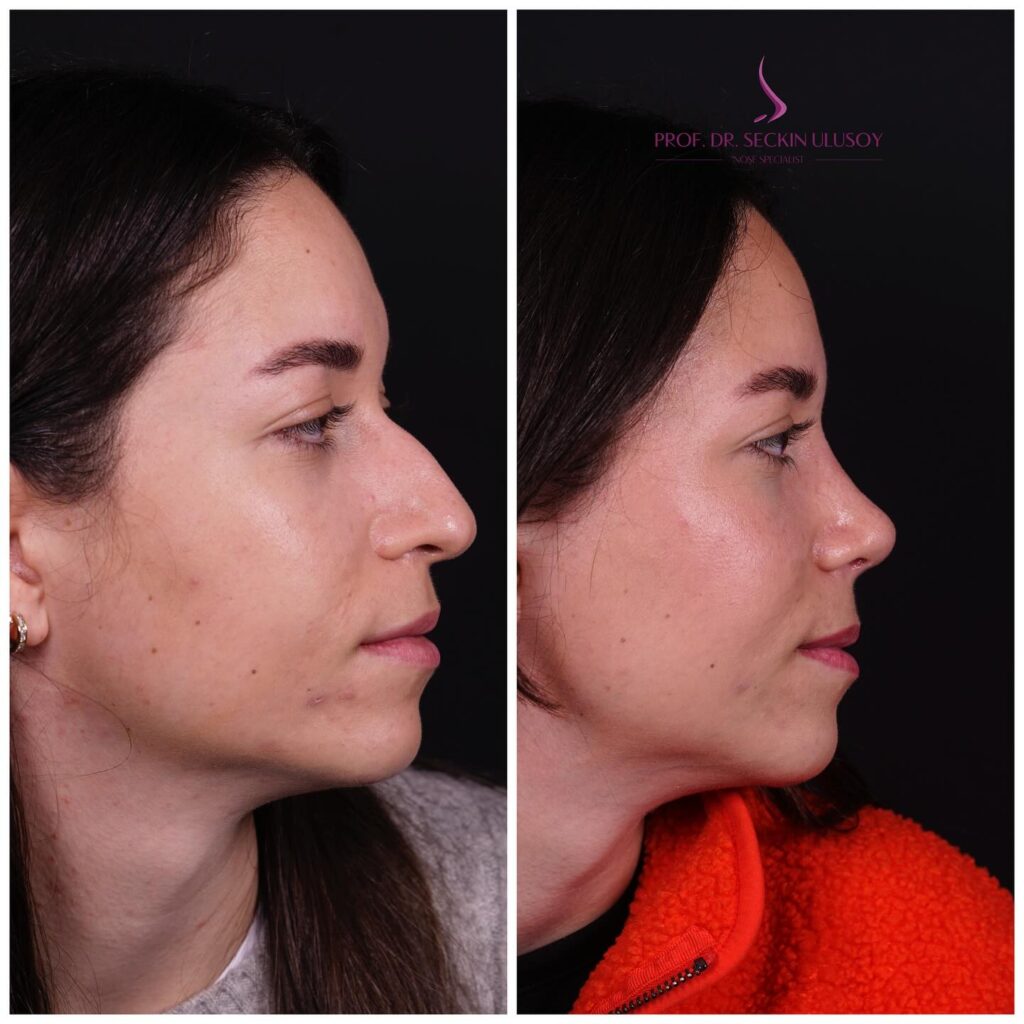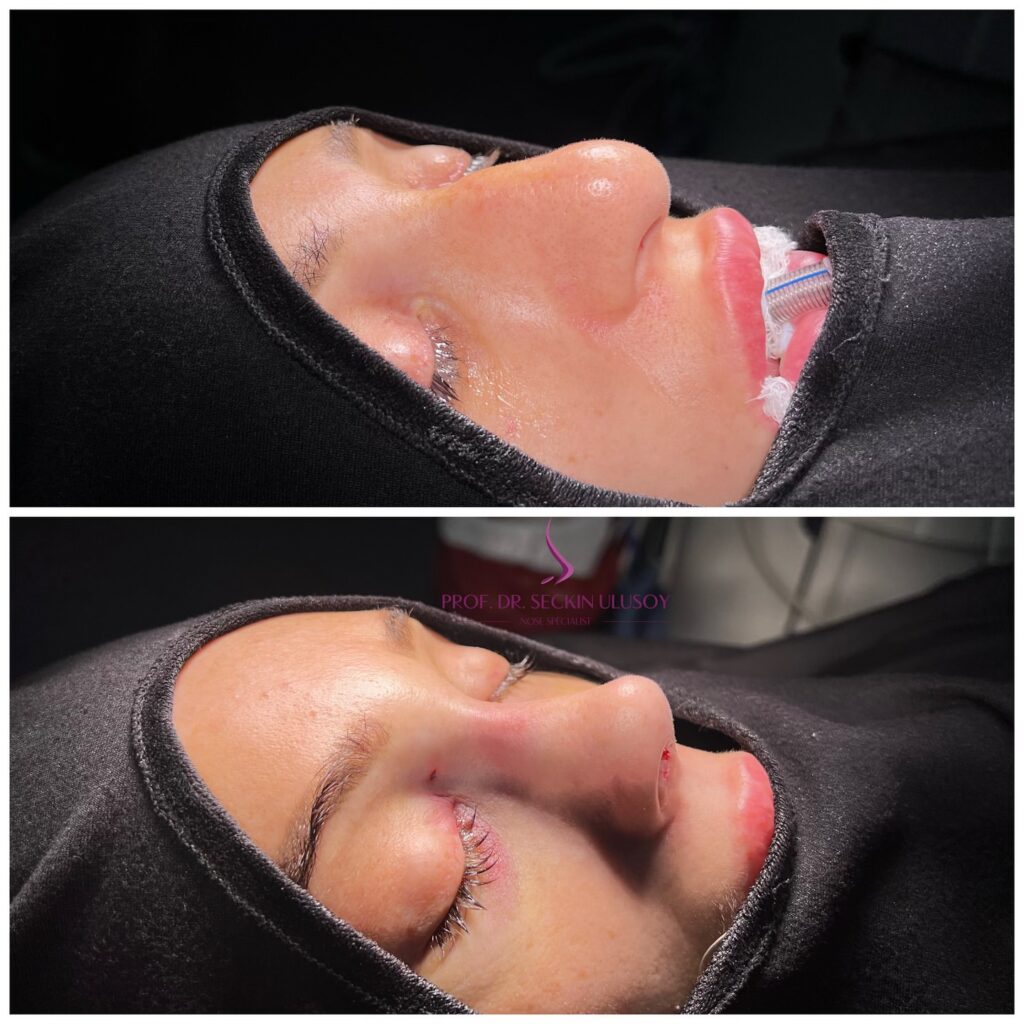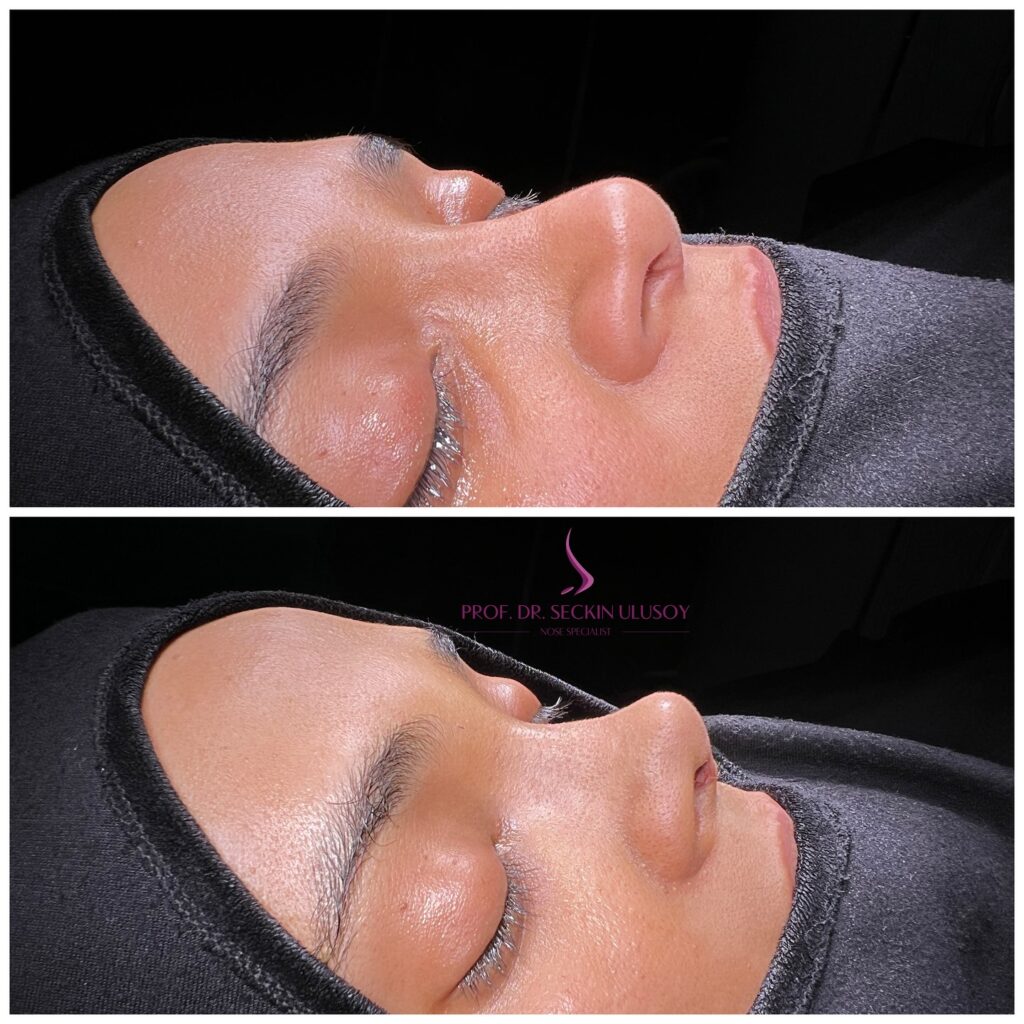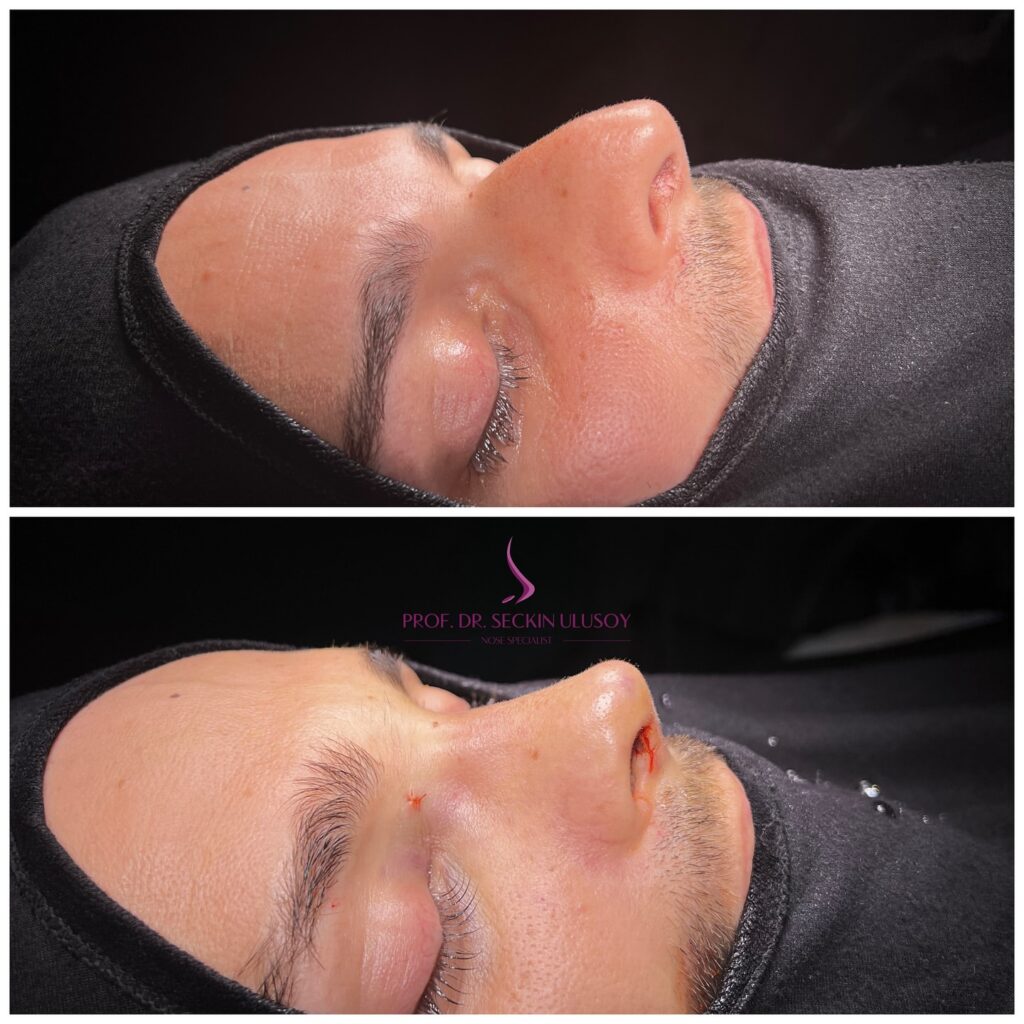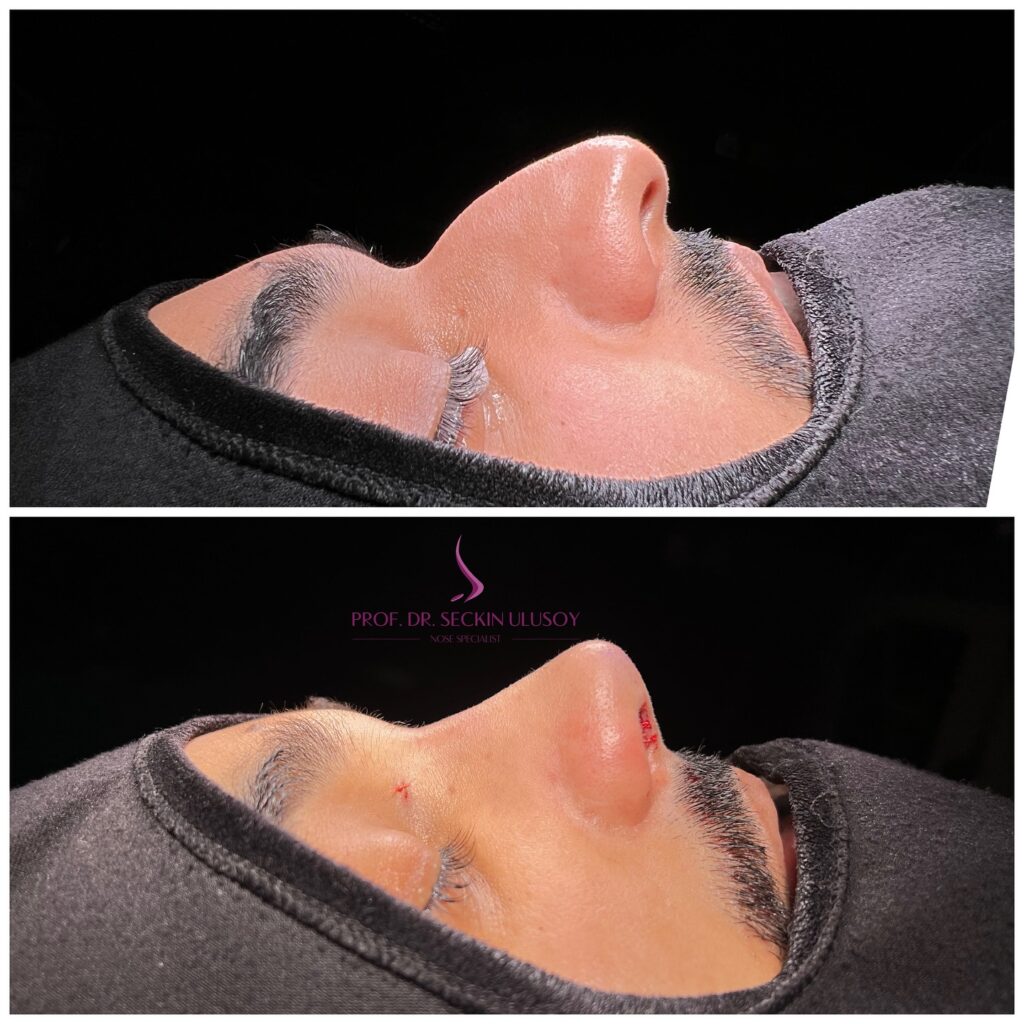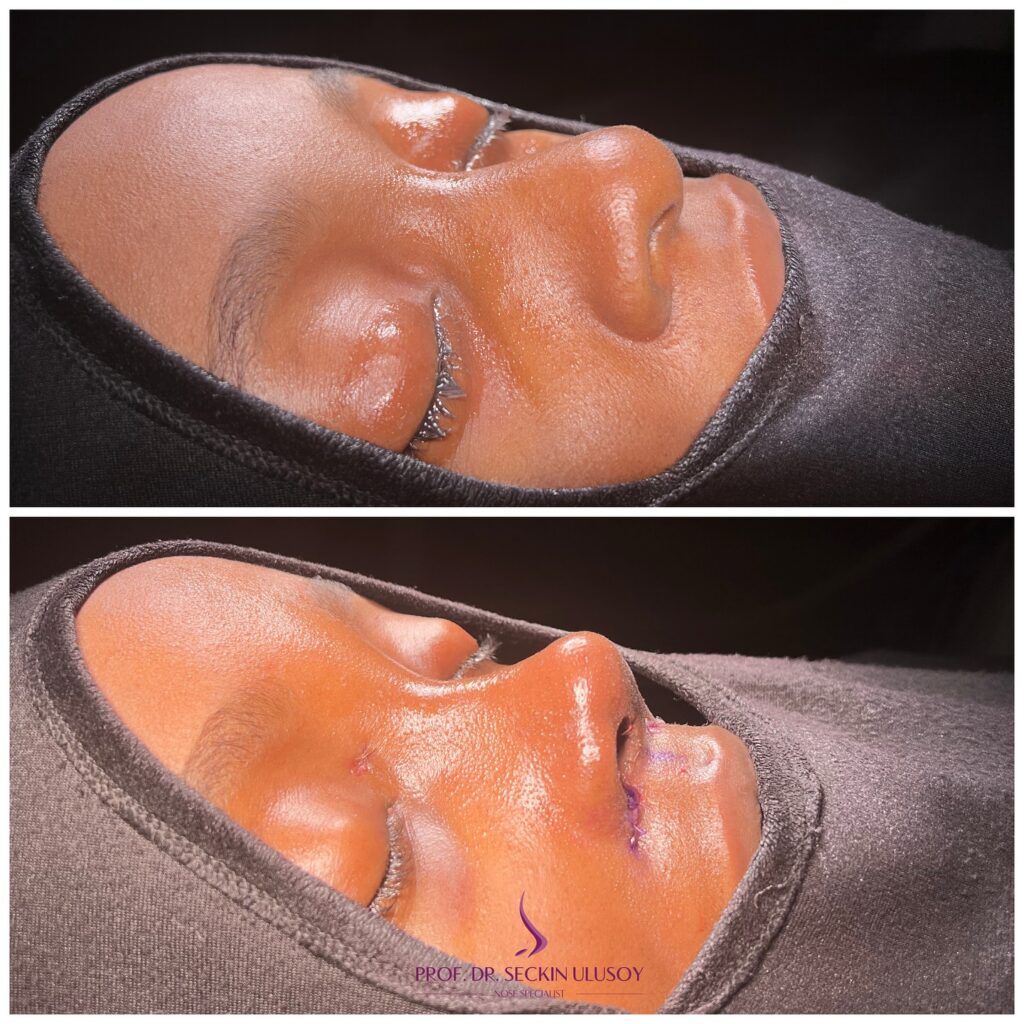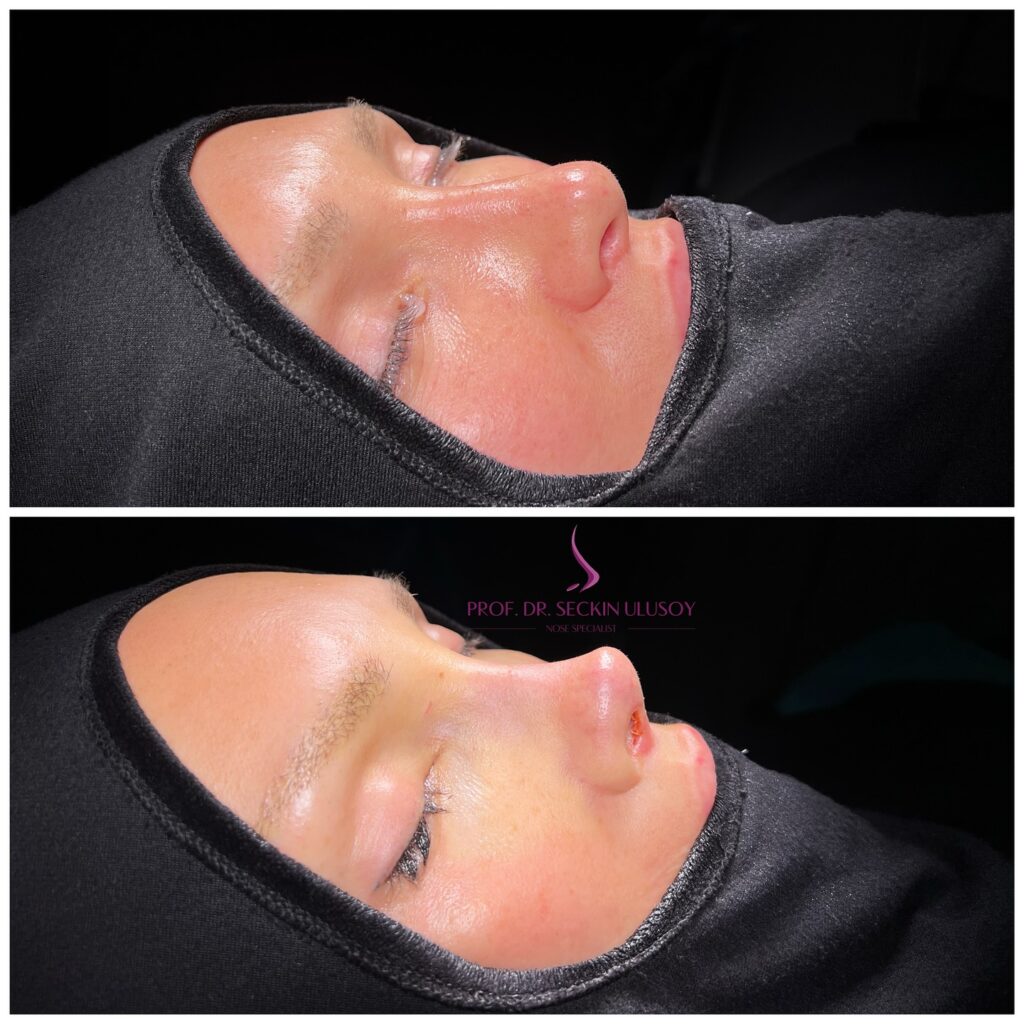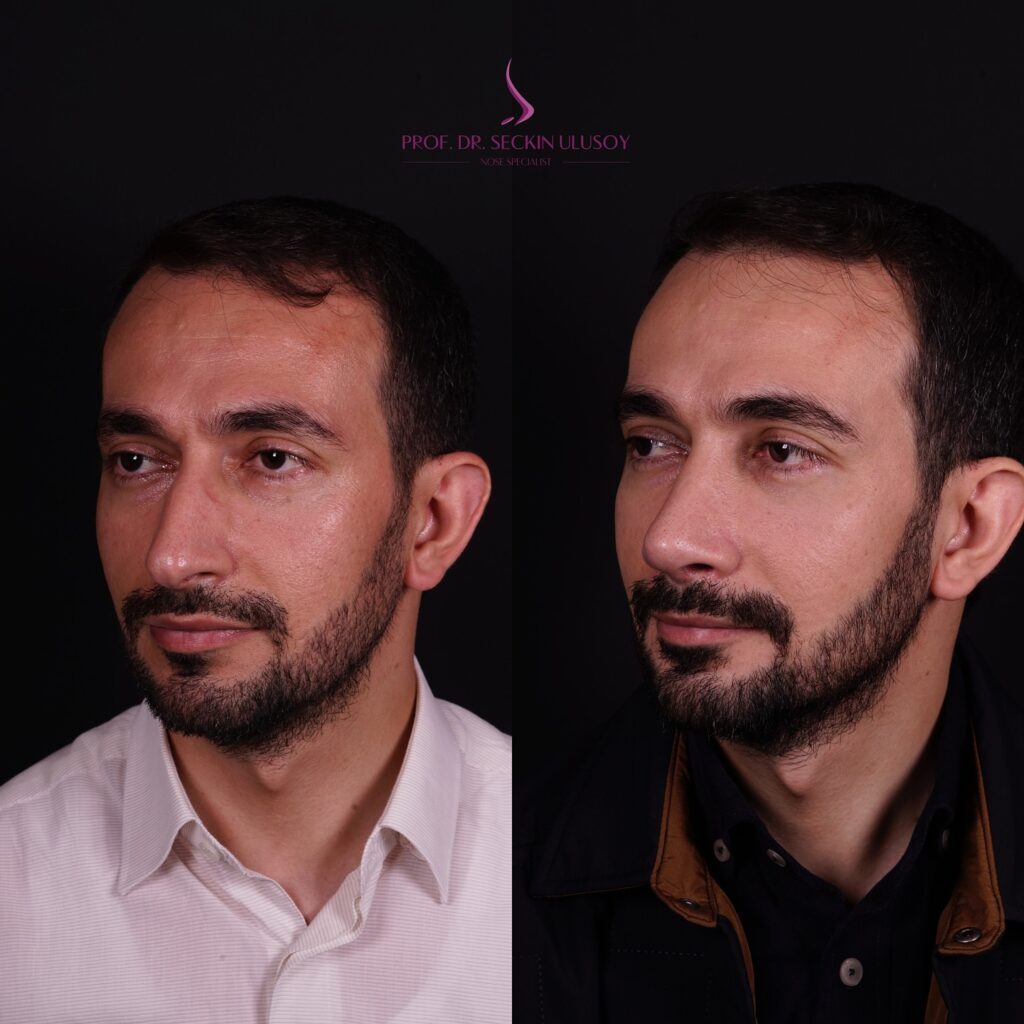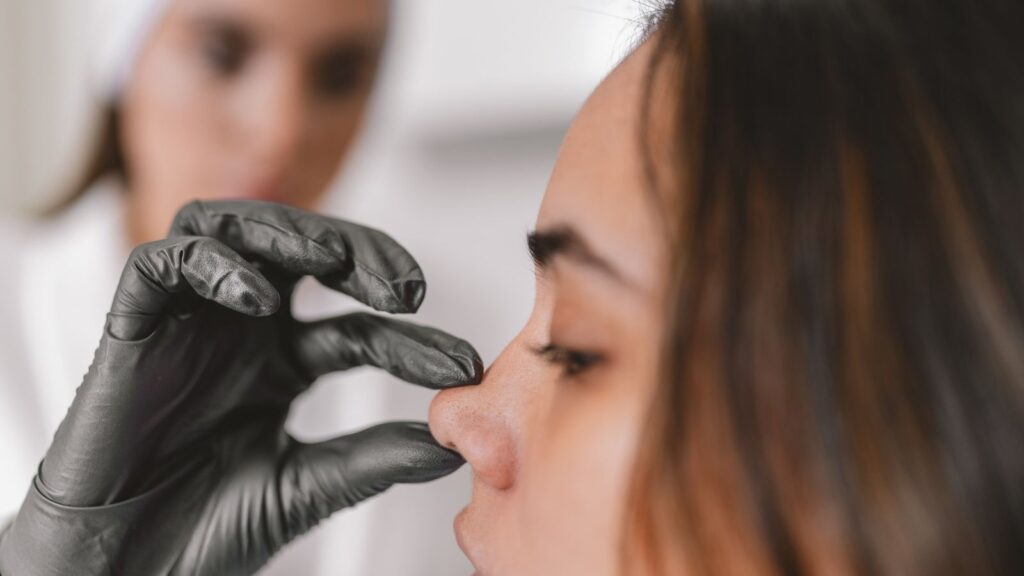
Yes, enlarged turbinates and a deviated nasal septum can be treated simultaneously in a single surgical procedure. In fact, to achieve healthy and uninterrupted airflow, addressing both conditions together during the same operation is considered a medical necessity. While correcting the structural deviations of the nasal septum, the swollen tissues that narrow the air passages are also reduced to their normal size, thereby relieving the airway. As a result, patients can eliminate the sensation of chronic nasal obstruction in a single procedure without undergoing two separate anesthesia and recovery periods. This comprehensive surgical approach is a highly reliable and effective option for restoring a natural breathing cycle.
What Do a Deviated Septum and Enlarged Turbinates Actually Mean?
Understanding the two most common obstacles to healthy breathing is extremely helpful in understanding how the problem can be solved. A deviated septum refers to the displacement of the structure that divides the inside of the nose into two separate chambers, right and left, away from the midline. This structure is called the septum. The front part of the septum consists of flexible cartilage, while the back and lower parts are made of bone. In an ideal situation, this wall is perfectly straight, allowing both nasal air passages to have equal width. However, due to genetic characteristics, fetal positioning, the birth process, or minor nasal trauma during childhood, this wall may gradually deviate to one side. Most people have some degree of septal deviation, but it only becomes a medical problem when it obstructs breathing.
On the other hand, structures located along the outer walls of the nasal cavity directly influence breathing quality. These are called the turbinates. The turbinates are responsible for filtering, warming, and humidifying the air before it reaches the lungs. They function much like an intelligent climate-control system that regulates the temperature and humidity of a room. However, certain environmental or structural factors may cause this system to work excessively, leading the tissue to enlarge permanently. This condition is known as turbinate hypertrophy, commonly referred to as enlarged turbinates.
Common factors that trigger turbinate enlargement include:
- Allergic reactions
- Cigarette smoke
- Air pollution
- Chronic infections
- Long-term use of nasal sprays
Turbinates exposed to these factors gradually lose their elasticity and tend to remain persistently swollen. As a result, the nasal air passages become narrower, making comfortable breathing increasingly difficult.
How Do a Deviated Septum and Enlarged Turbinates Affect Daily Life?
Breathing is a vital reflex that we usually perform automatically without thinking about it. However, when a structural blockage develops inside the nose, the body must work much harder to accomplish this simple task. Although nasal obstruction may seem like a localized problem, its effects extend throughout the body and significantly reduce overall energy levels. Individuals who cannot breathe adequately often begin breathing through their mouths unconsciously, both during sleep and throughout the day, in order to meet the body’s oxygen requirements.
Mouth breathing is not a natural method of respiration. Because the nose’s filtering, humidifying, and warming functions are bypassed, dry, cold, and unfiltered air reaches the throat and lungs directly. This is one of the main reasons people wake up with a dry mouth, experience frequent throat infections, and develop hoarseness. Sleep quality is also significantly affected. As the airway narrows due to relaxed tissues, it creates conditions favorable for snoring and sometimes episodes of sleep apnea. Since the body and brain do not receive adequate oxygen throughout the night, people often wake up feeling unrefreshed.
Common complaints among individuals experiencing this problem include:
- Chronic fatigue
- Morning headaches
- Difficulty concentrating
- Dry mouth
- Difficulty falling asleep
Over the long term, the heart and circulatory system must work harder than normal to maintain adequate oxygen levels in the bloodstream. Therefore, restoring normal nasal breathing means not only breathing better but also relieving stress on the entire body.
Why Are Enlarged Turbinates Usually Seen Together with a Deviated Septum?
The human body has remarkably sophisticated mechanisms for compensating for anatomical abnormalities. The physiology of the nasal cavity is one of the clearest examples of this balancing process. When the septum deviates significantly to the right or left, the airway on the affected side becomes narrower. Under normal circumstances, one would expect the opposite side to remain wide open, allowing comfortable breathing through that nostril. In reality, however, this is not what happens.
An excessive amount of air begins flowing rapidly and uncontrollably through the wider side. Sensory receptors inside the nose recognize that the air is passing too quickly through this enlarged passage and cannot be adequately filtered or warmed. To prevent cold and unfiltered air from reaching the lungs, the body immediately activates a protective mechanism. It begins enlarging the turbinate on the wider side in order to narrow the passage and slow the airflow. This process is known as compensatory hypertrophy.
Over time, the turbinate enlarges so much that it completely fills the space that was originally wider. As a result, while one nostril is blocked because of the septal deviation, the opposite nostril becomes obstructed due to the enlarged turbinate. This mechanism clearly explains why individuals with a deviated septum often experience bilateral nasal obstruction. Two different problems interact to create a complex pattern of airway blockage.
If Only the Deviated Septum Is Corrected, Will Symptoms of Enlarged Turbinates Disappear?
Once the mechanism of compensatory enlargement is understood, it becomes clear why surgical treatment must follow a comprehensive approach. Many people assume that correcting only the deviated septum is sufficient to restore normal breathing. However, if enlarged turbinates are ignored, achieving a satisfactory result becomes quite difficult.
If the surgeon only straightens the septum and returns it to the midline during surgery, the previously enlarged airway suddenly becomes narrower. Although the septal deviation has been corrected, the airway still contains a turbinate that has enlarged reactively over many years. Unless this turbinate is reduced using appropriate techniques during the same procedure, the repositioned septum will come into direct contact with the enlarged turbinate.
Unfortunately, in this situation the airway cannot be adequately opened. Patients may continue experiencing the same nasal obstruction despite having undergone surgery. Although the deviation has been corrected, the untreated enlarged turbinates alone are sufficient to block airflow. Therefore, treatment approaches aimed at achieving optimal breathing should always include simultaneous correction of the septal deviation and reduction of enlarged turbinates.
Why Is an Aesthetic Approach Important in the Treatment of a Deviated Septum and Enlarged Turbinates?
The nose is a unique organ located at the center of the face that combines both aesthetic appearance and vital function. The external appearance of the nose and the architecture of its internal airways are inseparably connected. An asymmetry, hump, or depression visible from the outside often indicates an internal problem affecting airflow. Therefore, addressing internal nasal problems while simultaneously considering both functional and aesthetic goals offers significant advantages.
The perspective of Ear, Nose, and Throat and Facial Plastic Surgery provides patients with a comprehensive solution. During aesthetic nasal surgery (rhinoplasty), the nasal hump may be reduced, the nasal pyramid narrowed, and the nasal tip reshaped to create a more refined appearance. However, these external narrowing procedures naturally reduce the volume of the internal airway as well. If a patient already has a mild septal deviation or enlarged turbinates that were not causing significant symptoms before surgery, narrowing the external framework may transform these minor issues into a noticeable breathing obstruction.
A comprehensive preoperative planning process includes the following steps:
- Endoscopic examination
- Radiological evaluation
- CT scan assessment
- Facial proportion measurements
- Digital simulation
This detailed preparation allows functional risks to be considered while addressing aesthetic concerns. The goal is to achieve a more balanced external appearance while creating healthy, spacious airways that allow comfortable breathing for a lifetime.
Which Surgical Methods Are Used to Treat a Deviated Septum and Enlarged Turbinates?
Operations performed to improve nasal breathing or address aesthetic concerns are planned entirely according to the individual patient rather than following a standard template. The source of the patient’s symptoms, expectations, and tissue characteristics determine the surgical strategy. Different procedures are performed depending on the severity of the internal problems and whether changes to the external appearance are desired.
The main surgical methods used in this process include:
- Septoplasty
- Rhinoplasty
- Septorhinoplasty
Septoplasty is a functional operation that addresses only the internal septal deviation without altering the external appearance of the nose. It is preferred when the patient has no problems with the nasal bridge and their only complaint is difficulty breathing. Rhinoplasty primarily focuses on reshaping the external appearance, nasal hump, and nasal tip according to aesthetic principles. Septorhinoplasty combines these two procedures, allowing the patient to undergo a single operation that both restores healthy breathing by correcting septal deviation and enlarged turbinates and improves the external appearance of the nose. This combined approach often provides the most effective results.
How Are Open and Closed Techniques Applied in Surgery for a Deviated Septum and Enlarged Turbinates?
When both the internal and external structures of the nose require correction, two primary surgical approaches are available depending on the incision sites and method of accessing the tissues. These are the open and closed rhinoplasty techniques. Each technique has its own characteristics, method of application, and advantages for the patient. The surgeon determines the most appropriate technique according to the complexity of the patient’s nasal anatomy.
In the open technique, a very small inverted V-shaped incision is made on the skin separating the two nostrils. Through this incision, the nasal skin is elevated, allowing the underlying cartilage and bone framework to be visualized in complete detail. The wide surgical exposure is particularly advantageous in cases involving severe septal deviation, significant nasal tip asymmetry, or complex revision surgery. With appropriate postoperative care, the incision scar generally fades and becomes barely noticeable over the following months.
The closed technique, on the other hand, involves making all incisions entirely inside the nostrils without any external scar. Since the skin is separated less extensively from the underlying framework, the natural supporting ligaments of the nasal tip are better preserved. This generally contributes to faster resolution of postoperative swelling. However, because the surgical field is more limited, this technique requires a surgeon with extensive anatomical knowledge and advanced technical expertise.
Which Modern Technologies Are Used to Reduce Enlarged Turbinates?
The treatment of enlarged turbinates has evolved considerably over the years. In the past, enlarged turbinates were sometimes removed completely using scissor-like instruments. However, removing the entire mucosal surface caused excessive dryness inside the nose and allowed unfiltered air to reach the lungs directly. Some patients even developed the paradoxical sensation of not being able to breathe despite having wide-open nasal passages. These outdated approaches have now been largely abandoned.
The modern philosophy focuses on preserving the outer mucosal lining of the turbinate, along with its microscopic cilia, while reducing only the sponge-like tissue inside. This preserves the nose’s humidifying function while widening the airway.
The primary modern techniques include:
- Radiofrequency thermal ablation
- Coblation technology
- Submucosal microdebrider reduction
- Laser ablation
In radiofrequency treatment, a fine electrode is inserted into the turbinate, where controlled radiofrequency energy reduces the tissue internally without damaging the outer mucosa. In the microdebrider technique, excess bone and soft tissue within the turbinate are carefully shaved away using a specialized rotating instrument. These methods aim to provide a much more comfortable recovery and significantly reduce long-term nasal obstruction compared with older techniques.
What Other Conditions Can Be Treated During Surgery Besides a Deviated Septum and Enlarged Turbinates?
In many cases, correcting the septum and reducing enlarged turbinates are sufficient to restore comfortable breathing. However, certain anatomical variations may complicate this picture. The internal anatomy of the nose is highly complex, and narrowing at any point along the airway can significantly reduce breathing quality. Therefore, endoscopic evaluation before surgery is essential to identify additional areas of obstruction and include them in the surgical plan.
One of the most important of these narrowing points is the nasal valve region. This is the narrowest part of the nasal airway immediately beyond the nostrils, where the supporting cartilage may be weak. During deep inhalation, the nostrils may collapse inward, obstructing airflow. During surgery, cartilage grafts may be placed to reinforce this area and prevent collapse. Additional problems such as blocked sinus drainage pathways are also frequently identified during endoscopic examination.
Other common conditions that can be treated during the same operation include:
- Nasal valve insufficiency
- Chronic sinusitis
- Concha bullosa
- Nasal polyps
Concha bullosa, in particular, refers to the presence of air-filled cavities within the middle turbinate, which can significantly narrow the airway. In ENT practice, all these conditions can often be safely treated during the same anesthesia using endoscopic cameras and microsurgical instruments, reducing the likelihood that the patient will require additional nasal surgery in the future.
How Does the Recovery Process Progress After Surgery for a Deviated Septum and Enlarged Turbinates?
One of the greatest concerns for many people considering surgery is what the recovery process will be like. In the past, stories about the discomfort associated with removing traditional gauze nasal packing created significant anxiety. However, in modern surgical practice, especially in procedures involving correction of internal nasal structures, perforated silicone splints are commonly used. These splints remain inside the nose without adhering to the tissues and allow patients to breathe through small internal channels immediately after surgery. They are usually removed at the end of the first week during a painless procedure lasting only a few seconds.
During the first few days, it is completely normal to experience slight blood-tinged drainage from around the nasal tip and a mild feeling of fullness in the face due to tissue swelling. Depending on the extent of the operation and whether aesthetic surgery was also performed, some bruising or swelling around the eyes may occur, but this generally fades within the first week.
Recommended postoperative measures include:
- Sleeping with the head elevated using two pillows
- Avoiding nose blowing
- Using nasal irrigation solutions regularly
- Taking a break from strenuous exercise
- Avoiding direct sunlight
- Postponing the use of glasses for a period of time
Following these recommendations helps keep the nasal lining moist, promotes rapid clearance of internal crusting, and contributes significantly to a successful surgical outcome. Many patients are able to return to normal daily activities that do not require strenuous physical effort within just a few days after surgery.
Does the Sense of Smell Decrease After Surgery for a Deviated Septum and Enlarged Turbinates?
One of the most common concerns among individuals undergoing nasal surgery is whether their sense of smell, and consequently their sense of taste, will be affected. This concern arises because the nose is also the organ responsible for smell. However, when we examine the anatomy of the nose more closely, we see that the olfactory nerves are located in a different area from where these surgical procedures are performed. Smell perception occurs in a highly specialized region near the roof of the nasal cavity, close to the base of the brain, known as the olfactory region. In contrast, surgery for septal deviation and enlarged turbinates is performed in the lower and middle portions of the nasal passages, well away from the olfactory nerves.
During surgery, the olfactory nerves are not directly affected. Nevertheless, it is quite common for patients to notice a temporary decrease or fluctuation in their sense of smell during the first few weeks after the procedure. This is not caused by nerve injury but by temporary physical obstruction. Silicone splints placed inside the nose, postoperative tissue swelling, and crust formation mechanically prevent inhaled air from reaching the upper region where the olfactory nerves are located. Since airflow cannot reach this area, odor molecules cannot be detected.
As time passes and the nasal cavity is cleaned with saline irrigations, tissue swelling gradually subsides. As the swelling decreases, airflow reaches the roof of the nose more easily, allowing the sense of smell to return without any permanent loss. In fact, patients who have experienced poor smell perception for years because of chronic nasal obstruction often report that their sense of smell becomes even more sensitive after their airways have been restored.