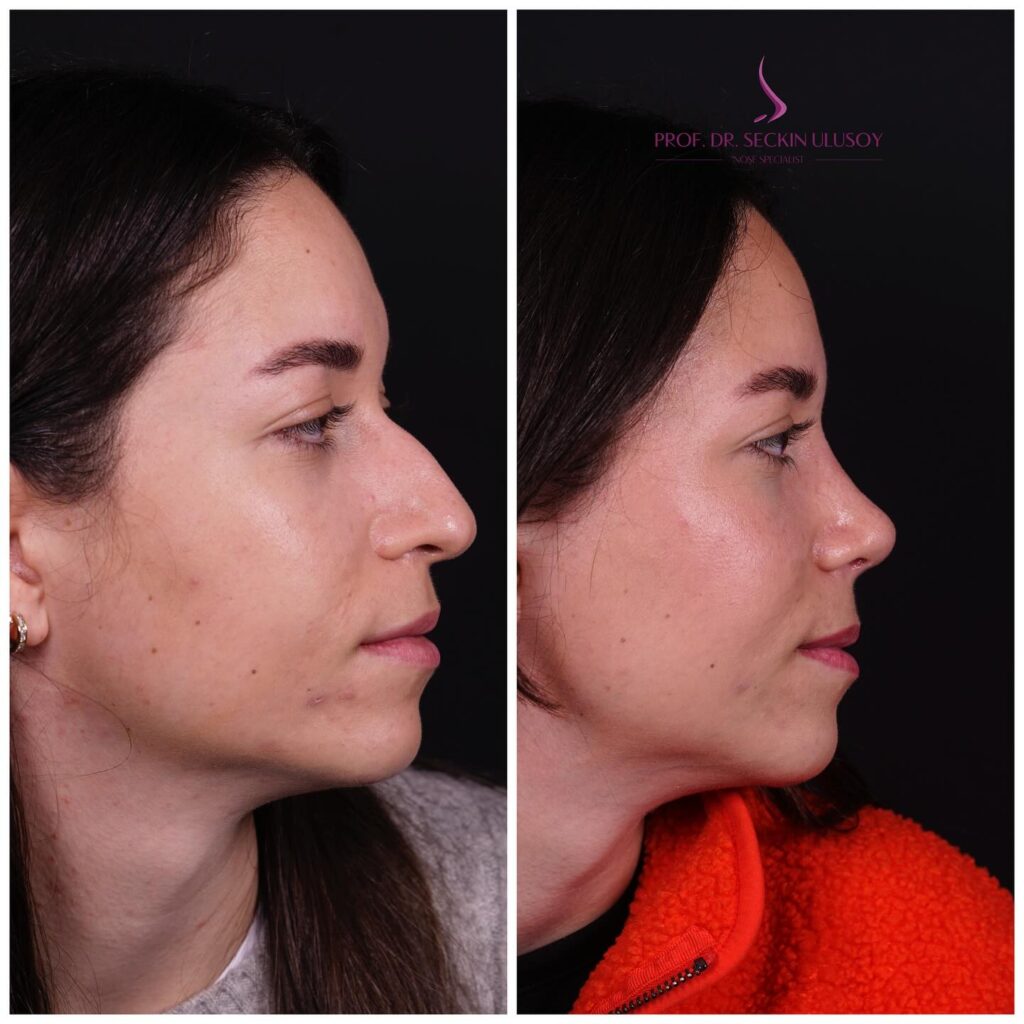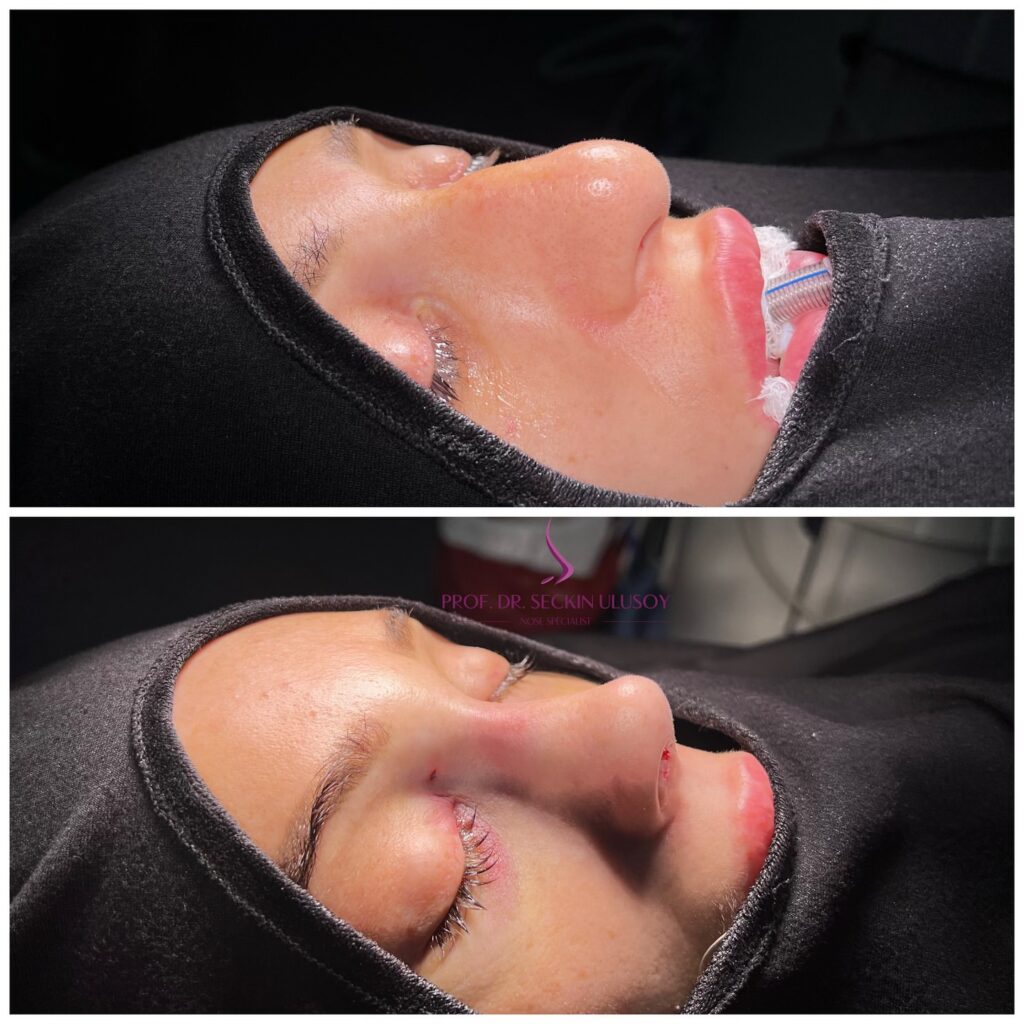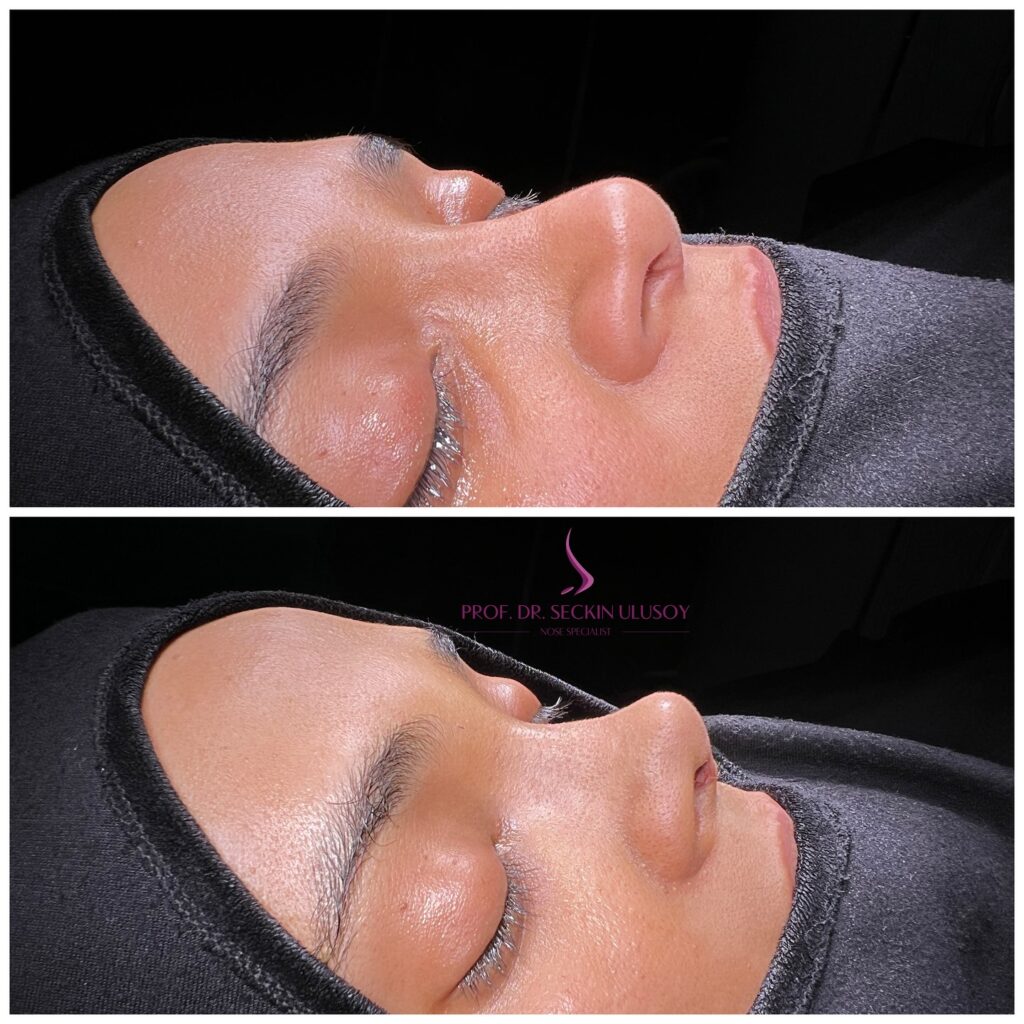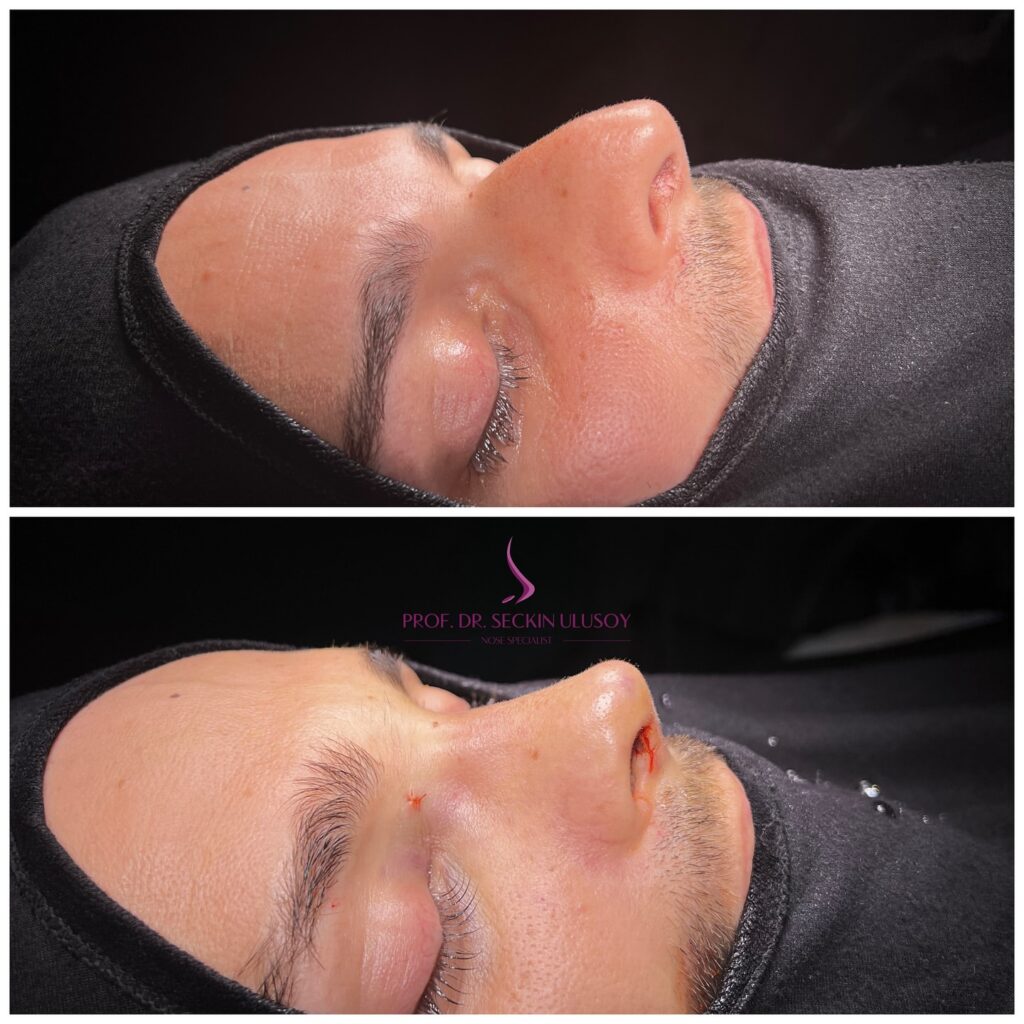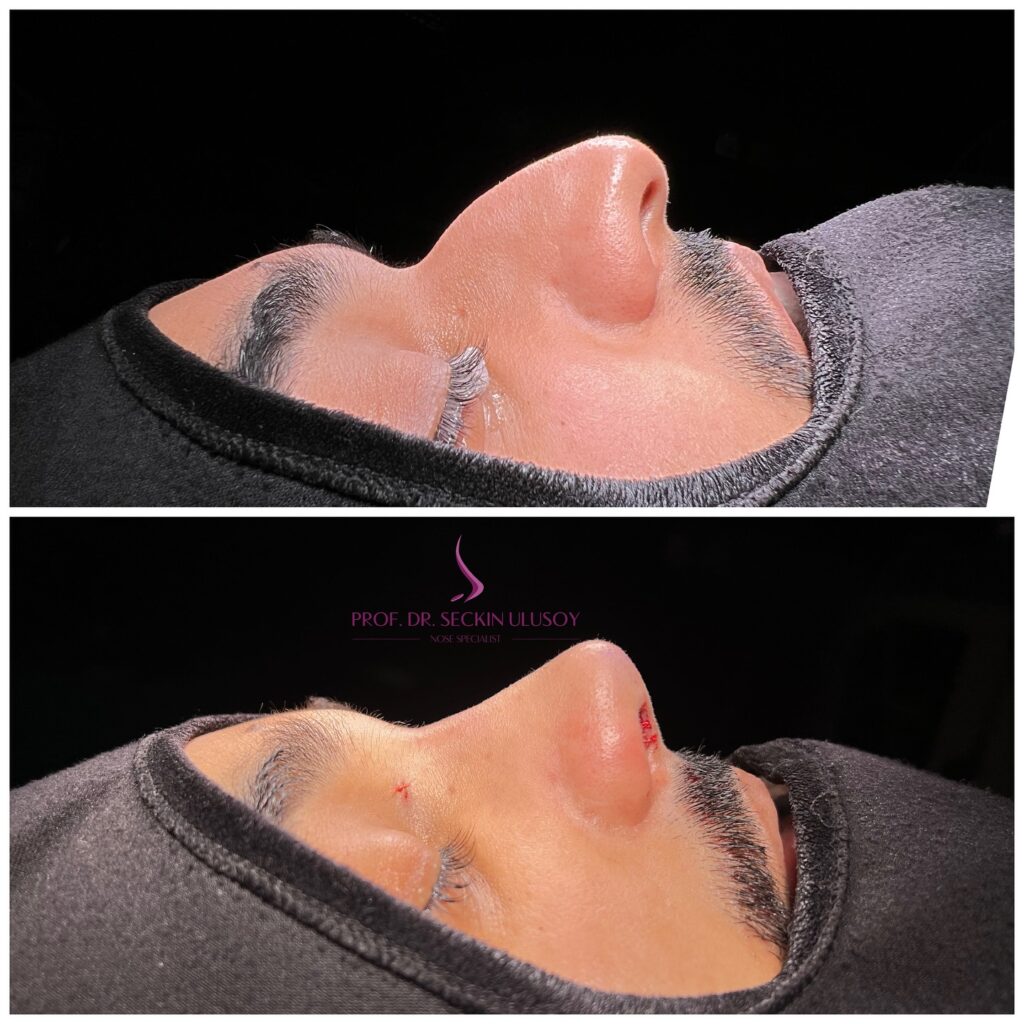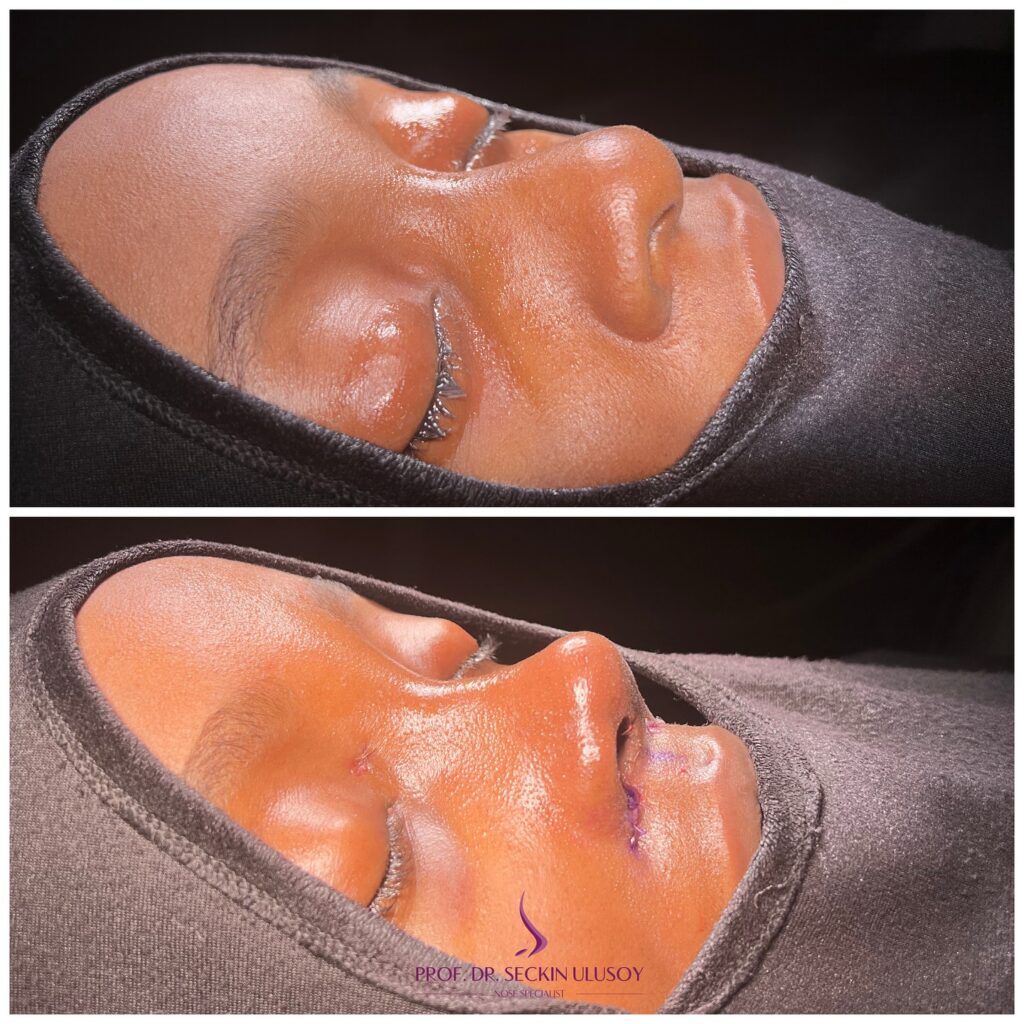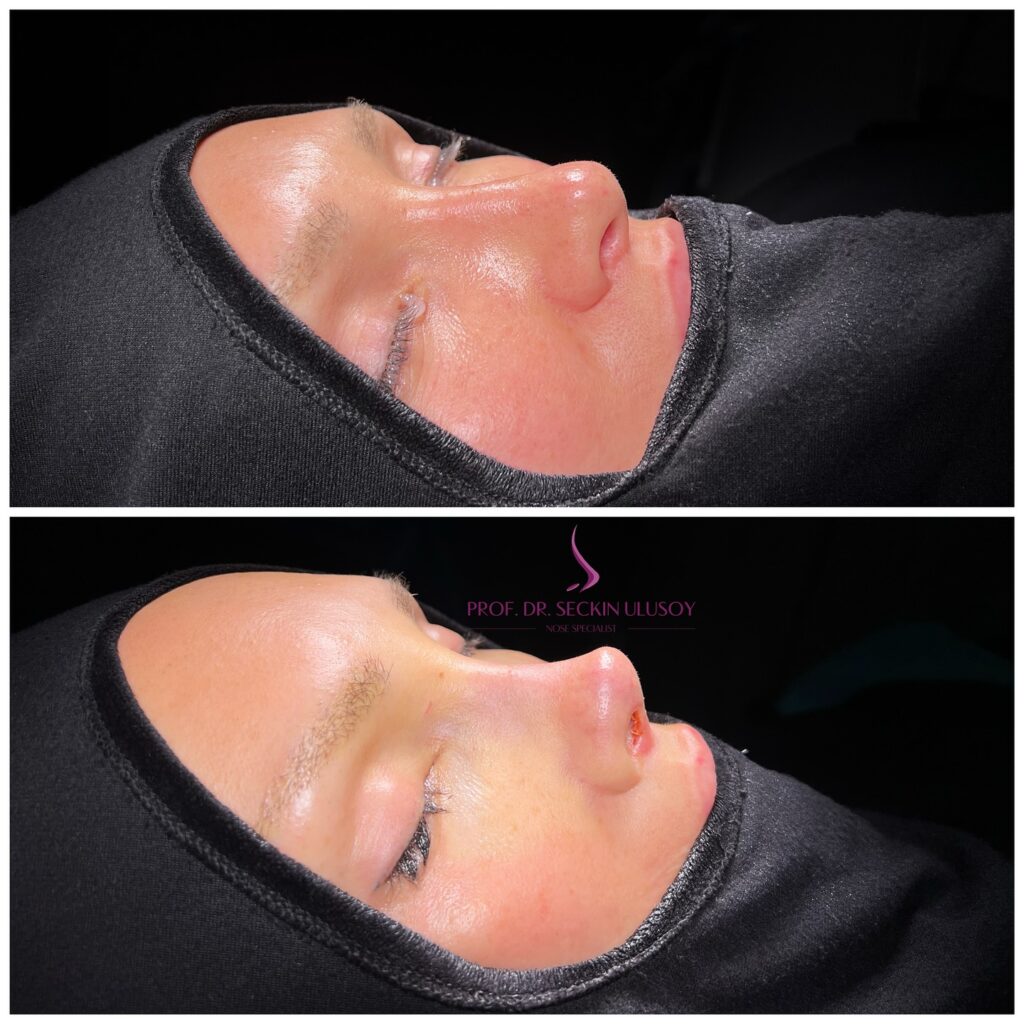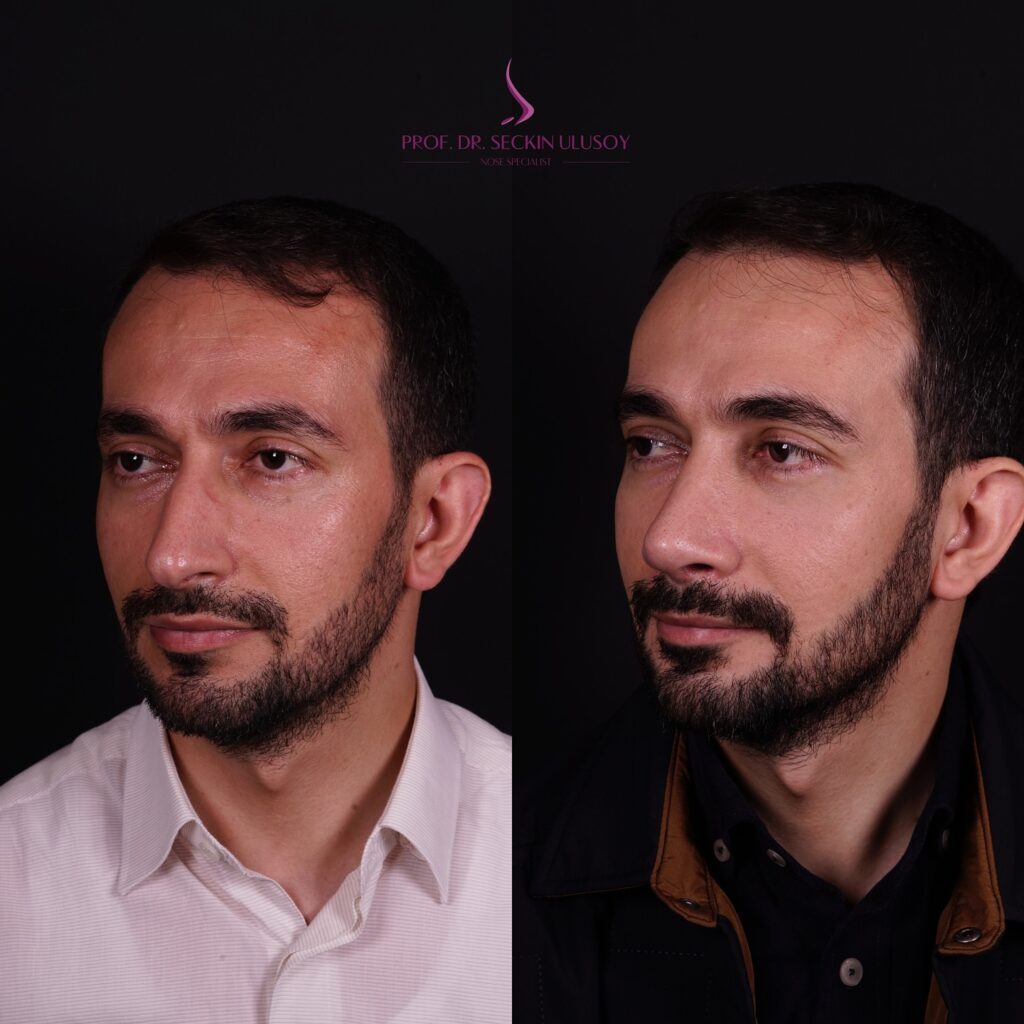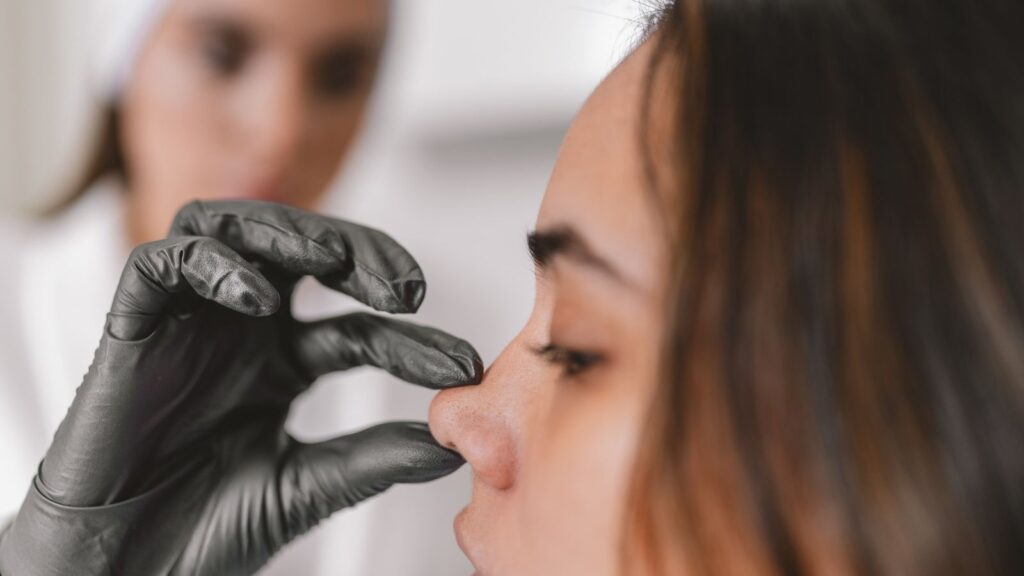
No, not every patient with a septal deviation needs rhinoplasty. If the breathing problem causing nasal obstruction is due only to a cartilage deviation inside the nose and there is no external nasal deformity, a functional nasal surgery that removes only the internal obstruction is sufficient. However, if this internal deviation distorts the external nasal framework, creates asymmetry, or weakens the supporting structures of the nasal tip, incorporating aesthetic procedures into the surgery becomes medically necessary to achieve a permanent and healthy airway. The extent of the planned surgery is tailored according to how much the anatomical problem narrowing the airway affects the external nasal framework.
What Is Septal Deviation in Nasal Anatomy and Why Does Cartilage Deviation Occur?
The nasal septum is the central partition that divides the nasal cavity into right and left passages. Its front portion consists of flexible cartilage, while its posterior and lower portions are made of rigid bone. In a healthy and ideal anatomical structure, this central partition is expected to be straight like a wall, allowing equal and comfortable airflow through both nostrils. However, in a large portion of the population, this partition is not perfectly straight; it contains varying degrees of bends, curves, or bony spurs. These structural deviations are collectively referred to as septal deviation.
Several major factors contribute to the development of these deviations. Genetic predisposition and inherited facial structure are among the leading causes. In addition, the rapid growth phases during adolescence play a significant role. Cartilage tissue may grow much faster than the surrounding bony framework. As the growing cartilage attempts to fit into a limited space, it inevitably bends and becomes curved. Furthermore, minor falls during childhood, facial injuries, or trauma sustained during adulthood may lead to significant structural deformities in the cartilage and bone over the years, even if they seemed insignificant at the time. Cartilage has a form of memory, and injuries it sustains may gradually manifest as noticeable deviations.
Does Septal Deviation Cause Symptoms in Every Patient and What Are the Most Common Complaints?
Not every deviation of the nasal septum necessarily causes noticeable problems. A significant number of people live their entire lives without realizing they have a septal deviation and without experiencing any symptoms that affect their daily activities. Mild deviations that do not significantly obstruct airflow, disturb sleep, or reduce exercise capacity generally do not require surgery. Nasal congestion occurring during seasonal allergies or winter infections can usually be effectively relieved with medical treatment.
However, the situation changes when the deviation becomes severe enough to mechanically narrow or completely block the nasal air passages. When sufficient air cannot be inhaled through the nose, the body compensates by breathing through the mouth. Since mouth breathing bypasses the nose’s functions of warming, humidifying, and filtering the air, it may eventually lead to dry throat, chronic pharyngitis, and reduced sleep quality. Persistent daytime fatigue is often a reflection of inadequate oxygenation.
The most common complaints seen in clinical practice include:
- Nasal obstruction
- Mouth breathing
- Snoring
- Sleep apnea
- Morning headaches
- Nosebleeds
- Frequent sinus infections
- Reduced sense of smell
- Waking up feeling tired
- Becoming easily congested during physical activity
What Are the Differences Between Septal Deviation Surgery That Only Improves Breathing and Rhinoplasty?
One of the issues patients struggle with most during the decision-making process is understanding the extent of the planned surgery. Septoplasty, which is performed solely to improve breathing, and rhinoplasty, commonly known as cosmetic nose surgery, differ in both their objectives and techniques.
Septoplasty is a functional operation aimed exclusively at improving breathing quality without making any changes to the external appearance of the nose. All procedures are performed through the inside of the nose beneath the mucosa. There are no external incisions, and the nasal bridge or nasal tip remains unchanged. Since there is no external bone breaking or filing, facial bruising or swelling is generally not expected.
Rhinoplasty, or septorhinoplasty when both procedures are combined, involves correcting internal structural problems while simultaneously reshaping the external nose. During these operations, the nasal airways are improved while the external bony framework is reshaped according to the patient’s facial proportions. Asymmetries are corrected, the nasal tip is reinforced, and breathing is optimized in harmony with both aesthetics and function.
In Which Septal Deviation Cases Does Rhinoplasty Become a Medical Necessity?
Many patients state that they only want to breathe comfortably and have no concerns about their appearance. However, the biomechanical structure of the nose does not always allow correction of only the internal structures. Inside the nose are supporting cartilage columns known as the “L-strut,” which keep the nose structurally stable. If the deviation involves these critical support columns, removing only the deviated cartilage can be comparable to cutting the main support columns of a building.
In such cases, performing only a functional procedure may eventually lead to collapse of the nasal bridge or drooping of the nasal tip, even if this does not occur immediately after surgery. Correcting deviations involving these supporting columns requires reinforcing the area with new cartilage grafts without weakening it. Because these necessary structural reinforcements alter the external shape of the nose, aesthetic surgical principles inevitably become part of the procedure. In other words, aesthetics is not always about enhancing appearance; it is often a structural engineering solution that prevents nasal collapse.
What Are the Types of Septal Deviation According to Anatomical Location and How Do They Affect Surgery?
Cartilage and bone deviations are not located in the same area in every patient. The anatomical location of the deviation directly determines both the severity of the patient’s breathing difficulty and the surgical technique. Since the entrance of the nose is naturally narrower, even minor deviations in this region may significantly obstruct airflow, whereas deviations located farther back in wider areas may cause fewer symptoms.
The primary anatomical regions used for classification include:
- Caudal region
- Dorsal vault
- Central region
- Maxillary crest base
- Posterior bony region
Deviations in the caudal region (near the nostrils) and the dorsal vault (corresponding to the external nasal bridge) are particularly critical. These regions form the main framework supporting the visible shape of the nose. Correcting deviations in these locations without addressing the external framework is often impossible, making combined surgical planning necessary. In contrast, deeper deviations located centrally or near the base can generally be corrected through internal approaches alone.
Why Is the Expertise of an Ear, Nose, and Throat and Facial Plastic Surgery Specialist Important in the Treatment of Septal Deviation?
The nose is a vital respiratory organ through which liters of air pass every second. It warms and humidifies this air, filters airborne particles, and prepares it for the lungs. Therefore, when operating on this organ, it is not sufficient merely to create a symmetrical external appearance. The aerodynamics of the nasal passages, the health of the mucosa, preservation of the olfactory nerves, and proper sinus drainage are all critically important.
Ear, nose, and throat and facial plastic surgery expertise combines these two different aspects into a single discipline. A surgeon with a thorough understanding of respiratory physiology avoids maneuvers that could narrow the airways while designing the external appearance. The ultimate goal is not simply for the patient to have an attractive face but also to breathe quietly and comfortably through the nose during sleep without needing to open the mouth. Form and function cannot be considered separately in a healthy nose.
Which Surgical Techniques Are Used in Advanced and Complex Cases of Septal Deviation?
In some patients, the cartilage inside the nose may have become severely folded, fragmented, or fractured in multiple locations because of previous trauma or serious developmental abnormalities. Repairing such severely damaged tissue within the narrow, dark, and often bleeding surgical field of the nose to create a straight partition becomes nearly impossible. At this point, advanced reconstructive techniques come into play.
The main approaches preferred in advanced cases include:
- Extracorporeal septoplasty
- Spreader graft placement
- Columellar strut graft
- Tip grafts
- Lateral crural strut grafting
For example, in extracorporeal septoplasty, nearly the entire deviated and fractured septal cartilage is removed and placed on the operating table. Outside the nose, in a more comfortable environment, the deformed portions are trimmed away, and the healthy cartilage pieces are reassembled and sutured together like a jigsaw puzzle to create a strong, flat plate. This reconstructed straight and durable cartilage wall is then reinserted into the patient’s nose and secured in place. It is a highly effective method for rebuilding the supporting framework from scratch.
What Is Done During Septal Deviation Surgery to Prevent Airway Narrowing After Rhinoplasty?
One of the greatest disadvantages of traditional rhinoplasty techniques performed in the past was the inward collapse of the upper nasal airway (the internal nasal valve) after reducing the dorsal hump. This collapse not only created a pinched appearance from the outside, known as the inverted-V deformity, but also significantly impaired breathing.
In modern surgery, the nasal roof is never left unsupported after hump reduction. Thin, straight cartilage strips prepared from the patient’s own cartilage, known as spreader grafts, are placed between the septum and the sidewalls like support beams. This technique widens the air passages that are prone to narrowing by pushing them outward. As a result, while the nose appears more refined and smaller externally, the internal airways become more open and comfortable than before surgery.
Which Rhinoplasty Methods Preserve Natural Anatomy While Correcting a Dorsal Hump?
For many years, the dorsal hump was corrected by breaking and filing the nasal bones from above. However, this often disrupted the natural anatomy of the nasal bridge and created surface irregularities. The concept known as preservation rhinoplasty, developed in recent years, works through a completely different mechanism.
With this technique, the natural smooth cartilage and bony roof of the nose is left completely untouched. Instead, the source of the problem—the base of the nose—is addressed. Millimeter-thin strips are removed from the lower portions of the sidewalls and septum. Once the underlying support is reduced, the entire nasal bridge is lowered as one unit, much like an elevator descending. As a result, the hump disappears while preserving the patient’s own natural dorsal profile. This approach aims to achieve a much more natural appearance that does not reveal signs of surgery.
How Are Open and Closed Techniques Chosen in Septal Deviation and Rhinoplasty Surgery?
The choice of surgical technique varies from patient to patient and is determined entirely by the anatomical needs of the individual nose. Although patients often assume one technique is superior to the other, both offer distinct advantages.
In the closed technique, all incisions remain inside the nostrils. There is no visible scar on the skin beneath the nose. Since fewer soft tissue attachments are divided, postoperative swelling may be less pronounced and recovery is generally faster. However, the surgeon’s visual field is more limited, making tactile skill extremely important.
In the open technique, a small incision measuring only a few millimeters is made on the skin separating the nostrils, and the skin is elevated to fully expose the nasal framework. This method may be preferred in complex cartilage deviations, severe asymmetries, and cases requiring highly detailed nasal tip reconstruction. It allows the surgeon to perform millimeter-level corrections under direct visualization. The scar usually fades over time until it becomes barely noticeable.
Can Enlarged Turbinates or Sinus Problems Be Treated During Septal Deviation Surgery?
The inside of the nose functions as a closed system in which different structures work together harmoniously. When cartilage deviation exists on one side, the air passage on the opposite side becomes disproportionately enlarged. According to the body’s natural adaptive mechanism, the nasal turbinates on that side enlarge to fill the space and adequately warm the incoming air. If these enlarged turbinates are not reduced after correcting the septal deviation, the opposite side may then become obstructed. Therefore, enlarged turbinates are often reduced during surgery using methods such as radiofrequency to restore their ideal size.
Furthermore, cartilage deviations may disrupt the natural drainage of the sinus openings, contributing to chronic sinusitis or nasal polyps. Since the patient is already under anesthesia, endoscopic sinus surgery may also be performed in conjunction with rhinoplasty and septal deviation surgery. Using cameras, the surgeon enters the sinuses, removes inflamed tissue, and opens blocked drainage pathways. Through this comprehensive airway management approach, every factor contributing to breathing problems can be addressed during the same operation.
How Are Revision Surgeries Planned After Unsuccessful Septal Deviation or Rhinoplasty Procedures?
Procedures performed on patients who have previously undergone surgery but failed to achieve the desired functional or aesthetic outcome are known as revision surgery. The greatest challenge in these operations is that sufficient, high-quality cartilage for reconstruction has often been depleted during the previous procedures. Just as building a solid house requires quality bricks, creating a stable nose requires healthy cartilage.
If the septal cartilage inside the nose is insufficient, supporting tissue may be harvested from other parts of the body. Depending on the extent of reconstruction needed, the preferred sources include:
- Ear cartilage
- Rib cartilage
- Fascial tissue
For small depressions and minor corrections, cartilage harvested from behind the ear is generally sufficient. However, when the structural framework of the nose has completely collapsed, rib cartilage is frequently preferred because it provides the strongest support. This rib cartilage is carved into thin strips, shaped, and placed where the destroyed support columns once existed, creating an entirely new structural foundation.
What Should Be Considered Before Septal Deviation and Rhinoplasty Surgery?
The first step toward a successful surgical outcome is proper preparation before the operation. Although nasal and facial growth is completed at different ages in girls and boys, it generally concludes around the age of 18. Except in exceptional circumstances, cosmetic procedures are not recommended before facial growth has been completed because changes in facial proportions may continue over the years.
Another important factor affecting surgical success is bleeding control and tissue healing. Certain habits and substances should be discontinued or temporarily avoided before surgery.
Factors that may increase bleeding risk and delay healing include:
- Smoking
- Aspirin
- Green tea
- Vitamin E
- Omega-3 supplements
- Alcohol
- Foods with blood-thinning effects
Smoking significantly reduces the amount of oxygen reaching the tissues, delaying wound healing and increasing the risk of complications. Likewise, if the patient has an active cold, influenza, or respiratory tract infection, surgery is generally postponed until the illness has completely resolved because anesthesia risks are increased.
What Are the Possible Risks of Septal Deviation and Rhinoplasty Surgery?
Like all surgical procedures, these operations carry certain inherent risks. Although these risks remain extremely low when performed by experienced surgeons using tissue-preserving techniques, it is important for patients to be informed.
Possible complications include:
- Septal perforation
- Hematoma
- Infection
- Temporary numbness
- Reduced sense of smell
- Asymmetry
Rarely, bilateral mucosal tears may result in a small hole in the nasal septum, which can sometimes produce a whistling sound during breathing. Hematoma, caused by blood collecting between tissue layers, is another possible complication and should be drained if detected. Numbness in the nasal tip, upper lip, or front teeth following surgery is generally caused by swelling around the nerve endings and is expected to gradually improve over the course of several months.
Which Guidelines Should Be Followed During Recovery After Septal Deviation and Rhinoplasty Surgery?
The completion of surgery does not mean the treatment process has ended. Patients must be very careful during the postoperative period to allow the tissues to heal and reshape properly. Swelling around the eyes and cheeks during the first few days is considered normal. Applying intermittent ice compresses regularly during this period helps minimize swelling. Keeping the head elevated above chest level while sleeping reduces fluid accumulation through the effect of gravity.
The tissues inside the nose tend to become dry and develop crusts after surgery. Gently rinsing the nose with isotonic saline sprays recommended by the physician helps remove clots while keeping the mucosa moist.
The following activities should be avoided during the recovery period to prevent damage to the healing tissues:
- Blowing the nose
- Strenuous exercise
- Swimming in the sea
- Swimming in pools
- Wearing glasses
- Sleeping face down
- Taking hot baths
Complete healing of the nasal bones and full resolution of tissue swelling takes several months. Therefore, especially during the first weeks, protecting the nose from all impacts, preventing water from entering the nose to reduce the risk of infection, and avoiding physically demanding activities are essential for preserving the success of the surgery.