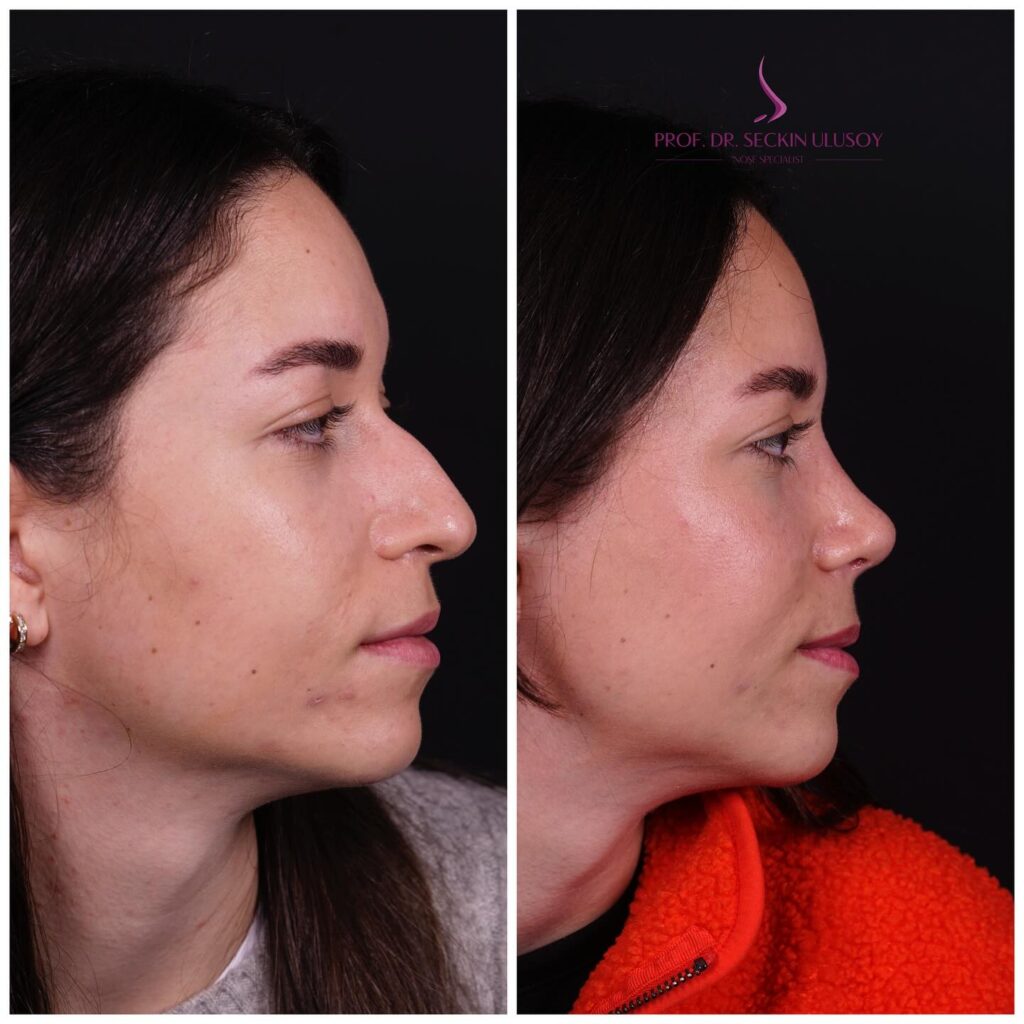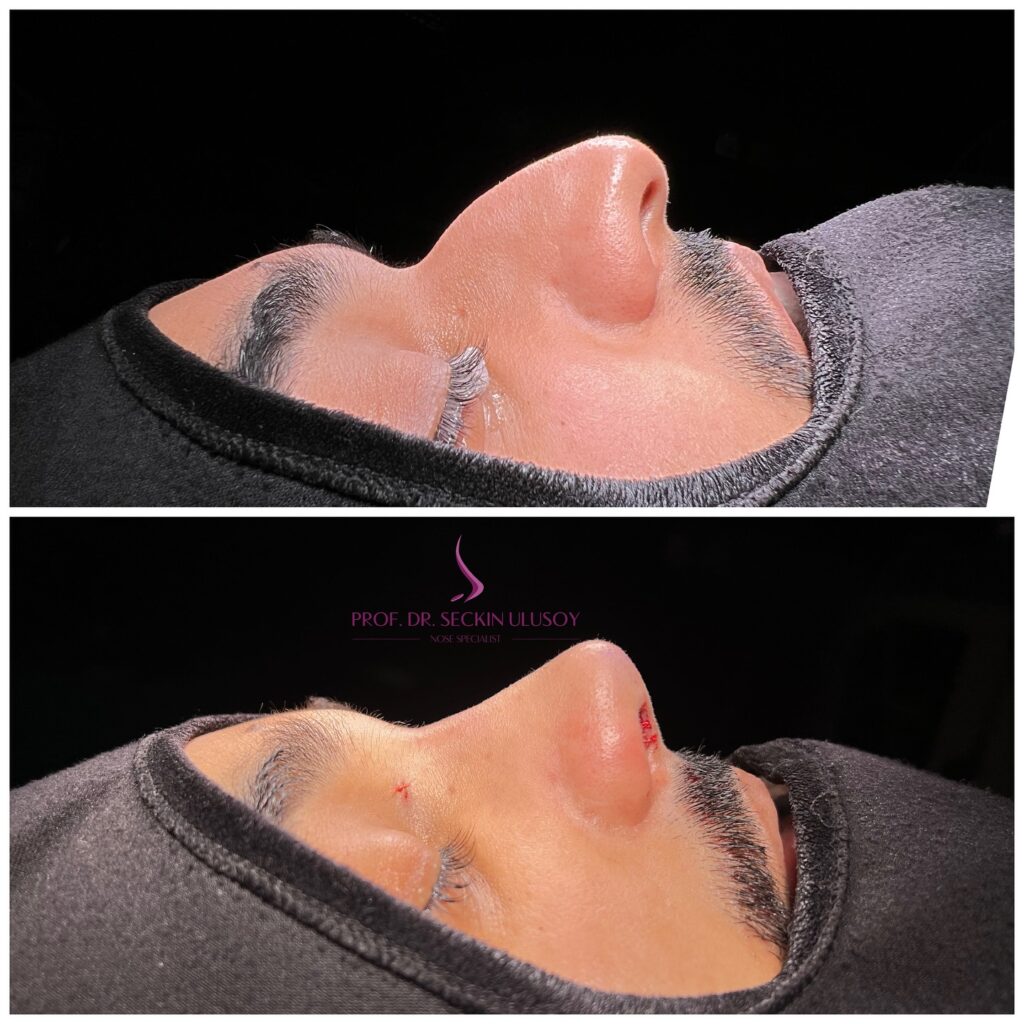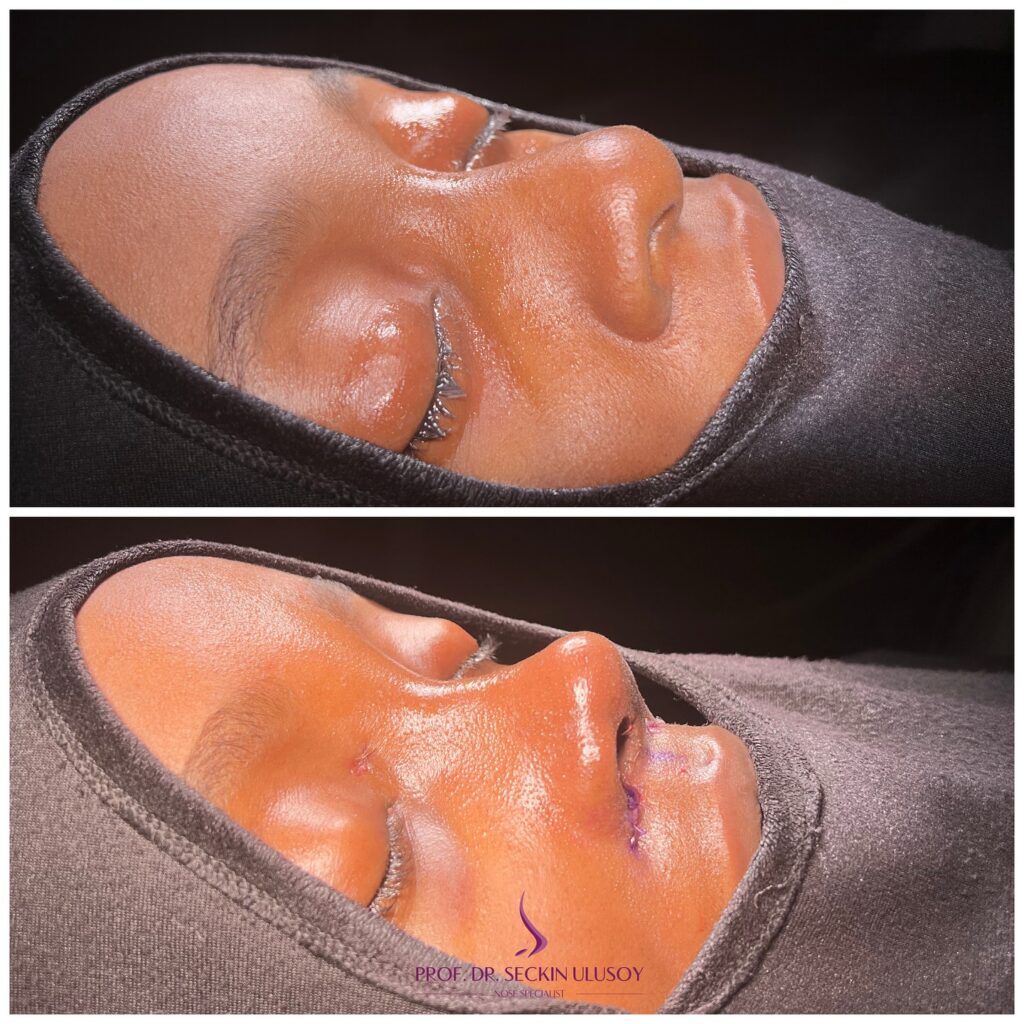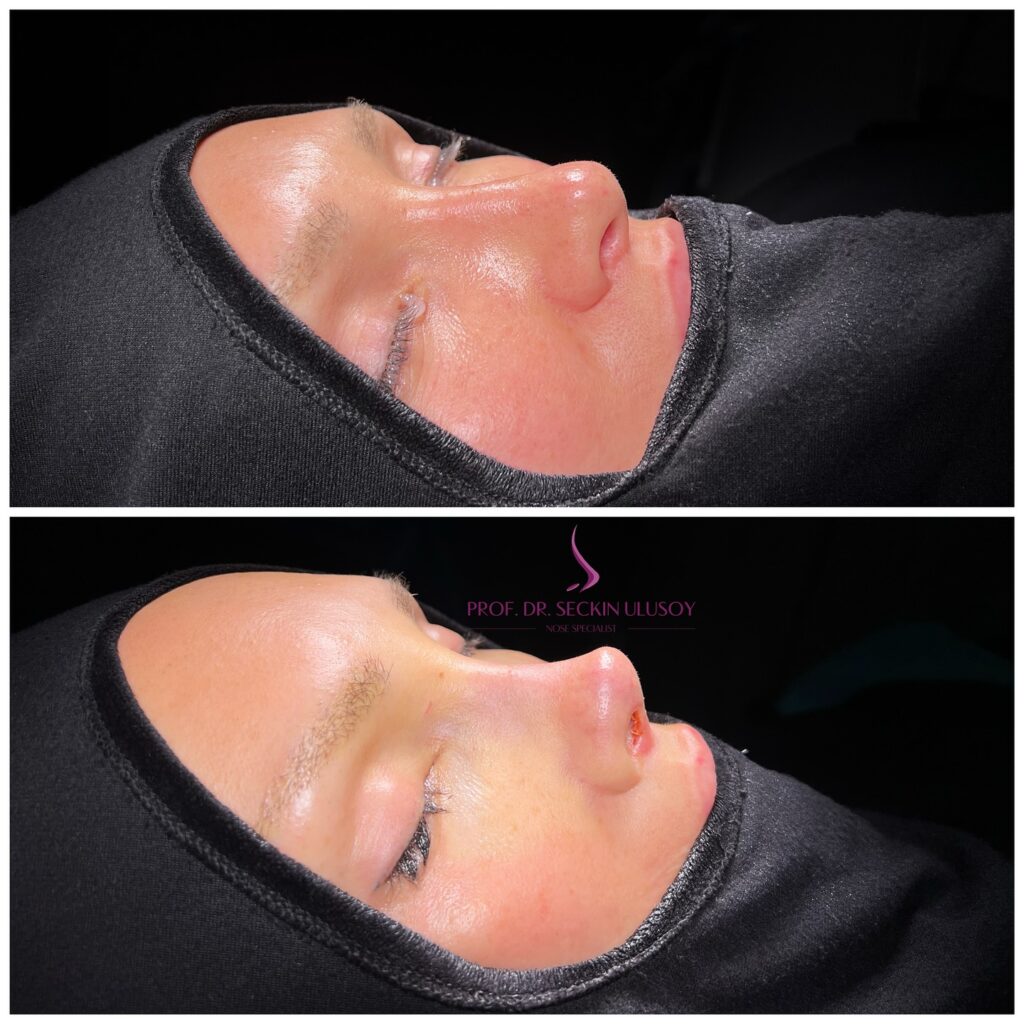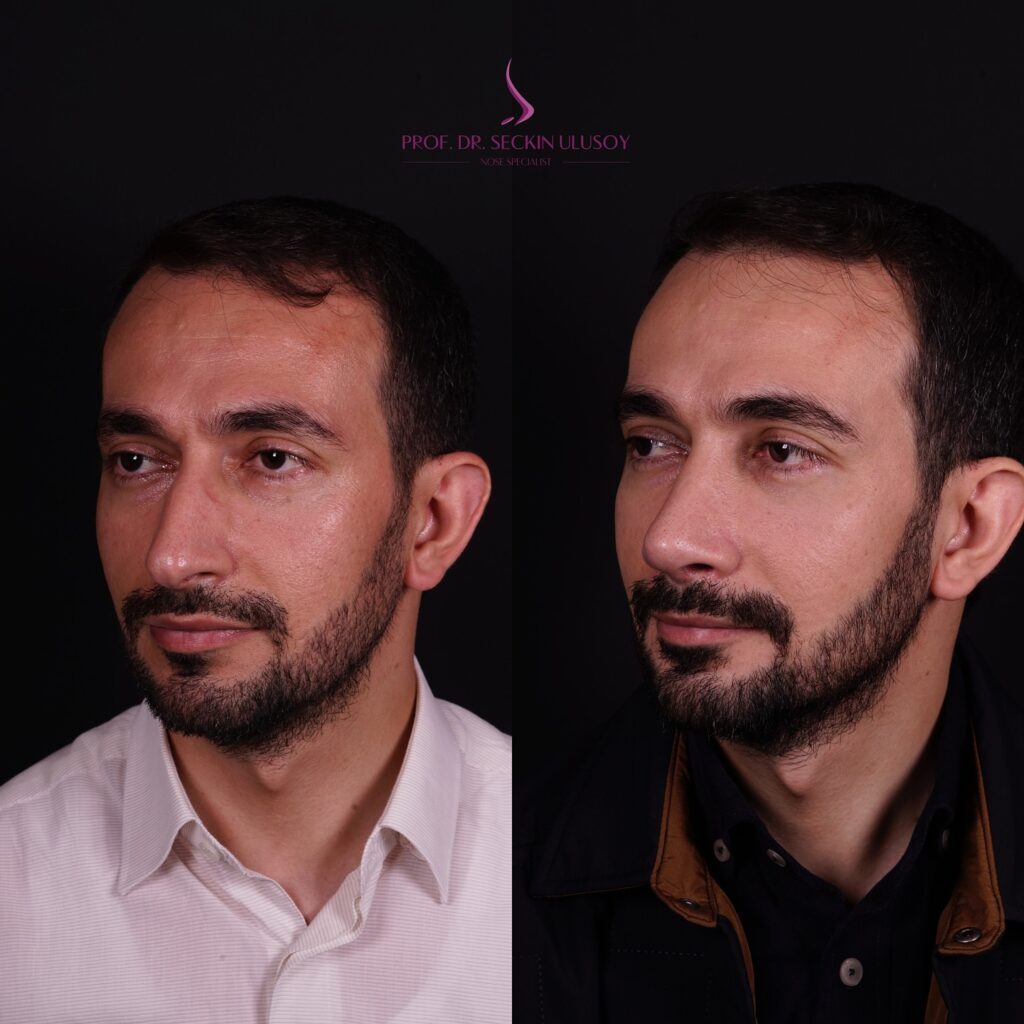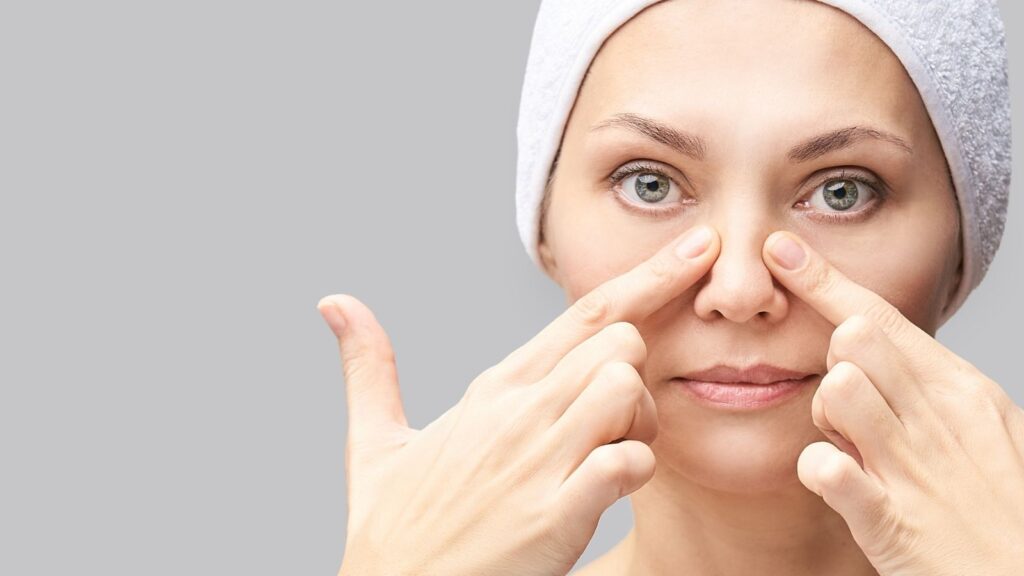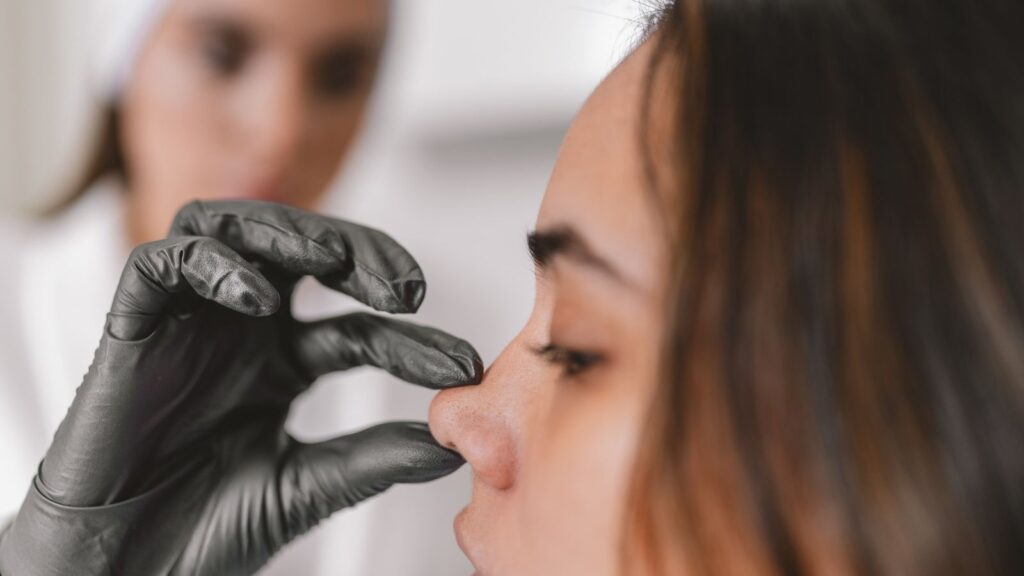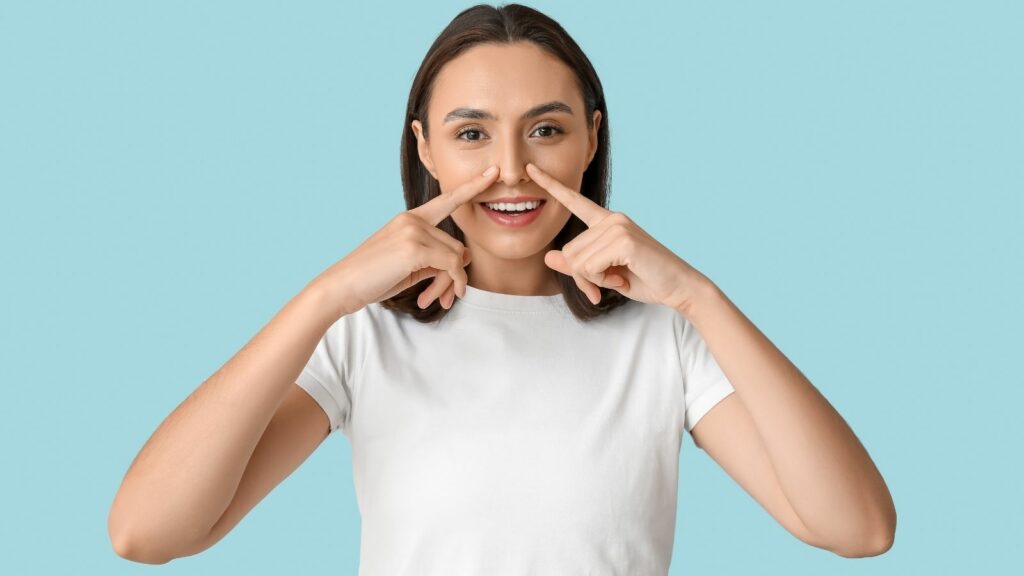
Massage after rhinoplasty may help reduce edema and support the tissues in adapting to their new shape. However, it is not necessary for every patient, and the decision to apply it should be made by the surgeon.
Nasal massage is generally recommended after a certain stage of postoperative healing has been reached. The application is performed with gentle and regular movements without applying excessive pressure.
Incorrectly performed nasal massage may negatively affect the healing process and lead to deformities. Therefore, patients should only apply the methods demonstrated by their doctor.
The purpose of massage after rhinoplasty is to accelerate the reduction of swelling and support the stabilization of cartilage tissues in the desired position. Regular and controlled application contributes to the healing process.
Why Is Nasal Massage So Important After Rhinoplasty?
Massage, which helps your nose take shape more quickly after surgery and reach its best aesthetic appearance, is much more than a simple rubbing movement. It is a targeted treatment method that directly affects the quality of the healing process. By gently guiding the body’s natural repair mechanisms, it positively shapes the process.

The main contributions of massage to the healing process are as follows:
- Reducing edema (swelling)
- Accelerating lymphatic drainage
- Helping the skin adapt to the new nasal framework
- Softening unwanted scar tissue
- Increasing regional blood circulation
- Defining the final nasal contours
Each of these effects combines like the pieces of a puzzle to help you achieve a smoother, more defined, and aesthetically satisfying result. Controlling swelling, especially in the early postoperative period, both increases your comfort and allows you to see the new shape of your nose sooner.
How Does Nasal Massage Scientifically Affect Healing?
The logic behind nasal massage is quite simple: guiding healing through controlled pressure. You can think of it as gently “sending instructions” with your fingertips to the cells responsible for healing. After a surgical procedure, the body immediately begins working to repair that area. During this repair process, cells may sometimes arrange collagen fibers in a somewhat scattered and irregular manner, creating hard and thick scar tissue. This may lead to unwanted firmness or irregularities in certain areas of the nose.
This is where massage comes into play. The controlled and rhythmic pressure you apply sends a signal to the cells in that area. This physical signal tells the cells that collagen fibers should be arranged in a more organized, parallel, and regular manner. As a result, the scar tissue that develops becomes more flexible, soft, and smooth rather than coarse and hard.
At the same time, this gentle mechanical effect helps direct the excess fluid accumulated between the tissues and causing swelling toward the lymphatic channels. By acting as a kind of “manual lymphatic drainage,” it enables swelling to subside more quickly. Increased blood circulation also supports cellular repair by carrying more oxygen and nutrients to the area. In short, massage is an intelligent aid that continues the shaping process initiated by the surgeon in the operating room at a microscopic level until healing is complete.
When Should Nasal Massage Be Started After Rhinoplasty?
This is perhaps one of the most critical questions, and the answer is very clear: Only and only when your surgeon says “start.” The timing of massage after rhinoplasty is just as vital as the technique itself. An intervention performed too early or at the wrong time may cause harm instead of benefit.
The first weeks following surgery are generally a “do not touch” period. During this process, the splint or cast on your nose acts as a shield protecting your delicate bone and cartilage structures. These structures are still very fragile, and even the slightest incorrect pressure may cause them to shift and damage the result achieved. Therefore, touching, pushing, or attempting any massage on the nose should definitely be avoided during this early stage.
There is no single magic day that applies to everyone for starting massage. This decision is entirely personalized. Advice such as “start 10 days after surgery” that you read online or hear from a friend may definitely not be correct for you. Your surgeon considers many factors when determining the most appropriate time to begin massage. The scope of your surgery, the structure of your skin, your healing speed, and your level of swelling all affect this decision. Massage is generally started one or two weeks after the splint is removed, when the tissues have settled to some extent and sensitivity has decreased. However, the only person who can give the final green light is your surgeon.
How Should Nasal Massage Be Performed Correctly at Home?
Nasal massage is a prescription tailored specifically for you, and the movements must be demonstrated practically by your surgeon. The aim here is to provide an idea about general techniques and emphasize the basic principles of correct application. Gentleness, consistency, and hygiene should always be prioritized while performing massage.
The basic rules to follow before starting massage are as follows:
- Hands must be clean.
- A moisturizer recommended by your surgeon may be used to prevent skin irritation.
- The pressure should be noticeable but should never cause pain.
- If sharp pain is felt, the massage should be stopped immediately.
- Movements should be performed slowly and in a controlled manner.
The basic massage movements your surgeon may show you generally include:
- Lymphatic drainage stroking
- Nasal bridge pressure
- Sidewall massage
- Nasal tip support and compression
These terms may sound unfamiliar to you, but do not worry. During your follow-up examination, your surgeon will clearly show you how to perform each of these movements according to the needs of your nose. For example, “lymphatic drainage” is generally a very gentle stroking movement from the sides of the nose toward the cheeks, while “nasal bridge pressure” is a more controlled pressing movement used to distribute edema over the nasal bone. The important point is to apply these movements exactly as demonstrated rather than interpreting them on your own.
Which Factors Make the Nasal Massage Protocol Personalized?
Everyone’s face, skin, and healing process are different. Therefore, nasal massage cannot be a “one-size-fits-all” application. The massage plan prepared by your surgeon is shaped entirely according to your anatomical characteristics and the nature of the operation you have undergone. This personalized approach allows you to obtain the greatest benefit from massage.
Your surgeon considers personal factors such as the following when creating your massage plan:
- The thickness or thinness of your skin
- The surgical technique applied (Open/Closed)
- The extent of intervention performed on the bones
- Use of cartilage grafts (additional cartilage)
- Your personal healing speed
- Your current edema level
For example, in a patient with thick skin, it may take longer for the skin to settle onto the new framework underneath, and the swelling may be more persistent. In this case, a longer and more specific pressure-focused massage protocol may be recommended. In a patient with thin skin, even the slightest irregularity may be noticeable, so massage may be directed more toward helping the skin adhere smoothly and softening fine scar tissue. Similarly, since more edema generally occurs after open rhinoplasty, which is a more extensive procedure, the role of massage may become more critical. Therefore, the differences between your friend’s massage routine and yours result from the personalized nature of your treatment.
Are There Risks of Nasal Massage and When Should It Not Be Performed?
Nasal massage, which is extremely beneficial when applied correctly, may carry certain risks when performed incorrectly. Knowing these risks and learning in which situations massage should definitely be avoided are essential for a safe healing process. Remember, the aim is to support healing, not to cause harm.
The possible risks of massage performed incorrectly, at the wrong time, or with excessive force are as follows:
- Increased existing pain
- Worsening of swelling
- Irritation and bruising on the skin surface
- Displacement of delicate cartilage or bone structures
- Unwanted irregularities in the nasal contour
To avoid these risks, certain situations should be considered “red lines.” You should definitely avoid massage in the following situations:
- If your surgeon has not yet given approval
- If there are signs of infection in the area (fever, increased warmth, redness, discharge)
- If there is an open wound in your incisions or sutures that has not fully healed
- If you feel sharp, stabbing, or severe pain during massage
The first rule of safety is always to remain in communication with your surgeon. At the slightest doubt or concern, informing your doctor instead of continuing the massage is the most appropriate step to take.