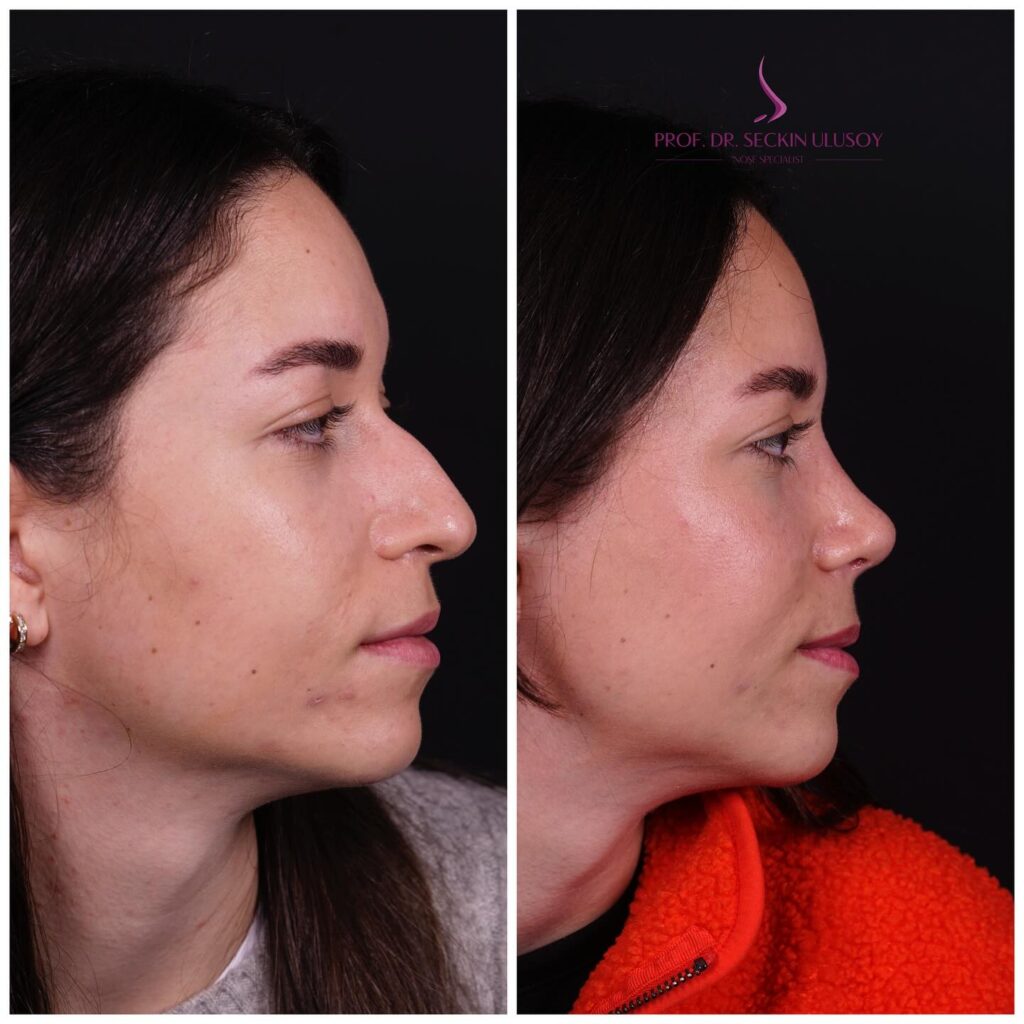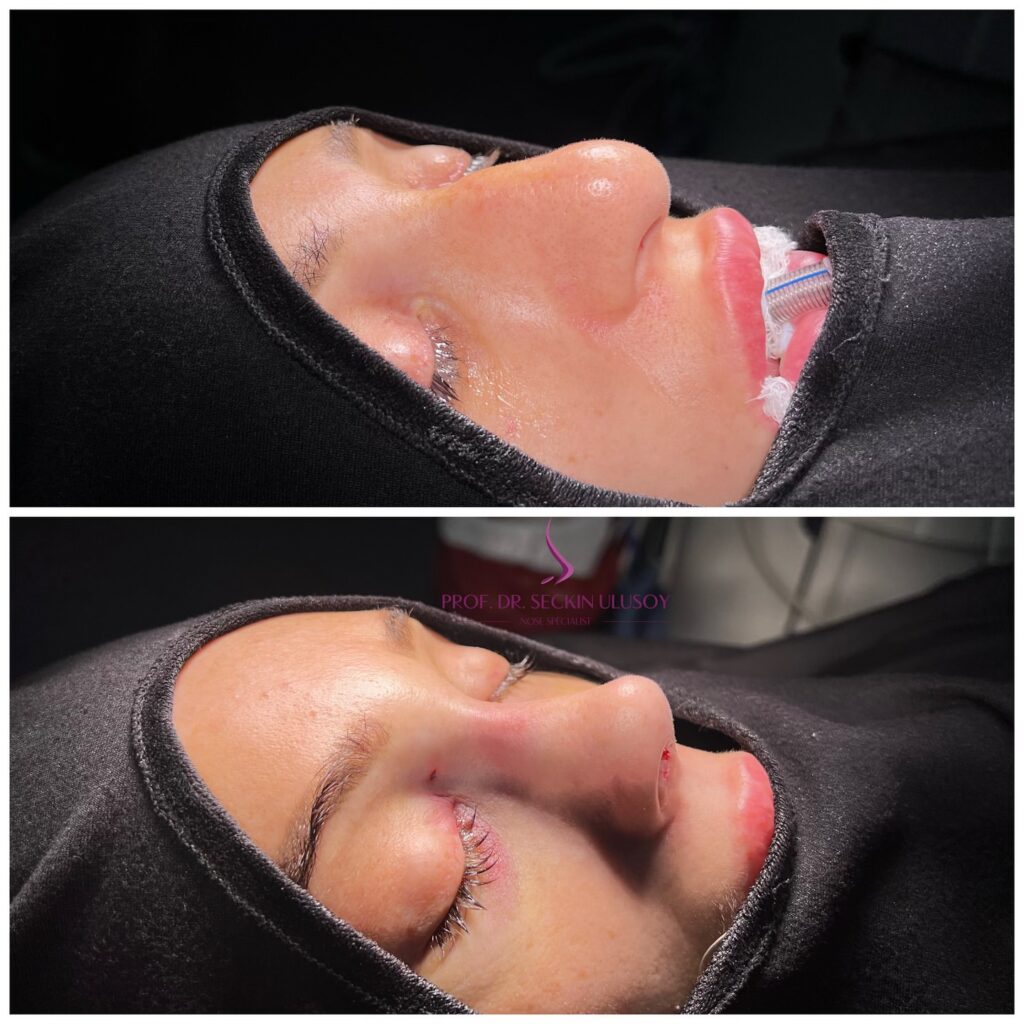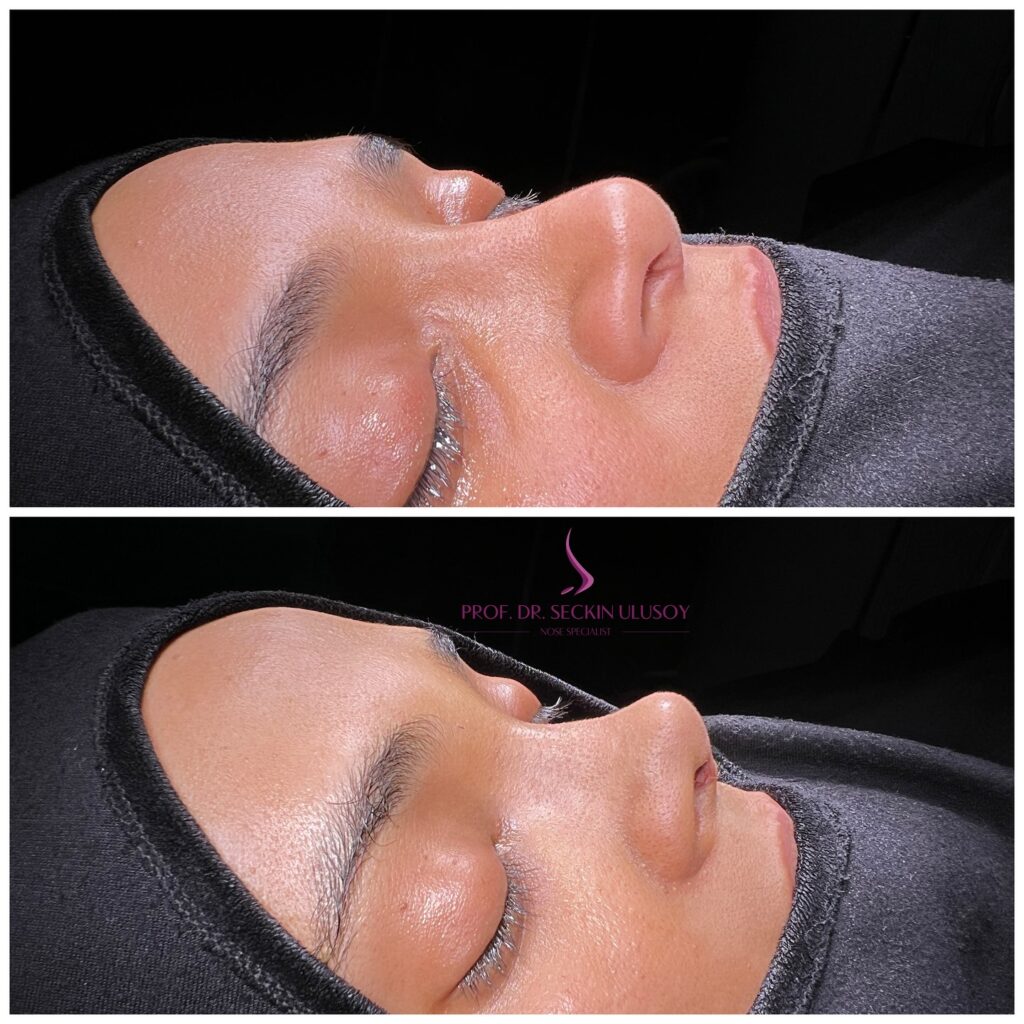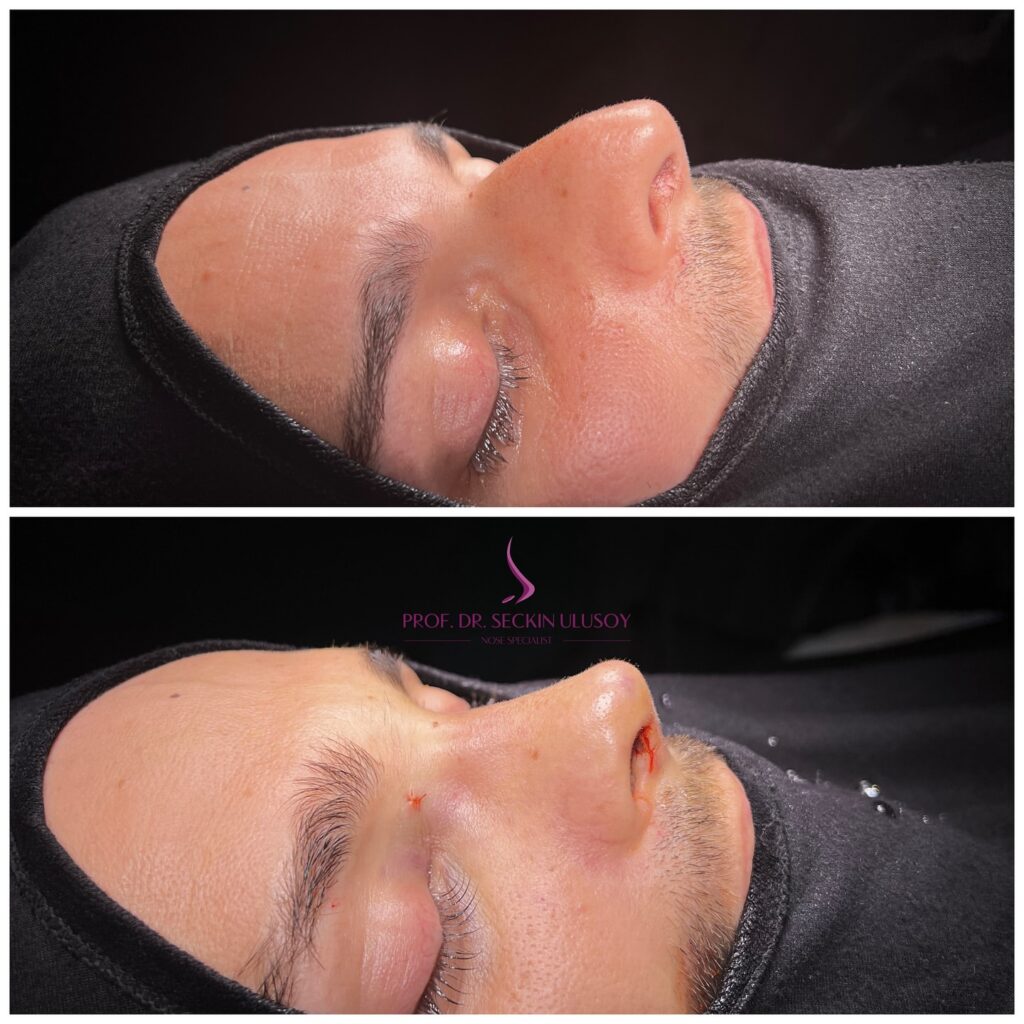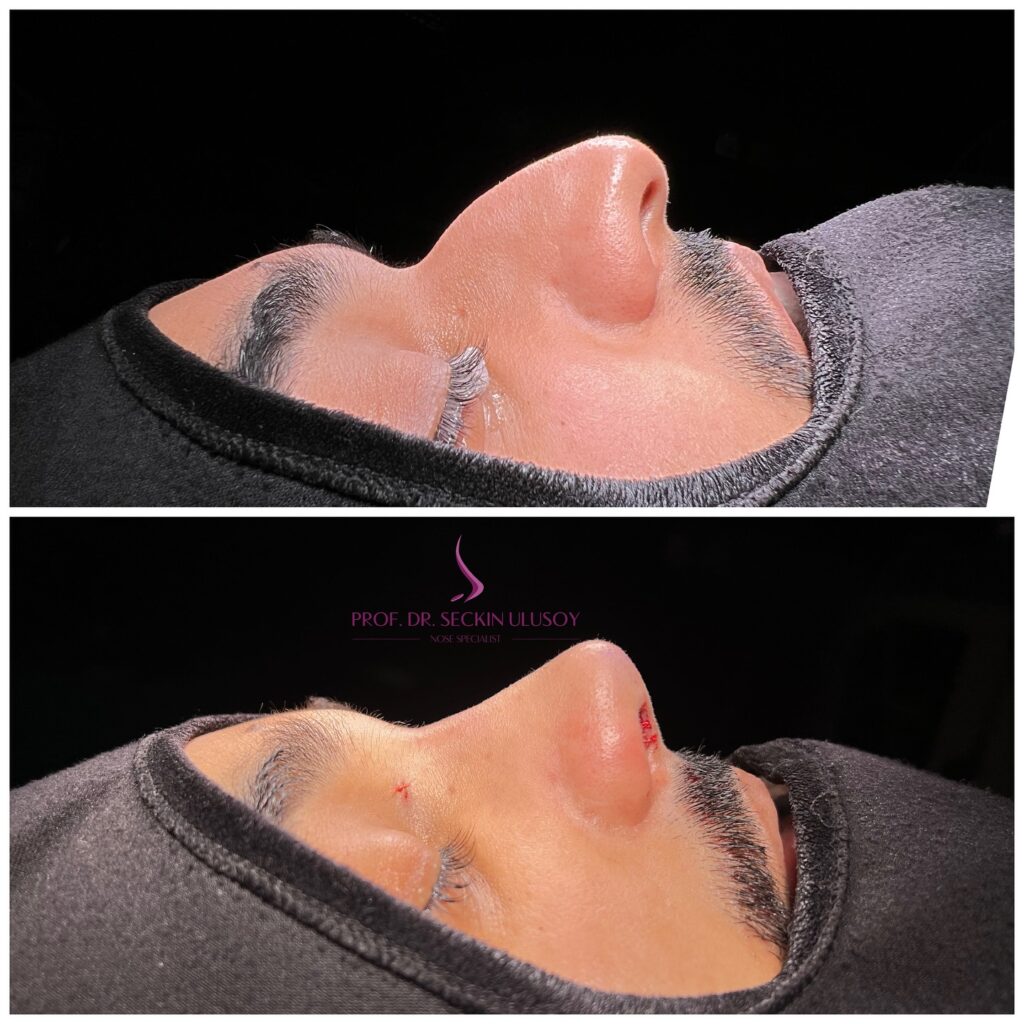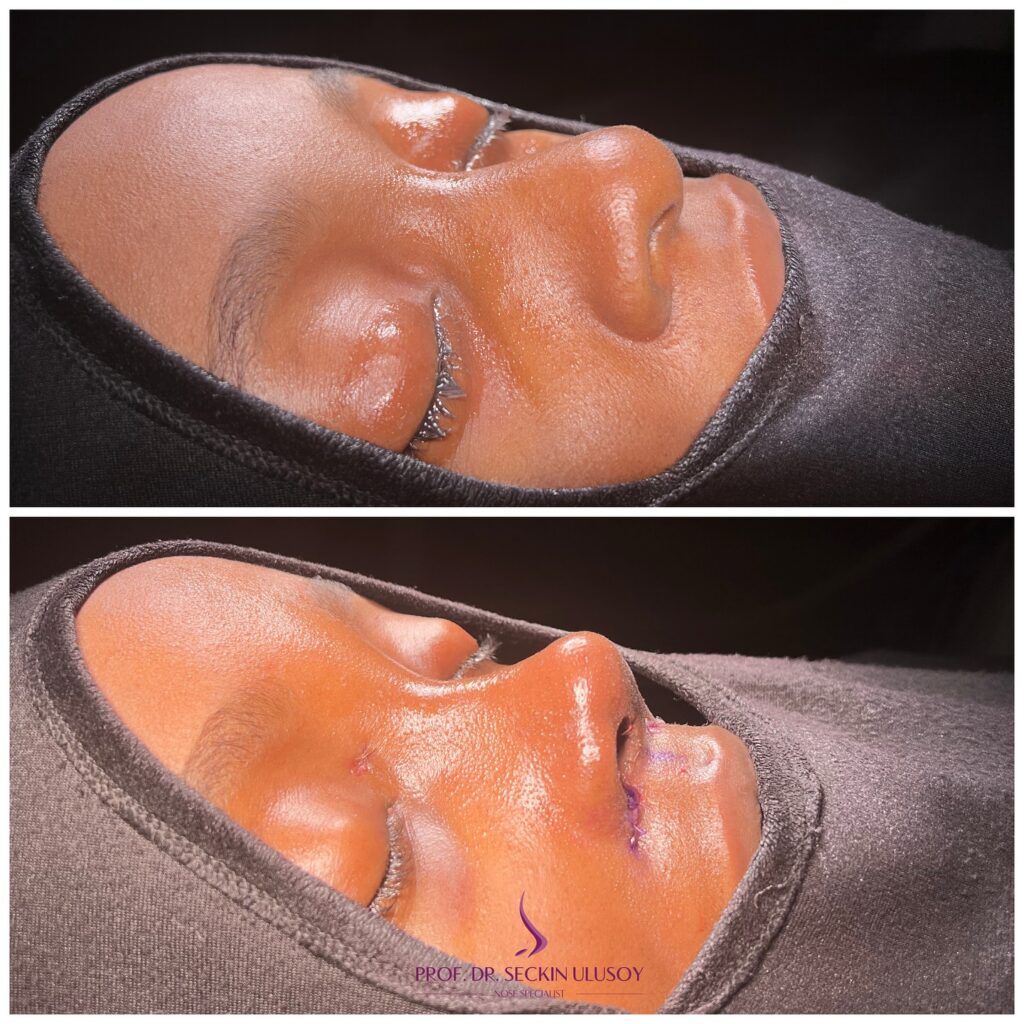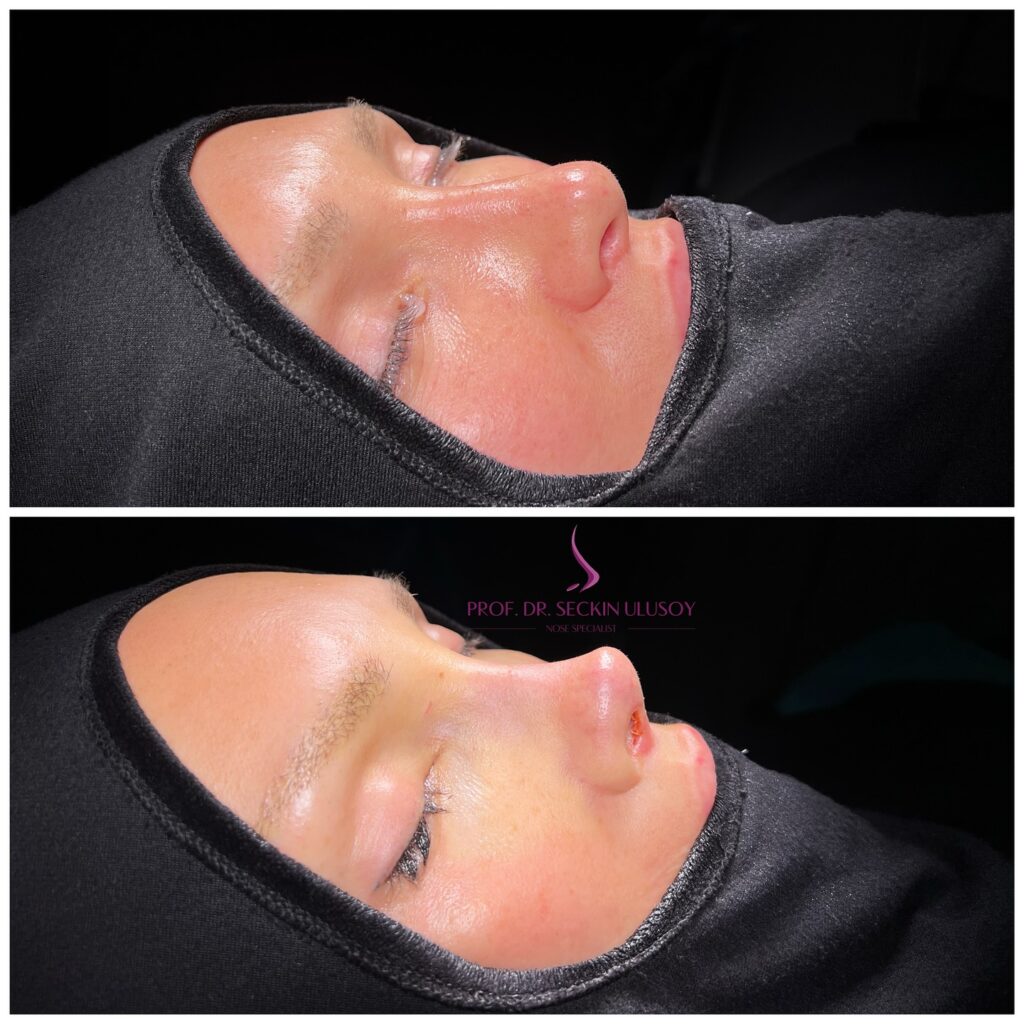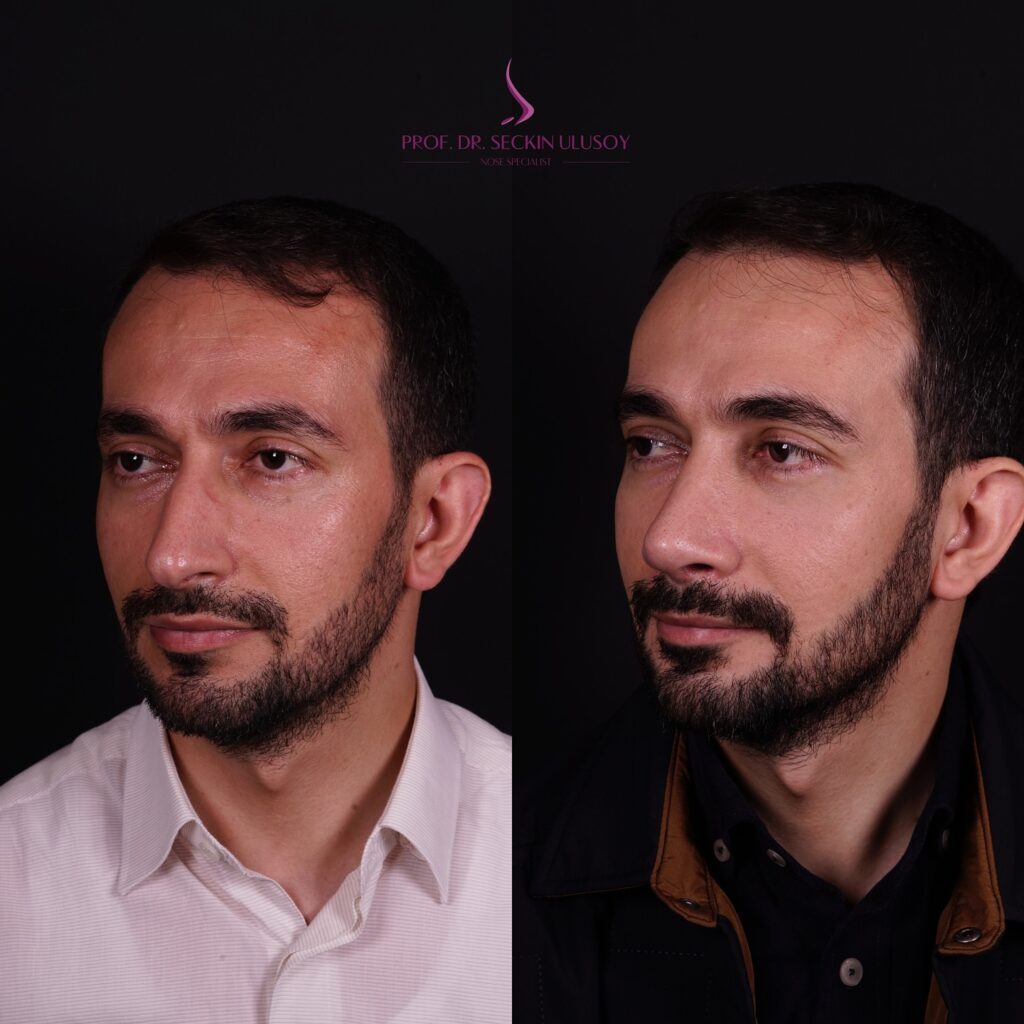
Piezo rhinoplasty prices are calculated entirely on an individual basis according to the patient’s existing anatomical structure, the scope of the aesthetic and functional corrections to be performed, and the technical capabilities of the healthcare facility where the surgery is planned. Since each individual’s bone and cartilage structure requires a different surgical plan, the cost of the procedure cannot fit into a standard pricing model. The advanced ultrasonic technology that replaces conventional instruments and works with exceptional precision while protecting the surrounding tissues is the primary factor shaping the overall cost. A precise and transparent treatment estimate can only be determined after your aesthetic expectations and your intranasal breathing requirements have been thoroughly evaluated during a detailed medical examination.
What Are Piezo Rhinoplasty Prices and What Determines the Overall Cost?
The cost of rhinoplasty procedures performed using ultrasonic technology is determined by the combination of many different factors. This method reshapes the nasal bones using devices that operate with ultrasonic sound waves vibrating thousands of times per second instead of conventional surgical instruments. Naturally, establishing and maintaining this advanced technological infrastructure requires a different financial plan compared with standard procedures. When calculating the overall cost, not only the duration of the operation itself but also the preoperative preparation and postoperative follow-up processes are taken into consideration. The level of surgical intervention required by the patient’s anatomy is among the main factors influencing the budget. While some nasal structures require only minor bone refinement, others may require complete reconstruction of the nasal framework.
These anatomical variations and tissue characteristics directly affect the amount of time the surgeon will spend in the operating room, the level of concentration required, and the quantity of specialized equipment that will be used. Every stage of the surgical process contributes to the overall cost. The primary factors generally considered during pricing include:
- Technological infrastructure used
- Hospital accreditation status
- Estimated duration of surgery
- Experience of the anesthesiologist
- Sterile disposable tips to be used
- Additional consumable materials
- Postoperative patient follow-up services
- Length of hospital stay
When all of these logistical and medical components are evaluated together, it is not possible to speak of a single standard price. Instead, a personalized treatment budget is prepared according to each patient’s biological characteristics, aesthetic expectations, and surgical requirements.
How Does the Ultrasonic Technology Used Affect Piezo Rhinoplasty Prices?
The devices that reshape bone using ultrasonic sound waves represent a significant portion of the overall cost. The impact of this technology on pricing can be evaluated under two main categories. The first is the purchase price and ongoing maintenance costs of the equipment for the healthcare facility. The second is the sterile, single-use tips that must be opened specifically for each operation. These specialized medical components are designed to recognize and act only on hard bone tissue upon contact.
While the metal surgical instruments used in traditional operations can be sterilized and reused many times, this system requires a new sterile set for every patient to reduce the risk of infection and maintain maximum cutting precision. The extensive use of disposable materials naturally increases the overall cost of the procedure. In addition, because the device selectively acts only on bone while generally preserving the surrounding soft tissues, the surgeon must proceed much more carefully and slowly with millimetric precision. This extends the operating time, which naturally increases operating room expenses calculated on a time basis. These factors that increase the budget also contribute to keeping postoperative swelling at the desired minimum level. Technology-related cost factors include:
- Main ultrasonic device
- Single-use surgical tips
- Sterilization solutions
- Equipment maintenance agreements
- Special cooling fluids
Although the technology increases the overall cost to some extent, it largely compensates for this difference by allowing patients to recover more quickly.
How Do ENT Expertise and Surgical Experience Influence Piezo Rhinoplasty Prices?
Beyond being an aesthetic feature located at the center of the face, the nose is also the starting point of the breathing process. Therefore, the surgeon’s mastery of anatomy, aesthetic vision, and clinical experience are among the major factors determining the cost of treatment. The field of Ear, Nose, and Throat (ENT) encompasses not only the external appearance of the nose but also the internal airways, sinus cavities, and cartilage support structures, making it a highly specialized discipline.
An experienced specialist uses the precision offered by ultrasonic technology to reshape the nasal framework while also aiming to preserve comfortable breathing for many years. As surgical experience increases, so does the ability to manage unexpected anatomical challenges encountered during surgery. Patients are not only investing in the physical procedure itself but also in the surgeon’s accumulated knowledge, problem-solving skills, and aesthetic judgment developed over many years. The reasons why professional experience contributes to the overall cost include:
- Knowledge of functional anatomy
- Advanced aesthetic judgment
- Crisis management skills
- Facial asymmetry analysis
- Airway reconstruction expertise
Although this level of experience may initially appear to increase the treatment cost, it significantly reduces the likelihood of secondary corrective surgery resulting from inadequate treatment, making it a wise long-term healthcare investment.
How Does Revision Surgery Versus Primary Surgery Affect Piezo Rhinoplasty Prices?
Whether or not a patient has previously undergone nose surgery is one of the most important factors influencing both surgical planning and overall treatment costs. Primary rhinoplasty refers to surgery performed on a nose that has never been operated on before and retains its original tissue and cartilage structure. In these cases, the surgeon works within a more predictable anatomical environment, the operating time generally remains within standard limits, and the required materials can be planned more accurately.
However, revision rhinoplasty performed on noses that have previously undergone surgery elsewhere or at another time, have experienced healing complications, or have developed deformities over time represents a much more complex category in terms of cost. In revision cases, the natural structural support inside the nose is often weakened, scar tissue and adhesions may be present, and the available septal cartilage may be severely limited. To reconstruct the nasal framework, cartilage may need to be harvested from the rib or behind the ear. This significantly extends the operation, requires additional specialized equipment, and greatly increases the workload of the surgical team. Factors increasing the cost of revision surgery include:
- Additional cartilage graft requirements
- Longer anesthesia duration
- Scar tissue and adhesions
- Increased use of consumable materials
- Specialized shaping instruments
This greater surgical complexity, extended operating time, and increased technical requirements explain why revision rhinoplasty is generally priced considerably higher than primary rhinoplasty.
How Do Hospital Facilities and Anesthesia Quality Affect Piezo Rhinoplasty Pricing?
Although the success of the procedure depends largely on the surgeon’s knowledge and experience, the safety of the entire process relies on the infrastructure of the hospital where the operation is performed. Accreditation, strict sterilization standards, and access to fully equipped intensive care facilities when necessary are among the major cost components. The more advanced the hospital’s facilities, the higher the operational costs associated with using the institution.
In addition, anesthesia, which directly affects both patient comfort and surgical precision, also contributes to the overall budget. Since ultrasonic bone reshaping requires meticulous surgical precision, maintaining the patient in a stable condition throughout the operation is essential. The participation of an experienced anesthesiologist, careful blood pressure management to minimize bleeding, and medications used to reduce postoperative nausea all influence the total cost. Hospital-related components affecting pricing include:
- Accreditation certification
- Advanced ventilation systems
- Modern operating room equipment
- High-quality anesthesia medications
- Intensive care infrastructure
- Private patient rooms
- Experienced nursing staff
All of these technological and medical measures contribute to the overall budget by providing an additional level of safety, quality, and peace of mind throughout the surgical journey.
Why Are Additional Functional Procedures Included in Piezo Rhinoplasty Prices?
Although many patients initially seek treatment solely to improve the external appearance of the nose, detailed examination may reveal functional problems inside the nose that interfere with breathing. Septal deviation, enlarged turbinates, and nasal valve collapse are common functional issues that are often corrected during the same operation as the cosmetic procedure.
Correcting only the external appearance while leaving internal obstructions untreated may negatively affect breathing quality after surgery. Therefore, addressing these functional issues during the same surgical session is generally preferred to achieve a healthier long-term outcome. However, these additional procedures increase the complexity of the operation. In some cases, endoscopic sinus surgery for chronic sinusitis may even be performed during the same anesthesia session. Additional procedures affecting the overall cost include:
- Septal deviation correction
- Turbinate reduction
- Sinus pathway cleaning
- Nasal valve reconstruction
Although these functional interventions increase the operation time and the amount of materials required, they often provide permanent solutions within a single surgery, making them highly beneficial for patients.
What Do Geographic Location and City Differences Mean for Piezo Rhinoplasty Prices?
The economic characteristics and location of the city where the clinic is located play an important role in healthcare pricing. In large metropolitan areas with high population density and significant demand from international medical tourism, clinic operating expenses are considerably higher. Rental costs, staff salaries, and general operating expenses are reflected directly in the treatment plans offered to patients.
In contrast, other major cities where market conditions are more balanced may have relatively lower operating expenses. This allows the same technological infrastructure and medical expertise to be offered at somewhat more accessible prices. Factors contributing to regional cost differences include:
- Clinic rental costs
- Medical tourism demand
- Personnel and transportation expenses
- Regional market competition
Considering these geographical differences allows patients to evaluate options that better match both their expectations and their financial planning.
How Should Piezo Rhinoplasty Prices Be Evaluated from a Long-Term Recovery Perspective?
Focusing only on the fee paid on the day of surgery may not provide a complete understanding of the overall value of the treatment. Although this advanced ultrasonic system requires a greater technological investment than traditional methods, it aims to balance this cost through improved postoperative comfort. Because the device selectively acts on bone while largely preserving soft tissues, blood vessels, and nerves, it contributes to a faster recovery process.
Patients generally experience significantly less swelling and bruising after surgery. A quicker return to daily activities and professional life represents a substantial benefit, particularly for individuals with active careers. A smoother recovery provides not only physical comfort but also considerable psychological reassurance. The long-term advantages that help justify the investment include:
- Faster return to social life
- Reduced bruising and swelling
- Minimal tissue trauma
- More comfortable splint removal
- Lower likelihood of revision surgery