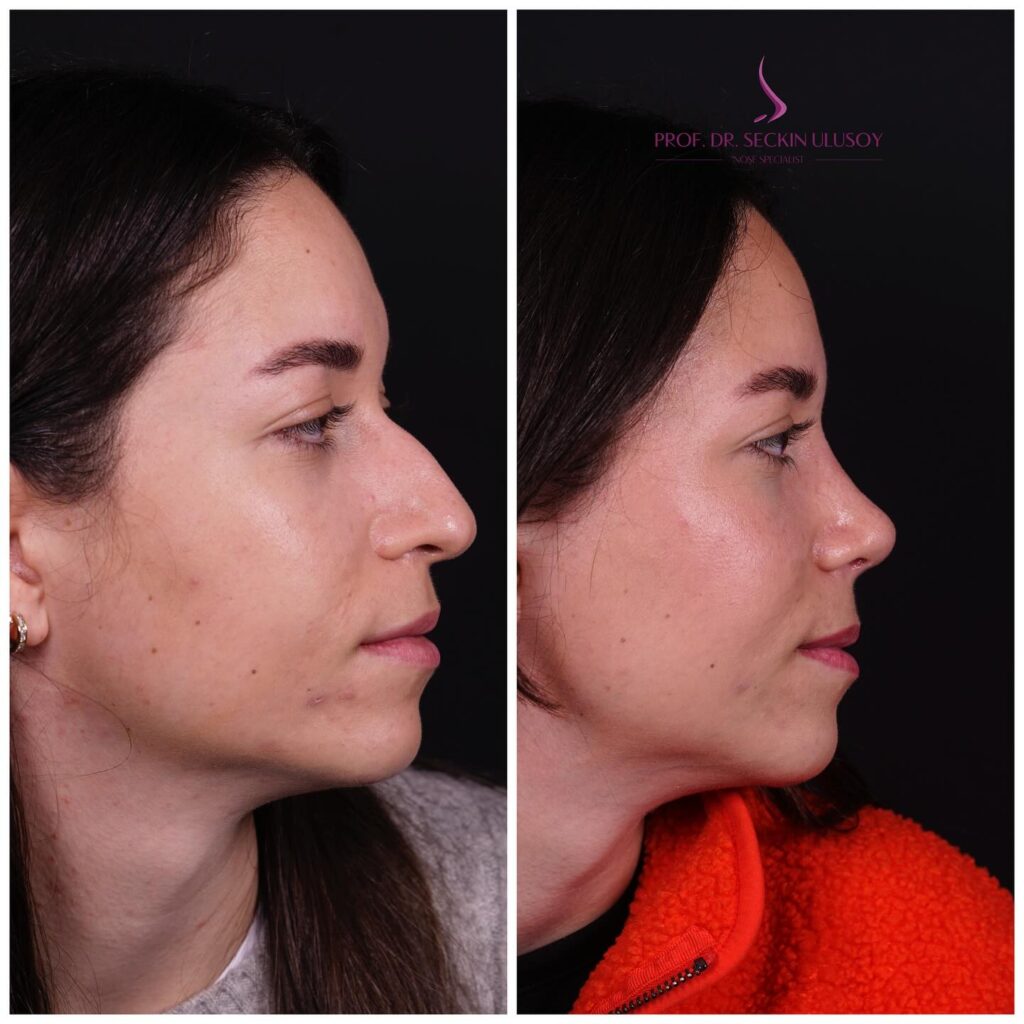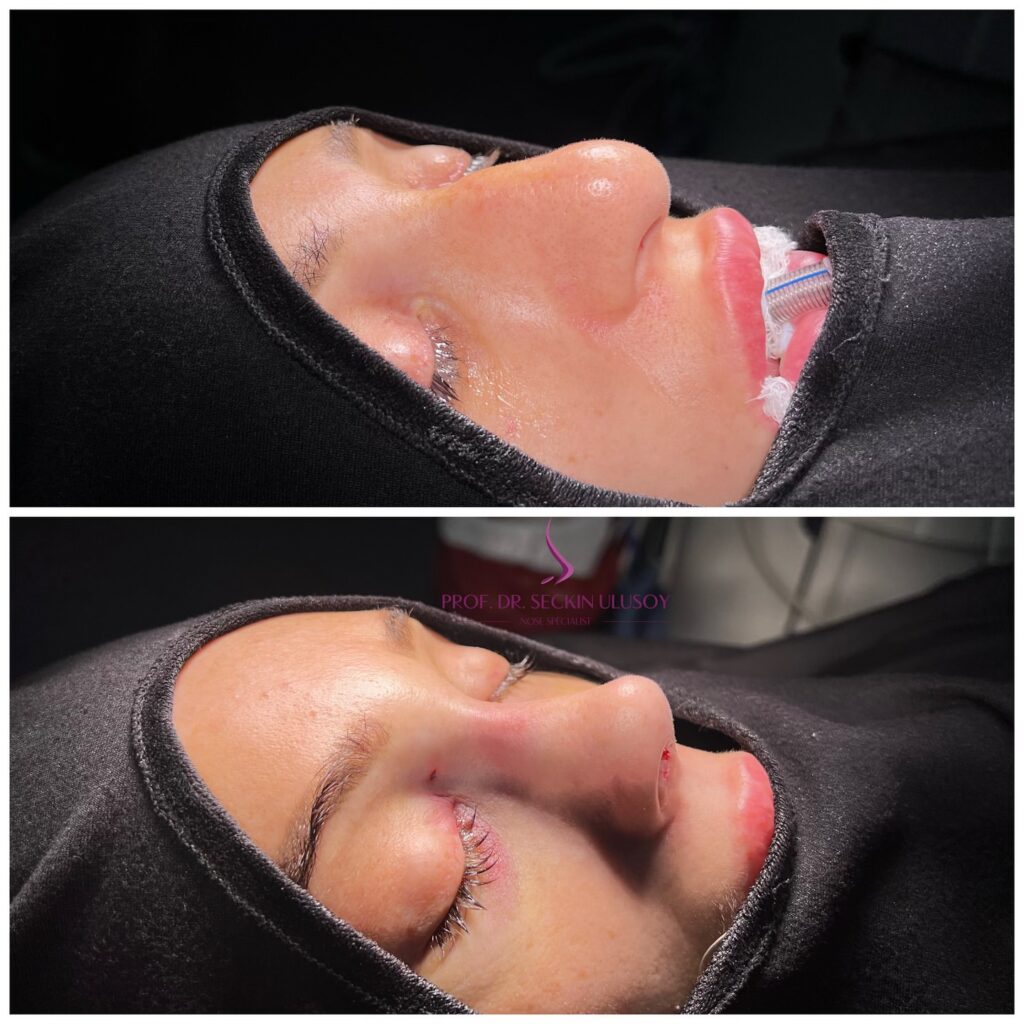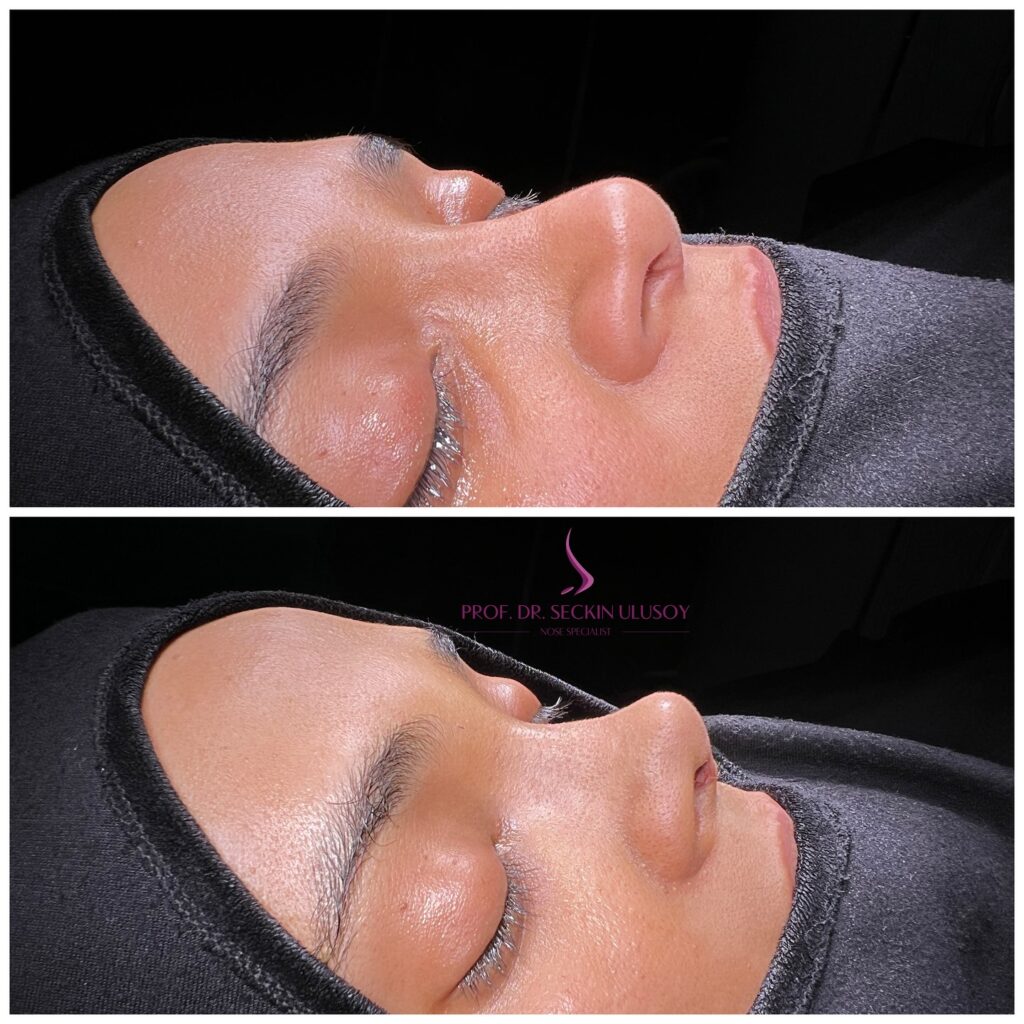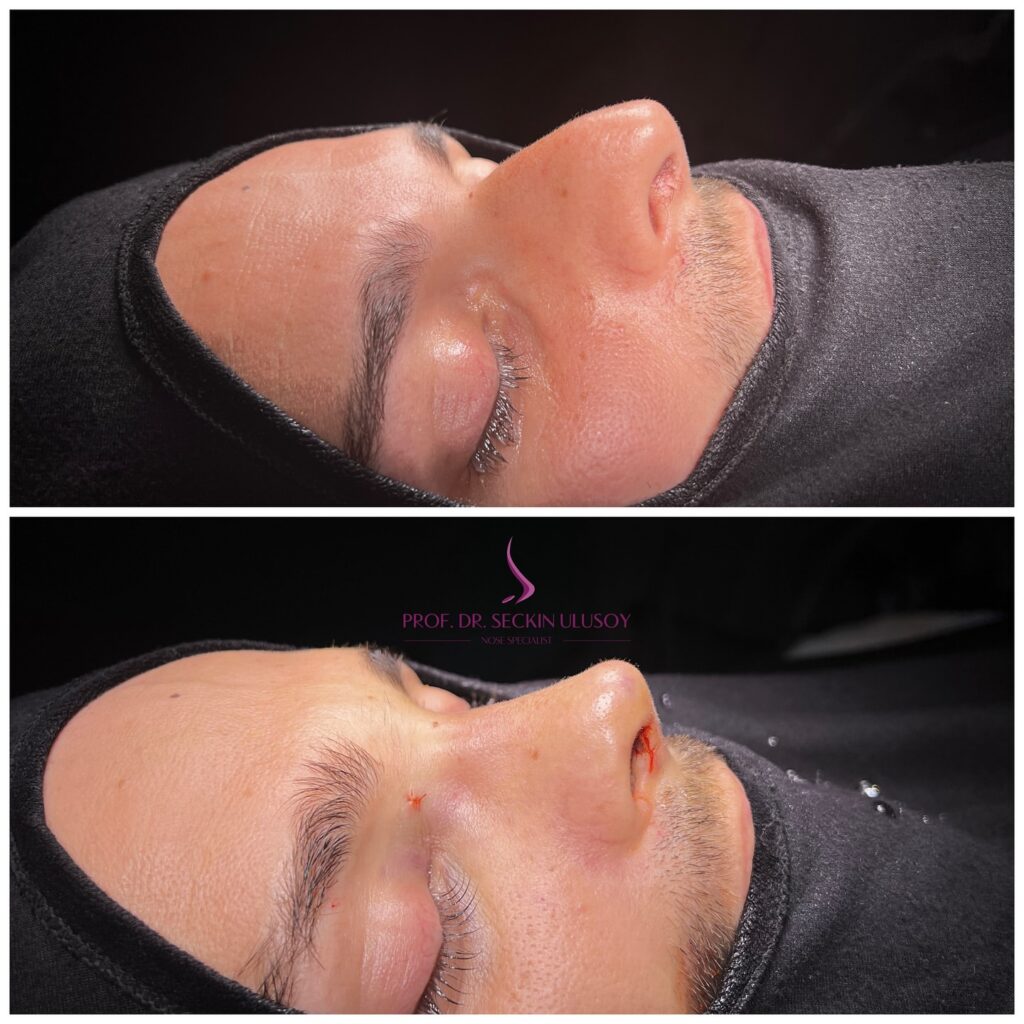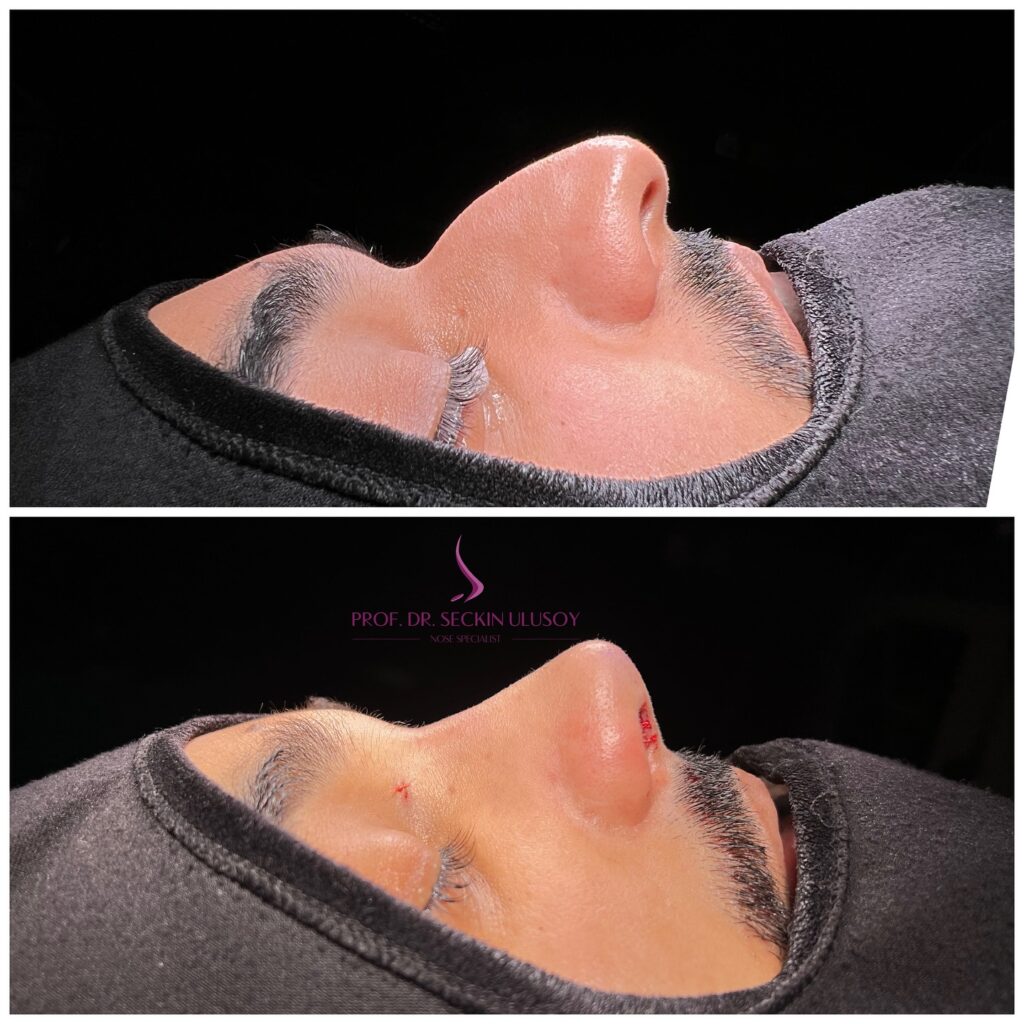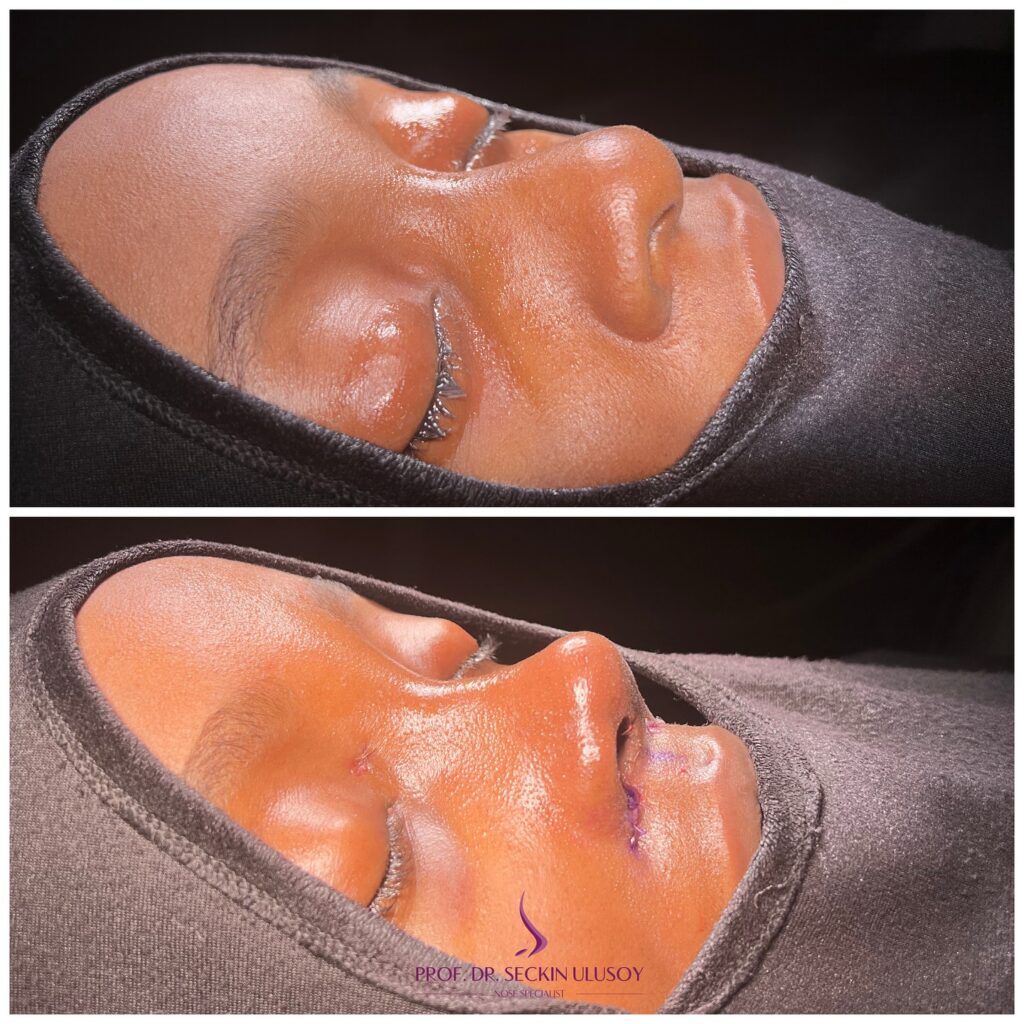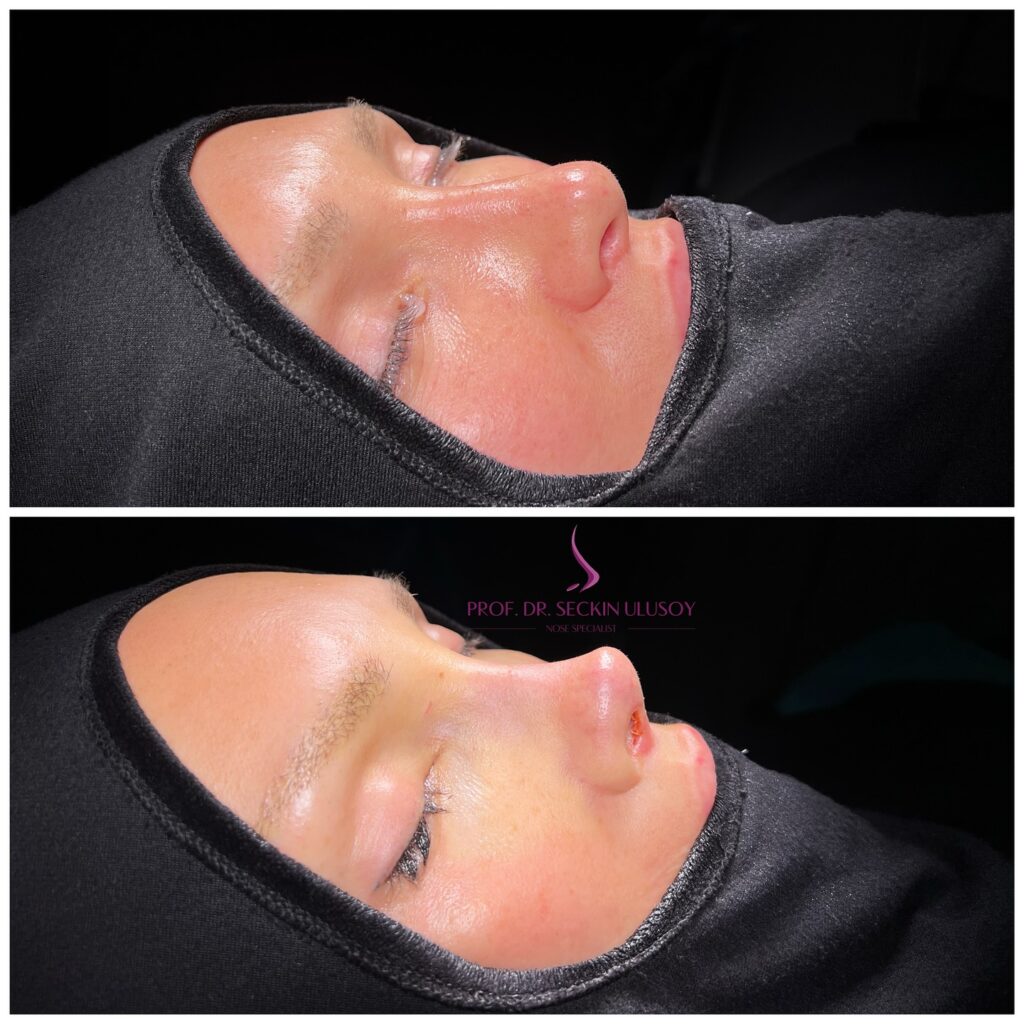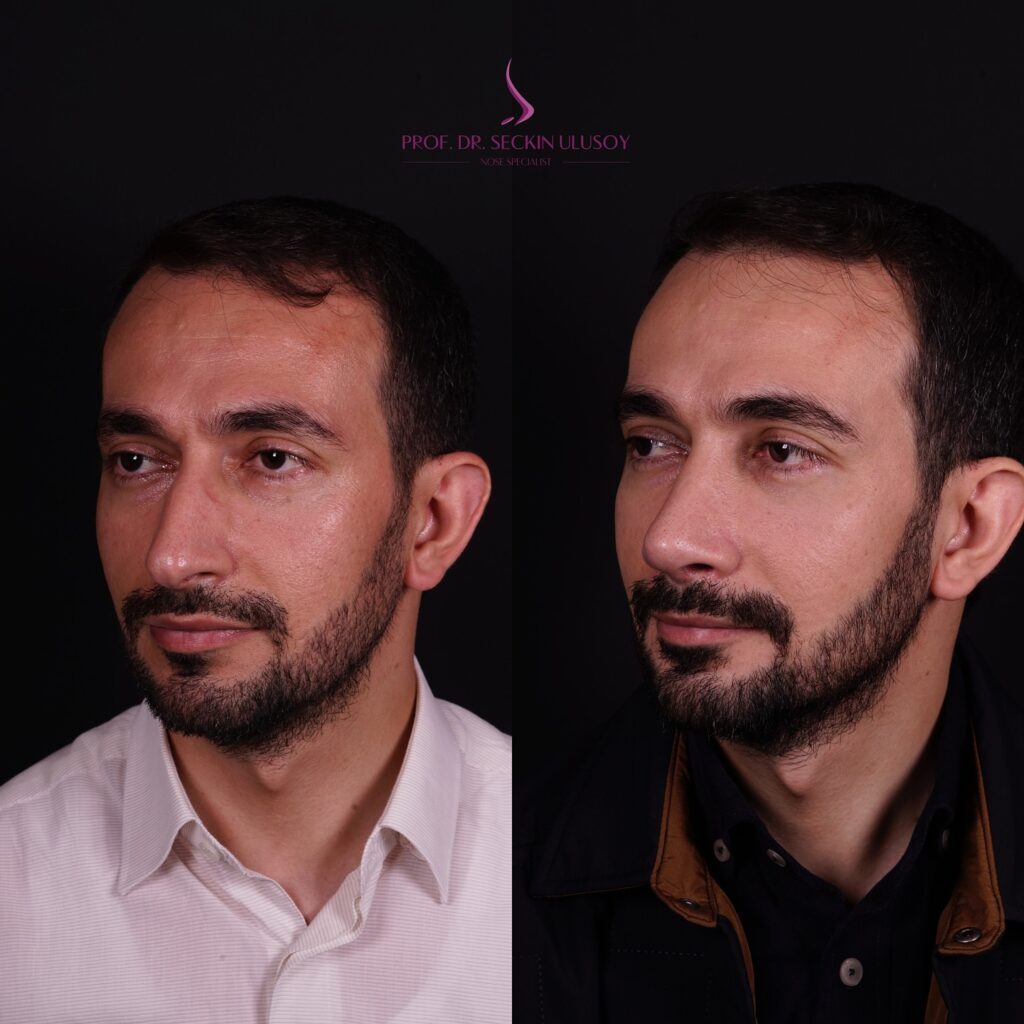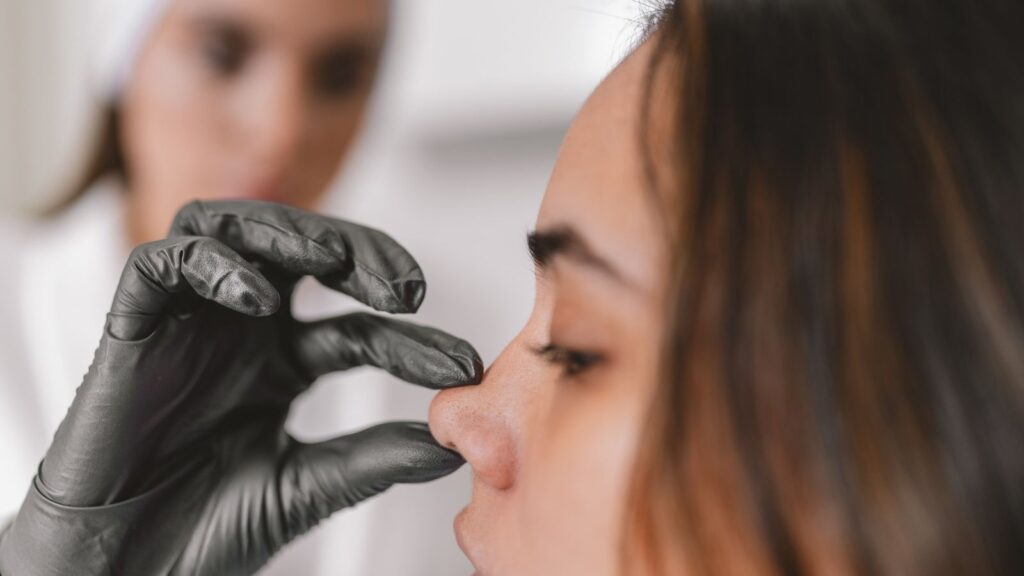
Patients’ reviews of closed rhinoplasty are generally highly positive thanks to the scar-free nature of the procedure and the rapid recovery process. Patient experiences indicate that this technique, performed through millimetric incisions made entirely inside the nostrils, significantly facilitates the return to daily life. Individuals who undergo closed rhinoplasty emphasize that having no externally visible scars after surgery provides considerable psychological comfort. This tissue-preserving modern surgical approach allows patients to achieve their expectations without disrupting their natural facial expression. Reviews published across various platforms clearly demonstrate that completing the procedure with minimal tissue trauma results in exceptionally high levels of patient satisfaction.
What Are Patients’ Initial Comments About the Recovery Process After Closed Rhinoplasty?
Current online reviews from patients who have undergone closed rhinoplasty indicate that the first few postoperative weeks are generally much more comfortable than expected. With traditional open rhinoplasty, patients frequently complained about prolonged swelling and externally visible incision scars. In the closed technique, however, all procedures are performed through the nostrils, so there are no visible external scars, which provides significant psychological reassurance.
In their initial reviews, patients frequently express how pleased they are that there are no obvious signs of surgery on their faces. Many also mention that their return to daily routines and social activities was quicker than anticipated. Since the tissues are subjected to less trauma with the closed technique, the likelihood of affecting delicate blood vessels and nerves is considerably reduced. This allows lymphatic drainage to recover more quickly and helps preserve the skin’s natural blood supply.
Some common sensations patients describe during the first days of recovery include:
- Mild nasal congestion
- A slight feeling of facial tightness
- General sensitivity around the eyes
- Temporary numbness above the upper lip
- Dry throat due to breathing through the mouth
The vast majority of patients report that they managed these first days comfortably with simple pain medication and adequate rest. Common comments such as, “You can’t even tell I’ve had surgery,” are excellent examples of the comfort and confidence this technique provides.
What May Be Behind Negative Rhinoplasty Reviews on Internet Forums?
A significant portion of the negative reviews frequently encountered on complaint platforms, which often discourage people unnecessarily from undergoing surgery, stems not from the technical aspects of the procedure but from patient impatience and insufficient understanding of the natural healing process. Many individuals panic after looking in the mirror only a few weeks after surgery, mistakenly believing that the swollen appearance they see is permanent. During the first few months of recovery, swelling may be distributed unevenly across the face, making one side of the nose appear more swollen than the other. This is actually a completely normal stage of healing that gradually resolves on its own.
Many of the anxious online complaints such as “My nose is still asymmetrical” or “My nasal tip is too upturned” belong to this early recovery period before swelling has completely subsided. Although most swelling resolves during the first few months, microscopic residual swelling may persist considerably longer depending on skin thickness.
The main factors leading to unnecessary concern during the early recovery period include:
- Increased facial swelling upon waking in the morning
- Persistent numbness at the nasal tip
- Small firm areas felt along the nasal bridge
- Restricted upper lip movement while smiling
Patients who are not adequately informed about these natural aspects beforehand may mistakenly interpret these physical changes as permanent problems and quickly share their concerns online.
Which Topics Dominate Reviews About Aesthetic Appearance and Breathing on Complaint Platforms?
Common aesthetic complaints shared years ago by patients who underwent more traditional surgical methods generally focused on the loss of a natural appearance and an artificial facial expression. The most frequently criticized issue involved noses that appeared excessively narrow, almost pinched, due to over-reduction of the cartilage structures. Conversely, broad and bulbous nasal tips resulting from insufficient tip refinement also became common sources of dissatisfaction. Reviews concerning the nasal bridge frequently mentioned overly exaggerated curvature that moved far away from a natural appearance.
However, beyond aesthetic concerns, the issue that most significantly affects patients’ long-term quality of life and receives the greatest attention in reviews is functional impairment, namely breathing difficulties. Surgical approaches aimed solely at creating an attractive appearance while narrowing the internal airway may leave patients struggling with chronic breathing problems. Modern rhinoplasty techniques, by contrast, consistently prioritize preserving healthy nasal function.
The breathing-related aspects patients most frequently emphasize in their reviews include:
- Sleeping comfortably throughout the night
- Breathing comfortably during brisk walking
- Reduced snoring due to improved sleep quality
- Preservation of the sense of smell
Creating a healthy internal airway while maintaining balanced facial proportions represents the most important factor influencing positive long-term patient reviews.
How Have Patient Reviews About Nasal Tip Stiffness or Drooping Changed Over Time with the Closed Technique?
One of the greatest concerns patients encounter while researching rhinoplasty is the possibility that the nasal tip may droop years later or become unnaturally stiff to the touch. Older surgical techniques often required cutting some of the natural supporting ligaments of the nasal tip. As a result, patients frequently complained that their nose had lost its flexibility while speaking or making facial expressions. This led to many online comments such as, “It feels like my nose doesn’t belong to me when I touch it.”
Today, however, patient feedback has changed considerably with the widespread adoption of surgical philosophies focused on preserving natural anatomy. Taking advantage of the closed technique, surgeons aim to preserve the natural supporting ligaments of the nasal tip whenever possible. This tissue-preserving approach allows the nasal tip to retain much of its natural flexibility even months after surgery.
The positive changes patients frequently highlight in newer reviews include:
- A soft-feeling nasal tip when touched
- Natural facial expressions while smiling
- No drooping of the nasal tip even after many years
- Preservation of normal facial expressions
These tissue-preserving approaches are intended to substantially reduce the likelihood of age-related deformities over time. The long-term comments often seen on forums stating, “Years have passed, but my nose still looks like it did on the first day,” are largely attributable to preserving these natural anatomical structures.
What Do Patients Say After Surgery If They Were Concerned About Pain and Bruising?
One of the issues that worries prospective patients most while gathering information is the expectation of severe discomfort during bone reshaping and the extensive bruising that may follow. Those reading older forum posts from many years ago often postpone surgery because they imagine difficult pain and prolonged recovery. Indeed, the mechanical techniques once performed with relatively traumatic instruments sometimes caused prolonged swelling in certain patients.
However, with rapid technological advances, particularly the use of high-frequency ultrasonic devices that reshape bone without significant trauma in combination with the closed technique, patient reviews have changed dramatically. Today, patients frequently express surprise that they did not develop the extensive bruising they had feared. Thanks to technologies that treat the surrounding soft tissues more gently, patients often describe a recovery that was far smoother than expected.
The common themes found in patient reviews regarding comfort and pain include:
- A feeling of pressure rather than severe pain
- Only minimal discoloration around the eyes
- Very mild aching sensations
- Immediate relief after the internal supports are removed
The fact that pain is discussed far less frequently in current reviews than in the past clearly demonstrates the remarkable level of comfort provided by modern surgical techniques.
To What Extent Do Psychological Factors and Preoperative Expectations Influence Reviews of Aesthetic Results?
When it comes to rhinoplasty, factors beyond the physical transformation, such as how comfortable a person feels with their own appearance, also play an important role. A careful examination of detailed patient reviews describing postoperative satisfaction reveals that the realism of preoperative expectations is one of the most significant factors determining overall success. Patients who clearly understand what they expect, communicate openly with their surgeon from the beginning, and seek natural improvements generally leave highly positive reviews.
Conversely, reviews from individuals who attribute broader life dissatisfaction or personal unhappiness to a minor facial feature often reveal ongoing dissatisfaction even when the surgical outcome is objectively successful.
The factors that generally contribute to high levels of postoperative satisfaction include:
- Realistic aesthetic expectations
- A desire for proportions suited to the individual’s facial features
- A patient attitude throughout the healing process
- Open and trusting communication with the surgeon
The aesthetic journey has both medical and psychological dimensions. Accepting this reality from the beginning is one of the most important steps toward ultimately saying, “I’m so glad I had it done.”
What Characteristics Are Commonly Seen in Recommendations from Patients Who Have Undergone Closed Rhinoplasty?
Looking back, it becomes clear that the long-term reviews shared online by experienced patients months or even years after surgery serve as valuable guidance for others considering the procedure. As time passes, the nose gradually reaches its final appearance and, more importantly, breathing function achieves its full potential. Patients who have successfully completed their recovery generally emphasize the importance of choosing a treatment approach that prioritizes natural results when advising others.
The most common recommendations found in long-term patient reviews include:
- Remain patient and stay positive throughout the recovery process
- Avoid potential impacts to the face for an extended period
- Do not be misled by exaggerated and unrealistic images on social media
- Prioritize healthy breathing above all else
Many reviews written one year after surgery sincerely describe how significantly patients’ quality of life has improved. Numerous individuals state that they confidently recommend this aesthetic and functional procedure to their family members and friends. Being able to breathe comfortably at night and seeing a naturally harmonious appearance in the mirror each morning are among the most important factors reinforcing these positive long-term experiences.