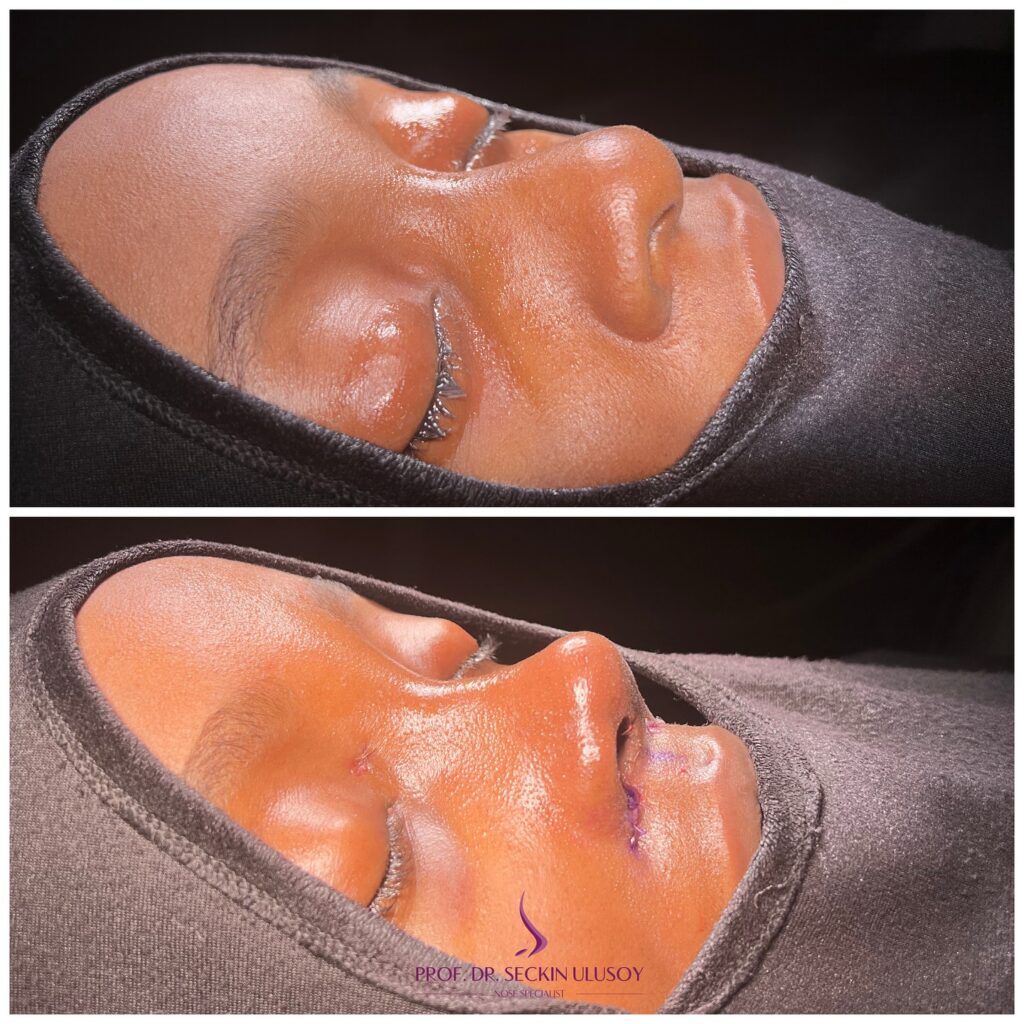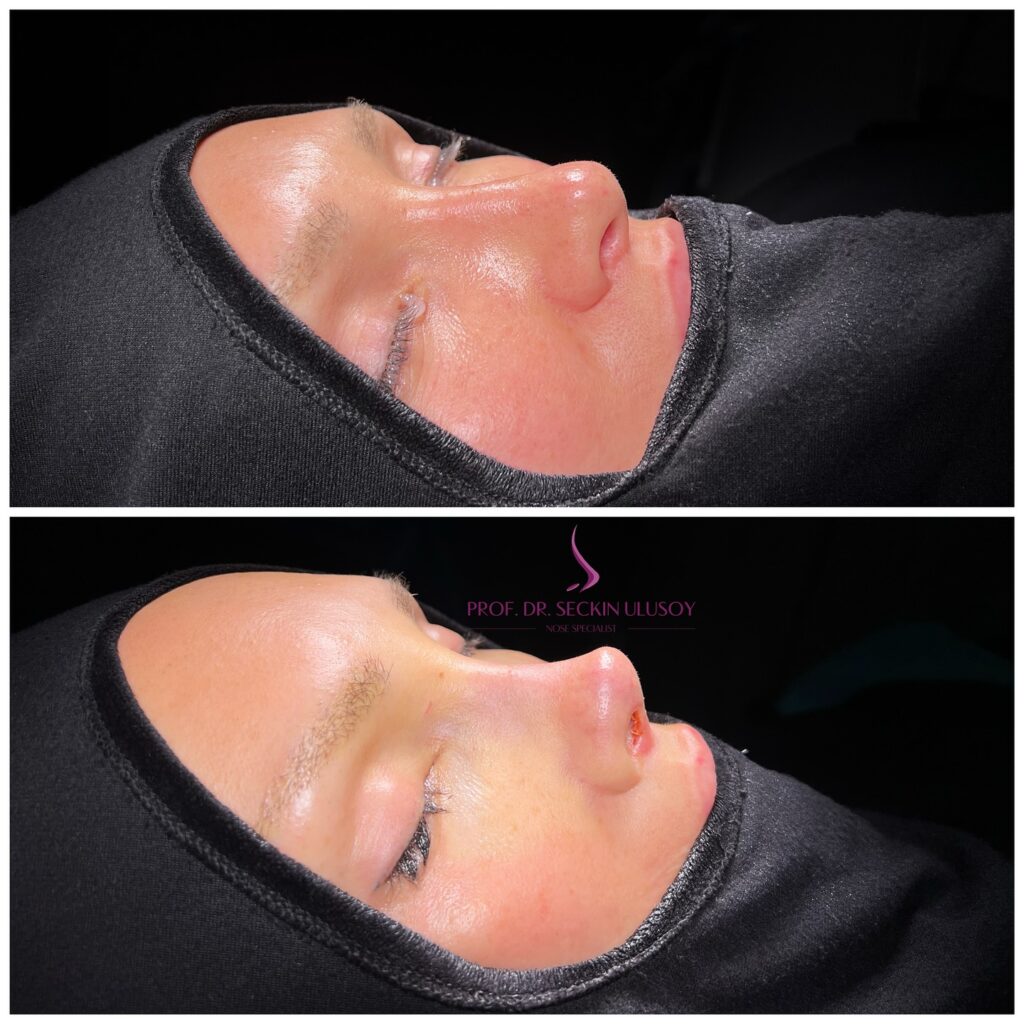
Among the methods that help relieve nasal congestion, steam therapy, nasal irrigation with saline solution, and drinking plenty of fluids are prominent. Keeping the nasal mucosa moist helps reduce swelling caused by inflammation and allergies, making airflow easier.
Natural solutions that can be applied at home may be effective in relieving nasal congestion. In particular, eucalyptus oil steam, a hot shower, and the use of a humidifier contribute to opening the airways. These methods provide temporary relief.
Nasal sprays and antihistamines are among the medical treatment options. Especially in congestion caused by allergic rhinitis, sinusitis, or infection, medications used upon a physician’s recommendation provide rapid relief of symptoms. However, long-term use should be avoided.
In chronic nasal congestion, it is important to determine the underlying cause. Septal deviation, polyps, or structural problems may require surgical intervention. Evaluation by an ear, nose, and throat specialist is recommended for a permanent solution.
What Causes Nasal Congestion?
Nasal congestion does not occur due to a single cause. The most common causes include the common cold, flu, and upper respiratory tract infections. In these conditions, the tissues inside the nose swell and mucus production increases.
Allergic rhinitis is also one of the important causes of nasal congestion. Swelling may occur inside the nose after contact with allergens such as dust, pollen, and animal dander. In addition, structural or chronic problems such as a deviated nasal septum, enlarged turbinates, and sinusitis may also lead to congestion.
How Does Nasal Congestion Affect Daily Life?
Patients generally state that they have to breathe through their mouths. This may cause throat dryness, snoring, and waking up feeling unrested in the morning. Nasal congestion that becomes worse especially at night may lead to interrupted sleep.
In some people, a reduced sense of smell, headache, or a feeling of fullness in the ear may also accompany the condition. Nasal congestion that continues for a long time may significantly reduce quality of life.
What Helps Nasal Congestion at Home?
If nasal congestion is caused by mild and temporary factors, some simple methods may provide relief. However, it should be remembered that these practices may not have the same effect on everyone.
Nasal Cleansing with Saline Solution
Saline solution may help thin the secretions inside the nose. Seawater sprays or isotonic solutions prepared at home support the cleansing of the nasal passages. Regular use may provide relief, especially in allergic complaints.
Steam Application
Warm steam may contribute to moisturizing the tissues inside the nose. Short-term applications during a shower or with hot water steam may create a temporary feeling of relief. It is important to apply this method carefully and avoid burns.
Increasing Indoor Humidity
Dry air may irritate the inside of the nose and increase congestion. Heaters used especially during the winter months dry the indoor air. Humidifiers or keeping water in the room may help preserve the moisture balance of the nasal mucosa.
Drinking Plenty of Fluids
Drinking enough water supports the secretions in the body becoming more fluid. This may help the thick mucus inside the nose to be expelled more easily. Herbal teas and warm beverages may also have a soothing effect in some people.
What Should Be Considered in Allergic Nasal Congestion?
The most important step in nasal congestion caused by allergies is avoiding triggering factors. Measures such as regular cleaning for house dust mites and keeping windows closed during pollen season may be beneficial.
Patients often state that they experience congestion together with a runny nose, itching, and sneezing. In this case, treatments for allergies may be considered. However, which treatment is appropriate must be decided through a physician’s evaluation.
What Should Be Known About Nasal Sprays?
Decongestant nasal sprays may provide relief in a short time. However, uncontrolled and prolonged use of these products may lead to dependence in the nasal mucosa and more severe congestion.
Some patients state that their congestion increases when they stop using the spray. Therefore, the duration and method of nasal spray use must be determined according to a specialist’s recommendation.
When Is Specialist Evaluation Required?
If nasal congestion lasts longer than two weeks, is unilateral, or is accompanied by symptoms such as severe headache, fever, or facial pain, it must be evaluated. Persistent nasal congestion in children and infants also requires particular attention.
In conditions such as a deviated nasal septum, enlarged turbinates, or chronic sinusitis, it is important to determine the underlying cause. Methods applied at home are generally not sufficient for such problems.
Why Is an Individualized Approach Important in Nasal Congestion?
Not every case of nasal congestion occurs for the same reason, and not every patient may benefit from the same methods. While allergies may be the primary cause in one person, a structural problem may be present in another.
Therefore, the evaluation process is planned by considering the duration of the patient’s complaints, accompanying symptoms, and living conditions. The treatment decision is shaped individually and may change over time.