What Is Dizziness?
Dizziness (Vertigo) means the sensation that the person themselves or their surroundings are spinning. This condition is not actually a disease, but a sensation that occurs in different diseases and is often evident with certain examination findings. Many different conditions may be described by patients as “dizziness” or “vertigo.” However, when a detailed patient history is taken, those that fall within the classification of true dizziness are quite rare.
Many people may describe this condition in different ways, such as imbalance, lightheadedness, dimming of vision, mild or severe spinning. Depending on different causes, complaints of varying severity may occur, ranging from mild imbalance (dizziness) to a very severe spinning sensation. Dizziness may be stated as a single complaint or may also be observed together with hearing loss and/or tinnitus.
How does the balance system work?
The inner ear semicircular canals are responsible for perceiving the relationship of the head with the ground plane. The fluids inside the semicircular canals move with head position, and people perceive their spatial head position. Our balance system is complex and functions through the three-dimensional interpretation in the brain of sensations originating from the inner ear semicircular canals, cerebellum, visual pathways, and the joints in the arms and legs.
The ear has three sections: the outer, middle, and inner ear. The outer and middle ear structures collect sound waves, increase their strength, and transmit them to the inner ear fluid. The hearing and balance centers in the inner ear are located within the temporal bone and are filled with inner ear fluids (endolymph and perilymph). The sensitive receptor nerve endings and nerve cells of the hearing and balance nerves originating from the inner ear are in constant contact with these fluids. Sound waves reaching the inner ear are transmitted here through the inner ear fluids, stimulate the nerve endings, generate electrical impulses, and transfer stimulation to the centers in the brain. In this respect, in some diseases such as Meniere’s disease, hearing loss may also occur together with dizziness.
How does our perception of spatial balance occur?
The balance system consists of one center and three different sensory systems. The brain acts as a center that collects and processes information about body position continuously transmitted from the eyes, the balance centers in the inner ear, and the muscles, joints, and tendons, and is responsible for maintaining balance. These three systems work independently of one another and function together to preserve body balance.
While the eyes transmit images from the environment to the brain and provide information about the body’s position relative to the surroundings, signals from the muscles, tendons, and joints convey information to the brain about the position of the head relative to the body. The inner ear balance system consists of two different parts: the semicircular canals, which detect rotational movements, and the vestibule, which detects linear movements. These two fluid-filled parts are collectively called the “labyrinth.” When the head moves, the fluid in the inner ear also moves, and different nerve endings stimulated according to the form and direction of this movement send signals to the brain indicating the movement of the head.
The balance organs located in the labyrinths on both sides continuously generate signals that are perfectly symmetrical to one another. Signals created by head rotation are generated in the semicircular canals, while linear movements forward and backward or upward and downward generate stimulation in the vestibule. The shifting of calcium carbonate crystals attached to the cells in the balance centers of the vestibule due to gravity allows the direction and intensity of head movement to be perceived.
When the balance center in one inner ear functions improperly, the symmetry of the signals sent to the brain is disrupted, and while this creates a sensation of impaired balance, the impulses sent from the brain to the eye muscles cause involuntary eye movements (nystagmus). These eye movements create in the patient the perception that the surroundings or the person themselves are moving or spinning.
Information from all centers that perceive movement, together with corrective reflexes formed in the cerebellum and voluntary responses formed in the brain, is combined to send signals to the body muscles to perform movements aimed at maintaining balance. The balance centers located in the brain, cerebellum, and brainstem have the ability to adapt over time to asymmetrical signals coming from the inner ear and not be affected by them. Due to this feature, in some diseases that cause dizziness or in certain sports activities that could normally create imbalance, it may be possible to eliminate or prevent imbalance with appropriate exercises.

Which diseases cause dizziness?
A problem in any of the centers involved in maintaining balance may cause symptoms such as dizziness, imbalance, and lightheadedness.
Inner ear diseases:
- Balance disorders originating from the inner ear occur due to changes in the pressure of the inner ear fluid or direct involvement of the balance centers and/or balance nerves.
- Positional vertigo, the most common cause of dizziness, is a benign condition caused by the accumulation of crystals in the inner ear fluid. After these crystals are removed through maneuvers and exercises, there is usually no further sensation of dizziness. Although this condition is frequently seen in people over the age of 60, it can also occur in young people.
- The sensitive endings of the hearing and balance nerve terminate in different parts of the hearing and balance centers in the inner ear that contain the same fluid (endolymph). Changes in the circulation, pressure, or content of this fluid stimulate the nerve endings and cause acute, chronic, or recurrent dizziness, with or without accompanying hearing complaints.
- Similar complaints also occur in other problems that impair blood circulation in the inner ear or affect the balance nerve.
Diseases related to the brain:
The brain, spinal cord, and cerebellum are all parts of the central nervous system. It occurs as a result of impairment in the ability to interpret the signals reaching it from the balance organs and to generate appropriate responses. In these cases, hearing loss and/or tinnitus may also be observed together with dizziness. These problems may occur due to advanced age, vascular blockages or spasms, allergic or metabolic diseases, and benign or malignant tumors.
Similar complaints may also occur in conditions such as excessive stress, panic attacks, depression, and tension. In such problems, there may also be a sensation of fullness and pressure in the head and ears together with imbalance.
Neck diseases:
Imbalance may occur as a result of disruption of position information signals sent from the muscles in the neck to the balance centers in the brainstem, which play an important role in maintaining balance. Trauma, joint diseases in the cervical vertebrae, or spasms in the neck muscles resulting from pressure on the nerves in the neck may reduce blood flow from the neck to the brain and cerebellum and cause dizziness. Visual Disorders:
The signal mismatch that occurs when distorted signals reaching the balance centers from the eyes due to visual defects or involuntary eye movements caused by diseases of the eye muscles are not compatible with signals coming from other balance sensory structures causes dizziness. During this time, complaints such as sweating, nausea, and vomiting may also occur due to other inappropriate stimulations arising in the nervous system.
What are the different causal findings in patients presenting with dizziness complaints?
Vertigo in inner ear diseases:
Diseases that affect inner ear functions and/or the connections of the inner ear with the central nervous system cause symptoms such as dizziness, hearing loss, and tinnitus. These symptoms may occur alone or together depending on the affected functions.
Dizziness may take the form of a very severe spinning sensation, imbalance, or lightheadedness. The complaints may be continuous or intermittent and generally worsen with head movements. Nausea and vomiting are also frequently observed, but loss of consciousness does not occur in dizziness originating from the inner ear.
The main causes of inner ear dysfunction are infections, most commonly viral in origin, impaired blood circulation, changes in pressure in the inner ear fluids, nerve inflammation, trauma, medications, or tumoral masses. The most important elements in diagnosis are a detailed history and examination. Hearing and balance tests are required in most patients. In patients who cannot be diagnosed after these stages, radiological evaluations, tests for hormonal and metabolic diseases and allergies, neurological evaluation, and tests may also be required.
As a result of these evaluations, it is first determined whether there is an underlying serious or potentially life-threatening pathology. The results of all these examinations help in selecting the appropriate medical or surgical treatment following the diagnosis.
Dizziness in blood-related diseases
Circulatory disorders affecting the balance organs of the inner ear in the form of vascular spasm, vascular blockage, rupture, or bleeding may cause dizziness, hearing loss, and tinnitus. Dizziness due to vascular spasm usually begins suddenly and is recurrent in nature. Nervous fatigue, emotional stress, certain medications, nicotine, and caffeine may cause vascular spasm.
When vascular blockage develops gradually with age and atherosclerosis, the inner ear structures may adapt over time to the decreasing blood circulation. Sometimes a continuous sensation of imbalance may occur, and suddenly standing up or rapid movements may increase the complaints.
In sudden complete blockages, severe dizziness is usually observed together with nausea and vomiting.
Severe complaints decrease within a few days and disappear within a few weeks as the healthy ear takes over the functions. Findings similar to sudden complete blockage are observed in vascular ruptures caused by high blood pressure or trauma. Treatment: In dizziness caused by vascular diseases, vasodilator medications are used together with medications that relieve the spinning sensation in the early period. Sedative medications that reduce complaints by suppressing the balance centers may also be used in the early period. The intake of substances with vasoconstrictive properties such as nicotine and caffeine should be prevented. Sedative medications that suppress inner ear functions should not be used for a long period in order not to delay the healthy ear from taking over the functions.
Positional dizziness:
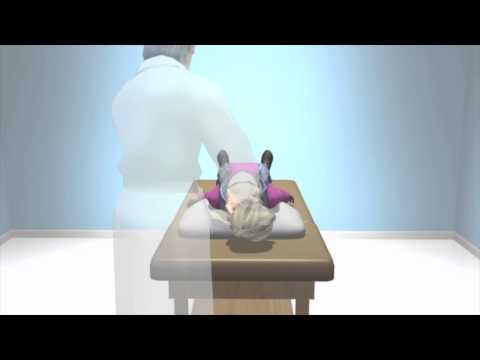
The most common cause of dizziness is benign positional vertigo (Benign Positional Vertigo – BPPV). This condition is commonly described as displacement of inner ear crystals. Caused by the accumulation of crystals in the inner ear fluid, this condition improves immediately with maneuvers performed by the physician. These maneuvers are performed for both diagnostic and therapeutic purposes and produce almost miraculous results. BPPV treatment is the cause of dizziness with the most satisfying outcomes. It rarely recurs after the maneuvers have been performed once.
Information about this disease is provided under the title “Positional dizziness.”
Dizziness and loss of balance related to advanced age:
The most important factor in balance problems that occur with age is impaired circulation in the capillaries that nourish the inner ear balance centers and balance nerves. This problem rarely causes severe complaints. Reduced blood circulation in the vestibule may cause positional dizziness as a result of the shedding of inner ear crystals due to impaired cellular functions in the balance organs.
Balance exercises are generally beneficial in this patient group. The slowing of vascular reflexes with age may cause loss of balance when suddenly getting out of bed, especially in patients receiving treatment for high blood pressure.
Infections:
Although there may be mild findings in the early period of infections affecting the inner ear, symptoms such as severe spinning, nausea, and vomiting occur when they affect the sensitive balance regions.
The source of infection should be eliminated rapidly in treatment. Since there are also risks such as hearing loss and the spread of infection into the skull, surgical treatment options may also be considered in cases where a rapid response to medical treatment cannot be obtained.
Vestibular neuritis:
Severe dizziness lasting for weeks may occur as a result of viral infections affecting the balance nerve or the balance centers in the brainstem. In these patients, it may take months for balance tests to return to normal after the clinical findings have resolved.
This disease, which generally heals without leaving any permanent damage, rarely recurs. In treatment, supportive therapy and adaptation exercises are performed following medical treatment applied to relieve severe complaints in the early period.
Metabolic diseases and allergy:
Hearing loss and tinnitus may also be observed together with dizziness in this group. The most common causes are thyroid gland diseases, disorders of sugar metabolism, and food and respiratory allergies.
Treatment is directed toward the underlying disease.
Traumas:
It occurs as a result of the inner ear balance center or inner ear blood circulation being affected by blows to the head. Tinnitus and/or hearing loss may occur together.
Sedatives aimed at relieving complaints and medications that increase inner ear blood circulation are used in treatment. It is generally a functional disorder that improves over time, although slowly.
Autoimmune (in which the body reacts against itself) inner ear diseases:
It is damage to the inner ear as a result of disease of the body’s defense system (immune system). Dizziness may occur together with hearing loss and tinnitus. Diagnosis is made through blood tests. Steroids and medications that suppress the immune system are used in treatment. In recent years, low-level laser therapy (Low Level Laser Therapy – LLLT) has begun to be used effectively in improving damage in the inner ear.
Tumors:
The most common tumoral pathology causing balance disorder is a neuroma, which is a benign tumor originating from the balance nerve. Tinnitus and hearing loss are also generally observed together with imbalance. In treatment, a decision is made among observation alone, radiotherapy (Gamma Knife, CyberKnife), or surgical options according to factors such as the location, size, growth rate of the tumor, and the patient’s age, general health condition, and hearing status. Since the growing tumor may eventually press on the nearby brainstem, which is of vital importance, the best results are obtained with early diagnosis and surgery.
Meniere’s disease:
Meniere’s Disease, one of the most common causes of recurrent dizziness attacks, occurs as a result of increased pressure of the inner ear fluid (endolymph).
The fluids filling the inner ear are continuously produced on one side and reabsorbed on the other, creating fluid circulation. When problems occurring in this system cause increased production or decreased reabsorption, the increase in fluid pressure results in the appearance of typical findings. Although the exact cause of the disease is not known, genetic predisposition may be involved, and typical attacks may occur as a result of metabolic, circulatory, allergic, autoimmune, toxic, or emotional effects. Meniere’s Disease, which generally affects one ear, is characterized by dizziness attacks that recur at irregular intervals and may last from minutes to hours. During attacks, fluctuating hearing losses that usually affect low frequencies (low-pitched sounds) are observed, and tinnitus and a sensation of fullness and pressure in the affected ear also occur. Dizziness attacks may begin suddenly, and a very severe spinning sensation often accompanied by nausea and vomiting occurs.
The severity of recurrent attacks generally decreases over time, and most of the time no significant complaint or finding is detected in patients between dizziness attacks.
In addition to the classic disease, the rarer form that progresses with hearing loss, tinnitus, and fullness in the ear without dizziness is called cochlear hydrops, while the disease that progresses only with dizziness attacks without hearing complaints is called vestibular hydrops. Treatment is applied in the same way for every type of the disease.
Treatment of Meniere’s Disease:
Medical and surgical methods may be used in treatment. The basic principle is to ensure inner ear fluid circulation and prevent an increase in pressure. When this result cannot be achieved, destructive methods such as eliminating the inner ear balance center through medication or surgery or cutting the balance nerve may also be applied.
In the majority of patients, it is possible to relieve the complaints with medical treatment.
Treatment content;
- The possible cause of the disease
- The frequency of the complaints
- The severity of the complaints
- It is determined according to the degree to which the patient is affected by the disease.
Basic principles;
- Regulating circulation in the inner ear
- Reducing inner ear fluid pressure
- Suppressing immunological and/or allergic reactions in the inner ear. The main medications used in treatment are;
- Vasodilators
- Diuretics
- Steroids
- Sedative medications.
In special cases, medications that suppress the immune system or destroy balance center functions may be used. When the desired results cannot be obtained with medical (drug-based) treatments, surgical treatment options are considered. There are two types of surgical approach groups: those that preserve hearing and balance functions and those that do not. Hearing-preserving surgeries are preferred as long as the patient has useful hearing.
With intratympanic steroid injections, which have begun to be used increasingly in recent years, good results are obtained and it is also possible to avoid the serious side effects of steroids that affect the entire body. If the complaints cannot be controlled despite the hearing-preserving methods applied, methods aimed at completely destroying the inner ear balance center on the affected side are used, and as a result, the balance center on the normally functioning side can take over all functions in a nearly normal manner within a short time.
Why are the diagnosis and treatment of balance and movement disorder diseases so difficult despite today’s technology?
The problem arises from the sensory elements that provide balance (visual, inner ear-related, perceptual) and motor systems working in interaction and coordination with one another, as well as involving many organs. The human balance system is very complex. The interaction and harmony of many organs with one another must be ensured. Most specialists and clinics still use traditional methods in the diagnosis and treatment of balance disorders. These diagnostic tests mostly provide findings related to a single organ. Most of these clinical results do not make a significant contribution to the diagnosis or treatment of balance diseases. The problem may affect not only one of the systems but also other systems such as the brain. Classical clinical approaches cannot systematically relate the integration that provides balance and movement control. Therefore, the problem cannot be detected in such diseases.
The physician begins to ask themselves questions. Is the patient misleading me? Should dizziness medication or a tranquilizer have been given so that the patient would feel better or the symptoms would be suppressed? Similar questions also begin to arise in the patient: This doctor does not understand my problem! Or worse, will this doctor miss my disease?! The great majority of chronic balance diseases can be corrected.
This correction process, which we call rehabilitation, enables the person to compensate for and replace their deficiencies. However, since the complete treatment of patients with balance disorders is very complex and requires consultation with specialists from different branches, the concept of a balance center has emerged. The most important aspect of the concept of a balance center is to work with specialists from various branches who have received training in dizziness and balance diseases or who have experience in this field. This team consists of specialists in ear, nose, and throat (neurotology), neurology, neurosurgery, audiology, psychiatry, physical therapy, and family medicine. All of these members must be experienced in the diagnosis and treatment of a patient with a balance disorder. The balance center concept is a different model for solving these problems.
The management of all patients with balance problems, regardless of their diagnosis, is based on the principle that the patient is met by a team of physicians specialized in balance diseases, with consultation requested from the physician who first sees the patient to the other physician. With this system, this team sees more and more patients with dizziness. This working method gives the team more experience and enables it to use feedback. The family physician sends the patient to the balance center regardless of the disease causing the dizziness. Therefore, by providing information together to the ENT physician (neurotologist), neurologist, psychiatrist, orthopedist, and physical therapy specialist, faster, less expensive, and more effective service is provided to the patient. The system of balance centers should be explained to society and developed. Talks should be held on preventing imbalance and falls, and support groups should be established. Ultimately, a genuine balance center is needed for the treatment of patients with dizziness and balance disorders. A multidisciplinary balance center is the ideal place to respond to the needs of these patients.
Dizziness and balance disorders have brought 70% of people to the point of consulting a physician at least once during their lifetime, at varying levels of severity. So how satisfied have these patients been with the diagnosis and therefore the treatment of their complaints? Since this group of diseases may originate from many organs and systems, the first problem is that patients do not encounter the correct specialist at the first visit. Such patients are evaluated by specialists in different fields, and most of the time the patient cannot understand which category they fall into. Patients feel that no one has taken responsibility for them. The lack of communication between physicians from different specialties also contributes to this situation. Electronystagmography (ENG) and vestibular (inner ear-related) tests have a limited role in monitoring patients with balance disorders.
Additional support is needed in evaluating the functional capacities of people with vestibular and central diseases that cause environmental disorientation and balance disorders. In 1971, a technological device was developed in the United States to check the balance systems of astronauts who would go into space and to help them adapt to gravity after returning from space. A few years later, this device began to be used to diagnose which organ was responsible for balance problems and to rehabilitate these patients. Today, it is still used for multiple purposes in balance rehabilitation centers established in certain parts of the world.
Computerized Dynamic Posturography:
Most inner ear-related diseases causing dizziness and balance loss can be brought under control with medication or surgery during the crisis or acute phase of the disease. However, imbalance problems occurring between crisis periods continue in these patients. At this point, patients are rehabilitated with Computerized Dynamic Posturography over periods of 6 or 7 weeks, with at least two sessions per week. It is a very effective treatment method, especially in those with motion intolerance, known as motion sickness. Another group of diseases that benefit from CDP treatment is Multiple Sclerosis and Parkinson’s disease. These patients experience imbalance problems because the existing pathology involves the balance centers in the brain. In Parkinson’s patients, it is used very effectively in measuring the success of operations performed for this condition and in postoperative rehabilitation.
People suffering from dizziness and balance disorders around the world have reached the point of establishing various fan clubs and nongovernmental organizations. The most important reason determining this need is that this group of diseases isolates the person from social life and leads to failure in professional activities. Especially in elderly patients, traumas caused by balance disorders can reach life-threatening levels. At this stage, the posturography technique developed over the last 10 years has created a breakthrough in the diagnosis of balance disorders (identifying which system the disease is in) and in the balance rehabilitation of these patients.
IN SUMMARY:
Vertigo (dizziness) is not a disease but a symptom. We may experience a sensation of dizziness due to many different causes (diseases). In diagnosis and treatment, it would be the correct approach to first contact the ENT specialty and, if necessary, consult other potentially relevant specialties.
Frequently Asked Questions?
What are the causes of dizziness?
- Dizziness and imbalance due to inner ear diseases
- Head traumas (e.g., after motor vehicle accidents)
- Cerebellar (cerebellum diseases)
- Stroke (more commonly seen in elderly patients)
- Multiple Sclerosis
- Parkinson’s Disease
- Cerebral Palsy (congenital brain disorders)
- Peripheral Neuropathies
- Balance disorder due to diabetes
- Dizziness due to neck diseases (cervical calcification, hernia, etc.)
- Elderly patients who fall frequently
What is the role of modern technologies in dizziness treatments?
Especially in recent years, habituation treatments performed with VR glasses specifically for certain types of dizziness are applied in sessions and provide successful results.
Which doctor should I consult because of dizziness?
Dizziness is primarily a symptom dealt with by the Ear, Nose, and Throat (ENT) and Neurology specialties. You should first consult an ENT specialist, and afterward, if the ENT specialist recommends it, it is a subject that falls within the areas of interest of Neurology, Internal Medicine, Physical Therapy and Rehabilitation, and Psychiatry.
In cases where you cannot obtain the desired result from a general ENT specialist for your dizziness complaint, it would be reasonable to consult a specifically working ENT branch specialist who has a vestibular system balance laboratory and deals only with these diseases.
What does crystal displacement mean?
Positional dizziness, the most common cause of dizziness (the condition described above as BPPV), is popularly referred to as crystal displacement. In fact, this condition is the accumulation of crystallization in the inner ear fluid. You can think of these crystals as sediment in the inner ear fluid. When these sediments are removed with a maneuver or home exercises, all complaints disappear.
Frequently Asked Questions
What Is Dizziness?
Dizziness is a symptom in which a person feels as though they or their surroundings are spinning and which may cause loss of balance. It may occur in different forms, ranging from mild lightheadedness to severe vertigo.
What Are the Most Common Causes of Dizziness?
Dizziness may result from many different causes, such as inner ear diseases, vertigo, low blood pressure, dehydration, migraine, certain medications, and neurological disorders.
How Is Dizziness Diagnosed?
For diagnosis, the patient’s medical history is evaluated, a physical examination is performed, and if necessary, hearing tests, balance tests, blood tests, or imaging methods are used.
How Is Dizziness Treated?
Treatment is planned according to the underlying disease causing the dizziness. Medication therapy, balance exercises, lifestyle changes, or surgical treatment may be applied when necessary.
Does Dizziness Go Away on Its Own?
Some cases of dizziness may improve on their own within a short time. However, if the symptoms last for a long time or recur frequently, a healthcare professional should definitely be consulted.
What Should Be Done During Dizziness?
When dizziness begins, it is recommended to sit or lie down in a safe place, avoid sudden movements, and rest until the symptoms pass.
Can Dizziness Be a Sign of a Serious Disease?
Yes, in some cases dizziness may be a sign of stroke, neurological diseases, or serious inner ear disorders. Dizziness that begins suddenly and occurs together with severe symptoms requires emergency evaluation.
Are Vertigo and Dizziness the Same Thing?
No, vertigo is a type of dizziness and is generally characterized by the sensation that the person or their surroundings are spinning. Not all dizziness is vertigo.
How Can Dizziness Be Prevented?
Drinking enough fluids, eating regularly, avoiding sudden movements, staying away from stress, and keeping underlying health problems under control may reduce the risk of dizziness.
Which Department Should Be Consulted for Dizziness?
People experiencing dizziness are advised to first consult an Ear, Nose, and Throat (ENT) or Neurology specialist. Support from different specialties may also be obtained when deemed necessary.