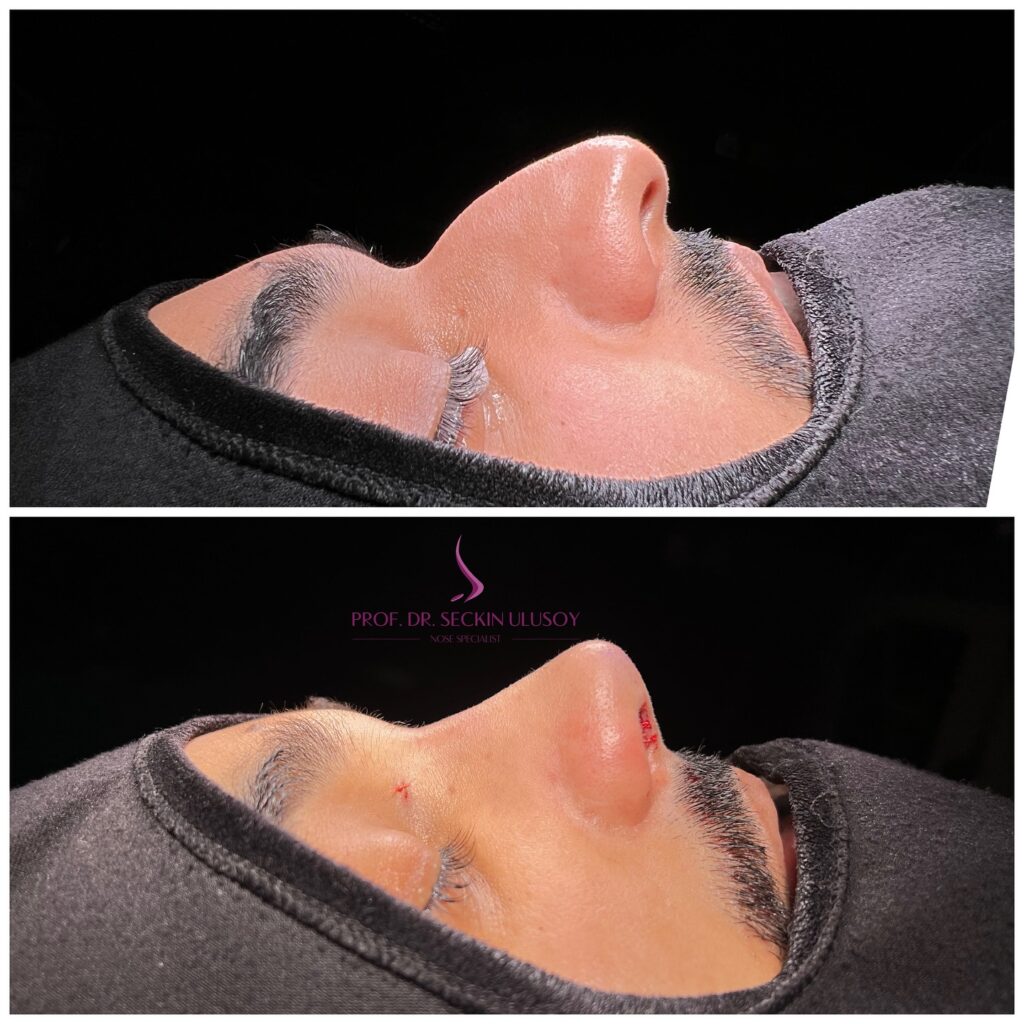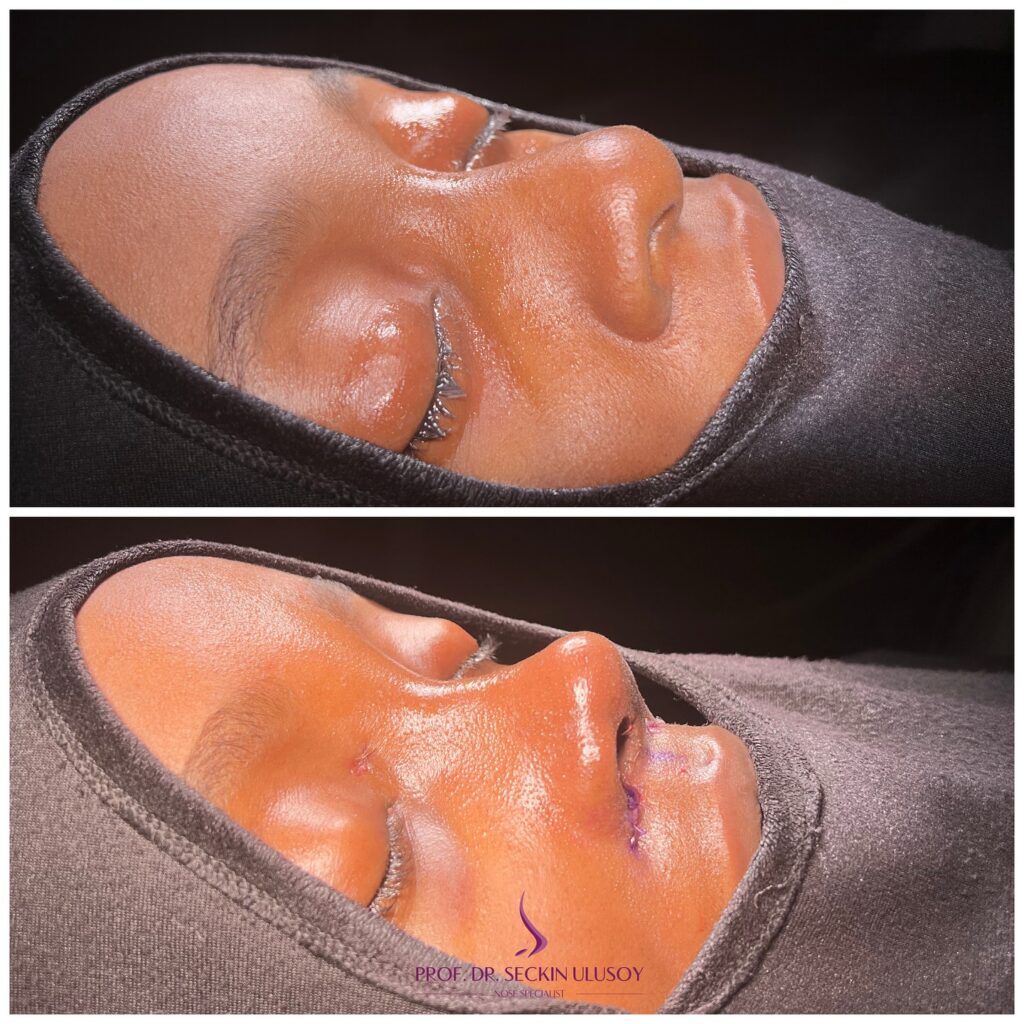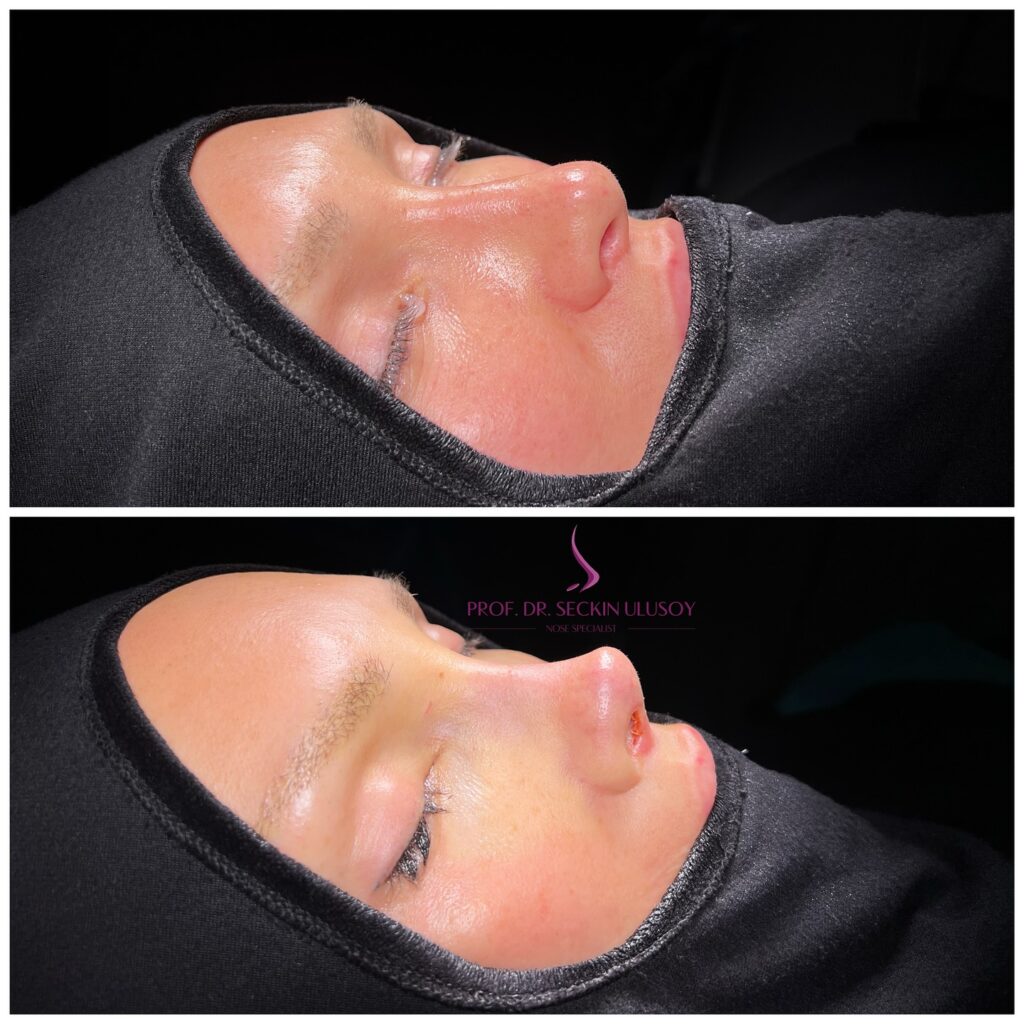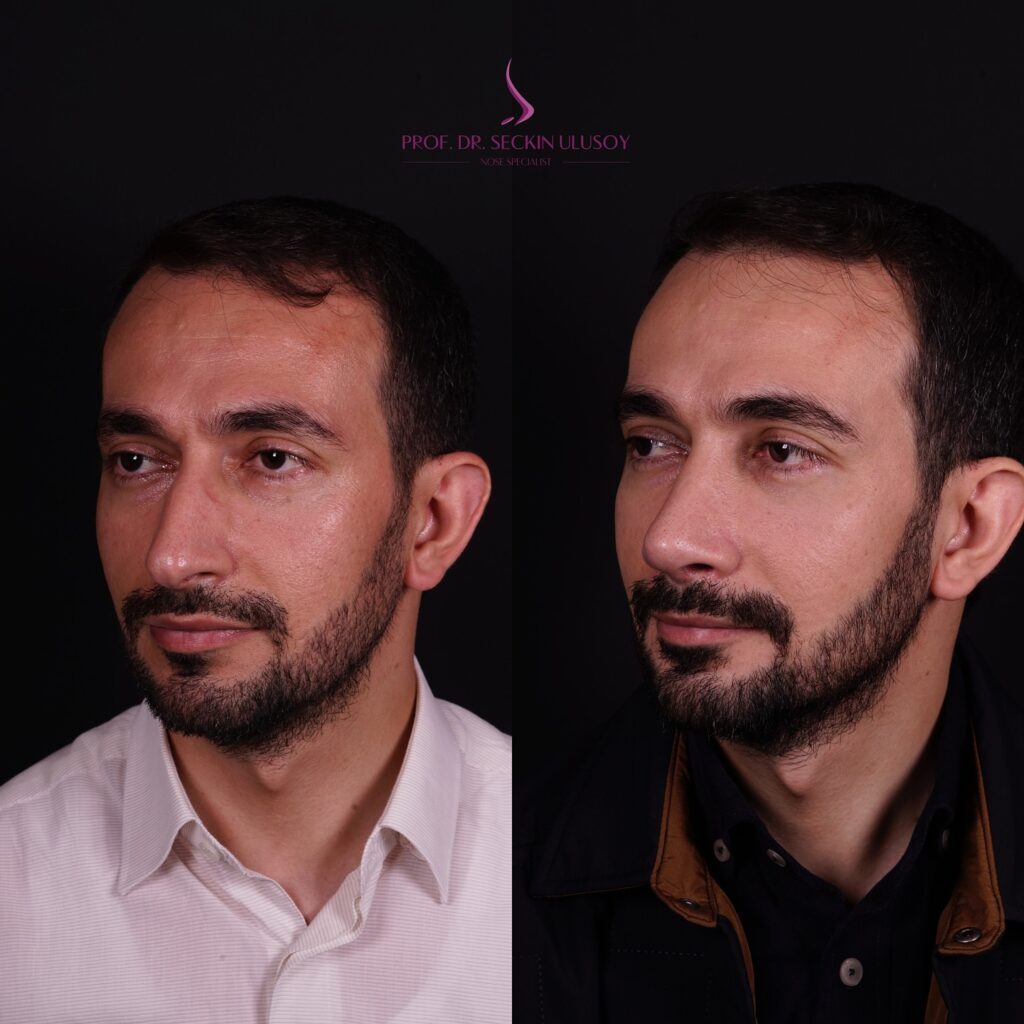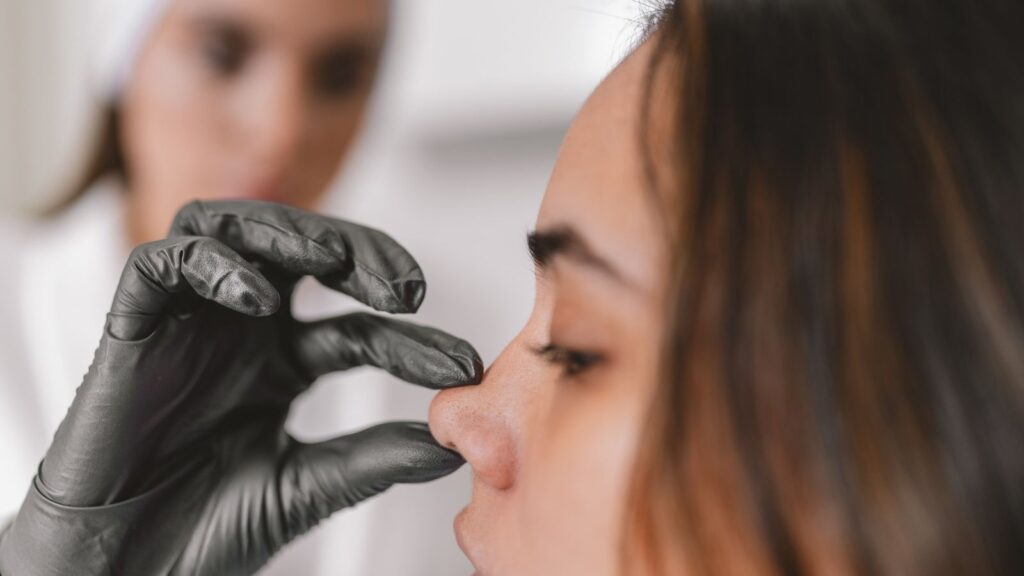
Patients with allergic rhinitis should pay attention to preoperative medical preparation to calm mucosal sensitivity, completely avoid triggering allergens, and eliminate environmental factors that increase edema before rhinoplasty. The success of rhinoplasty performed on reactive tissues depends on how effectively the tissues are calmed at the cellular level before surgery. Adopting a lifestyle that does not overburden the immune system and suppressing allergy attacks during the preoperative period reduce the potential for bleeding during surgery. Proper management of intranasal inflammation and planning the surgical timing according to seasonal allergy flare-ups are the first and most important steps toward achieving both healthy breathing and a naturally aesthetic appearance.
What Is Allergic Rhinitis and How Does It Affect the Rhinoplasty Process?
The immune system is a highly complex defense network designed to protect the body from harmful organisms. However, in some cases, this system may perceive completely harmless substances in the air we breathe as a major threat. Allergic rhinitis is essentially a chronic reaction resulting from this overprotective behavior of the immune system. When tiny airborne particles come into contact with the moist tissue (mucosa) inside the nose, defense cells become activated within seconds. These cells release various chemical substances, such as histamine, into the environment in an effort to protect the body. These released substances stimulate the nerve endings inside the nose, triggering repeated sneezing attacks, watery nasal discharge, and intense itching.
This reaction not only causes temporary discomfort but also leads to dilation of the blood vessels inside the nose and leakage of fluid into the tissues. As a result, the nasal mucosa swells, the airways become narrowed, and the tissues become extremely fragile. When planning an aesthetic procedure, the surgeon faces not only cartilage and bones to be reshaped but also tissues that are constantly ready to react, appearing red and swollen. Therefore, the goal is to suppress this inflammatory process as much as possible before surgery to ensure that the procedure progresses smoothly.
Some common triggers of this reaction include:
- Tree pollen
- Grass pollen
- House dust mites
- Mold fungi
- Animal dander
As long as exposure to these triggers continues, the mucosa can never fully return to its normal state. Knowing which allergens the patient is sensitive to during the planning stage of aesthetic surgery helps determine the optimal timing of the procedure. For example, for a person with pollen allergies, scheduling surgery during the winter rather than spring may contribute to a much more comfortable recovery process.
Does Rhinoplasty Eliminate Allergies in Patients with Allergic Rhinitis?
One of the most common hopes among individuals planning aesthetic surgery is that their allergy symptoms will completely disappear afterward. However, allergic rhinitis is a genetically programmed immune system response rather than a problem caused by the physical structure of the nose. Surgery reshapes the cartilage, bones, and nasal tissues, but it cannot alter the immune system’s chemical defense mechanism against pollen or house dust mites. Therefore, no structural surgery should be expected to eliminate a person’s allergic predisposition or completely erase this cellular-level response.
Nevertheless, surgery provides significant improvements in the patient’s quality of life. In many individuals with allergic tendencies, septal deviation accompanies mucosal swelling. During an allergy attack, the already narrowed airways caused by the deviation become almost completely blocked due to mucosal swelling. Since surgery removes these physical obstructions and enlarges the internal nasal space, even if the patient experiences some mucosal swelling after exposure to allergens, airflow is no longer obstructed to the same extent. Maintaining wider air passages greatly improves breathing comfort and may reduce the long-term need for allergy medications.
What Examinations Are Performed Before Rhinoplasty in Patients with Allergic Rhinitis?
Even when the primary concern is aesthetics, the patient’s breathing capacity and the health of the inside of the nose should be thoroughly evaluated. Following the standard external examination, an endoscopic evaluation is performed using special camera systems to inspect the deeper areas of the nasal cavity. This allows the surgeon to clearly identify the location of septal deviations, the degree of mucosal swelling, and any signs of previous trauma. In individuals with allergic conditions, it is also commonly observed that the inferior turbinates become disproportionately enlarged as a compensatory mechanism to maintain airflow.
Advanced imaging techniques are also used to objectively assess these structural details and the distribution of bone and soft tissue. Airflow resistance is measured, and the condition of the sinus cavities is evaluated. The data obtained serve as a surgical roadmap, determining which tissues require intervention and to what extent. These evaluations ensure a balanced combination of aesthetic expectations and functional requirements.
Some important diagnostic tools used during this process include:
- Endoscopic examination
- Acoustic rhinometry
- Rhinomanometry
- Sinus computed tomography (CT)
- Skin prick test
Each of these tests provides critical information not only for planning how the nose will look externally but also how it will function internally. Based on the results, it is determined whether the patient is suitable for surgery or requires additional medical treatment beforehand.
What Medication Changes Should Patients with Allergic Rhinitis Make Before Rhinoplasty?
As the day of surgery approaches, the goal is to ensure that the tissues inside the nose are as calm as possible and have the lowest potential for bleeding. Allergic tissues are naturally prone to increased blood flow and swelling. To control this condition, certain physician-recommended nasal sprays that calm the tissues and reduce swelling at the cellular level may be started in the weeks before surgery. During periods of severe sneezing attacks, oral antihistamines may also provide additional support.
However, some products that may do more harm than good during the preparation period must be discontinued. For example, prolonged use of over-the-counter decongestant nasal sprays, which open the nasal passages within minutes, may disrupt the balance of the mucosal blood vessels and lead to undesirable reactions during surgery. In addition, all medications that affect blood clotting should be discontinued sufficiently before surgery. Otherwise, controlling oozing-type bleeding during the operation may become more difficult, and bruising during recovery may increase.
The following substances are generally expected to be discontinued before surgery:
- Blood-thinning medications
- Aspirin
- Nonsteroidal anti-inflammatory drugs (NSAIDs)
- Decongestant nasal sprays
- Herbal dietary supplements
Not only medications but also seemingly harmless herbal products such as green tea, ginger, and ginkgo biloba may have blood-thinning effects, so they are generally recommended to be avoided during this period.
How Should Nutrition Be Managed When Planning Rhinoplasty in Patients with Allergic Rhinitis?
One of the cornerstones of a successful recovery is providing the body with the cellular energy it needs from appropriate nutritional sources. Surgery is a controlled form of trauma that requires tissue repair, and this repair process depends on adequate protein, vitamins, and fluid intake. Collagen production should be supported to promote proper healing between the skin and cartilage tissues. At the same time, efficient elimination of anesthetic medications depends on healthy kidney function. Therefore, water intake should be increased, and easily digestible foods should be preferred.
To avoid worsening the edema to which patients with allergic rhinitis are already predisposed, foods high in sodium that promote fluid retention should be avoided. Maintaining healthy bowel function also prevents straining during bowel movements after surgery, since increased pressure in the head may cause leakage from newly placed delicate sutures.
Foods recommended for increased consumption include:
- Lean proteins
- Fresh vegetables
- Fresh fruits
- Oatmeal
- Whole grains
Foods that should be avoided to reduce the risk of edema include:
- Salty snacks
- Canned foods
- Processed meats
- Pickled foods
- Mineral water
This dietary plan not only promotes faster healing but also helps patients feel more energetic and physically well.
Why Should Smoking and Alcohol Be Discontinued Before Rhinoplasty in Patients with Allergic Rhinitis?
During aesthetic surgery, the skin and the supporting tissues beneath it are carefully separated from the bony framework and then repositioned according to the new nasal shape. To maintain the vitality of these tissues and ensure proper healing, they require a continuous oxygen supply delivered through tiny blood vessels. Smoking and the nicotine it contains reduce the oxygen-carrying capacity of the blood while also causing blood vessels to constrict. As a result, the tissues receive significantly less oxygen. Oxygen deficiency may considerably slow wound healing, increase the risk of infection, and contribute to permanent skin discoloration. To minimize these risks, patients are expected to stop using all nicotine products for a reasonable period before surgery.
Alcohol consumption similarly interferes with healing mechanisms. Alcohol causes cellular dehydration, leading to tissue dryness. It also has blood-thinning effects that may alter clotting dynamics during surgery. To avoid overloading the liver’s ability to metabolize anesthetic medications and to maintain proper fluid balance, discontinuing alcohol consumption before surgery improves recovery comfort.
What Should Patients with Allergic Rhinitis Do the Night Before and the Morning of Rhinoplasty?
As surgery approaches, the body should be prepared by minimizing the risk of infection and ensuring that the stomach is completely empty. In aesthetic procedures, reducing the number of bacteria on the skin is important. Therefore, patients are generally advised to take a warm shower the evening before surgery and gently wash their face with an antibacterial cleanser. On the morning of surgery, no foreign chemicals should remain on the skin; moisturizers, lotions, or cosmetic products should not be used. Patients with allergic rhinitis are also advised not to trim their own nasal hairs, as tiny cuts may create undesirable conditions within the surgical field.
Strict adherence to fasting instructions, the most critical rule for general anesthesia safety, is essential. A full stomach carries the risk of stomach contents entering the airways during anesthesia. Therefore, eating and drinking must be completely stopped for the specified period before surgery.
When going to the hospital on the day of surgery, patients should:
- Not wear makeup
- Not apply nail polish
- Remove all jewelry
- Not wear contact lenses
- Not wear perfume
All of these rules are standard yet highly important protocols designed to ensure that the patient undergoes surgery under the safest and most sterile conditions possible.
What Additional Procedures May Be Performed During Rhinoplasty in Patients with Allergic Rhinitis?
Correcting only the external framework of the nose is generally not sufficient to resolve breathing problems. Therefore, addressing internal anatomical issues during aesthetic surgery is a common approach. Deviations of the cartilage and bone in the septum, which divides the nasal cavity into right and left passages, are among the primary physical causes of airway obstruction. While performing aesthetic reshaping, the surgeon removes or corrects these deviated areas and restores their function. The removed cartilage is not discarded; instead, it is reused as graft material to reinforce the nasal tip or bridge and create a stronger nasal framework.
Additionally, some individuals experience collapse of the nasal sidewalls during deep inhalation, a condition known as nasal valve insufficiency. When combined with allergic mucosal swelling, this collapse may make breathing almost impossible. In such cases, thin support grafts prepared from the patient’s own cartilage are placed inside the nasal sidewalls to reinforce the area. As a result, the nostrils remain open during each breath. These combined procedures help the nose appear elegant while also functioning properly as an effective airway.
How Are Enlarged Turbinates Caused by Allergic Rhinitis Treated During Rhinoplasty?
One of the most persistent structural changes caused by allergic reactions inside the nose is excessive enlargement of the inferior turbinates. These structures play a vital role in warming, humidifying, and filtering the air before it reaches the lungs. Although complete removal of enlarged turbinates was performed in the past, this approach has largely been abandoned because the absence of these tissues allows dry, cold air to reach the throat directly and causes severe crusting inside the nose. Preserving the function of the tissue while reducing its volume is now the primary goal of modern surgery.
During surgery, technologies are used to reduce the excess tissue inside the turbinates without damaging their outer surface. This allows the turbinates to continue performing their function while eliminating the large structures obstructing the airway. Once healing is complete, patients often notice that inhaled air flows freely to the back of the nose.
Commonly preferred mucosa-preserving techniques include:
- Radiofrequency ablation
- Microdebrider reduction
- Outfracture of the turbinate bone
Each technique is selected by the surgeon during the operation according to whether the enlargement is primarily due to soft tissue or bone.
What Should Patients with Allergic Rhinitis Pay Attention to During the First Days After Rhinoplasty?
Once the operation is completed and the patient returns home, the body’s healing process begins actively. The first 72 hours are the period during which swelling is greatest and the tissues are most sensitive. During this time, slight pink or light red drainage from the nasal tip is considered a normal part of the body’s healing response. Taking advantage of gravity helps disperse the accumulated fluid in the head region. Therefore, patients should keep their heads elevated above the level of the body while sleeping and resting. Sleeping on either side may cause asymmetric swelling, so maintaining a supine sleeping position is recommended.
To reduce bruising and swelling around the eyes, cold compresses should be applied regularly during the first few days after surgery. However, it is very important to keep the protective splint or cast on the nose dry during this process. In addition, because small amounts of blood may be swallowed during surgery, darker-colored stools during the first few days are generally not a cause for concern and represent a normal digestive process.
The basic rules to follow during this early recovery period at home include:
- Sleeping with two pillows
- Sleeping on your back
- Applying cold compresses
- Taking medications on schedule
- Drinking plenty of fluids
These simple but effective measures help make recovery much faster and more comfortable.
How Should Patients Experiencing Allergic Rhinitis Attacks Sneeze After Rhinoplasty?
One of the greatest postoperative challenges for individuals with allergic tendencies is sudden sneezing attacks. During sneezing, the air accumulated in the chest creates a powerful pressure wave as it exits. If the mouth remains closed, the only pathway for this forceful airflow is the newly operated nasal cavity. This high pressure may displace delicate cartilage supports, strain fresh sutures, and cause unexpected bleeding.
To minimize this risk, patients are advised not to suppress the urge to sneeze. Instead, they should open their mouths wide and allow the air to escape loudly through the mouth. For similar mechanical reasons, forcefully blowing the nose should also be avoided during the first weeks of recovery. Secretions and small clots accumulating inside the nose should only be softened with sterile saline sprays recommended by the physician, while any drainage reaching the outside should be gently wiped away with a soft tissue. Cotton swabs or similar objects should never be inserted into the nose, as preserving tissue integrity is essential.
How Should Patients with Allergic Rhinitis Protect Themselves from Sunlight and Environmental Factors After Rhinoplasty?
Because the nasal bones and cartilage have been reshaped, it takes months for them to regain their previous strength. During this sensitive period, placing any object that applies pressure to the nasal bridge may cause permanent deformities or collapse of the healing structures. Therefore, patients are generally advised to avoid wearing prescription glasses or heavy sunglasses for a certain period after surgery and to use contact lenses if necessary.
At the same time, the traumatized nasal skin has significantly reduced protection against ultraviolet (UV) radiation. Early, unprotected sun exposure may lead to permanent brown pigmentation of the skin. To prevent allergic symptoms from being triggered, maintaining a clean environment with proper humidity levels and minimizing exposure to dust mites also contributes to better healing.
Methods commonly used to protect against sunlight and environmental factors include:
- Wide-brimmed hats
- High-SPF sunscreens
- UV-protective umbrellas
- Humidifiers
- Anti-allergy protective covers
These measures help preserve a smooth aesthetic appearance while preventing allergic flare-ups and maintaining comfortable breathing.
How Long Does Recovery Take After Rhinoplasty in Patients with a History of Allergic Rhinitis?
The results of aesthetic nasal surgery are not immediately visible when the operation ends; the biological tissues require time to adapt to their new shape. Approximately one week after surgery, when the splint or cast is removed, the nose usually appears much more swollen and elevated than normal. This is a natural reflection of cellular edema and lymphatic fluid accumulation beneath the skin. By the end of the first month, more than half of this swelling has subsided, and the primary contours of the nose begin to emerge.
However, the appearance of the fine details of the nasal tip, complete thinning of the tissues, and full adaptation of the skin to the underlying framework generally take between 1 and 2 years, depending on the individual. It should be remembered that in patients with a history of allergic rhinitis, the mucosa may periodically react to allergens and swell, causing the recovery process to progress with occasional fluctuations.