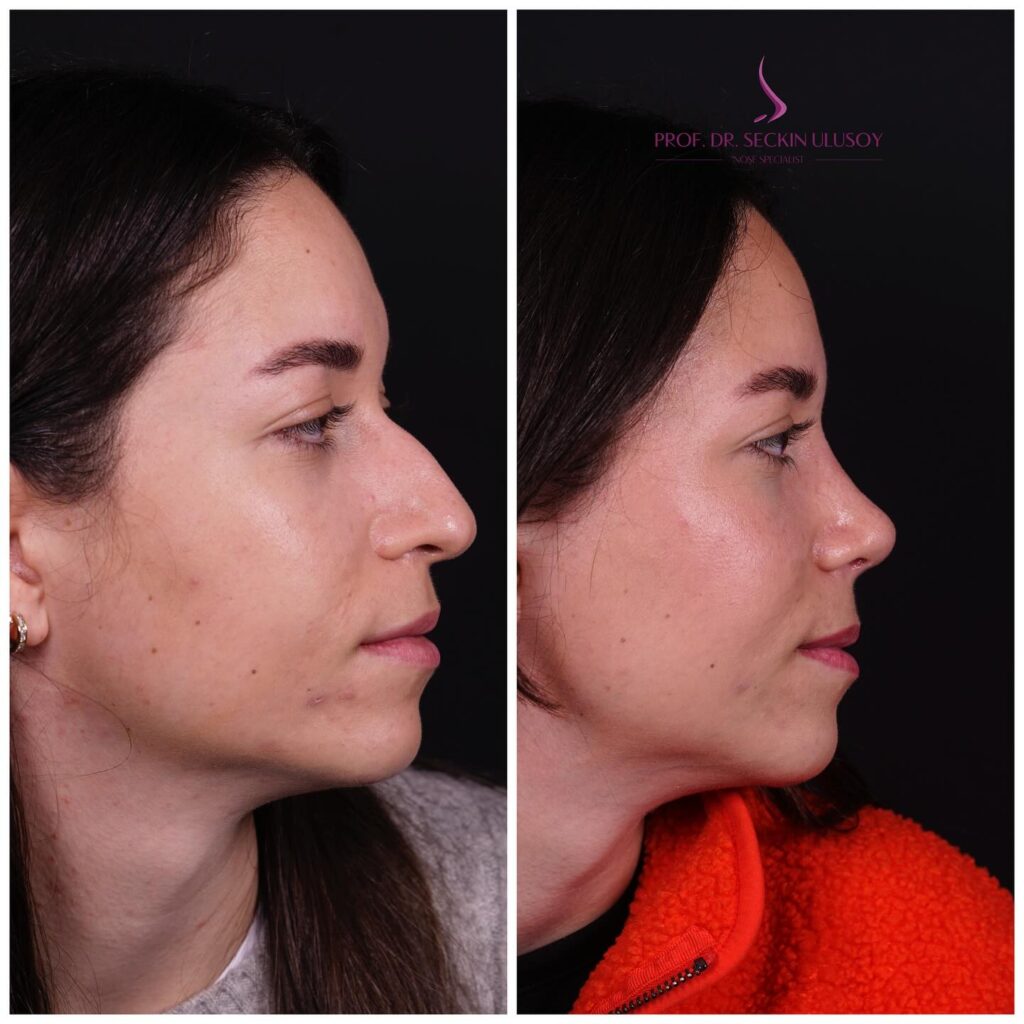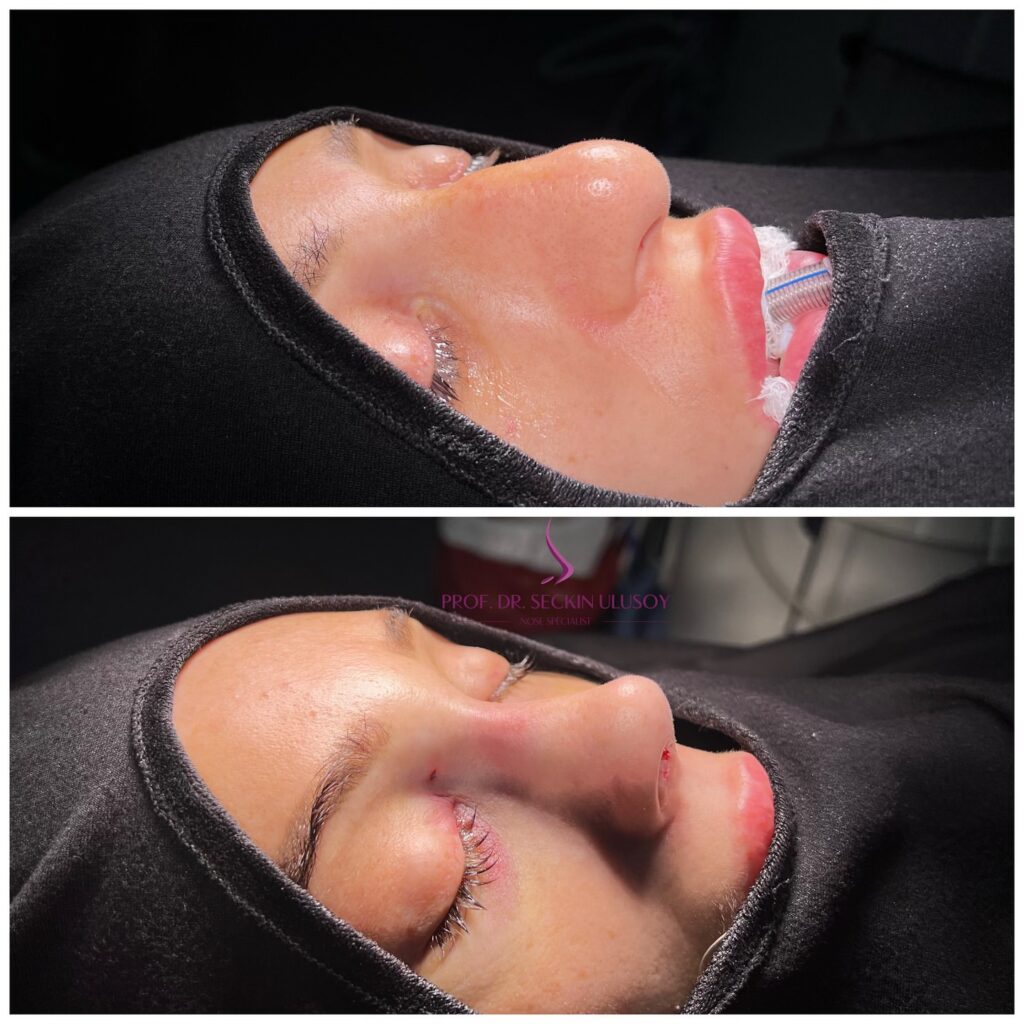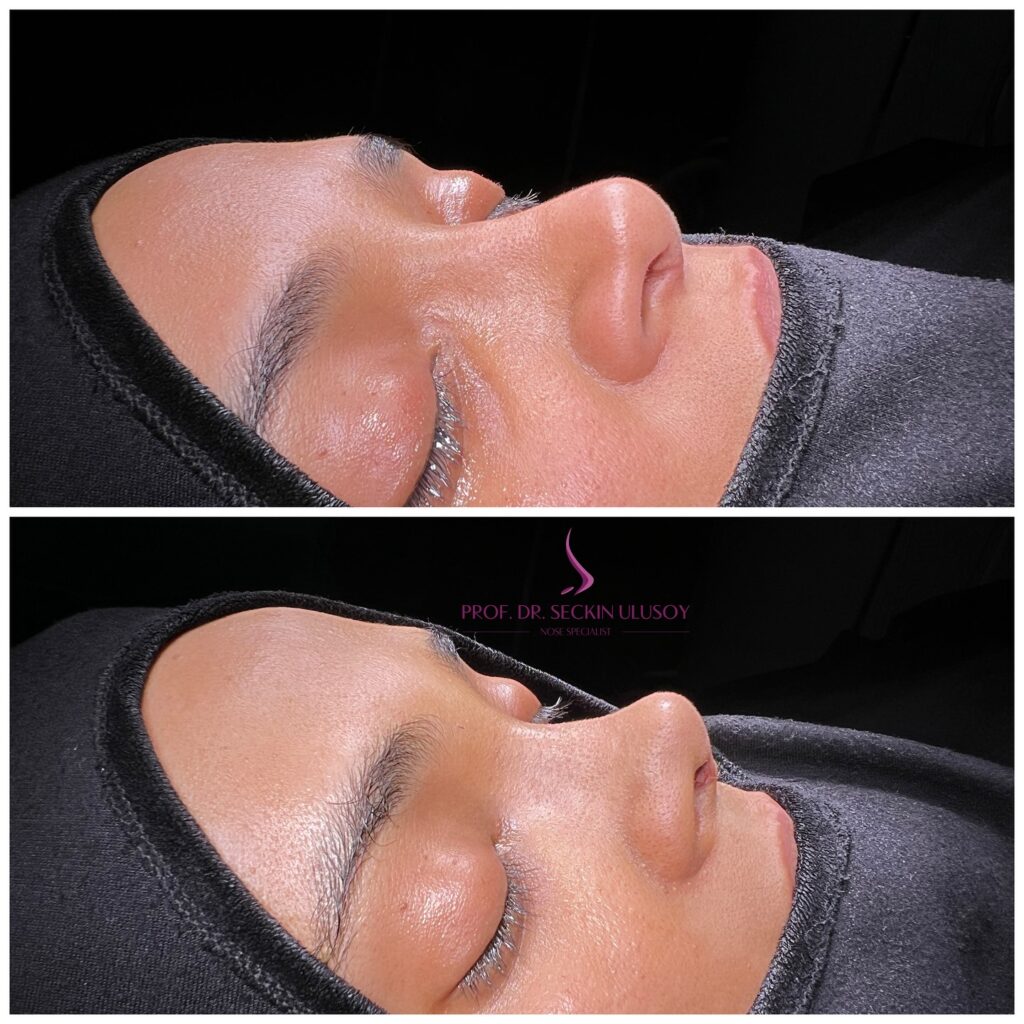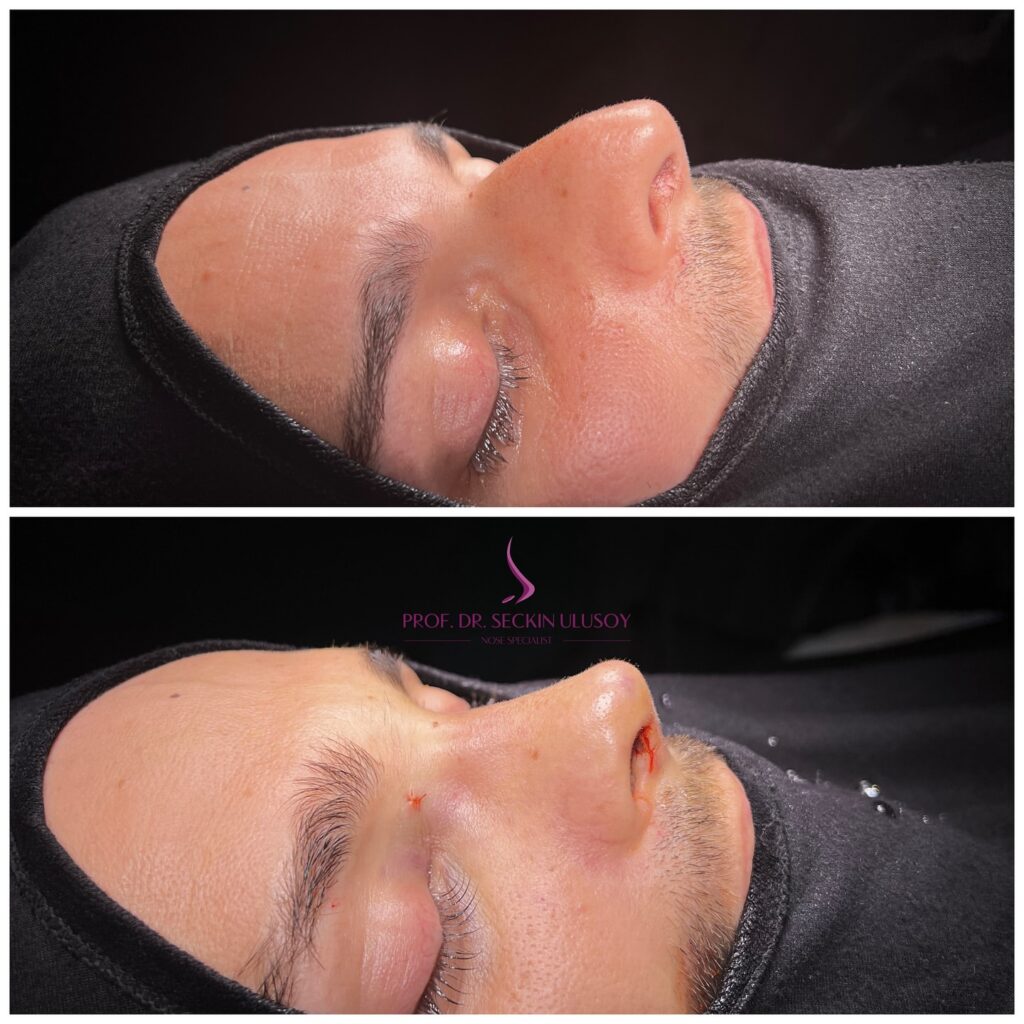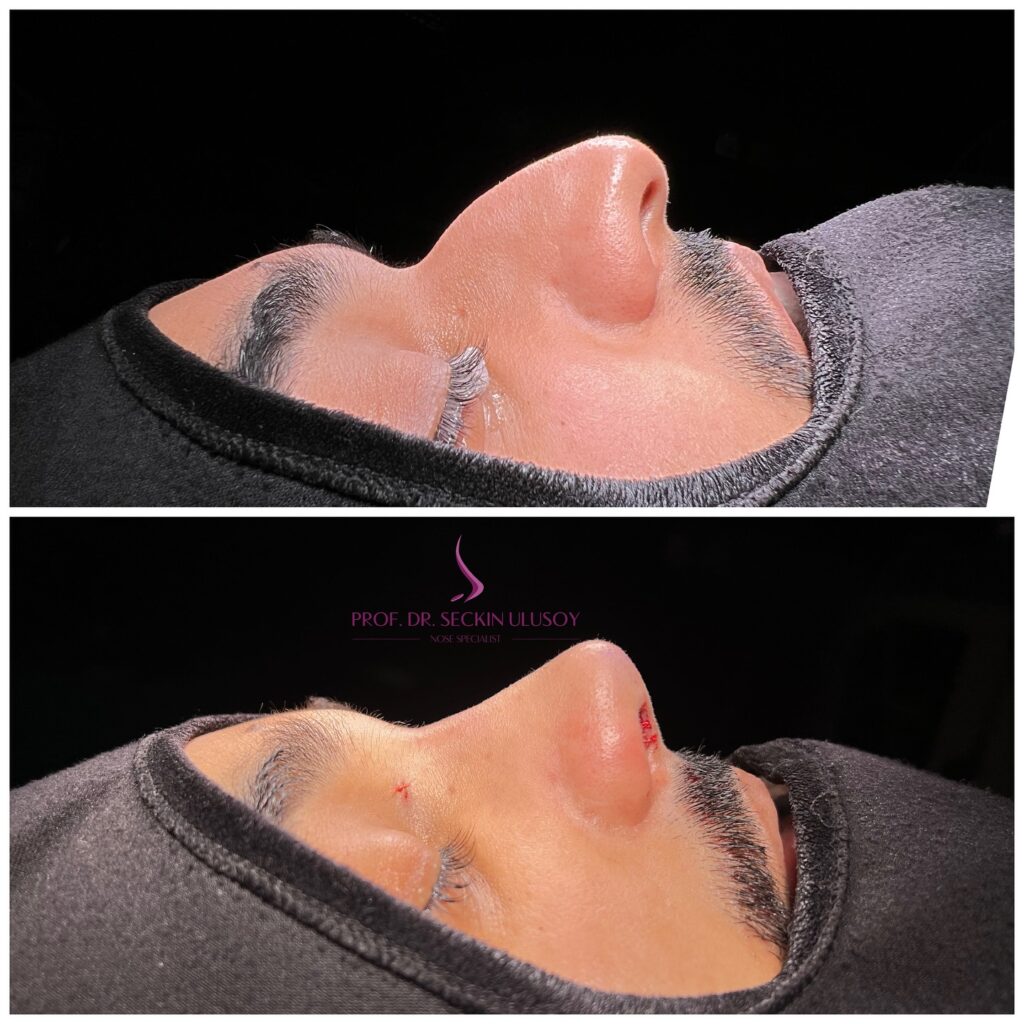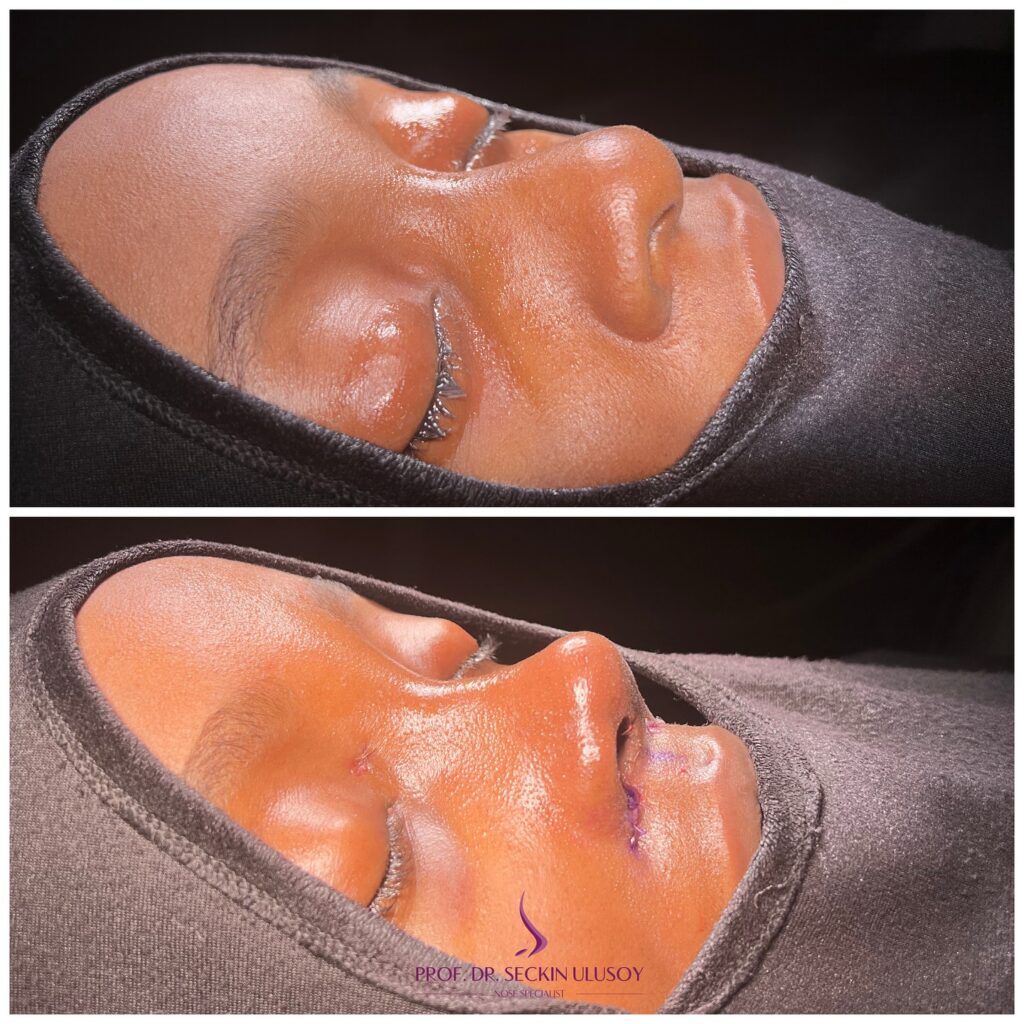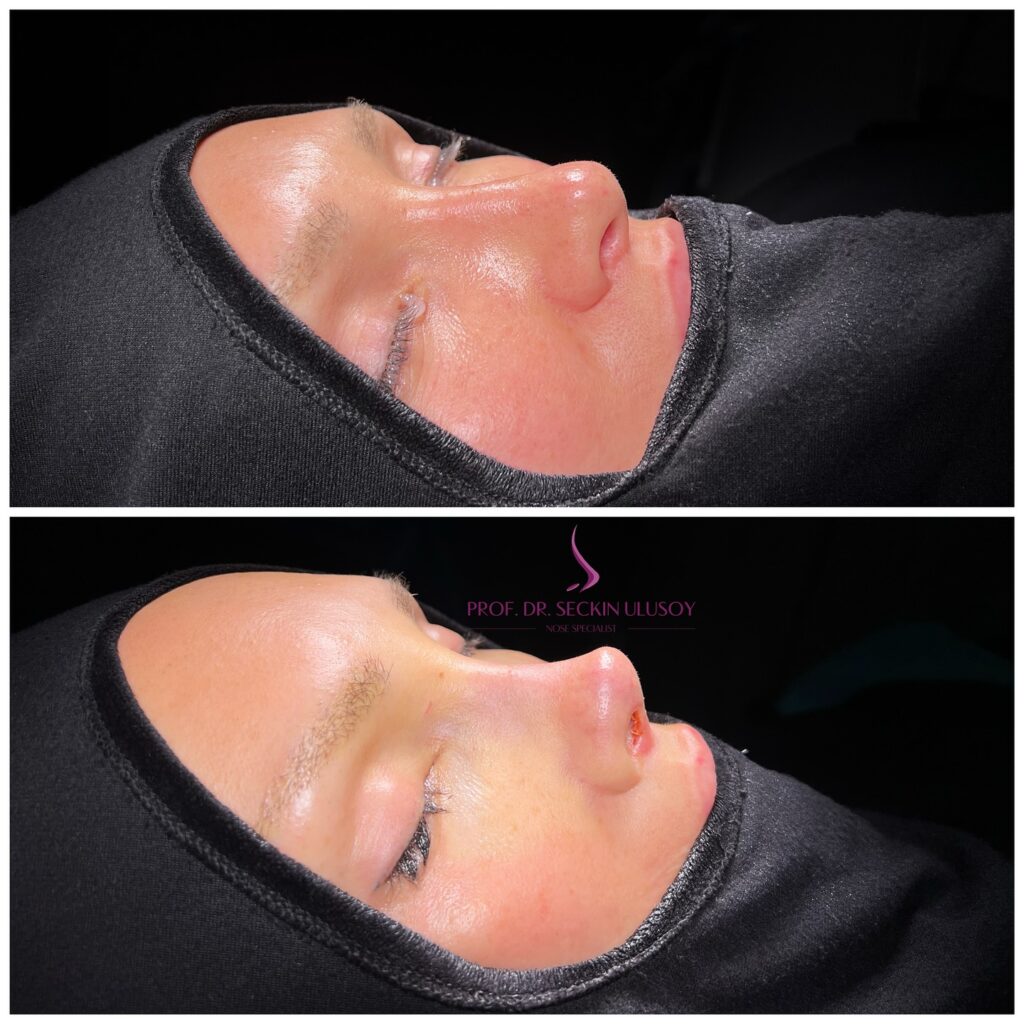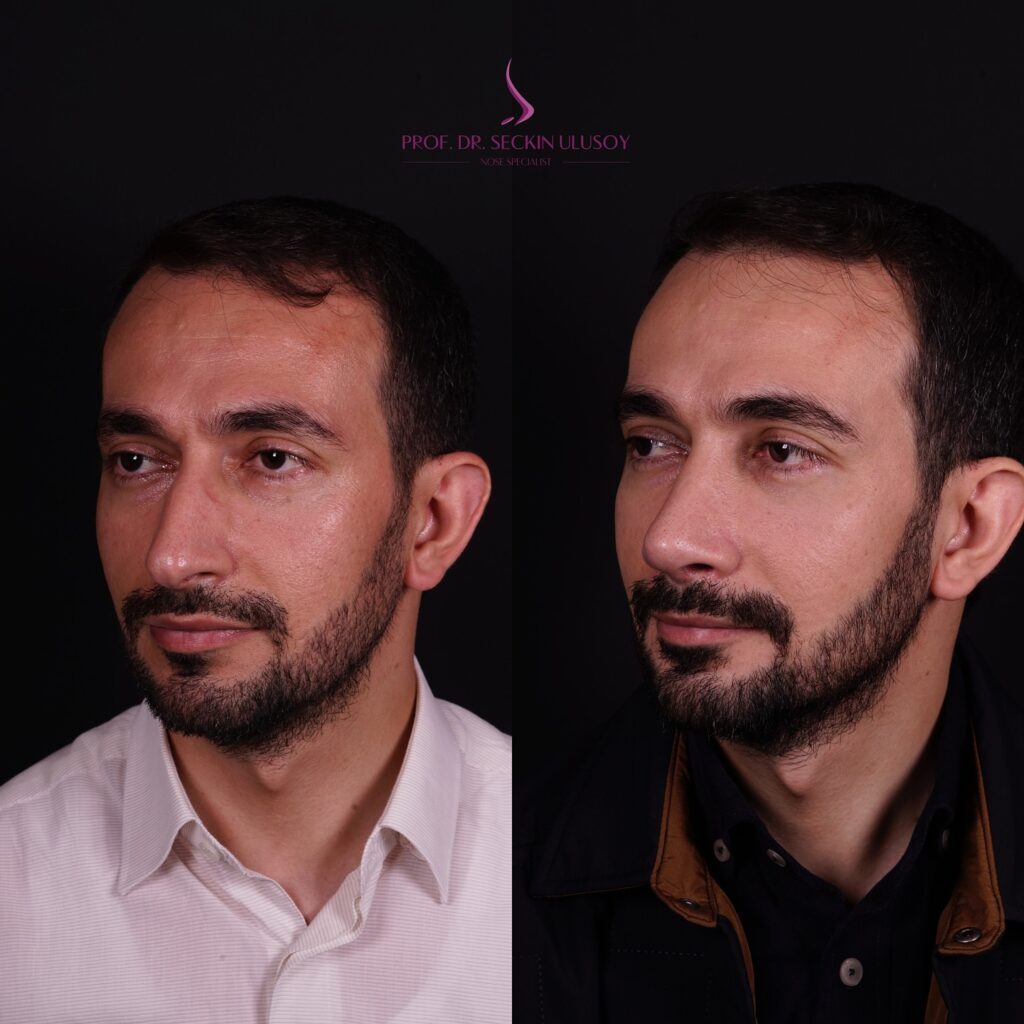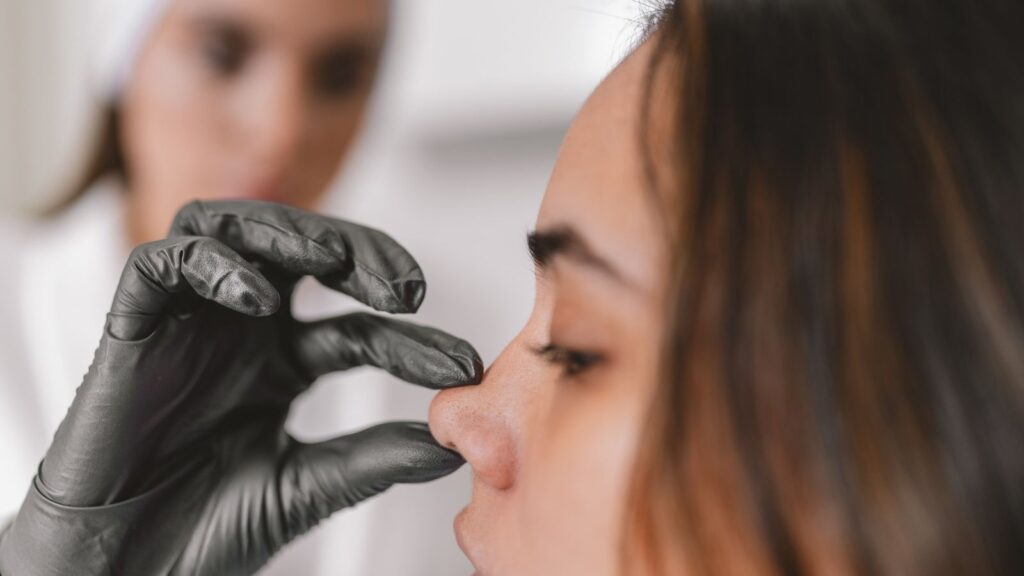
Flying after rhinoplasty is considered safest once the initial 7 to 10-day recovery period following surgery has been completed. After a rhinoplasty procedure, the delicate tissues inside the nose need time to enter the healing phase and become more resistant to the barometric pressure changes experienced in an aircraft cabin. For this reason, allowing this first week to pass calmly is medically very important. When planning air travel after facial aesthetic procedures, preserving both the aesthetic outcome and tissue integrity should always be the priority. Therefore, resting during the early postoperative period and postponing travel until the second week, in accordance with the body’s rate of recovery, is the most fundamental step toward a smooth and comfortable healing process.
How Does Cabin Pressure During Air Travel Affect Rhinoplasty Results?
During air travel, the barometric pressure inside the aircraft cabin continuously changes during takeoff and landing. Closed or semi-closed air spaces within our body, such as the paranasal sinuses and middle ear, attempt to adapt to these pressure fluctuations. In aviation and aerospace medicine, this physical interaction is explained by a fundamental principle known as Boyle’s Law. According to this principle, the volume of a gas at a constant temperature changes inversely with the surrounding external pressure.
As the aircraft leaves the runway and begins climbing into the sky, atmospheric pressure outside gradually decreases. In response to this reduction in external pressure, the air within the sinus cavities tends to expand. The sinus cavities in the human face are lined with moist air. Physically, moist air is known to undergo this expansion process much more rapidly and noticeably than dry gas. A healthy individual who has not undergone surgery can equalize this pressure simply by swallowing or yawning, allowing the expanding air to escape through the nasopharynx.
However, the situation becomes slightly more complex during descent. As the aircraft descends, external pressure increases and the air inside the sinuses contracts in volume. In individuals who have undergone rhinoplasty, the internal nasal passages are generally narrower or partially obstructed due to natural postoperative swelling, tiny internal sutures, or supportive silicone splints. This narrowing makes it more difficult for air to enter the sinuses during descent. When sufficient air cannot enter, negative pressure develops within the sinuses. In medicine, this is recognized as a type of vacuum effect and may contribute to facial pressure, stress on the nasal mucosa, and, in some cases, slight bleeding. The frontal sinuses and the maxillary sinuses behind the cheekbones are the anatomical regions that are most affected by these pressure changes.
Why Does Early Air Travel After Rhinoplasty Carry Certain Risks?
During the first few days after surgery, the nasal framework has been reshaped, cartilage supports are adapting to their new positions, and the delicate tissues have entered the healing phase. During this early stage of repair, the tissues remain highly sensitive to external influences. For this reason, boarding an aircraft immediately after surgery may involve certain risks.
Possible situations that may occur include:
- Suture tension
- Increased swelling
- Capillary leakage
- Facial pain
- Sinus vacuum effect
- Ear blockage
Postoperative tissue fluid accumulation inside the nose, known as edema, may combine with cabin pressure changes and create tension within the nasal lining. This physical stress may place strain on the supportive microsutures placed during surgery. Excessive tension on the sutures may influence the natural healing process and make symmetrical healing more challenging.
Another important consideration involves the healing blood vessels. Mild leakage during the first few postoperative days is considered a natural part of recovery. However, sudden fluctuations in cabin pressure may stimulate capillaries that are still healing and increase the amount of this minor leakage. If expanding air cannot escape easily through narrowed passages, the Eustachian tube, which connects to the back of the nose, may also be affected. Swelling around this connection may create a sensation of pressure in the middle ear and temporary blockage. Although these processes generally do not result in permanent damage, they can significantly reduce travel comfort.
How Long Should You Wait Before Flying After Rhinoplasty?
Planning your return home or a new journey after surgery should be based on the stages of the healing process. Although each person’s recovery speed differs, there are medically accepted general guidelines. The standard approach prioritizing patient safety and comfort recommends allowing sufficient time for the tissues to regain their natural balance. Flying is generally not recommended during the first postoperative week because the tissues have a very limited ability to equalize pressure changes during this period.
The main stages of recovery are as follows:
- Days one through three
- Days four through seven
- Beginning of the second week
- End of the first month
The period between the first and third day is when protective silicone splints remain inside the nose and acute swelling is at its peak. During this stage, cabin pressure changes may place stress on the nasal mucosa, so air travel is not recommended. Resting and choosing ground transportation is a much more appropriate approach.
Between the fourth and seventh days, the internal silicone supports and external protective tapes are generally removed. Swelling and possible discoloration gradually begin to subside. However, since the tissues have not yet fully regained resistance to pressure changes, long-distance flights are still generally discouraged during this period. In unavoidable circumstances, short-distance flights may be considered following an updated assessment by the surgeon.
By the beginning of the second week, the nasal lining, known as the mucosa, shows significant signs of recovery. Patients return more comfortably to their social lives. During this period, short-haul flights become considerably more comfortable. Toward the end of the second week, even long-haul flights generally cease to be problematic. By the end of the first month, the bone and cartilage structures have largely adapted to their new positions, and healing approaches physiological normality. At this stage, all forms of air travel can generally be undertaken safely.
What Should Be Done Before and After Flying to Protect Rhinoplasty Recovery?
In addition to the physical conditions inside the cabin, the personal habits a patient follows before the flight, during travel, and in the days afterward also influence the quality of the recovery process. Certain daily precautions help maintain balanced blood pressure within the vessels and support smooth tissue healing.
Some recommended precautions include:
- Keeping the head upright
- Sneezing with the mouth open
- Bathing with lukewarm water
- Avoiding straining
- Not blowing the nose
- Avoiding heavy lifting
One of the most important postoperative recommendations is maintaining proper head positioning. Activities such as bending forward while working, keeping the neck flexed for prolonged periods while looking at a phone, or lifting heavy objects from the floor cause increased blood flow toward the head. This may increase venous blood pressure and place unnecessary stress on newly healing tissues. Keeping the head as upright as possible while packing luggage before the flight or passing through airport security supports the healing process. In addition, supporting the back and head in a slightly elevated position while sleeping or resting in the aircraft seat helps reduce fluid accumulation and swelling.
If you feel the need to sneeze, keeping your mouth open allows the high pressure to escape through the mouth rather than through the nasal passages. Attempting to clear the nose by forcefully blowing it places considerable physical stress on the healing tissues. Instead, gently moisturizing the nasal passages with saline sprays is a much safer approach. Heat also has a dilating effect on blood vessels. Taking very hot showers or visiting steam rooms or Turkish baths before traveling may dilate blood vessels and increase the possibility of postoperative leakage. For this reason, showering with lukewarm water close to body temperature and avoiding excessive heat help maintain circulatory balance.
In addition, supplements and personal habits during this sensitive period should also be reviewed. Certain herbal teas or pain medications with blood-thinning properties may slow the normal clotting process. Smoking is one of the most significant factors negatively affecting healing because it reduces oxygen delivery to the tissues and impairs microcirculation. Avoiding these habits before and after flying is one of the key elements of healthy recovery.
How Does the Piezo Surgical Technique Affect Flight Planning After Rhinoplasty?
In the past, traditional mechanical methods used various handheld instruments to reshape the nasal framework. While reconstructing the nasal bones, these instruments often caused unwanted physical trauma to the membrane surrounding the bone, the adjacent soft tissues, and the delicate capillary vessels. As a result, patients frequently experienced prolonged bruising around the eyes and significant facial swelling after surgery. Because recovery required a longer period, air travel often had to be postponed for several weeks.
Today, Piezo technology, also known as ultrasonic rhinoplasty, has become an important advancement that has changed recovery dynamics and reduced the preparation time before flying. In the Piezo technique, ultrasonic sound waves are used to reshape the tissues. This system is specifically calibrated to affect only dense bone tissue. While the sound waves work on the bone, they largely preserve the delicate vascular network surrounding it, the cartilage structures, and the nasal mucosa.
The expected main advantages include:
- Less tissue damage
- Lower risk of bleeding
- Reduced swelling
- Milder bruising
- Faster return to social life
The tissue-selective nature of ultrasonic energy provides significant advantages for patients planning travel. Preservation of the mucosal lining helps the nose better tolerate cabin pressure changes. Because the blood vessels remain largely intact, fluid accumulation between the tissues is reduced and the likelihood of postoperative leakage decreases. As a result, patients may experience less nasal congestion during sudden altitude changes inside the aircraft. The generally milder swelling and facial discoloration allow patients to return to social activities sooner and feel more comfortable in crowded environments such as airports. Patients traveling from other cities may also benefit from greater flexibility in scheduling their return journeys without requiring extended recovery periods.
How Should Ocean Water Spray Be Used During Air Travel to Maintain Nasal Moisture After Rhinoplasty?
Another factor just as important as cabin pressure during air travel is the quality and humidity of the air we breathe. Passenger aircraft fly at very high altitudes, drawing in the cold, dry air outside, warming it, and circulating it inside the cabin. This climate control process significantly lowers cabin humidity, often reducing it well below the levels we normally experience.
This desert-like dry air causes the nasal lining to lose moisture. The nasal mucosa humidifies and warms inhaled air through microscopic cilia covering its surface. When cabin air dries this area, the protective fluid layer covering the delicate healing tissues becomes weakened. This dryness may lead to tightness inside the nose, firm crust formation, and discomfort. Since dry tissues lose their flexibility, providing external moisture becomes highly important to allow uninterrupted tissue repair. This is where ocean water protocols become beneficial.
The following items are recommended during the flight:
- Isotonic ocean water spray
- Nasal moisturizing drops
- Epithelial repair cream
- Clean tissues
Ocean water sprays provide physiological support through their natural mineral content and balanced sodium chloride composition. Isotonic formulations have the same concentration as body fluids, allowing them to cleanse the tissues without irritation. Gently applying these sprays into the nostrils at regular intervals on the day of the flight and during the journey helps prevent dryness. Using specially formulated moisturizing drops afterward supports the mucosa in retaining moisture and remaining more flexible. Thin epithelial repair creams applied around the entrance of the nostrils help relieve tightness caused by dryness. Increasing fluid intake before and during the flight by drinking plenty of water also supports the body’s overall hydration from within and contributes to the healing process.
How Is the Rhinoplasty and Air Travel Process Managed for Patients Traveling from Different Cities?
Thanks to advances in medical technology and transportation, traveling to another city or country for aesthetic procedures has become increasingly common. However, this process involves much more than simply having a successful operation. From the moment the patient leaves home and arrives at the clinic until the day they safely return home with their new appearance, the entire process requires careful planning and structured management.
As in the clinical approach of Op. Dr. Tolga Oğuzhan, structured protocols adopted by modern medical centers are designed to support both patient recovery and travel comfort. This organized approach eliminates geographical distance as an obstacle while balancing medical requirements with the patient’s travel needs.
The general stages of the process are as follows:
- Online consultation
- Comprehensive preoperative evaluation
- Surgical procedure
- Hotel recovery period
- First-week follow-up
- Flight clearance
- Remote follow-up
The process begins before the patient even travels, with detailed online consultations. During this stage, the patient’s medical history, expectations, and travel schedule are carefully evaluated. Once the patient arrives at the clinic, face-to-face digital analyses are performed to finalize the surgical plan. Tissue-preserving surgical techniques used on the day of surgery, such as the Piezo method, are intended to optimize the time before the patient can safely fly.
After surgery, patients generally recover at their planned accommodation. This rest period is extremely important for allowing the initial swelling to subside. Toward the end of the first week, the supportive silicone splints inside the nose and the external protective tapes are gently removed during an in-person follow-up examination. This visit also serves as the stage at which travel safety is evaluated. The moisture level inside the nose, the degree of swelling, and the overall condition of the nasal mucosa are assessed, after which the patient receives the necessary guidance for the return flight along with detailed instructions on the precautions to follow throughout the journey.