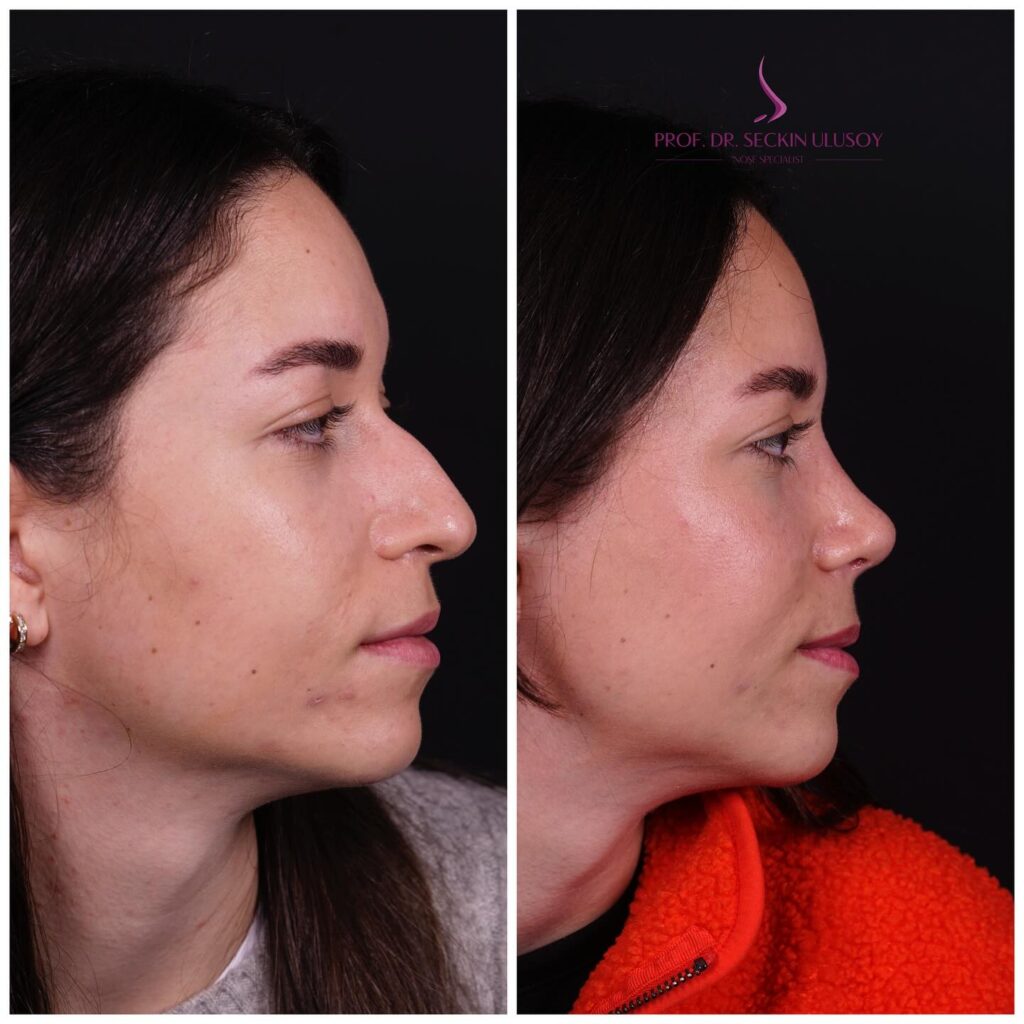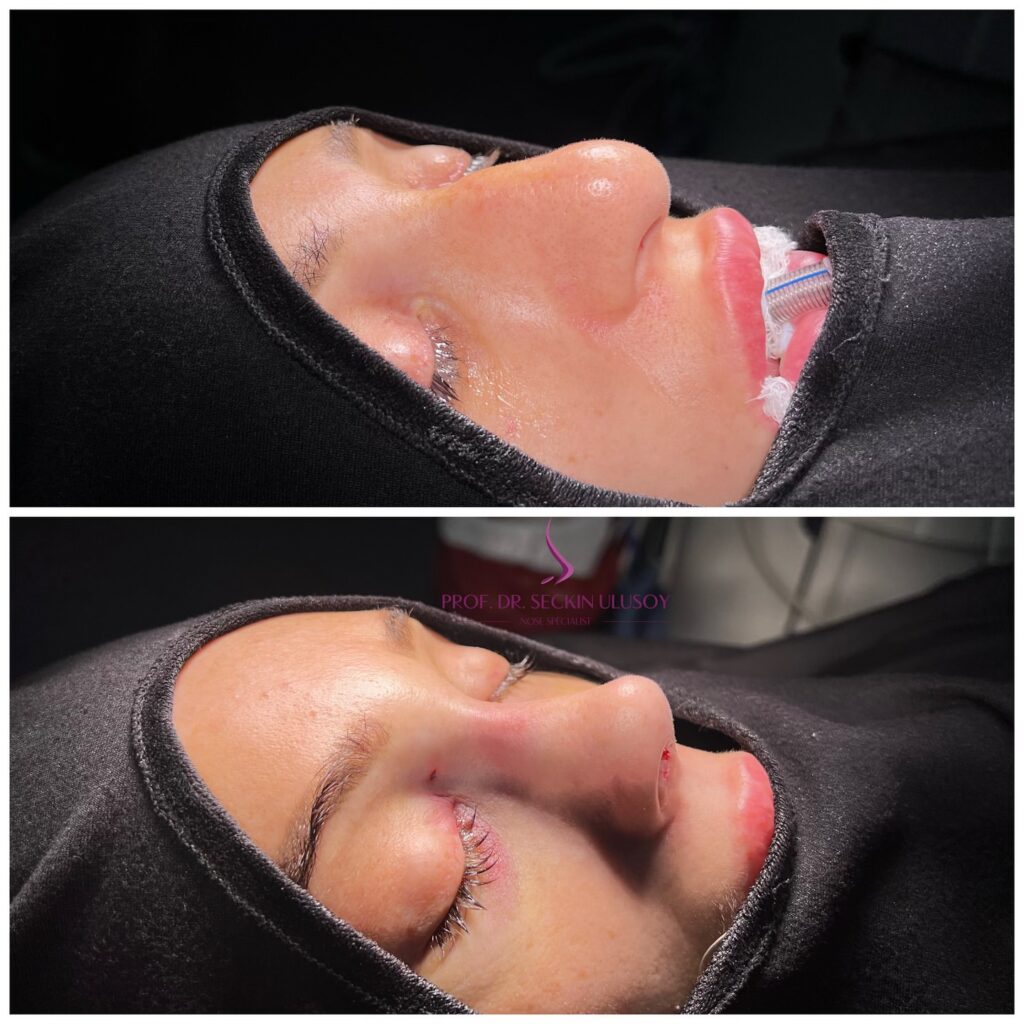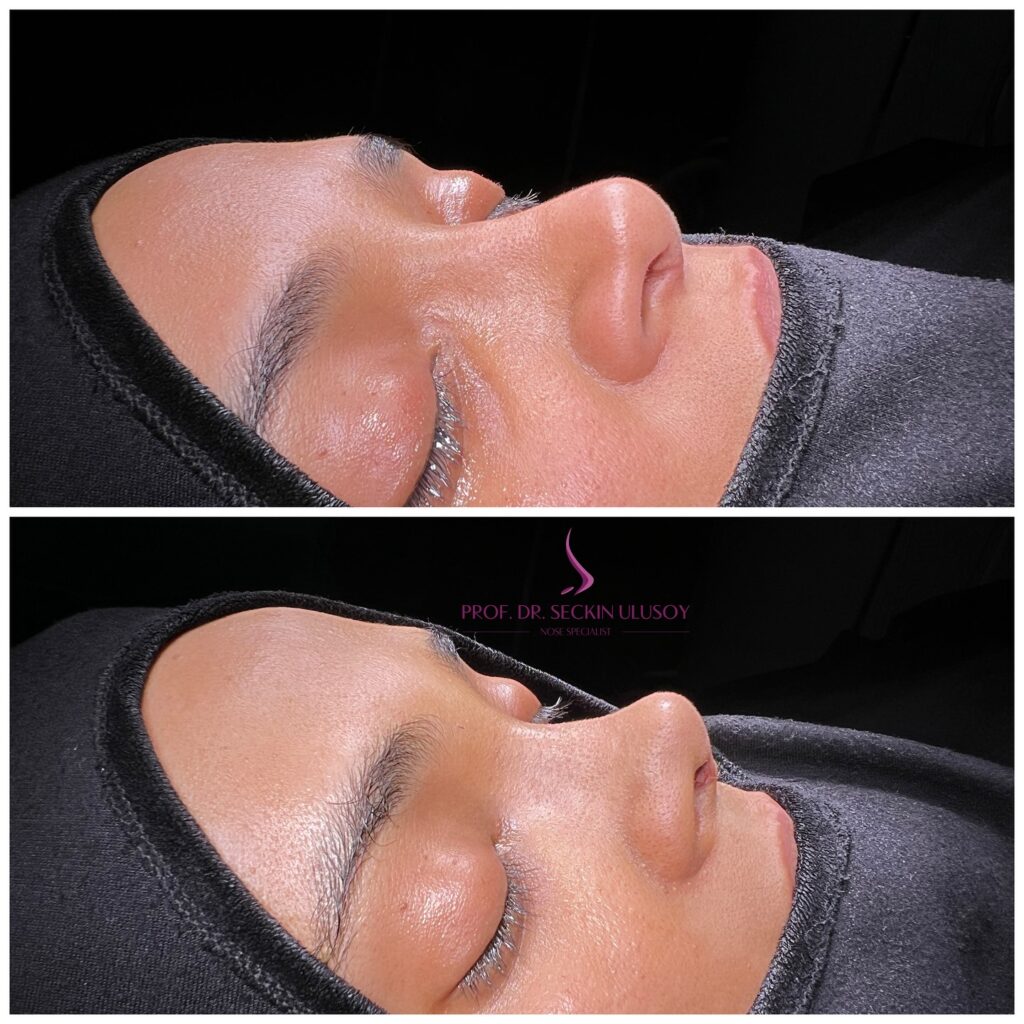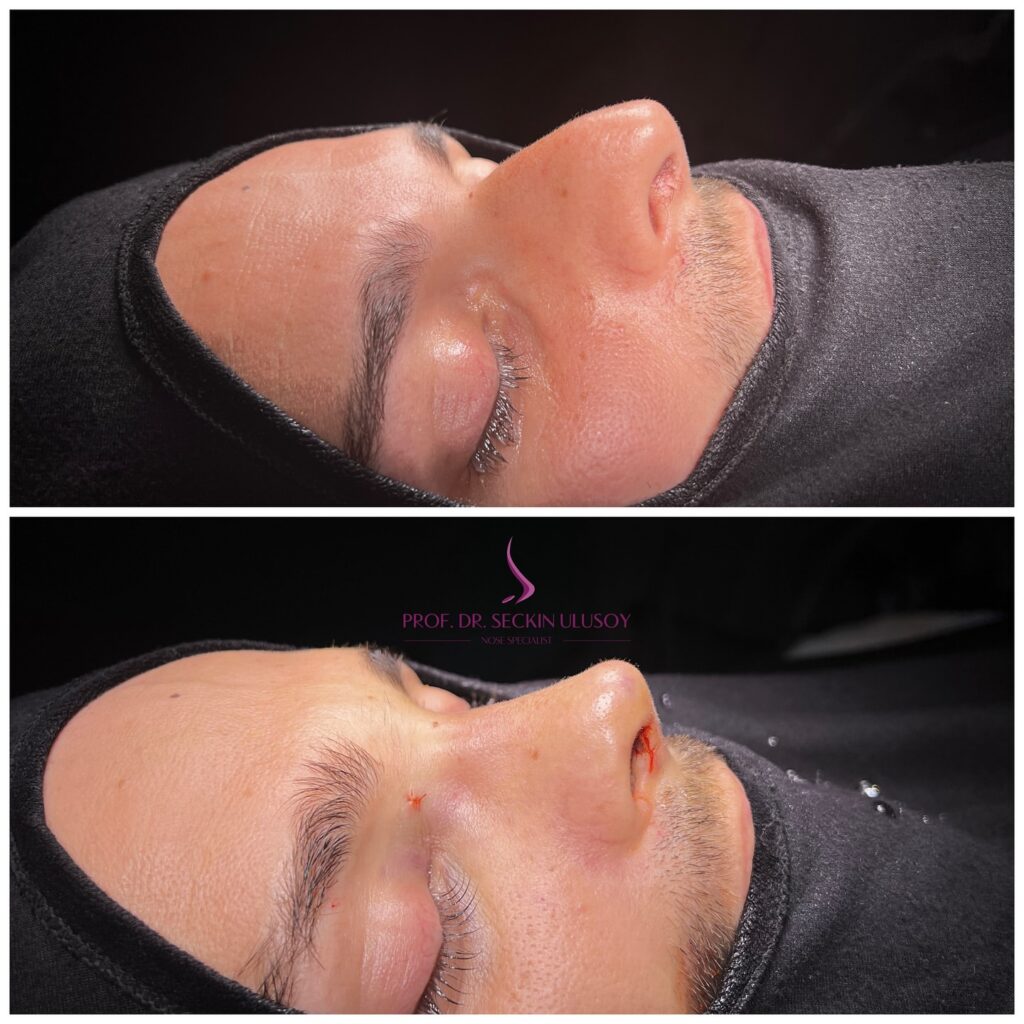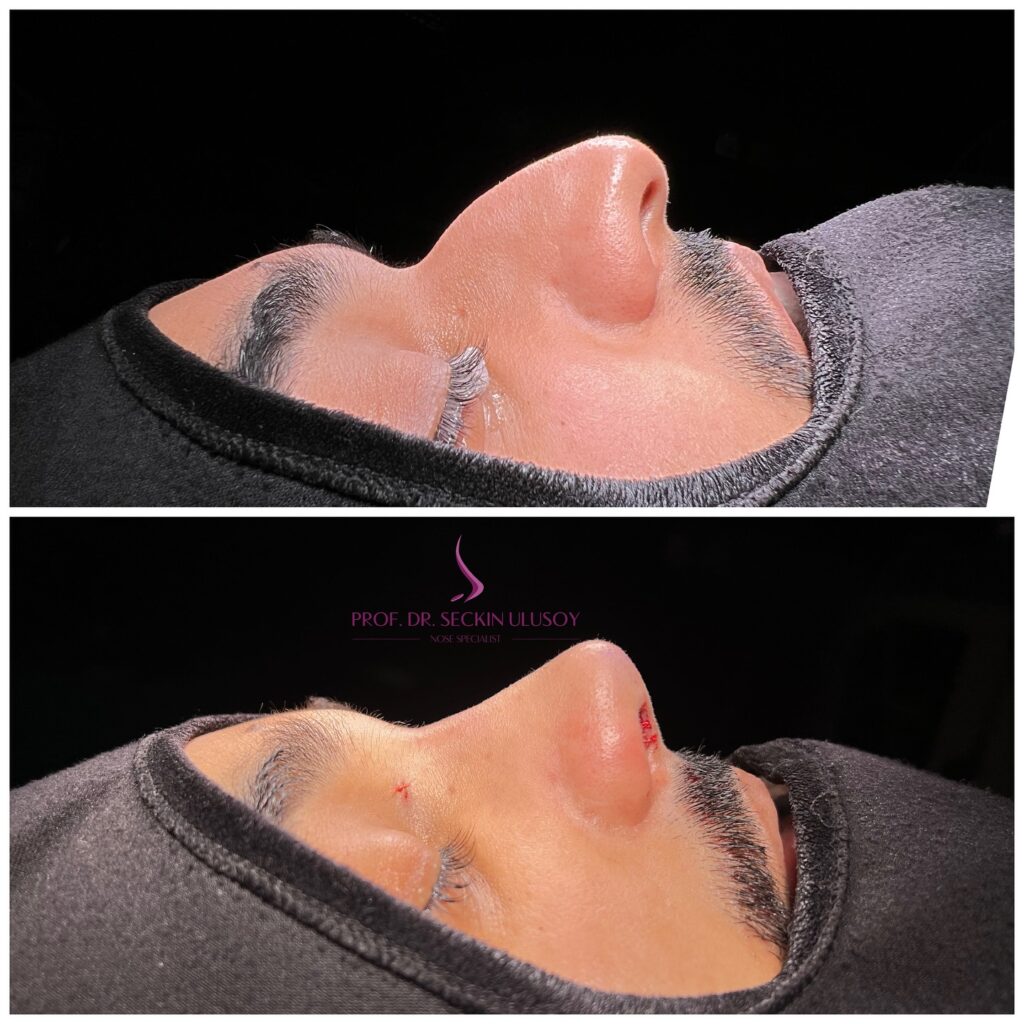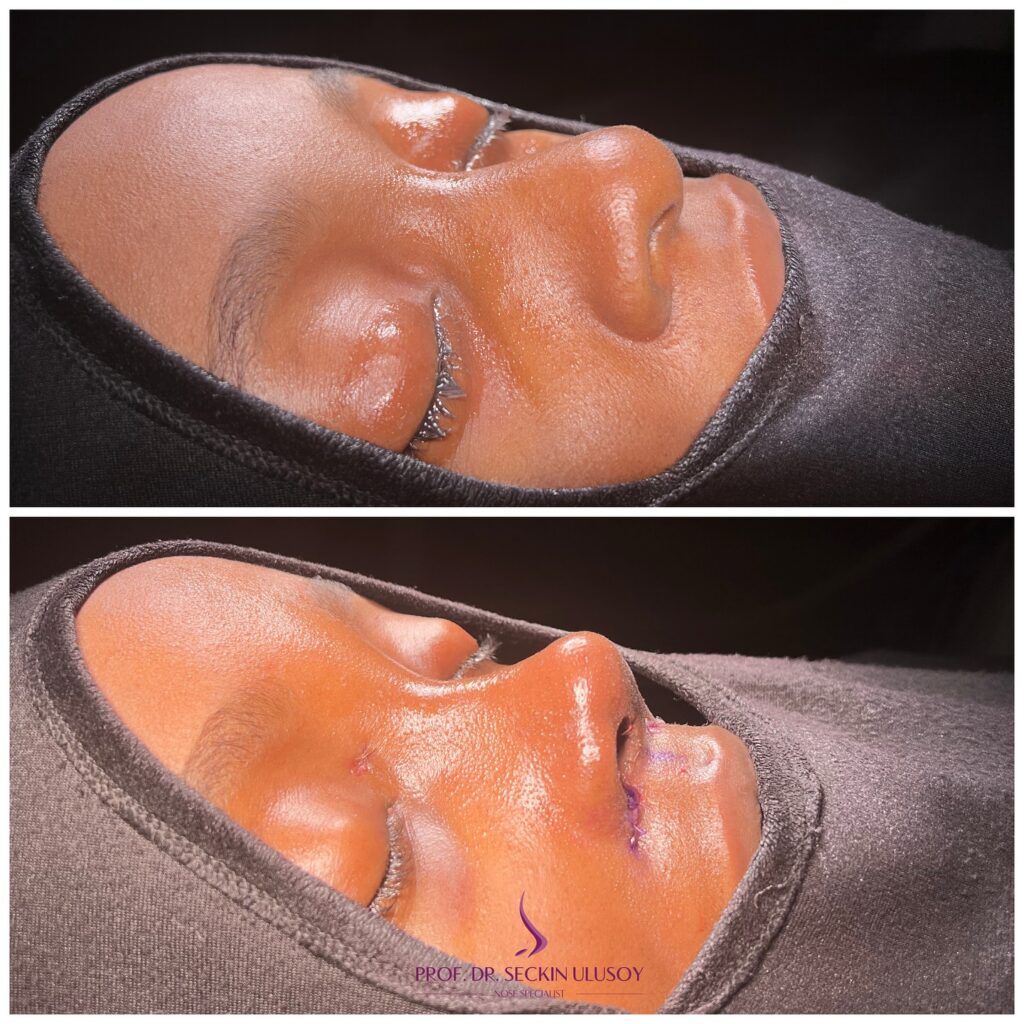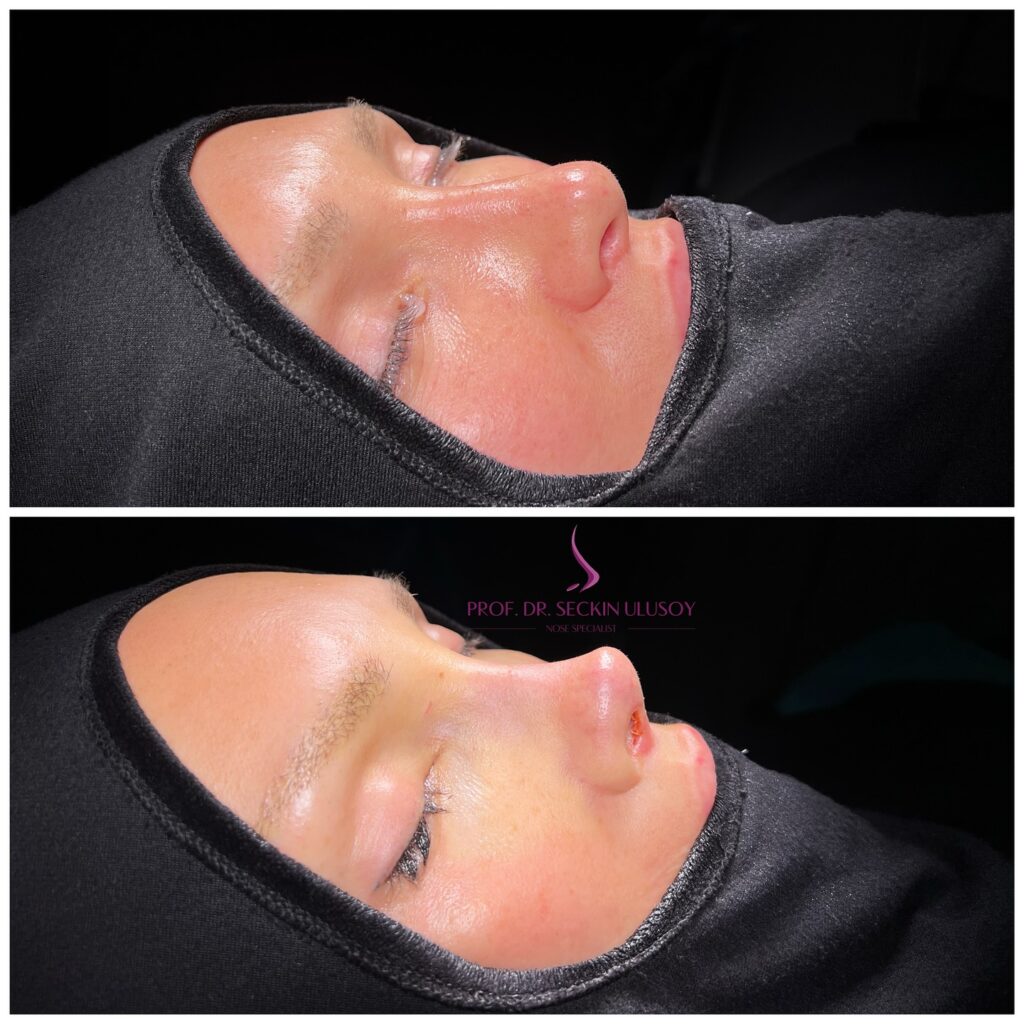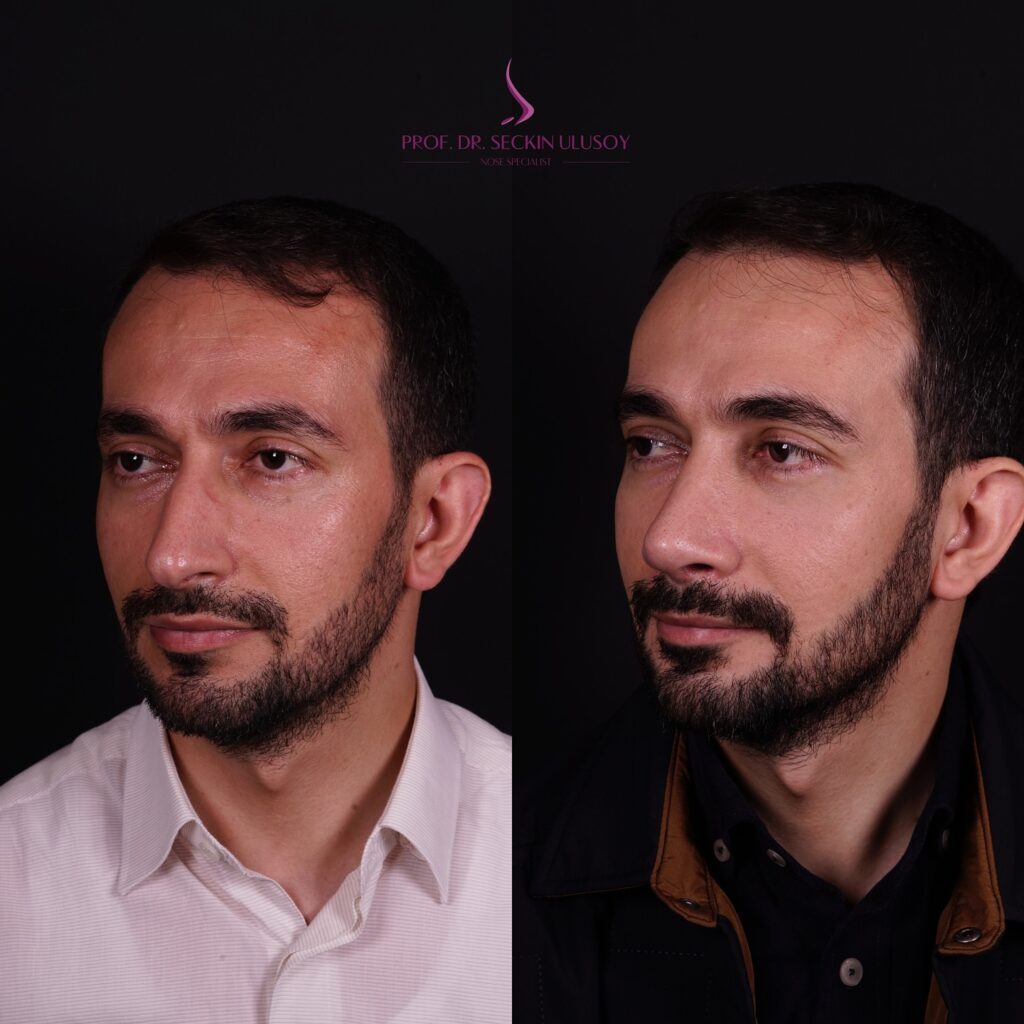
To help swelling subside quickly after nasal surgery, natural foods that may support fluid reduction, such as pineapple, parsley, and cucumber, are recommended. With the antioxidants and enzymes they contain, these foods support lymphatic circulation and help eliminate accumulated fluid from the body.
Pineapple is one of the most commonly recommended fruits because of the bromelain enzyme it contains. With its anti-inflammatory effect, this enzyme contributes to reducing postoperative swelling and edema. Consuming pineapple fresh increases its effectiveness, while processed forms are not recommended.
Vegetables with a high water content, such as parsley and cucumber, support kidney function and help remove excess fluid from the body. Parsley juice in particular may accelerate the elimination of edema when consumed regularly and in a controlled manner. Excessive consumption should be avoided.
Watermelon, cherries, green tea, and lemon water are also among the foods that may help reduce edema. However, in addition to these foods, reducing salt intake and drinking enough water are among the most important steps in relieving edema. A balanced diet contributes positively to the process.
Why Does Edema Occur After Surgery?
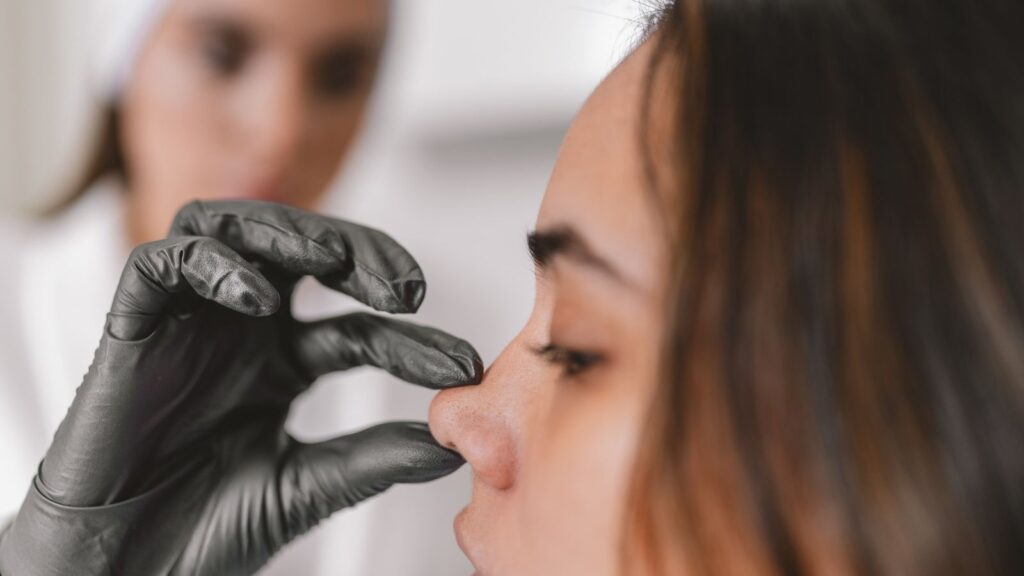
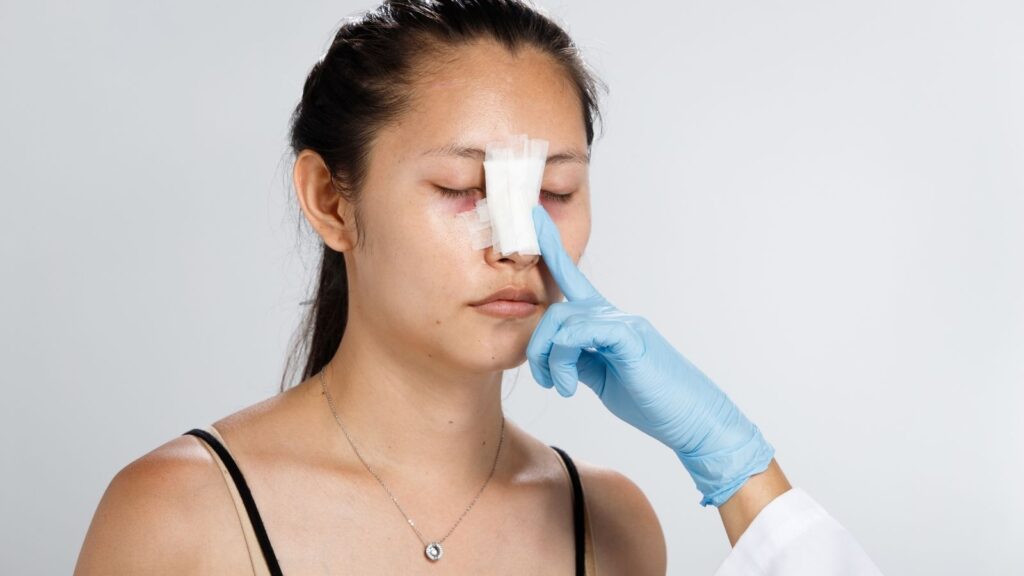
During nasal surgery, procedures are performed on the bone, cartilage, and soft tissues. The body perceives this as a “trauma” and begins accumulating fluid in the area in order to repair it. This fluid accumulation is felt as edema. Swelling around the nose, under the eyes, and on the cheeks is particularly noticeable during the first few weeks.
The duration of edema varies from person to person. Skin structure, the extent of the surgery, postoperative care, and daily habits may affect this process. Nutrition is one of these habits, but a miraculous effect should not be expected from nutrition alone.
The Indirect Effect of Nutrition on Edema
Some foods may indirectly affect the body’s fluid balance, inflammatory response, and circulation. During the postoperative period, the aim is to establish a balanced eating pattern that does not strain the body and is easy to digest. This approach may make the recovery process more comfortable overall.
The important point here is that no food offers a guarantee that it will “definitely eliminate edema.” The foods mentioned should be regarded as supportive.
Pineapple and the Bromelain It Contains
Pineapple is one of the first fruits that comes to mind when postoperative edema is mentioned. The reason for this is the enzyme called bromelain that it contains. Bromelain is thought to be associated with certain inflammatory processes in the body.
Fresh pineapple may be included in the diet recommended by the physician, especially after the first week. It is known that this enzyme is greatly reduced in canned pineapple. Patients with stomach sensitivity are advised to be careful and avoid excessive consumption.
Vegetables with a High Water Content, Such as Cucumber and Zucchini
Vegetables with a high water content may help maintain the body’s fluid balance. Vegetables such as cucumber, zucchini, and lettuce may be preferred during the postoperative period because of their light structure.
When these types of foods are consumed instead of salty and processed foods, they may indirectly limit an increase in edema. However, these vegetables alone should not be expected to eliminate edema.
Parsley and Green Leafy Vegetables
Although parsley is popularly known as an “edema-reducing” food, this statement should not be generalized. Green leafy vegetables contribute to a balanced diet through their vitamin and mineral content.
Supporting the immune system is important during the postoperative period. Vegetables such as spinach, arugula, and chard may be added to the nutrition plan in this respect. However, consuming them in excessive amounts as a special regimen is not recommended without the physician’s knowledge.
Fermented Foods Such as Yogurt and Kefir
Medications used after surgery, especially antibiotics, may affect the digestive system. Fermented foods such as yogurt and kefir may help balance the intestinal flora.
A comfortably functioning digestive system supports general well-being. This may indirectly contribute to the body’s recovery process. Individuals with lactose sensitivity may need to consider alternatives.
Spices Such as Ginger and Turmeric
Ginger and turmeric are spices known for their antioxidant properties. When used in small amounts in meals, they may add variety to the diet. However, using these spices in supplement form or at high doses may not be suitable for every patient during the postoperative period.
The recommendation of the physician who performed the surgery is important, especially regarding foods thought to have blood-thinning effects.
The Importance of Adequate Water Consumption
When edema is involved, the importance of drinking water is often misunderstood. Some patients reduce their water intake because they think it will increase swelling. However, drinking enough water may help the body regulate its fluid balance.
Daily water requirements vary from person to person. During the postoperative period, regular water consumption within the limits specified by the physician is generally considered a supportive habit.
Eating Habits Recommended to Be Avoided
It is also important to avoid certain habits thought to directly increase edema. Excessively salty foods, convenience foods, and processed products may be limited during this period. Alcohol consumption is generally not recommended because it may negatively affect the recovery process.
In addition, very hard foods that are difficult to chew may not be preferred, especially during the early period, as they may increase pressure around the nose.
Nutrition Is Individualized
Every patient’s surgical process, body structure, and recovery speed are different. Therefore, there is no single nutrition list that is “suitable for everyone.” Expectations regarding edema after nasal surgery should be kept realistic, and nutrition should be regarded as only one part of overall recovery.
If swelling lasts longer than expected, asymmetry develops, or different complaints occur, specialist evaluation is essential. Foods may be supportive, but they do not replace clinical decisions.
Frequently Asked Questions
What Reduces Swelling in the Nose Most Quickly?
To reduce swelling after nasal surgery, it is beneficial to sleep with the head elevated, limit salt intake, and regularly use the medications recommended by the doctor. Cold application may be effective during the first few weeks; however, complete recovery occurs over time.
What Happens If Postoperative Edema Does Not Resolve?
If postoperative edema continues for a long time, the shape of the nose may appear different from its actual form, and a feeling of hardness may develop. Permanent fibrotic tissue may rarely occur. In this case, evaluation by the surgeon and additional treatment, if necessary, are planned.
How Many Months Does Swelling in the Nose Take to Resolve?
Most swelling after nasal surgery decreases within the first 1-2 months. However, it may take between 6 months and 1 year for the subtle swelling, especially at the nasal tip, to disappear completely. The recovery period varies according to skin structure.