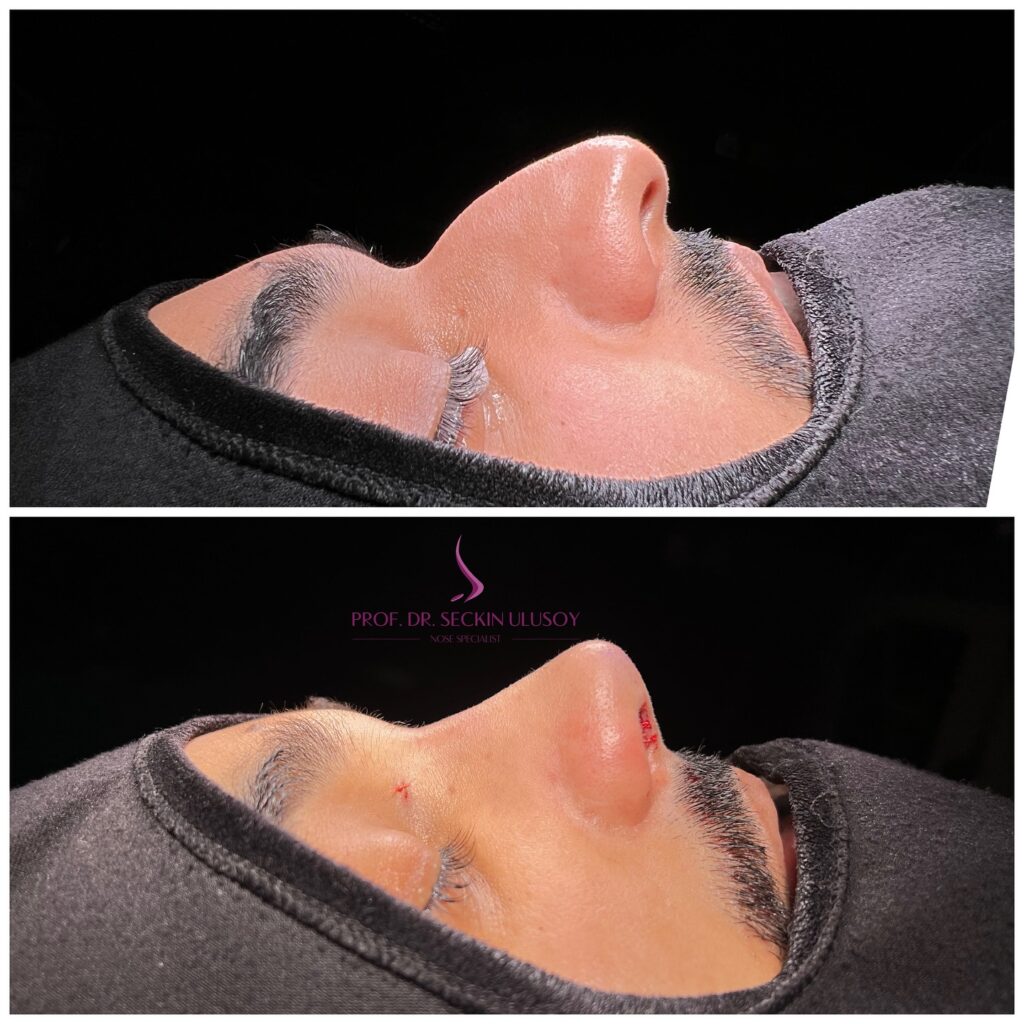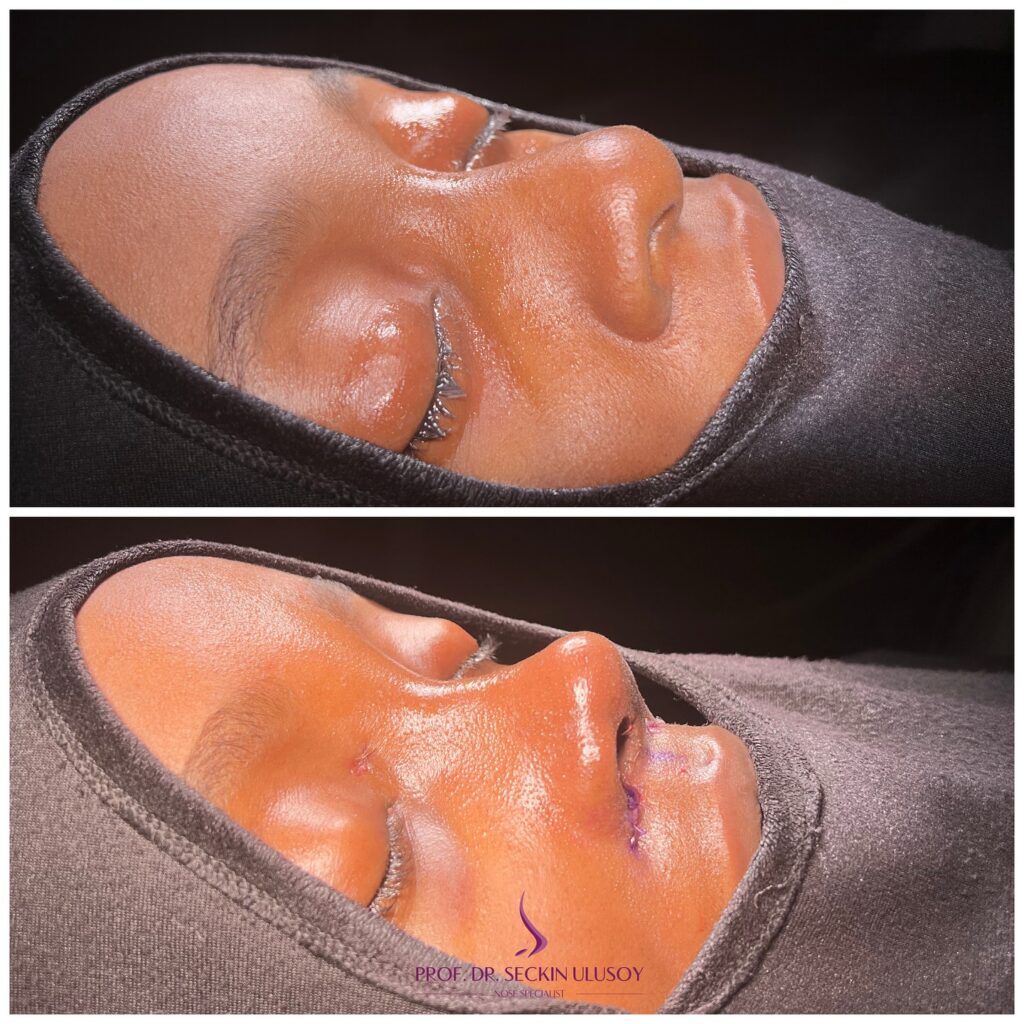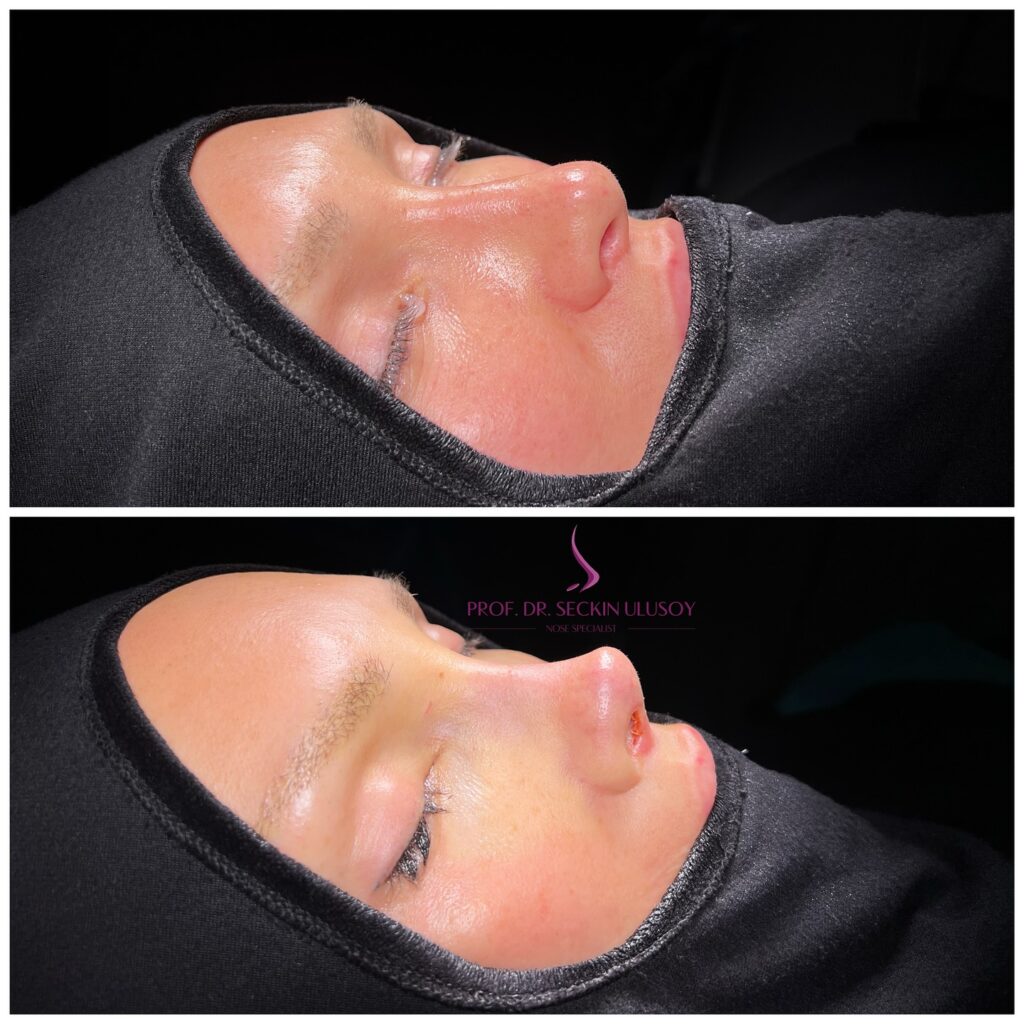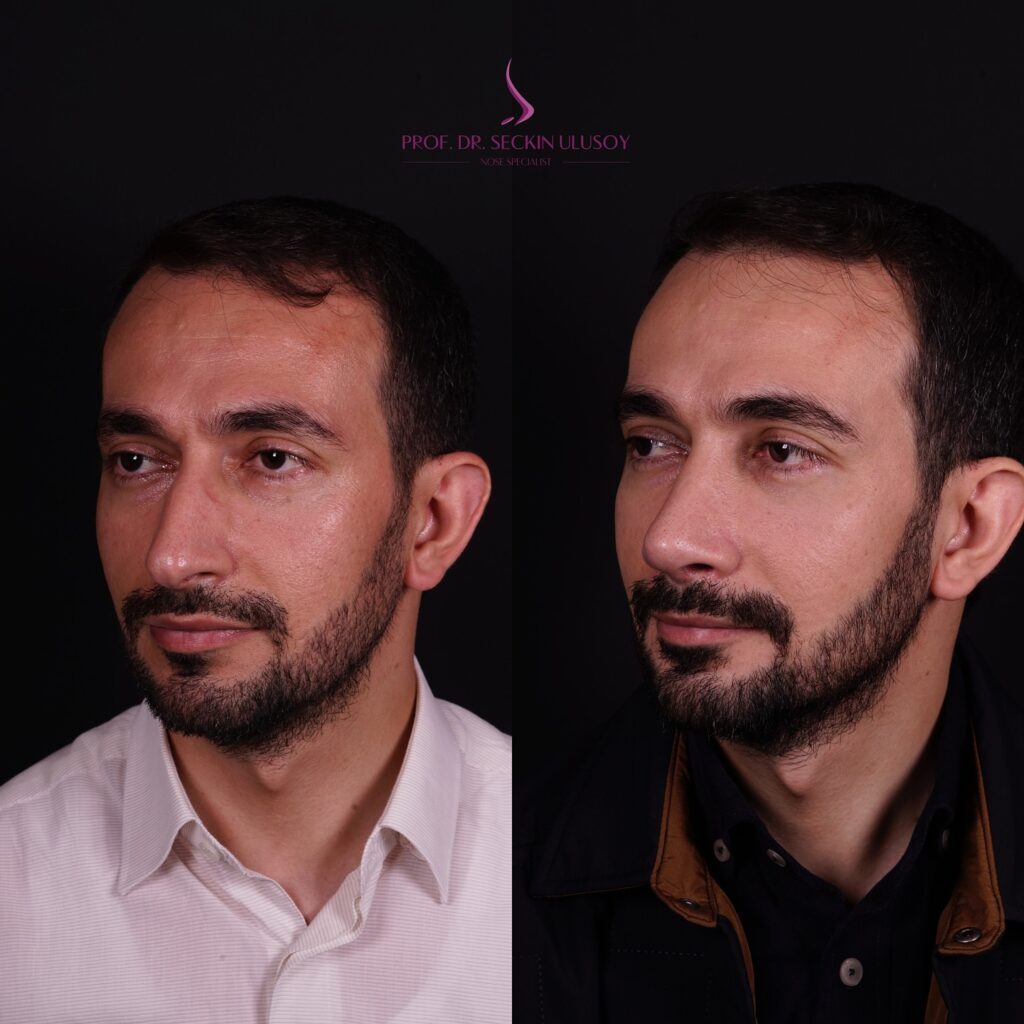
The reason Turkey is preferred in health tourism is its ability to provide high-quality healthcare services at international standards and at accessible costs. Thanks to its advanced hospital infrastructure, experienced specialist physician staff, and modern medical technologies, Turkey is positioned as a reliable treatment center in many branches.
The advantages of health tourism in Turkey stand out with JCI-accredited hospitals, a multidisciplinary treatment approach, and short waiting times. Geographical proximity to Europe and the Middle East, ease of transportation, and strong logistics infrastructure contribute to patients undergoing a planned and comfortable treatment process.
Affordable treatment options are an important reason for international patients to choose Turkey in fields such as aesthetic surgery, dental treatments, in vitro fertilization procedures, and organ transplantation. The provision of the same quality of service more economically compared to many countries makes Turkey a competitive healthcare destination.
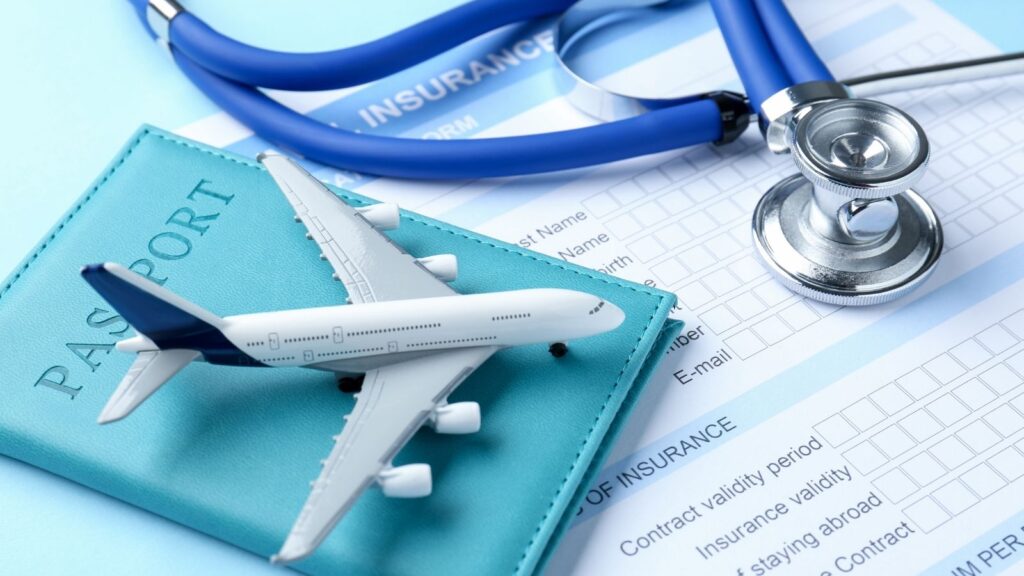
Comprehensive patient services and medical tourism organization include processes such as pre-treatment consultation, interpreter support, and accommodation planning. Coordination between healthcare institutions and the tourism sector enables patients to complete their treatment process safely, systematically, and with a patient-centered approach.
Why Has Turkey Become a Global Center in Health Tourism?
The habit of people traveling to other countries to receive healthcare services is increasing day by day worldwide. People no longer want to be limited to the opportunities available in their own countries; they prefer to go wherever they can find the best surgeon, the latest technology, and the safest hospital environment. At the very center of this enormous search lies our country, with its geographical location and the unique opportunities it offers. For many years, our country was known mostly for sea, sand, and sun tourism, but it is now associated with medical services, which are far more qualified, have extremely high added value, and are entirely based on science.
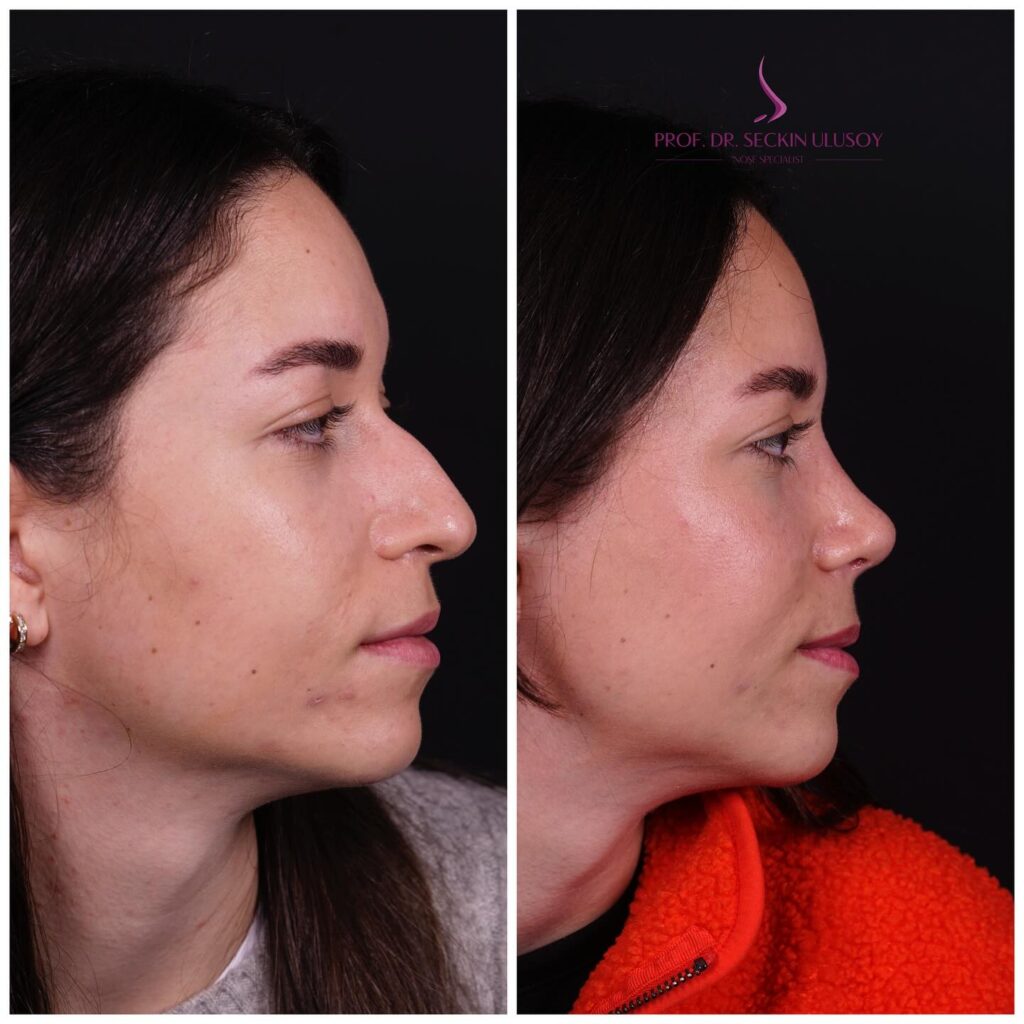
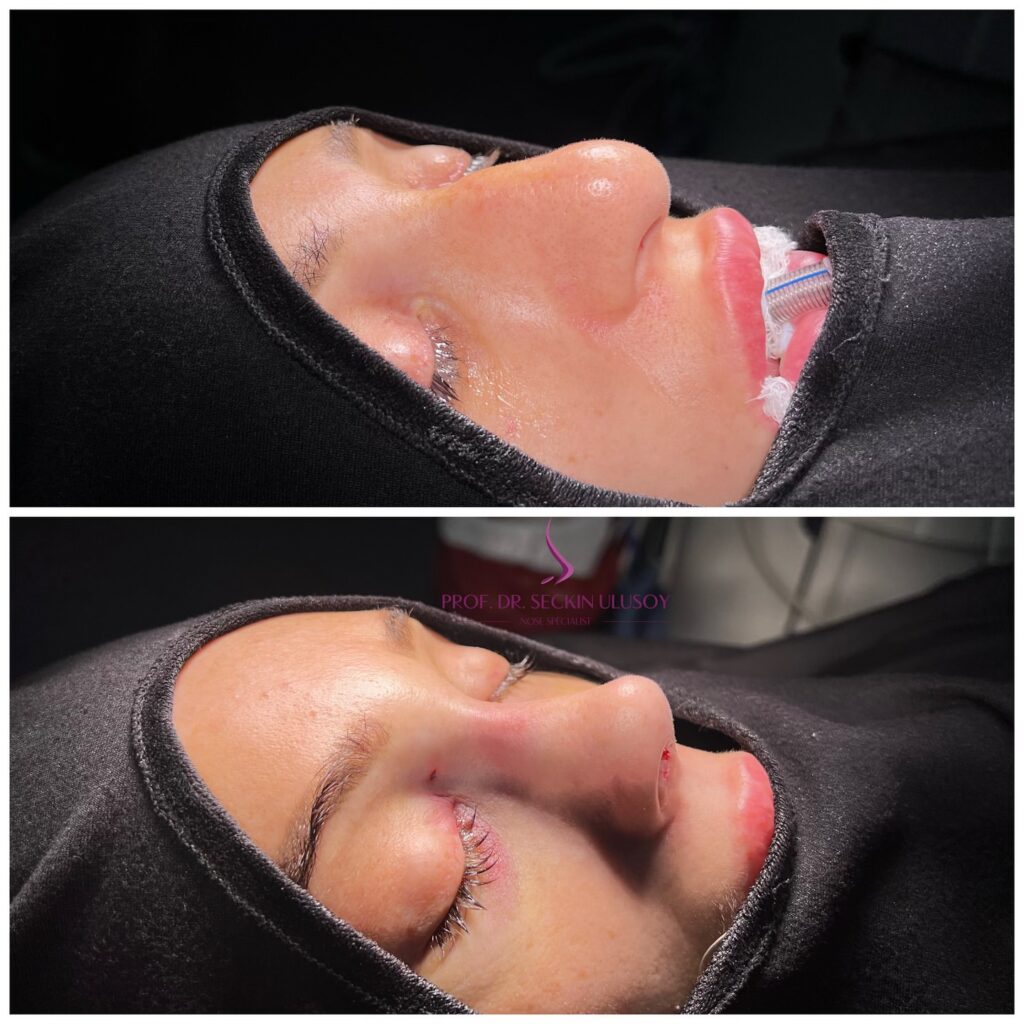
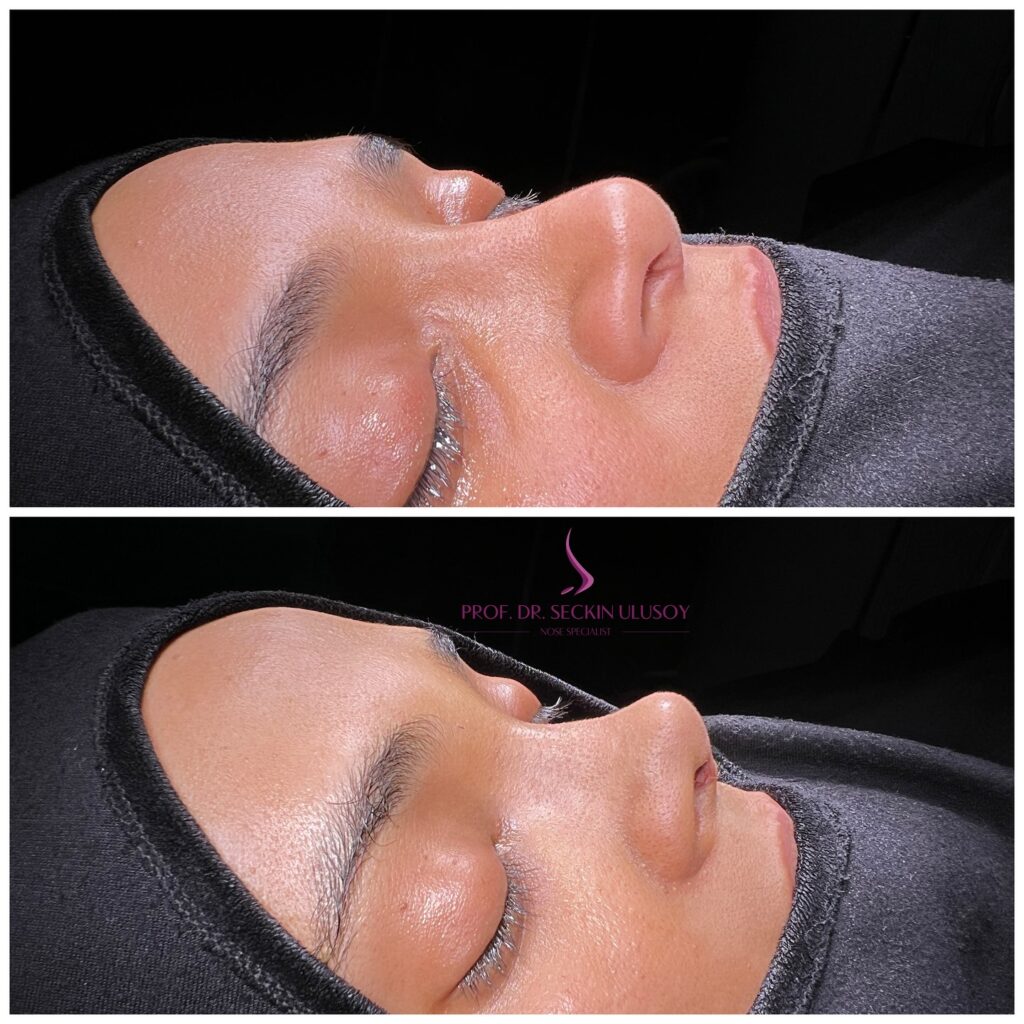
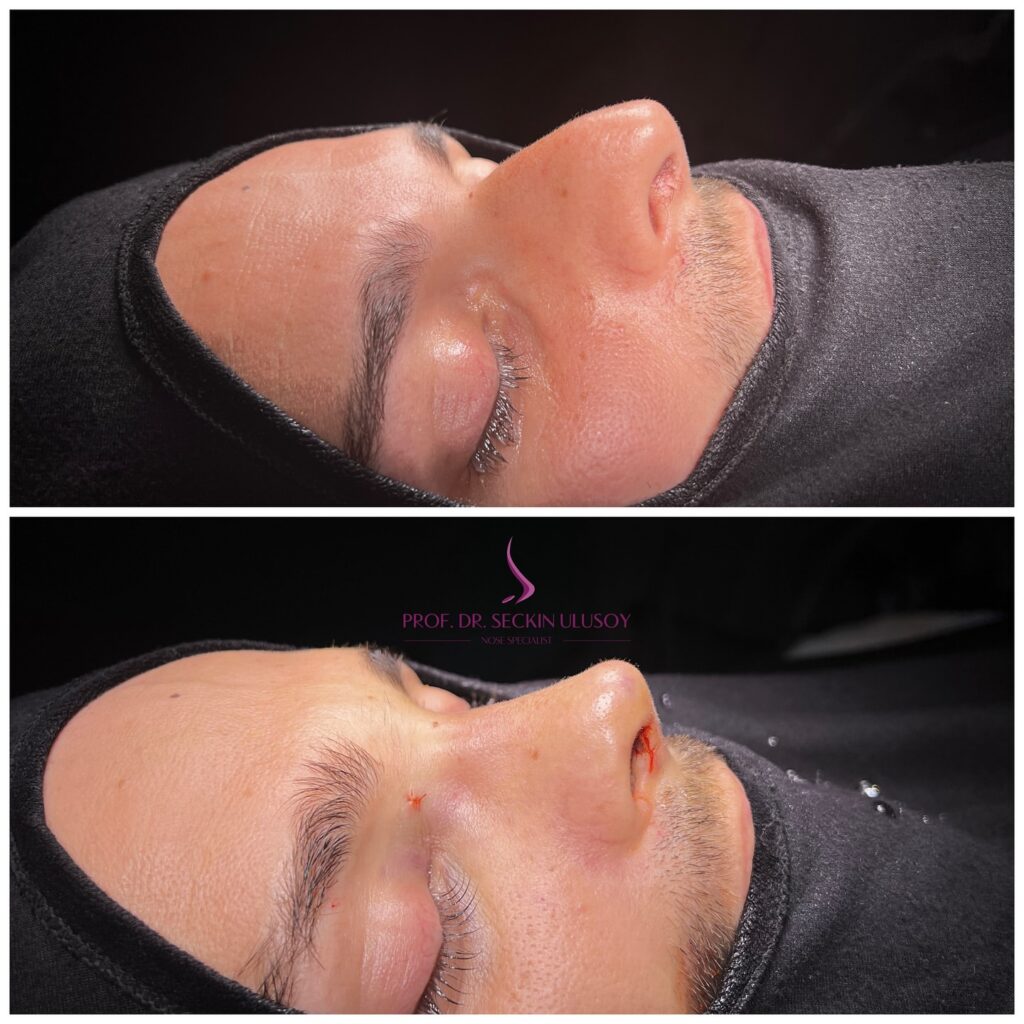
Especially when it comes to aesthetic operations, it is possible to speak of a reputation that transcends borders. A very large proportion of guests coming from all around the world prefer clinics in our country for those critical touches that will change their faces, expressions, and breathing. Because the service offered here is not merely a medical intervention, but also a carefully designed experience from beginning to end. Instead of waiting for months in their own countries or undergoing surgery with very old technologies, patients find healing here with the most modern devices, the latest techniques, and under far more accessible conditions. This rise is the natural result of a medical culture accumulated over many years perfectly aligning with the demands of the modern world.
Why Does Turkey Offer an Institutional Environment of Trust in Health Tourism?
The idea of traveling to another country, to a city you do not know at all, to undergo surgery may initially seem somewhat frightening to everyone. People naturally have many questions in mind about safety, hygiene, language barriers, and what will be done in the event of possible problems. Behind the complete elimination of these concerns are very serious, strict, and uncompromising steps taken by the relevant government institutions. Every institution providing healthcare services must undergo extremely demanding inspections in order to accept patients from abroad.
The authorization certificates obtained as a result of these inspections mean that the clinic has been officially certified by the state as providing services at international standards. Every detail is examined, from infection control to fire safety, from the calibration of devices to emergency scenarios. In addition, to overcome the language barrier, clinics are required to have teams who speak foreign languages at a native level. Some of the institutional safeguards implemented to protect patients are as follows:
- Authorization certificates
- Regular inspections
- Multilingual communication
- Quality standards
- Complication insurance
This entire system ensures that the patient feels completely safe from the moment they step off the plane and always finds a professional structure that is legally responsible, accountable, and subject to supervision.
Why Is Turkey Discussed in Health Tourism for the Success of Its Ear, Nose and Throat Specialists?
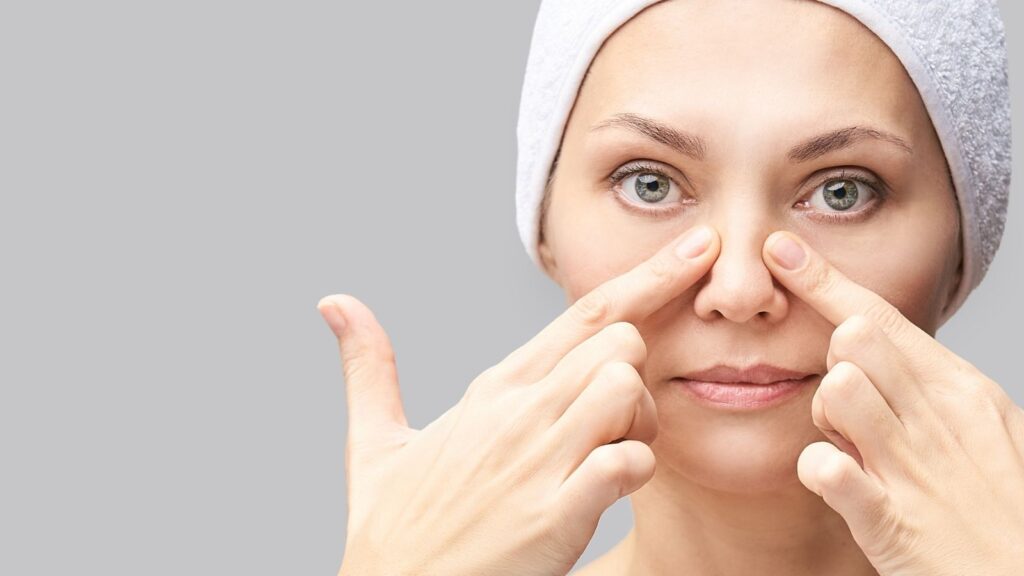
Our facial region is not only the center of our external appearance but also of our vital functions. Even the smallest change in a person’s face affects their entire expression, psychology, and social life. However, the matter is not only how you look from the outside. Especially when we consider an organ such as the nose, vital physiological functions such as breathing, filtering, warming, and humidifying the air become involved. A nose that looks flawless from the outside but cannot be breathed through cannot be considered a successful aesthetic operation.
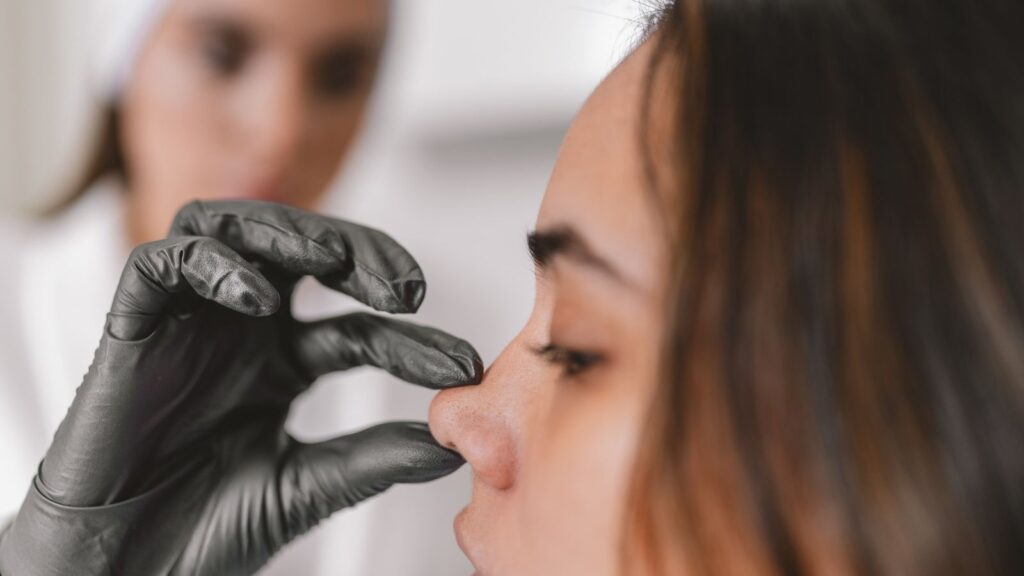
At this exact point, the distinction of Ear, Nose and Throat (ENT) specialists, who are immersed in the complex anatomy of the head and neck region from the beginning of their basic medical education, becomes apparent. Doctors in this branch know the vascular, nerve, muscle, and skeletal structures of the face down to millimetric detail. When performing rhinoplasty, they not only shape the bone and cartilage but also correct deviations inside the nose, reduce swollen turbinates, and fully open the airways. This unique combination of form and function provides the patient with both beauty and health. Some of the functional problems that ENT specialists resolve simultaneously during operations are as follows:
- Septal deviation
- Turbinate hypertrophy
- Valve insufficiency
- Chronic sinusitis
- Polyp formations
This detailed anatomical knowledge also provides a vital advantage in aesthetic interventions performed on other areas of the face, helping preserve the facial nerves and prevent the loss of natural facial expressions.
Why Has Turkey Abandoned Traditional Methods in Rhinoplasty Within Health Tourism?
The medical world is in a constant state of change and development. Many surgical methods that were considered standard ten or fifteen years ago have now been replaced by much more refined, tissue-respecting, and rational approaches. In rhinoplasty operations performed in the past, the basic principle was based on cutting away the humped part of the nose, completely breaking the roof, and rebuilding the nose from scratch. Unfortunately, this aggressive approach meant a difficult recovery process, severe bruising, and swelling lasting for weeks for patients. In addition, because the tissues were damaged excessively, collapses in the nasal structure or unnatural, artificial appearances could emerge over the years.
At the point reached today, surgeons in our country have completely set aside this destructive and traumatic philosophy. The new-generation surgical approach aims to reshape existing tissue rather than destroy it and to resolve problems without disrupting anatomical integrity. The goal is not for the patient to leave the operating table with a standardized nose that looks factory-made and obviously operated on, but rather to have a better version of their own natural nose that is perfectly harmonious with the contours of their face. Some of the disadvantages caused by traditional methods that have now been left behind are as follows:
- Long recovery
- Severe pain
- Permanent bruising
- Tissue damage
- Artificial appearance
Why Is Turkey a Leader in the Philosophy of Preservation Rhinoplasty Within Health Tourism?
One of the most important revolutions that replaced traditional methods is the preservation rhinoplasty approach, known in medical terminology as “preservation rhinoplasty.” Our country has become a true center for the development, application, and worldwide teaching of this technique. The most distinctive feature of this technique is that the integrity of the nasal dorsum is never disturbed. The natural curved or straight structure of the nose is not cut from above. Instead, just as the foundations of a house are lowered slightly without disturbing its roof, small strips of cartilage and bone are removed from the lower part of the nose, and the entire nasal roof is lowered as a single block.
The comfort this method offers patients is invaluable. Since the light reflections on the nasal dorsum remain original, the resulting appearance is incredibly natural. In addition, because the ligaments and muscles supporting the nasal tip are not cut, the tip of your nose does not remain hard as a rock even months after surgery; it adapts to your facial expressions and moves naturally when you smile or speak. The main anatomical areas on which the preservation philosophy focuses are as follows:
- Nasal dorsum
- Cartilage ligaments
- Periosteum
- Soft tissue
- Facial muscles
The speed of recovery also increases tremendously as a result. Since there is very little intervention in the tissue, the body’s trauma response is also very low, and patients can return to their normal lives within a very short time.
Why Is Turkey Making Bruising a Thing of the Past With Piezo Technology in Health Tourism?
The first image in the minds of many patients who fear rhinoplasty is the dark bruising around the eyes and swollen-shut eyes after surgery. Surgical hammers and chisels used in the past to shape the bones could cause some damage to the surrounding soft tissues and fine capillaries, regardless of how carefully they were used, leading to severe bruising. Today, however, Piezo technology, which operates with ultrasonic sound waves, has completely changed this frightening picture.
The Piezo device is one of the most ingenious inventions in medicine. The tip of this device is sensitive only to hard tissues, namely bones. While working on the bone, it cuts or shapes it like butter using ultrasonic vibrations. However, when its tip touches a soft tissue, blood vessel, nerve, or cartilage, it immediately stops working and causes no damage to that tissue. This selective feature allows the surgeon to work on the bone with millimetric precision like a sculptor while protecting the patient from trauma. The main contributions of Piezo technology to the surgical process are as follows:
- Vascular protection
- Nerve safety
- Precise shaping
- Bruising prevention
- Edema control
Because the capillaries are not damaged, there is no bleeding, and because there is no bleeding, bruising does not develop around the eyes. When the patient wakes up from surgery, they experience only mild swelling and can clearly see the freshness in their face within a few days.
Why Is Turkey Seen as the Final Destination for Revision Rhinoplasty in Health Tourism?
The process is much more exhausting for patients who have previously undergone nose surgery at different centers or in different countries but were dissatisfied with the result, experienced breathing problems, or developed asymmetries and collapses in the nose. These corrective operations, called revisions, are the most complex and skill-intensive field of aesthetic surgery. This is because the surgeon must work in an area that has previously been altered, whose anatomy has been disrupted, and where scar tissue has formed.
Our country is regarded worldwide as a “last hope” or “solution center” due to its capacity to resolve such difficult cases. In many revision operations, there is not enough cartilage left to reconstruct the nose. In such cases, the main support structures of the nose are rebuilt much more firmly using cartilage taken from the ear or rib area. Our specialists can successfully perform these difficult rib cartilage transfers not only with the open technique but even with closed endoscopic techniques that leave no external scar. The main challenges encountered in revision surgery are as follows:
- Insufficient cartilage
- Adherent tissues
- Asymmetrical contours
- Collapsed nose
- Breathing problems
This high-level skill and experience in cartilage engineering enables many patients who had previously lost hope to achieve both healthy breathing and an aesthetic appearance that is harmonious with their face.
Why Does Turkey Conceal Scars in Endoscopic Facelift Operations Within Health Tourism?
When considering the effects of time on our faces, we usually think only of wrinkles on our skin. However, aging is actually the process in which the fat pads and supporting muscle tissues deep within the face gradually succumb to gravity and sag downward over the years. This sagging hollows the cheeks, creates deep lines around the mouth, and disrupts the jawline. Traditional facelift operations are generally performed through incisions beginning in front of the ear and extending into the hairline, based on the principle of removing excess skin.
However, the new level reached by aesthetic surgery today involves endoscopic methods that completely eliminate visible scars. Thanks to camera-assisted systems, entry is made through tiny openings created only within the scalp, which are never visible from the outside. Using specialized instruments, the surgeon reaches the periosteum, releases all the tissue that has sagged downward over the years as a whole, and lifts it back to its original youthful position, securing it to the bone. The main areas restored through endoscopic midface rejuvenation are as follows:
- Drooping cheeks
- Cheekbones
- Under-eye areas
- Nasolabial folds
As a result, the face does not look tight, but instead appears fresh, full, and extremely natural. Because not only the skin but all of the facial support structures are lifted, this rejuvenating effect remains permanent for a lifetime.
Why Does Turkey Set Trends in Upper Face and Eyebrow Aesthetics Within Health Tourism?
In recent years, aesthetics around the eyes and eyebrows have gained great popularity worldwide. The methods applied to patients who want to erase tired-looking eyes and achieve more attractive, dynamic, and slightly upturned eye contours have now gone far beyond simply cutting and tightening the skin. These trends, known in foreign literature by names such as “Bella Eyes” or “Fox Eyes,” are actually anatomical shaping procedures in which endoscopic surgery is skillfully used in the upper face.
In these procedures, there is never any need to shave the hair or make large incisions. The surgeon advances through tiny entry points hidden among the hair follicles, relaxes the muscles in the forehead area, and brings the eyebrows into their natural and aesthetic arch. During the same session, the ligaments at the outer corners of the eyes are also slightly lifted, adding great depth and vitality to the gaze. The main anatomical structures treated in upper-face aesthetics are as follows:
- Forehead muscles
- Eyebrow ligaments
- Eye corners
- Temple tissue
Thanks to these camera-assisted minimally invasive approaches, the tissues heal very quickly. Without carrying any surgical scars on the face, the patient becomes comfortable looking in the mirror with a much more energetic and radiant expression.
Why Does Turkey Offer Its Patients a Flawless Recovery Schedule in Health Tourism?
Health tourism does not consist only of a successful operation lasting a few hours. The psychology of a patient coming from abroad, their preoperative concerns, and their postoperative care are just as important as the operation itself. Therefore, our clinics implement a comfortable and safe schedule for international patients, with every moment planned in advance. Patients are never left alone from the moment they are welcomed at the airport with luxury vehicles.
This process begins with analyzing the patient’s face using advanced three-dimensional imaging devices and digitally presenting the surgical plan to the patient. The patient experiences the comfort of knowing in advance what to expect. VIP care provided in the hospital after the operation is followed by a period of rest in luxury hotels and close clinical check-ups. This well-designed schedule guarantees that the patient returns to their country happy and peaceful, without carrying any medical risk. The main stages of the schedule planned for international patients are as follows:
- Airport transfer
- Detailed examination
- Surgical operation
- Hospital care
- Hotel rest
- Clinical check-up
- Flight approval
Because specialist interpreters and patient coordinators provide support at every stage, patients feel as safe as if they were at home.
Why Does Turkey Create Unique Economic Value in Health Tourism?
One of the important factors influencing international patients to choose our country is undoubtedly the economic advantages. However, this advantage should never be perceived as “cheap service” or “compromising on quality.” On the contrary, this service, provided by specialist surgeons recognized by global medical authorities and using the world’s most advanced technologies, is one of the finest examples of the concept of accessible luxury.
In major European capitals or in the United States, the cost of a single aesthetic operation can reach extremely high figures. Here, however, patients can receive comprehensive packages covering the surgery fee, world-standard hospital expenses, medications, accommodation in luxury hotels, and VIP transportation services at a budget far below even the cost of a single procedure in Western countries. The service items generally included in the packages offered to patients are as follows:
- Operation fee
- Accommodation expense
- Transfer service
- Medication packages
- Interpreter support
This not only provides patients with financial relief but also creates a unique “value” when compared with the quality of service they receive.
Why Is Turkey Already Hosting the Surgical Technologies of the Future in Health Tourism?
No matter how proud the point we have reached today may be, the medical world continues to advance without interruption. The vision of our country is not only to keep up with today’s trends but also to integrate the technologies of the future into its operating rooms already. Thanks to artificial intelligence-supported facial analysis systems, the patient’s tissue quality, rate of aging, and the shape their face will take can be calculated much more clearly in advance.
Virtual reality headsets are now being used in surgical planning, and personalized models are being created in laboratory environments with 3D bioprinters for missing cartilage tissues. All these innovations bring the surgeon’s success rate during surgery closer to perfection. The innovations that technological integration brings to aesthetic surgery are as follows:
- Artificial intelligence analysis
- Three-dimensional planning
- Virtual simulation
- Biological modeling
New suturing methods and tissue-preservation techniques developed by our surgeons and entered into the literature as the “Turkish Technique” at scientific congresses continue to shape the direction of global medicine. For health tourism, our country will continue for many years to be the world’s safest harbor of healing, where unique surgical talent, futuristic technologies, flawless patient-centered organization, and sincere hospitality come together.