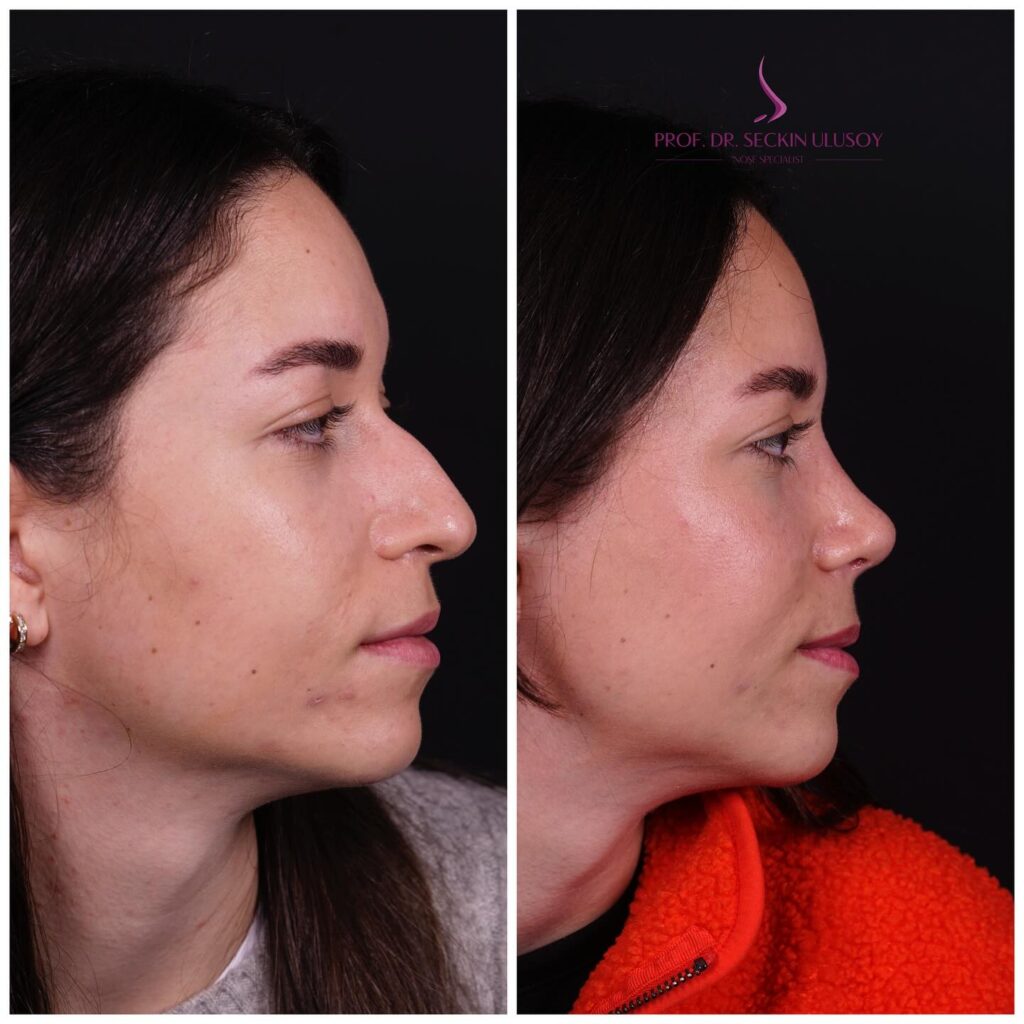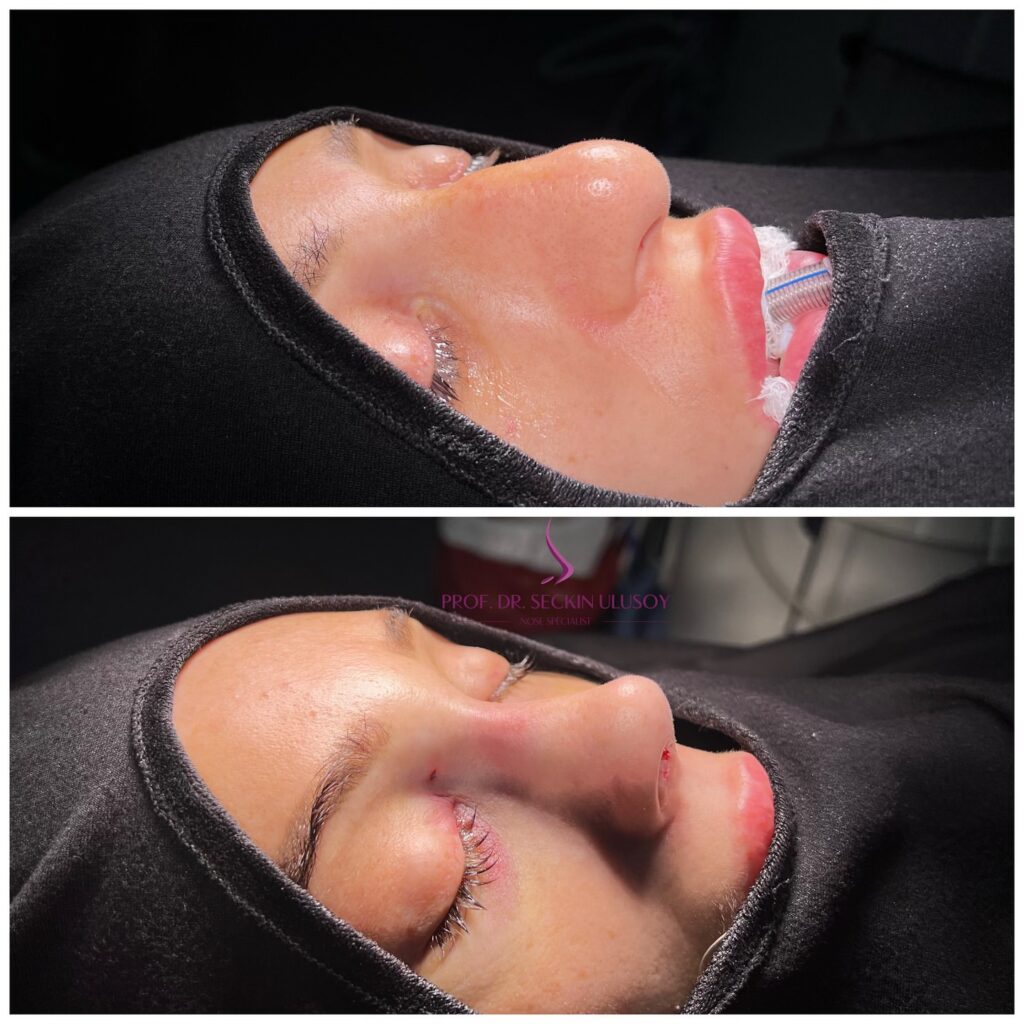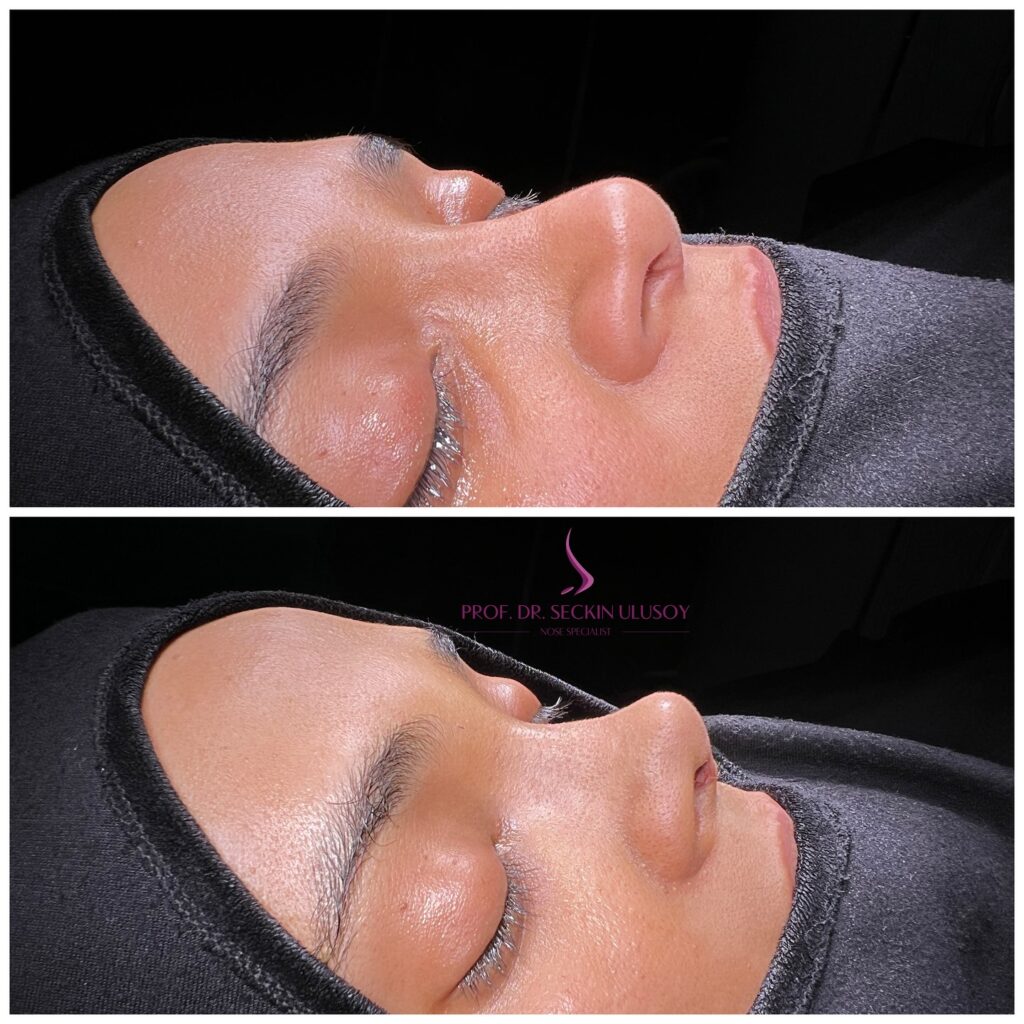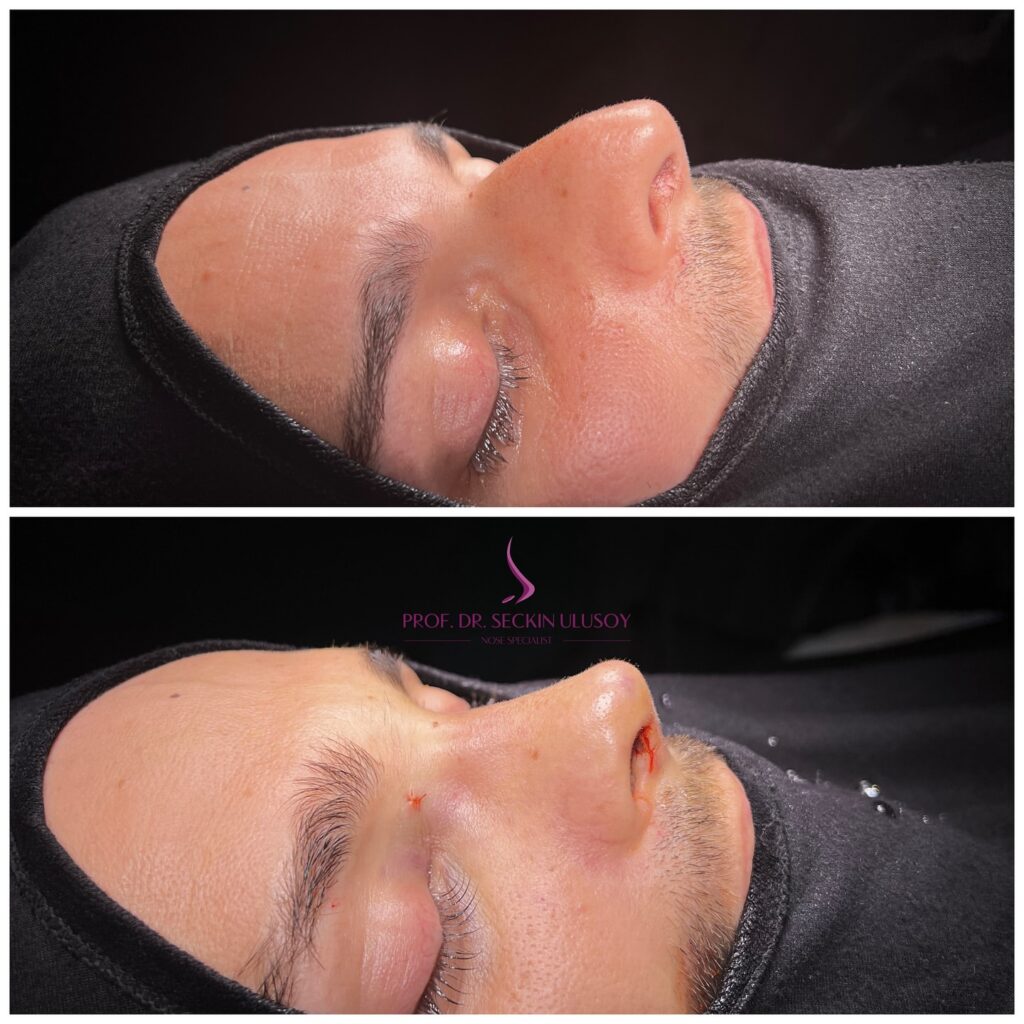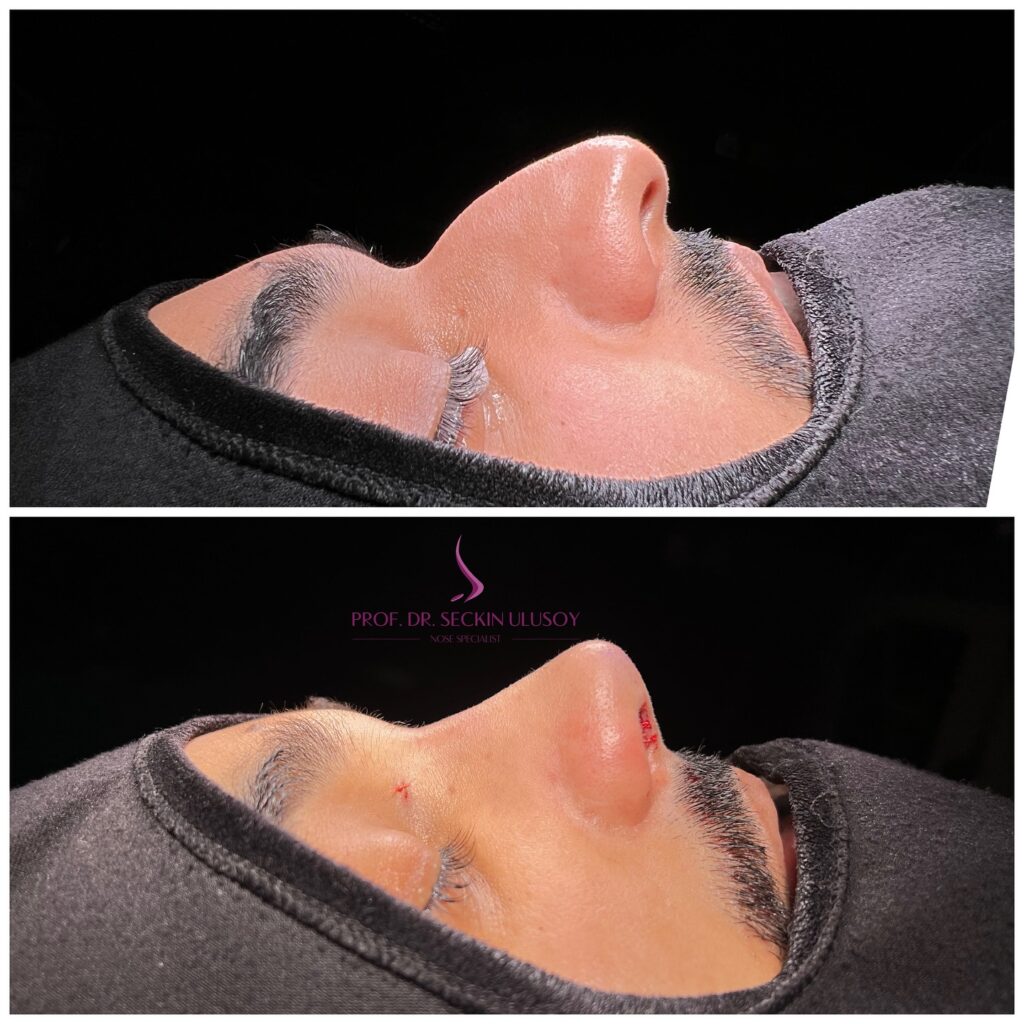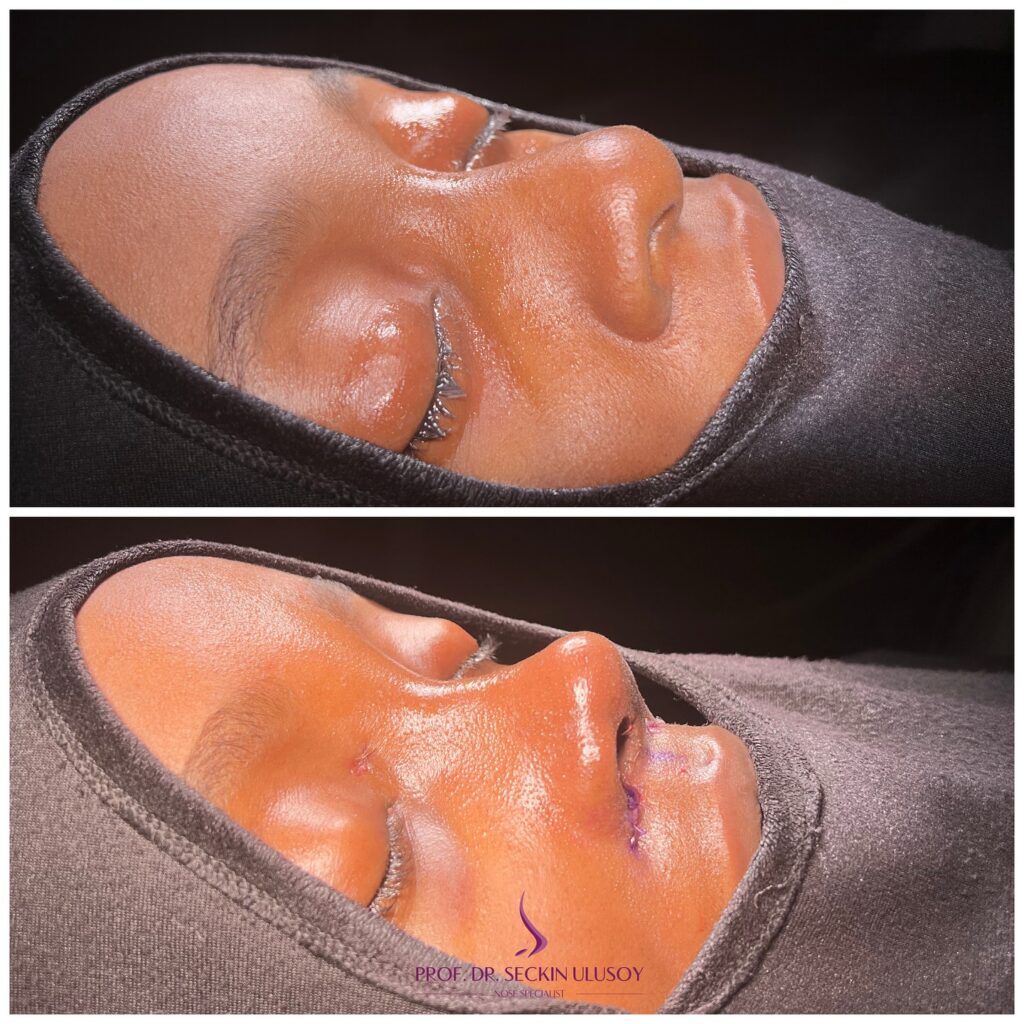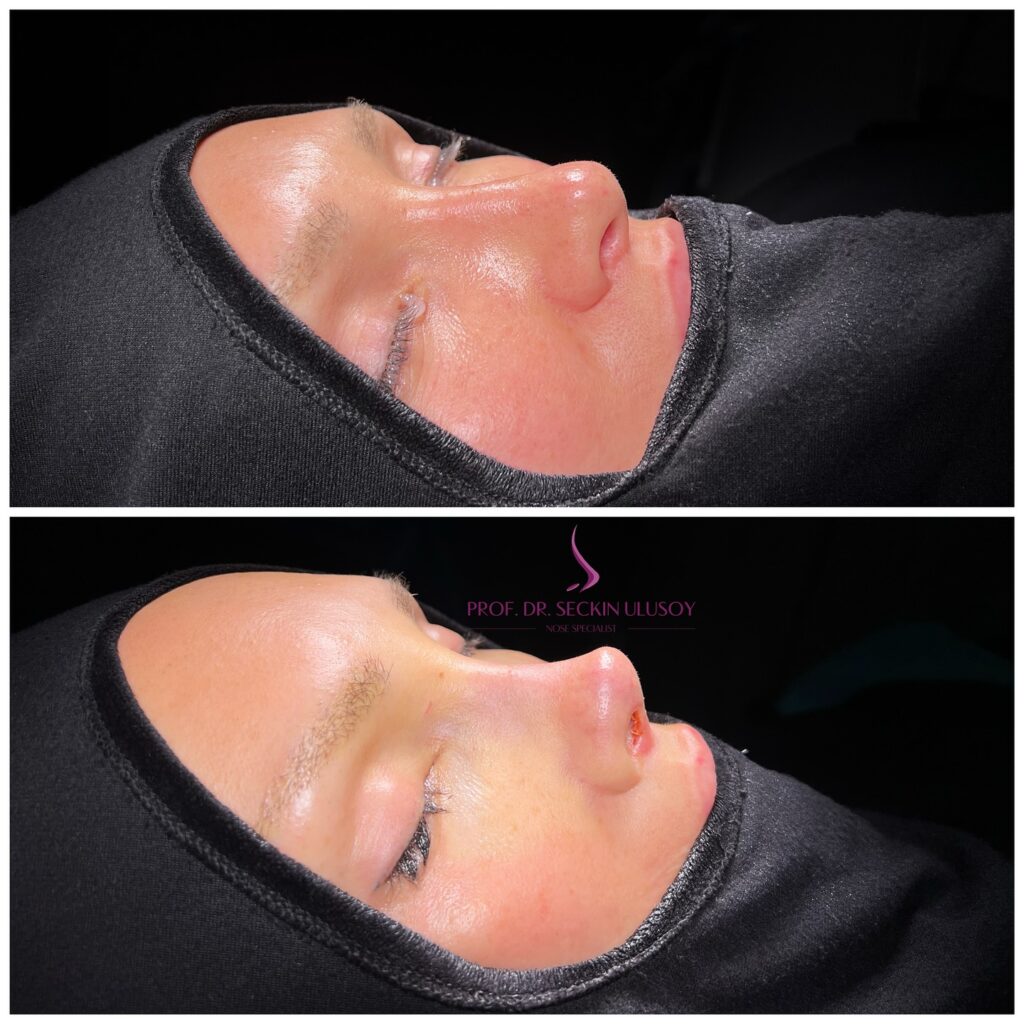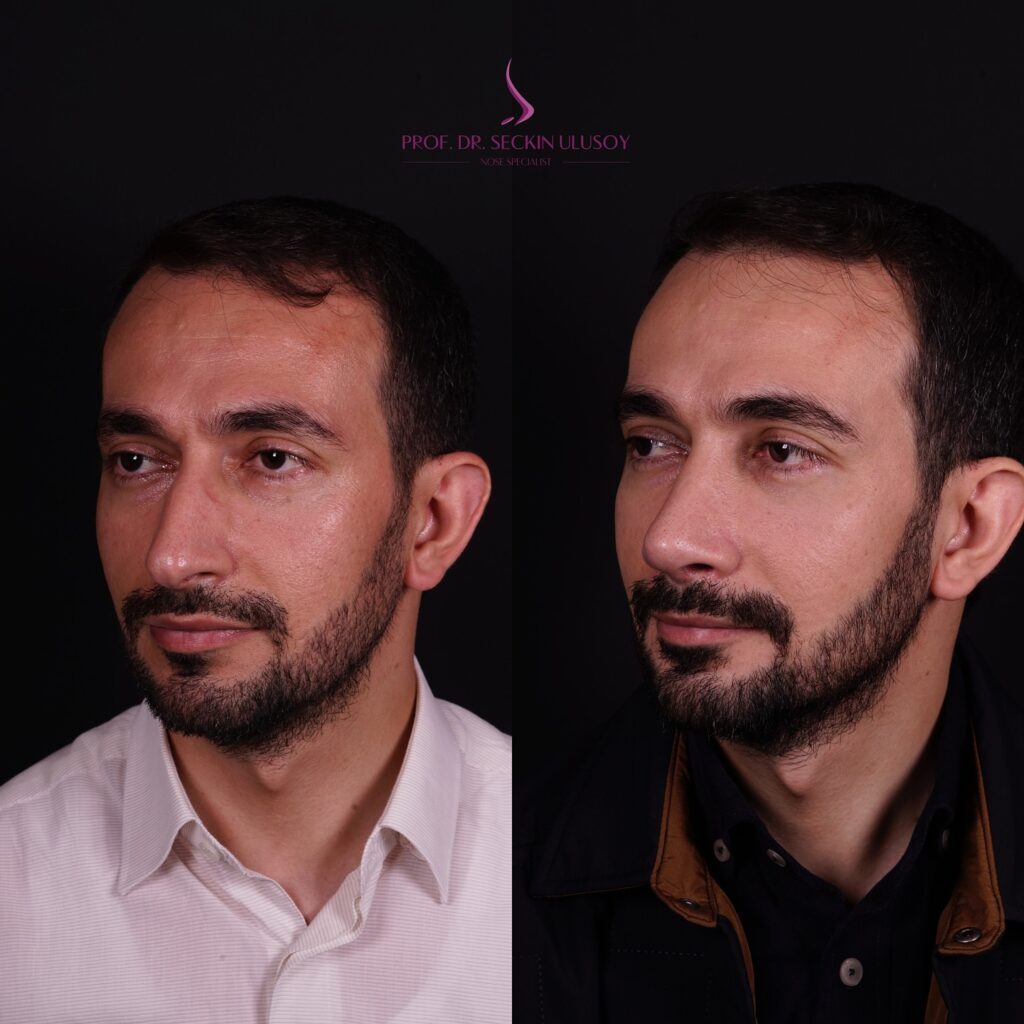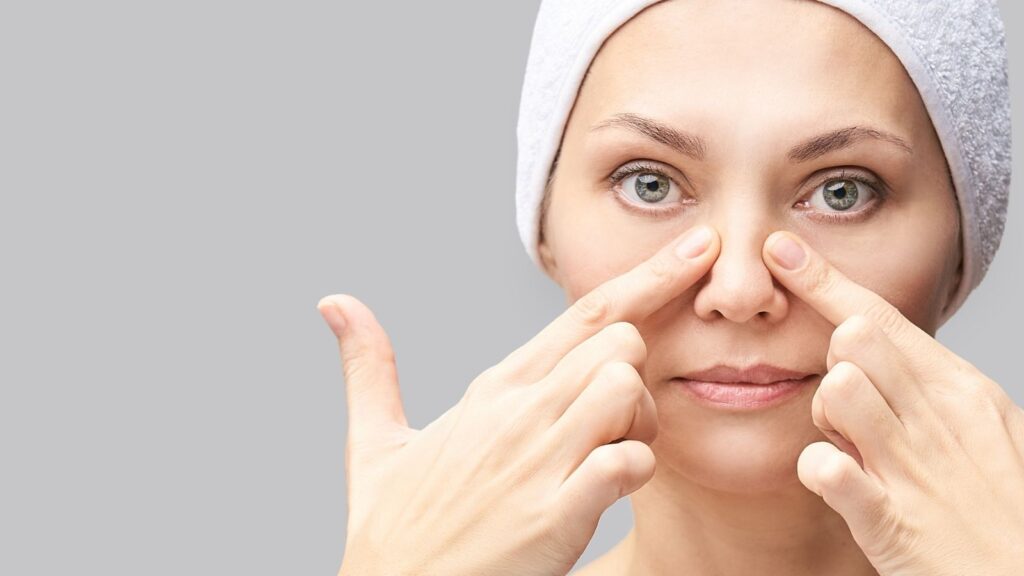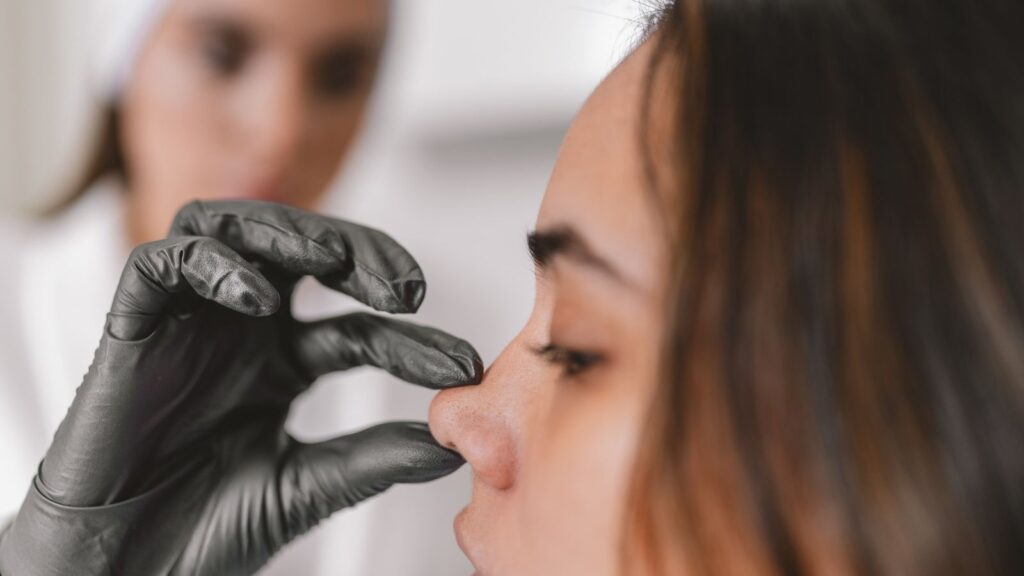
A ball-like appearance of the nasal tip after rhinoplasty is generally caused by edema and tissue swelling. Since the nasal tissues are still in the healing process during the first months after surgery, this condition is common and gradually decreases over time.
The sensation of deformity at the nasal tip after rhinoplasty is usually temporary and generally improves within 6–12 months. During this period, the swelling at the nasal tip is expected to subside, and the tissues gradually return to their normal shape. Patience is important throughout this process.
In some patients, prolonged swelling of the nasal tip may persist. This condition is particularly more noticeable in individuals with thick skin. In cases where it is deemed necessary, the surgeon can achieve a more aesthetic appearance of the nasal tip through additional interventions.
During the postoperative period, nasal massage, anti-edema medications, and the care methods recommended by the surgeon may help reduce swelling at the nasal tip. Regular follow-up visits are of great importance for ensuring a healthy healing process.
Why Does the Nasal Tip Develop a Ball-Like Appearance After Rhinoplasty?
This unwanted appearance does not have a single cause; it usually develops as a result of several factors coming together. It can be compared to the pieces of a puzzle. Sometimes a missing piece, and sometimes a piece placed in the wrong position, disrupts the appearance of the whole. The underlying causes of the “pollybeak” deformity can be grouped into two main categories: one relates to structural issues associated with the surgical technique, while the other is related to the patient’s own tissue characteristics and the body’s healing response.
Structural (Surgical Technique-Related) Causes:
The causes in this group are related to the reshaped nasal framework during surgery.
- Insufficient removal of the dorsal nasal cartilage
- Excessive reduction of the nasal bone out of proportion
- Weakening of the nasal tip support mechanisms
- Failure to properly manage a strong nasal tip structure
Soft Tissue (Patient- and Healing-Related) Causes:
The causes in this group are associated with the body’s response to surgery and the patient’s skin characteristics.
- Excessive scar tissue (fibrosis) formation
- Thick, oily skin with poor elasticity
These two groups of causes often work together. For example, a small gap created along the nasal dorsum during surgery may provide a foundation for the body to produce excessive scar tissue to fill that gap. If the patient also has thick skin, this may result in a more pronounced deformity. Therefore, achieving a successful outcome requires the surgeon to adapt the surgical technique to the patient’s anatomy while anticipating the healing process.
Is Persistent Nasal Swelling a Sign of a Problem?
Postoperative swelling, or edema, is the most natural part of the healing process. Especially during the first months, the nose may appear much more swollen and misshapen than it actually is. During this period, it is very important to remain patient and allow the nose to settle. However, there are certain differences between normal postoperative swelling and persistent nasal edema that may indicate a permanent problem.
During the normal healing process, most of the swelling subsides within the first six months. The remaining subtle swelling may take one year, or sometimes even two years, to disappear completely. However, in cases of a “pollybeak” deformity, the situation is somewhat different. This problem usually begins to become apparent between the third and sixth months after surgery, once the general swelling has subsided. A fullness develops in the supratip region that does not diminish like the swelling in other areas and may even become more noticeable. If this fullness is still prominent after one year, it is unlikely to represent normal edema and the possibility of it resolving spontaneously becomes very low. At this stage, consulting your surgeon for an evaluation is the most appropriate step.
When Does Nasal Tip Firmness Resolve After Rhinoplasty and Is It Normal?
Firmness felt at the nasal tip after surgery is another issue patients frequently wonder about. This firmness is related both to the surgery itself and to the internal scar tissue that develops during healing. Although there is no definitive answer to the question of when nasal tip firmness resolves after rhinoplasty, it is expected that the firmness will gradually decrease over the months and be replaced by a more natural softness. In general, the nasal tip becomes significantly softer within 6 months to 1 year.
However, the nature of this firmness provides important clues for diagnosis. During the examination, an experienced surgeon can determine the underlying cause by palpating the supratip region.
If the fullness feels soft, spongy, and slightly compressible, it usually indicates persistent edema or early-stage scar tissue.
If the fullness feels hard, bony, and does not move when pressure is applied, it indicates underlying excess cartilage, meaning a structural problem.
This distinction is critical for determining the correct treatment approach. In the first case, non-surgical methods may be effective, whereas the second case generally requires surgical intervention.
How Does a Skilled Surgeon Prevent a “Ball-Like Nasal Tip” Appearance?
The best treatment is preventing the problem from occurring in the first place. An experienced surgeon carefully works through every stage of the operation to prevent a “pollybeak” deformity. This can be compared to an art form; the goal is not simply removing a hump but leaving behind a stable and balanced structure. Prevention strategies are based on several fundamental principles.
- Comprehensive Facial Analysis: Before surgery, the surgeon carefully evaluates not only the nose but also the patient’s skin thickness, cartilage strength, and the proportion of the nose to the rest of the face.
- Balanced Reshaping: While reducing the nasal dorsum, the surgeon shapes the bone and cartilage components in complete harmony to create a smooth contour.
- Strong Nasal Tip Support: This is one of the most important principles of modern rhinoplasty. To prevent the nasal tip from drooping or losing its shape after surgery, cartilage grafts (support grafts) that function like the pole of a tent are placed to reinforce it.
- Dead Space Management: The surgeon prevents potential spaces from remaining between the reshaped framework and the skin where scar tissue could accumulate.
- Proper Taping and Splinting: Postoperative tapes and splints are used not only for protection but also as therapeutic tools to compress the skin, control swelling, and help the skin adapt to the new nasal framework.
Which Non-Surgical Treatments Are Used for Nasal Tip Swelling and Crookedness?
Not every case of nasal tip swelling or fullness requires immediate revision surgery. Especially when the problem is detected early and originates from the soft tissues, effective non-surgical solutions are available. These methods can both spare the patient from undergoing a second surgery and help guide the healing process in the right direction.
- Corticosteroid (Cortisone) Injections:
This is the most commonly used treatment for soft tissue-related “pollybeak” appearance. A very low dose of cortisone is injected directly beneath the skin in the affected area. The purpose of this medication is to suppress the excessive wound-healing response in that region and reduce accumulated scar tissue by thinning and breaking it down. It is generally administered in several sessions at intervals of 4–6 weeks. However, it is critically important that this procedure be performed by an experienced surgeon who fully understands the appropriate dosage and injection depth, as excessive use may lead to undesirable outcomes such as skin thinning or depression.
- Dermal Filler Applications:
This method serves more to camouflage the deformity than to treat it. In cases of very mild structural irregularities, small hyaluronic acid filler injections placed just above or below the fullness in the supratip region can make the contour of the nasal dorsum appear optically smoother. This is a temporary solution, with results generally lasting between 6 and 12 months.
How Does Revision Surgery Provide a Solution for a Permanent “Ball-Like Nasal Tip”?
If the problem is structural (excess cartilage or inadequate nasal tip support), or if cortisone injections fail to resolve persistent scar tissue, the permanent and definitive solution is revision rhinoplasty.
It should be emphasized that revision surgery is a much more complex and delicate procedure than the initial operation. The surgeon must work in an area that has previously undergone surgery, where the anatomy has changed and scar tissue is present. This is similar to constructing a new, solid foundation on land that has already been excavated. Therefore, experience is extremely important in revision surgery.
The goal of revision surgery is more than simply correcting the mistake made during the first procedure; it is a reconstructive operation. The surgical strategy is determined according to the underlying cause of the problem:
- If the problem is excess cartilage, the surgeon carefully removes the surplus cartilage.
- If the problem is excessive scar tissue, this tissue is meticulously removed.
If the problem is inadequate nasal tip support, a new supporting framework is usually created using grafts harvested from the patient’s own rib or ear cartilage to strengthen the nasal tip and position it correctly.