Parotid Gland Masses:
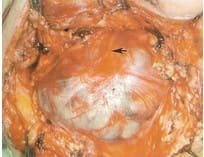
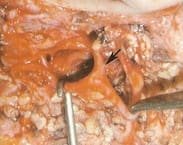
The parotid gland is the largest salivary gland, located beneath both ears, and the nerve that controls the facial muscles passes through it. Eighty percent of enlargements in this gland are benign. Although examination findings and ultrasonography generally provide an idea about the mass, removal of the mass and a pathology report are required for a definitive diagnosis. Even if the mass is benign, it requires surgery because it may grow regionally over time and cause significant aesthetic problems, and it may sometimes transform into a malignant tumor. If malignancy is not suspected, removal of the superficial lobe (superficial parotidectomy) is sufficient. In this surgery, an incision that begins in front of the ear and follows the natural skin folds is curved beneath the earlobe and extended in an “S” shape. The gland capsule (fascia) is identified, and by proceeding deeper, the facial nerve is first located and exposed. The tumor is then removed while preserving the branches of the nerve. Using a “nerve monitor” during nerve dissection is very beneficial in preventing possible nerve damage. If a tumor is detected deep to the facial nerve during the operation, the nerve fibers can easily be suspended, and the deep lobe can also be removed with an additional time of approximately 15 minutes. However, we rarely need to perform this procedure.
Postoperative follow-up: After surgery, we want the vacuum drains, which we call drains and which remove accumulated blood clots, to remain in place for 4-5 days. We perform daily dressings and remove the sutures on the 10th day.
Possible undesirable conditions after surgery: These are problems that are not normally seen but may occasionally occur. However, we are obliged to inform the patient about them. I would like to emphasize that this operation is truly important in terms of both its technique and follow-up and should never be underestimated. Even in patients in whom we identify and preserve the nerve, mild weakness of the facial muscles may occur due to edema. This temporary condition generally resolves completely within 1-2 weeks. Salivary fistulas are another problem that may rarely occur and usually improve with pressure dressings applied for 2-3 weeks. You can contact us to obtain information about parotid mass surgery.
I perform this surgery using 3.5X loupes and the Medtronic NIM-3 nerve monitor. Since becoming a specialist, I have performed more than 50 parotidectomy operations in total. I have not encountered any permanent facial nerve injury. In a few patients, I observed partial facial paralysis that resolved within a short period due to edema during the operation, as well as cases of salivary fistula. These conditions resolved completely with dressings and medical treatment. Although these risks are considerably reduced and the procedure is much safer, especially with the use of a nerve monitor, I always inform all patients who will undergo this surgery about the possibility of facial nerve paralysis.

Frequently Asked Questions
What Is Parotid Mass Surgery?
Parotid mass surgery is an operation performed to surgically remove benign or malignant masses that develop in the parotid salivary gland located in front of and below the ear.
Why Does a Parotid Mass Develop?
Masses in the parotid gland may develop due to benign tumors, malignant tumors, cysts, infections, or other salivary gland diseases.
In Which Situations Is Parotid Mass Surgery Performed?
Surgery may be recommended when a mass is detected in the parotid gland, when the mass grows, causes pain, places pressure on the facial nerve, or is suspected of being malignant.
How Is Parotid Mass Surgery Performed?
During the operation, the mass in the parotid gland is carefully removed. During the procedure, efforts are made to preserve the facial nerve using special techniques and, when necessary, nerve monitoring.
How Long Does Parotid Mass Surgery Take?
Although the duration of the operation varies depending on the size and location of the mass and the surgical technique to be used, it generally takes between 1 and 3 hours.
What Is the Recovery Process Like After Parotid Mass Surgery?
Patients are usually discharged within a few days and may gradually return to their daily activities. The complete recovery process may take several weeks depending on the extent of the surgery.
What Are the Risks of Parotid Mass Surgery?
Risks may include bleeding, infection, saliva accumulation, numbness, and temporary or, rarely, permanent facial nerve dysfunction. When performed by experienced surgeons, efforts are made to minimize these risks.
Is a Parotid Mass Always Cancerous?
No, most masses in the parotid gland are benign. However, the definitive diagnosis of the mass is determined through pathological examination performed after surgery.
Will There Be a Scar After Parotid Mass Surgery?
Since the surgical incision is generally planned along the front of the ear and natural skin folds, the resulting scar may become significantly less noticeable over time.
What Should Be Considered After Parotid Mass Surgery?
Medications recommended by the doctor should be used regularly, wound care should not be neglected, follow-up appointments should be attended, and the area should be protected from trauma during the healing process.