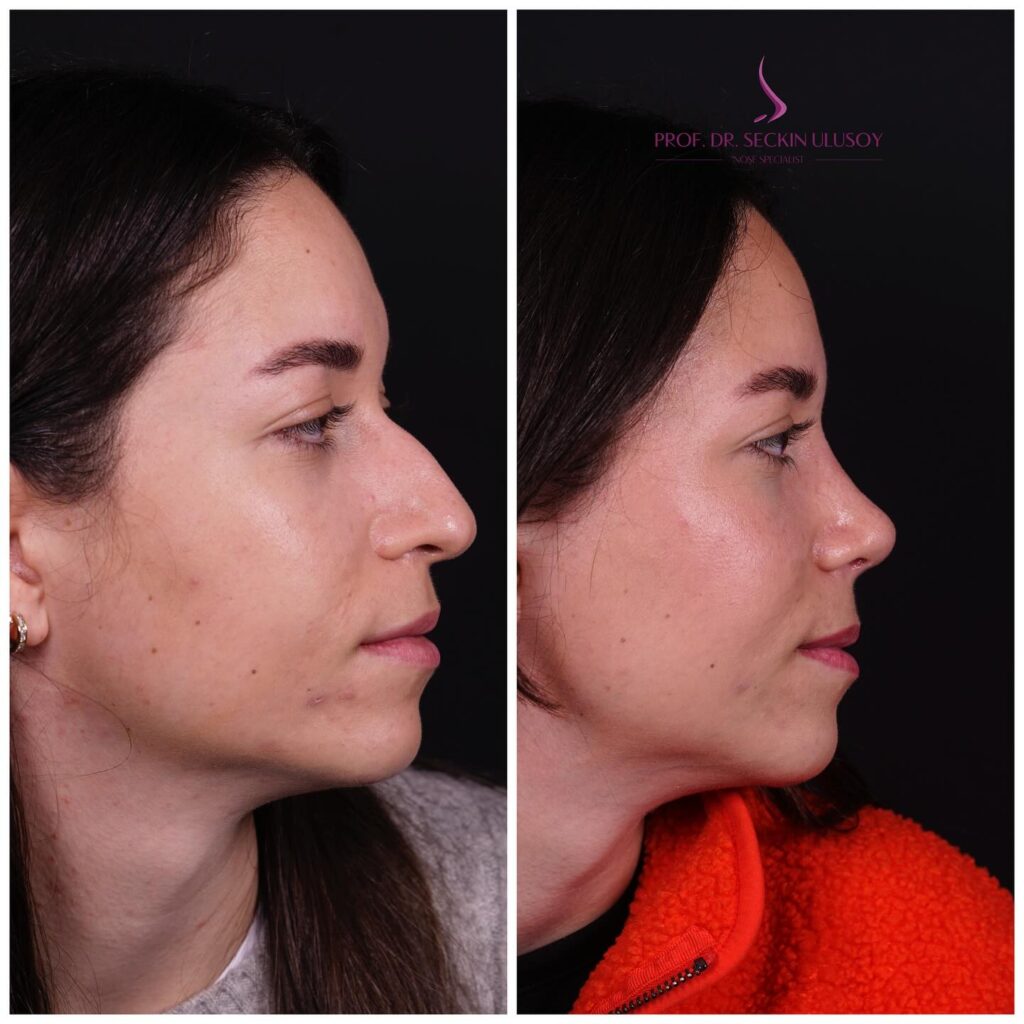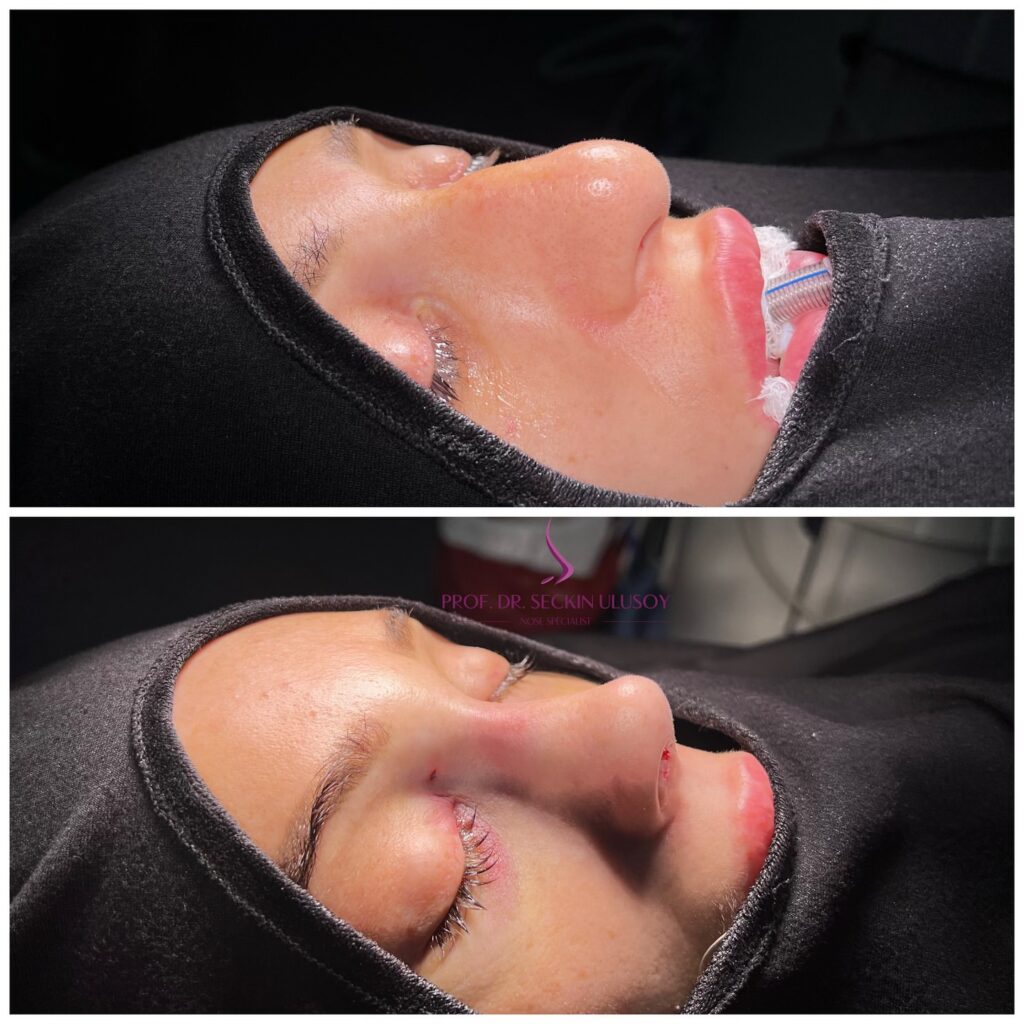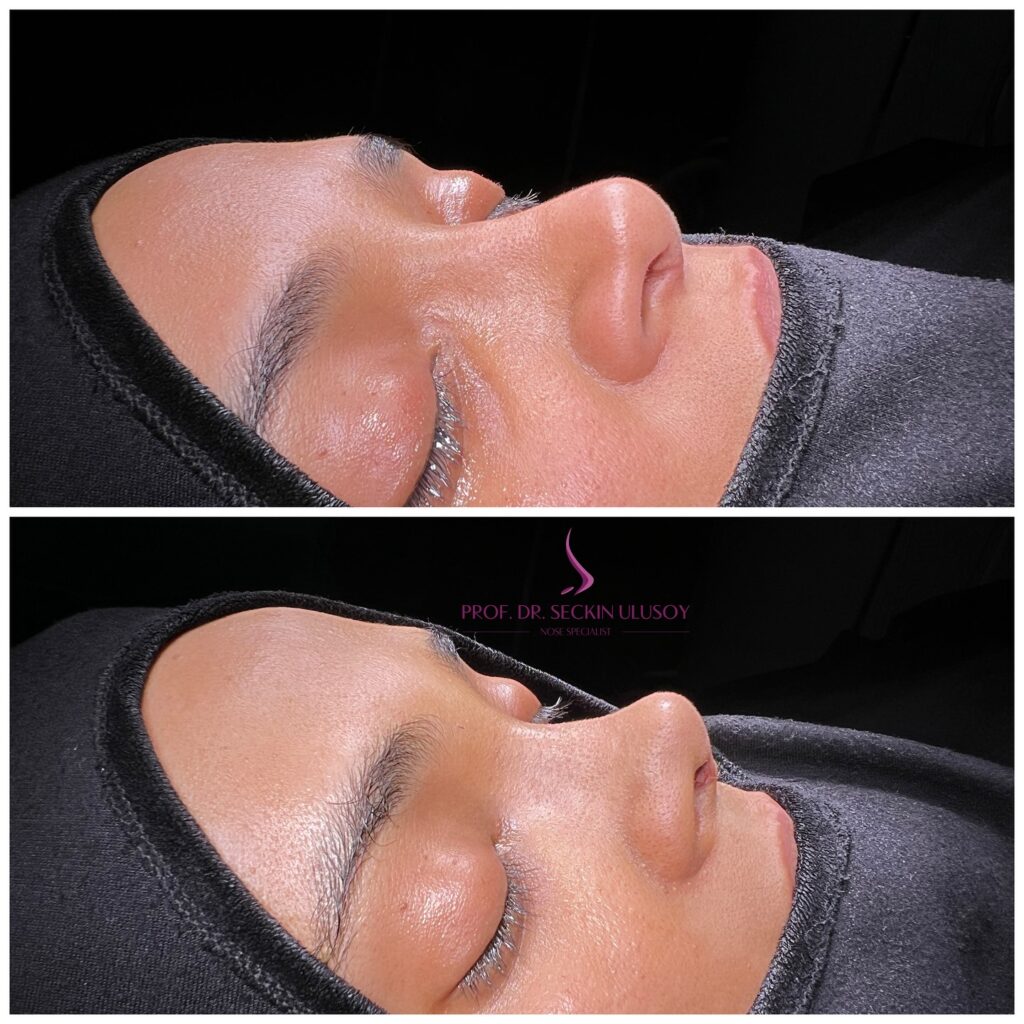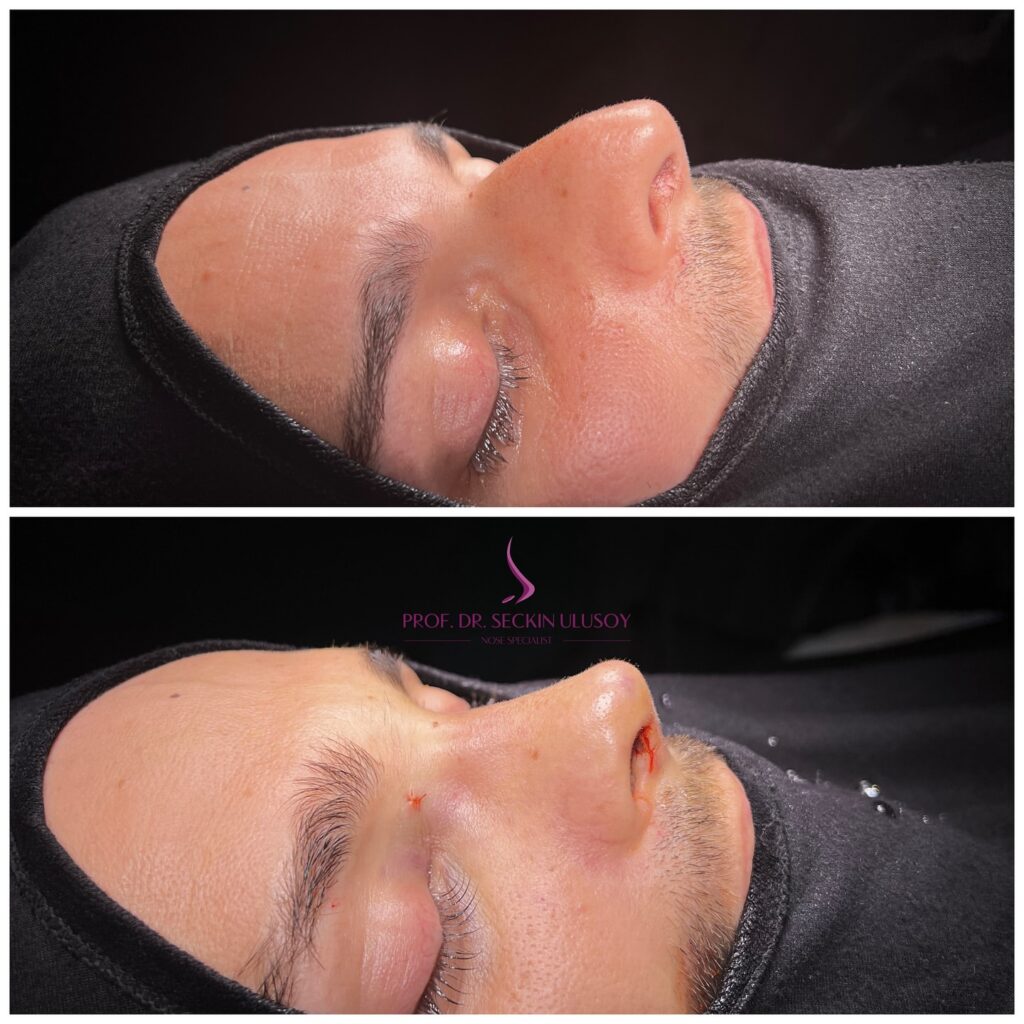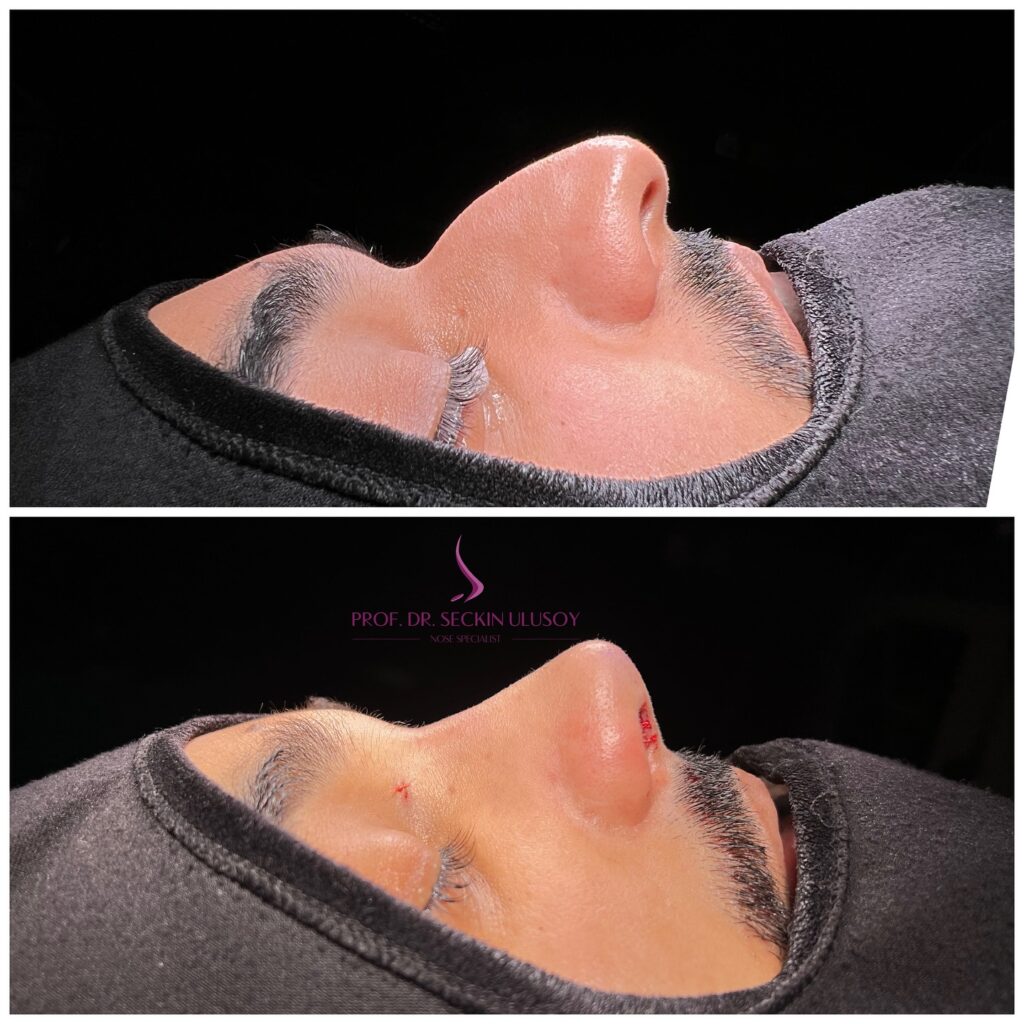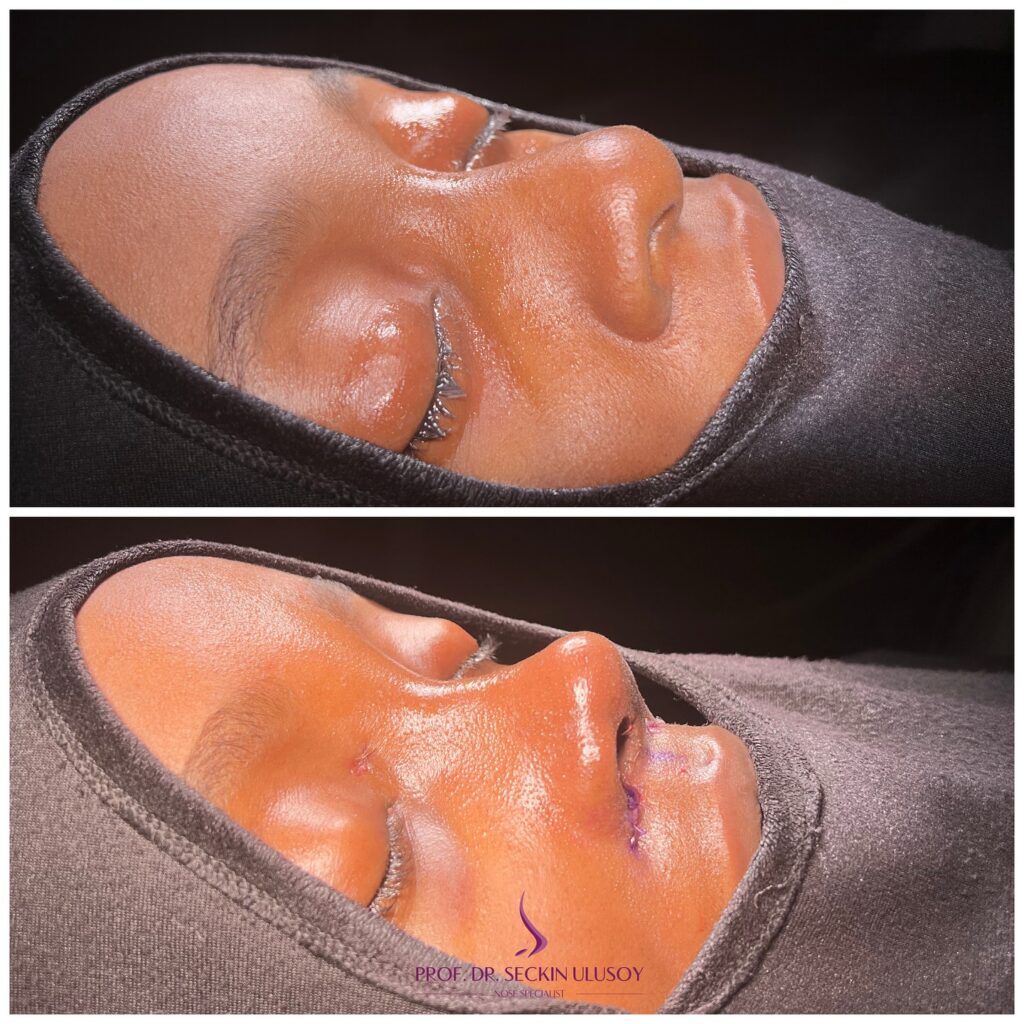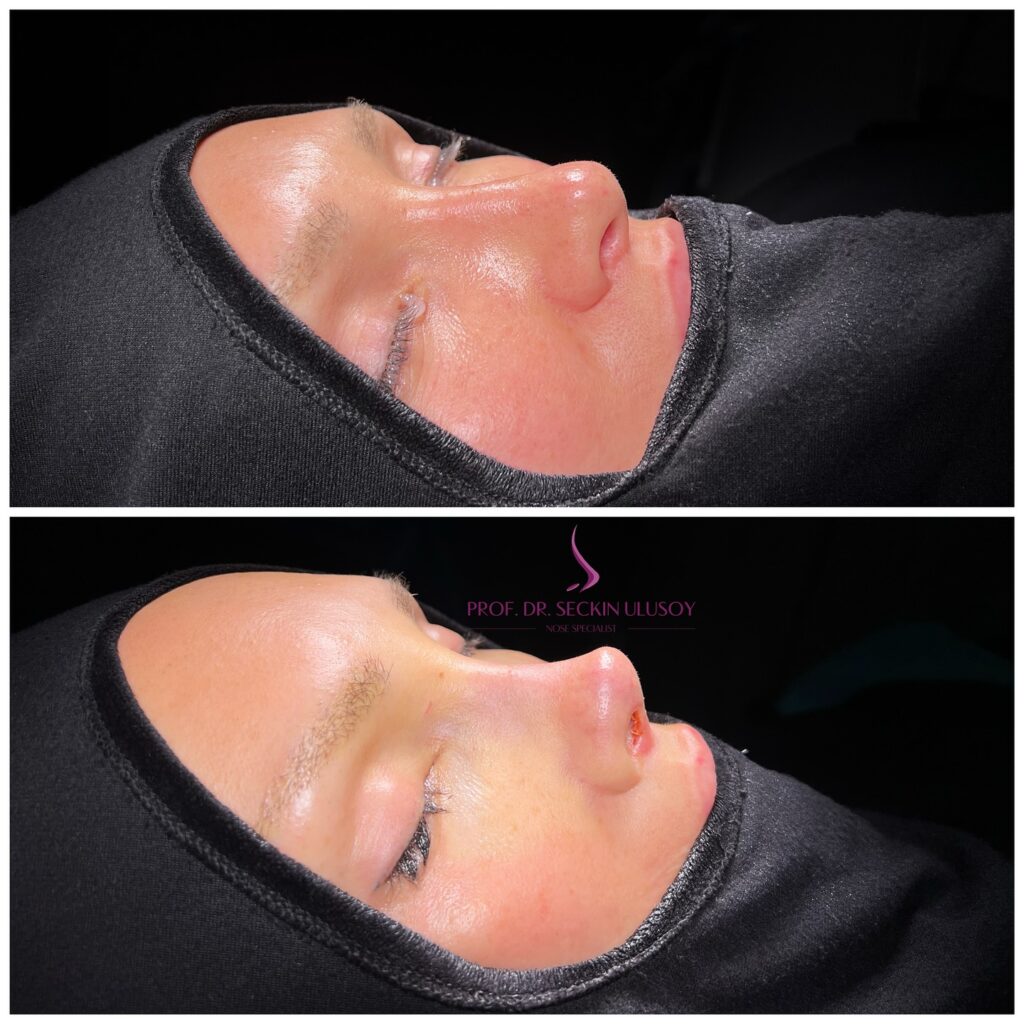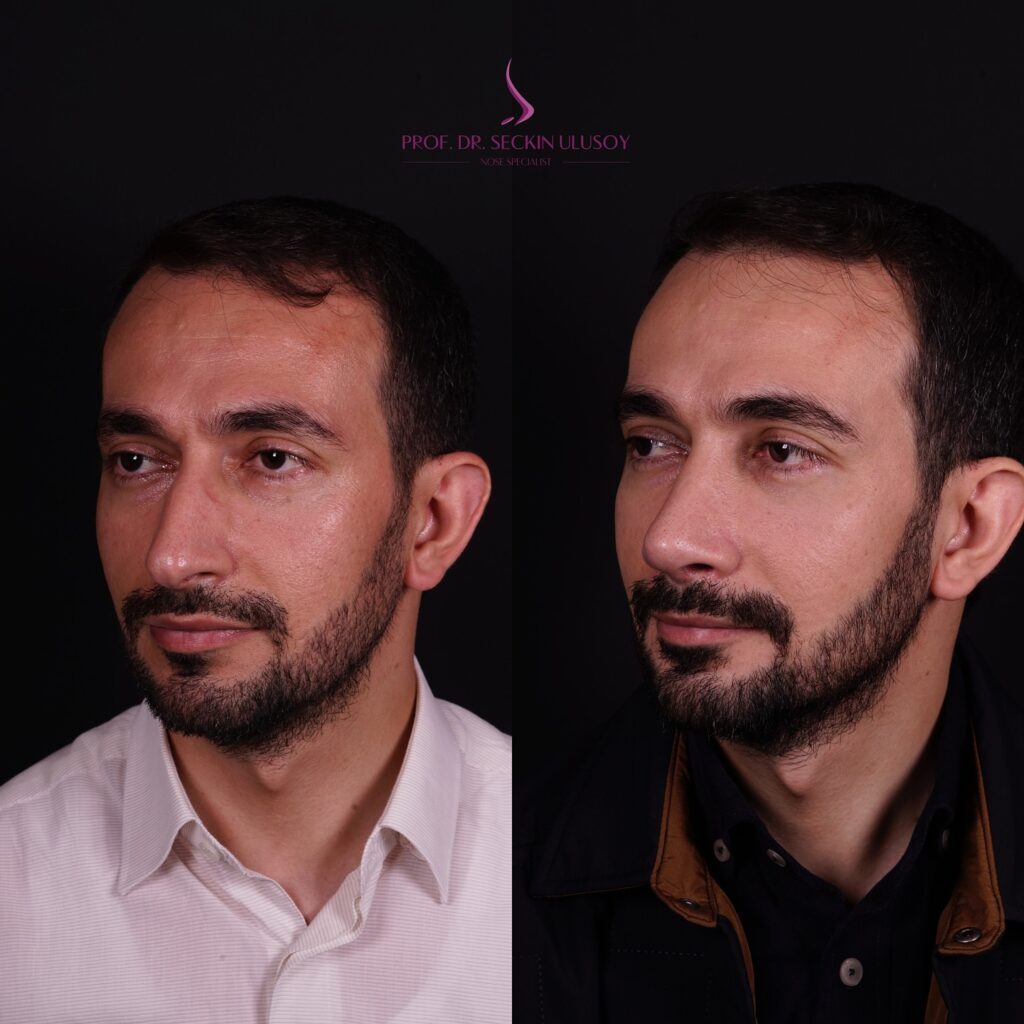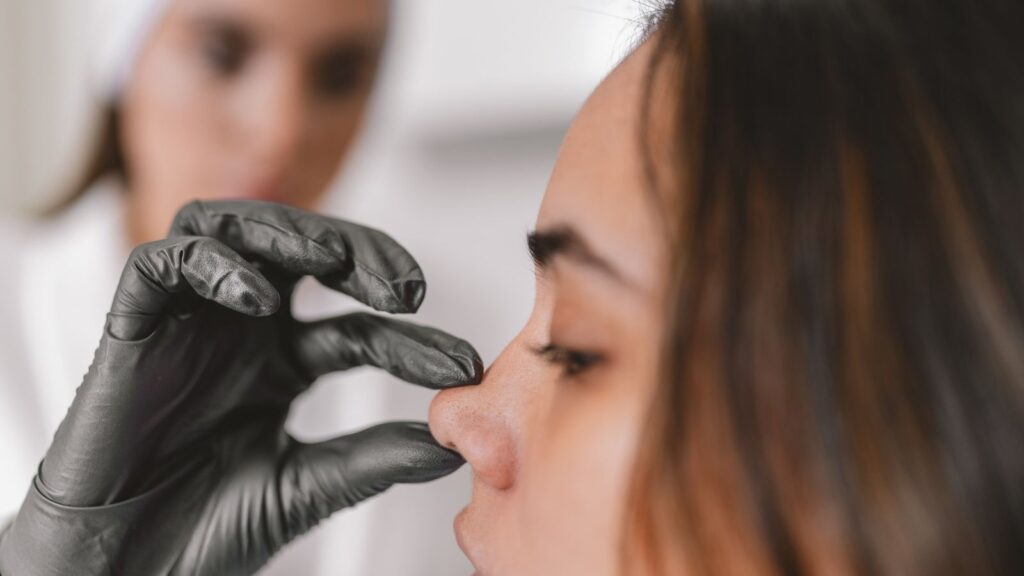
Nasal surgery alone does not prevent a person from serving in the military or working as a police officer. The purpose and outcome of the operation are the determining criteria in terms of professional eligibility. Operations performed for functional correction generally do not create an obstacle in the medical report.
Breathing function is important in the medical reports required for military and police service. If normal breathing is achieved after surgery, candidates are not disqualified. Rhinoplasty performed for aesthetic purposes also generally does not constitute an obstacle.
During evaluation after nasal surgery, the healing process and whether any permanent damage remains are taken into consideration. Following a successful operation, no obstacle arises that would prevent the person from performing their duties.
Each case is evaluated according to the physician’s report within the framework of health regulations. Candidates without postoperative complications are considered suitable for military or law enforcement duties. Regular check-ups are important during the reporting process.
Does Nasal Surgery Alone Prevent Military or Police Service?
No, absolutely not. Simply having undergone nasal surgery does not automatically mean that you will be “disqualified.” The basic logic of health evaluations conducted by military and police organizations concerns your current condition more than what you experienced in the past. The most important question for them is: “Does this candidate have the health and physical capacity to overcome all the challenges required by the duty?”
You can think of it somewhat like a job interview. Having broken your arm in the past does not mean that you cannot lift the required weight with that arm today. The same logic applies. The physicians conducting the evaluation examine whether your nose is functionally flawless after surgery, whether any complications remain, and most critically, whether you can use the protective equipment required by the duty, such as a gas mask or helmet, without any problems. These institutions make a significant training investment in their candidates and want to identify from the outset any personnel who may become unable to serve shortly after beginning duty because of a foreseeable health problem. In other words, the focus is not the previous operation but your current “fitness for duty.”
What Does the Military Health Regulation Say About the Structure of the Nose and Face?
Military service is one of the professions with the strictest health standards by its very nature. These standards are not arbitrary; they are based entirely on operational requirements and the safety of the soldier. When it comes to the structure of the nose and face, regulations consider much more than aesthetic concerns. Compatibility with equipment that may directly affect a soldier’s life is the highest priority.
In military recruitment, the following conditions, especially in the face and nose region, are examined in detail:
- A structural abnormality that prevents the use of a gas mask or helmet
- Symptomatic openings inside the nose causing pain, bleeding, or crusting
- Chronic or frequently recurring sinusitis resistant to treatment
- Functional problems that seriously restrict breathing
- Recent sinus surgery, generally within the last 2 years
The logic behind these points is very clear. For example, during a chemical attack, it is an unacceptable risk for a gas mask not to fit the face properly, to leak, and for the soldier to inhale toxic gas. A nasal dorsum that remains excessively upturned, unsupported, or asymmetrical after surgery may prevent this vital seal. Likewise, a soldier who will serve at high altitude or in pressurized environments may be unable to perform their duty if they have chronic sinusitis.
Is a Distinction Made Between Functional and Aesthetic Nasal Surgery?
Yes, the reason why the operation was performed may make an important difference during the evaluation process. Institutions take this distinction into consideration to understand the candidate’s intention and the seriousness of the condition.
Functional (Reconstructive) Operations: If the operation was required for a medical reason, such as correcting a bony curvature that seriously impaired breathing (septal deviation), repairing a deformity caused by an accident, or eliminating a congenital respiratory problem, this is generally viewed more positively. This is because the operation is a step that improves the candidate’s health and potential capacity for duty, in other words, makes them more “suitable.”
Cosmetic (Aesthetic) Operations: If the operation was performed entirely for aesthetic concerns, this alone is not a problem. However, the evaluation is carried out much more carefully. If the result is functionally perfect, the nasal structure is stable, and there is no obstacle to equipment use, it generally does not cause a problem. However, in this case, a more detailed examination may be performed to ensure that the result of the operation is flawless.
In both cases, especially if you underwent surgery for functional reasons, presenting documents that prove this, such as preoperative tomography images and physician reports, will significantly strengthen your position.
What Are the Health Requirements for Police Service After Nasal Surgery?
The health requirements of police organizations are also quite serious, but they are generally somewhat more flexible than military standards. The most important reason for this is that policing is a civilian public service and candidate evaluations are carried out “individually.” Rather than a rigid “pass/fail” list as in the military, the focus is more on the question, “Can this candidate safely perform this duty?”
However, this flexibility does not mean that there are no standards. A healthy nasal structure and breathing are vital for a police officer to perform their duties effectively. So why are a healthy nasal structure and breathing so important for a police officer?
- Pursuit and physical confrontation requiring high exertion
- Compatibility with protective equipment such as a gas mask
- Clear radio communication and command delivery
- General physical endurance
For example, chasing a suspect on foot for several minutes or engaging in a physical struggle requires tremendous effort and therefore excellent respiratory capacity. An officer who cannot breathe comfortably through the nose becomes tired quickly during such critical moments and may put both their own safety and that of their colleagues at risk. Likewise, the mask worn for protection against pepper spray during public disturbances must fit the face completely.
How Long Should the Healing and Waiting Period Be After Surgery?
The most important word in this process is “patience.” It takes time for the nose to heal after surgery and for the reshaped bone and cartilage tissue to become sufficiently strong against impacts. We can compare this process to the foundation of a building drying and becoming solid. Just as it is risky to build additional floors before the foundation has completely dried, it is equally risky to begin demanding physical activities before the nose has fully healed.
In general, it may take 1 year, and sometimes 1.5 years, for the nose to reach its final shape and for the tissues to become completely stable. Military and police recruitment regulations also do not ignore this medical reality. A waiting period of at least 6 months to 1 year after surgery is generally required. In fact, this period may extend to 2 years for certain special military units or situations such as sinus surgery. These waiting periods are not merely rules but precautions intended to protect your health and future career.
Could Applying for a Medical Waiver Be an Option?
Yes, especially in military recruitment, there is a mechanism called a “medical waiver.” This means that although you have a condition that would normally be considered a reason for disqualification under the health regulation, the institution performs a special evaluation, grants you an exception, and determines that you are “fit for duty.” This provides a “second chance” for candidates who fall slightly outside the standards.
However, there is no guarantee in this process, and it depends entirely on your condition and the documents you submit. The key to obtaining a waiver is presenting very strong and detailed medical evidence proving that your postoperative condition is completely stable, creates no functional limitation related to duty, and has a minimal risk of causing problems in the future. A comprehensive report from the surgeon who performed your operation will be your strongest asset in this process.
How Should You Manage the Nasal Surgery Process If You Want to Become a Soldier or Police Officer?
If you have such a goal and are considering nasal surgery, there are strategic steps you should take to manage the process correctly from the very beginning. These steps will help you maximize your chances of success.
- Share your career goals with your surgeon
- Choose the right surgeon
- Document the entire process completely
- Plan the timing correctly
- Follow the recovery instructions exactly
- Be patient
You should view this process not only as an aesthetic operation but also as an important part of your career planning. Discussing your goals with your surgeon from the beginning allows the operation plan to be designed in accordance with these goals, for example, creating a nasal structure that will not interfere with mask use. Planning your operation at least 1.5-2 years before the date when you intend to apply provides a major advantage in terms of both complete healing and meeting the required waiting periods. And remember, following your doctor’s instructions during the healing process eliminates risks that could lead to a permanent problem.