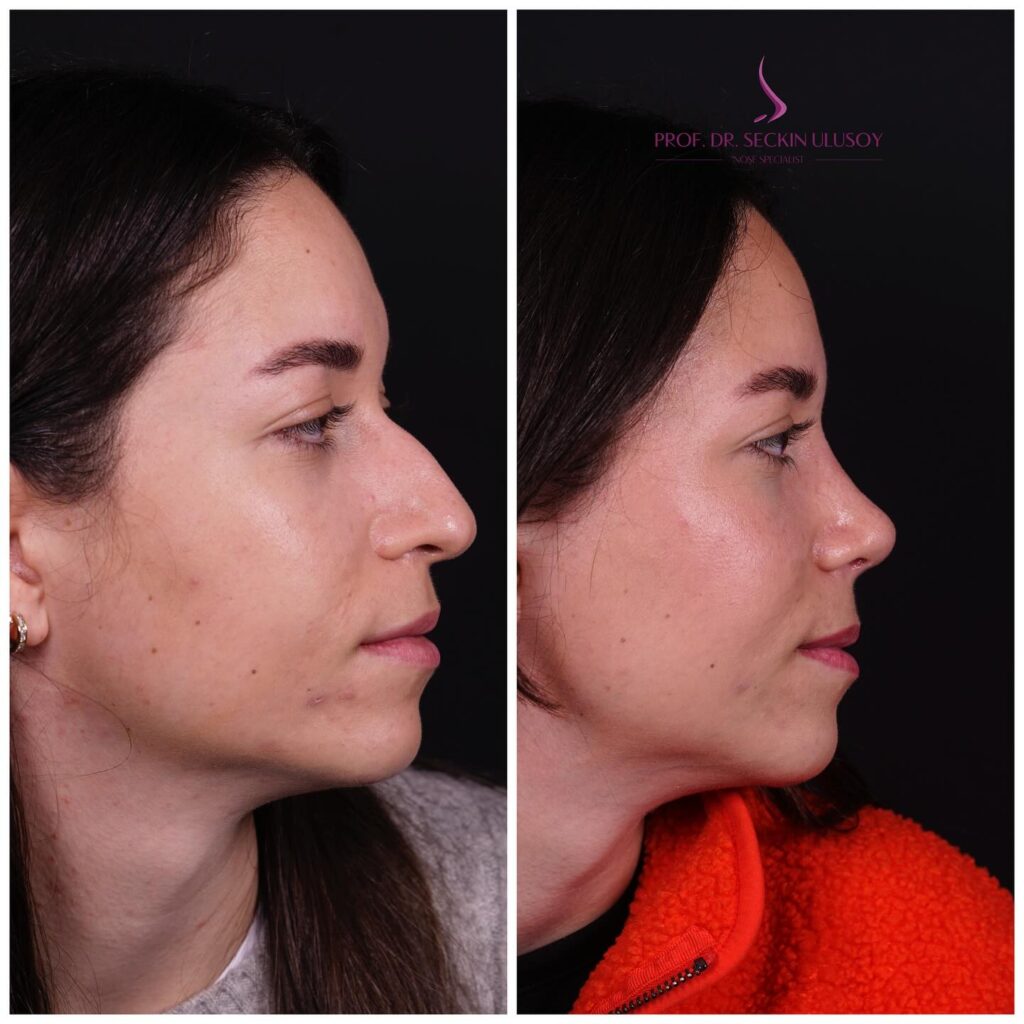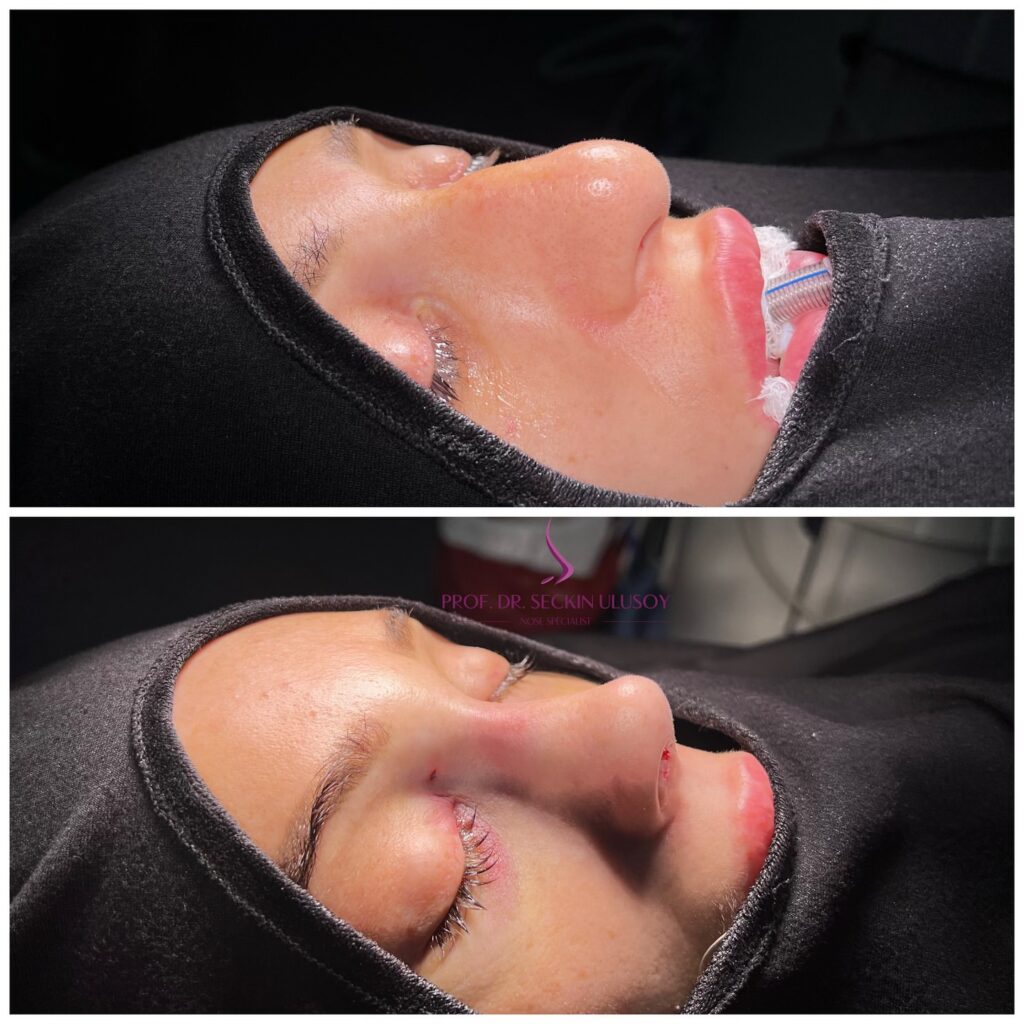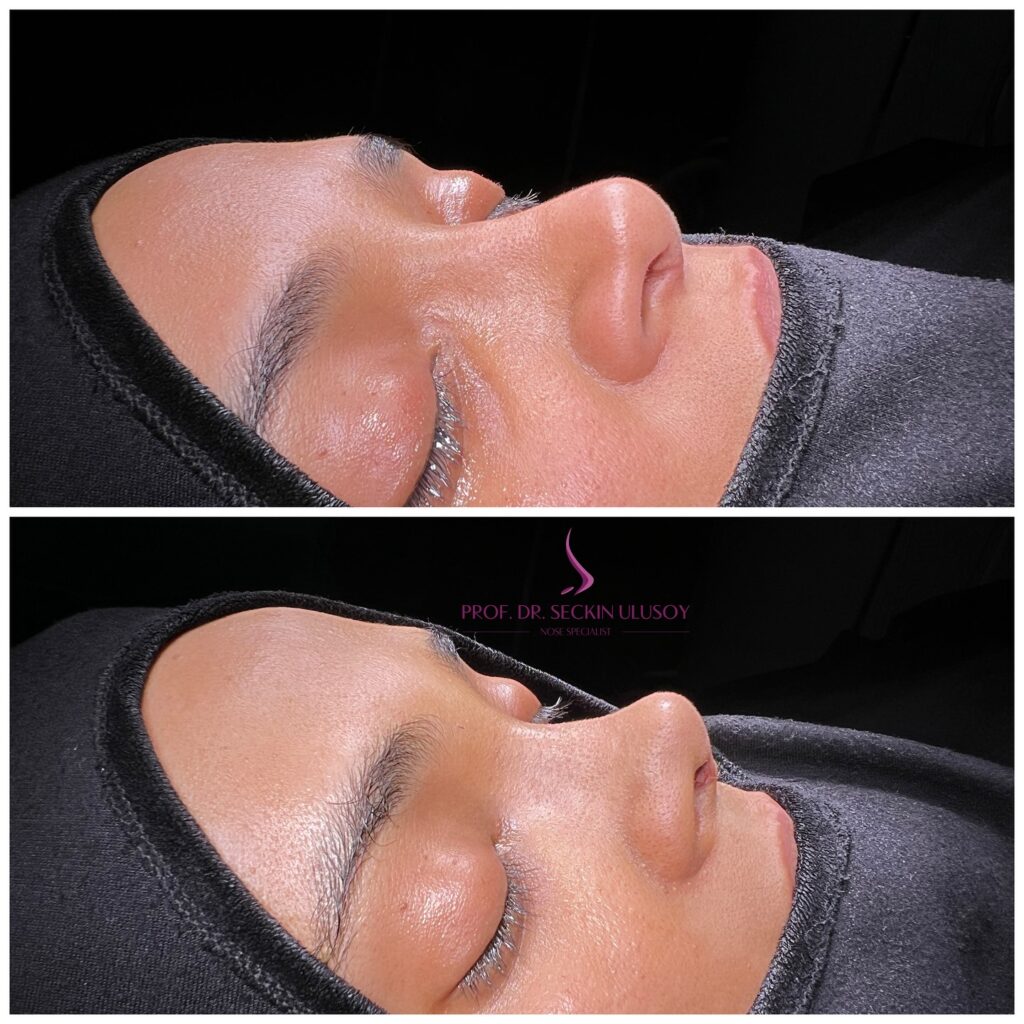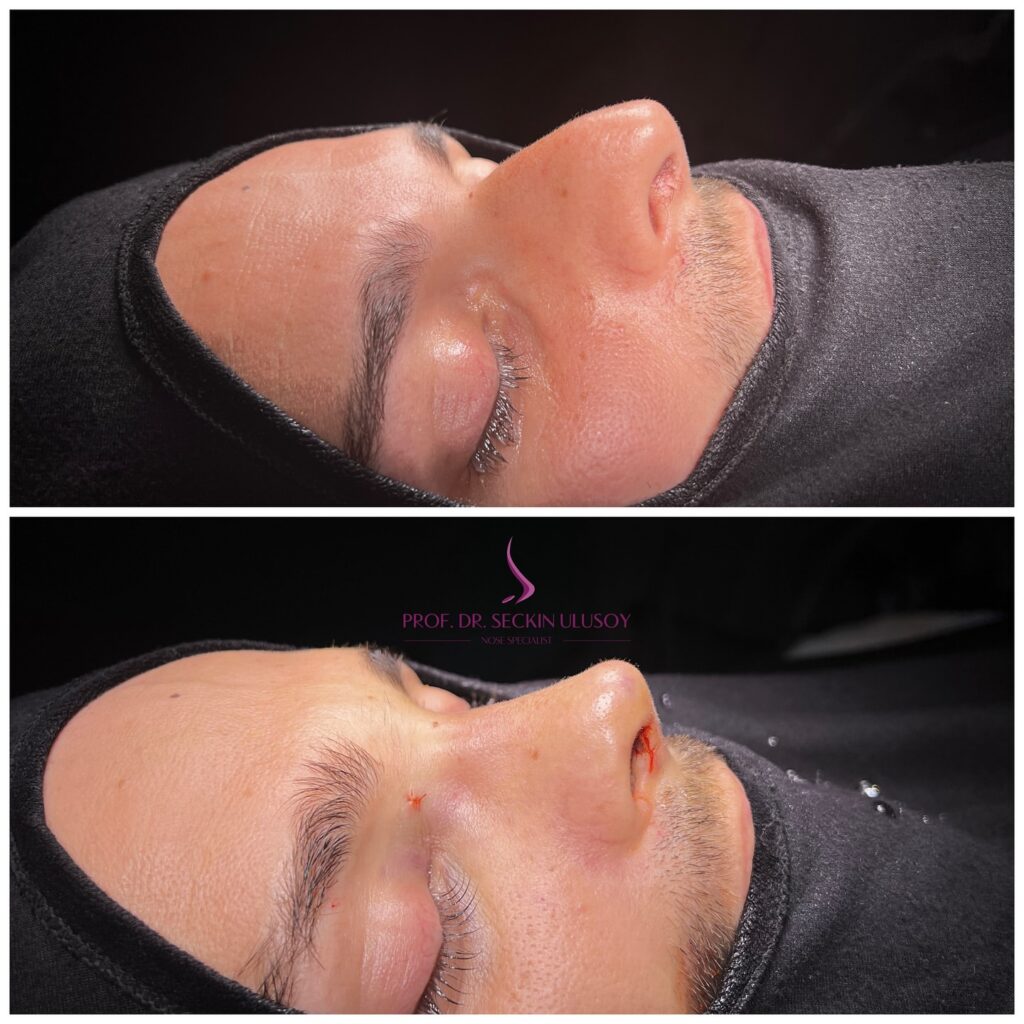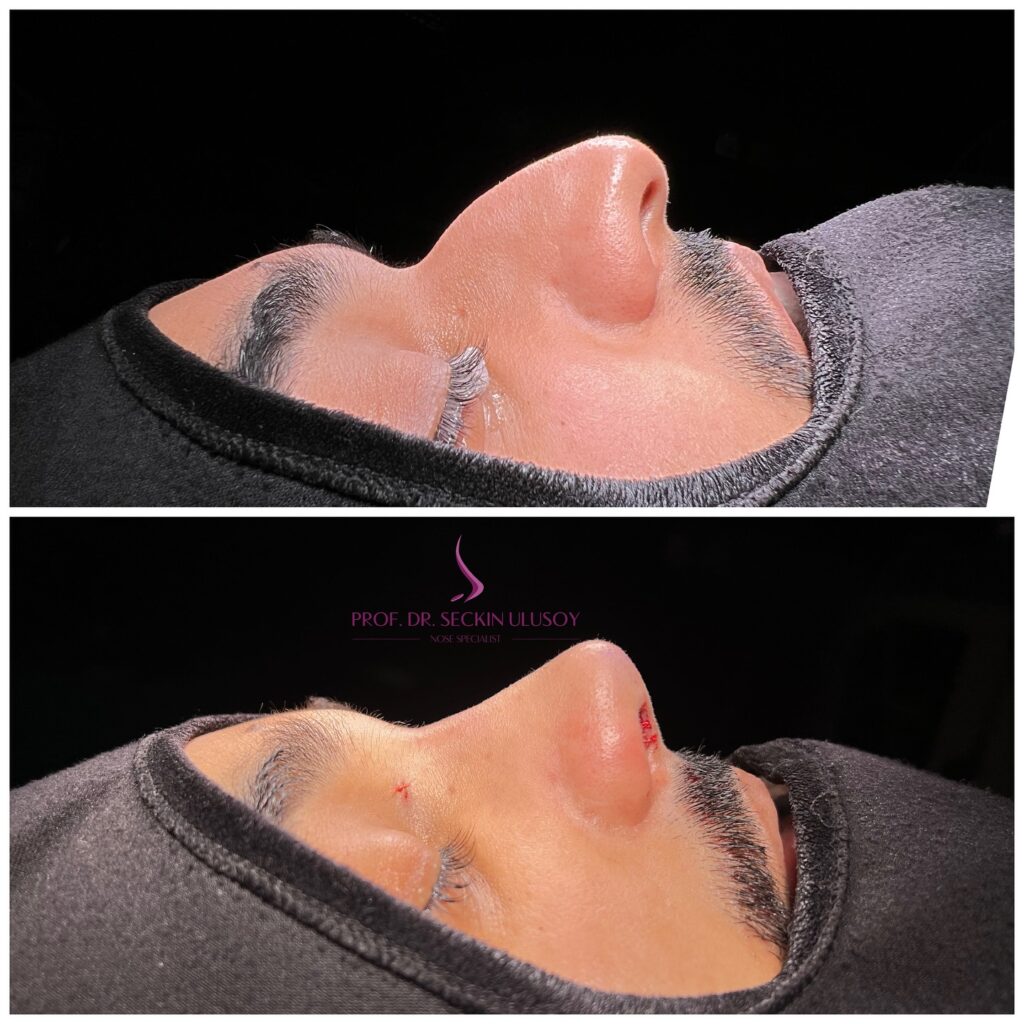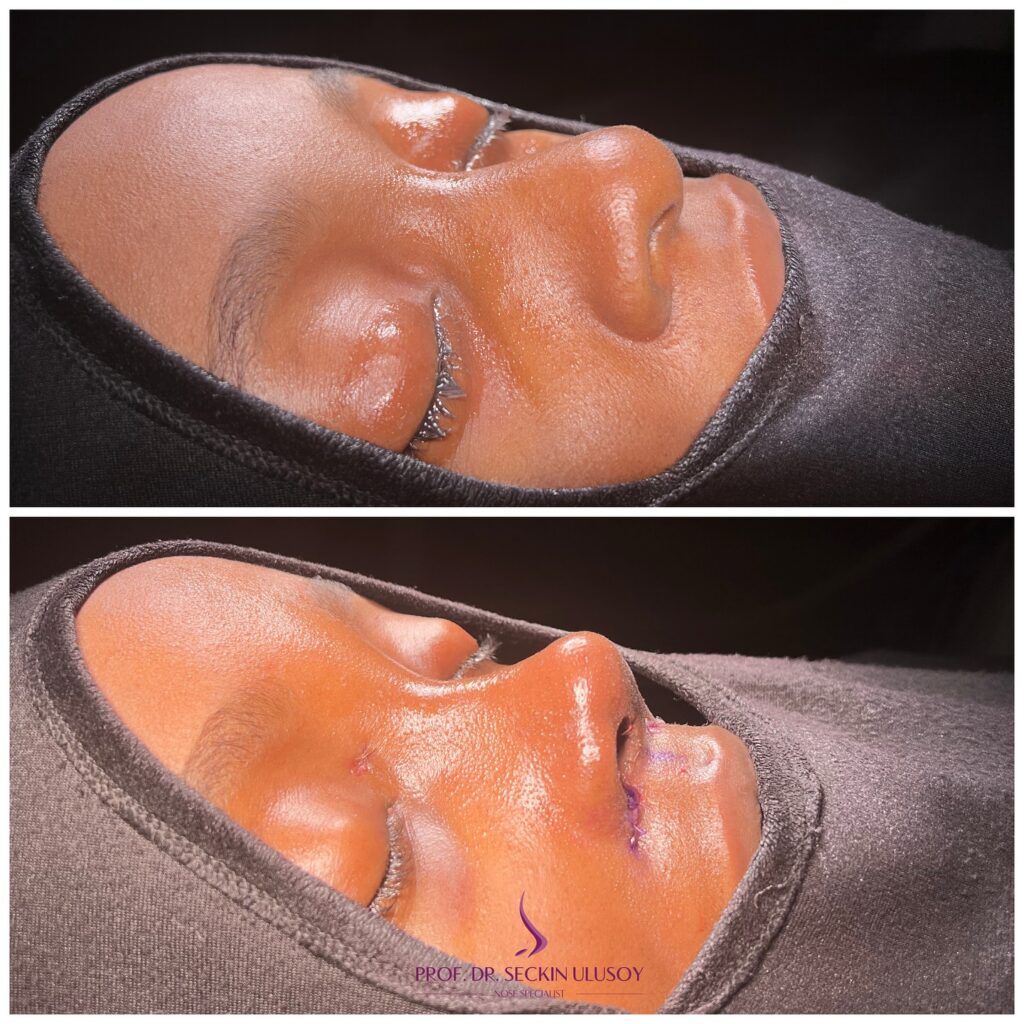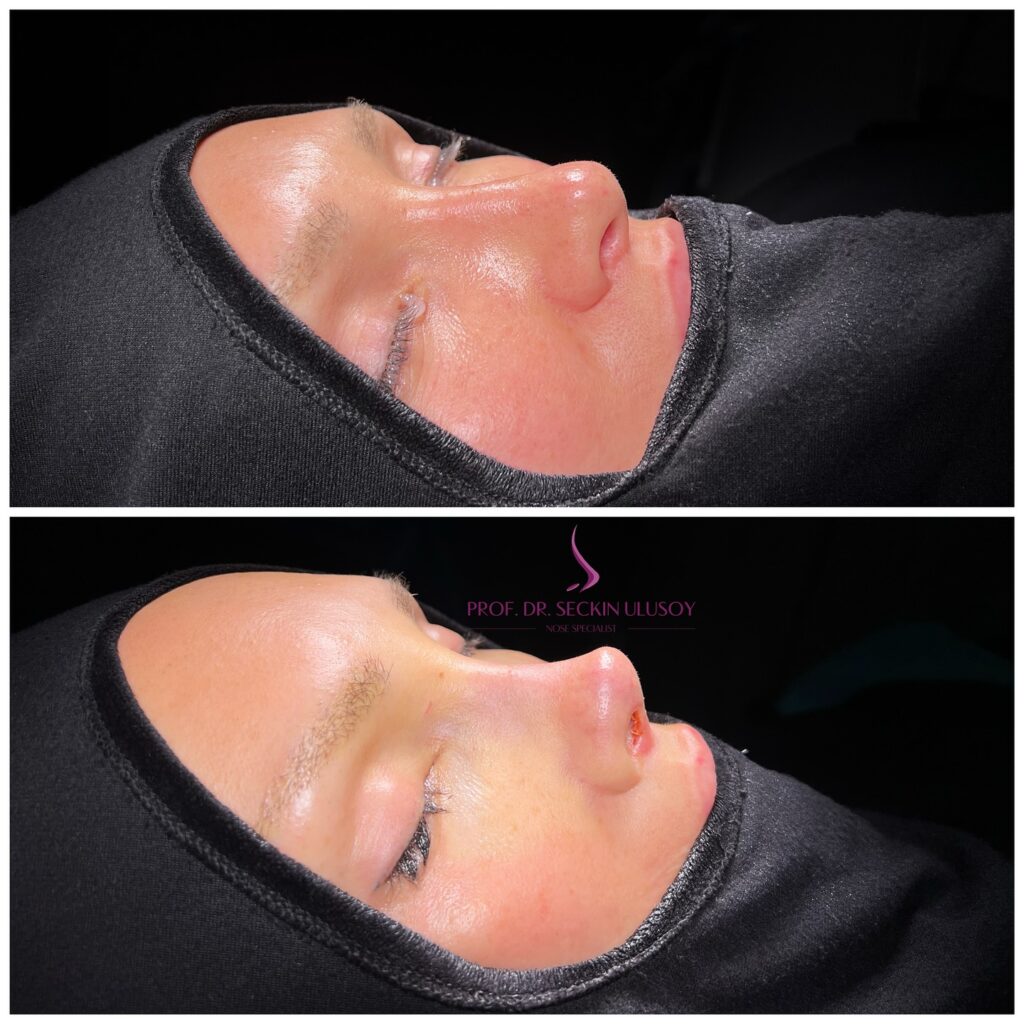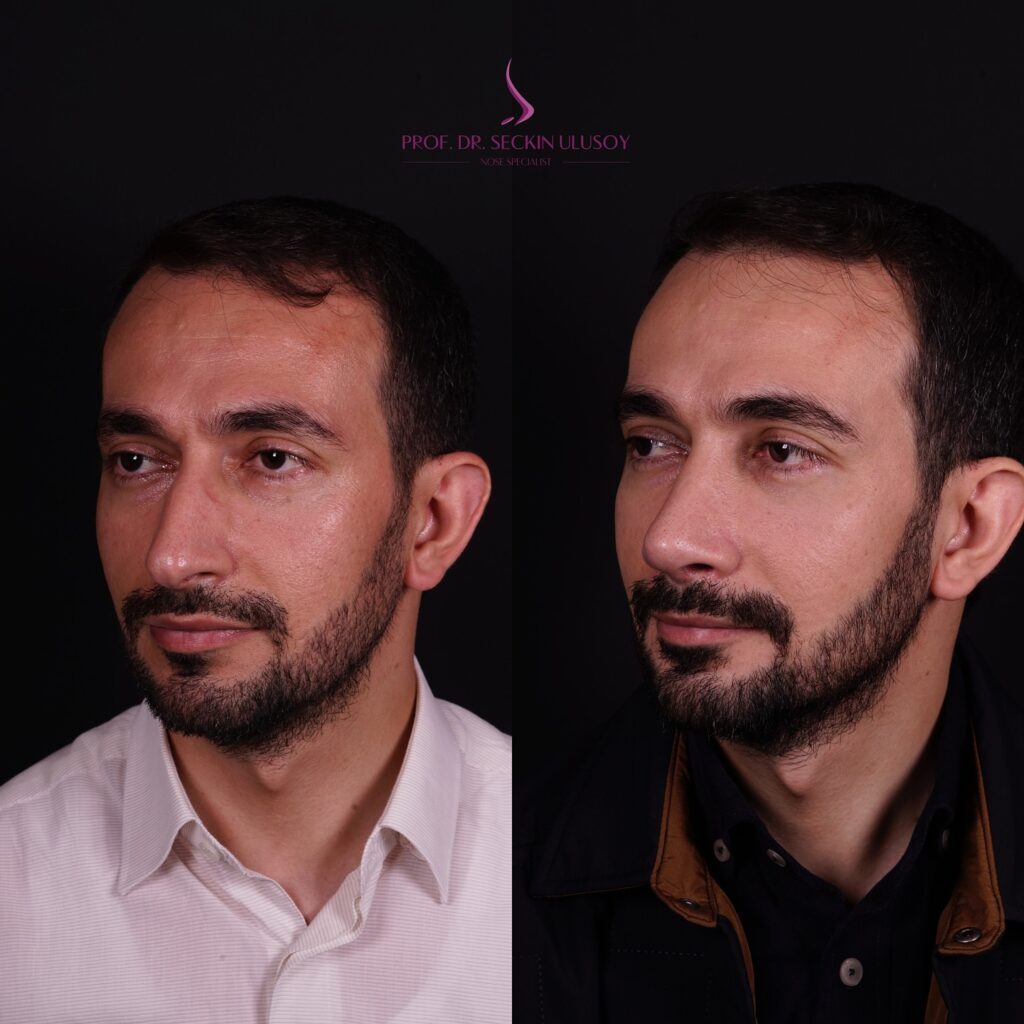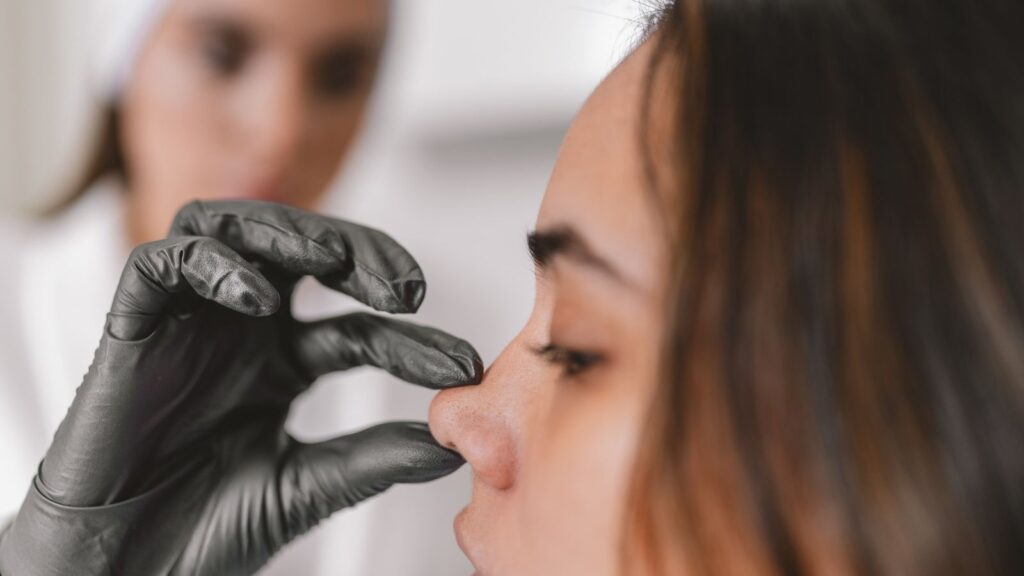
What Is Turbinate Radiofrequency?
Radiofrequency applications are a method that has been applied to different body regions in various medical specialties in recent years. In this application, energy at radio wave frequency is delivered into the tissue with fine-tipped probes. This energy creates a controlled, regional increase in temperature within the tissue. During this procedure, retraction in the deep tissue, meaning shrinkage throughout the entire tissue, occurs without damaging the surface of the area where it is used. Thus, it causes a reduction in the volume of the tissue to which it is applied.
Why Is Turbinate Radiofrequency Used in the Nose?
The radiofrequency procedure in the nose is used when the nasal tissues called turbinates swell and obstruct breathing. This procedure may also be applied to patients with snoring and mild sleep apnea who have sagging of the uvula, soft palate, or enlarged lingual tonsils. Since the heat created in the tissue by radiofrequency also reduces the secretory cells, it may also have an effect on reducing the clinical symptoms of nasal allergies or allergy-like conditions called vasomotor rhinitis. You can contact us to obtain information about radiofrequency applications.
How Is Nasal Turbinate or Palate Reduction Performed with Radiofrequency?
If only radiofrequency is to be applied, local anesthesia is usually sufficient. This procedure is a simple and short intervention lasting 10 minutes and performed under office or outpatient clinic conditions. Appropriate energy is delivered into the tissue with the help of a special probe (heat-sensor tip). Since this procedure is based on the principle of heat application, it does not cause any bleeding and does not require stitches or nasal packing.
Can Radiofrequency Application Be Repeated?
A single-session application is generally sufficient, but rarely it may be necessary to repeat the application with very small touches to the tail sections of the nasal turbinates after 6-8 months.
What Awaits the Patient During and After Radiofrequency Application?
- With its heat-sensor tips, radiofrequency reduces the volume of tissues without damaging their functions.
- After the procedure, mild dryness, rarely slight bleeding, crusting, and related congestion may frequently occur for 2-3 days. Crusting begins to decrease after 3-4 weeks, and the main favorable results become apparent after 2-3 months.
- It is a procedure performed in an outpatient clinic or office that does not cause any loss of work or workforce for the patient.
- Numbing with local sprays and very fine-tipped local anesthesia provides excellent patient comfort.
- Minor crusting that can easily be eliminated with saline irrigation may occur.
- It does not cause loss of smell; on the contrary, patients begin to smell better over time as the nasal passage opens.
- It does not require nasal packing or similar applications after the procedure.
- It does not cause nasal deformity, bruising, edema, or similar conditions.
- No permanent impairment in swallowing functions is observed after application to the soft palate and uvula.
- It does not cause voice changes.
- The radiofrequency procedure is also very frequently applied during functional nasal surgeries, surgeries for chronic sinusitis, or surgeries performed for another reason in patients with nasal congestion complaints.
- There are no dietary restrictions after application in the nose. After application to the palate, lukewarm and soft foods are appropriate during the first few days.
Frequently Asked Questions
What Are Radiofrequency Applications?
Radiofrequency applications are a minimally invasive treatment method used to reduce or shape tissues by applying controlled heat energy.
In Which Conditions Are Radiofrequency Applications Performed?
In the field of Ear, Nose, and Throat, radiofrequency applications may be used in the treatment of enlarged nasal turbinates, snoring, soft palate problems, tonsil reduction, and certain soft tissue problems.
How Are Radiofrequency Applications Performed?
During the procedure, controlled radiofrequency energy is delivered to the target tissue with the help of a special probe. This energy helps reduce the complaints by causing the tissue to shrink.
Are Radiofrequency Applications Painful?
The procedure is generally performed under local anesthesia, and the great majority of patients experience mild discomfort. Any pain that may occur after the procedure is usually short-lived.
How Long Do Radiofrequency Applications Take?
Although the duration of the application varies according to the treated area, it is generally completed within 15 to 30 minutes.
What Is the Recovery Process Like After Radiofrequency?
The recovery process is generally rapid. Most patients can return to their daily lives within a short time, and the effects of the treatment become more noticeable within a few weeks.
What Are the Advantages of Radiofrequency Applications?
Causing less tissue damage, minimal bleeding, providing rapid recovery, and usually not requiring hospitalization are the main advantages of the method.
Are There Risks Associated with Radiofrequency Applications?
As with every medical procedure, there may be low-level risks such as infection, mild bleeding, temporary pain, or swelling. These risks are generally temporary.
Is the Effect of Radiofrequency Applications Permanent?
Long-term benefits may be achieved in many patients. However, depending on the underlying disease and lifestyle, additional treatment or repeat application may be required in some cases.
What Should Be Considered After Radiofrequency Applications?
The medications recommended by the doctor should be used regularly, the treated area should be protected, follow-up examinations should not be neglected, and the recommended care instructions should be followed during the recovery process.