THYROID GLAND SURGERY, THYROID GLAND, THYROID DISEASES AND SURGICAL TREATMENT (GOITER)
What is the thyroid gland, and where is it located?
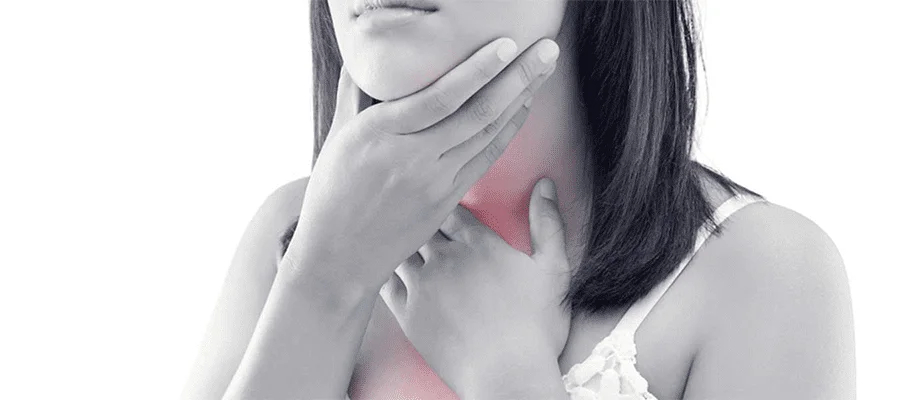
Thyroid Gland, means shield according to the Ancient Greeks because the largest cartilage forming the larynx resembles a shield. The gland located in the midline, immediately below and in front of the larynx, was also given the same name because of its proximity to this cartilage. The thyroid gland consists of right and left sections that join in the middle. In front of this gland are muscle groups extending from top to bottom and the skin of the neck. This organ has more blood vessels than many tissues in the body, and it releases the hormones it secretes into the blood through these vessels, and these hormones that regulate metabolism are carried through the blood to all body tissues. These hormones, which are of vital importance, regulate metabolism.
What is a thyroid nodule?
The growth of cells in certain areas within the thyroid gland, forming a mass, a lump with a different density and firmness compared to the other parts of the thyroid, is called a nodule. Nodules may be found as a single nodule within the thyroid gland (solitary thyroid nodule), or there may be multiple nodules spread throughout the thyroid. (multinodular goiter) In addition, nodules are divided into two groups according to their contents: solid nodules (not containing fluid) and cystic nodules (containing fluid).
In the medical imaging method performed by administering a small amount of radioactive substance and called thyroid scintigraphy, nodules are also divided into two groups: cold nodules (non-functioning) and hot nodules (functioning). Most nodules do not cause any symptoms and are noticed by the patient only if they are large enough. Very large nodules cause swellings in the patient’s neck that can easily be noticed by others. Large nodules may also cause certain symptoms by pressing on the trachea and esophagus. Nodules that secrete excessive hormones cause hyperthyroidism, whose signs and symptoms are listed above. In medical examinations performed with a device called ultrasound, millimetric nodules that are impossible for the physician to detect by manual examination can also be seen, but in general, nodules smaller than 10 millimeters do not cause physicians much concern.
The clinical importance of nodules is due to the possibility that they may contain cancer. Various scientific studies have reported that 5% to 10% of nodules are malignant. This risk increases further in certain situations. For example, the likelihood that a nodule is malignant is higher in children, men, elderly patients, patients who received radiotherapy to the head and neck region for any reason during childhood, and patients who have hoarseness or lymph nodes in the neck together with the nodule. In the evaluation of nodules, in addition to manual examination, measuring thyroid hormones (T3, T4 and TSH), performing a needle biopsy from the nodule, and examining the nodule, the remaining thyroid tissue, and the neck with ultrasound help us decide on the nature of the nodule and the method of treatment.
Thyroid scintigraphy, which was used more widely in previous years and is an imaging method performed after administering radioactive substances to the body, has now become an imaging method used only in certain special situations. With the development of technology, ultrasound, which provides much more detailed images, has largely replaced thyroid scintigraphy. In the follow-up of a patient with a thyroid nodule, after obtaining a good medical history from the patient and performing a thorough examination, the basic tests that provide physicians with the most information and are probably requested most frequently can be listed as: measurement of TSH and free T4, imaging of the thyroid and neck with ultrasound, and obtaining fine-needle biopsies from nodules that appear suspicious.
When is thyroid surgery performed?
In the following situations, surgical removal of one side or the entire thyroid gland is generally an applied treatment method:
- Determination that the nodule is cancerous or raises suspicion of cancer,
- The thyroid gland or nodule pressing on the esophagus and trachea and causing symptoms related to swallowing and breathing,
- The thyroid gland or nodule being excessively large and affecting the patient’s appearance,
- The thyroid gland or nodule being overactive and causing hyperthyroidism
What should be considered during thyroid surgery?
Because the thyroid gland is located immediately in front of the larynx and the beginning of the trachea, it is in close proximity to the vocal cord nerve. Damage to these nerves causes voice changes that may progress to severe hoarseness. In addition, on the back surface of the thyroid, there are four glands called parathyroid glands, each about the size of a lentil, with two on the right and two on the left. The hormone secreted by these glands regulates the calcium level in the blood. For calcium to be maintained at a certain level in the blood, it is sufficient for at least two of these glands to function fully. However, in surgeries in which both sides of the thyroid are removed, temporary, and sometimes permanent, decreases in blood calcium levels may occur as a result of the accidental removal of all four parathyroid glands or damage to their blood vessels, leaving them without blood supply.
A decrease in blood calcium can cause numbness around the patient’s hands, feet, and lips, contractions in the arms and legs, and cramps. While calcium medications administered orally or intravenously are sufficient for temporary calcium decreases, in cases of permanent hormone deficiency and calcium decrease, vitamin D should also be given to the patient in addition to calcium. It is very important to protect the vital structures described above during surgery and prevent them from being damaged. The surgeon’s primary goal should be to preserve these vital structures while removing the thyroid gland. In the hands of an experienced surgeon using the correct surgical technique, the likelihood of the permanent complications described above is very low.
What type of surgical technique should be applied to the patient? The problem in the thyroid gland (a nodule suspicious for cancer or a nodule secreting excessive hormones) may sometimes be limited to only one half of the gland. In this case, removing the affected side of the thyroid will be sufficient. In this situation, it is essential to remove the entire gland on the operated side. However, pathology examinations performed sometimes during surgery and sometimes afterward may indicate the need to remove the other half of the thyroid as well. In these patients, the other half of the thyroid gland is also completely removed. In some cases, the problem is present on both sides of the thyroid, and it may be decided from the beginning to remove the entire thyroid gland. Rarely, a small piece may be left in place on one side of the gland, often adjacent to the upper supplying vessels. However, if the patient has thyroid cancer, the surgeon should usually prefer to remove the entire gland.
As a result, the modern practice in thyroid gland surgery, except for certain exceptions, is to remove the entire gland on the operated side. In fact, in bilateral thyroid surgery, efforts are also made to remove the anatomical extensions and projections of the gland. Surgeries not performed in this manner may create certain disadvantages for the patient:
- If the disease on the removed side (for example, nodular goiter) recurs in the future, operating on the same side again will be more difficult, and the risk of complications during the second surgery will be higher.
- If the patient has thyroid cancer, testing the substance called thyroglobulin, which is secreted by healthy and cancerous thyroid cells after surgery, will reveal possible recurrences at an early stage. If thyroid tissue is left behind, it cannot be known whether the thyroglobulin detected in the blood is secreted due to a recurrence or from the remaining thyroid tissue. In this case, this valuable recurrence marker cannot be used for that patient.
- In addition, radioactive iodine treatment may be necessary after surgery in a large proportion of thyroid cancers. In both cases, leaving thyroid tissue behind will create a serious disadvantage. A patient whose entire thyroid gland has been removed will be in a more favorable position both for postoperative follow-up and for possible radioactive iodine treatment.
How can it be understood whether the thyroid gland is functioning?
The TSH hormone secreted by the pituitary gland in the brain provides the best information about the functions of the thyroid gland. This substance stimulates the hormone-secreting structures in the thyroid gland, causing more hormones to be produced and released into the blood. When the thyroid gland is underactive, the release of TSH from the pituitary gland into the blood increases. If the thyroid begins to produce more hormones on its own, the pituitary gland then decreases TSH production, and the TSH measurement in the blood shows values below the normal limits. In addition to TSH, measurement of free T4 (FT4) and free T3 (FT3) hormones also provides information about thyroid functions in some cases and may be requested from the laboratory by your physician.
What happens if the thyroid gland is underactive?
Underactivity of this gland and the inability to secrete the amount of thyroid hormone required by body tissues is called hypothyroidism. In this condition, the level of thyroid hormones in the blood decreases, and a sufficient amount of hormone does not reach the tissues. Body functions slow down, the patient begins to feel cold more easily, becomes tired quickly, and symptoms such as weight gain, hair loss, dry skin, constipation, and forgetfulness appear. Hypothyroidism most commonly occurs as a result of inflammation of the thyroid gland called autoimmune thyroiditis, which develops when the body’s immune system attacks its own tissues, surgical removal of the thyroid gland due to cancer or other reasons, or radioactive iodine treatment. This condition usually lasts for life, and the patient must take thyroid hormone orally in tablet form throughout life and remain under the supervision of a hormone disease specialist (endocrinologist).
What happens if the thyroid gland is overactive?
Overactivity of the thyroid gland and secretion of hormones in amounts greater than required by the tissues is called hyperthyroidism. Thyroid hormones reaching the tissues in amounts above normal cause an increase in all body functions. Its symptoms are increased heart rate, palpitations, trembling in the hands, moist skin, nervousness, restlessness, and weight loss without loss of appetite. In Basedow-Graves disease, one of the most common causes of hyperthyroidism, in addition to these signs and symptoms, the eyes appear excessively large and protrude due to the eyelids opening too widely.
In addition to Basedow-Graves disease, toxic nodular goiter (a thyroid containing one or more nodules) and thyroiditis are also among the causes of hyperthyroidism. This condition can be treated in three ways:
- Eliminating the effects of excessively secreted thyroid hormones with oral medications.
- Destroying overactive thyroid tissue with radioactive iodine treatment and reducing the amount of hormone secreted.
- Surgical removal of the entire or nearly the entire thyroid gland. What is goiter? Conditions in which the thyroid gland enlarges are called goiter. This may occur due to cancer, insufficient iodine intake in the diet, or consumption of goitrogenic foods such as kale. The condition in which the entire thyroid gland enlarges uniformly is called diffuse goiter, while the condition in which nodules are present within the thyroid gland is called multinodular goiter. As devices called ultrasound, which create images by recording the reflections of sound waves sent into body tissues with great sensitivity, have developed, many diffuse goiters have been classified as multinodular goiters due to the detection of nodules that could not previously be identified.
Frequently Asked Questions
What Is Goiter?
Goiter is a condition in which the thyroid gland located in the front part of the neck becomes larger than normal for various reasons. Thyroid hormone levels may be normal, low, or high.
What Are the Symptoms of Goiter?
Symptoms such as swelling in the neck, difficulty swallowing, difficulty breathing, hoarseness, and, depending on thyroid hormone levels, weight changes, palpitations, or weakness may occur.
What Causes Goiter?
Goiter may develop due to iodine deficiency, Hashimoto’s thyroiditis, Graves’ disease, thyroid nodules, genetic predisposition, and certain thyroid diseases.
How Is Goiter Diagnosed?
Diagnosis is made through physical examination, thyroid hormone tests, ultrasonography, and, when necessary, methods such as scintigraphy or fine-needle aspiration biopsy.
How Is Goiter Treated?
Treatment is planned according to the cause and size of the goiter. Medication, radioactive iodine treatment, regular follow-up, or surgical intervention may be applied when necessary.
Does Every Goiter Require Surgery?
No, not every goiter requires surgery. Small goiters that do not cause symptoms may be monitored regularly, while large goiters or suspicious nodules may require surgical treatment.
Does Goiter Turn Into Cancer?
Goiter itself does not mean cancer. However, since some thyroid nodules may be malignant, it is important to perform the necessary evaluations.
Can Goiter Be Prevented?
Meeting the body’s iodine requirement adequately and regularly monitoring thyroid diseases may reduce the risk of developing certain types of goiter. However, it is not possible to prevent all cases of goiter.
What Happens If Goiter Is Not Treated?
An untreated goiter may enlarge and cause difficulty swallowing and breathing. In addition, thyroid hormone imbalances may negatively affect quality of life and overall health.
Which Department Should Be Consulted for Goiter?
People suspected of having goiter are advised to undergo evaluation by an Endocrinology, General Surgery, or, when necessary, Ear, Nose, and Throat (ENT) specialist.