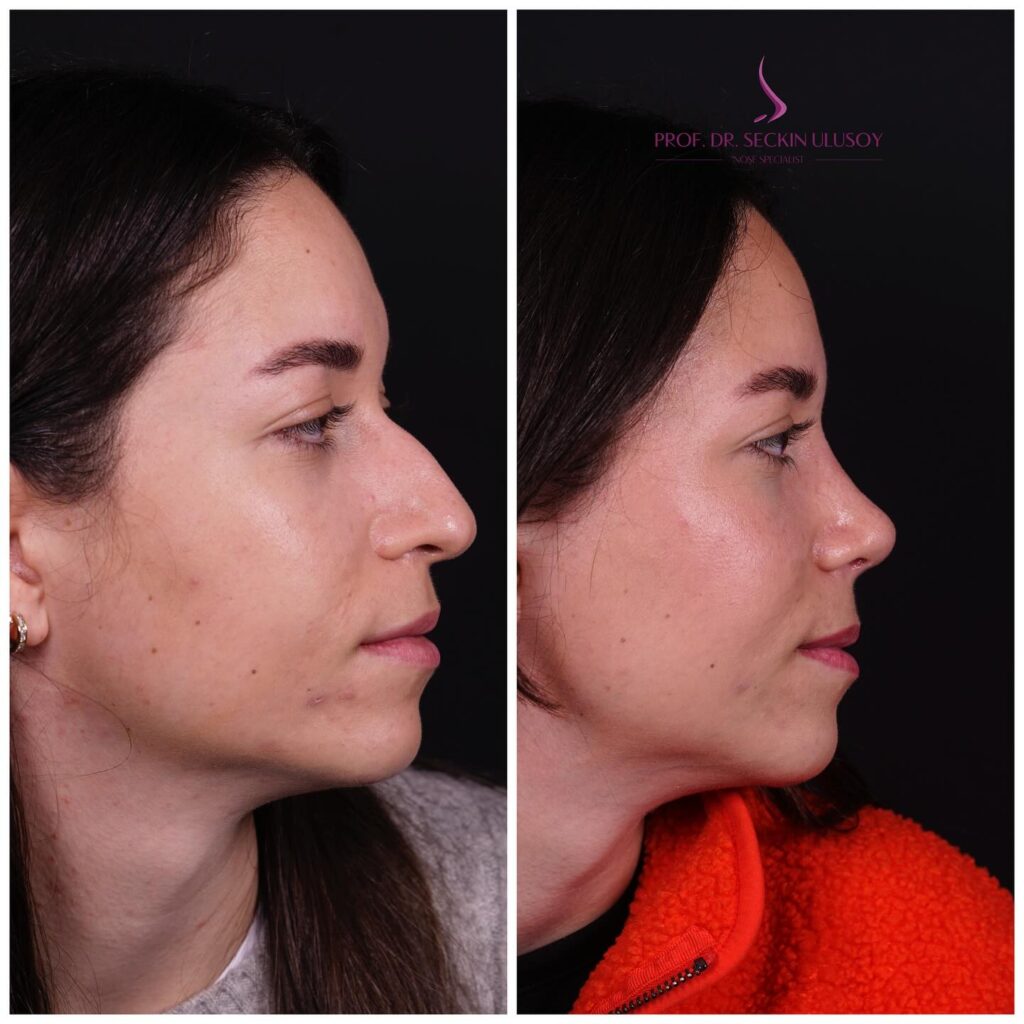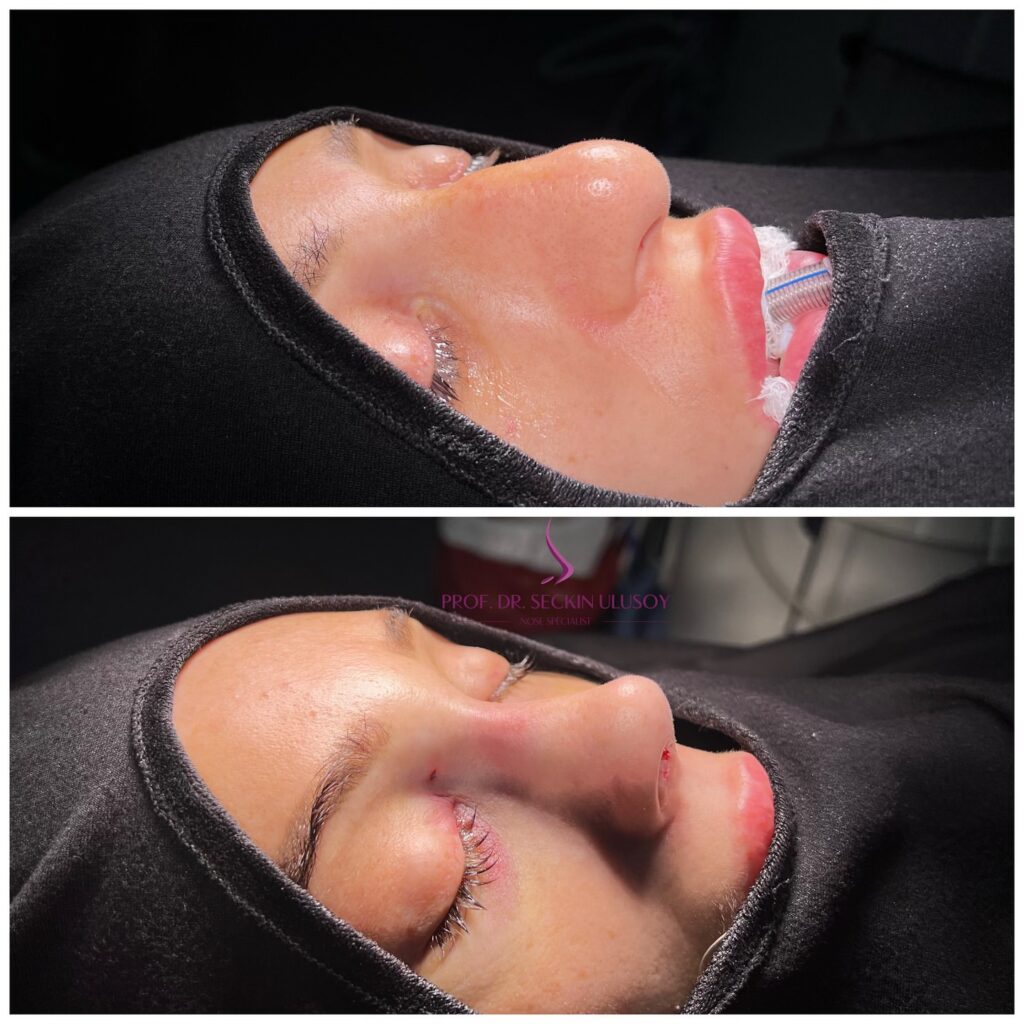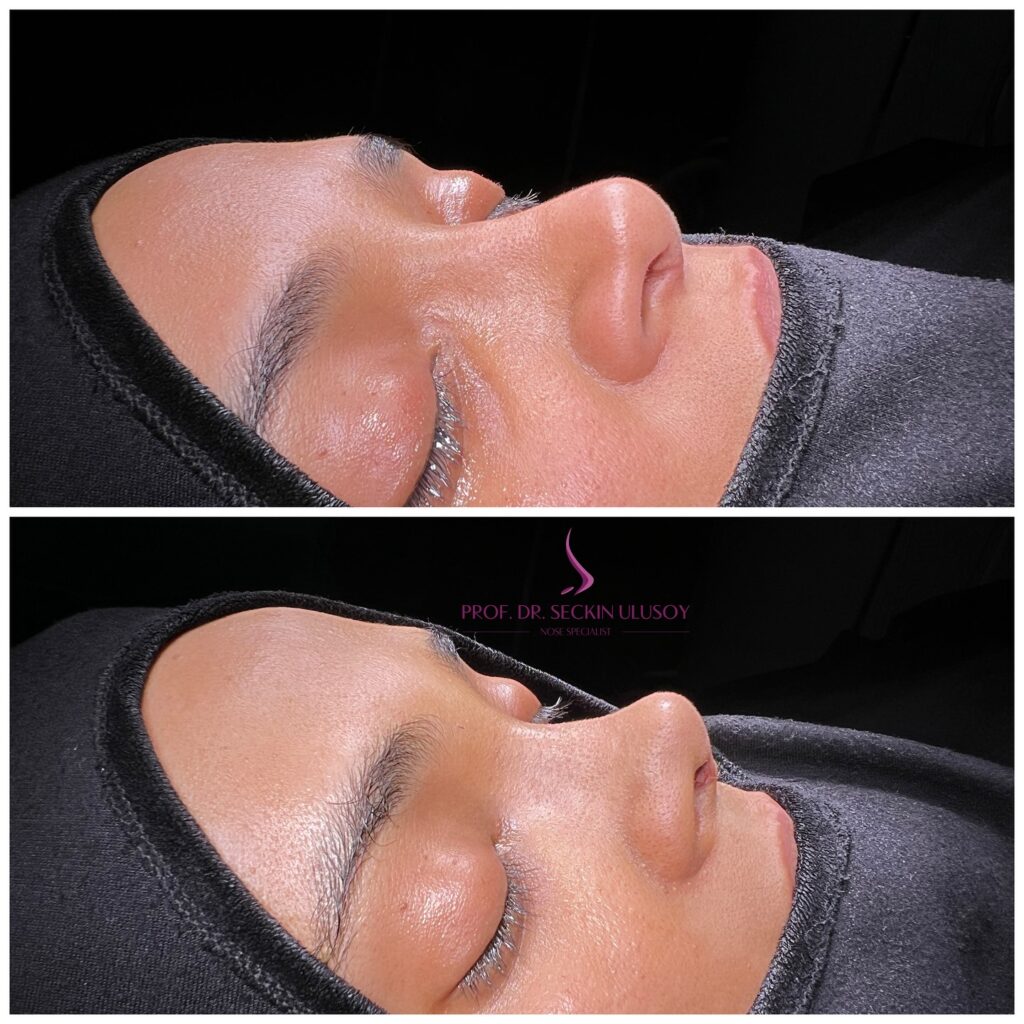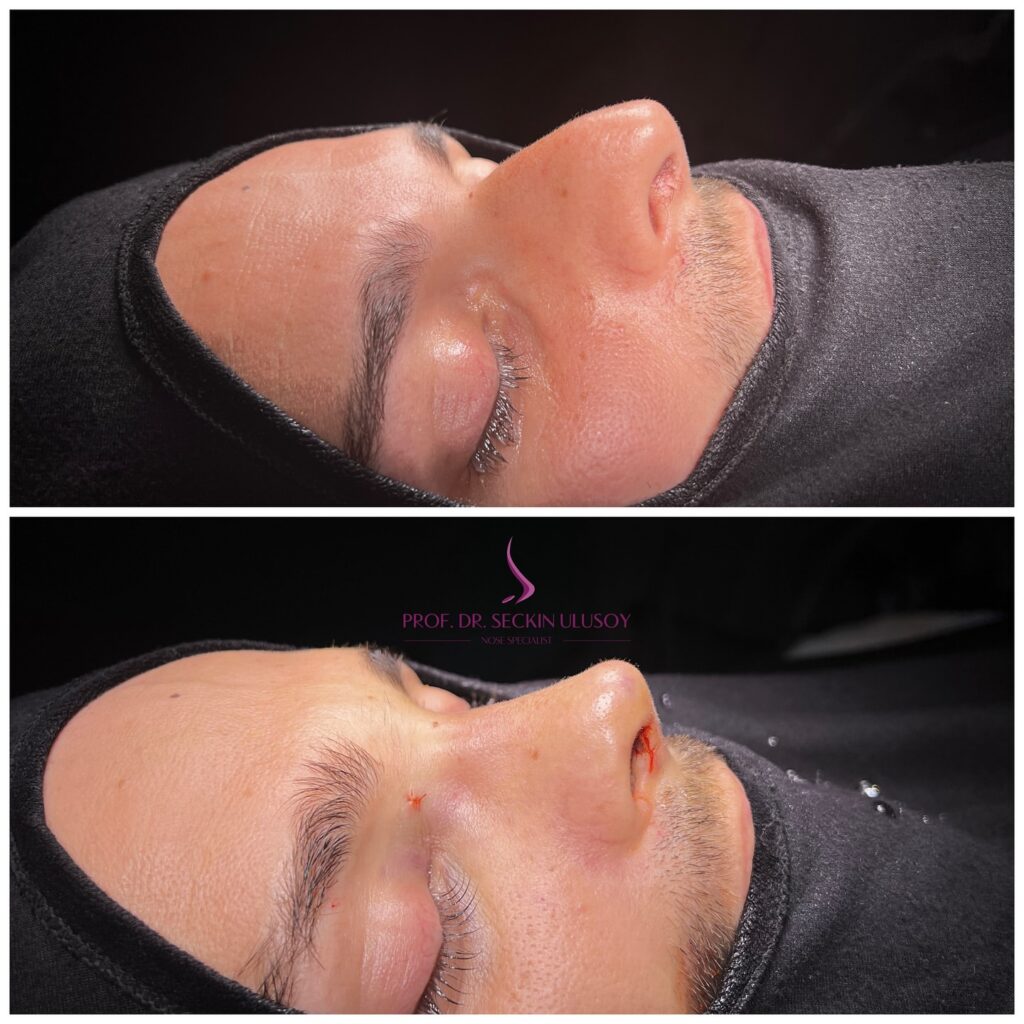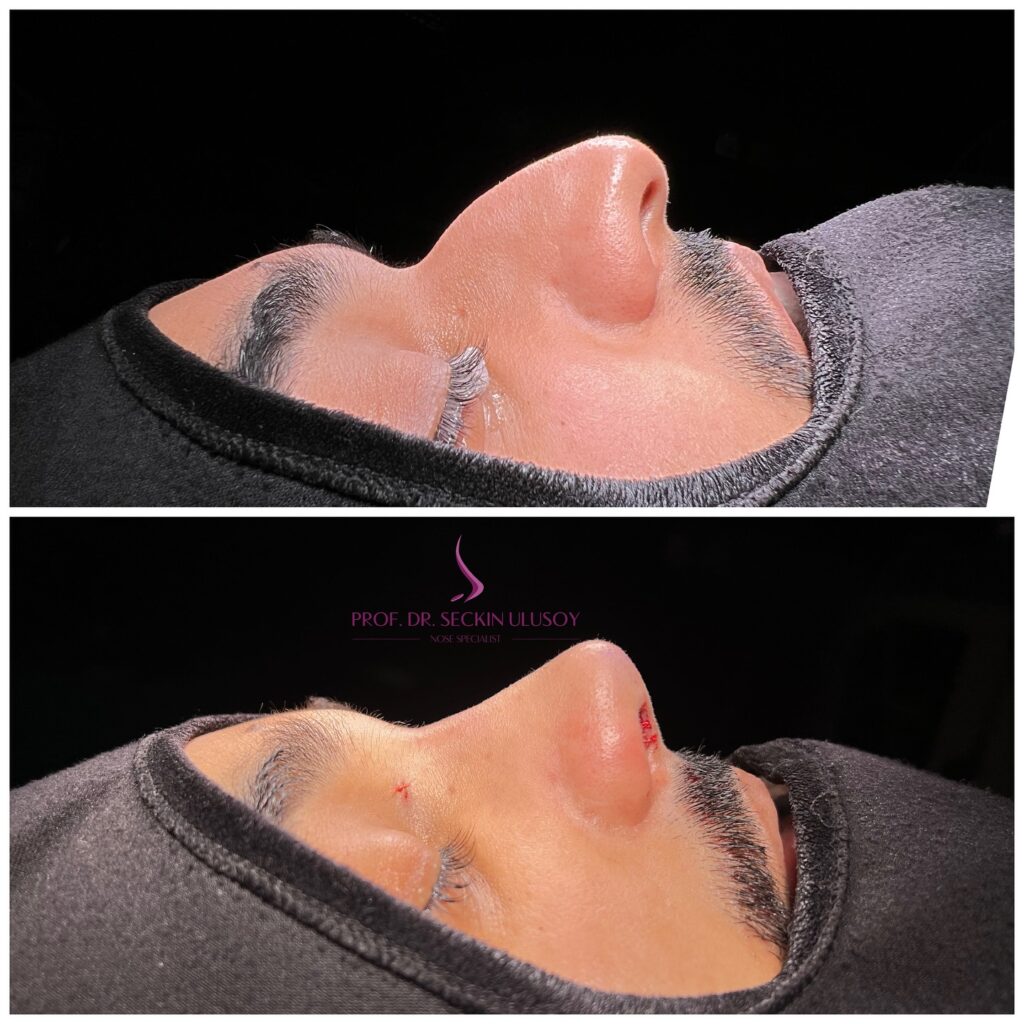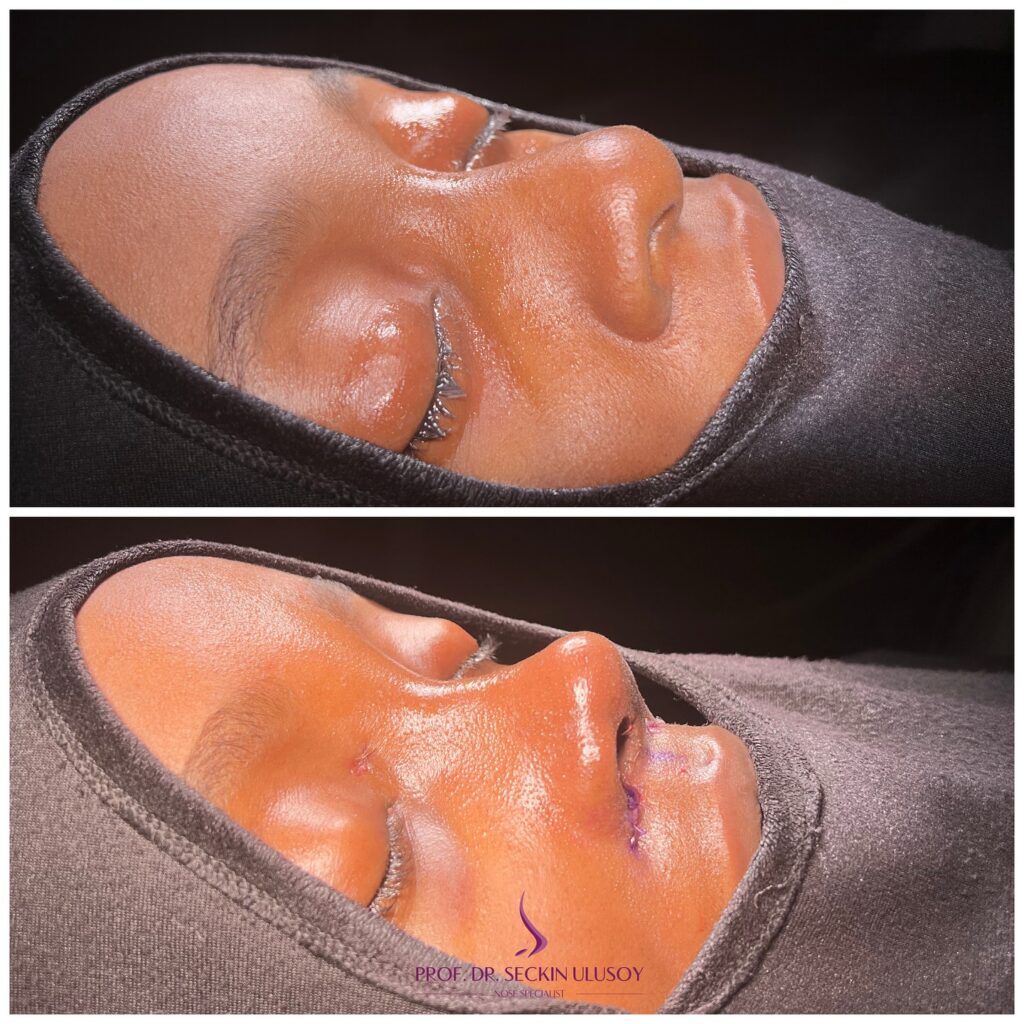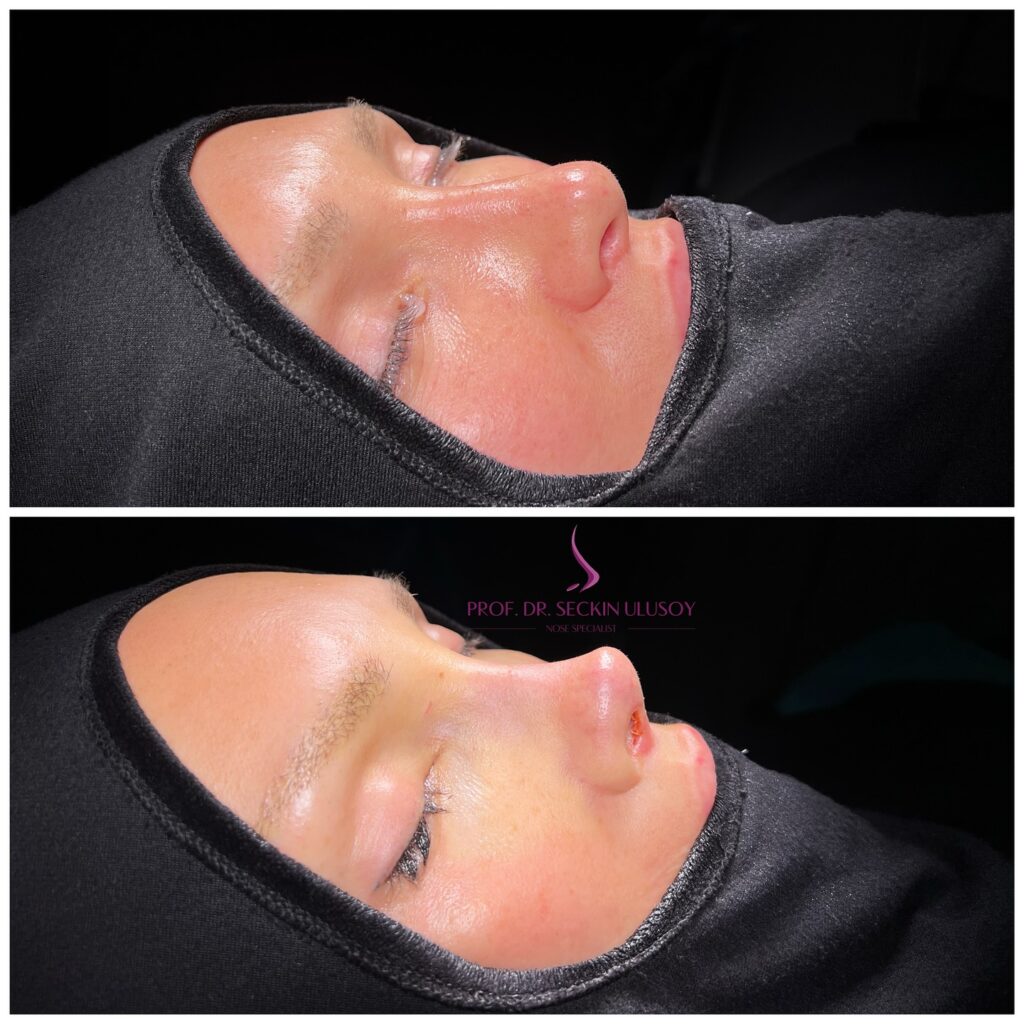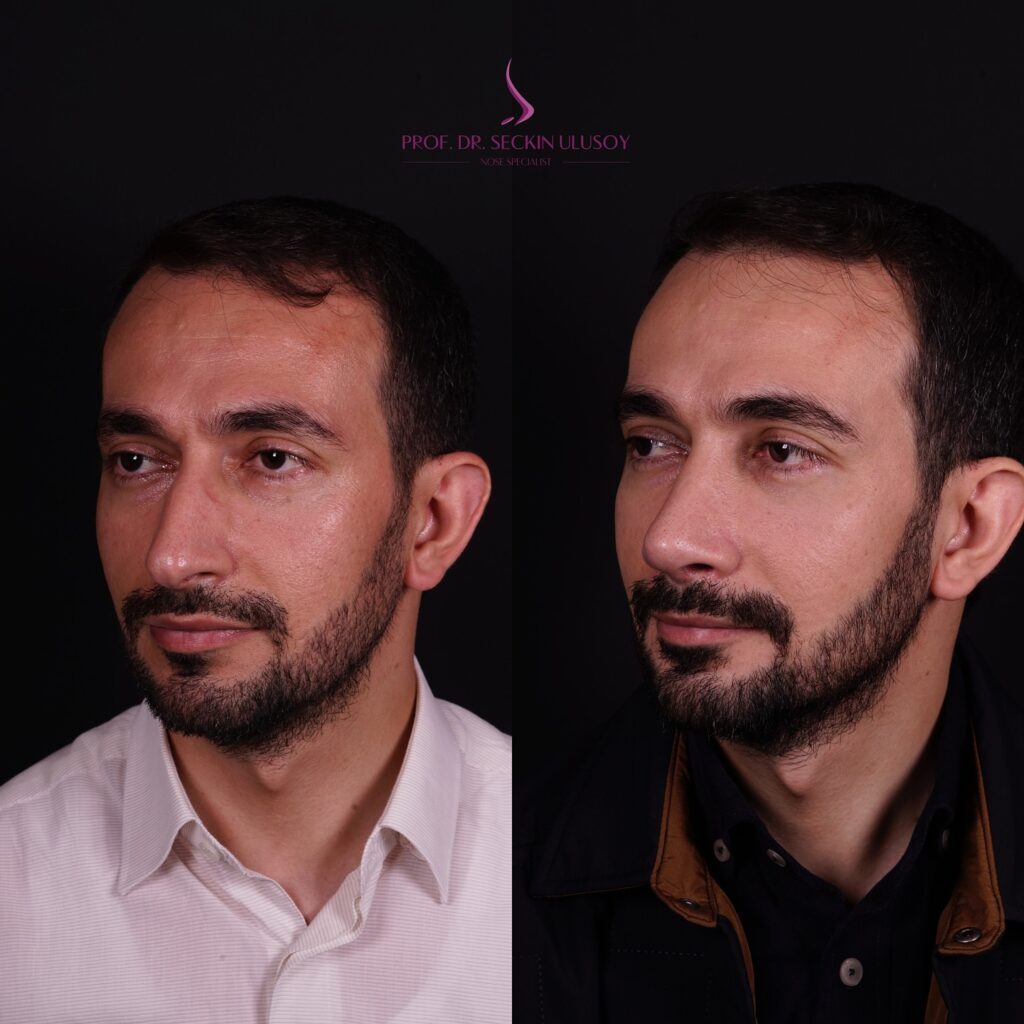
Fat tissue has a crucial repair ability thanks to its growth factors and hormones. Especially in recent years, the application of filling using one’s oils has become quite popular. Facial fat tissue transfers, undesirable and unhappy fats became an option to flourish in front of us, even with one’s tissues and stem cells.
Fat Filling How is it done?
This process should not be confused with liposuction. Liposuction absorbs a very high rate of fat, and the primary purpose is to thin, shrink or shape the areas where the oils are collected. However, much less fat is collected in the fat areas ( abdomen, legs etc.) and injected into the appropriate sites.
The fats taken from our body are separated from the tissue fluids and blood they contain by the process we call centrifugation, and they are made more fluid and injected into the areas to be applied. For this purpose, the fat in the belly, hip, or inner leg areas is where the most common fat will be collected.
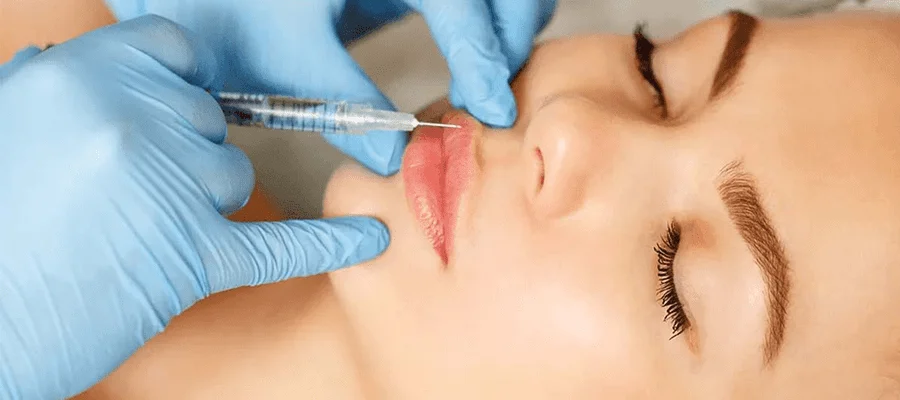
This procedure is most often applied to enlarge the lips, to clarify our cheekbones, to cover the bags under our eyes, to extend the chin, and to pull the forehead forward.
We perform this procedure in the same session as other surgeries and in the form of combined or local anesthesia in our clinic with the anticipation that half of the fat injected with le is dissolved, giving 30-50% more fat than the intended final image.
After Fat Filling
Fat injections usually cause swelling and edema in the region within the first month, and then the edema decreases, and the desired appearance is achieved. Many scientific studies show that fat fillings do not completely disappear even after many years.
What is the alternative to Fat Filling?
Synthetic products are also used for commercially available dermal fillers. Mostly, there is fluid between the tissues that we call hyaluronic acid. When the fat fillers and synthetic fillers are compared, the residence time and rate are much higher.
The risk of allergy, which is found to be very low in hyaluronic acids, is not present because the fat filling is taken from our body. It will be difficult to compare the two fillers as the cost will vary with the clinic where the application is made.
However, if we consider that very high injection rates can be made with fat filler, we can say that oil filler will always be more economical than the same amount of synthetic filler. There may be prolonged edema after fat filling and there is a risk of infection as it is surgical intervention.
Also, there is a rare risk that the fat filler will not be able to provide sufficient volume due to the inability to adapt to the newly placed anatomical region. Furthermore, the persistence of fat filling varies among people, which is one of the disadvantages of the process compared to dermal fillers.
Frequently Asked Questions About Facial Fat Transfer (Facial Fat Grafting)
How does facial fat transfer improve facial volume loss and signs of aging?
Facial fat transfer restores volume using the patient’s own fat, helping soften hollow areas and age-related contour changes. The procedure can create a fuller, more youthful appearance while maintaining natural facial movement and expression.
Which facial areas can be treated with facial fat transfer for natural-looking enhancement?
Facial fat grafting is commonly used to improve the cheeks, temples, under-eye hollows, jawline, and lips. Treatment is customized to restore balance and volume while preserving the unique characteristics of the patient’s face.
What makes facial fat transfer different from dermal fillers for facial rejuvenation?
Unlike synthetic fillers, facial fat transfer uses the patient’s own tissue, reducing the risk of certain reactions. It may also provide longer-lasting volume enhancement, although fat survival rates can vary among individuals.
Who is considered a good candidate for facial fat transfer procedures?
Healthy individuals with facial volume loss and sufficient donor fat are often suitable candidates. A comprehensive consultation helps determine whether fat grafting aligns with the patient’s anatomy, goals, and overall expectations.
How long does it take to recover from facial fat transfer surgery?
Recovery usually involves temporary swelling and bruising in both the donor and treatment areas. Most patients can resume routine activities within a short period, while final results continue to improve as healing progresses.
What factors affect the long-term success of facial fat grafting results?
The survival of transferred fat depends on surgical technique, blood supply development, individual healing response, and lifestyle habits. Following post-procedure instructions carefully can help support optimal and longer-lasting outcomes.
Can facial fat transfer be combined with other facial rejuvenation procedures?
Many patients combine fat grafting with facelift surgery, eyelid procedures, or skin treatments to address multiple signs of aging. Combining procedures may provide more comprehensive facial rejuvenation and improved overall harmony.
Are the results of facial fat transfer permanent or will additional treatments be needed?
A portion of the transferred fat typically becomes a lasting part of the facial tissues, while some may be naturally reabsorbed. In certain cases, additional sessions may be recommended to achieve the desired level of correction.
What are the potential risks and complications associated with facial fat transfer?
As with any surgical procedure, risks may include swelling, bruising, infection, asymmetry, or uneven fat retention. Choosing an experienced surgeon and attending follow-up visits can help reduce complication risks.
How does facial fat transfer affect facial appearance compared with traditional fillers?
Facial fat transfer often produces subtle and natural-looking volume restoration because it uses the body’s own tissue. The treatment can improve facial contours and softness while avoiding an overly augmented appearance.